Artwork
The Penitent St Mary Magdalene in a Landscape
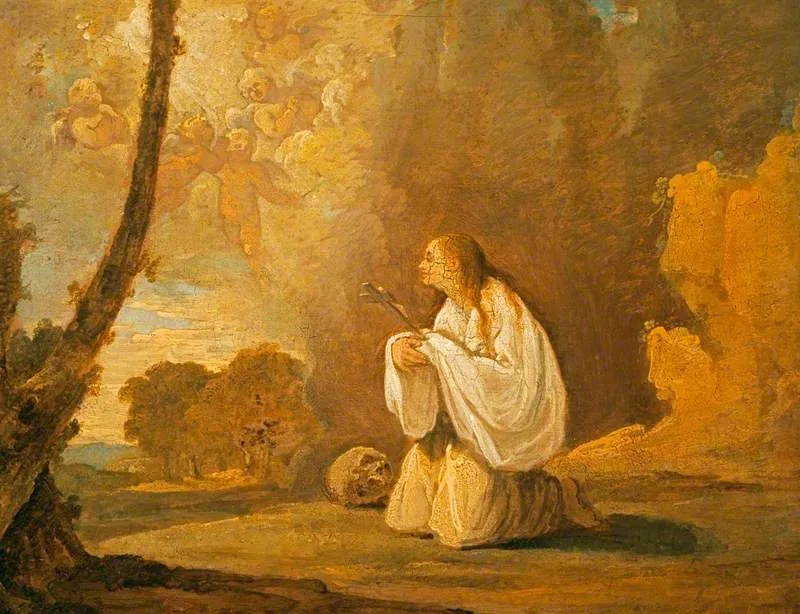
The Penitent St Mary Magdalene in a Landscape is an oil painting by Jacob More. It dates from 1776 and is held in the collection of the National Galleries Scotland.
About this work
Overview
Painted around 1776 by Jacob More, this oil on canvas work portrays Saint Mary Magdalene in a quiet, natural setting. The composition centers on a solitary figure engaged in private devotion, framed by a subdued landscape. The painting is part of the Scottish National Gallery’s collection, reflecting 18th-century British interest in religious themes rendered through landscape.
Subject & Meaning
The figure represents Mary Magdalene in her penitent phase, withdrawing from worldly life to meditate on sin and redemption. Her white robe suggests purity, while the skull at her feet evokes memento mori, a reminder of death and spiritual reckoning. The cross she holds signifies faith and sacrifice, reinforcing the theme of contrition and inner transformation.
Technique & Style
More employs soft chiaroscuro to model the figure against the dimming landscape, drawing attention to her form without harsh contrast. The brushwork is delicate in the robe and foliage, while the sky is rendered with loose, atmospheric strokes. The composition avoids dramatic action, favoring stillness and quiet emotional resonance through tonal harmony and restrained detail.
History & Provenance
Created during More’s time in Italy, the painting reflects his exposure to classical and devotional traditions. It entered the Scottish National Gallery’s collection in the 19th century, likely through acquisition or donation. Its preservation in a public institution underscores its recognition as a thoughtful example of British religious painting from the late Enlightenment.
Context
More’s work aligns with this trend, distancing itself from theatrical Baroque depictions in favor of calm, naturalistic settings.
In the 1770s, British artists increasingly blended religious subjects with landscape painting, responding to both spiritual introspection and Romantic sensibilities. More’s work aligns with this trend, distancing itself from theatrical Baroque depictions in favor of calm, naturalistic settings. The painting mirrors contemporary literary and philosophical currents emphasizing inner life and moral reflection.
Legacy
Though not widely known today, the painting remains a quiet testament to 18th-century British attempts to reconcile faith with naturalism. It contributes to the broader understanding of how religious iconography was adapted into landscape formats, influencing later artists who sought emotional depth through serene, contemplative scenes rather than overt drama.
Artist & collection

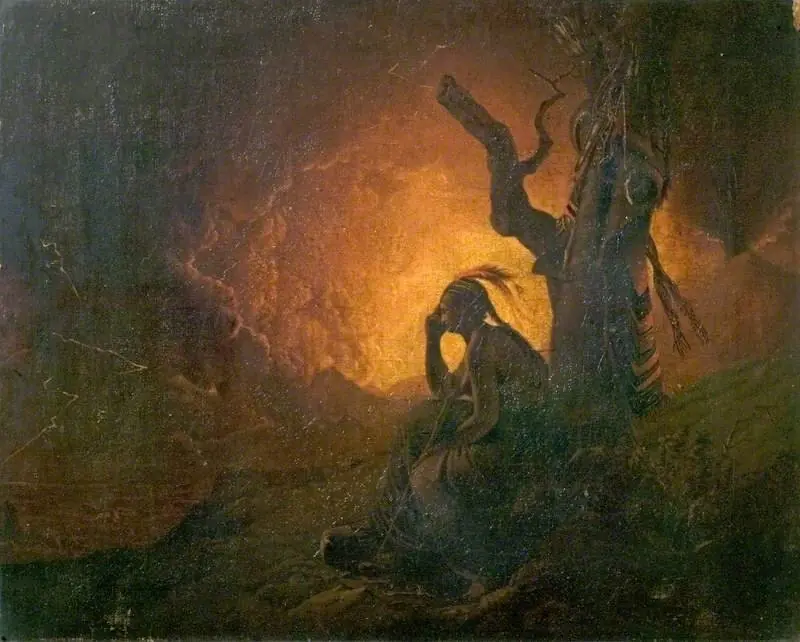 The Widow of an Indian Chief Watching the Arms of Her Deceased Husband
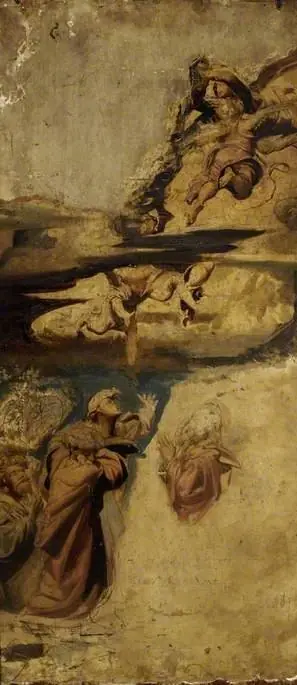 The Ascension of Christ
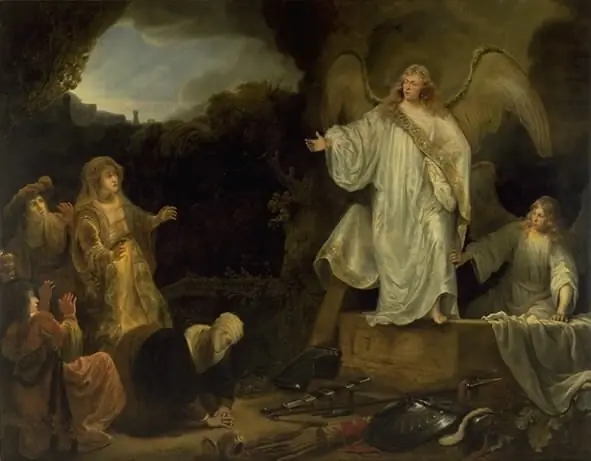 The holy Women at the Sepulchre
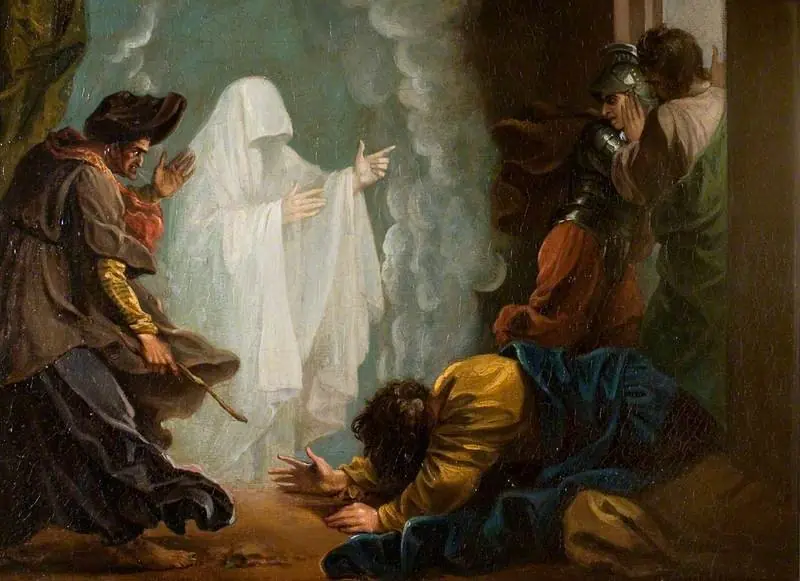 Saul and the Witch of Endor
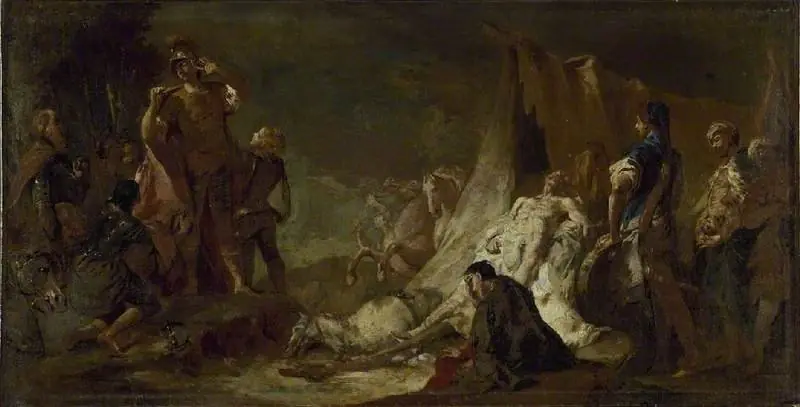 The death of Darius
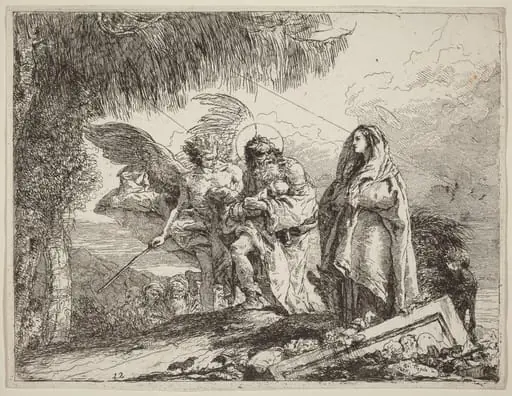 The Flight, Holy Family Walking with Angel
 A Tomb in a Grotto
 The Temptation of Our Lord
 Enthauptung der hl. Katharina (?)
 Anbetung des Goldenen Kalbes
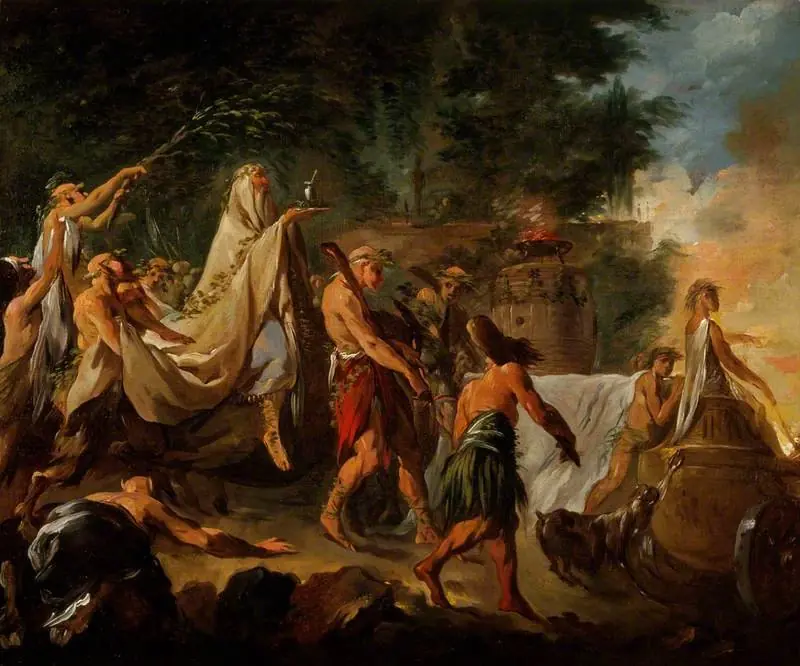 A Druids' Ceremony
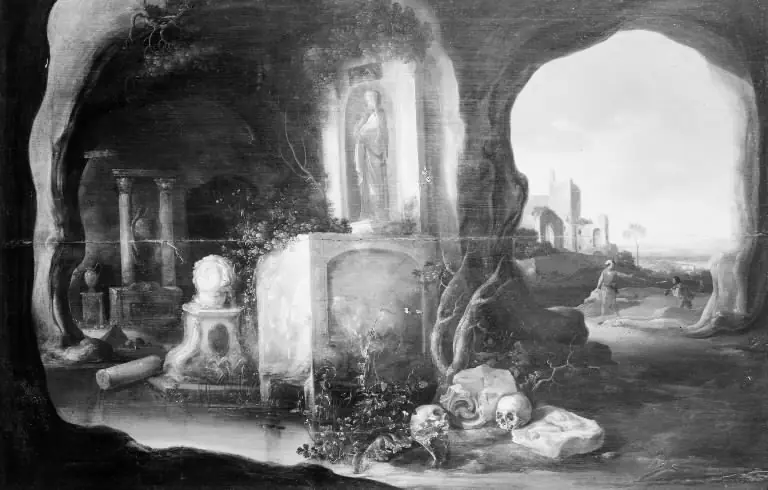 A Mountain Cave