Artwork
The Ascension of Christ
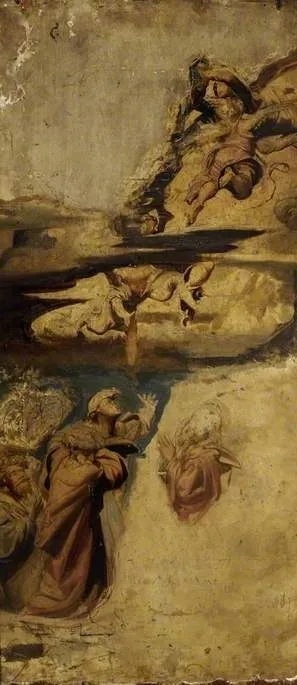
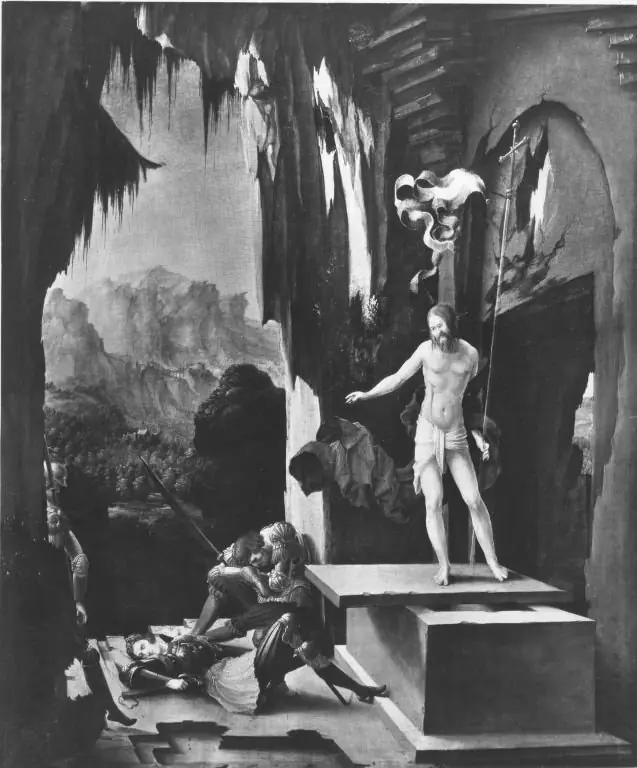
The Ascension of Christ is an oil painting by Alfred Stevens. It dates from 1845 and is held in the collection of the Fitzwilliam Museum. Created in 1845, this oil painting portrays the biblical moment when Christ rises toward heaven.
About this work
Overview
Created in 1845, this oil painting portrays the biblical moment when Christ rises toward heaven. The composition centers on the figure of Christ, elevated against a gentle blue sky, surrounded by angels and the astonished apostles. The work exemplifies a calm, reverent atmosphere, guiding the viewer’s gaze upward through a balanced arrangement of figures and space.
Subject & Meaning
The scene captures the Ascension, a pivotal event in Christian theology signifying Christ’s return to the divine realm. The apostles’ upward glances and the attendant angels convey awe and devotion, emphasizing the transition from earthly presence to heavenly glory. The painting invites contemplation of spiritual elevation and the promise of salvation.
Technique & Style
Executed in oil, the artist employs a muted palette of blues and earth tones, creating a soft atmospheric depth. Careful modeling of the figures and delicate handling of light produce a realistic yet idealized effect, reflecting the influence of 17th‑century Dutch genre painting. The composition’s vertical thrust is reinforced by subtle gradations that lead the eye toward the central figure.
History & Provenance
The work was produced by a Belgian painter active in Paris during the mid‑19th century and later entered the collection of the Fitzwilliam Museum. Its acquisition reflects the museum’s interest in European religious art of the period, preserving a representative example of the artist’s meticulous approach to narrative painting.
Artist & collection
Artist
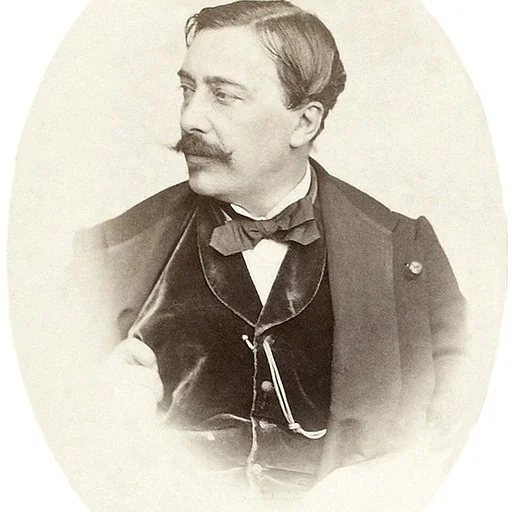
Alfred Émile Léopold Stevens (11 May 1823 – 24 August 1906) was a Belgian painter, known for his paintings of elegant modern women.


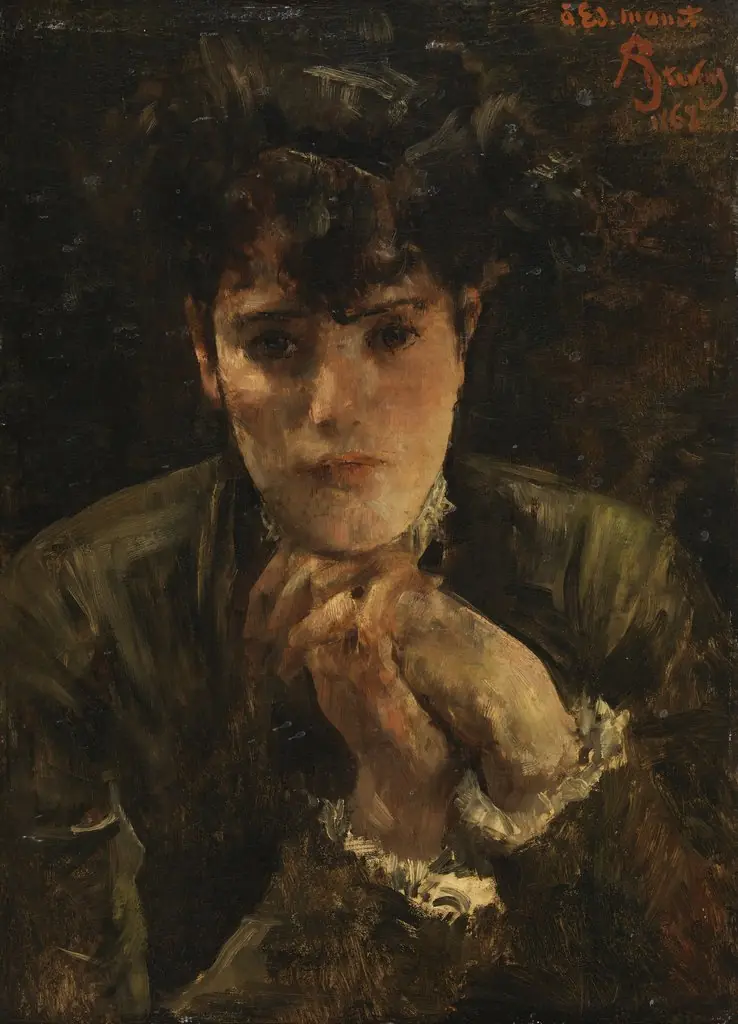
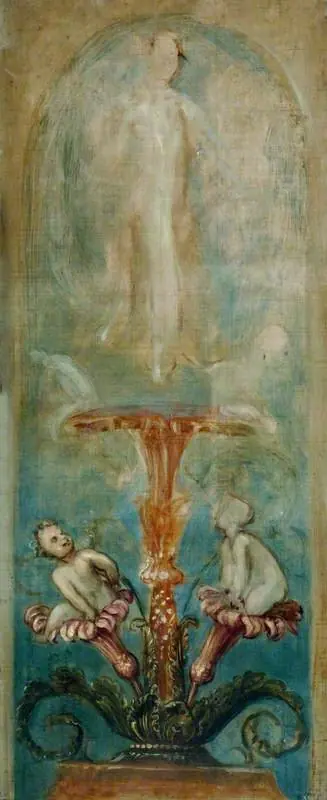 Arabesque Decoration with a Female Figure (sketch)
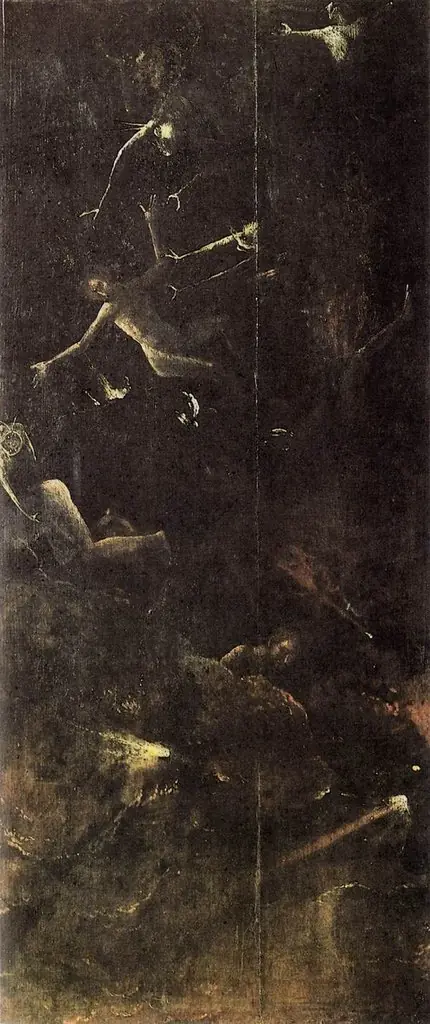 Visions of the Hereafter: Fall of the Damned into Hell
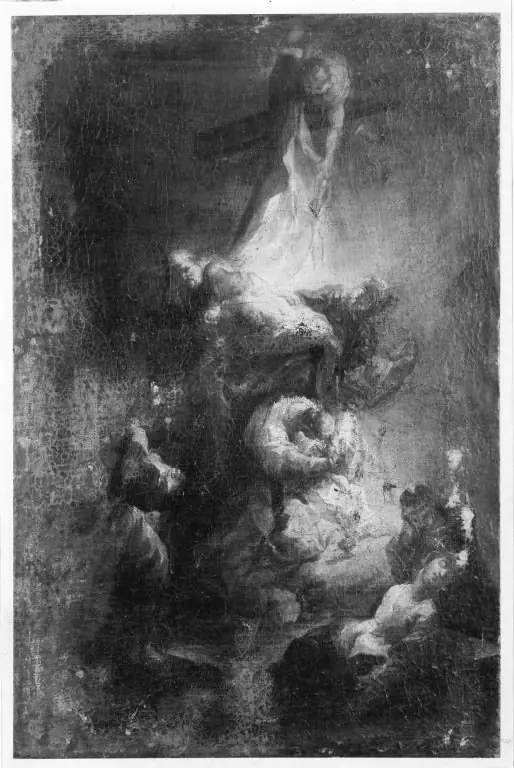 Kreuzabnahme Christi
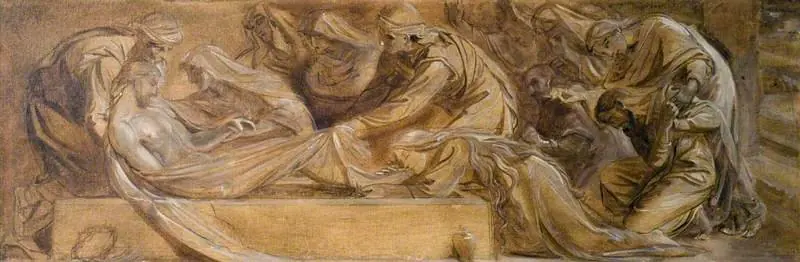 The Entombment (study for the painting in the Chapel of the Ascension, Bayswater Road)
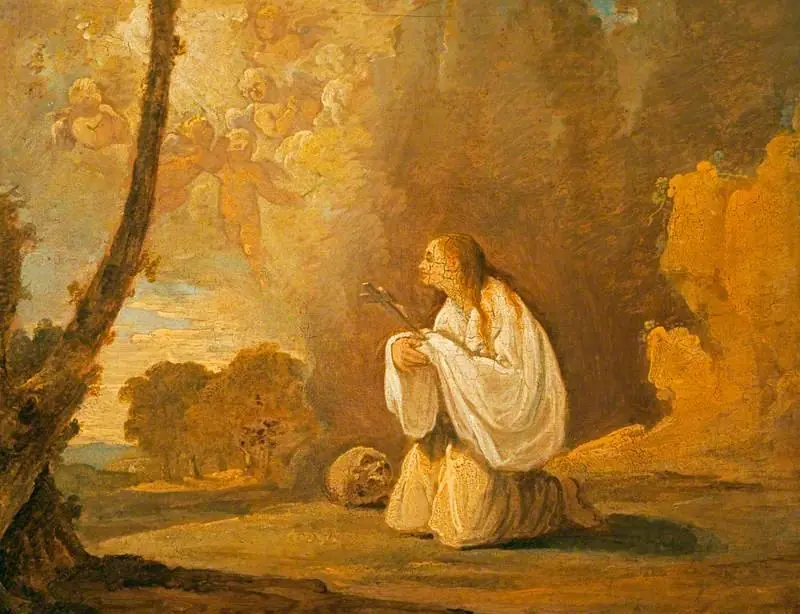 The Penitent St Mary Magdalene in a Landscape
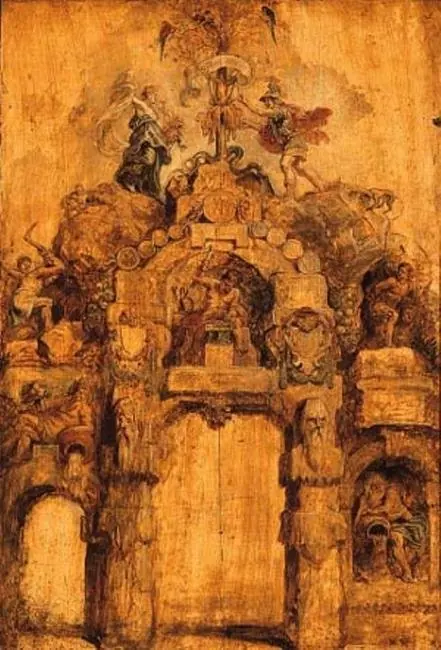 The Arch of Honor of the Mint (reverse)
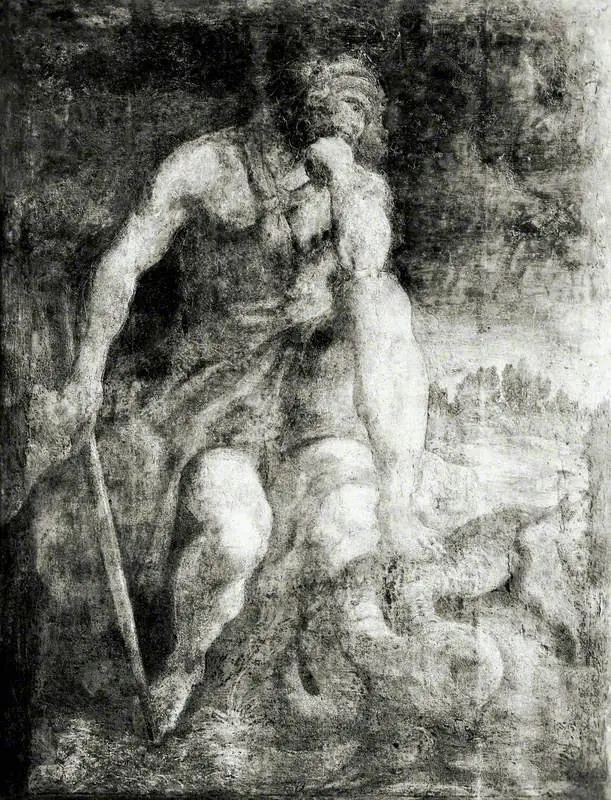 Hercules and the Hydra
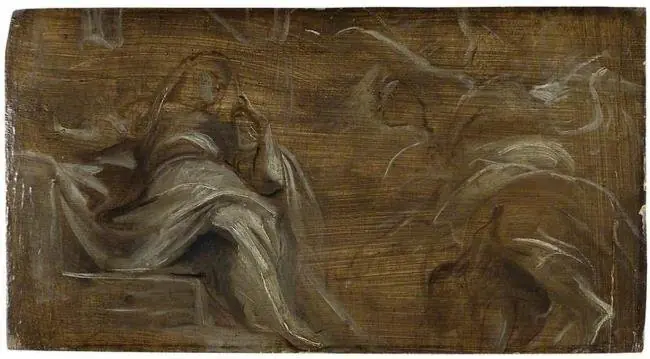 The Annunciation
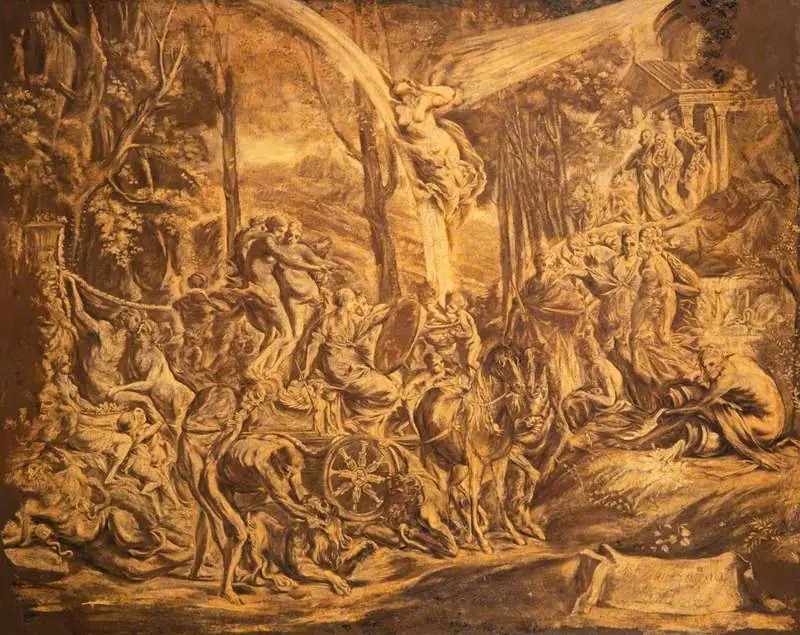 The Triumph of Painting
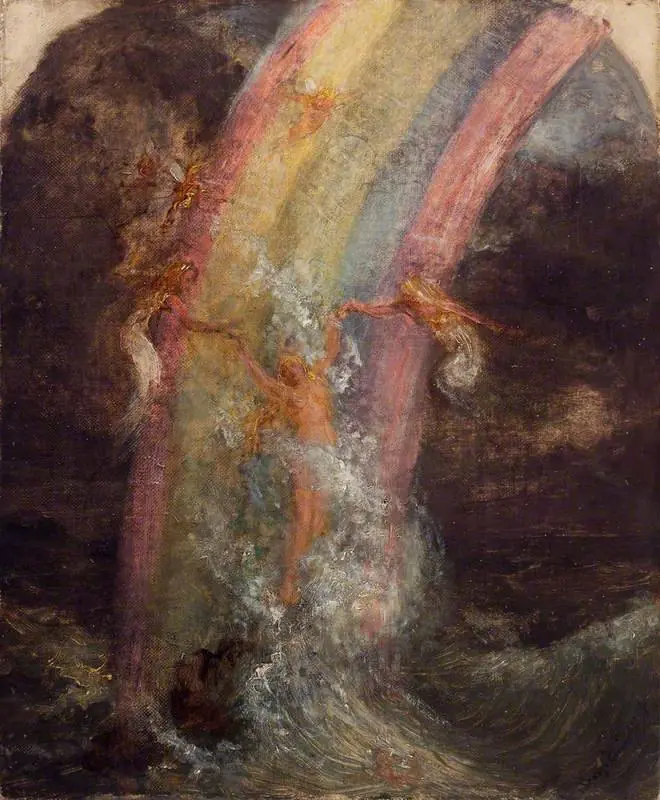 Venus Rising from the Froth of the Sea
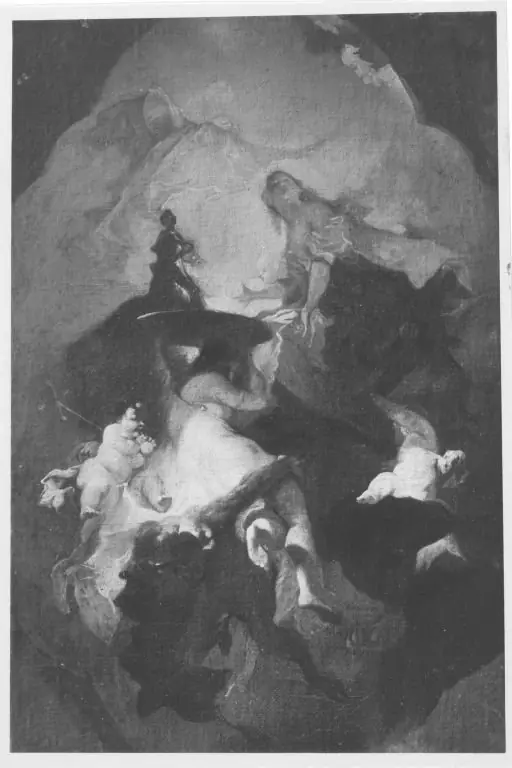 Allegorische Darstellung
 The resurrection of Christ