Artwork
The Temptation of Our Lord
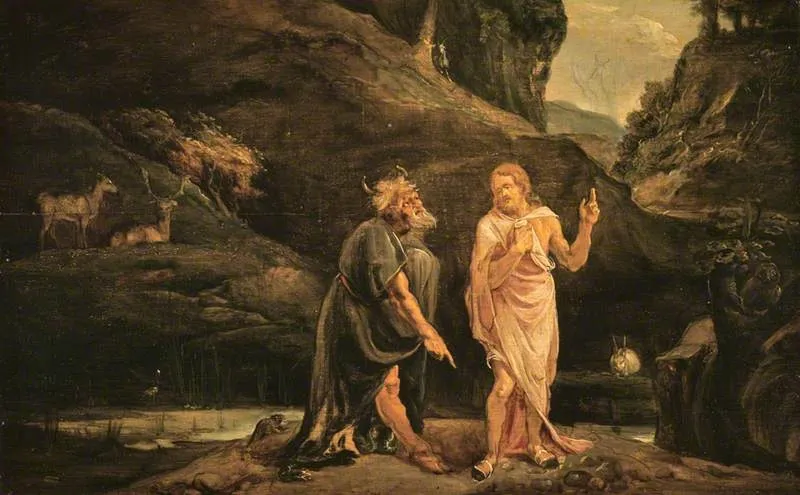
The Temptation of Our Lord is an oil painting by John Runciman. It dates from 1765 and is held in the collection of the National Galleries Scotland.
About this work
Overview
John Runciman’s oil painting *The Temptation of Our Lord*, executed circa 1765, presents a biblical episode within a stark, rocky landscape. The work is part of the Scottish National Gallery’s collection and exemplifies the artist’s focus on religious narrative.
Subject & Meaning
Two male figures dominate the composition: one in a pink robe gestures upward, while the other in a darker garment points toward his companion. The interaction suggests a moment of spiritual dialogue, likely referencing the New Testament temptation of Jesus, though the figures are rendered as generic participants rather than identifiable characters.
Technique & Style
Runciman employs a muted palette of browns and grays, using chiaroscuro to model the forms and create depth. The contrast of light and shadow emphasizes the central figures against a backdrop of craggy rocks, sparse trees, and a distant water body, reinforcing the narrative focus.
History & Provenance
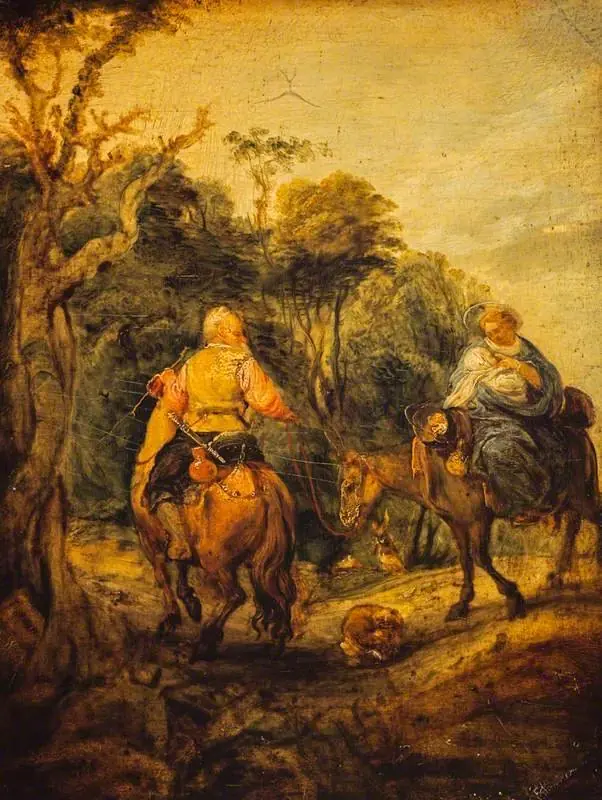
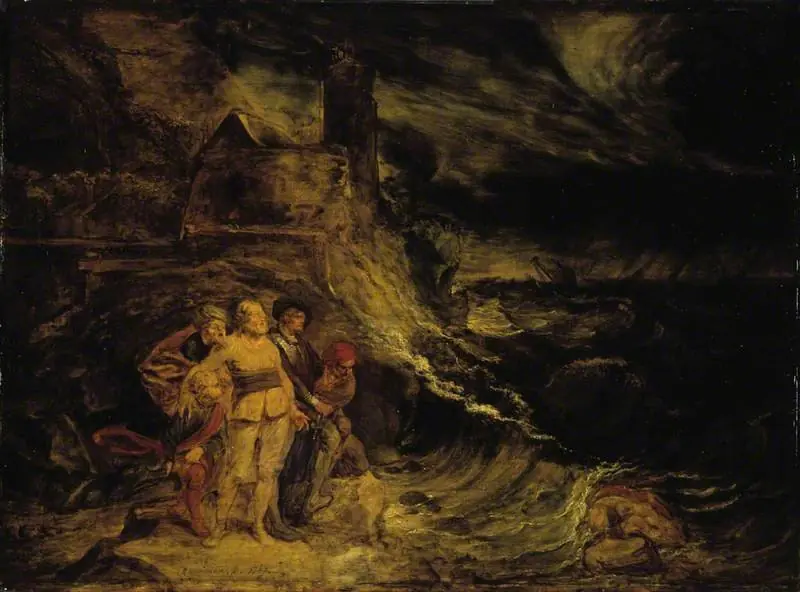
The painting was produced in the mid‑18th century, a period when Runciman was known for religious and literary subjects such as *Flight into Egypt* and *King Lear in the Storm*. It entered the Scottish National Gallery’s holdings, where it remains on display.
Context
Runciman’s work reflects the Scottish Enlightenment’s interest in moral and theological themes, aligning with contemporary trends that favored dramatic storytelling in religious art. The composition’s simplicity and restrained coloration echo the period’s move toward a more sober, contemplative visual language.
Artist & collection
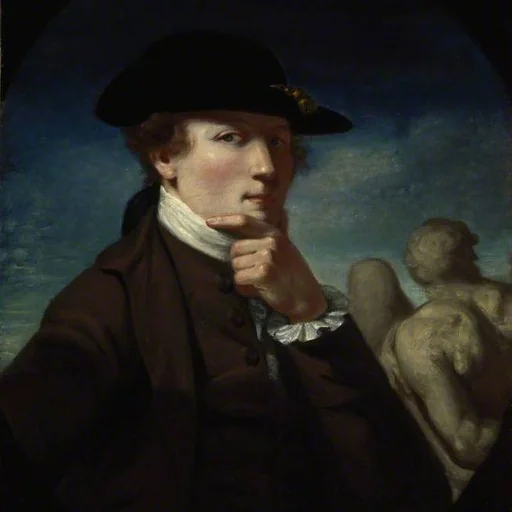
Artist
John Runciman (1744 – 1768 or 1769) was a Scottish painter known for Biblical and literary scenes. His works include Flight into Egypt and King Lear in the Storm, both in the National Gallery of Scotland.

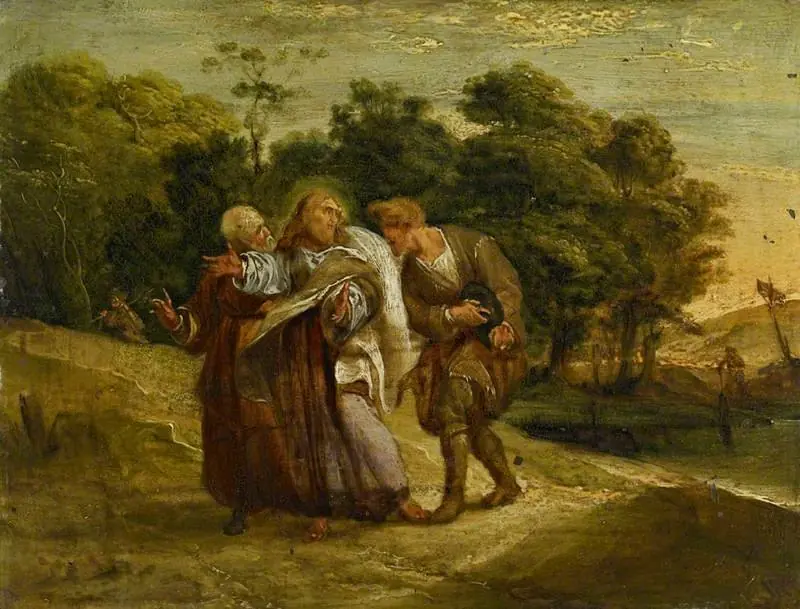
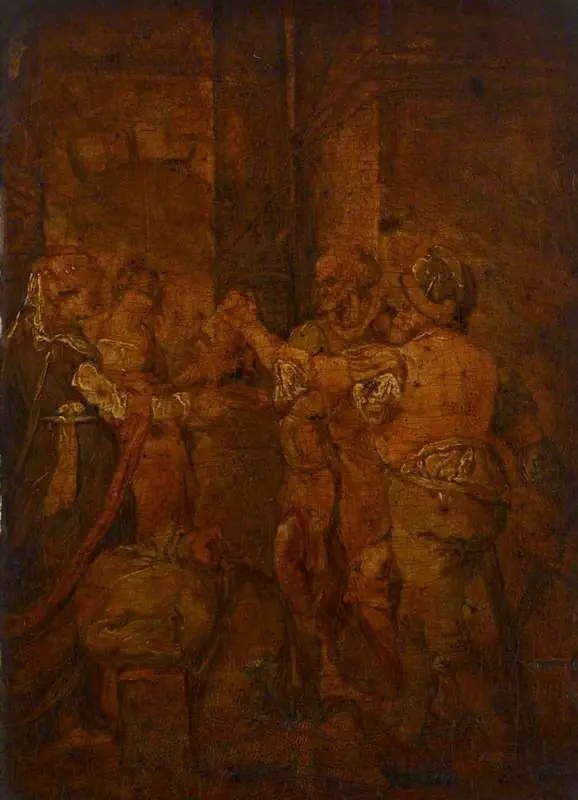
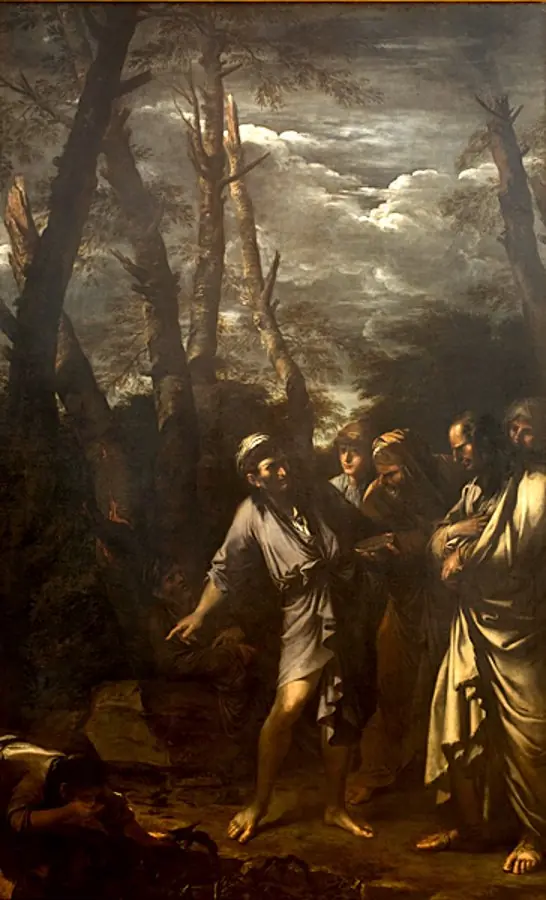 Diogenes Throwing away his Drinking Cup
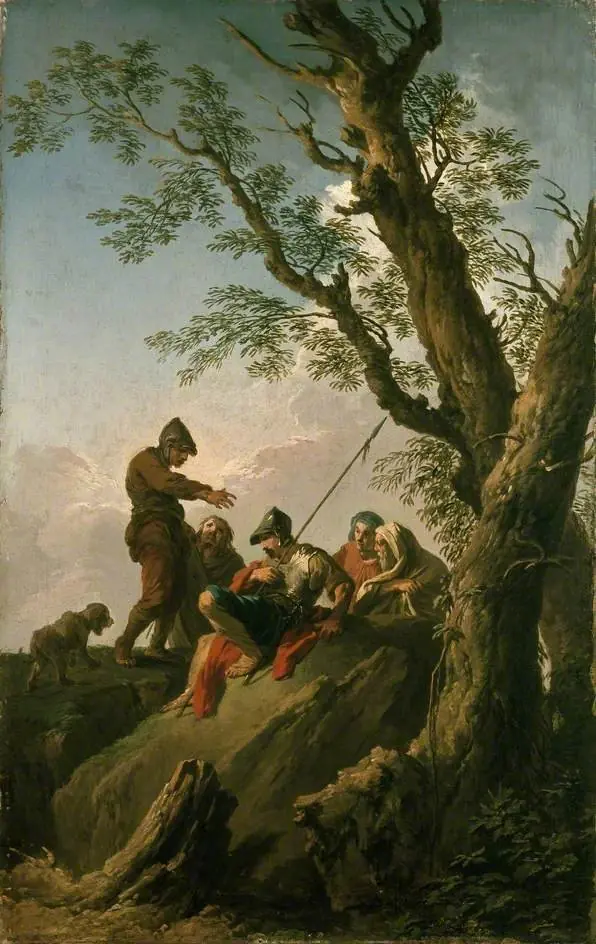 Landscape with Bandits and a Dog
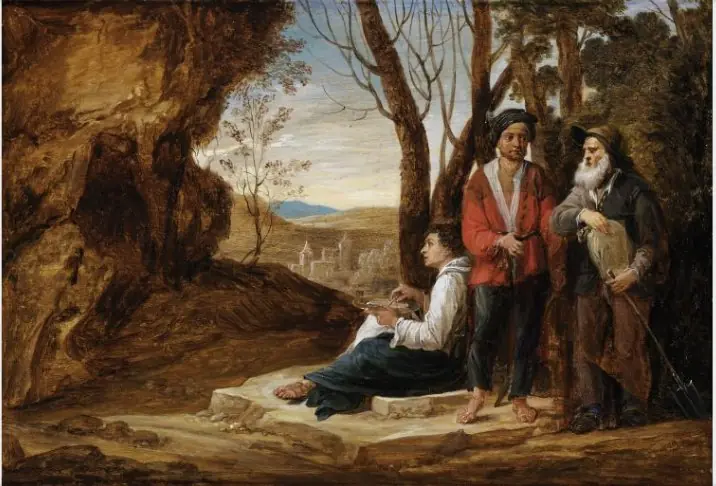 The Three Philosophers
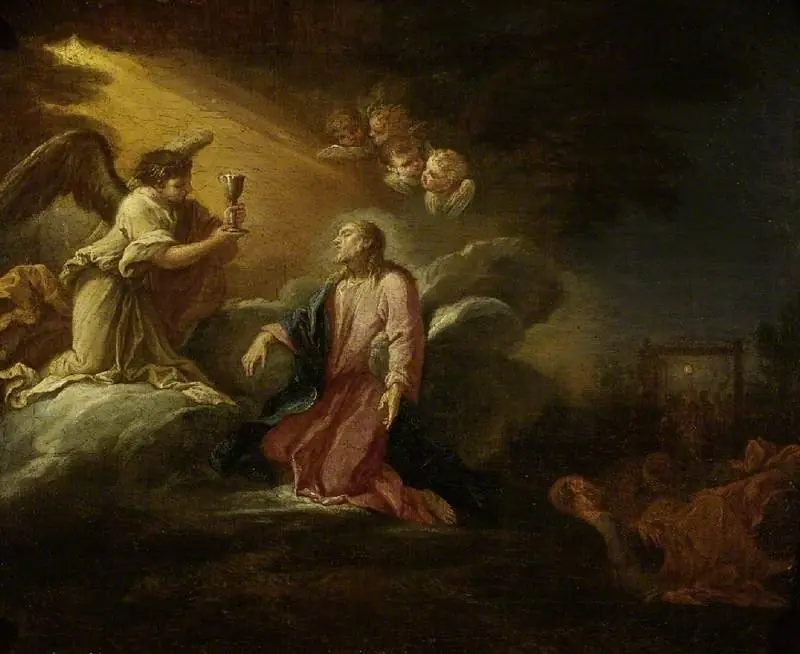 The Agony in the Garden
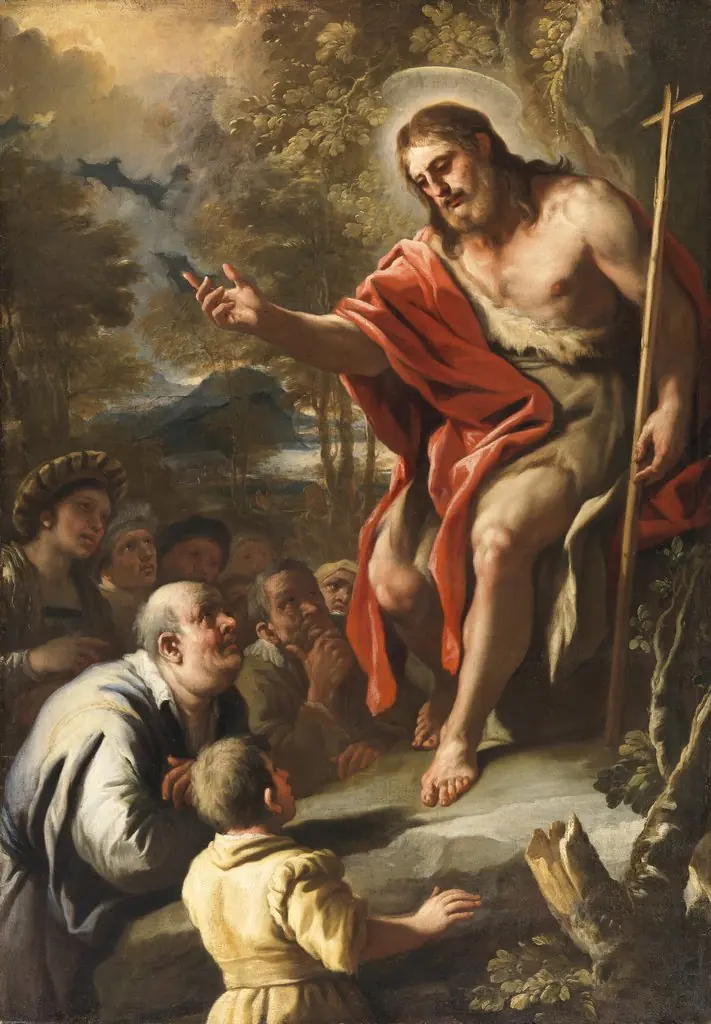 Saint John Preaching in the Wilderness
 The Calling of the Sons of Zebedee
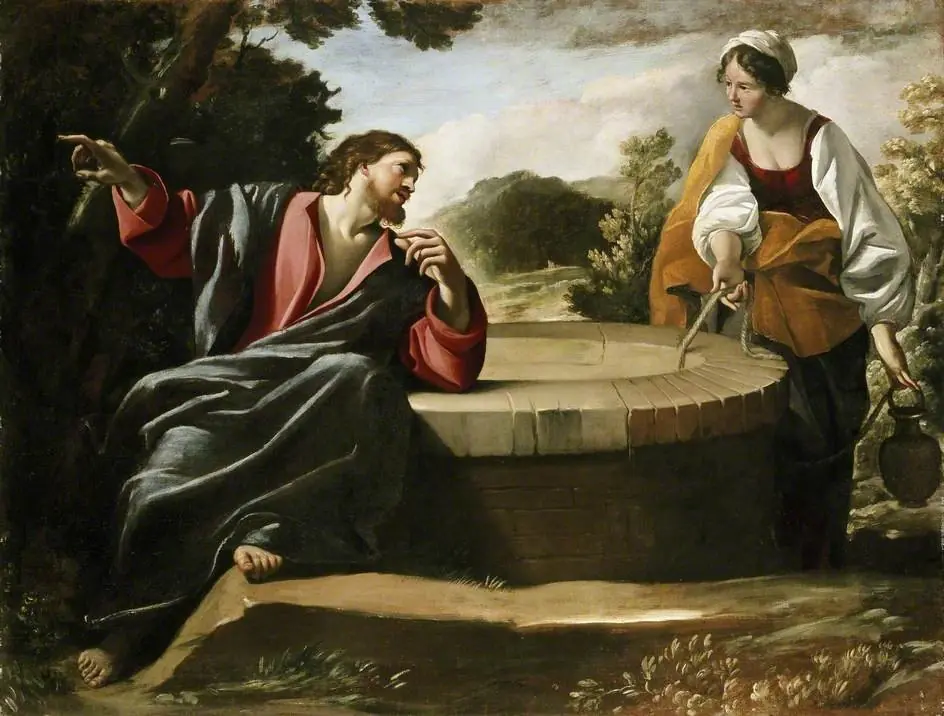 Christ and the Woman of Samaria
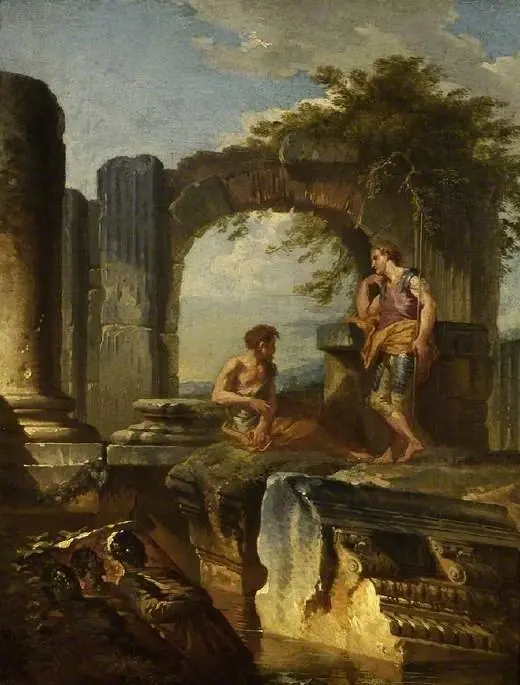 Ruins with figures
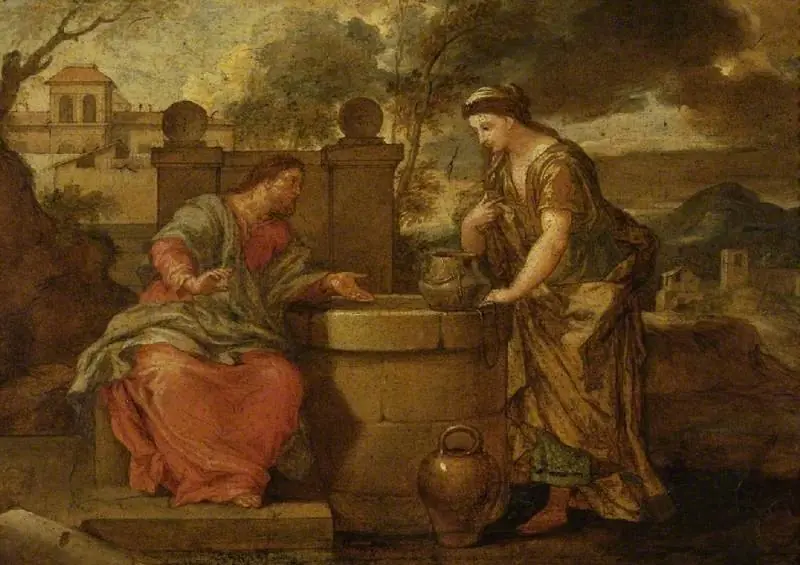 Christ and the woman of Samaria
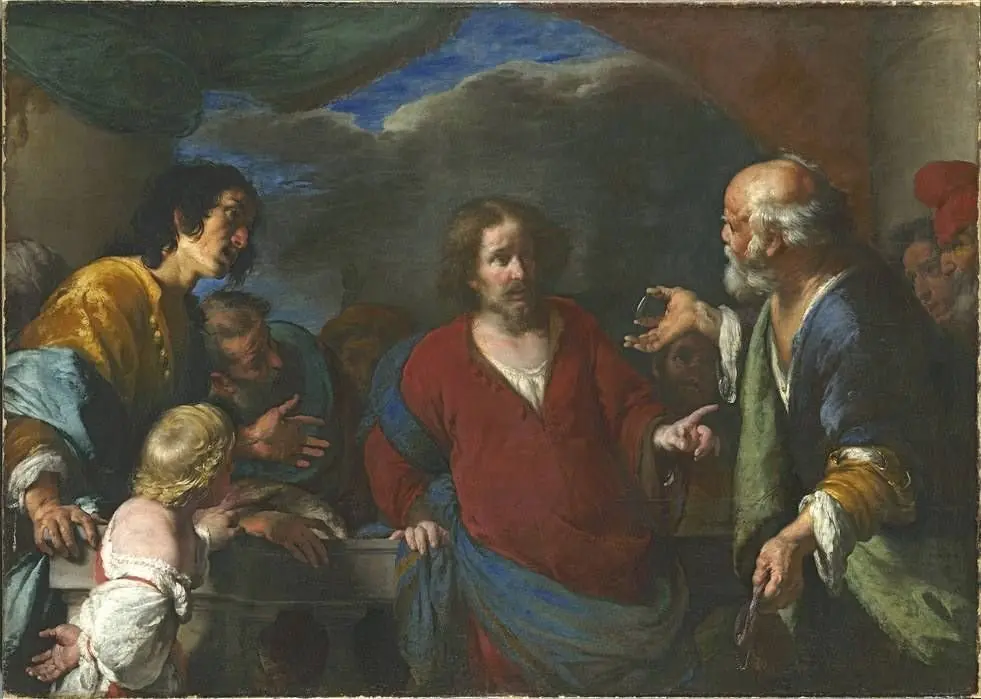 Das Gleichnis vom Zinsgroschen
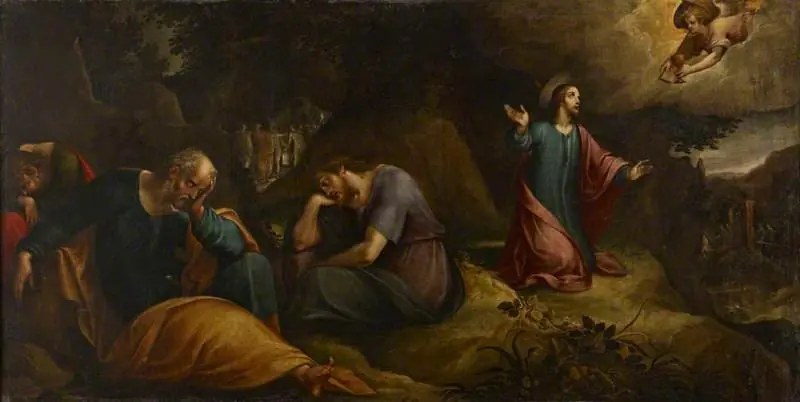 Christ on the Mount of Olives