Artwork
Self-portrait
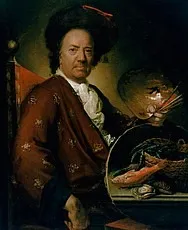
Self-portrait is an oil painting by the Dutch Golden Age artist Jacob van der Kerckhoven. It dates from 1694 and is held in the collection of the Uffizi Gallery.
About this work
Overview
The canvas presents Jacob van der Kerckhoven portraying himself in 1694. Dressed in a red, gold‑embroidered robe over a white shirt, he holds a palette and brushes, his left hand resting on a table. A dark backdrop, tinged with a subtle red wash on the left, frames the figure, emphasizing his contemplative pose.
Subject & Meaning
The work functions as a personal statement, showing the artist at work. By displaying his tools and a thoughtful expression, van der Kerckhoven underscores the identity of the painter‑craftsman, aligning with the self‑portrait tradition that linked artistic skill with intellectual introspection.
Technique & Style
Executed in oil, the painting employs chiaroscuro to model the figure’s volume against the tenebrous background. The palette reveals primary hues—red, blue, yellow—while the brushwork is precise, especially in the orderly arrangement of the brushes. The overall handling reflects Dutch Golden Age portrait conventions, adapted within an Italian context.
History & Provenance
Born in Antwerp, van der Kerckhoven moved to Venice, where he was known as Giacomo da Castello and gained reputation for still lifes and animal scenes. This self‑portrait, created during his Venetian period, entered the Uffizi Gallery’s collection, where it remains part of the museum’s holdings of 17th‑century European art.
Artist & collection
Artist
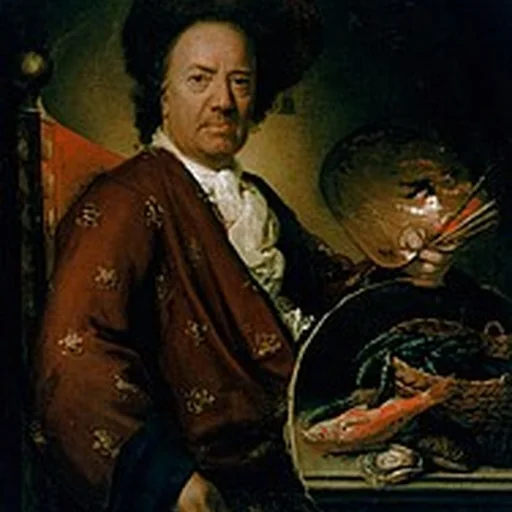
Jacob van der Kerckhoven (or Jacques van de Kerckhoven), known in Italy as Giacomo da Castello (1636/1637 – after 1712), was a Flemish painter.

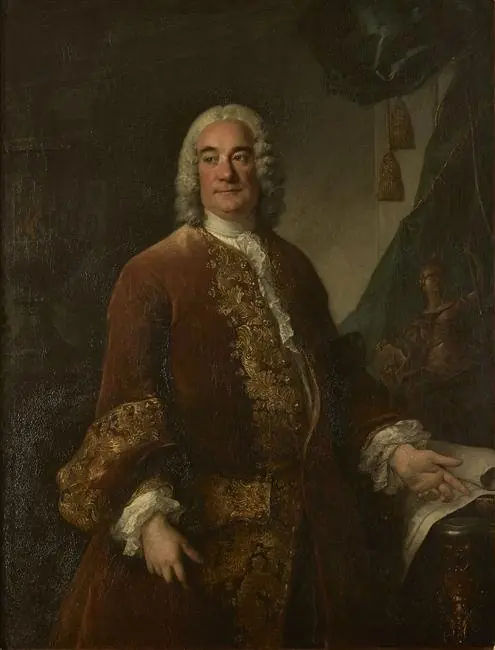 Portrait of Charles François Paul Le Normant de Tournehem (1684-1751)
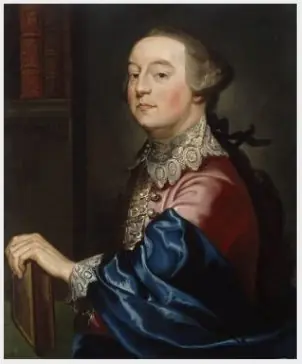 Portrait of a Man
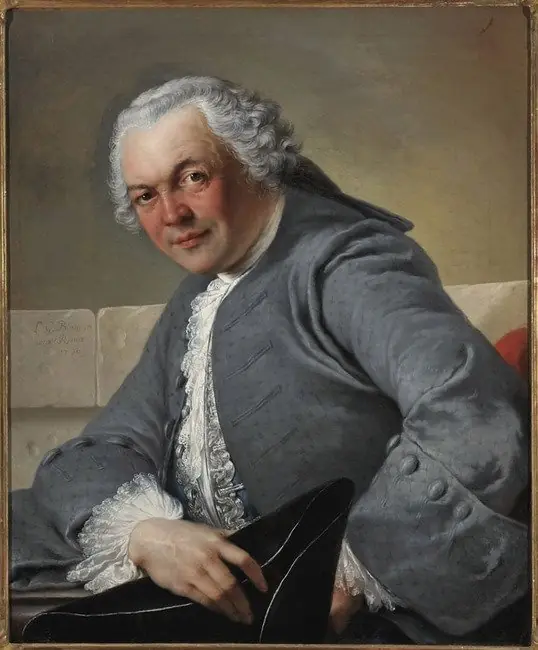 Portrait of Claude Tolozan (1728-1798)
 Portrait of Charles Tottenham in his Boots
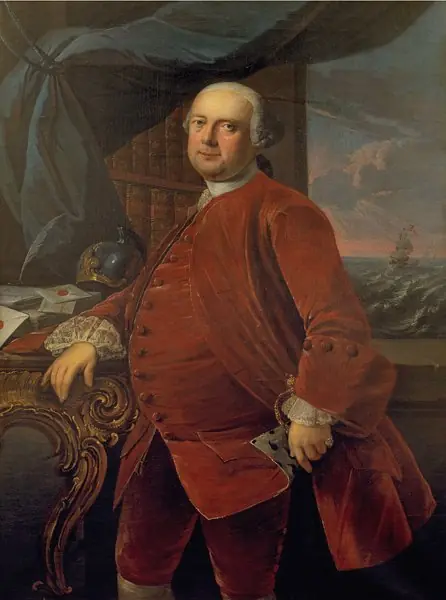 Postmester Frederik Carl Harboe (?)
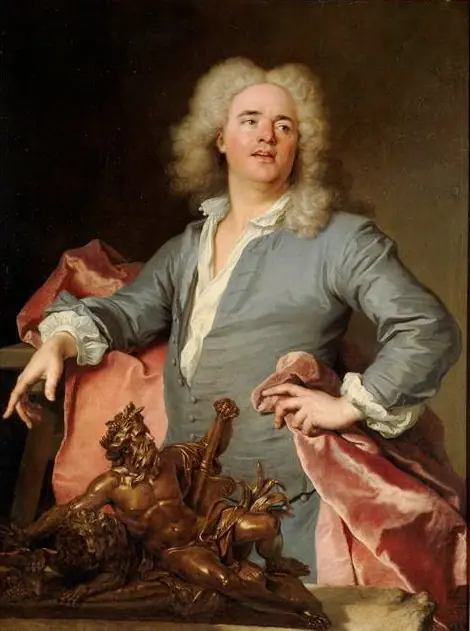 Guillaume Ier Coustou (1677-1746), sculptor
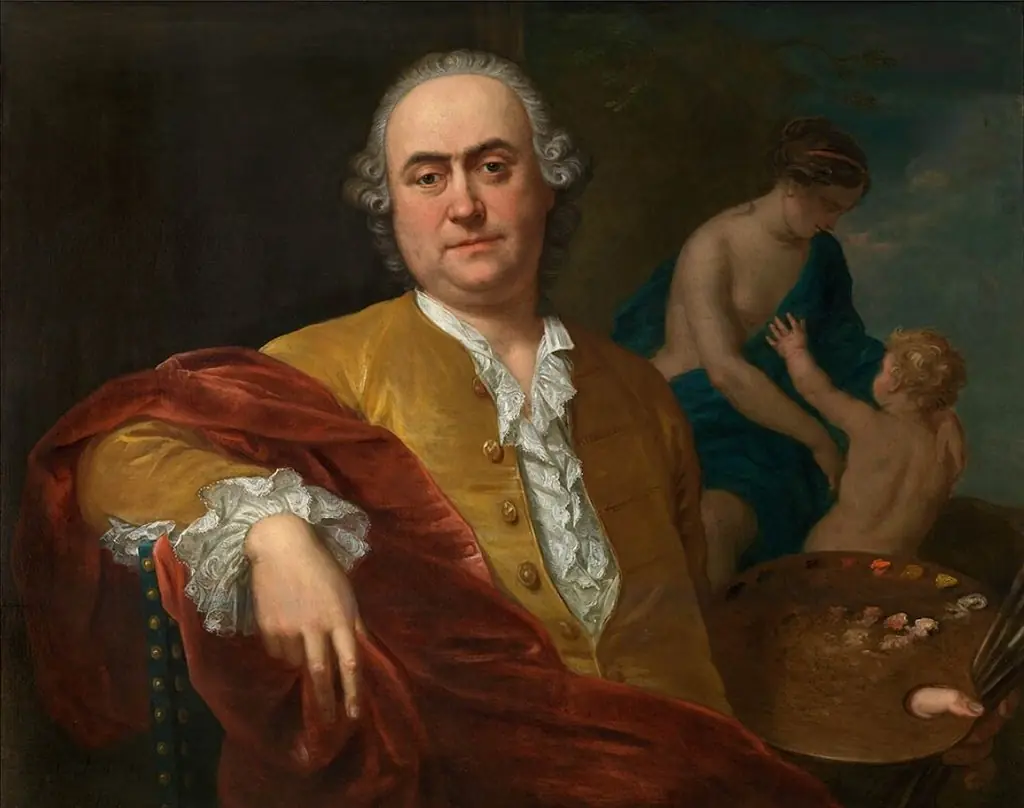 Self-Portrait
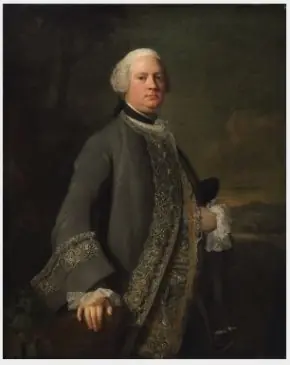 Portrait of Sir John Tyrell, Bt.
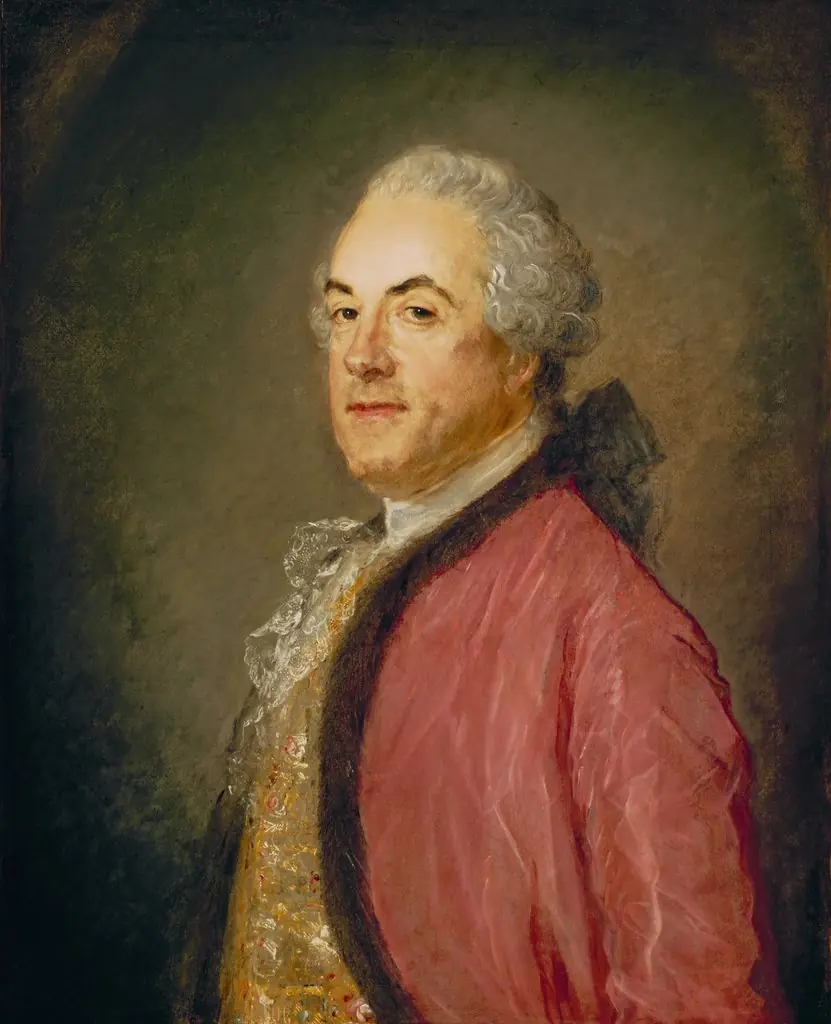 Portrait of a Man
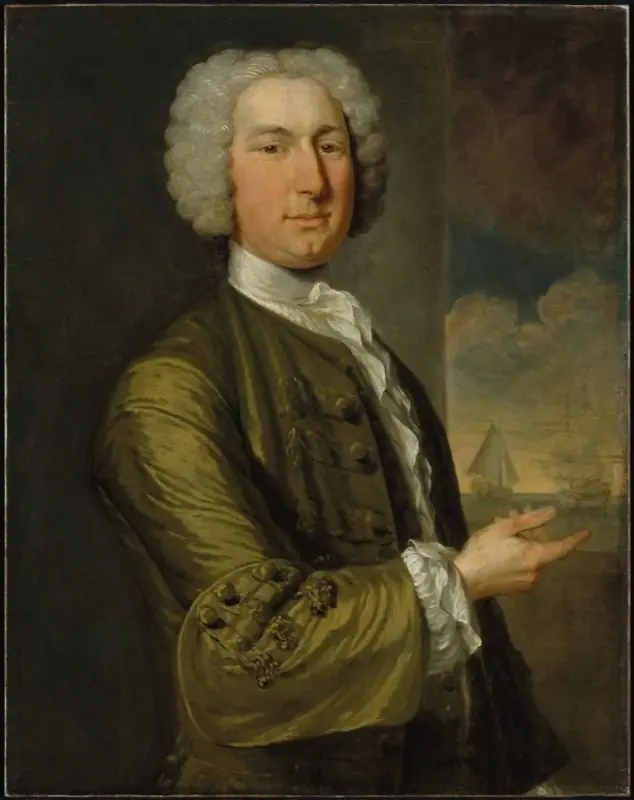 John Turner
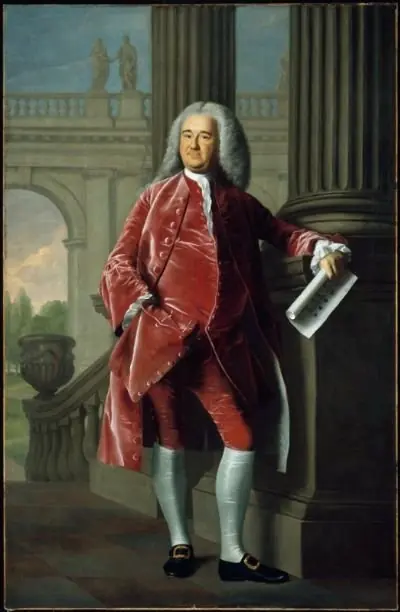 Nathaniel Sparhawk
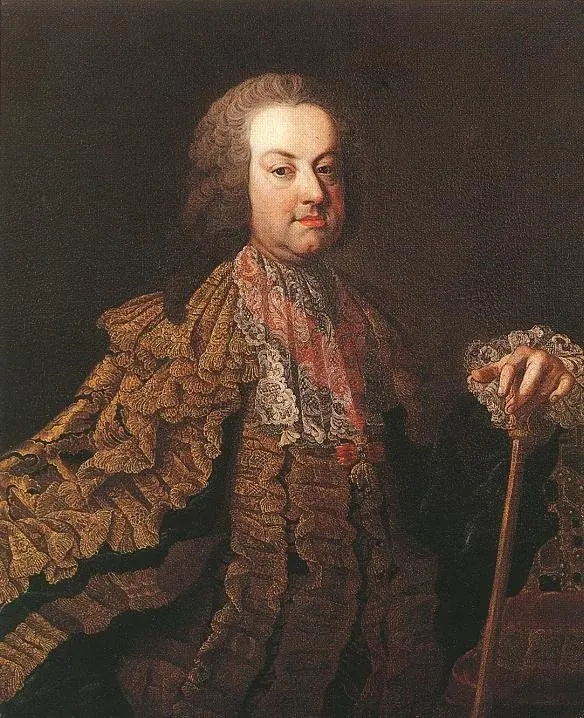 Portrait of Emperor Franz I von Lothringen (1708-1765)