Artwork
Tod Senecas
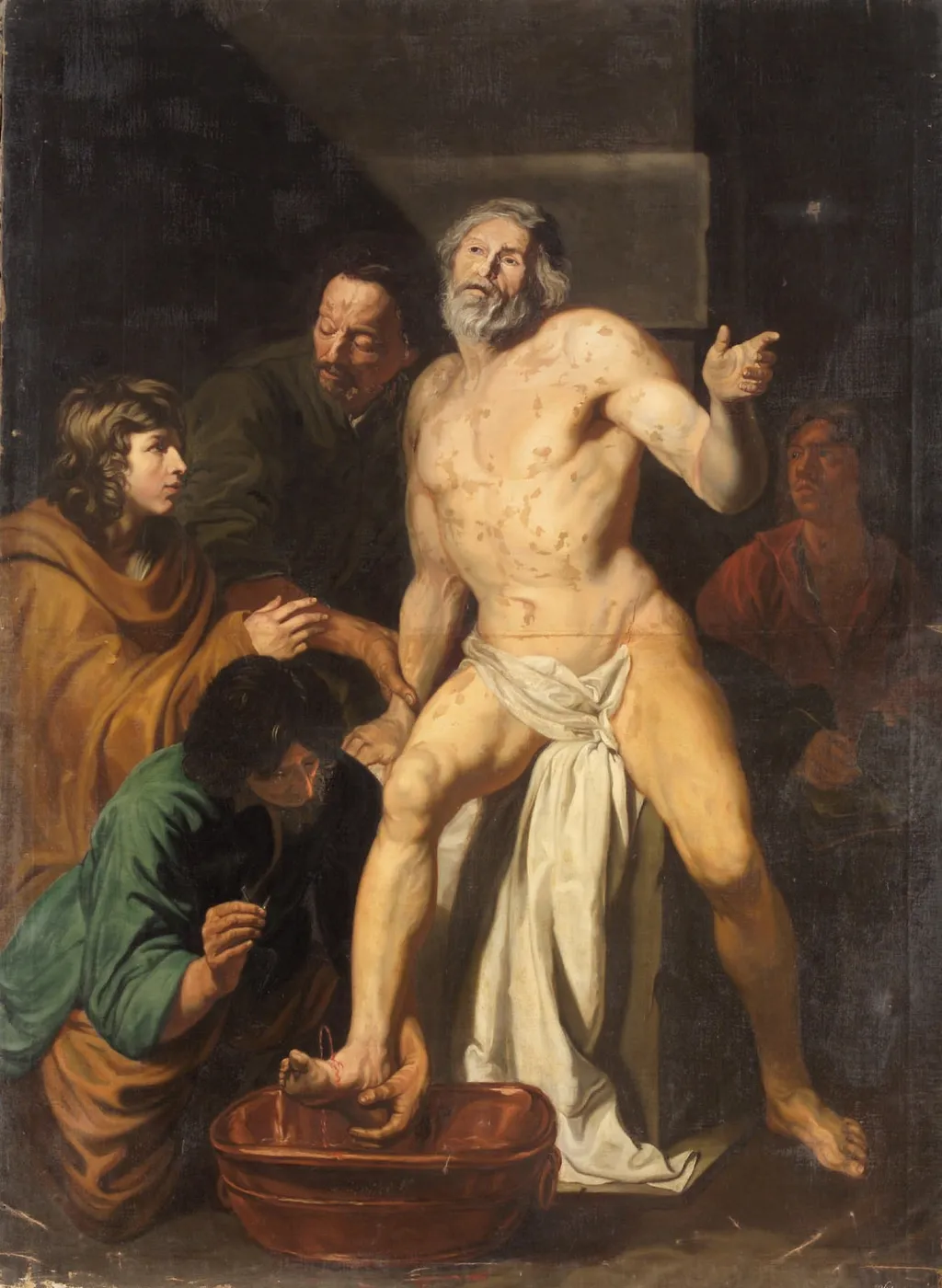
Tod Senecas is an oil painting by the Flemish Baroque painting artist Jacob van Oost. It dates from 1640 and is held in the collection of the Kunsthistorisches Museum.
About this work
Overview
Van Oost, active in Bruges, specialized in historical narratives and portraits, often commissioned by religious institutions and civic elites.
Painted in 1640 by Jacob van Oost the Elder, *Tod Senecas* is an oil-on-canvas work from the Flemish Baroque era. Van Oost, active in Bruges, specialized in historical narratives and portraits, often commissioned by religious institutions and civic elites. This piece belongs to a body of work that engaged with classical and moral themes, reflecting the cultural priorities of the region during the Counter-Reformation.
Subject & Meaning
The painting depicts the death of the Roman philosopher Seneca, who chose suicide by self-inflicted wound after being accused of conspiring against Emperor Nero. Van Oost presents the moment with restrained drama, emphasizing stoic resolve over emotional excess. The scene serves as a moral allegory, aligning with contemporary interest in classical virtue and dignified endurance in the face of injustice.
Technique & Style
Van Oost employs a muted palette and controlled chiaroscuro to model the figures with quiet realism. The composition is tightly structured, focusing attention on Seneca’s reclining form and the attendant figures. Brushwork is precise yet unobtrusive, favoring clarity of form over theatrical flourish. This approach reflects the influence of both Caravaggisti and local Flemish traditions of restrained narrative painting.
History & Provenance
Created during van Oost’s mature period in Bruges, the painting was likely commissioned by a local patron interested in classical morality. It entered the collection of the Kunsthistorisches Museum in Vienna through documented acquisitions in the 19th century, possibly as part of broader efforts to assemble a representative survey of Northern European Baroque art.
Context
In mid-17th-century Flanders, historical and moral subjects were favored in both religious and secular settings, particularly under Counter-Reformation pressures that encouraged art with didactic value. Van Oost’s choice of Seneca—a Stoic philosopher admired for his rationality and self-control—resonated with contemporary intellectual currents that valued classical ethics alongside Christian virtue.
Legacy
Though less widely known than some of his contemporaries, van Oost’s *Tod Senecas* exemplifies the quiet intensity of Flemish history painting outside the major centers of Antwerp and Brussels. The work remains a reference point for understanding how classical themes were adapted in regional contexts, contributing to the broader European dialogue on virtue and mortality in early modern art.
Artist & collection
Artist
Jacob van Oost or Jacob van Oost the Elder (1603–1671) was a Flemish painter of history paintings and portraits.

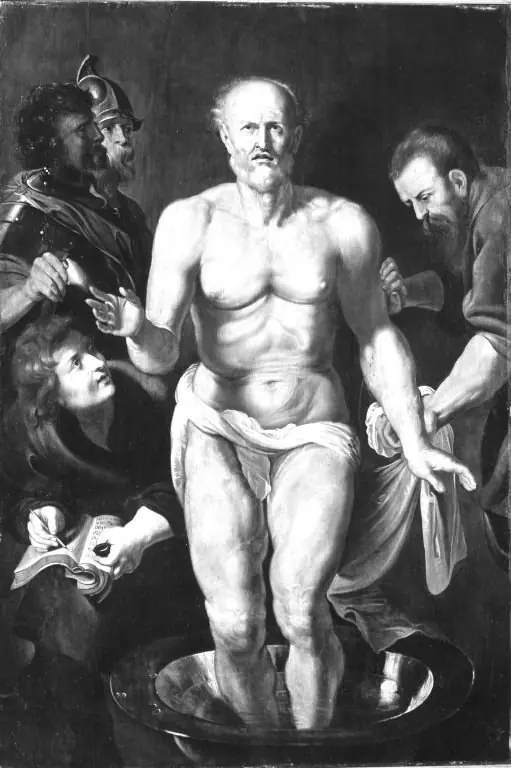 The Dying Seneca (copy)
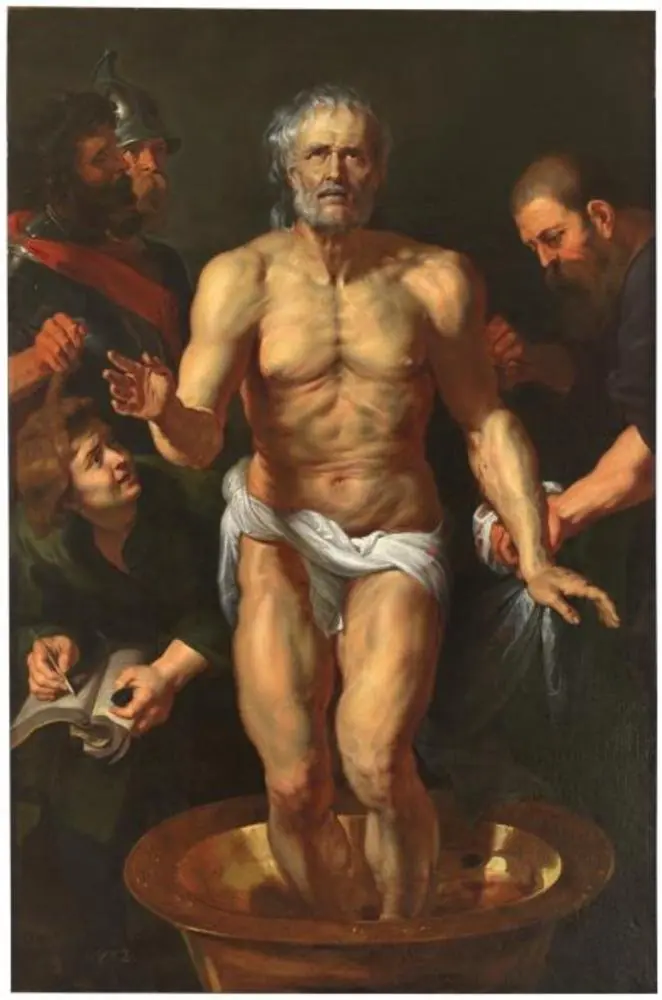 The Death of Seneca
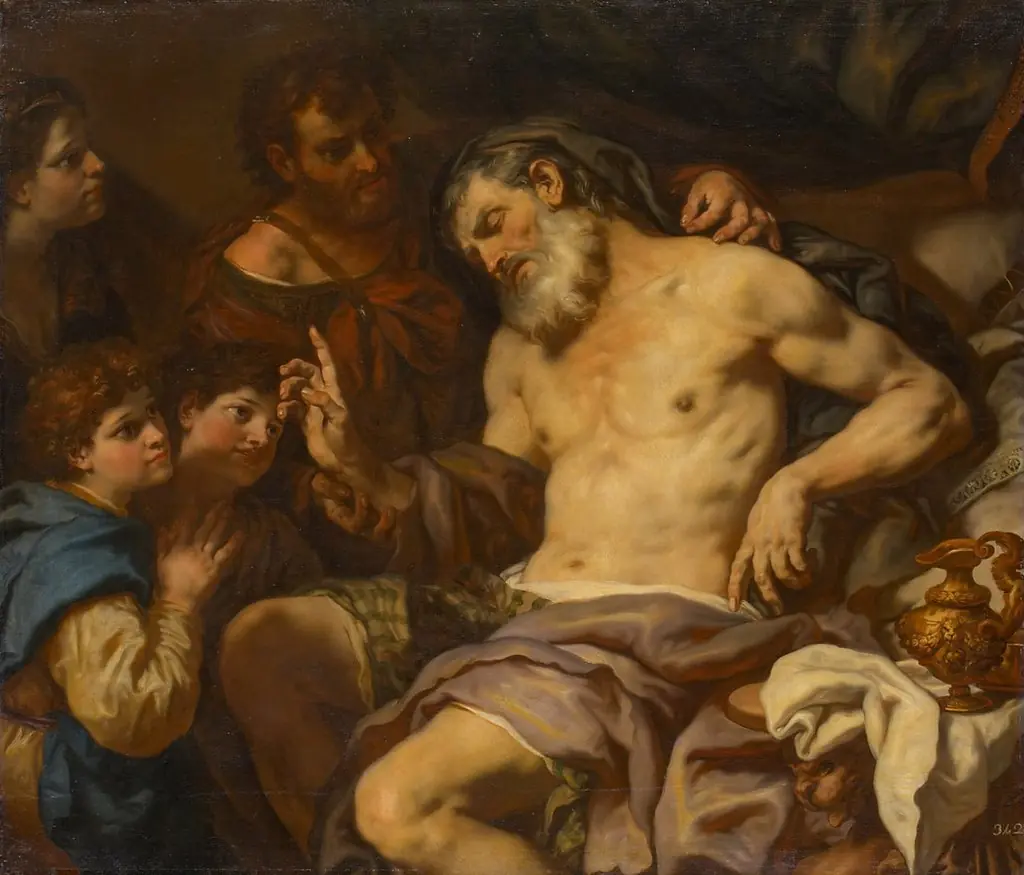 Jacob Blesses Ephraim and Manasseh
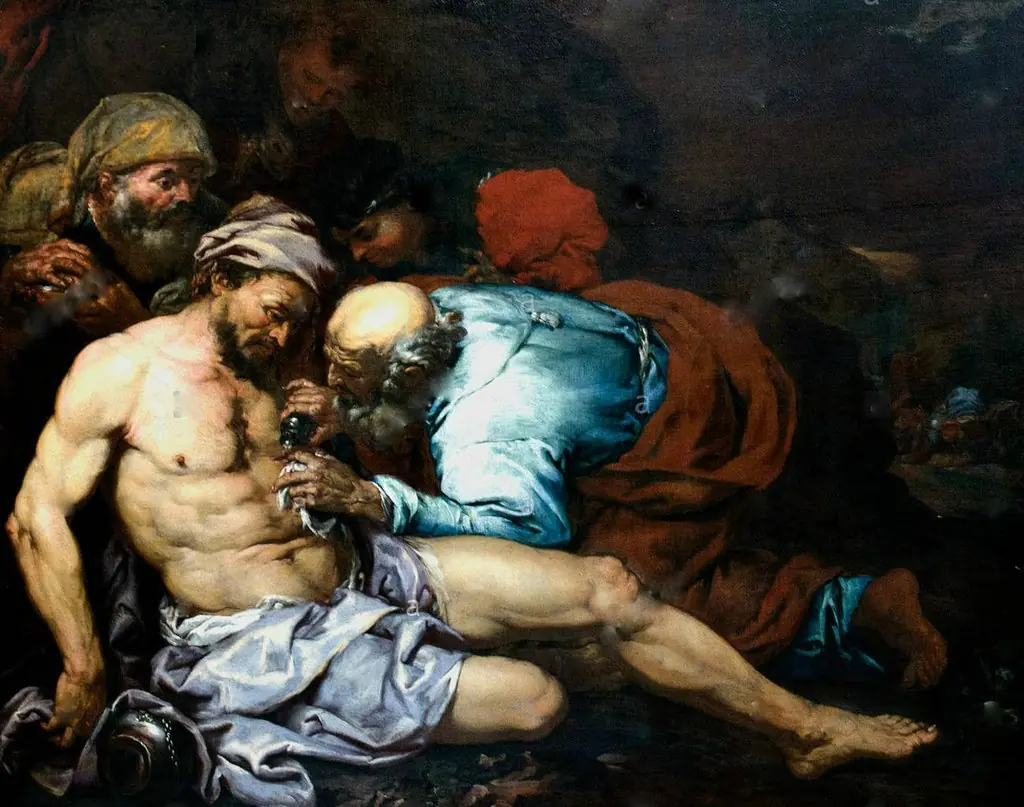 The Good Samaritan
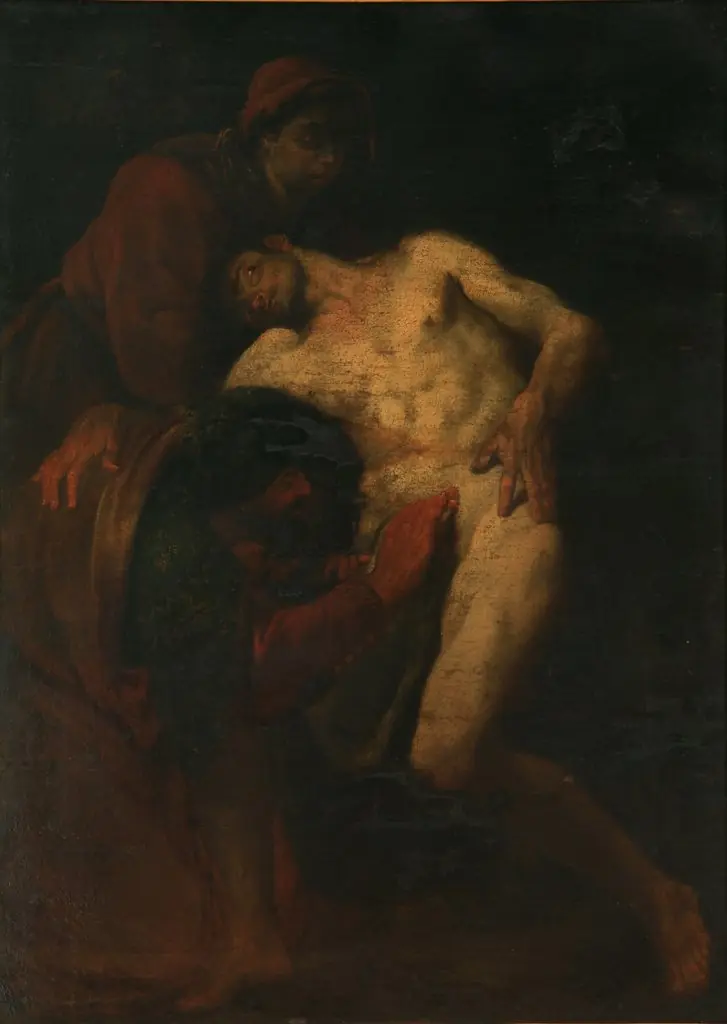 The good samaritan
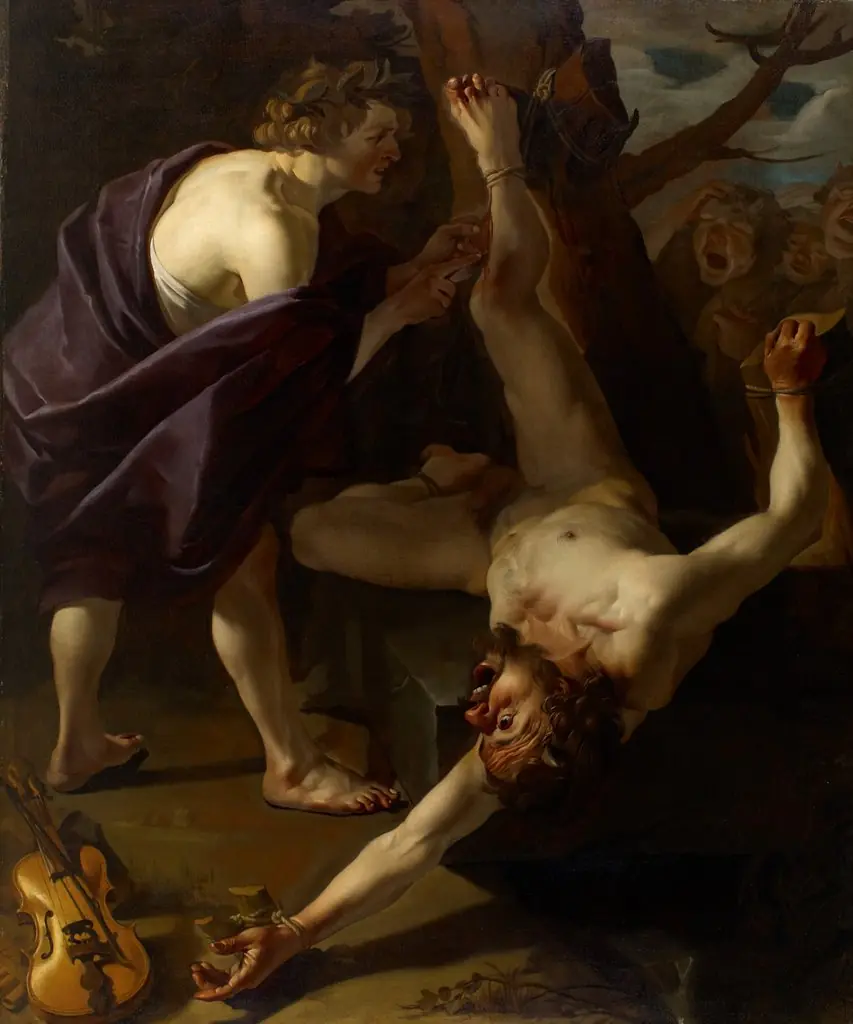 Apollo Flaying Marsyas
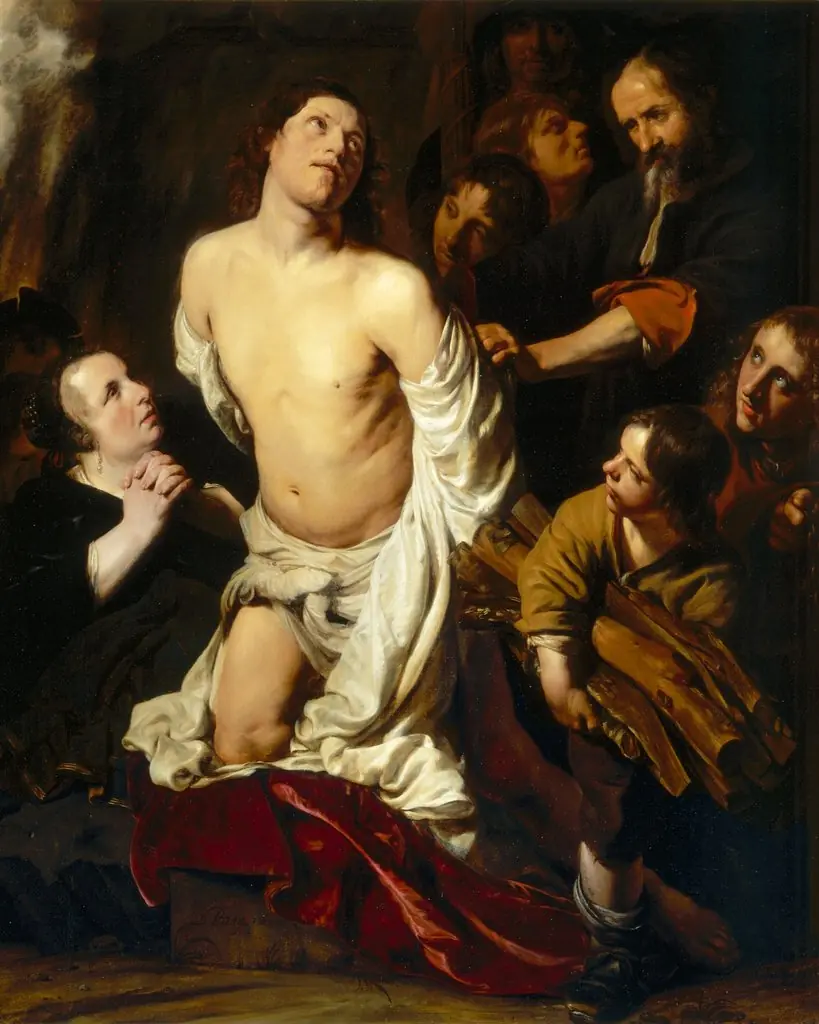 Martyrdom of Saint Lawrence
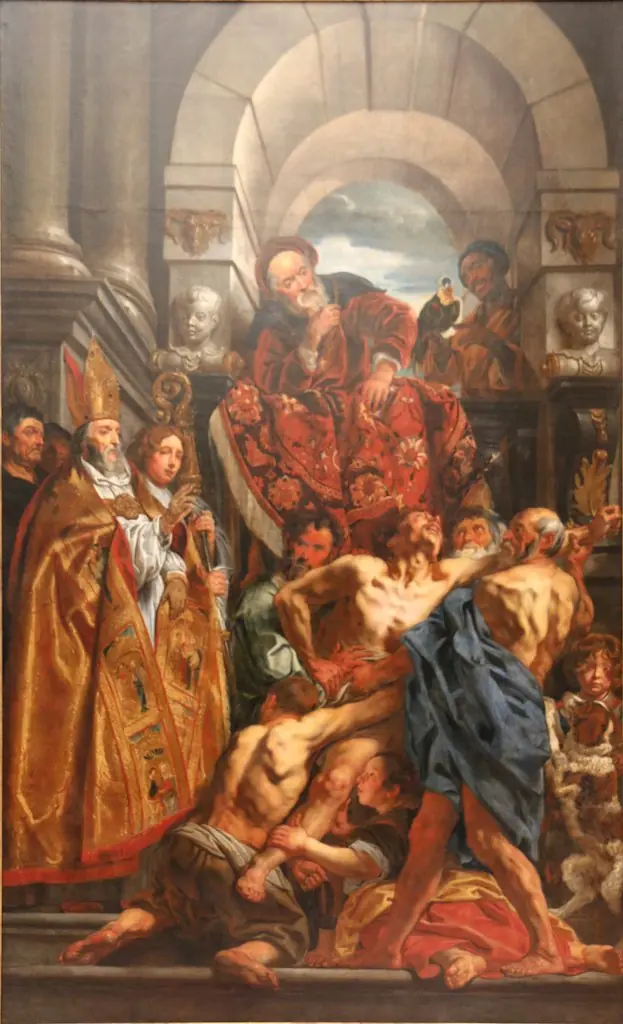 De heilige Martinus geneest een bezetene
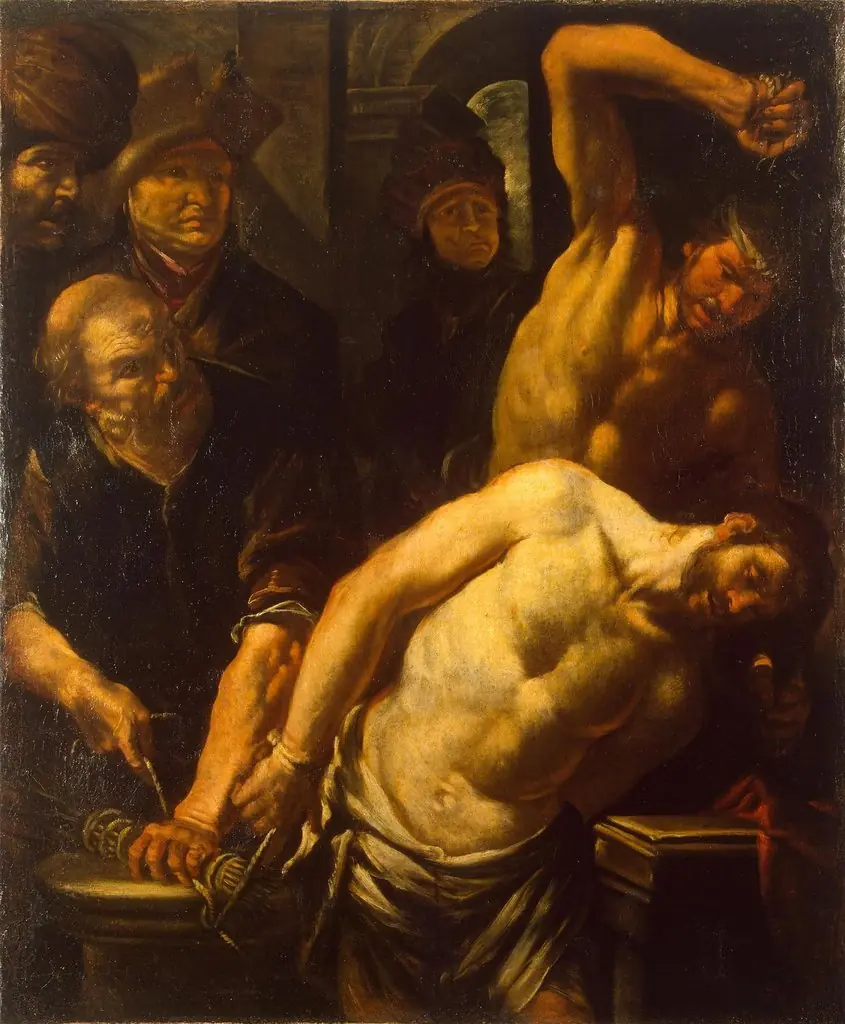 Mocking of Christ
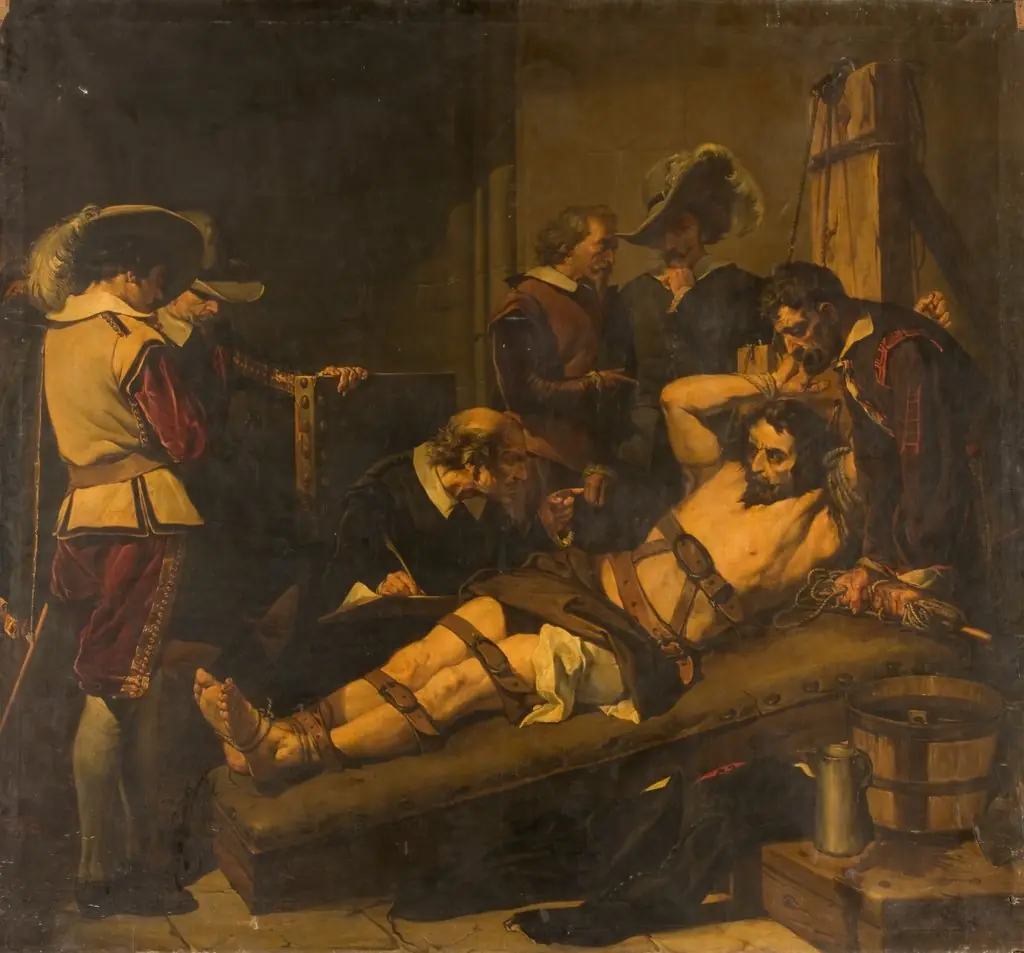 Don Rodrigo Calderón en el tormento
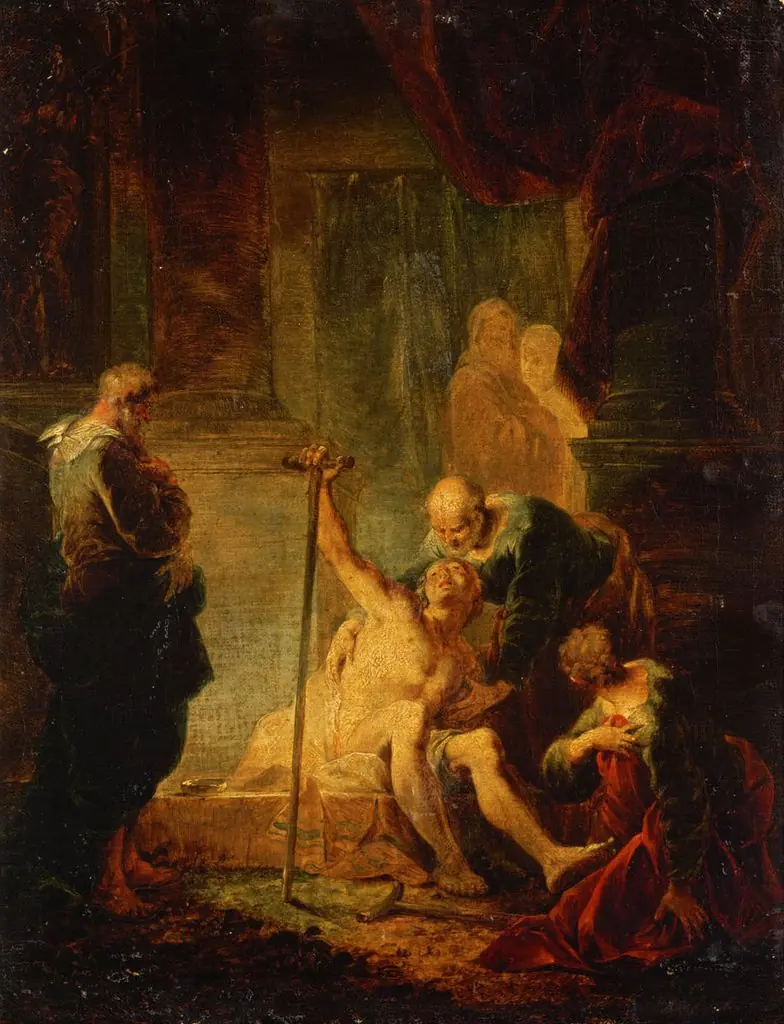 Petrus und Johannes heilen den Lahmgeborenen im Tempel
 Self-portrait as David with the head of Goliath