Artwork
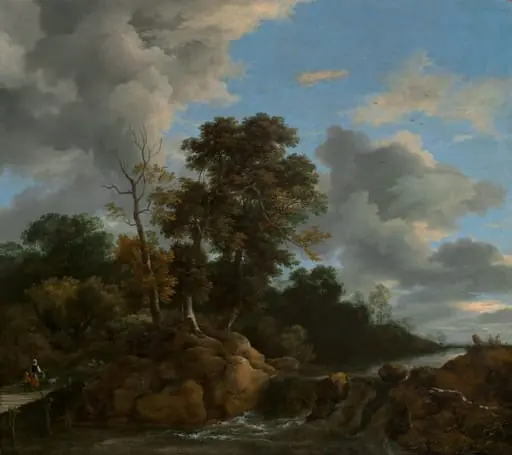
Landscape with Bridge, Cattle, and Figures
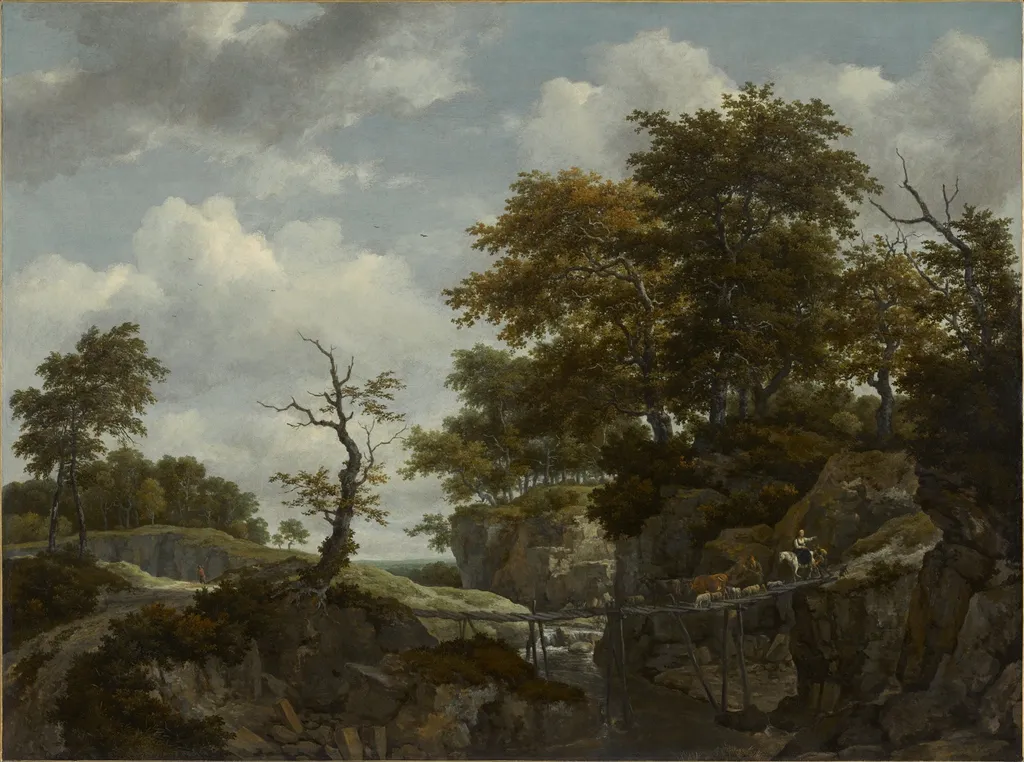
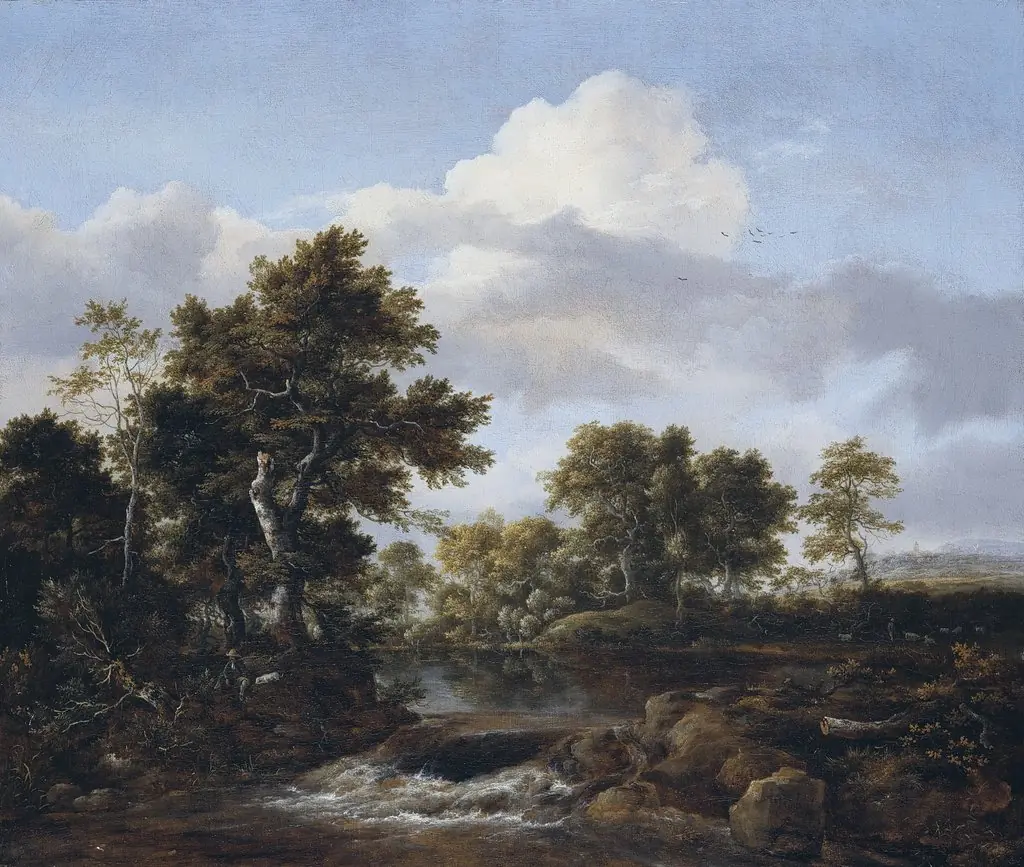
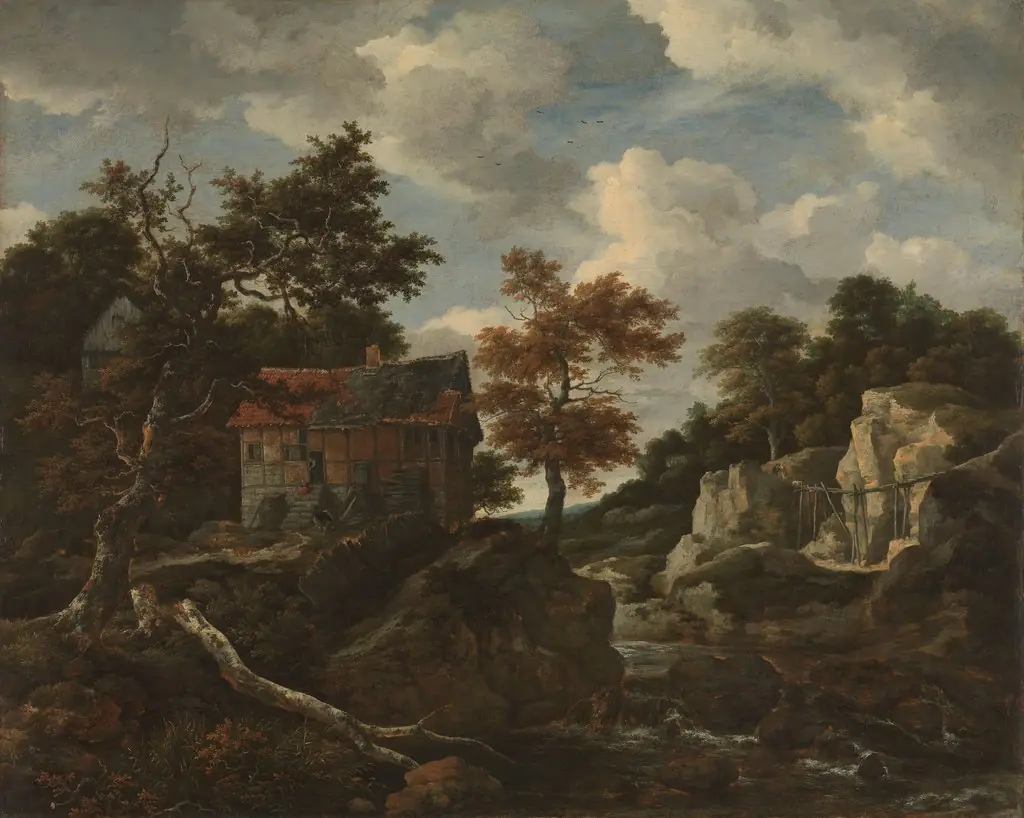
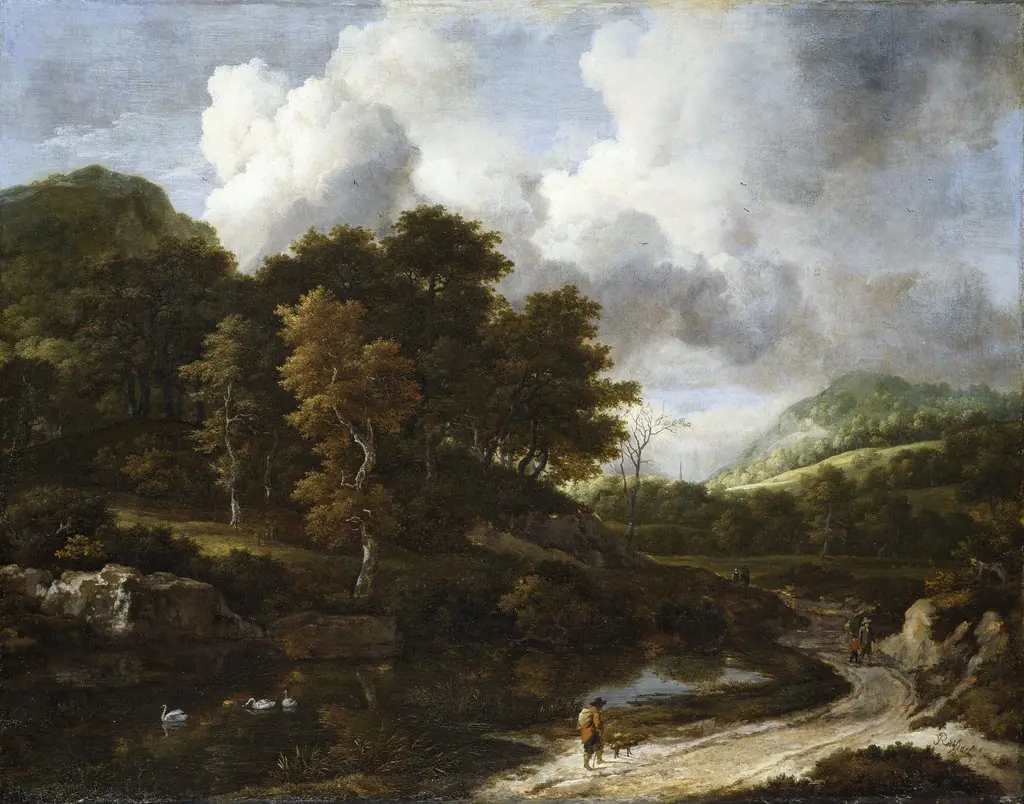
Landscape with Bridge, Cattle, and Figures is an oil painting by the Dutch Golden Age artist Jacob van Ruisdael. It dates from 1660 and is held in the collection of the Clark Art Institute.
About this work
Overview
The composition balances natural elements with subtle human presence, reflecting the artist’s interest in atmospheric landforms.
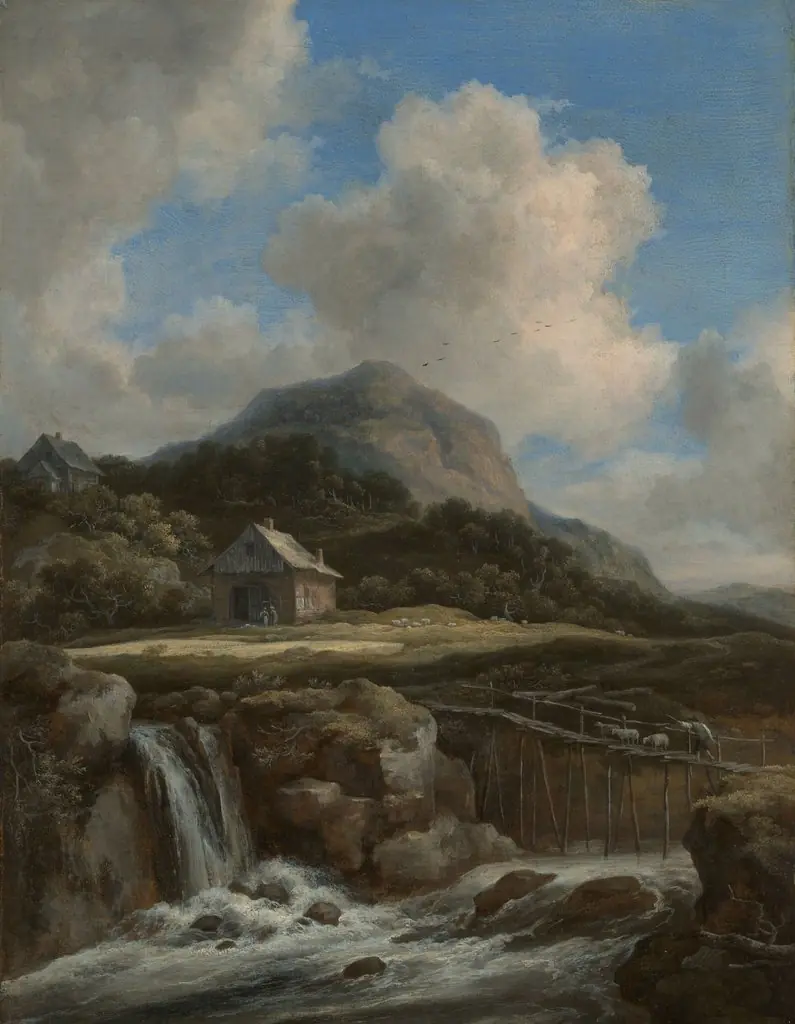
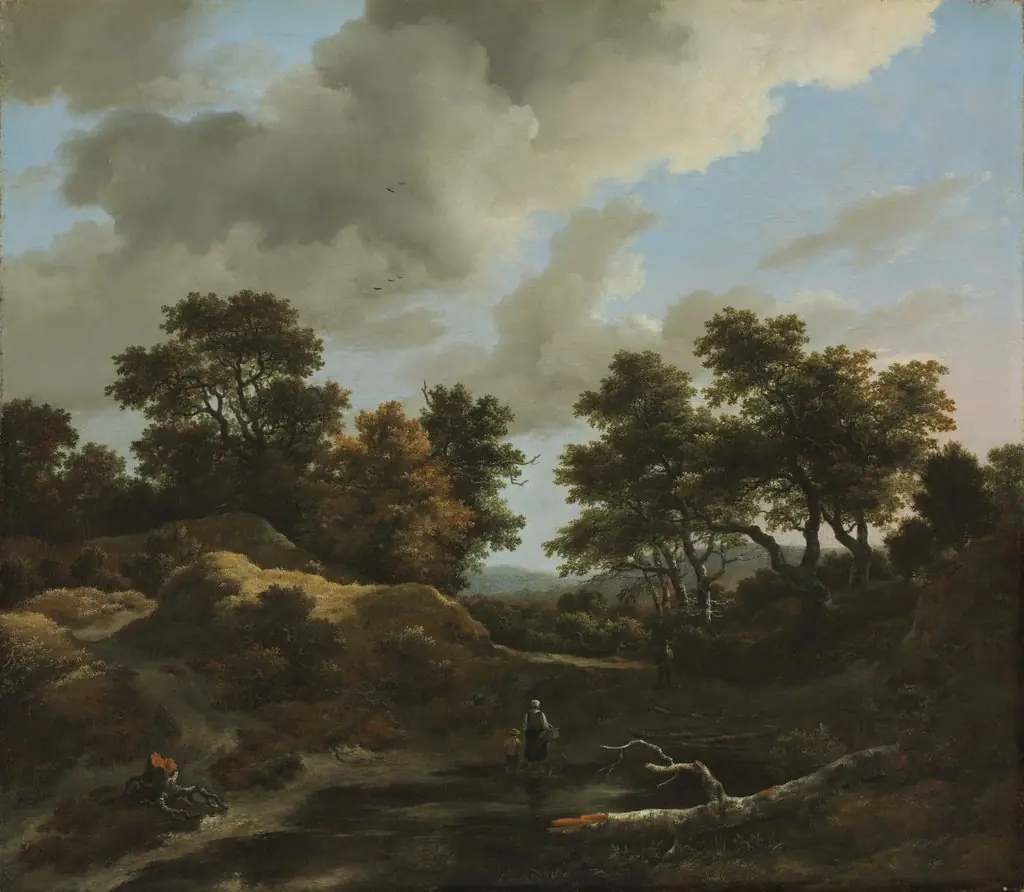
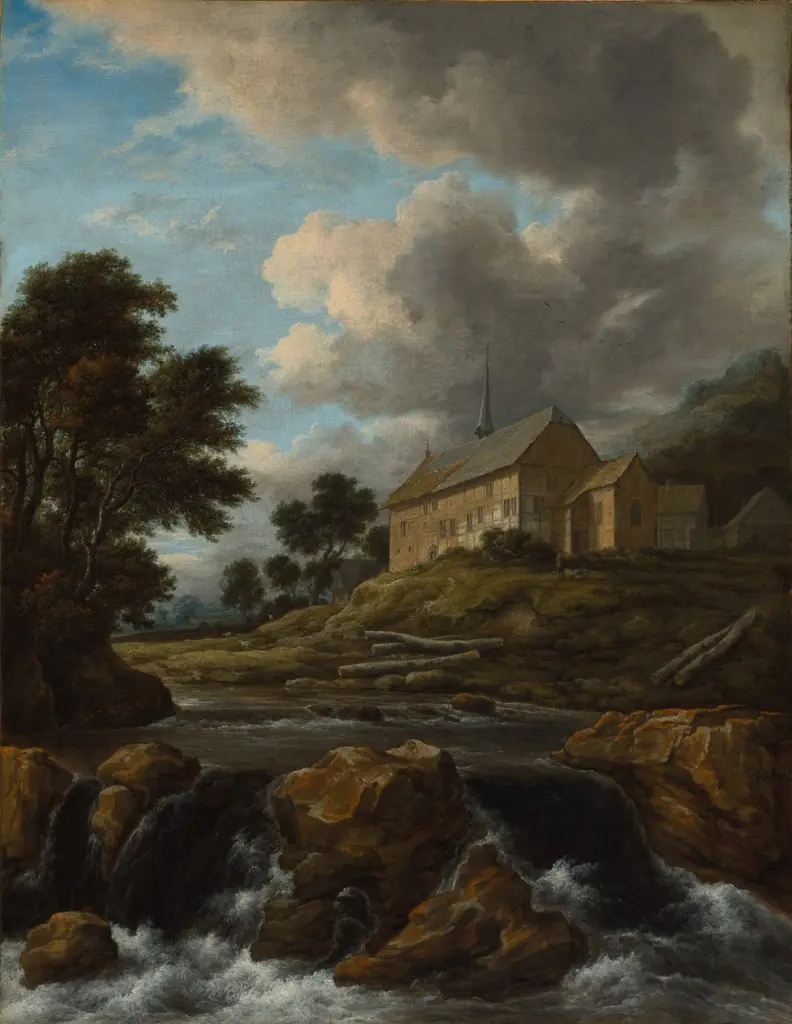
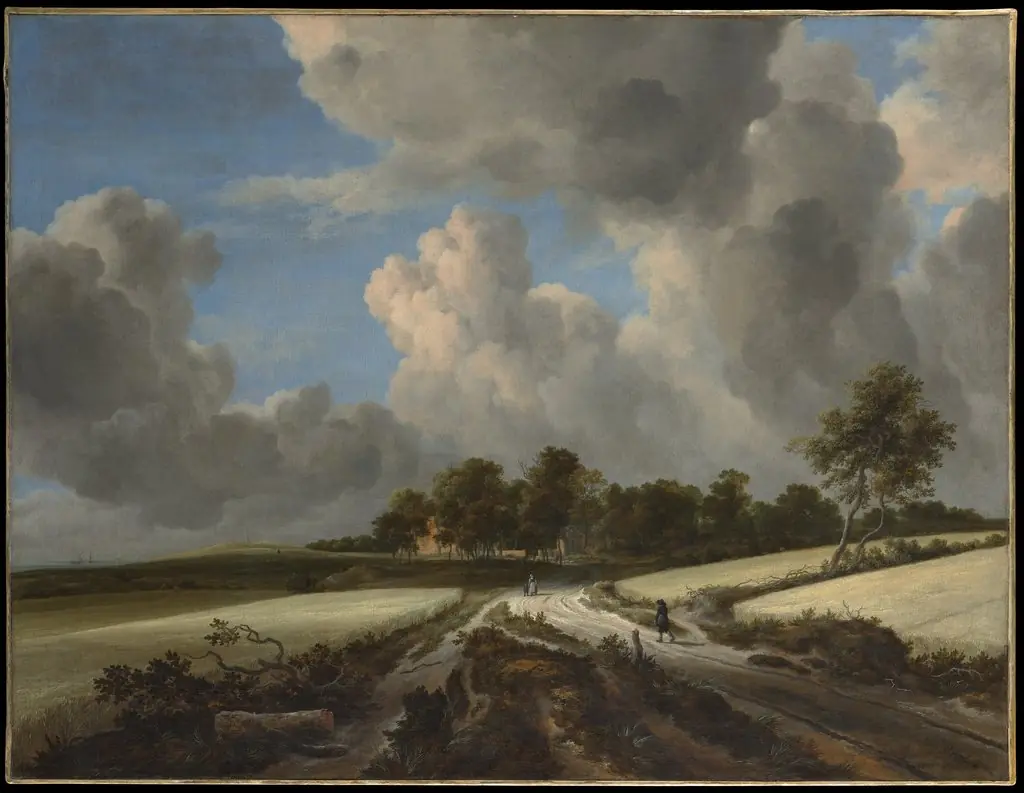
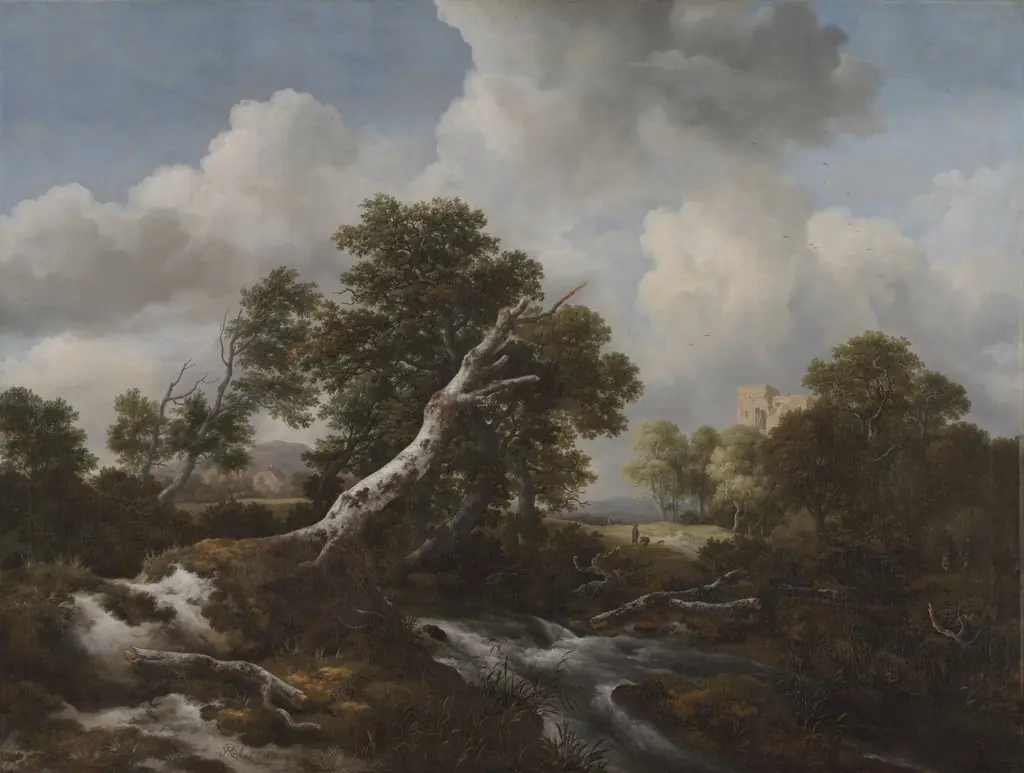
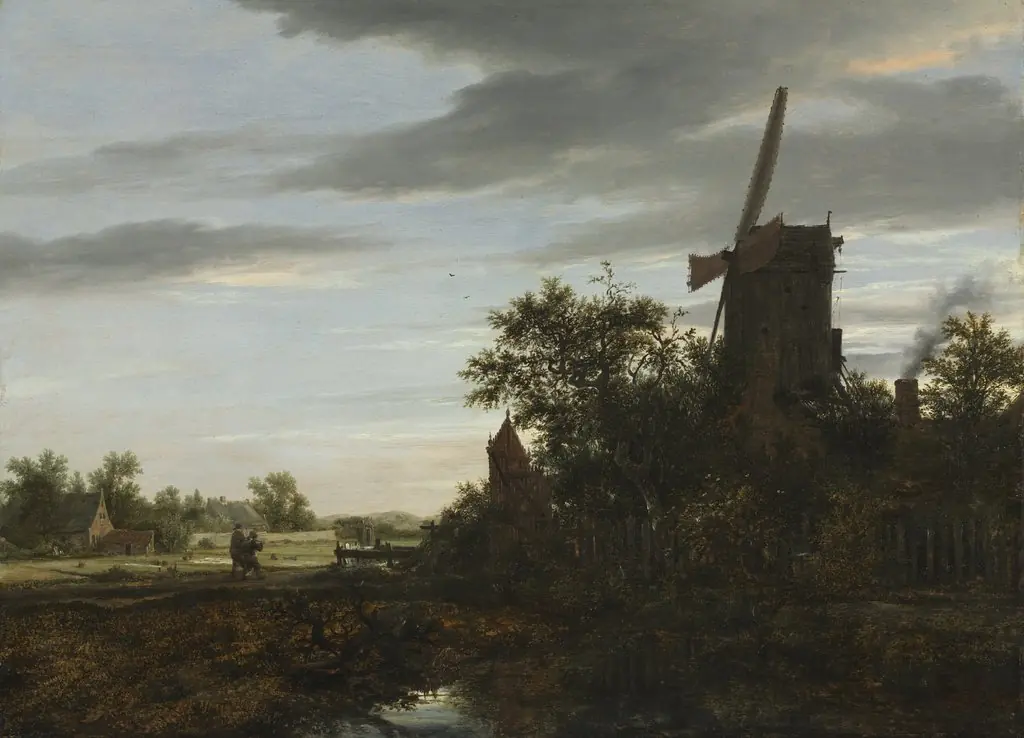
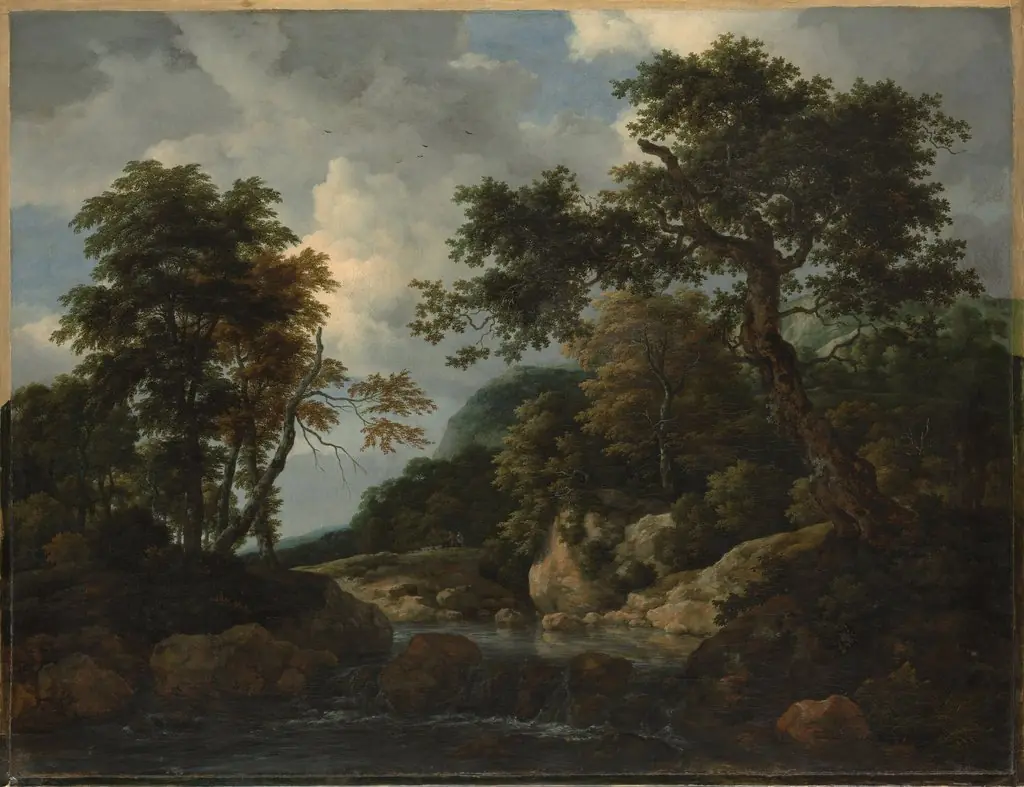
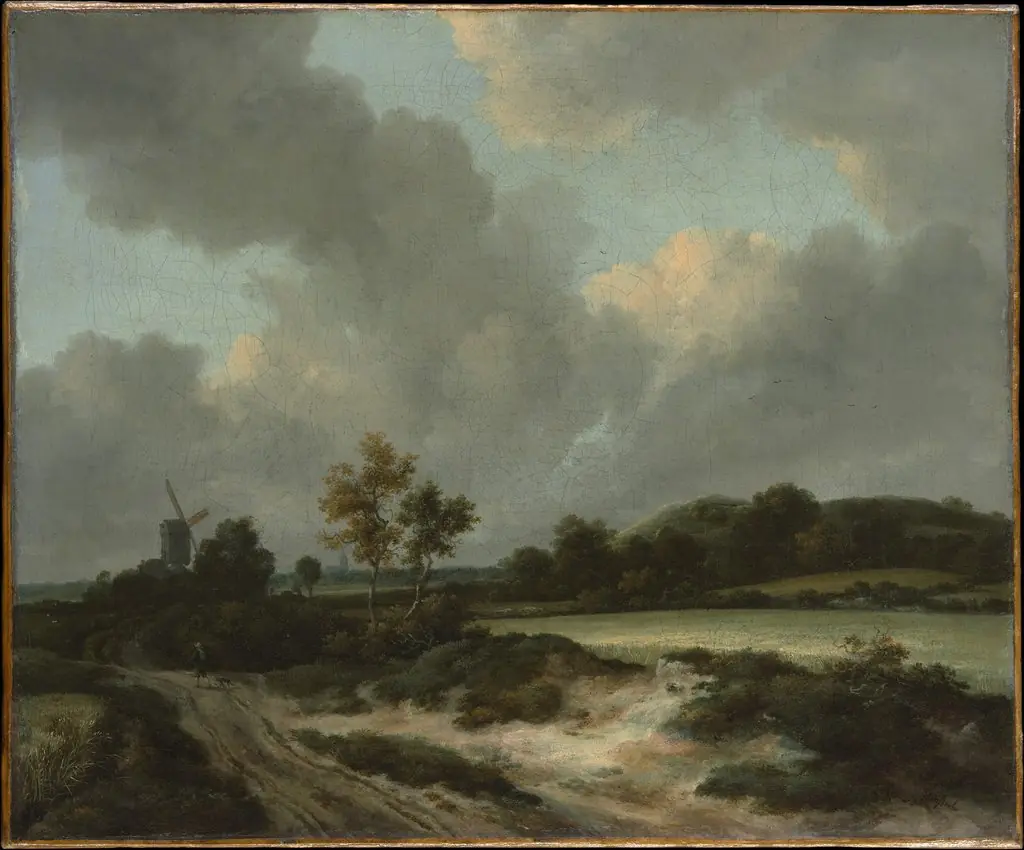
Painted around 1660, this oil-on-canvas work by Jacob van Ruisdael presents a quiet Dutch countryside scene. It features a modest stone bridge crossing a narrow stream, flanked by gnarled trees and rugged earth. Cattle rest in the foreground, while a solitary figure moves along the water’s edge. The composition balances natural elements with subtle human presence, reflecting the artist’s interest in atmospheric landforms.
Subject & Meaning
The painting portrays rural life without narrative drama. Cattle grazing and a lone walker suggest daily rhythms rather than grand events. The bridge, neither ornate nor monumental, serves as a quiet connector between land and water. The scene evokes stillness and continuity, aligning with 17th-century Dutch values that found dignity in ordinary, unembellished nature.
Technique & Style
Ruisdael employed thick, deliberate brushwork to render bark, rock, and grass, creating tactile surfaces that catch light unevenly. His use of chiaroscuro defines volume and depth, with shadowed undergrowth contrasting against sunlit sky and water. The sky dominates the upper third, its cloud formations rendered with energetic strokes that lend movement to an otherwise calm scene.
History & Provenance
The painting entered the collection of the Clark Art Institute in the mid-20th century, having passed through private European hands since its creation. Its attribution to Ruisdael has remained consistent, supported by stylistic analysis and archival records. No major restorations are documented, preserving the original surface and tonal harmony.
Context
Created during the Dutch Golden Age, this work reflects a broader cultural shift toward secular landscape painting. Unlike religious or mythological scenes, Ruisdael’s focus on unidealized terrain resonated with a rising middle class that valued observation and local identity. His landscapes often carried subtle moral undertones, suggesting harmony between human labor and nature’s endurance.
Legacy
Ruisdael’s treatment of light and terrain influenced later generations of landscape painters, including those of the Romantic era. His ability to convey mood through natural elements—without sentimentality—set a precedent for truthful depiction. This painting remains a representative example of how Dutch artists transformed everyday scenery into enduring visual studies of atmosphere and place.
Artist & collection
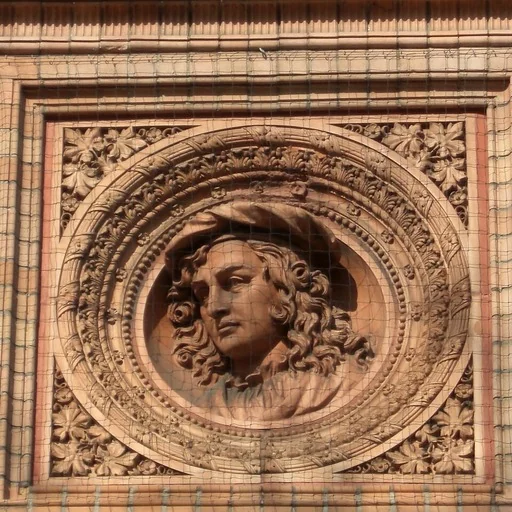
Artist
Jacob Isaackszoon van Ruisdael was a Dutch painter, draughtsman, and etcher. He is generally considered the pre-eminent landscape painter of the Dutch Golden Age, a period of great wealth and cultural achievement when…