Artwork
The Annunciation (polyptych)
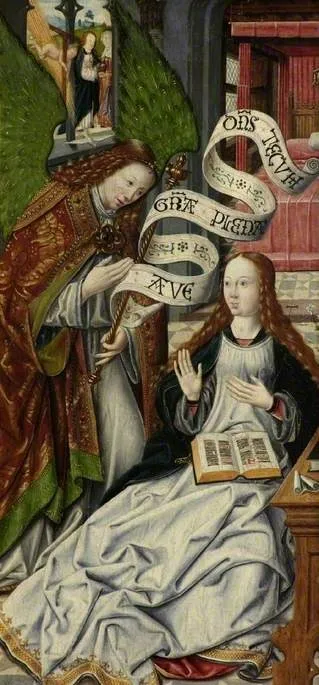
The Annunciation (polyptych) is an oil painting by Jacob van Utrecht. It dates from 1514 and is held in the collection of the Fitzwilliam Museum.
About this work
Overview
Jacob van Utrecht, a Flemish painter active in the early sixteenth century, produced a small polyptych titled *The Annunciation* around 1514. Executed in oil on panel, the work presents the moment when the Archangel Gabriel informs the Virgin Mary of her forthcoming role as mother of the divine Son. The piece is part of the collection of the Fitzwilliam Museum in Cambridge.
Subject & Meaning
The composition centers on two figures: the angel, identifiable by his expansive wings and a scroll bearing a script, and Mary, who holds a book and appears absorbed in contemplation. The interaction captures the theological significance of the Annunciation, emphasizing both divine proclamation and human receptivity within a tranquil, reverent atmosphere.
Technique & Style
Van Utrecht employs the oil medium to achieve subtle modeling of flesh and drapery, allowing delicate transitions of light across the figures. The limited background focuses attention on the central characters, while the crisp rendering of the angel’s wings and the fine detailing of the scroll demonstrate the artist’s Northern Renaissance attention to texture and materiality.
History & Provenance
Created in the early 1500s, the polyptych eventually entered the holdings of the Fitzwilliam Museum, where it remains on display. Its provenance traces back to the artist’s activity in Antwerp and Lübeck, reflecting the cross‑regional circulation of religious artworks during the period.
Artist & collection
Artist
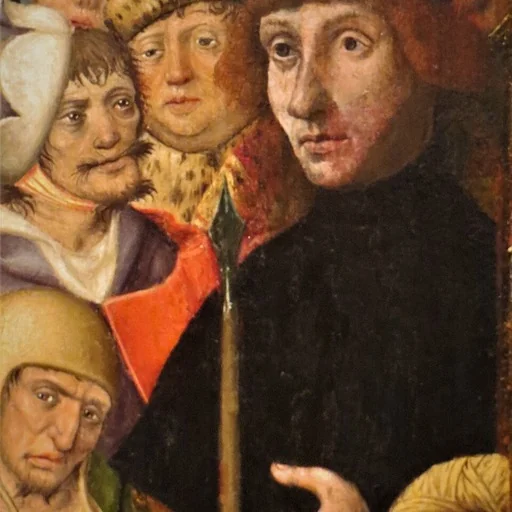
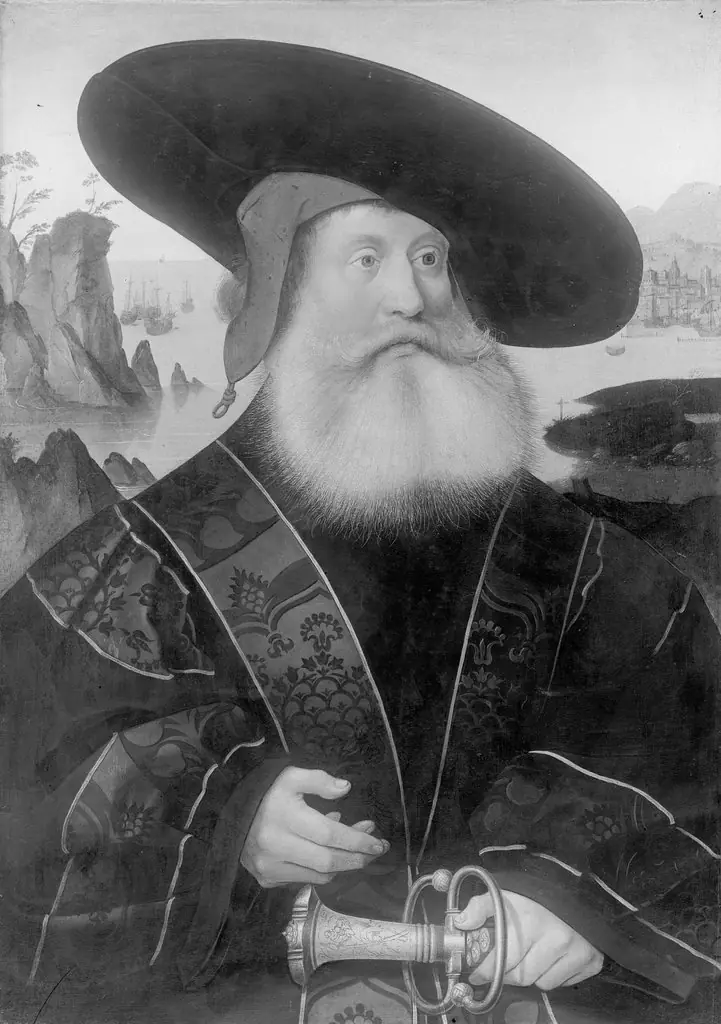
Jacob Claesz van Utrecht, also named by his signature Jacobus Traiectensis (c. 1479 – after 1525) was a Flemish early Renaissance painter who worked in Antwerp and Lübeck.

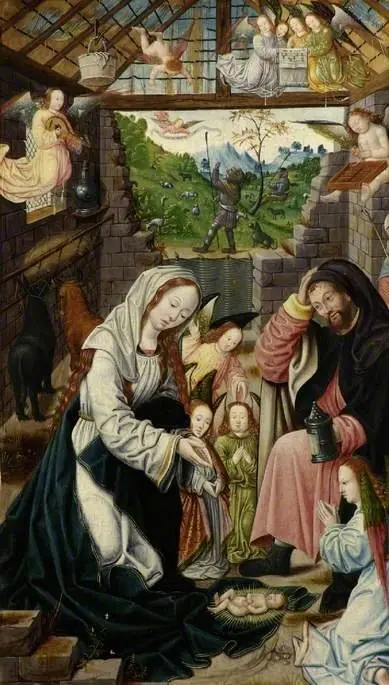
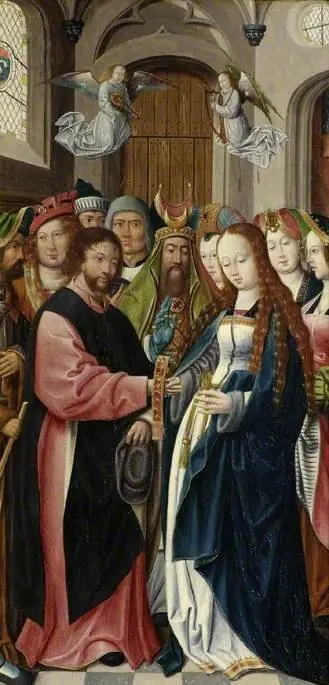
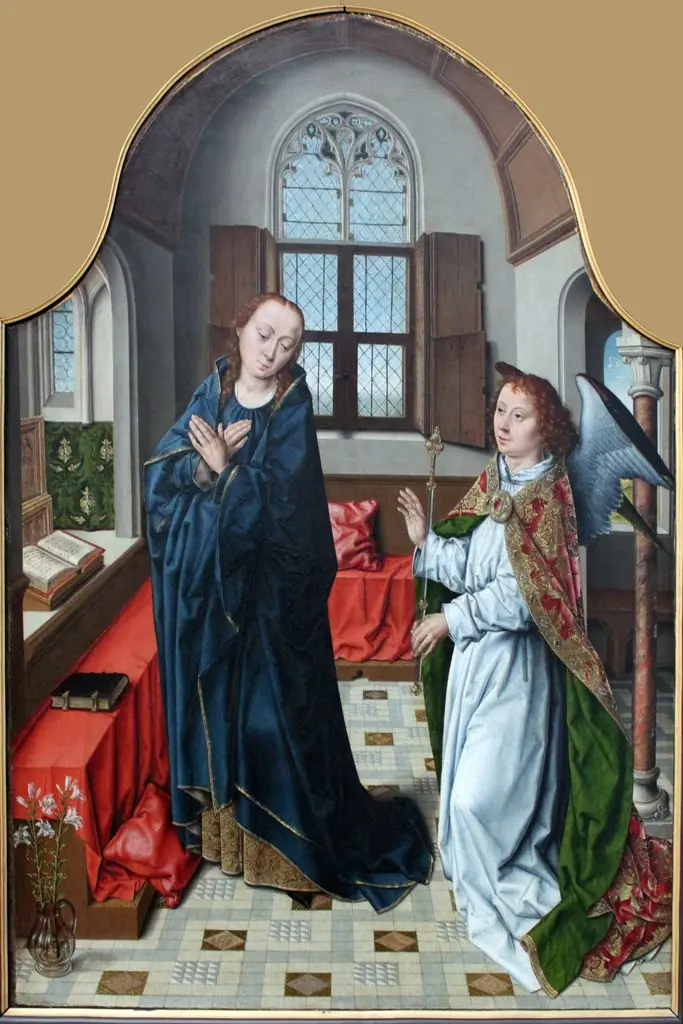 The Annunciation
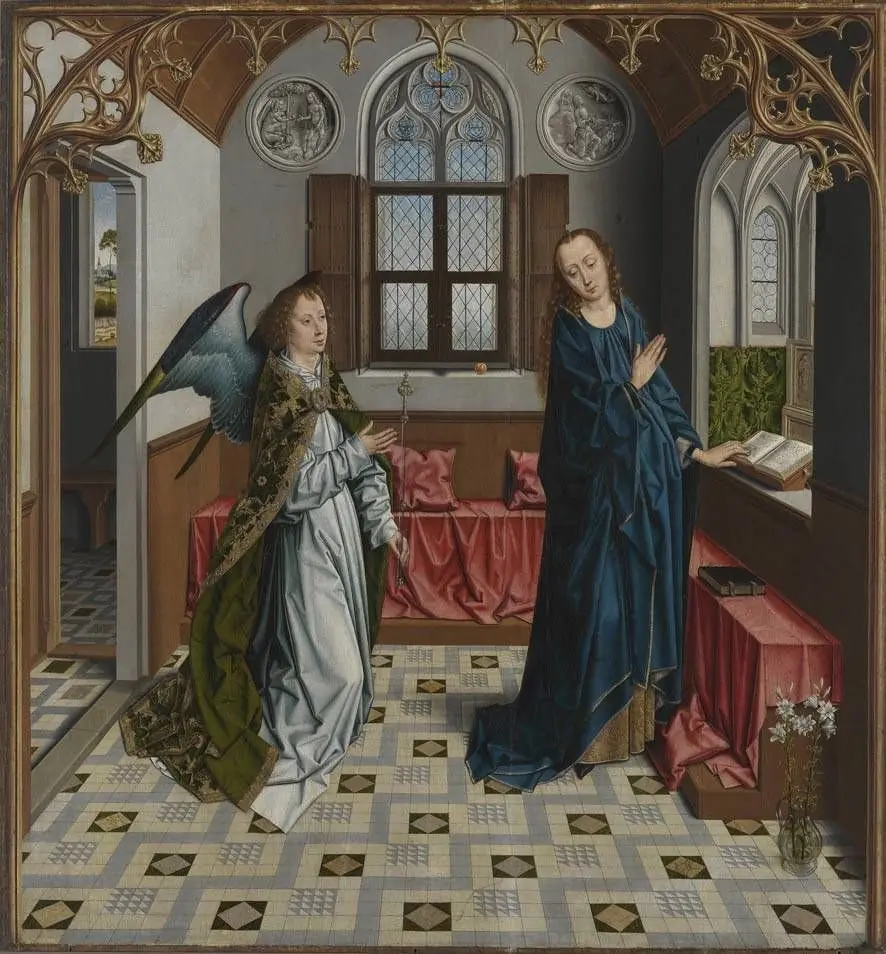 The Annunciation
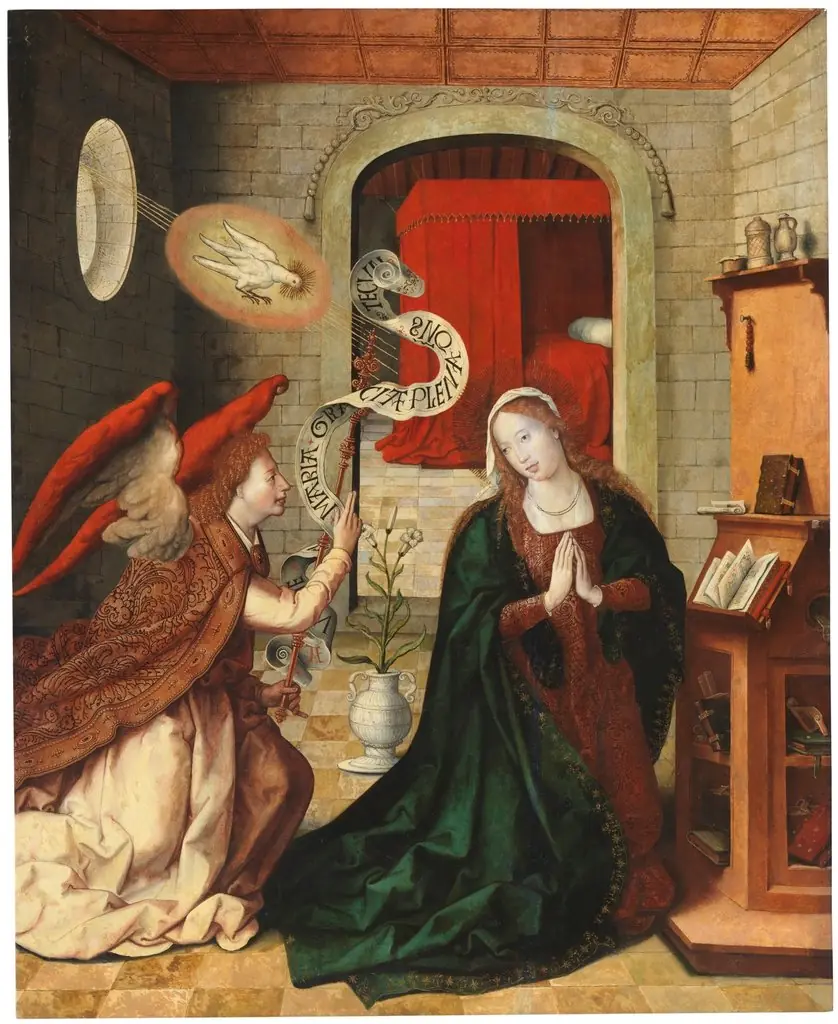 The Annunciation
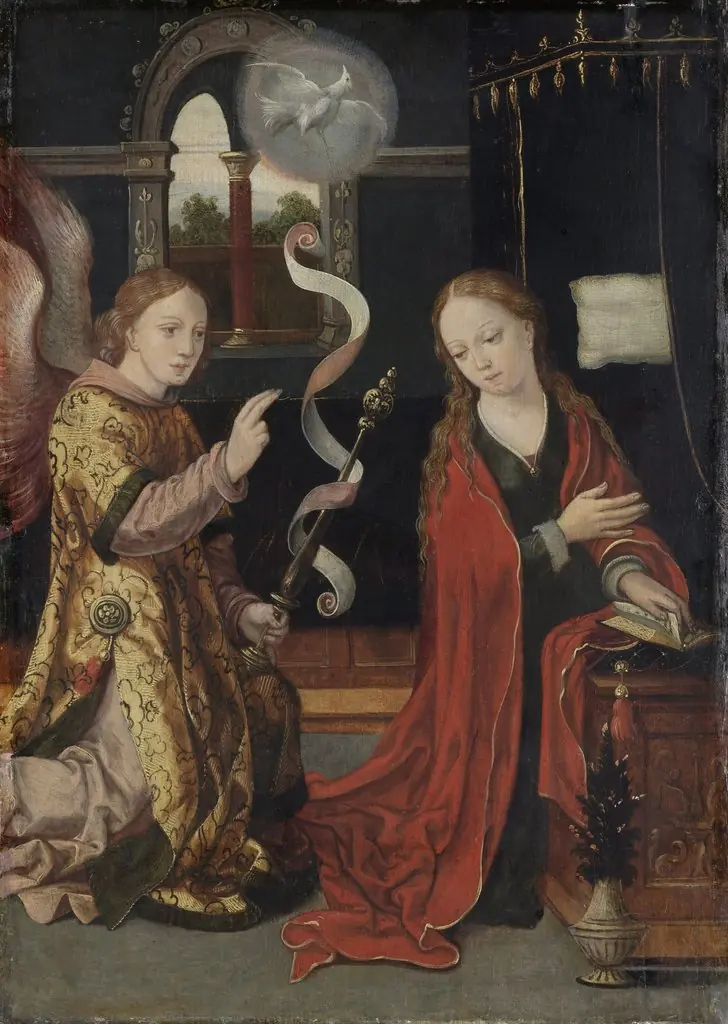 The Annunciation
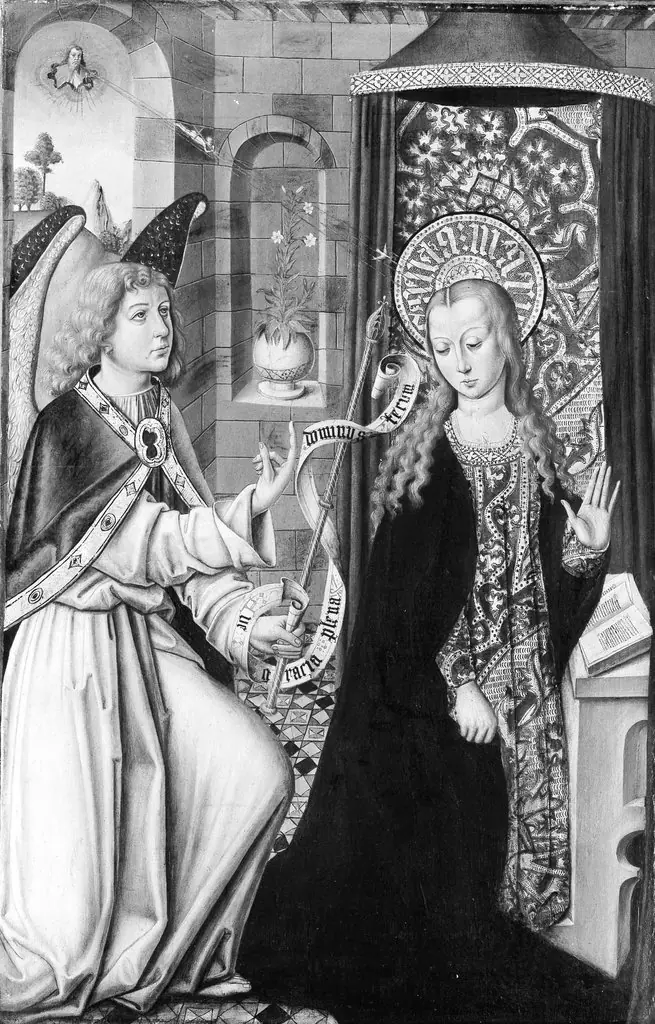 The Annunciation
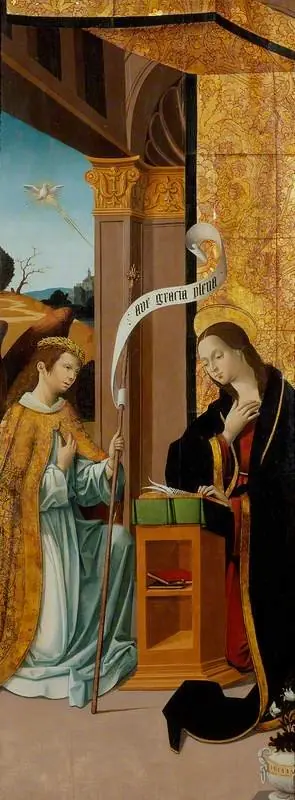 The Annuciation
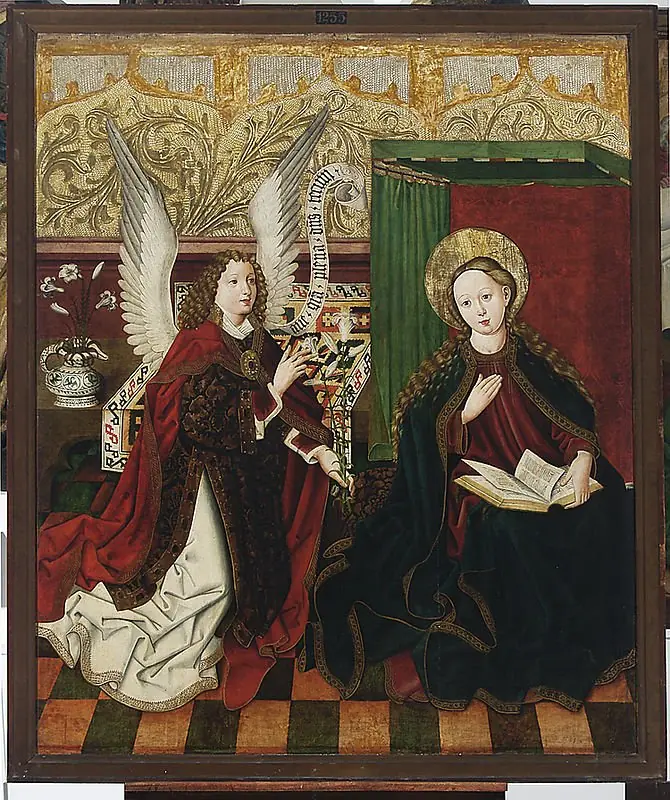 Legnica polyptych - left wing internal - upper panel - obverse: Annunciation; reverse: St Lawrence, St Vincent the Levite. St John the Baptist
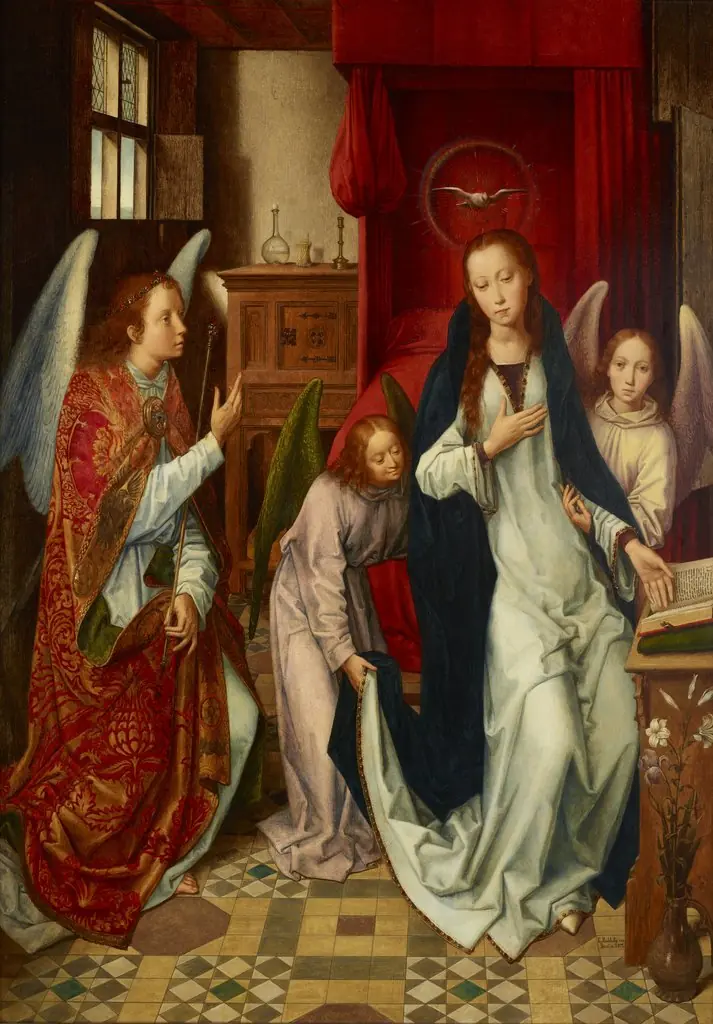 Christ's Bath
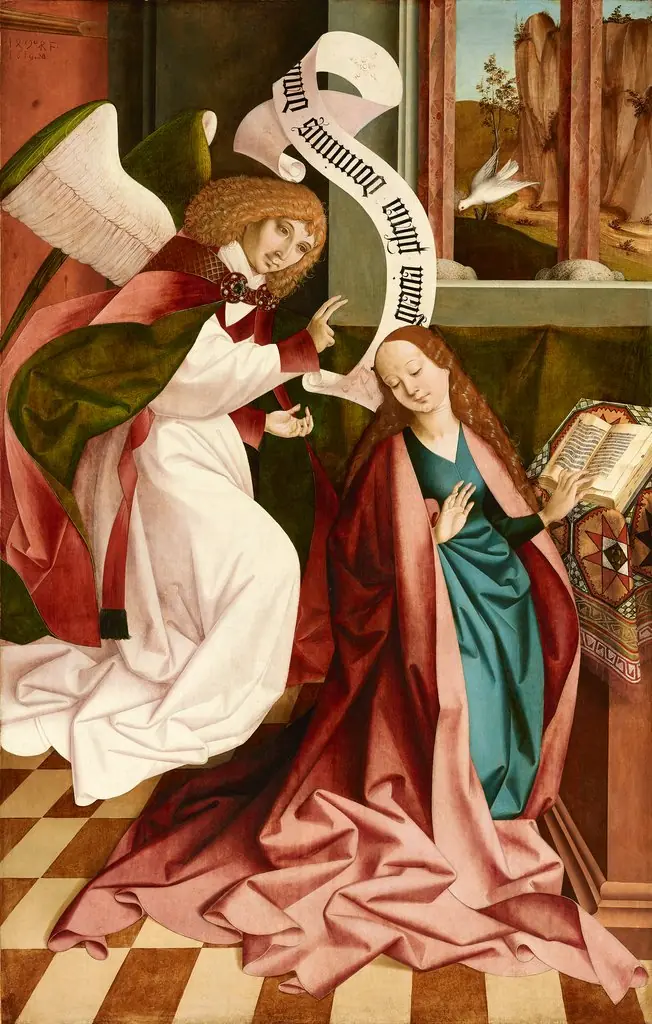 Verkündigung an Maria
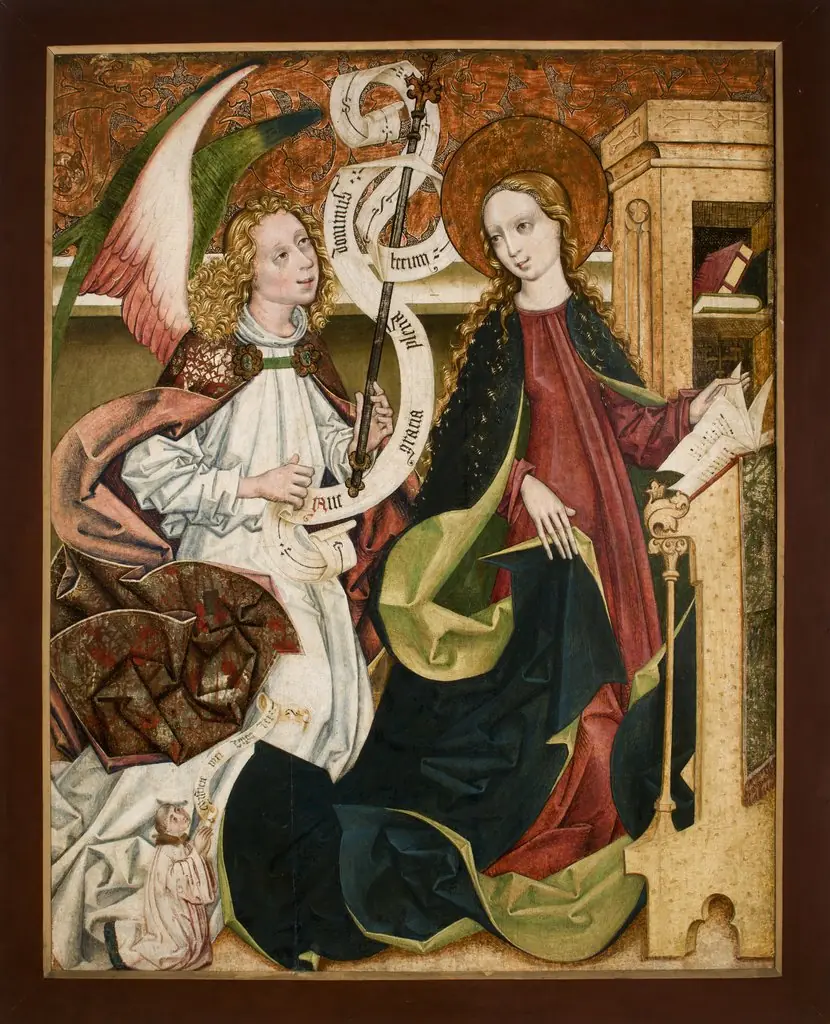 The Annunciation from the Church in Cięcina
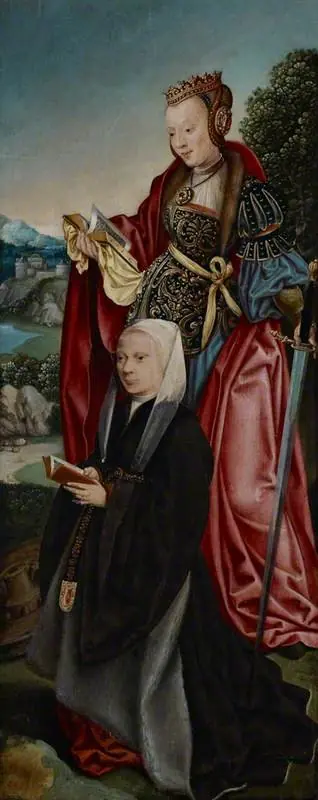 Saint Catherine and the Donor's Wife
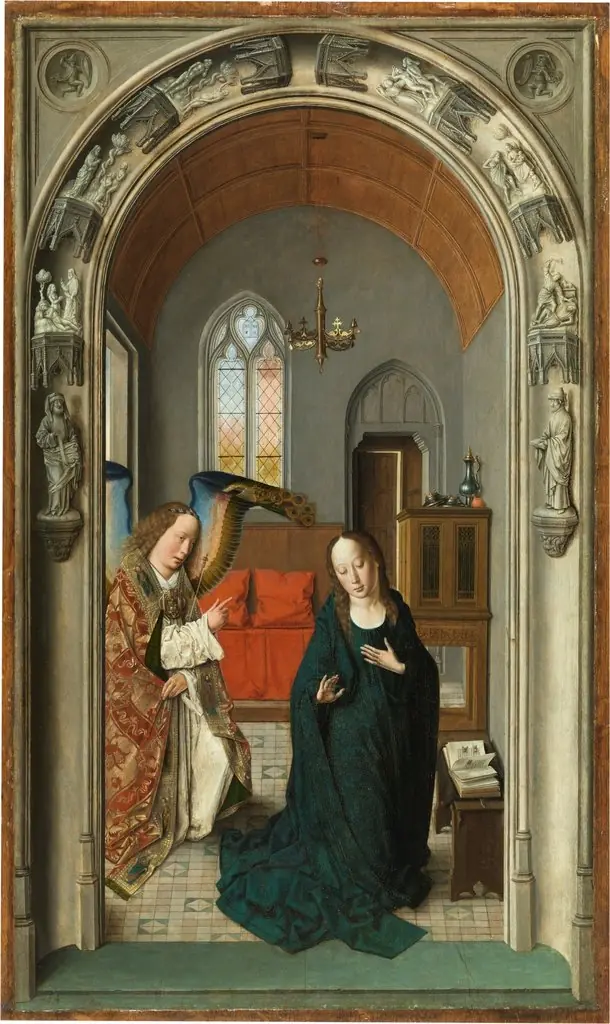 Annunciation