Artwork
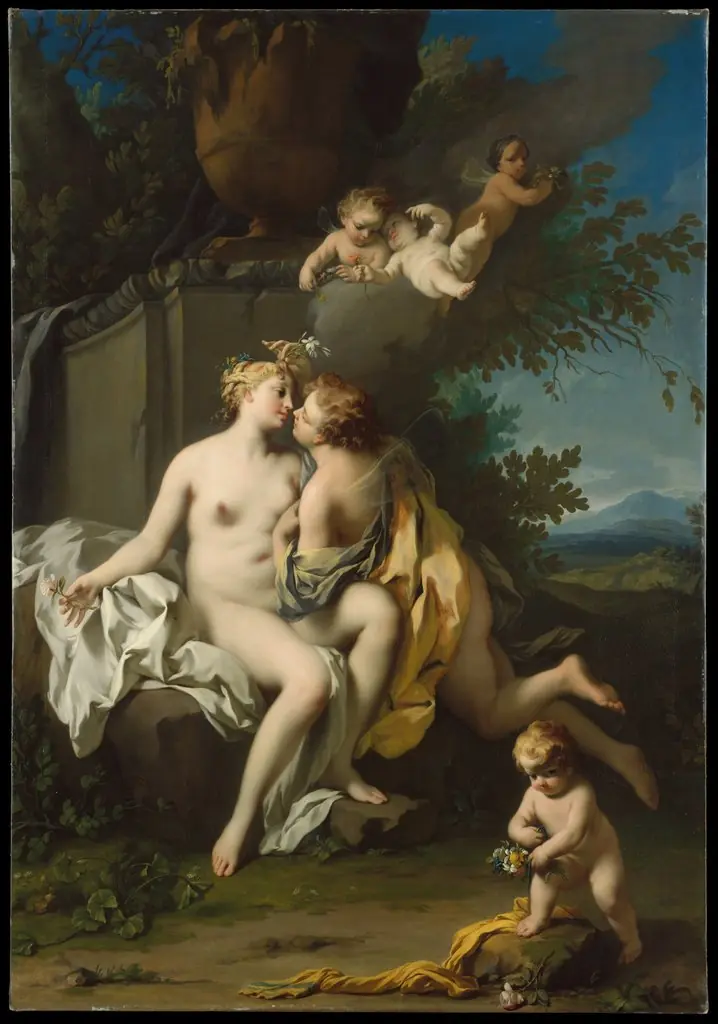
Jupiter and Callisto
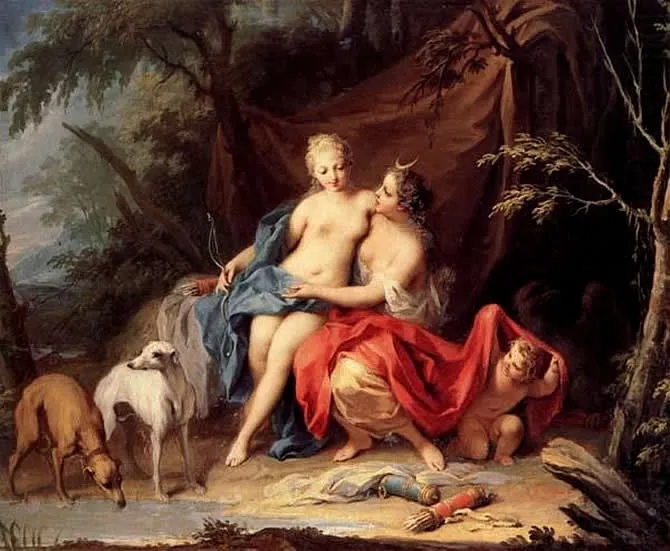
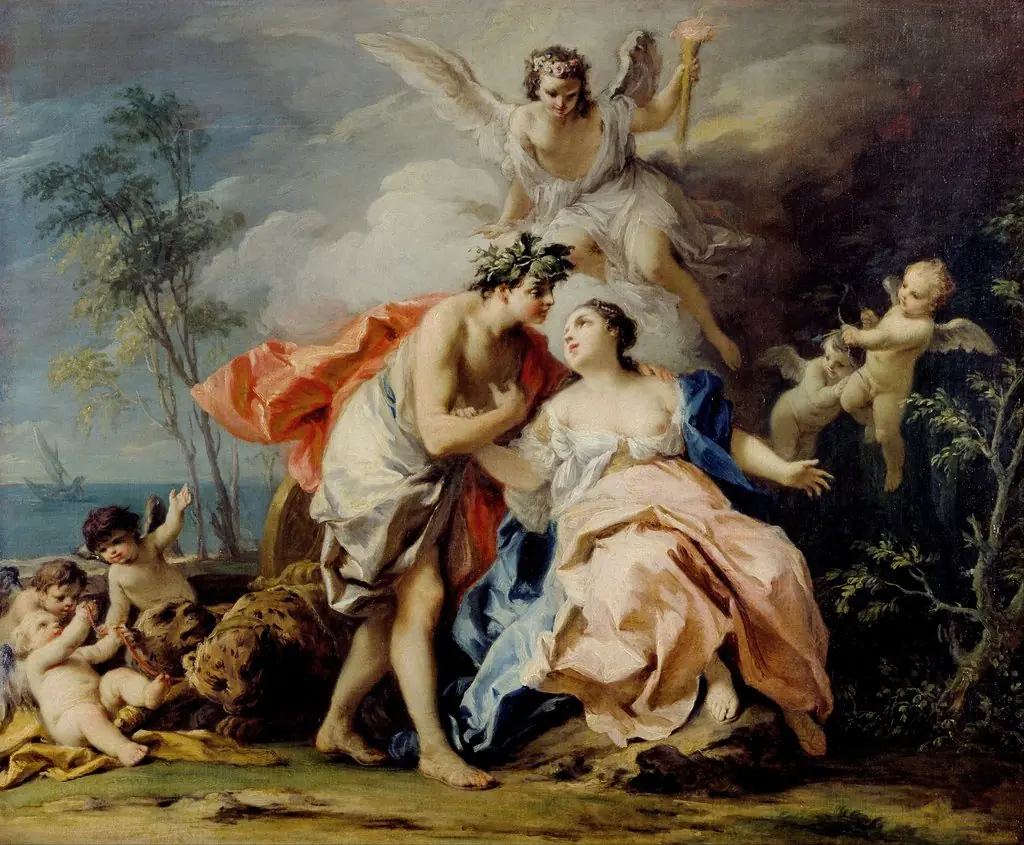
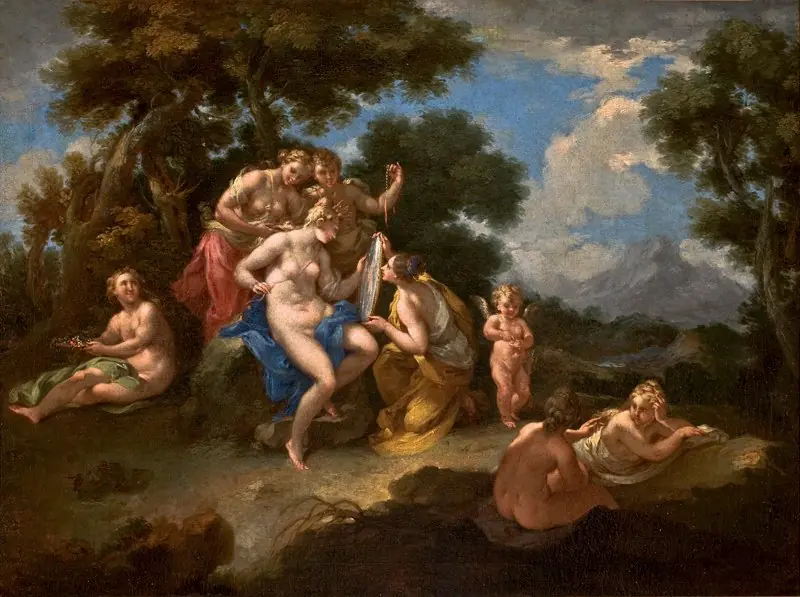
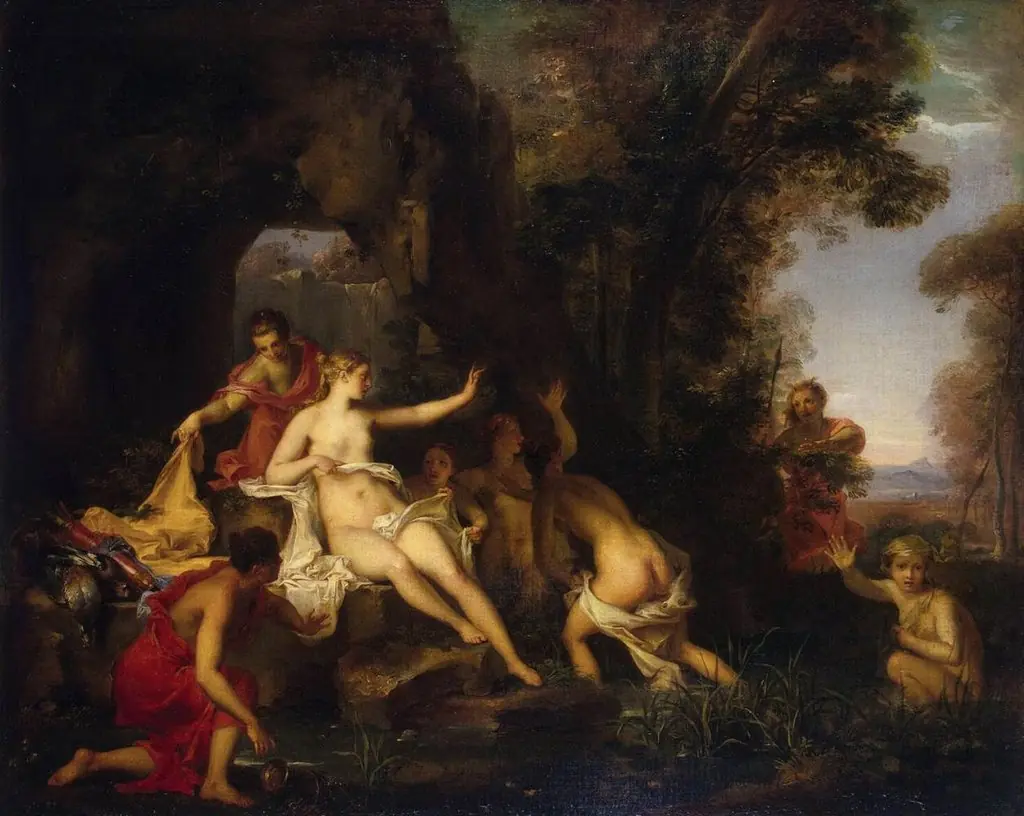
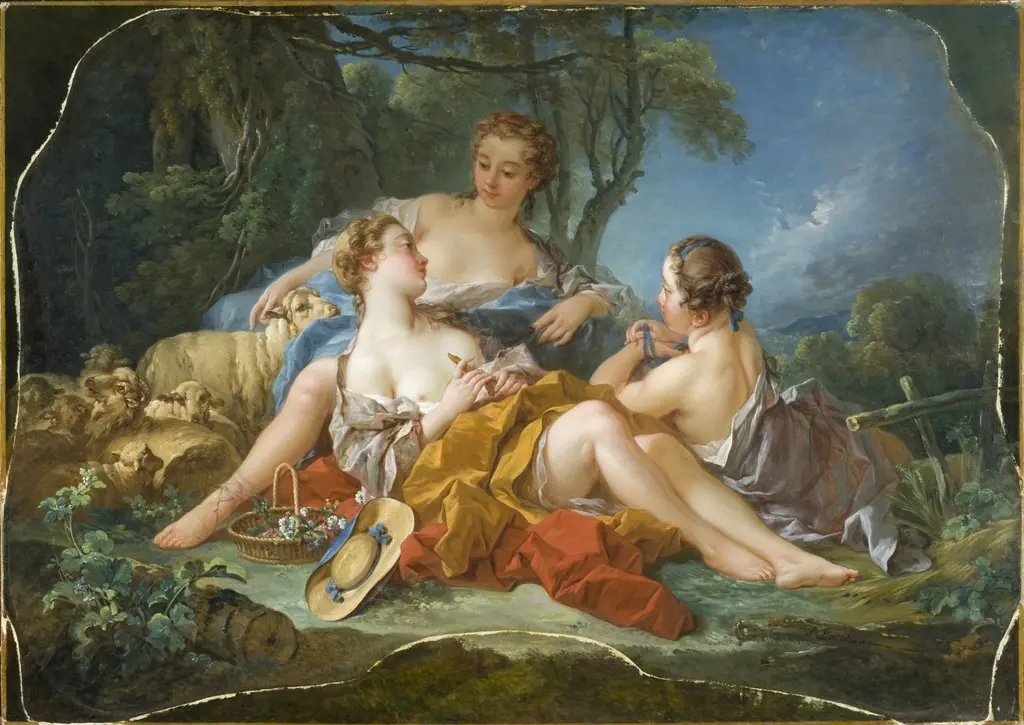
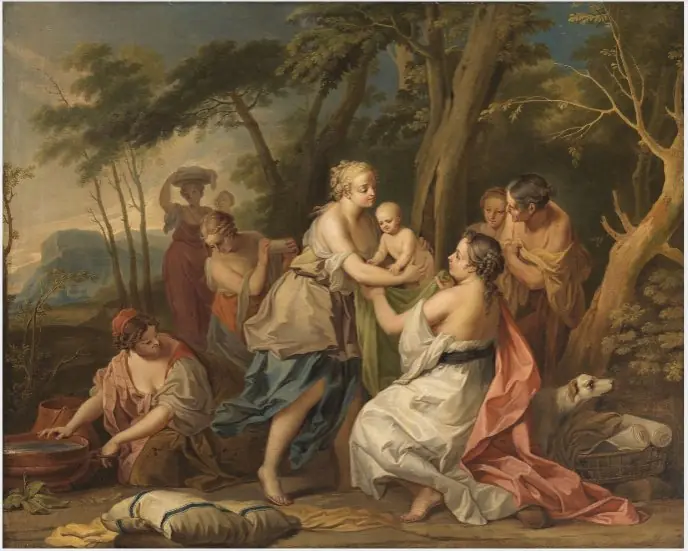
Jupiter and Callisto is an oil painting by the Rococo painting artist Jacopo Amigoni. It dates from 1750 and is held in the collection of the Hermitage Museum.
About this work
Overview
Jupiter and Callisto is a c. 1750 oil painting by Jacopo Amigoni, an Italian artist of the late-Baroque and Rococo periods. The work is characterized by its harmonious composition and expressive use of color and light, typical of the Rococo style.
Subject & Meaning
The painting depicts a mythological scene featuring three figures: Jupiter (in a blue cloak), Callisto (in red), and a kneeling youth (likely a cherub or putto). The intimate arrangement, with the youth's upward gaze, conveys a sense of tender connection among the figures, interpreting the myth of Jupiter's encounter with the nymph Callisto.
Technique & Style
Amigoni employed chiaroscuro to create dramatic depth, juxtaposing strong light and dark areas. The Rococo influence is evident in the work's pastel color palette, delicate textures, and emphasis on emotional intimacy, contrasting with the more dramatic flair of the Baroque.
History & Provenance
Created circa 1750, the painting is now part of the collection at the State Hermitage Museum. Amigoni's European career, starting in Venice, reflects the broader artistic mobility of the time.
Artist & collection
Artist
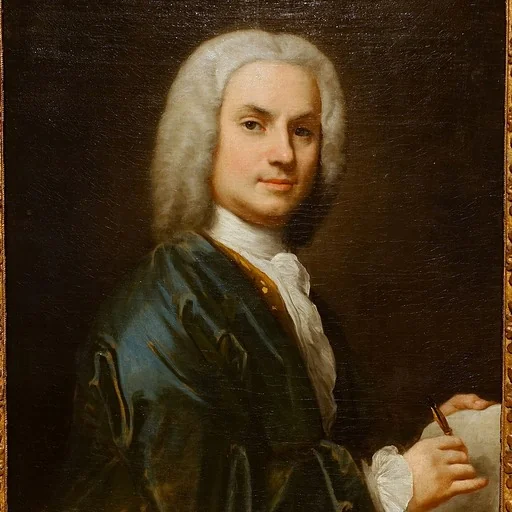
Jacopo Amigoni (born Giacomo Amiconi; 1682 – September 1752), was an Italian painter of the late-Baroque or Rococo period, who began his career in Venice, but traveled and was prolific throughout Europe, where his sumptuous portraits were…