Artwork
Crowning with thorns
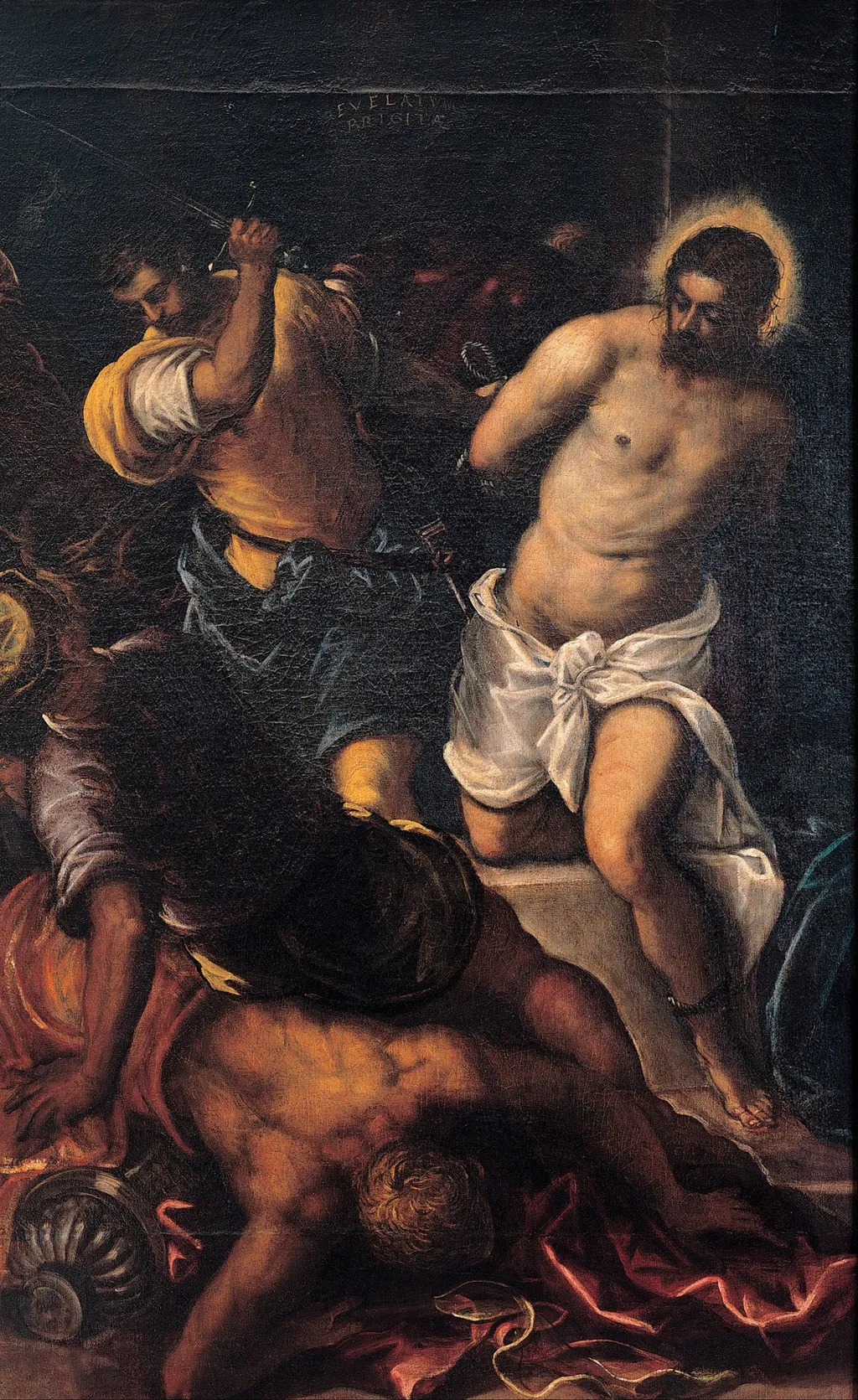
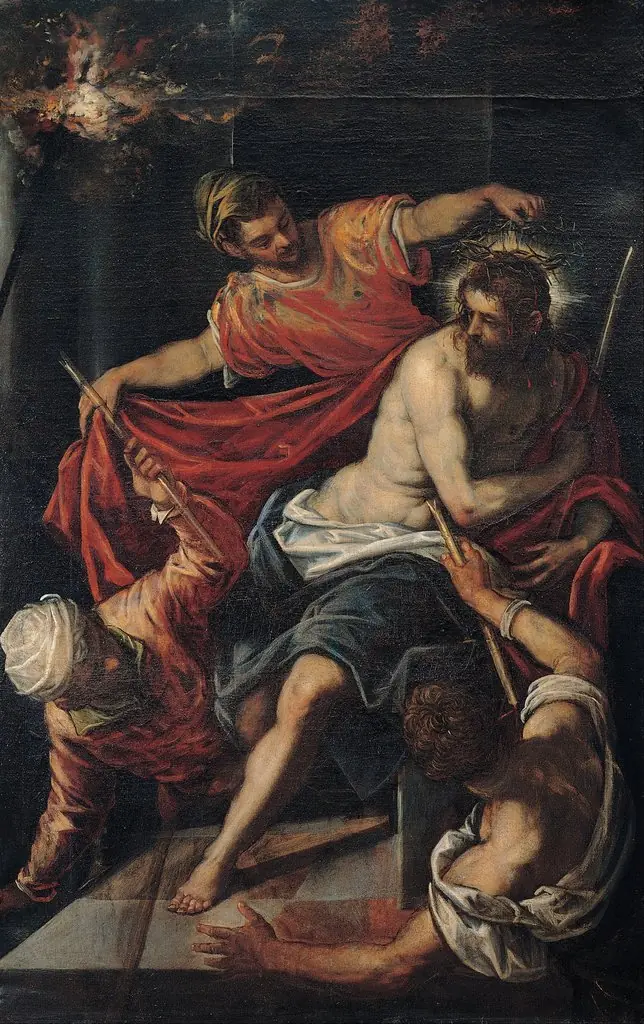
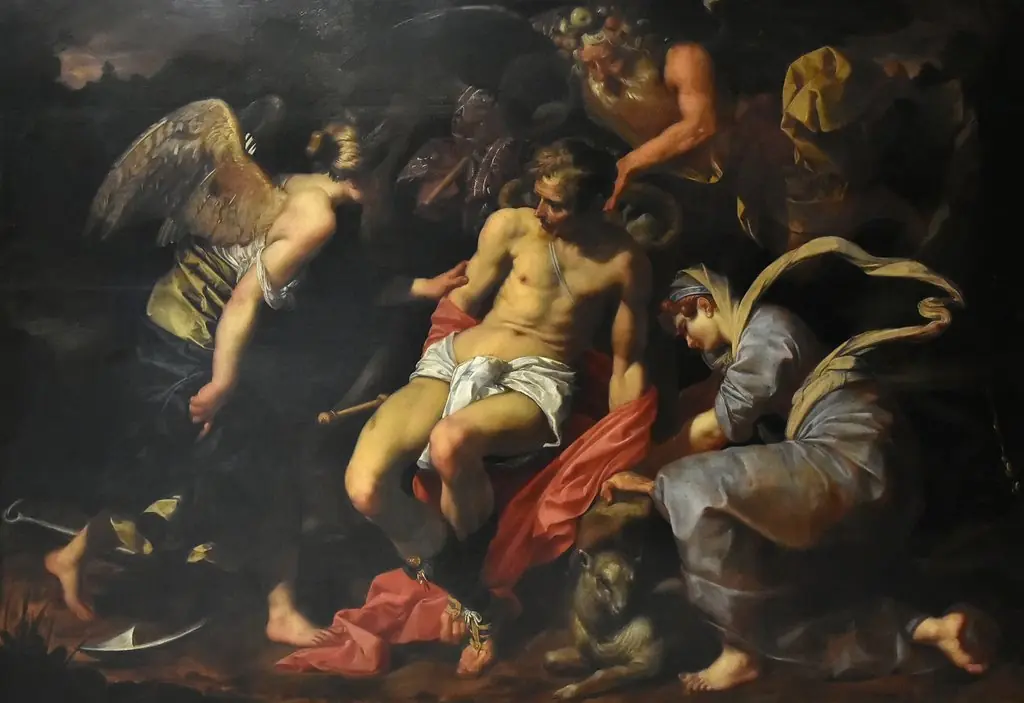
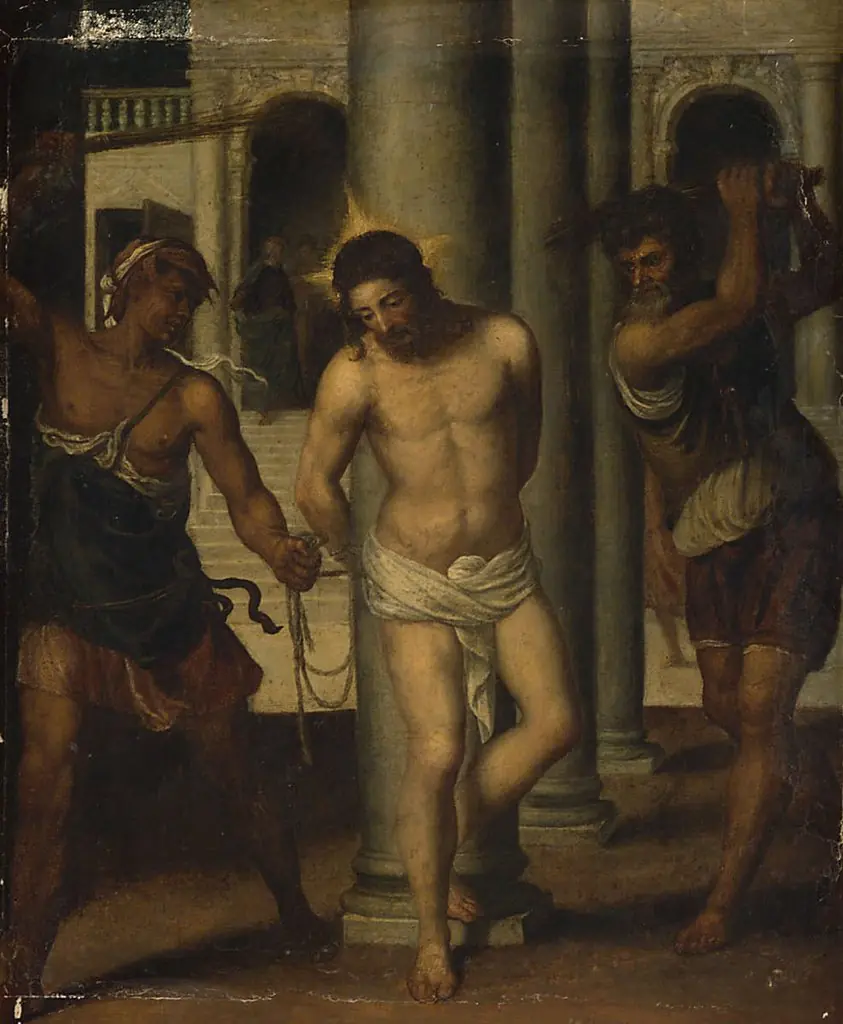
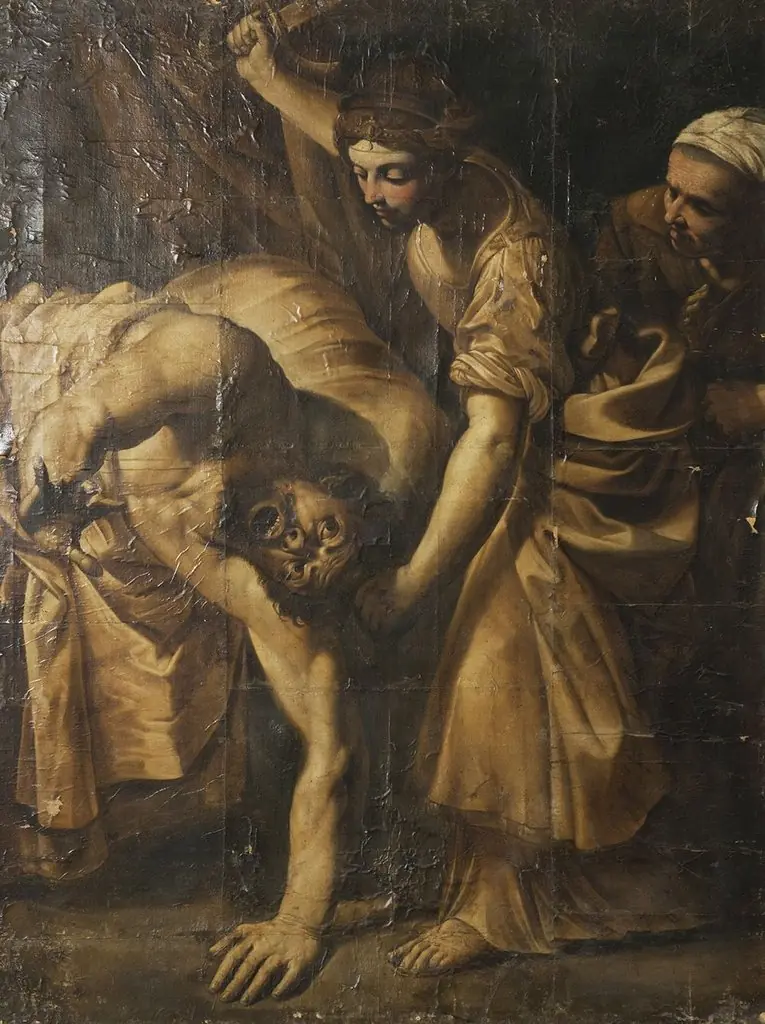
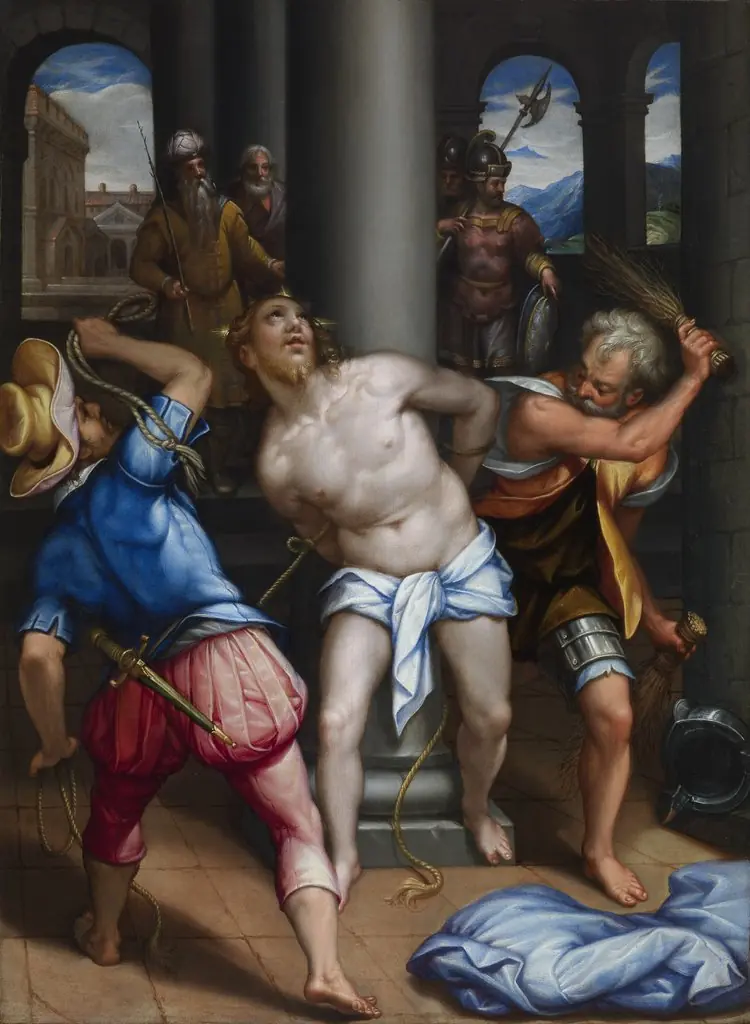
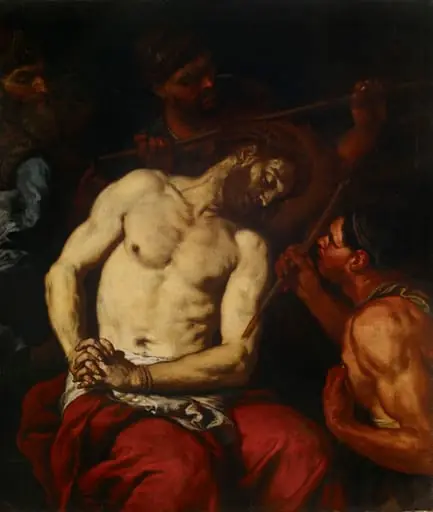
Crowning with thorns is an oil painting by the Mannerist artist Jacopo Tintoretto. It dates from 1596 and is held in the collection of the Capitoline Museums.
About this work
Overview
Jacopo Tintoretto’s *Crowning with Thorns*, executed in 1596, is an oil on canvas that captures the moment of Christ’s mock coronation.
Jacopo Tintoretto’s *Crowning with Thorns*, executed in 1596, is an oil on canvas that captures the moment of Christ’s mock coronation. The composition places the central act in a tightly lit foreground, while a deep, shadowed background recedes, creating a stark contrast that emphasizes the drama of the scene. The work is part of the Venetian Mannerist tradition and is presently housed in Rome’s Capitoline Museums.
Subject & Meaning
The painting portrays the biblical episode in which soldiers affix a spiked wreath to Jesus’ head, a prelude to the crucifixion. Tintoretto isolates the act of placing the thorns and a nearby onlooker, focusing attention on the physical and spiritual humiliation endured by Christ. The gesture underscores themes of suffering, mockery, and the paradox of a false kingship.
Technique & Style
Tintoretto employs vigorous brushwork and a pronounced chiaroscuro that models the figures against a dark void, lending the scene a three‑dimensional quality. Thick applications of paint, or impasto, give the flesh tones a palpable texture, while the dynamic perspective draws the eye toward the central interaction. The muscular anatomy and exaggerated poses reflect the Mannerist tendency toward heightened drama.
History & Provenance
Created toward the end of Tintorello’s career, the canvas reflects the mature phase of an artist nicknamed *il Furioso* for his energetic handling of paint. After remaining in private collections for centuries, the work entered the state-owned Capitoline Museums in the 20th century, where it has been displayed as part of the museum’s Venetian painting holdings.
Context
Tintoretto worked within the Venetian school, which prized color, light, and expressive movement. In the late 16th century, religious commissions often demanded emotionally charged depictions of Christ’s Passion, and this painting fulfills that demand through its theatrical staging. The work aligns with contemporary Counter‑Reformation aims to evoke piety through vivid visual narrative.
Own this work as a print
Artist & collection
Artist
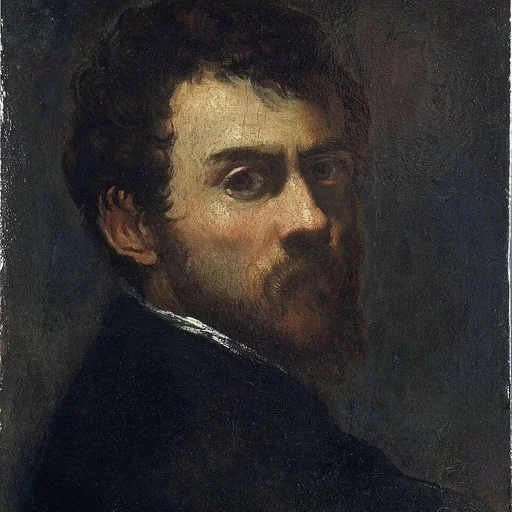
Jacopo Robusti (late September or early October 1518 – 31 May 1594), best known as Tintoretto ( TIN-tə-RET-oh; Italian: ; Venetian: ), was an Italian Renaissance painter of the Venetian school.