Artwork
The Beheading of Saint John the Baptist
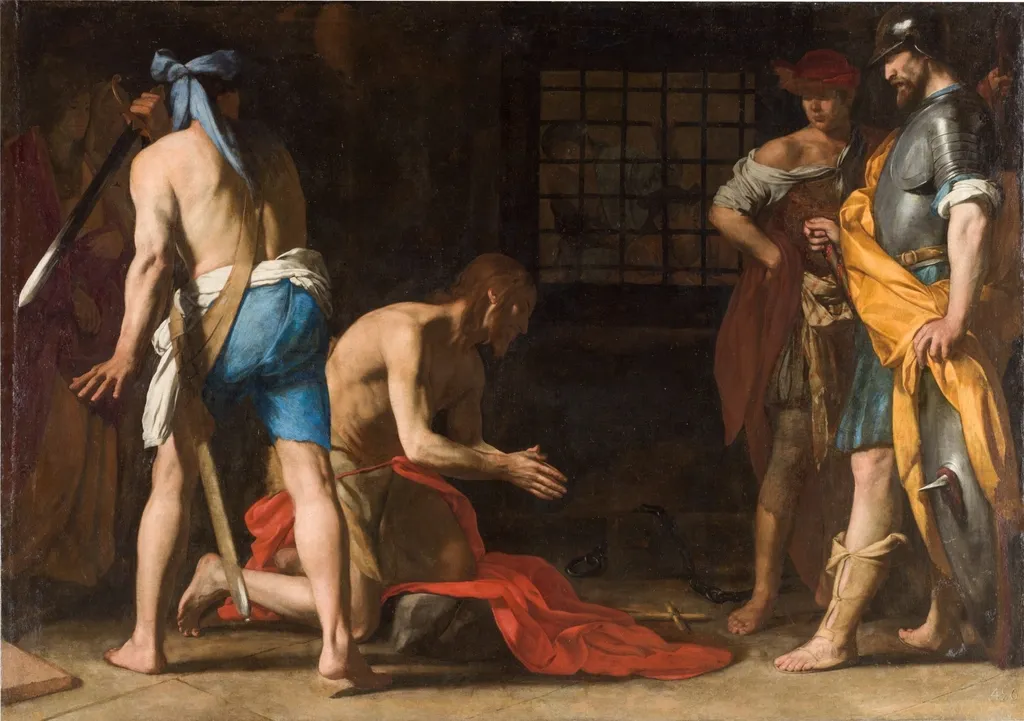
The Beheading of Saint John the Baptist is an oil painting by the Early Baroque Italian artist Massimo Stanzione. It dates from 1634 and is held in the collection of the Museo del Prado.
About this work
Overview
Massimo Stanzione’s *The Beheading of Saint John the Baptist* (1634) is an oil painting that captures a moment of violent martyrdom. Executed in the early Baroque period, the work is part of the Museo del Prado’s collection and exemplifies the artist’s focus on biblical narratives rendered with dramatic intensity.
Subject & Meaning
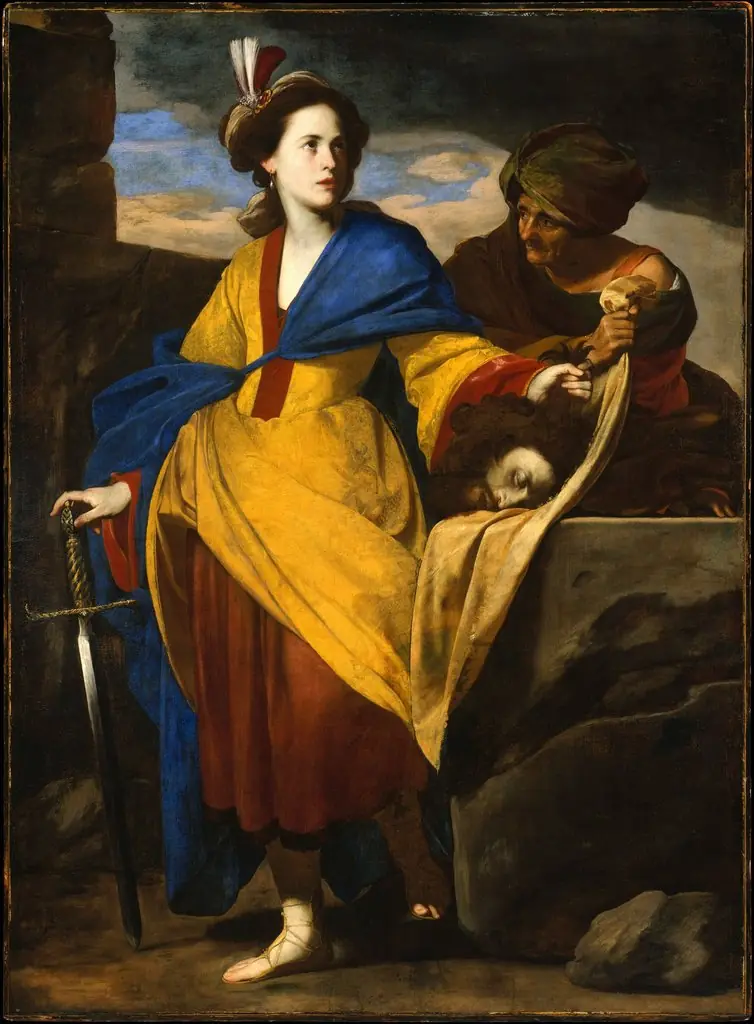
The composition centers on the condemned saint, shown kneeling with his head bowed and hands clasped in prayer, his torso exposed beneath a red cloth. Flanking him are two armed figures—one in armor and a yellow mantle, the other in a blue sash—both poised with swords, underscoring the imminent execution and the tension between piety and brutality.
Technique & Style
The palette combines deep reds, muted blues, and golden highlights, creating a sense of depth that guides the viewer’s gaze toward the central figure.
Stanzione employs chiaroscuro to model the figures, allowing light to fall on the saint’s face while the surrounding darkness heightens the scene’s emotional charge. The palette combines deep reds, muted blues, and golden highlights, creating a sense of depth that guides the viewer’s gaze toward the central figure. The handling of oil paint reveals a smooth, idealized naturalism typical of early Baroque art.
History & Provenance
Painted in Naples during Stanzione’s mature period, the work reflects his reputation for altarpieces and religious subjects. After remaining in private collections for centuries, it entered the Museo del Prado’s holdings, where it is displayed among other 17th‑century Italian Baroque pieces, providing insight into the artist’s oeuvre and the period’s devotional art.
Context
The painting belongs to a broader tradition of martyrdom scenes that proliferated in Counter‑Reformation Italy, where visual drama served to reinforce faith. Stanzione’s treatment aligns with contemporary Neapolitan artists who blended Caravaggist tenebrism with classical compositional balance, situating the work within the evolving language of Baroque religious painting.
Own this work as a print
Artist & collection
Artist
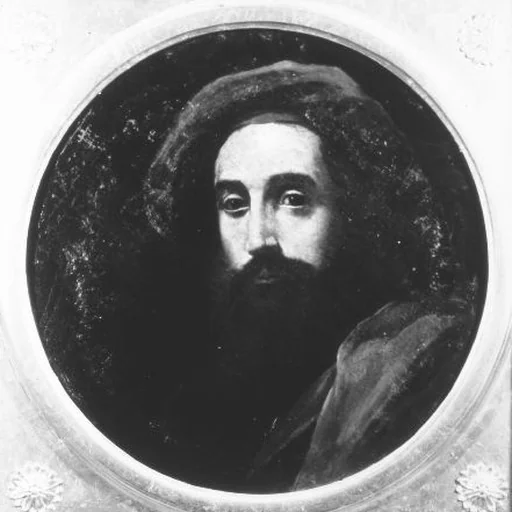
Massimo Stanzione (also called Stanzioni; Frattamaggiore 1585 – Naples 1656) was an Italian Baroque painter, mainly active in Naples, where he and his rival Jusepe de Ribera dominated the painting scene for several decades.