Artwork
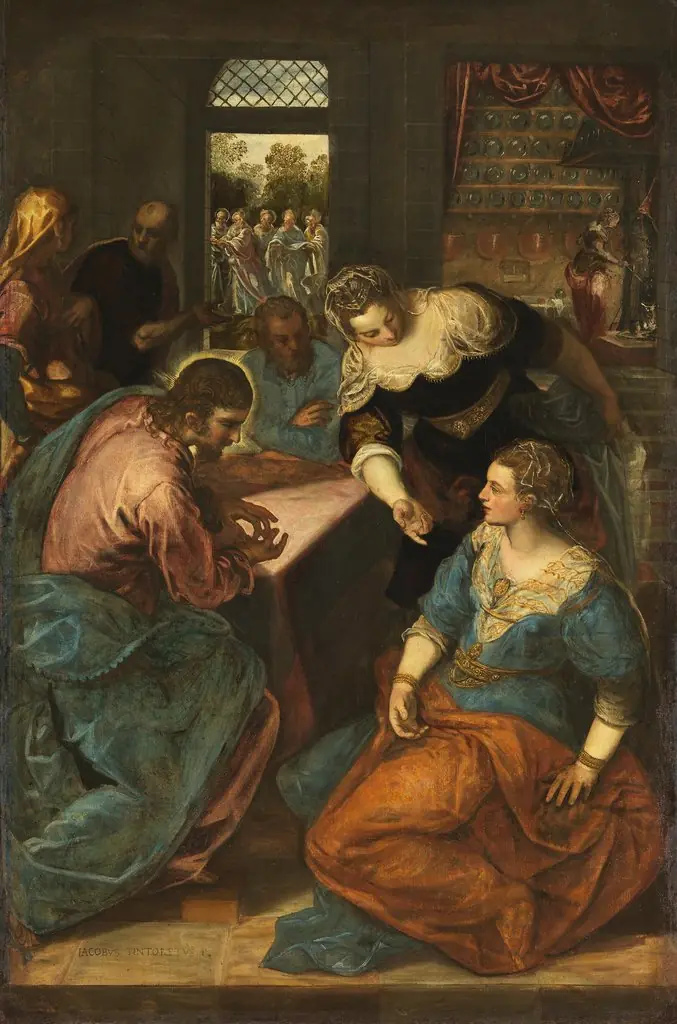
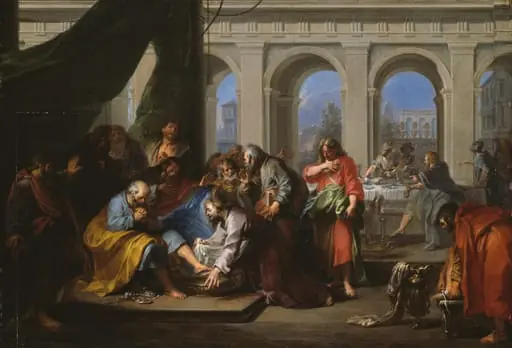
Christus im Hause des Pharisäers Simon (Kopie nach)
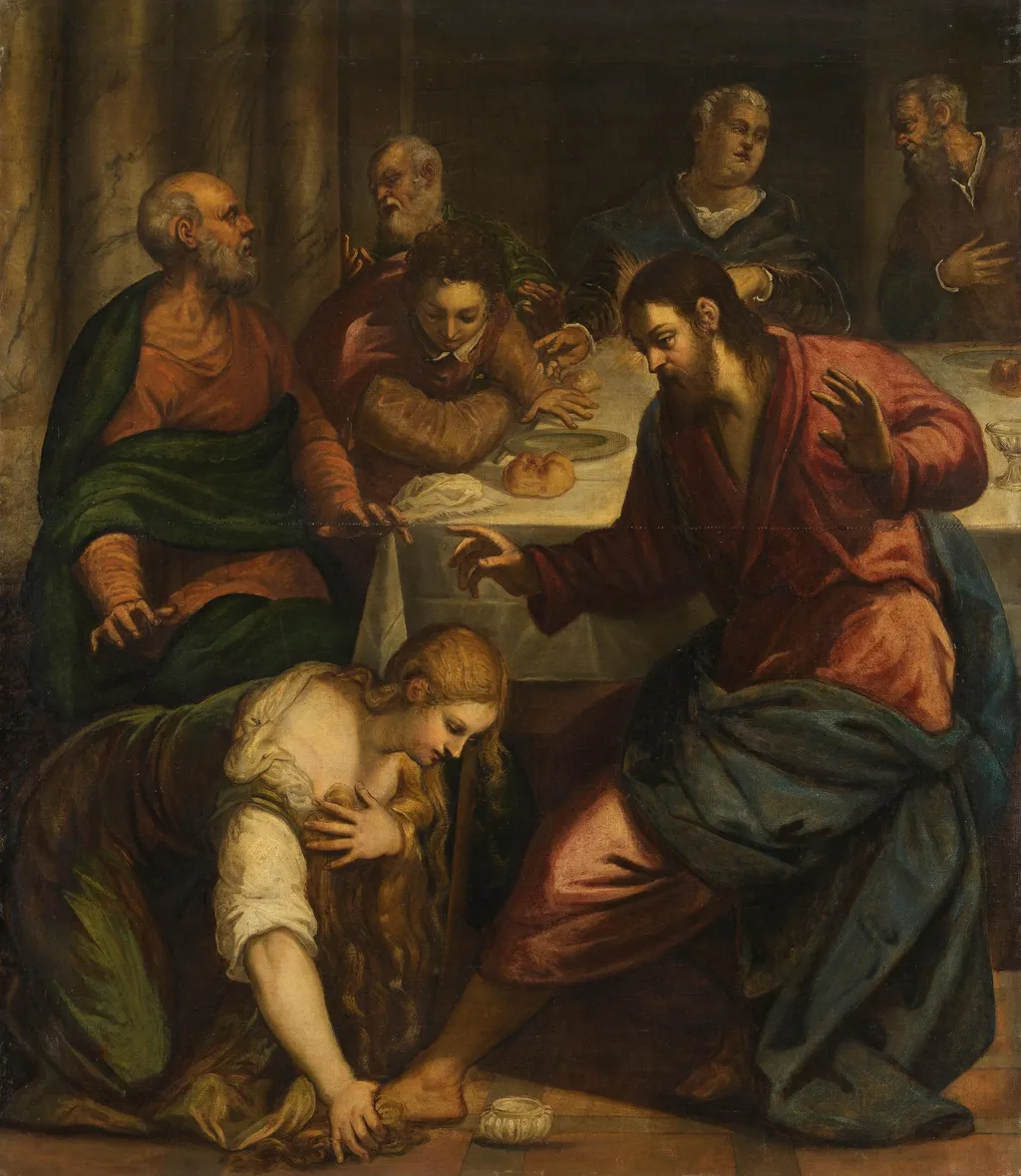
Christus im Hause des Pharisäers Simon (Kopie nach) is an unspecified painting by the Mannerist artist Jacopo Tintoretto. It dates from 1556 and is held in the collection of the Bavarian State Painting Collections. Created in 1556, this religious canvas portrays the biblical episode set in the home of Simon the Pharisee.
About this work
Overview
Created in 1556, this religious canvas portrays the biblical episode set in the home of Simon the Pharisee. Executed in the Mannerist idiom, the work is linked to the Venetian painter Jacopo Tintoretto, whose reputation for vigorous brushwork earned him the nickname “il Furioso.” The painting belongs to the collection of the Alte Pinakothek.
Subject & Meaning
The scene captures the moment when a guest breaks bread and offers it to another, while a kneeling woman reaches forward, evoking themes of hospitality and spiritual encounter. The surrounding figures display a range of reactions—surprise, concern, and attentive focus—underscoring the narrative tension inherent in the Gospel account.
Technique & Style
Tintoretto’s Mannerist approach is evident in the exaggerated musculature of the figures, the dynamic gestures, and the pronounced perspective that draws the eye into the interior space. A stark chiaroscuro scheme of warm reds and deep shadows highlights faces selectively, creating a dramatic contrast between illuminated and concealed features.
History & Provenance
Attributed to Tintoretto based on stylistic analysis, the painting has been part of the Alte Pinakothek’s holdings since its acquisition in the 19th century. Its provenance prior to museum ownership remains undocumented, reflecting the common gaps in records for works of this period.
Context
During the mid‑16th century, Venetian artists like Tintoretto were exploring more expressive compositions, moving beyond the balanced harmony of earlier High Renaissance works. This painting exemplifies that shift, employing vigorous movement and intense lighting to convey emotional depth within a religious narrative.
Legacy
The work illustrates the hallmark qualities that define Tintoretto’s influence on later Baroque painters: dramatic lighting, vigorous figure drawing, and a willingness to intensify narrative tension. Its presence in a major European museum continues to inform studies of Mannerist experimentation in Venetian art.
Own this work as a print
Artist & collection
Artist
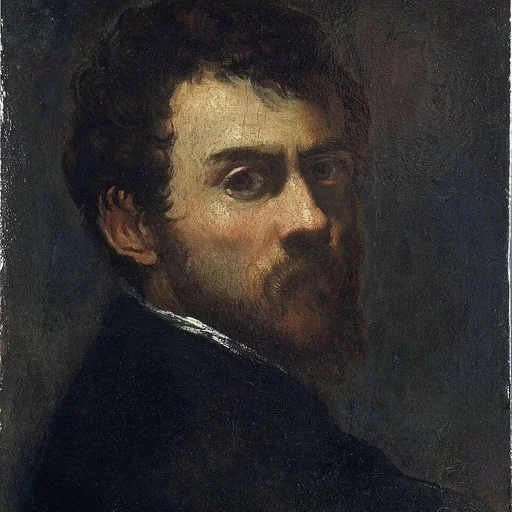
Jacopo Robusti (late September or early October 1518 – 31 May 1594), best known as Tintoretto ( TIN-tə-RET-oh; Italian: ; Venetian: ), was an Italian Renaissance painter of the Venetian school.

 Christ with Mary and Martha
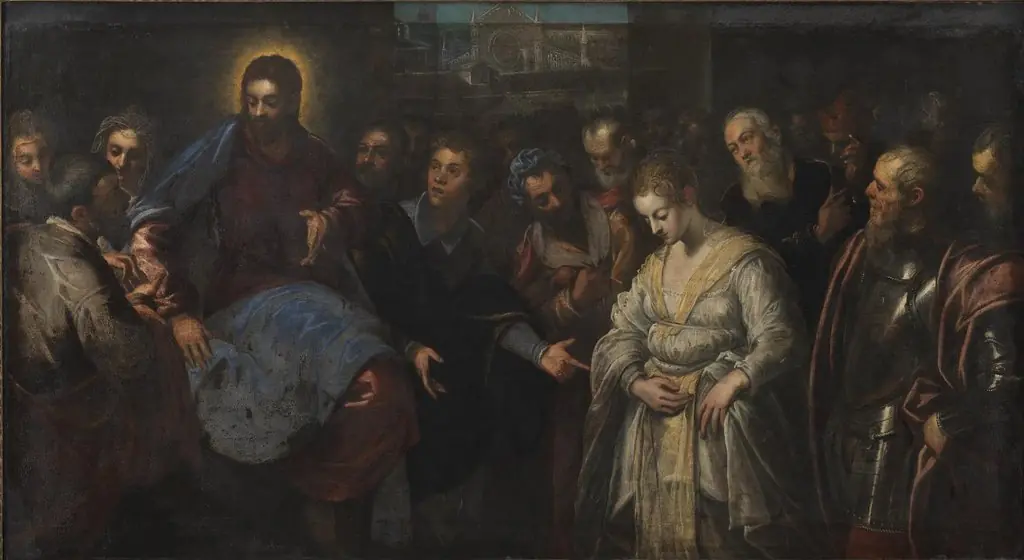 Christ and the Adulteress
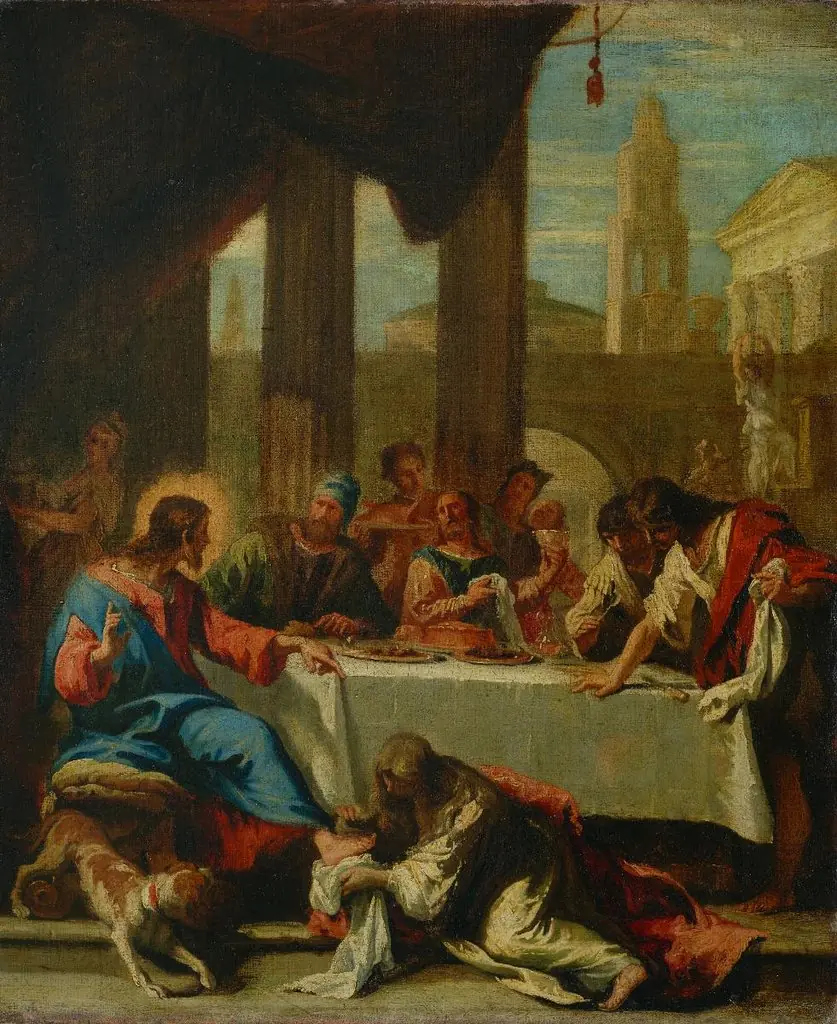 La cena in casa di Simone
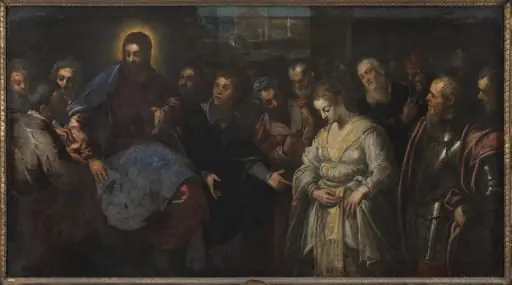 Christ and the Adulteress
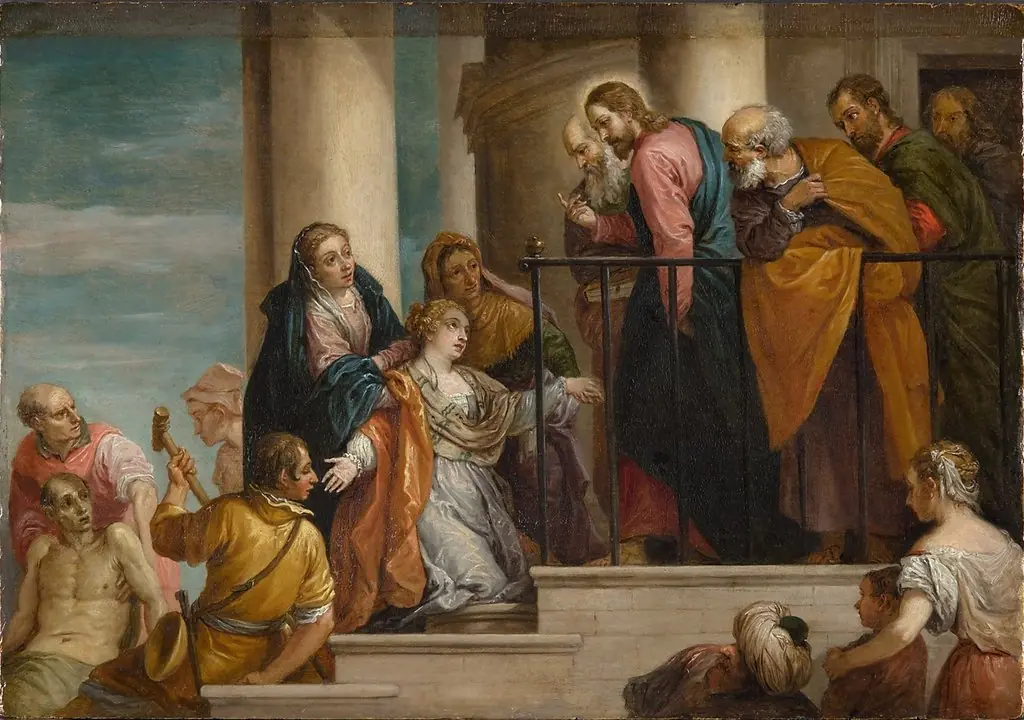 Raising the Young Man of Nain
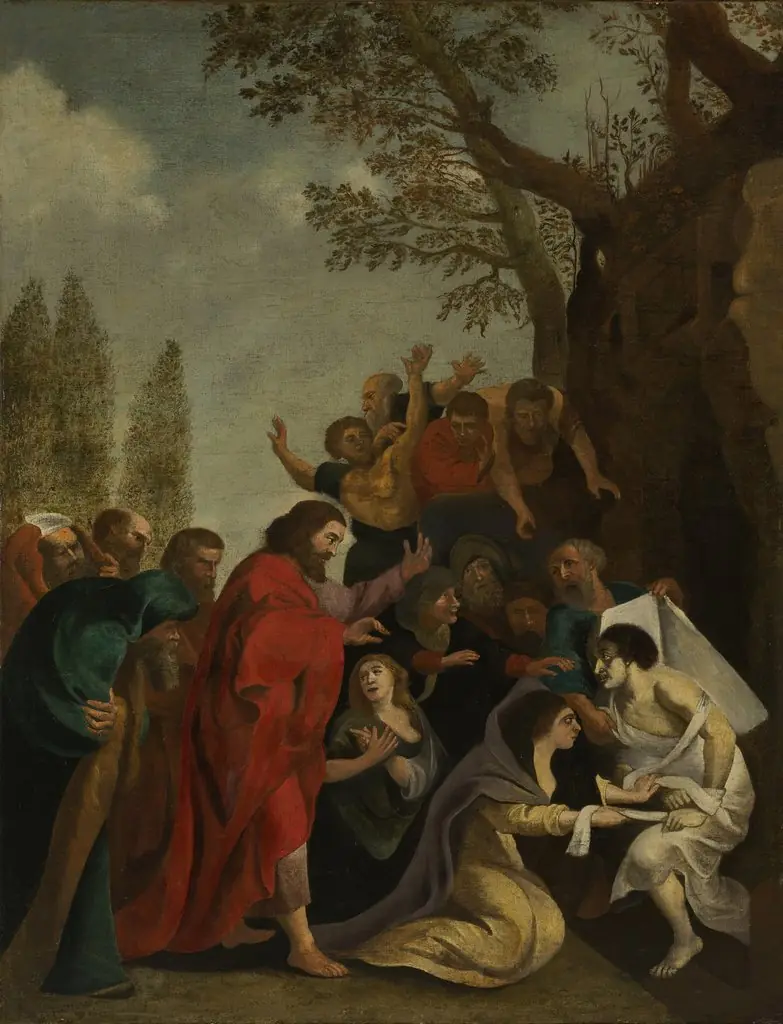 The raising of Lazarus (copy)
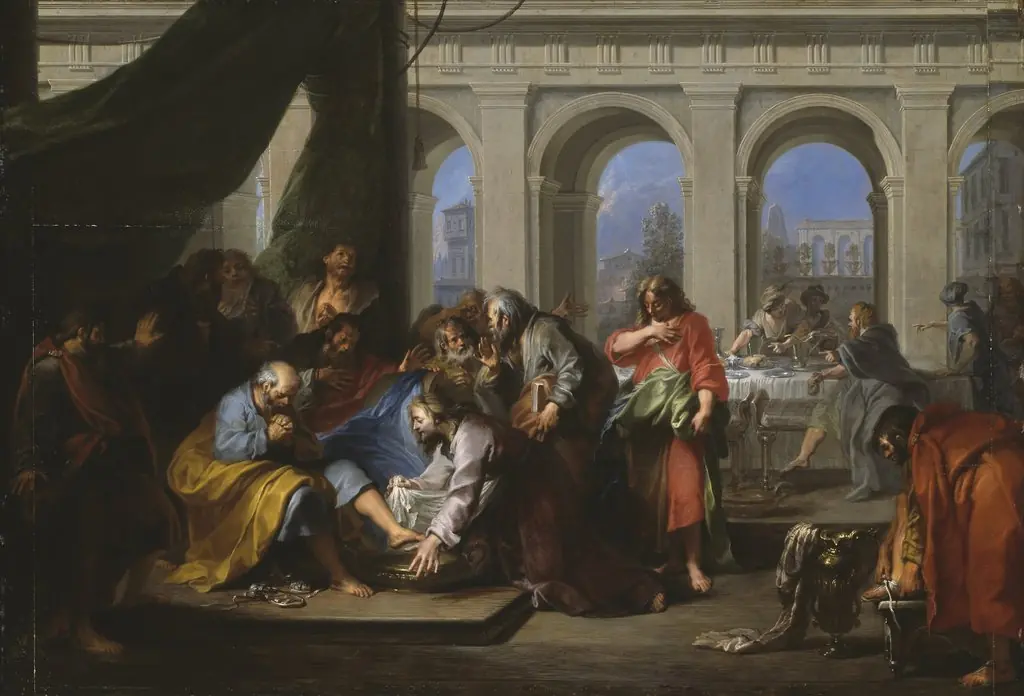 Christ Washing the Feet of His Disciples
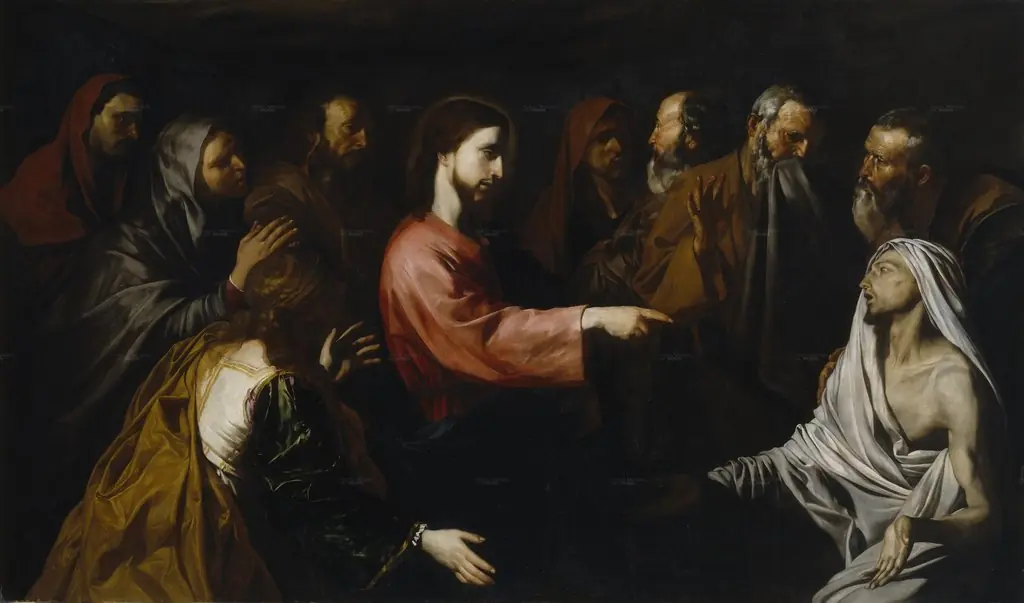 The Raising of Lazarus
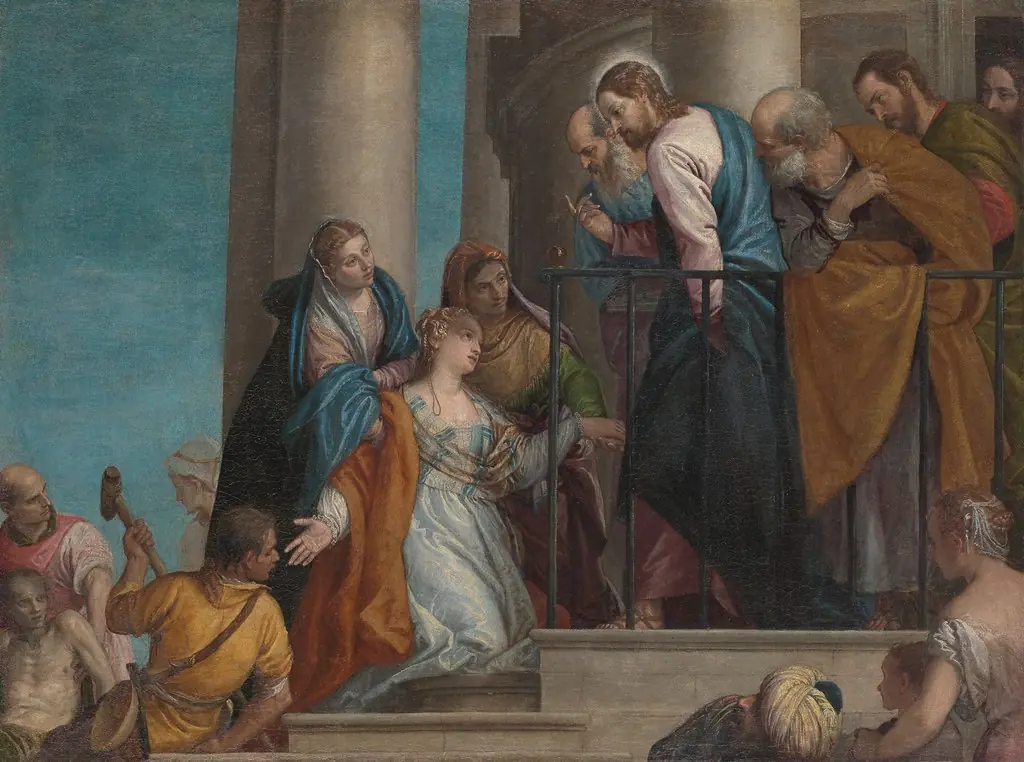 Raising the Young Man of Nain
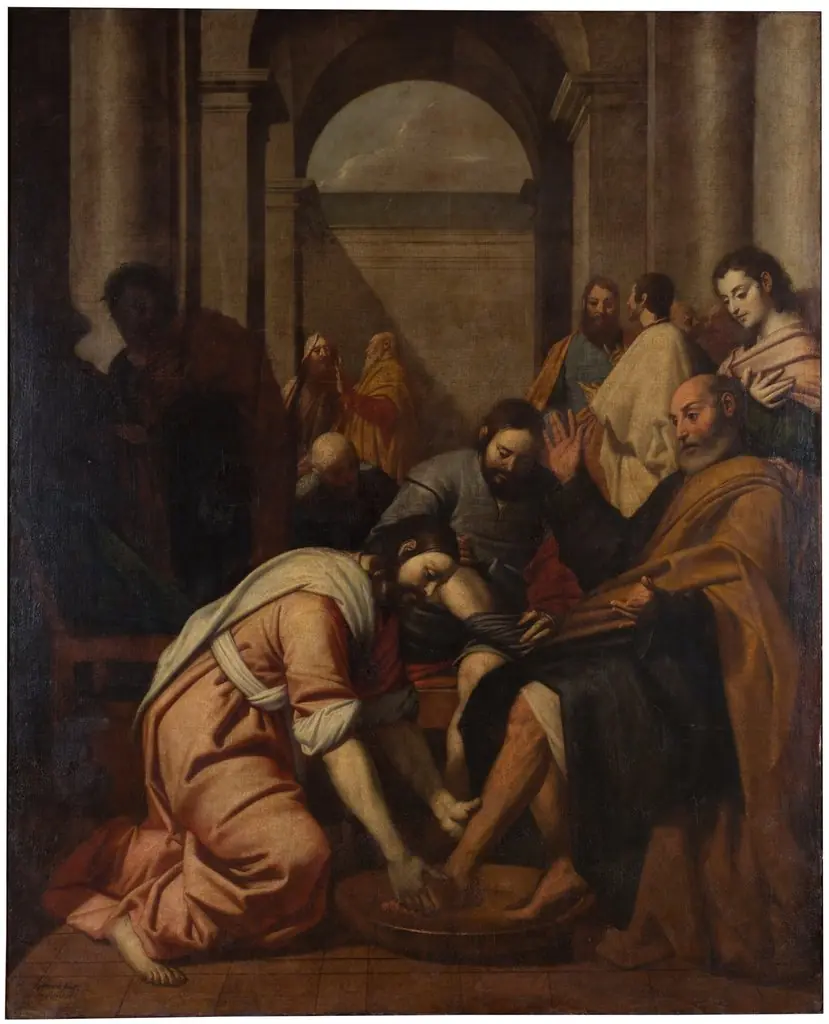 Jesus Washing Peter's Feet
 Christ Washing the Feet of His Disciples
 Noli me tangere