Artwork
Saint Jerome
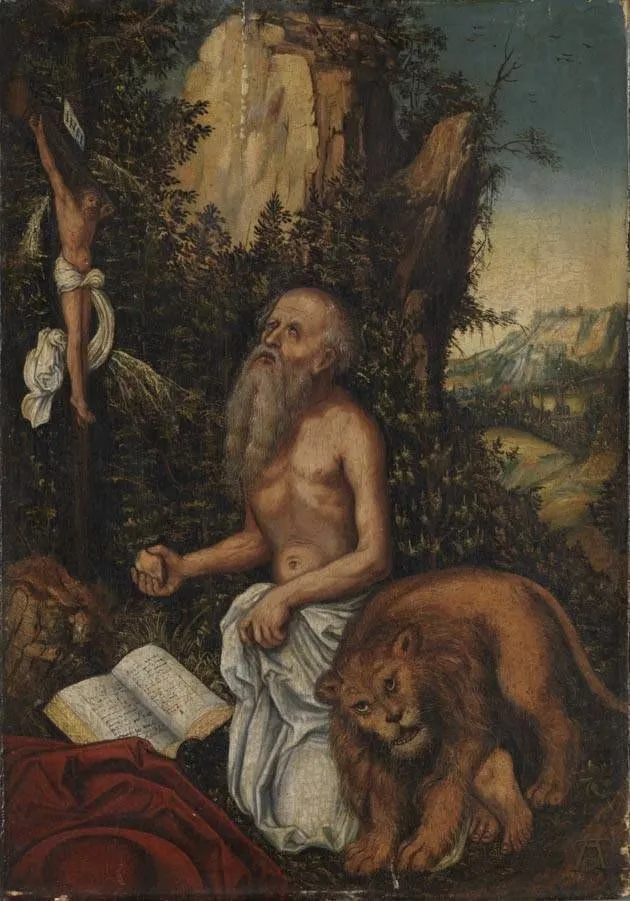
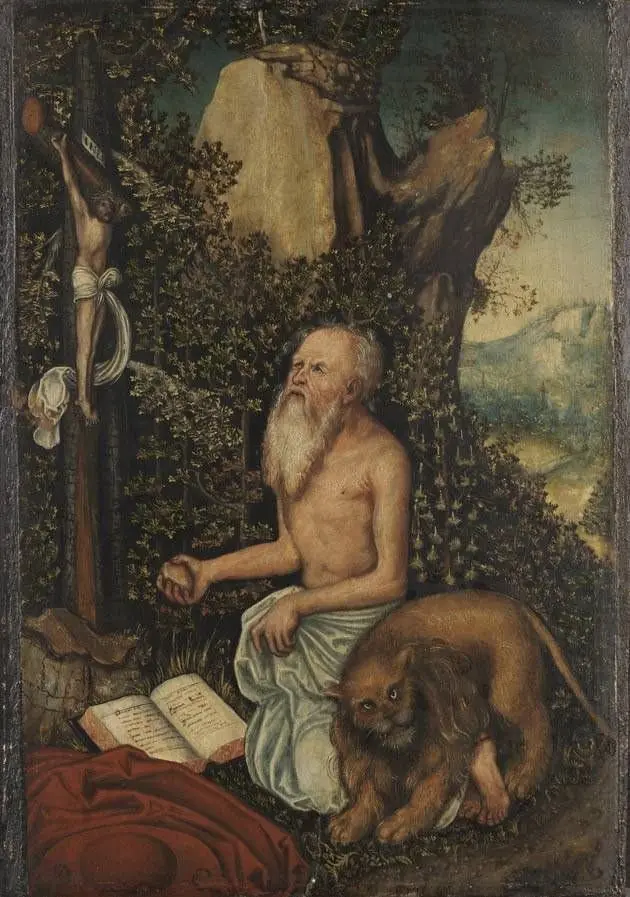
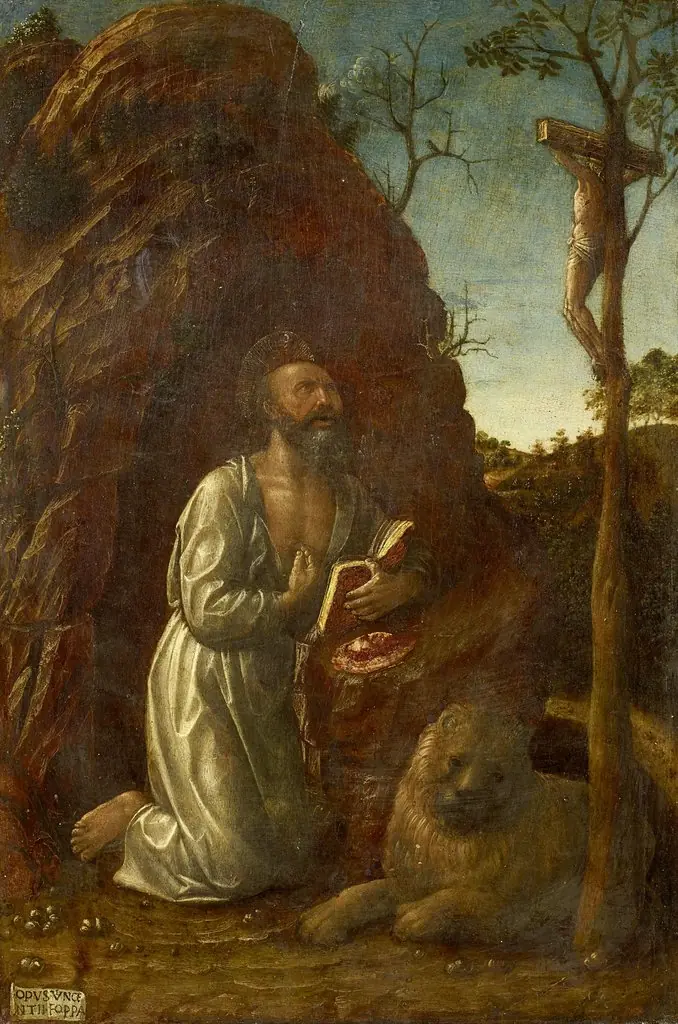
Saint Jerome is an oil painting by the Northern Renaissance artist Lucas Cranach the Elder. It dates from 1549 and is held in the collection of the Alte Pinakothek.
About this work
Overview
Created in 1549, this oil on canvas by Lucas Cranach the Elder portrays the Christian scholar Saint Jerome. The work is part of the collection of the Alte Pinakothek in Munich, where it is displayed among other works of the German Renaissance.
Subject & Meaning
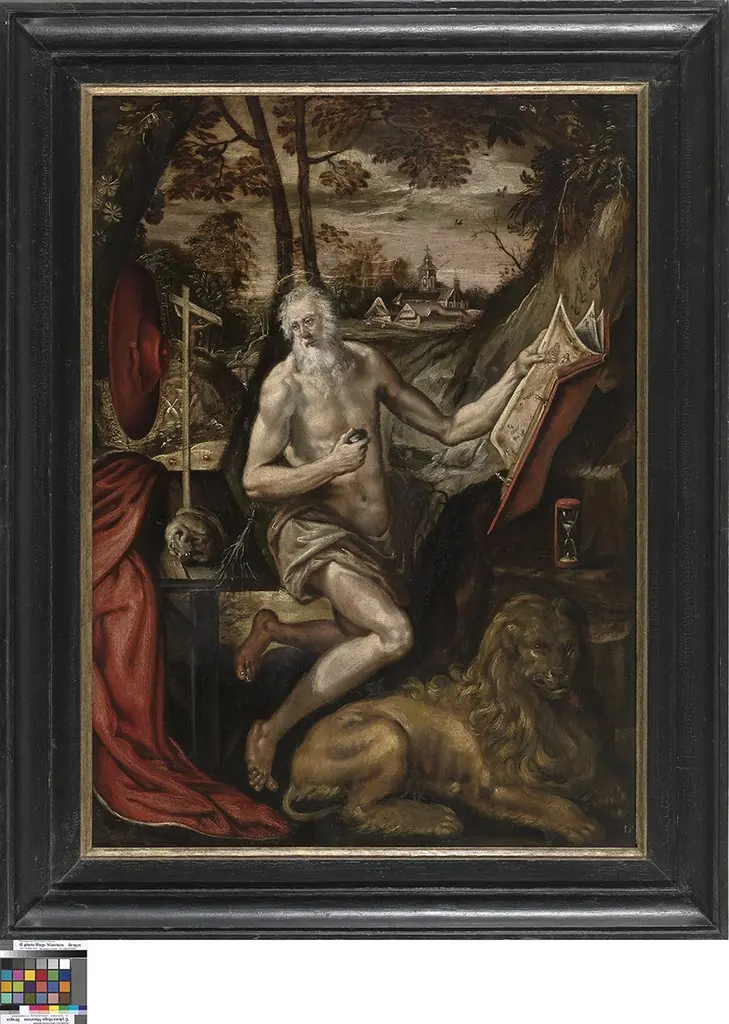
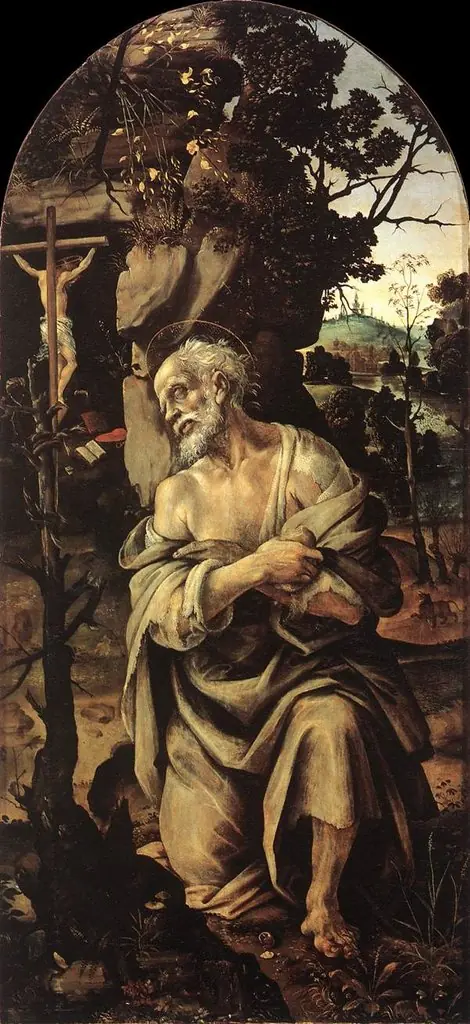
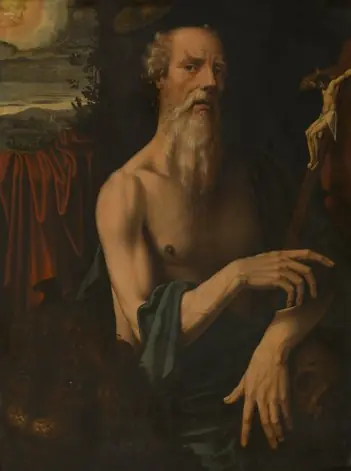
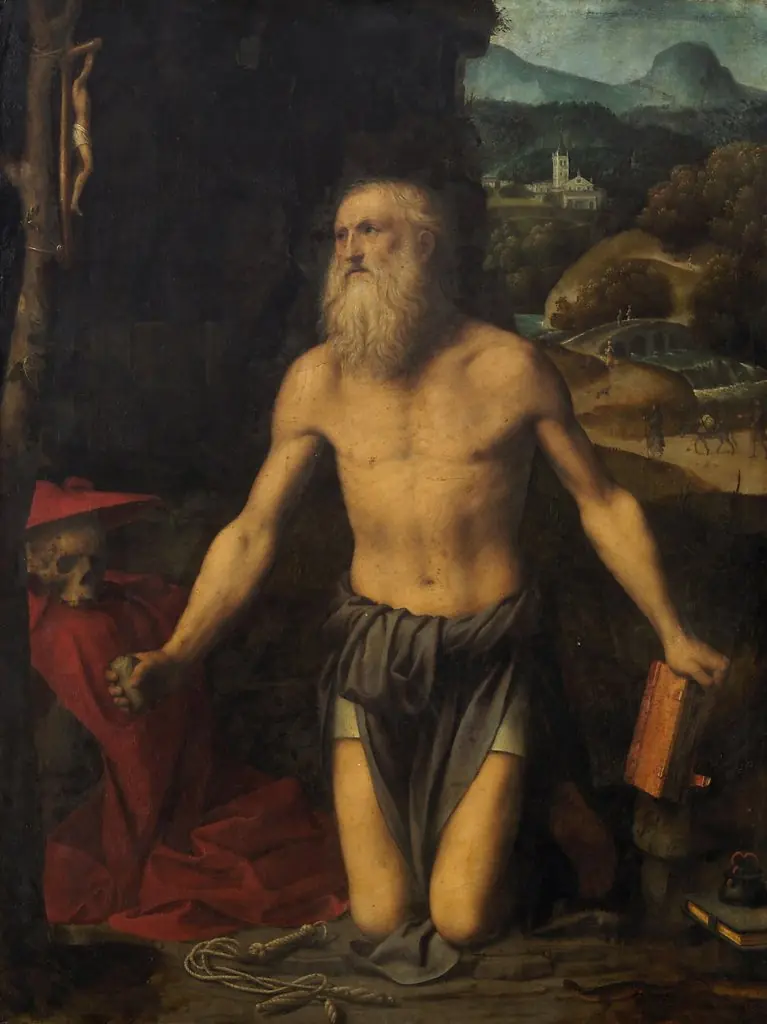
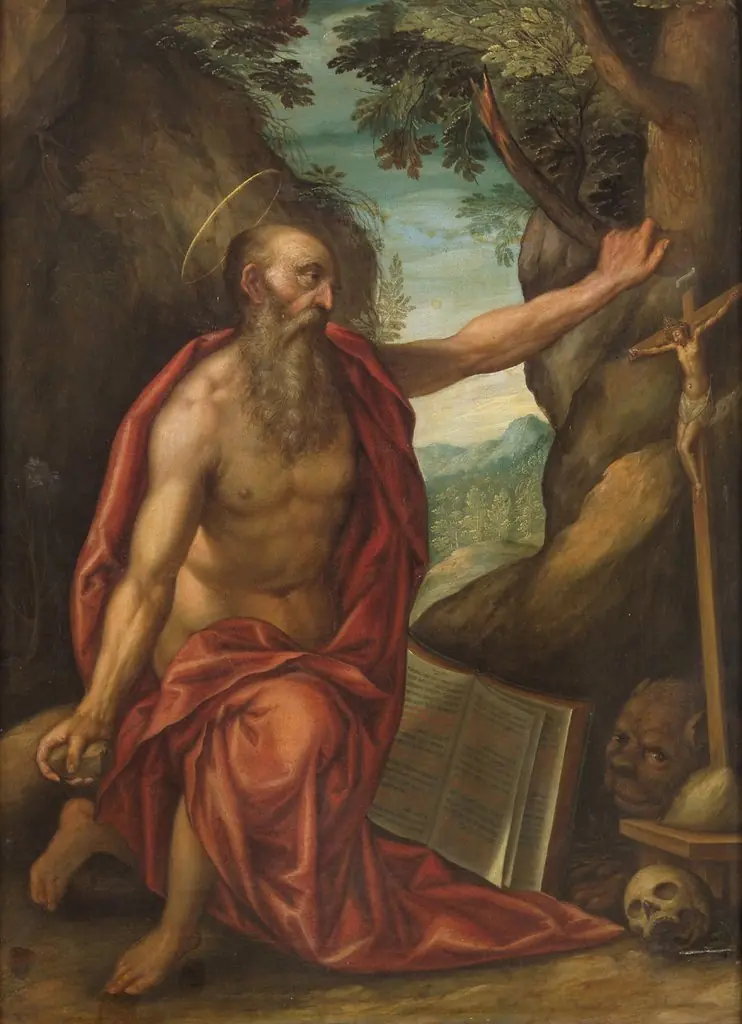
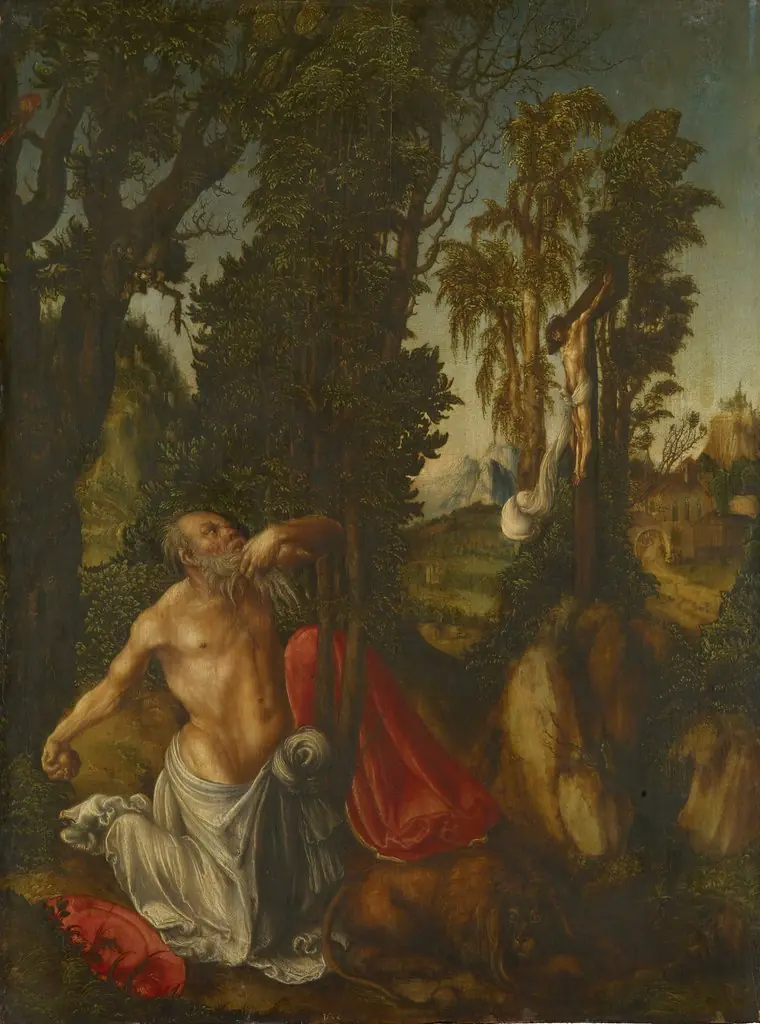
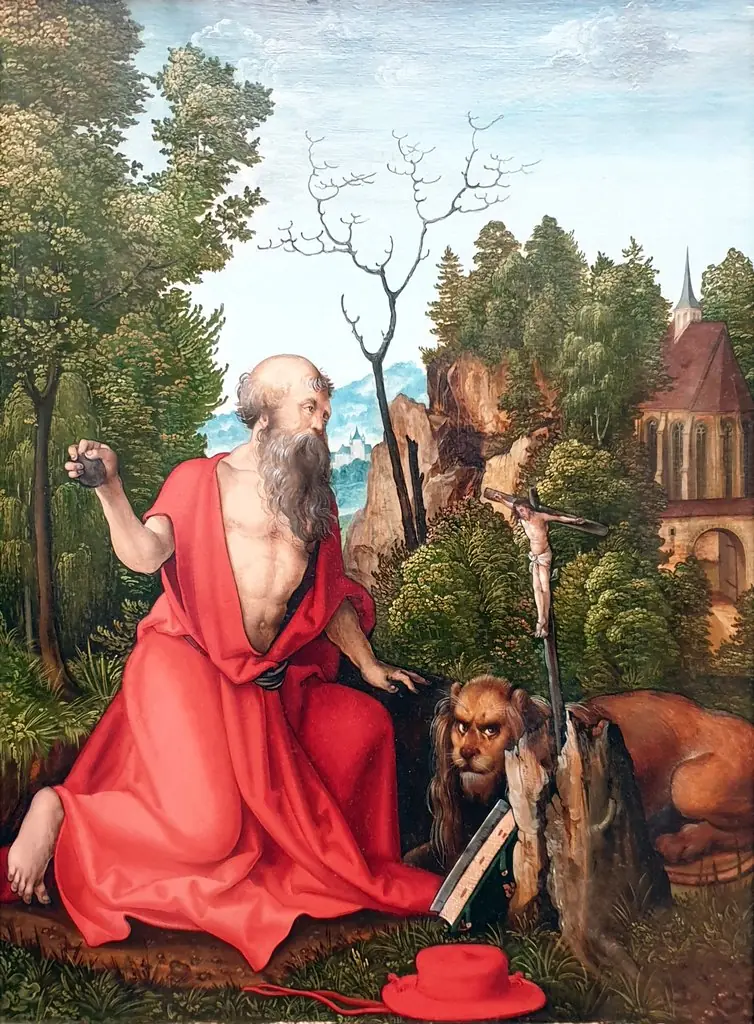
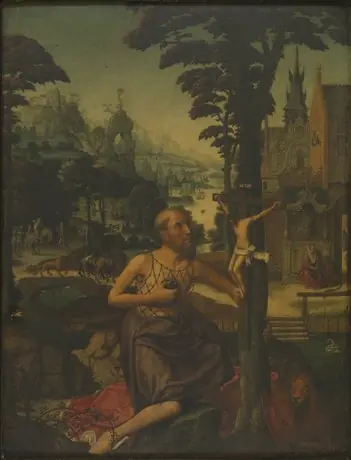
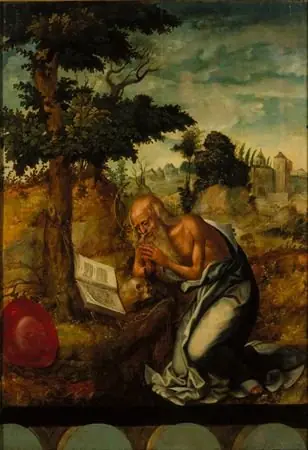
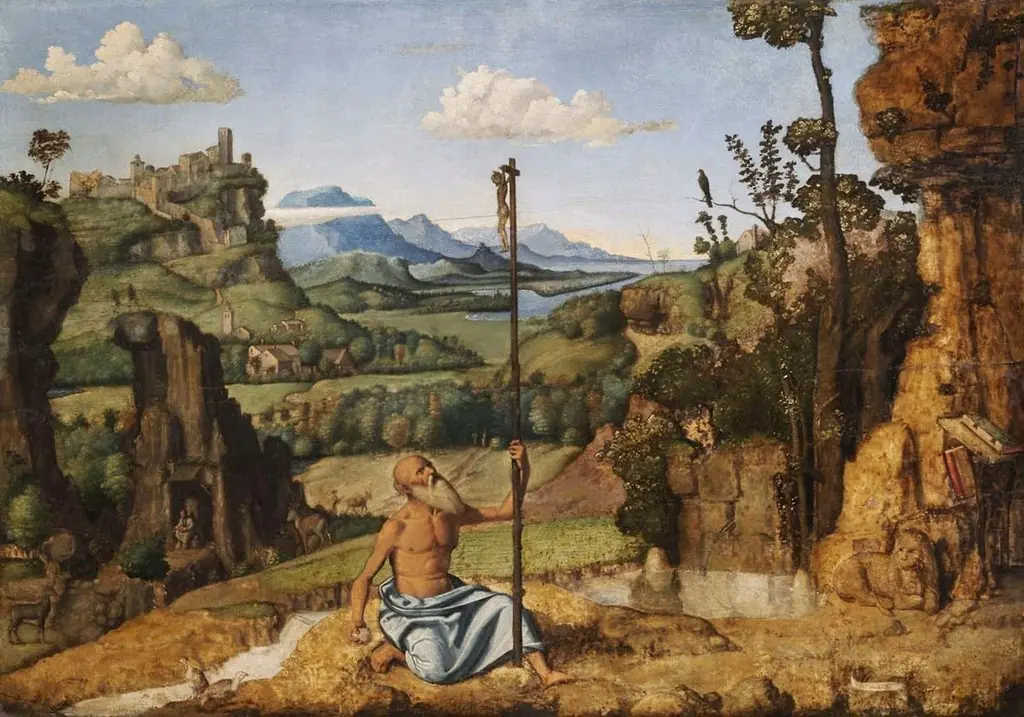
The composition centers on a bearded Jerome, clothed in a simple white drape, seated amid a rugged terrain. A lion reclines at his feet, referencing the legend of the saint’s taming of a wild beast. A crucifix hangs from a distant tree branch, linking Jerome’s scholarly devotion to the Passion of Christ.
Technique & Style
Cranach employs a restrained palette of earthy browns and verdant greens to model the rocky foreground, while a pale blue sky provides atmospheric relief. Warm tonal variations illuminate Jerome’s face and the soft folds of his garment, creating a tactile sense of volume within the otherwise flat, linear treatment typical of the artist’s late style.
History & Provenance
The painting was executed toward the end of Cranach’s long career and entered the Bavarian royal collection in the 18th century, later becoming part of the Alte Pinakothek’s holdings after the museum’s foundation. Documentation traces its ownership through several private and court inventories before its public acquisition.
Context
Saint Jerome reflects the continued popularity of hagiographic subjects in Northern Renaissance art, especially within the Lutheran territories where Cranach worked. The inclusion of the lion and crucifix aligns with contemporary iconographic conventions, while the naturalistic landscape demonstrates the artist’s integration of Italianate influences into Germanic visual traditions.
Artist & collection
Artist
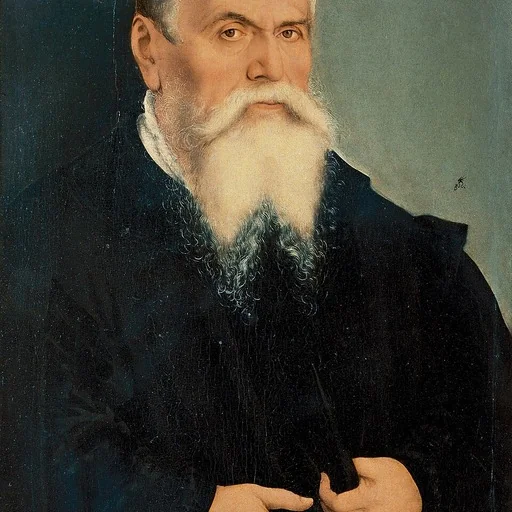
Lucas Cranach the Elder was a German Renaissance painter and printmaker in woodcut and engraving.