Artwork
Pyhä Hieronymus
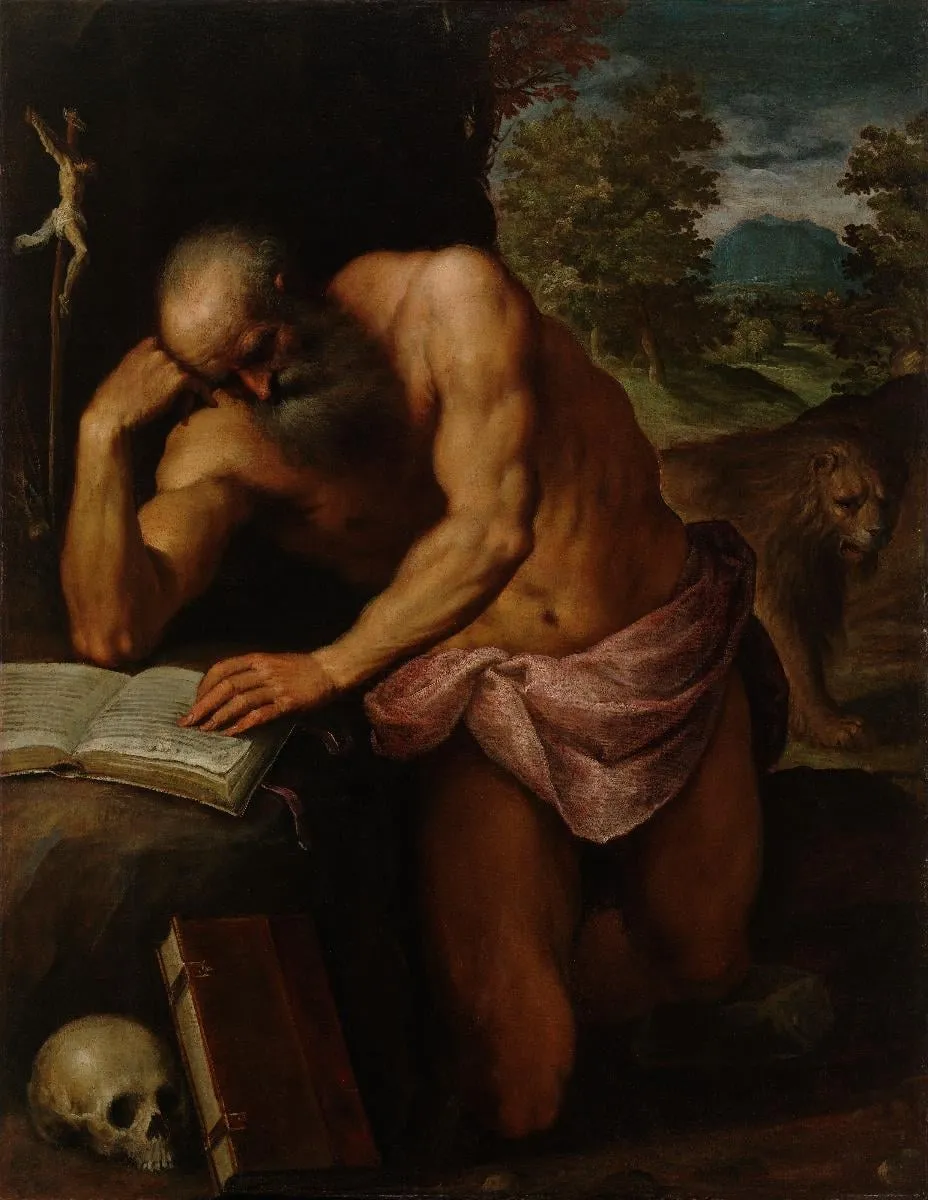
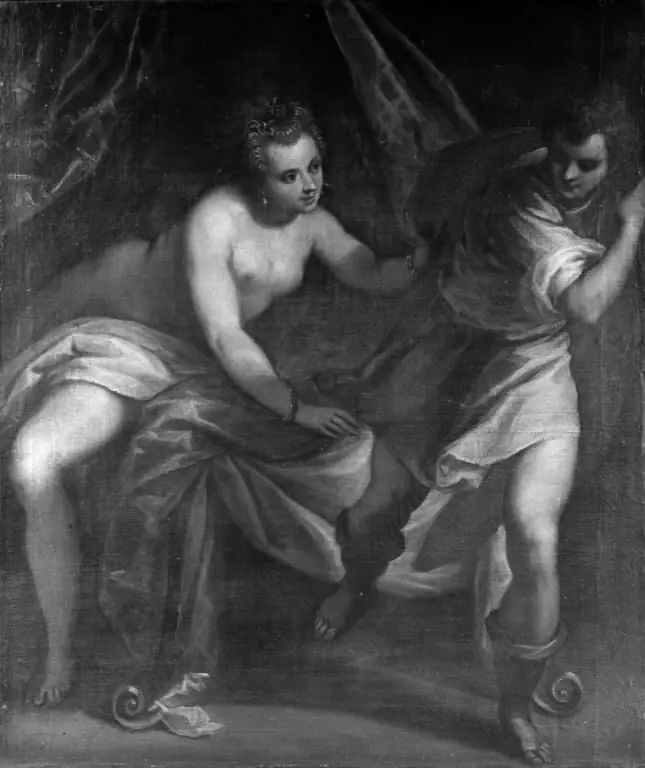
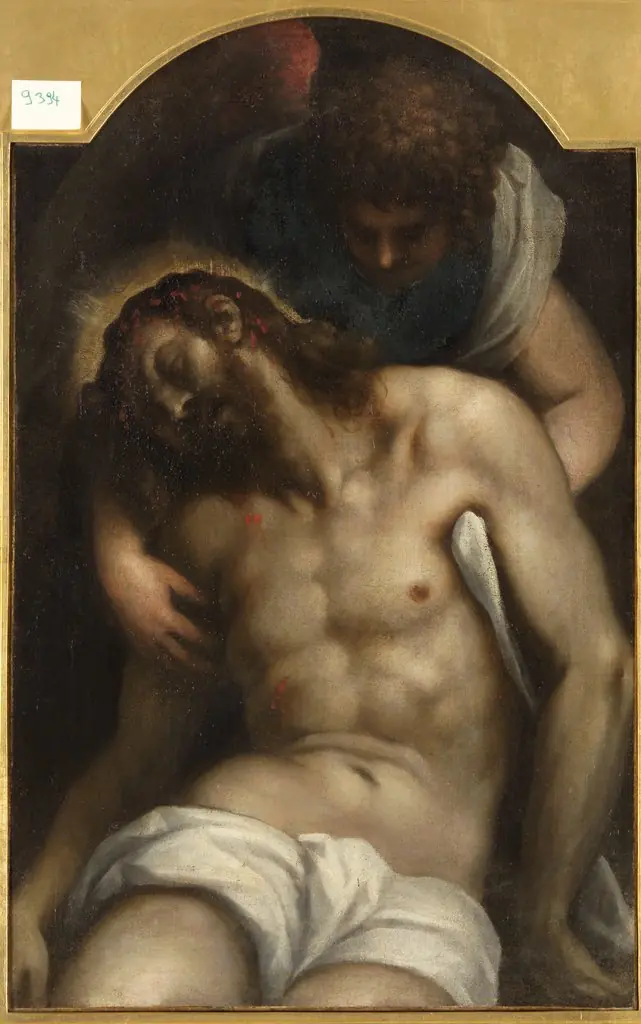
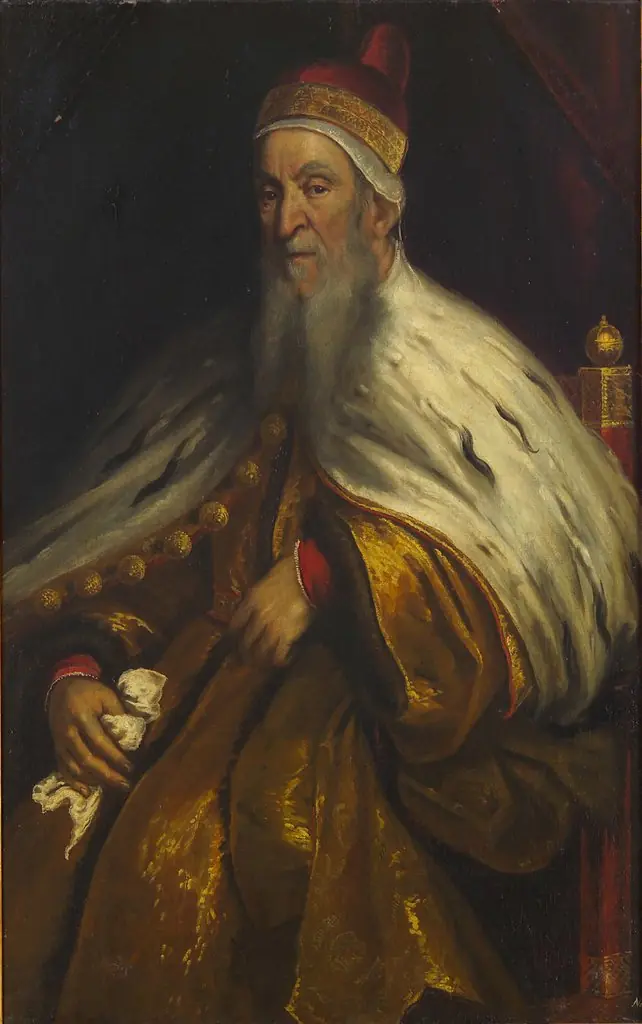
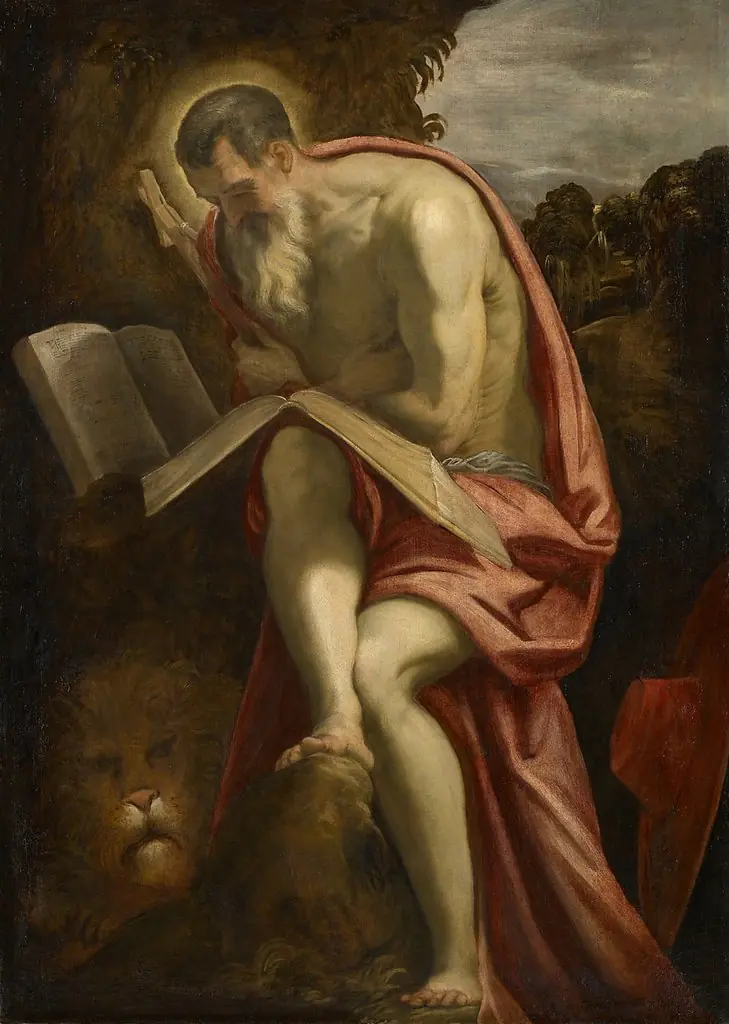
Pyhä Hieronymus is an unspecified painting by Palma il Giovane. It dates from 1594 and is held in the collection of the Finnish National Gallery.
About this work
Overview
The artist, born Iacopo Negretti, was a prominent Venetian painter who emerged after Tintoretto’s death, carrying forward the city’s painterly traditions.
Painted around 1594 by Palma il Giovane, this work portrays Saint Jerome in a contemplative moment. The artist, born Iacopo Negretti, was a prominent Venetian painter who emerged after Tintoretto’s death, carrying forward the city’s painterly traditions. His style blended dramatic lighting with emotional intensity, characteristic of late Renaissance Venice. The painting reflects both local artistic currents and broader Counter-Reformation themes, commissioned for religious contexts beyond Venice.
Subject & Meaning
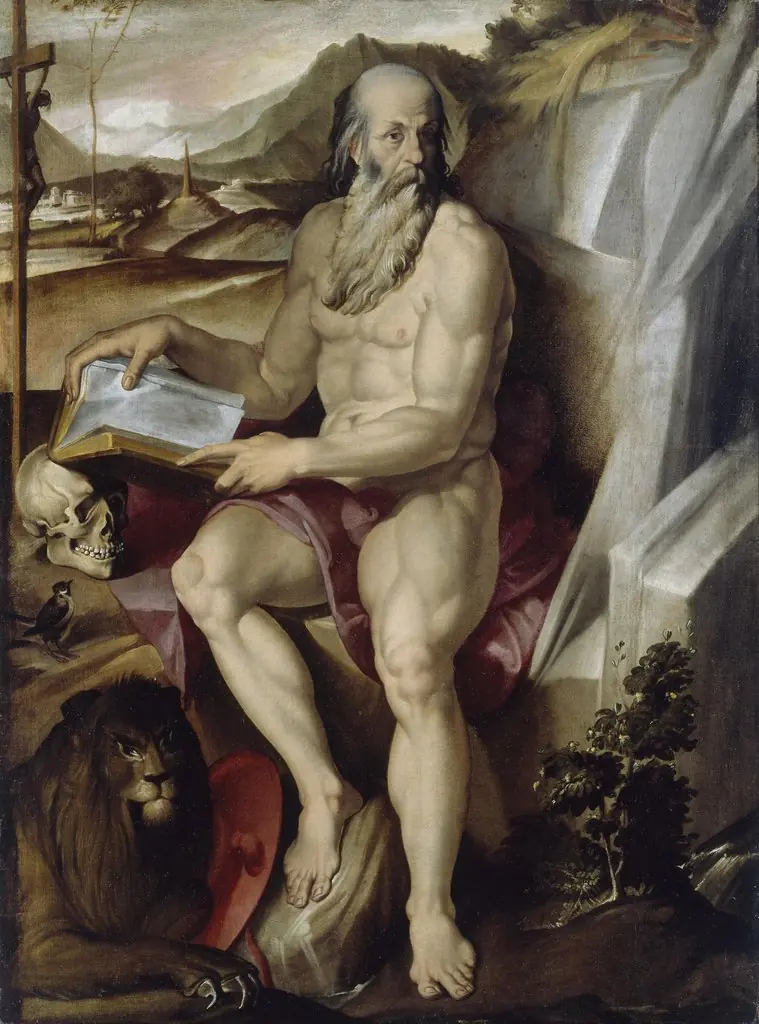
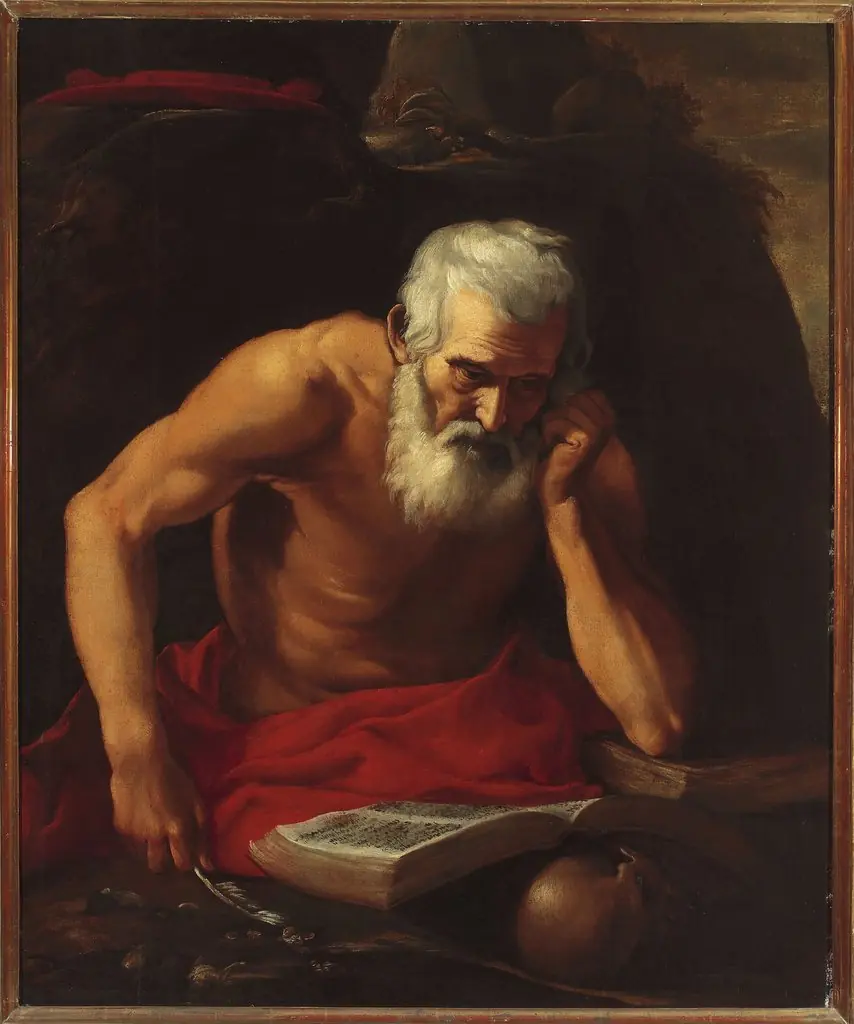
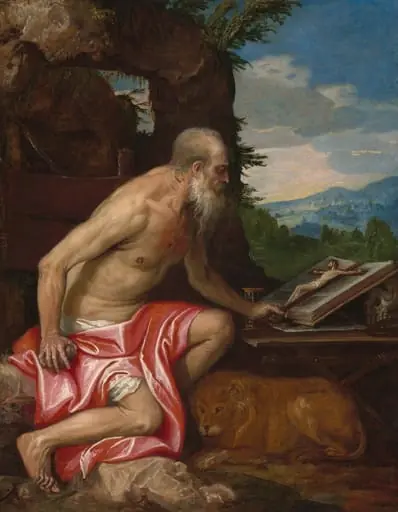
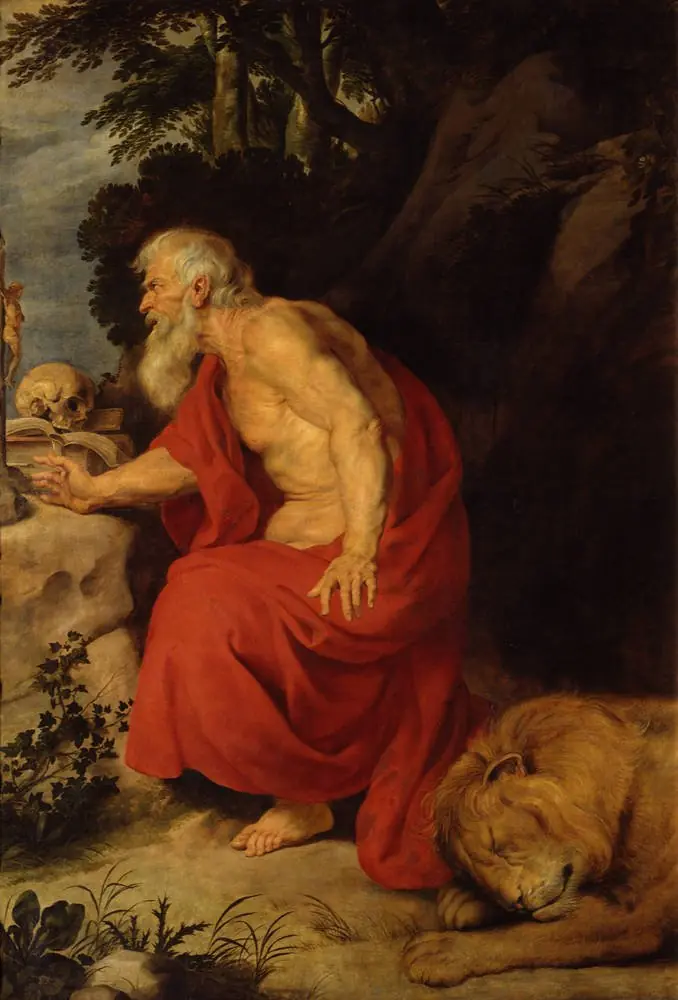
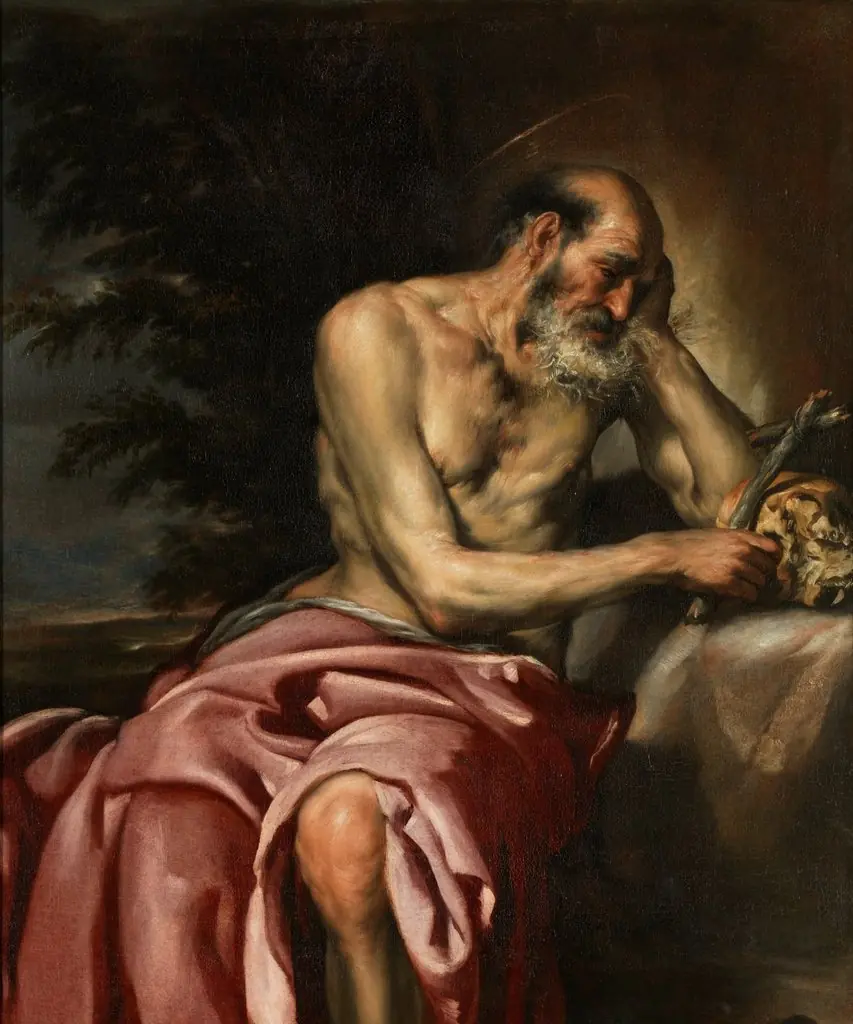
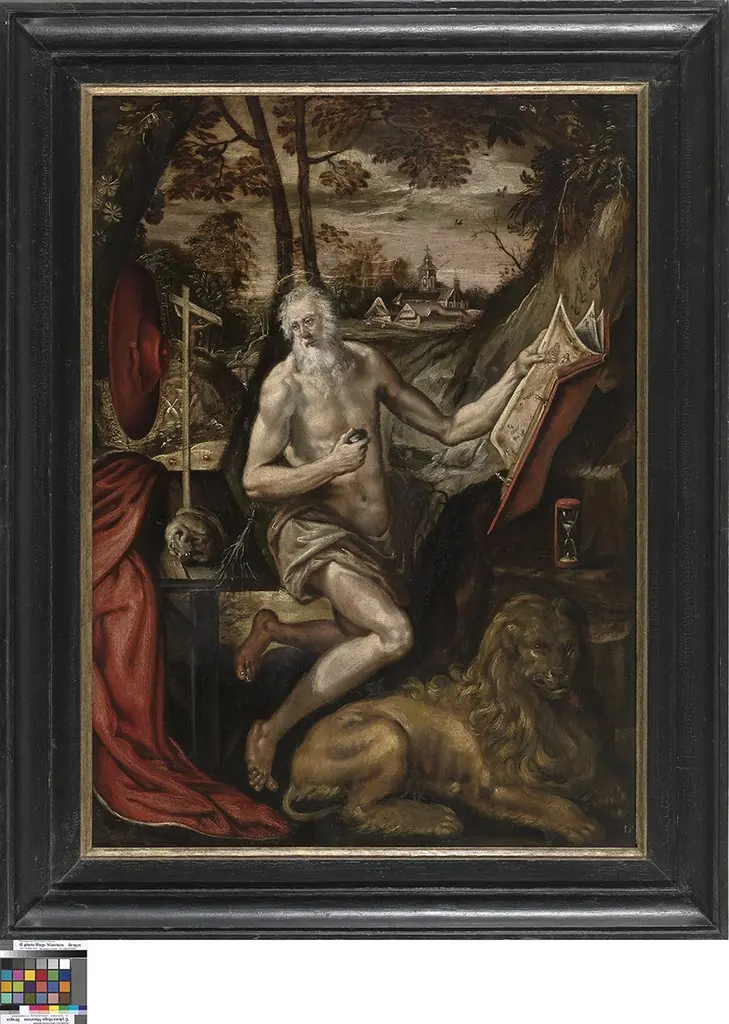
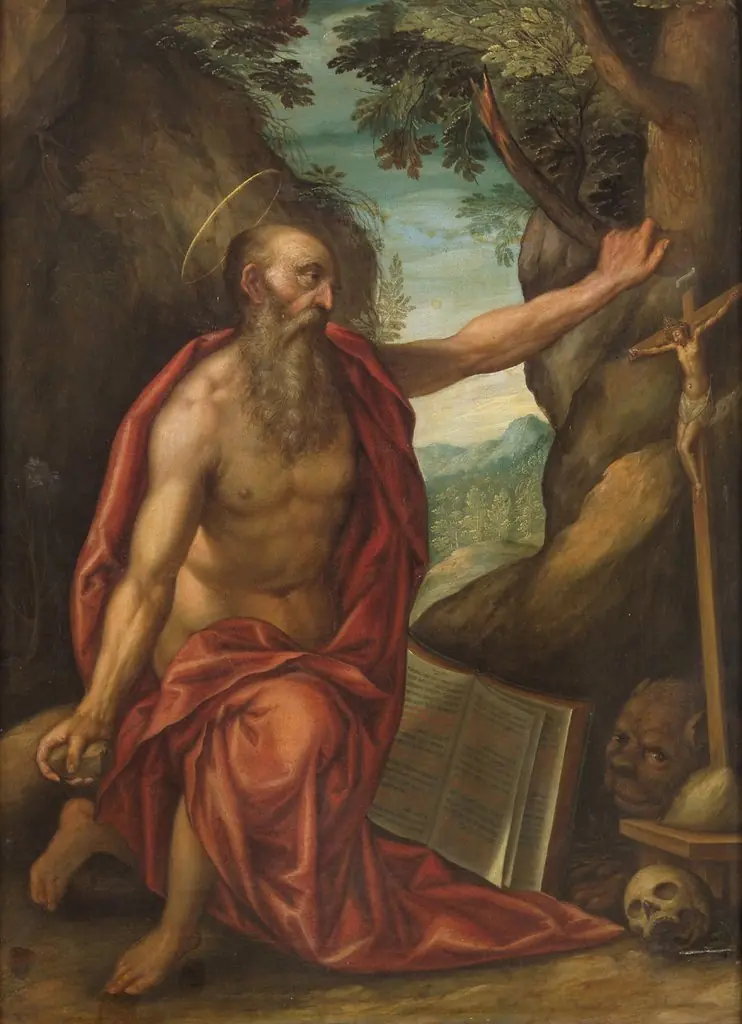
Saint Jerome, translator of the Bible into Latin, is shown in solitude, engaged in study. The skull symbolizes mortality and the transience of earthly life, a common reminder in devotional imagery. The lion, traditionally linked to Jerome through legend, represents loyalty and tamed passion. Together, these elements frame Jerome as a model of ascetic devotion, aligning with Counter-Reformation ideals that emphasized personal piety and scholarly engagement with scripture.
Technique & Style
Palma employed chiaroscuro to heighten the figure’s presence against a dim, atmospheric background. Strong contrasts between light and shadow define Jerome’s bare torso and furrowed brow, drawing focus to his introspective posture. The loose, expressive brushwork and deep tonal range reflect Tintoretto’s influence, while the composition’s intimacy suggests a move toward more personal, emotionally resonant religious imagery typical of late 16th-century Venetian practice.
History & Provenance
Created shortly after Tintoretto’s death, the painting emerged during Palma’s rise as Venice’s leading painter. It likely originated as a private devotional piece or ecclesiastical commission, possibly destined for a monastery or chapel in northern Italy or Central Europe, where Palma received numerous requests. Its survival in relatively intact condition indicates careful preservation, though its early ownership remains undocumented.
Context
In the wake of the Council of Trent, religious art was expected to inspire piety through clarity and emotional engagement. Jerome’s scholarly solitude resonated with Catholic efforts to promote scriptural study and monastic discipline. Palma’s rendering, though rooted in Venetian colorism, adapts to these demands by emphasizing moral seriousness over grandeur, aligning with broader trends in Counter-Reformation visual culture across Europe.
Legacy
The painting exemplifies Palma’s role in sustaining Venetian painting’s momentum after Tintoretto. While less celebrated today, his work helped bridge High Renaissance ideals with emerging Baroque sensibilities. This depiction of Jerome, with its psychological depth and controlled drama, influenced later religious portraiture in northern Italy and beyond, preserving the Venetian tradition through a more intimate, humanized lens.
Artist & collection
Artist
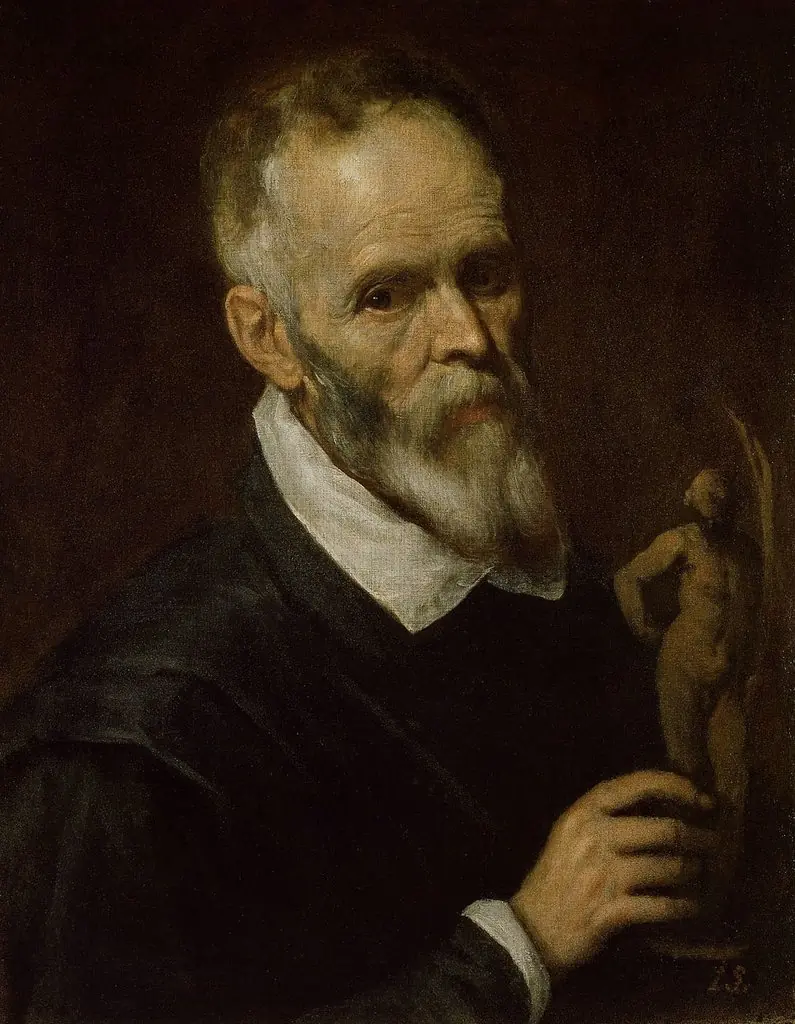
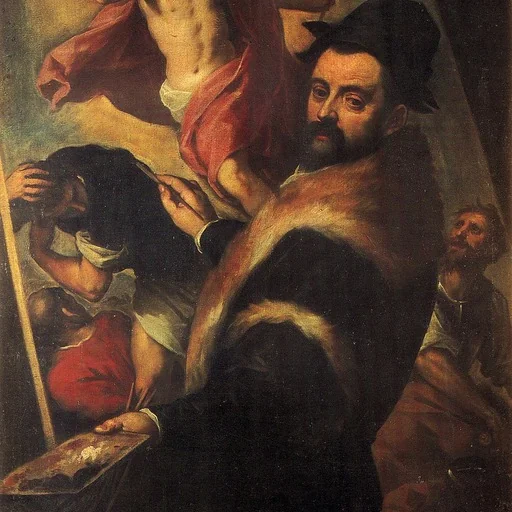
Iacopo Negretti (1548/50 – 14 October 1628), best known as Jacopo or Giacomo Palma il Giovane or simply Palma Giovane ('Young Palma'), was an Italian painter from Venice and a notable exponent of the Venetian school.