Artwork
Parody of Zeuxis
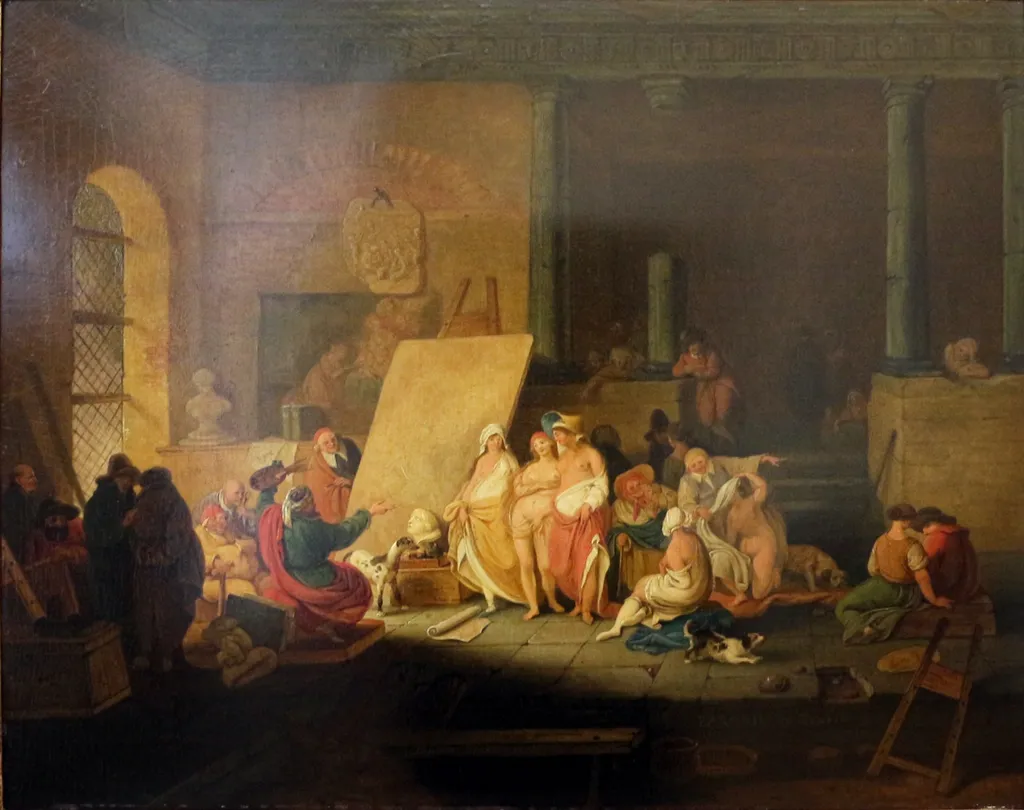
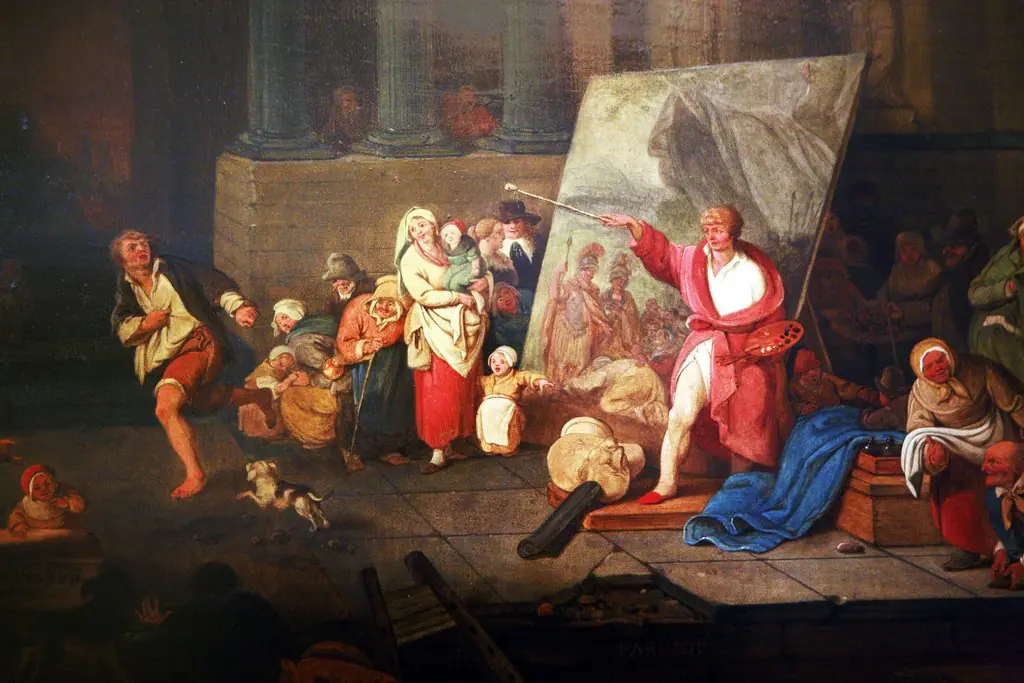
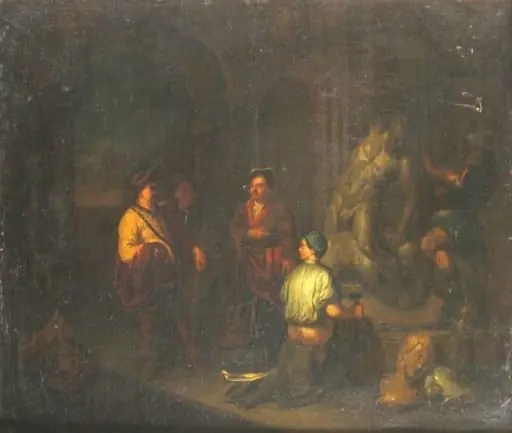
Parody of Zeuxis is an oil painting by the French Romanticist artist Jacques-Albert Senave. It dates from 1800 and is held in the collection of the Royal Museums of Fine Arts of Belgium.
About this work
Overview
Painted in 1800 by Jacques-Albert Senave, this oil-on-canvas work reimagines an anecdote from classical antiquity through a contemporary lens.
Painted in 1800 by Jacques-Albert Senave, this oil-on-canvas work reimagines an anecdote from classical antiquity through a contemporary lens. Senave, a Flemish artist working in Paris, framed the scene as a genre piece rather than a historical reconstruction. The painting is part of the Royal Museums of Fine Arts of Belgium’s collection and reflects the artist’s interest in blending classical references with everyday studio life.
Subject & Meaning
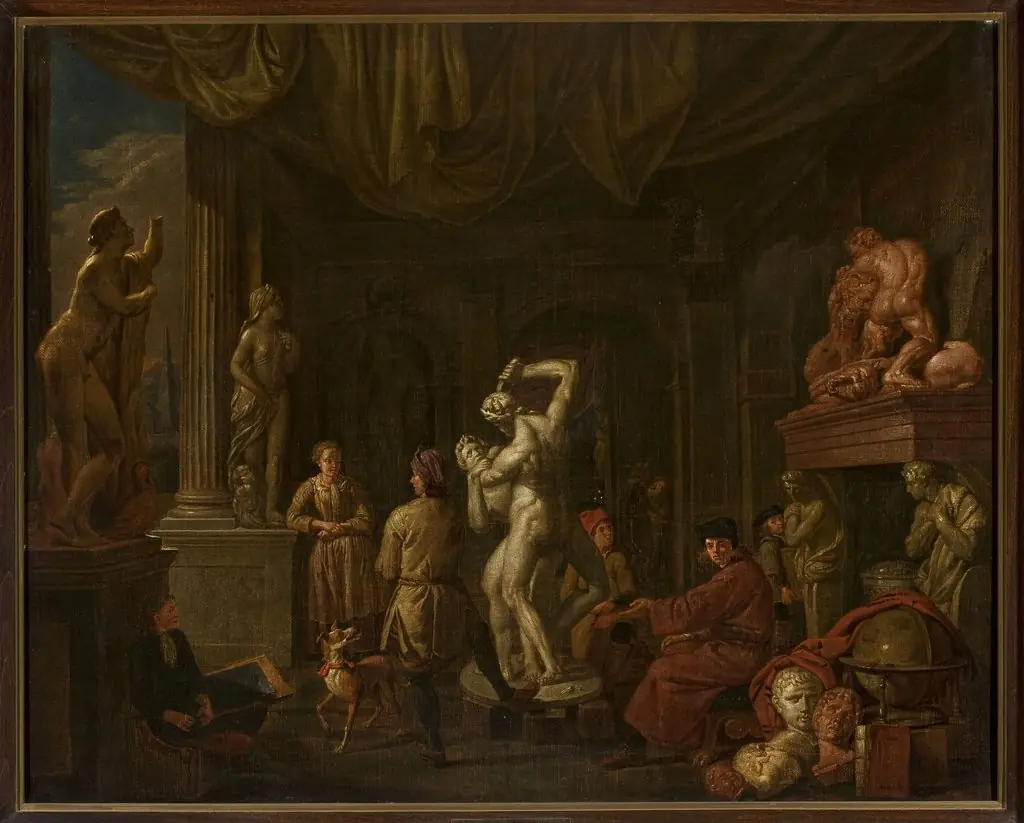
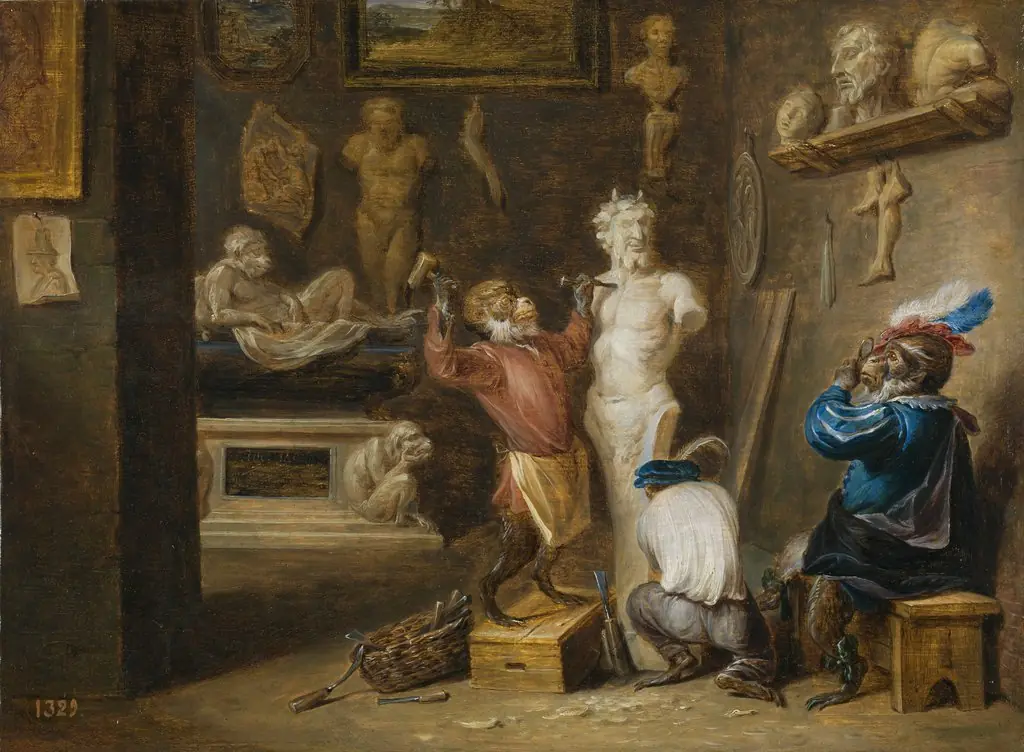
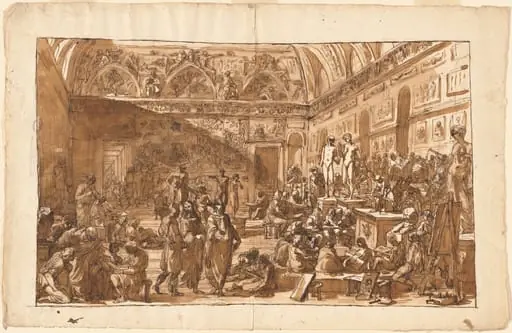
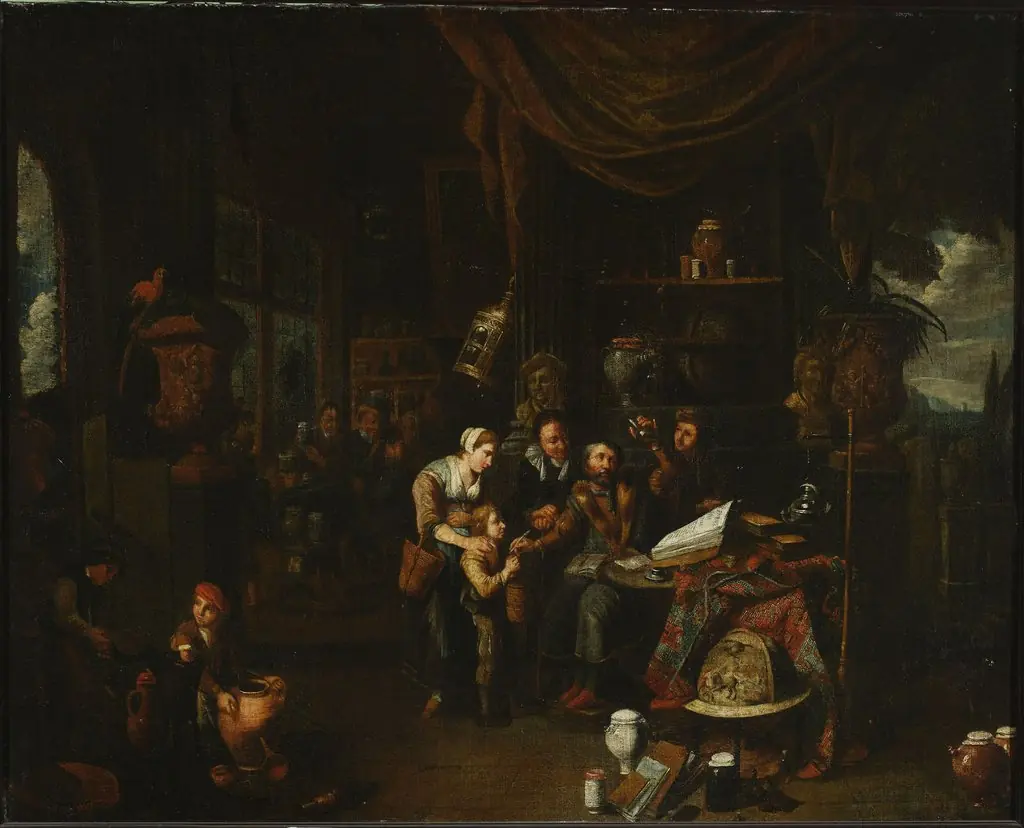
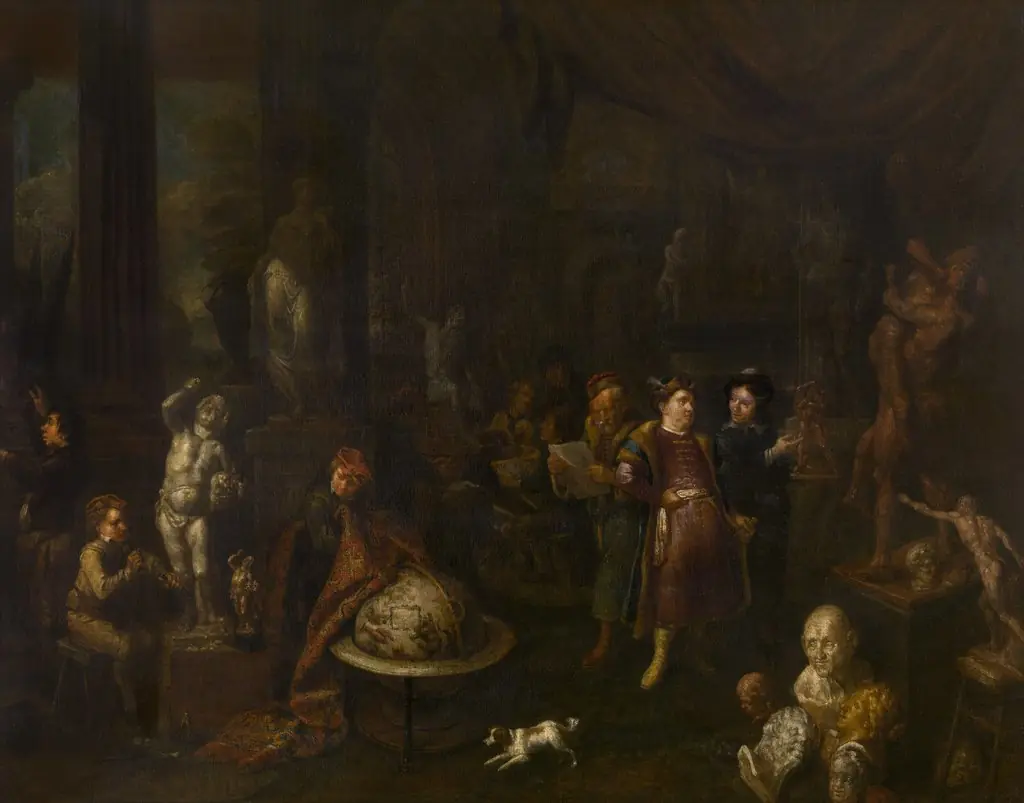
The painting depicts the legendary Greek painter Zeuxis surrounded by assistants in a bustling atelier. Rather than illustrating his famed act of painting a grape so lifelike that birds pecked at it, Senave presents a satirical take: the artist’s pursuit of perfection becomes a chaotic, communal effort. Nude figures and scattered artworks suggest the messy, human reality behind artistic ideals, undercutting myth with humor and observation.
Technique & Style
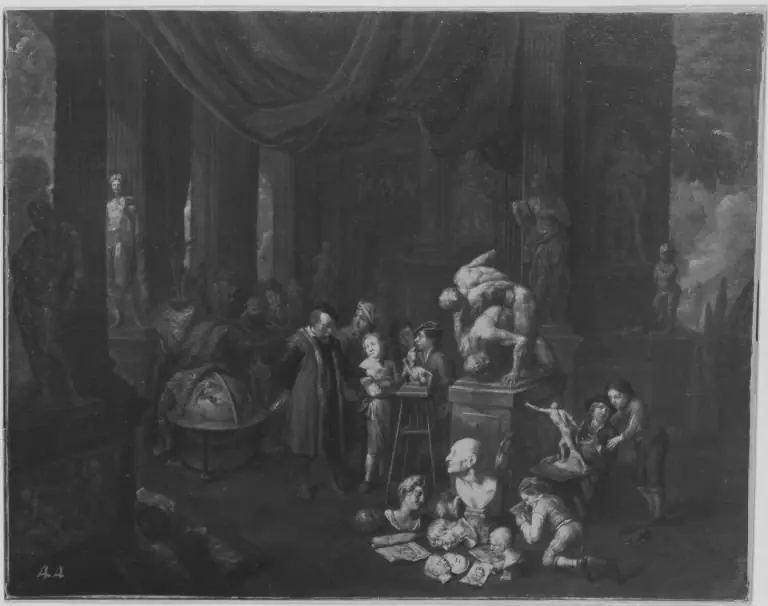
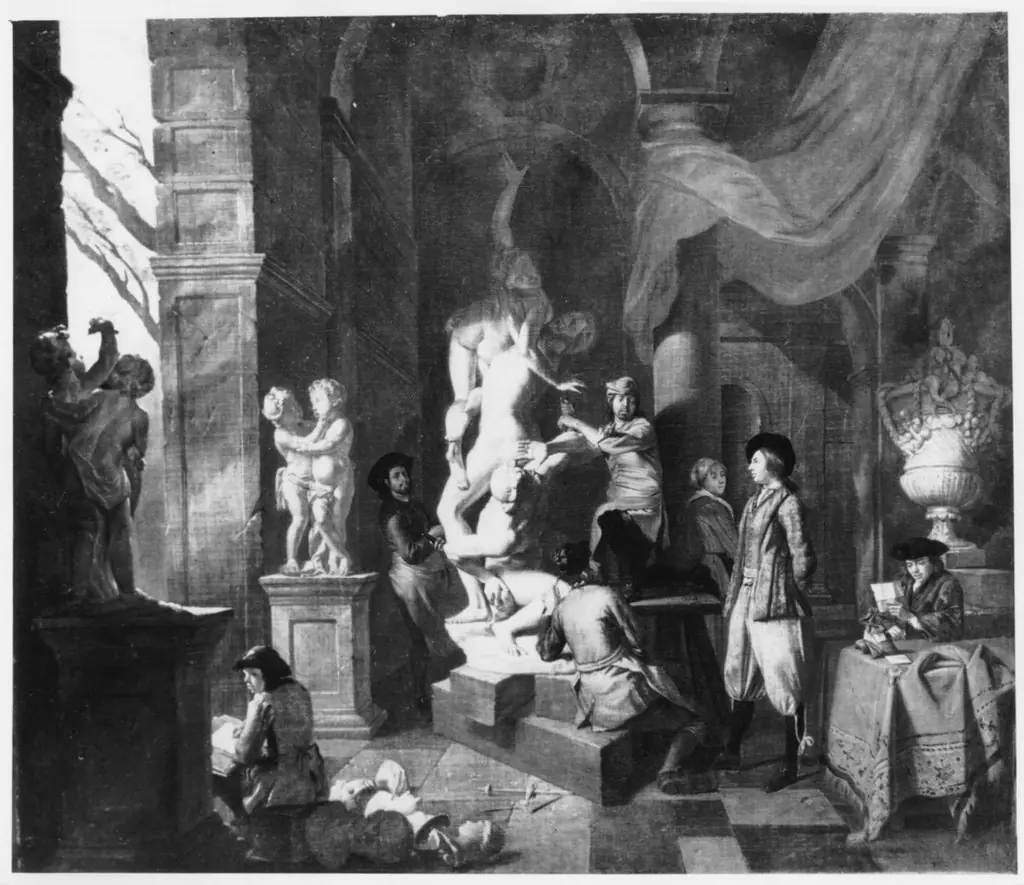
Senave employed oil paint to render textured surfaces and varied lighting, enhancing the sense of spatial depth and movement. Figures are rendered with soft modeling, while the cluttered studio—filled with sculptures, canvases, and props—creates a dynamic composition. The palette is restrained yet warm, with naturalistic tones that ground the scene in realism despite its theatrical subject matter.
History & Provenance
Created during Senave’s time in Paris, the painting emerged from a period when classical themes were frequently reinterpreted in European art. It entered the collection of the Royal Museums of Fine Arts of Belgium in the 19th century, likely through acquisition or donation. Its survival and preservation reflect its status as a representative example of late 18th-century genre painting with classical allusions.
Context
In the early 1800s, artists across Europe revisited classical myths to comment on contemporary practice. Senave’s work aligns with a trend of ironic reinterpretation, where ancient stories served as vehicles for critiquing or celebrating artistic labor. The inclusion of multiple figures—men and women, clothed and nude—mirrors the diverse roles within a working studio, challenging idealized notions of the solitary genius.
Legacy
Though not widely exhibited today, the painting remains a quiet testament to Senave’s engagement with classical narrative and studio culture. It contributes to the understanding of how 19th-century artists negotiated tradition and observation, using humor and detail to question artistic mythmaking. Its presence in a major Belgian collection ensures continued access for scholarly study.
Artist & collection
Artist
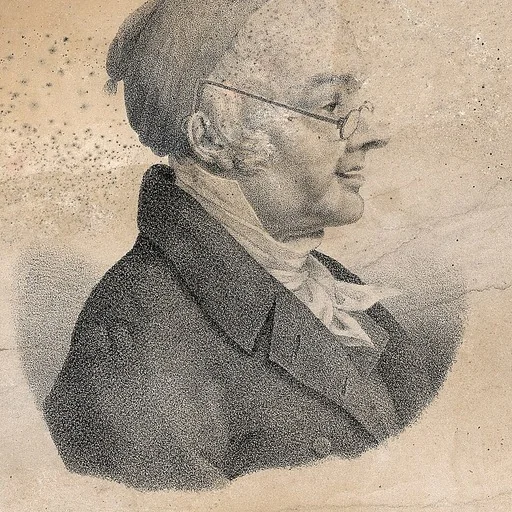
Jacques-Albert Senave (1758–1823) was a Flemish painter mainly active in Paris during the late 18th and early 19th centuries. He is known for his genre scenes, history paintings, landscapes, city views, market scenes and portraits.

Museum
Royal Museums of Fine Arts of Belgium
Continue through works from the same source collection.