Artwork
Willem IV (1711-1751), Prince of Orange-Nassau
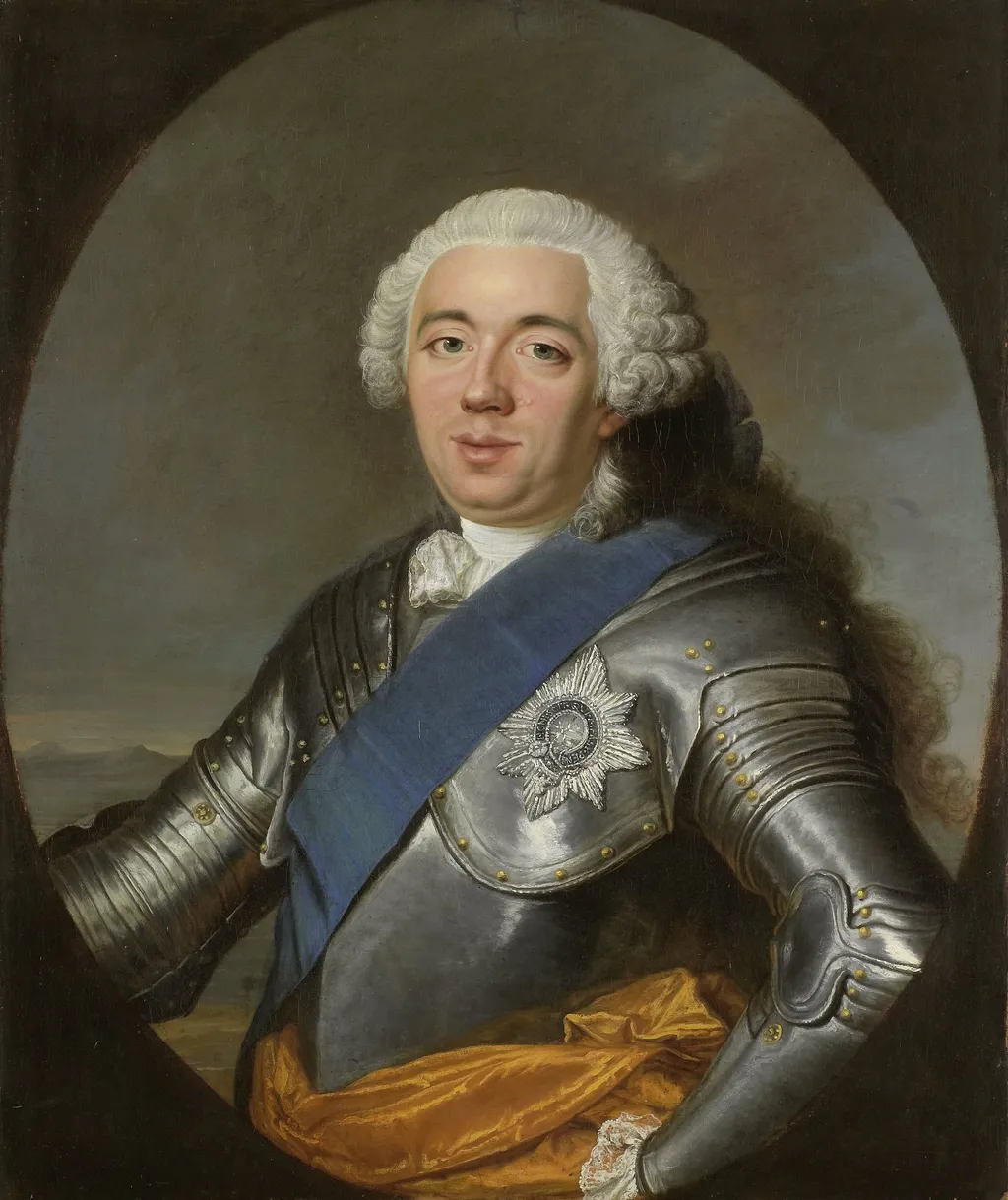
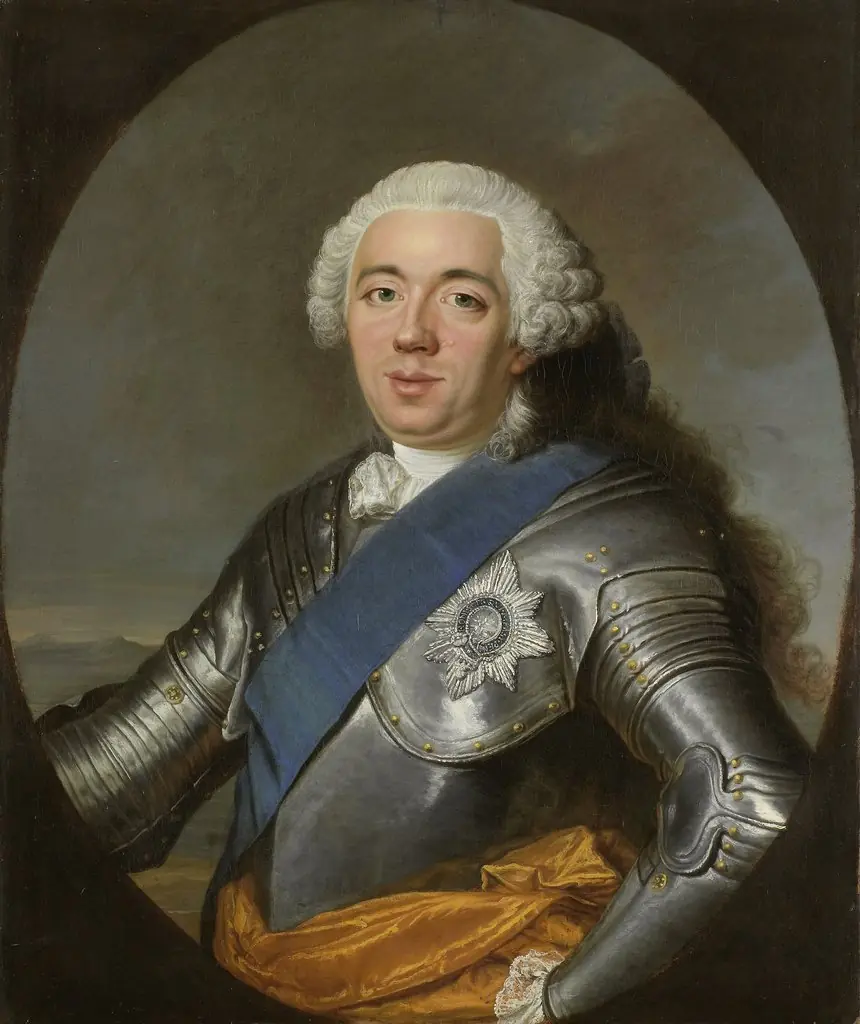
Willem IV (1711-1751), Prince of Orange-Nassau is an unspecified painting by the Rococo painting artist Jacques-André-Joseph Aved. It dates from 1750 and is held in the collection of the Rijksmuseum.
About this work
Overview
This portrait depicts Willem IV, Prince of Orange-Nassau, in three-quarter length, adorned in intricately detailed armor, with one hand resting on a helmet and the other on his hip. His calm, somewhat weary expression suggests a pose at the end of a long day.
Subject & Meaning
The subject, Willem IV, is portrayed in a manner reflecting his military and princely status through the armor. The serene yet tired countenance may imply a late-period representation, potentially posthumous, given its creation near or after his death in 1751.
Technique & Style
The painting is characterized by meticulous attention to the armor's detail, suggesting a high level of craftsmanship. However, the artist's identity and specific mediums used remain unknown due to the lack of a signature.
History & Provenance
Created around the time of Willem IV's death (1751), the artist of this work remains anonymous. The provenance details are not provided, indicating gaps in the documented history of the painting's ownership and exhibition before its current location.
Context
This portrait fits within a tradition of depicting rulers in armor, a common theme in Dutch Golden Age and subsequent European portraiture, emphasizing military prowess and royal status.
Legacy
The painting contributes to the Rijksmuseum's collection of similarly themed portraits of rulers in armor, offering insights into the artistic representation of nobility during the 18th century.
Artist & collection
Artist
Aved painted grand portraits of Dutch nobles in the 18th century. He captured Willem IV, Prince of Orange-Nassau, in a 1750–1751 portrait, stiff lace and all. These stiff, formal likenesses belonged to a tradition of…

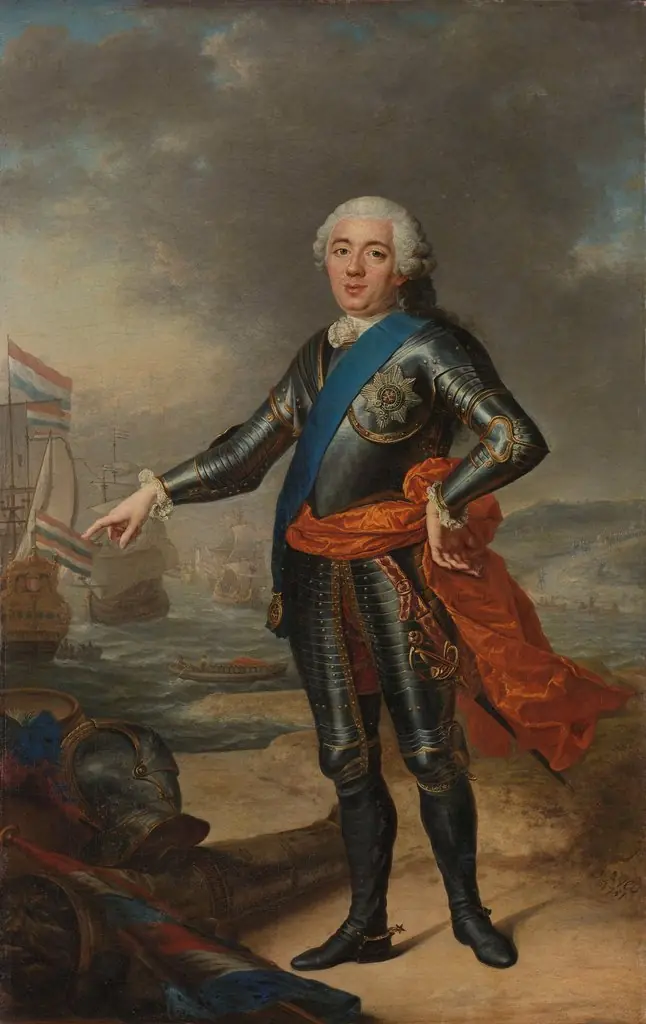
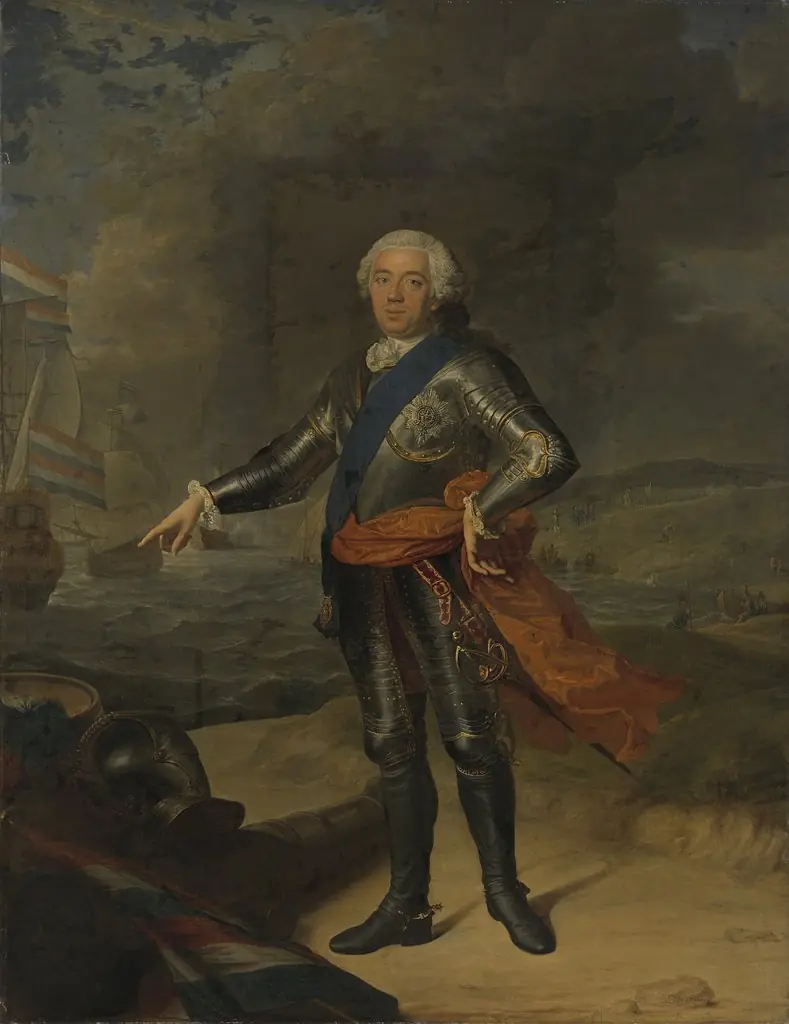
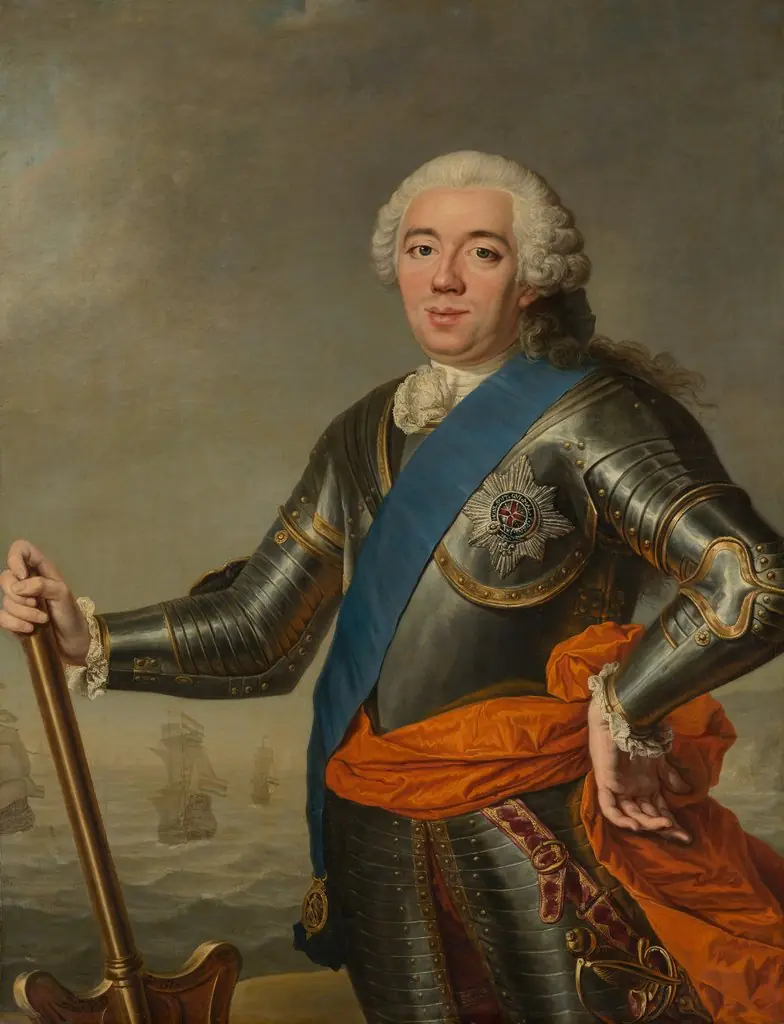 Posthumous Portrait of William IV (1711-1751)
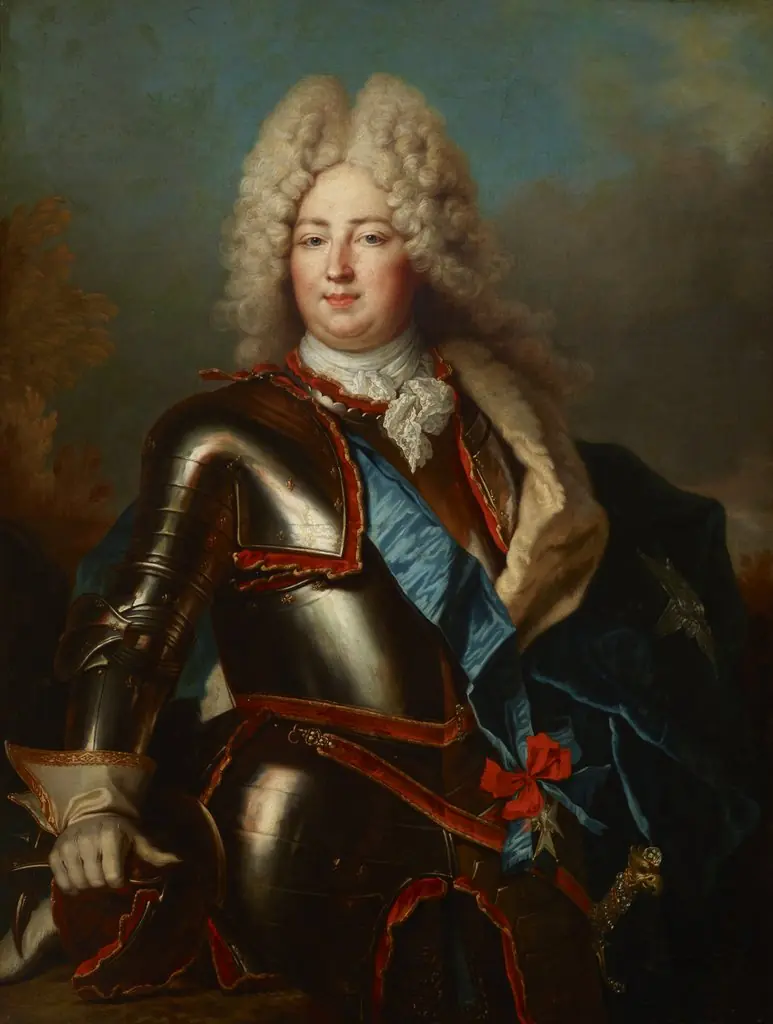 Portrait of Charles de France (1686–1714)
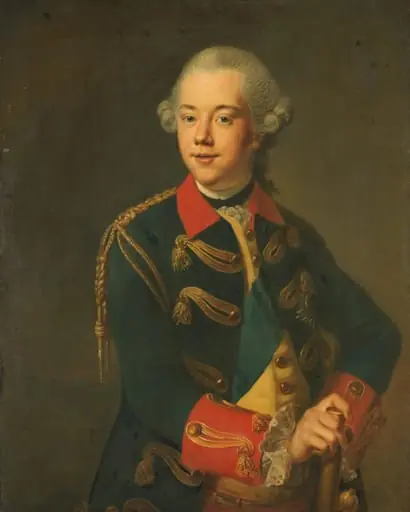
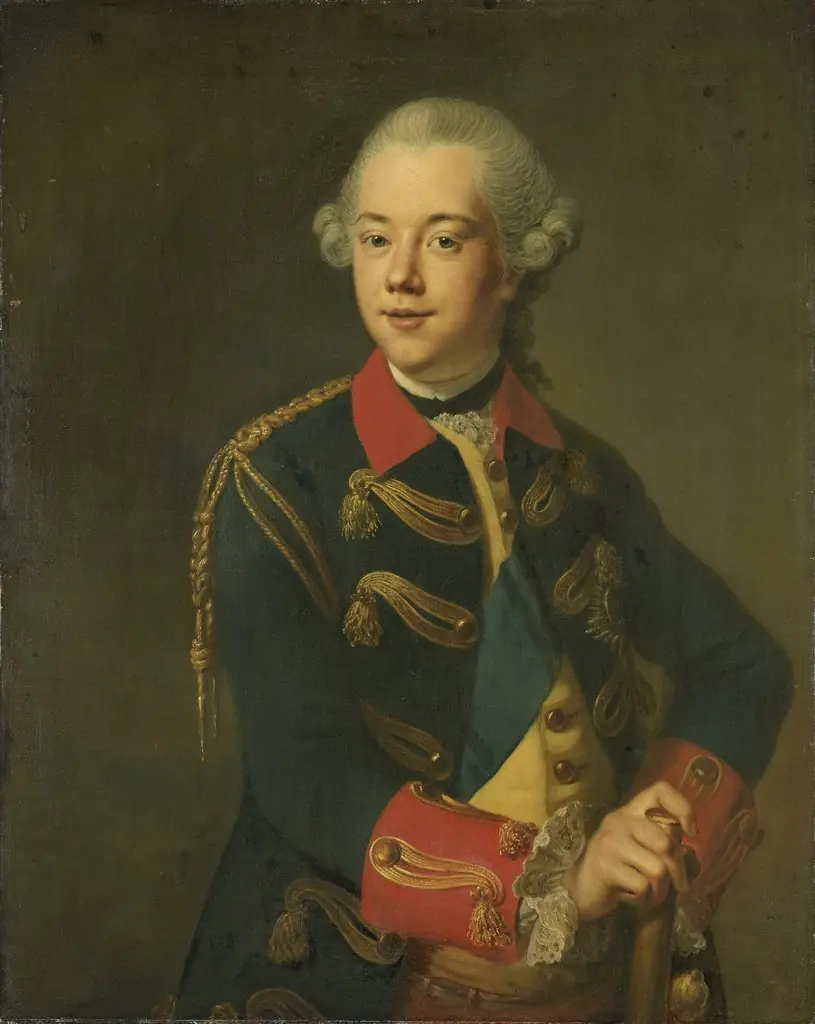 Portrait of William V, Prince of Orange-Nassau
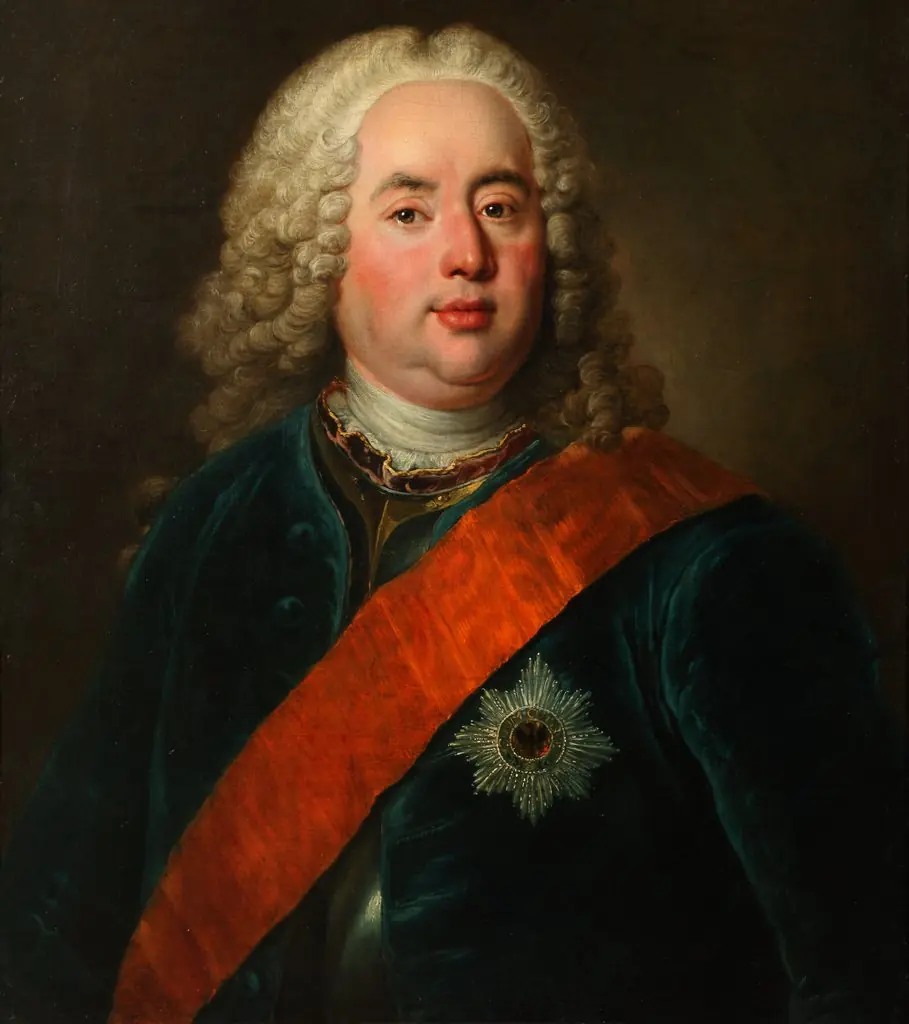 Count Gustav Adolph Gotter
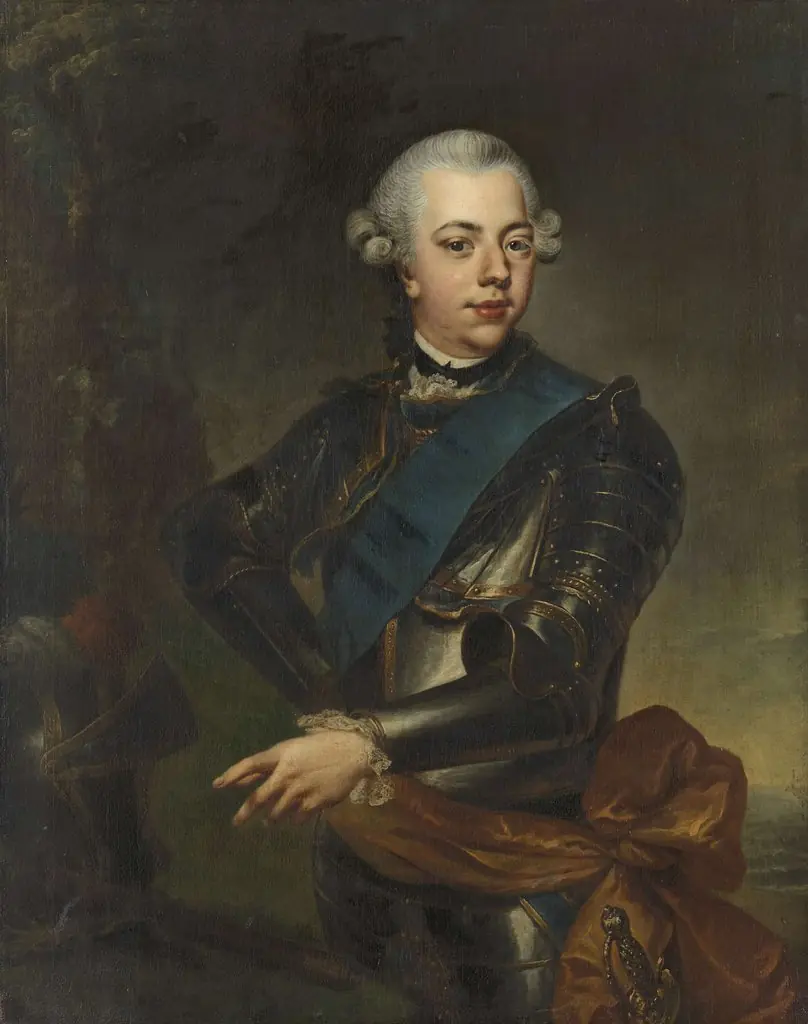 Willem V (1748-1806), prins van Oranje-Nassau
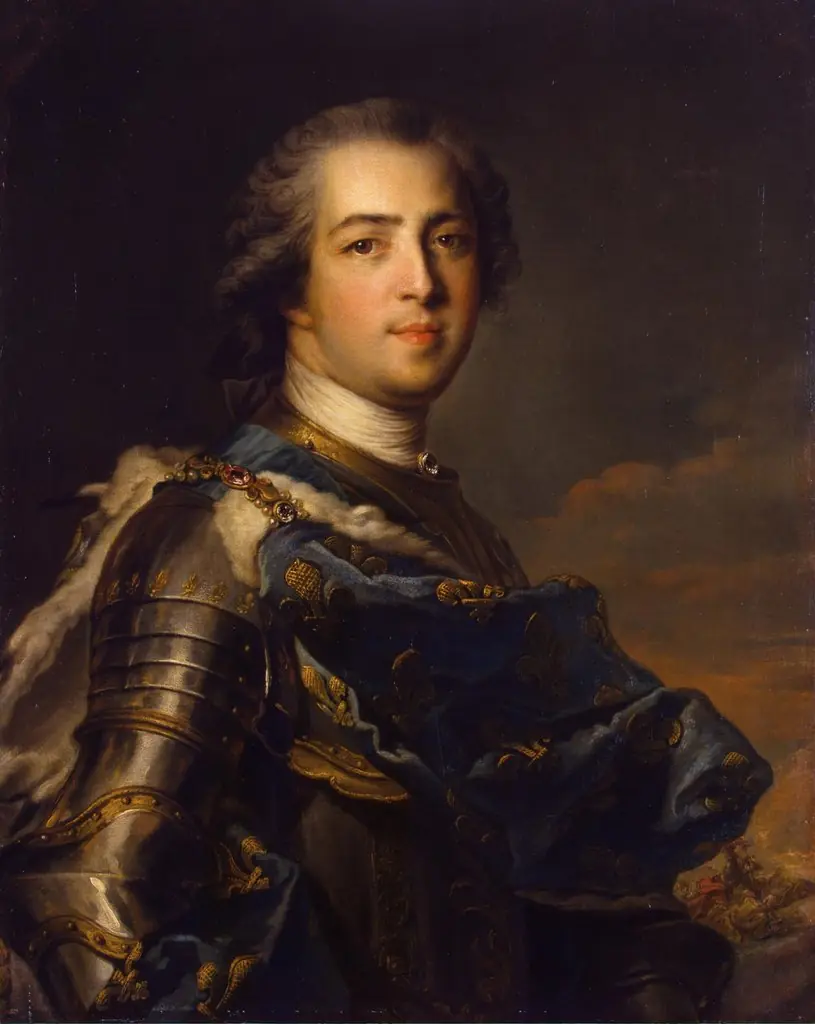 Portrait of Louis XV of France
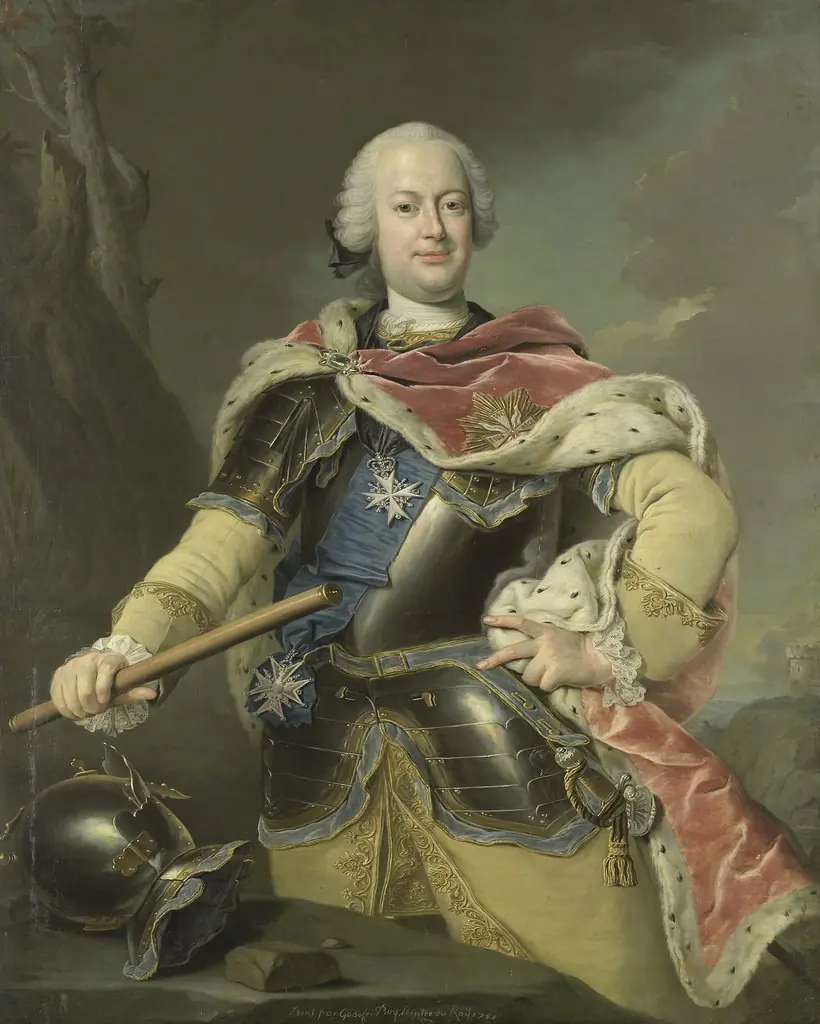 Friedrich Christian (1722-63), Elector of Saxony and King of Poland
 Retrato de Luís XVI