Artwork
Posthumous Portrait of William IV (1711-1751)
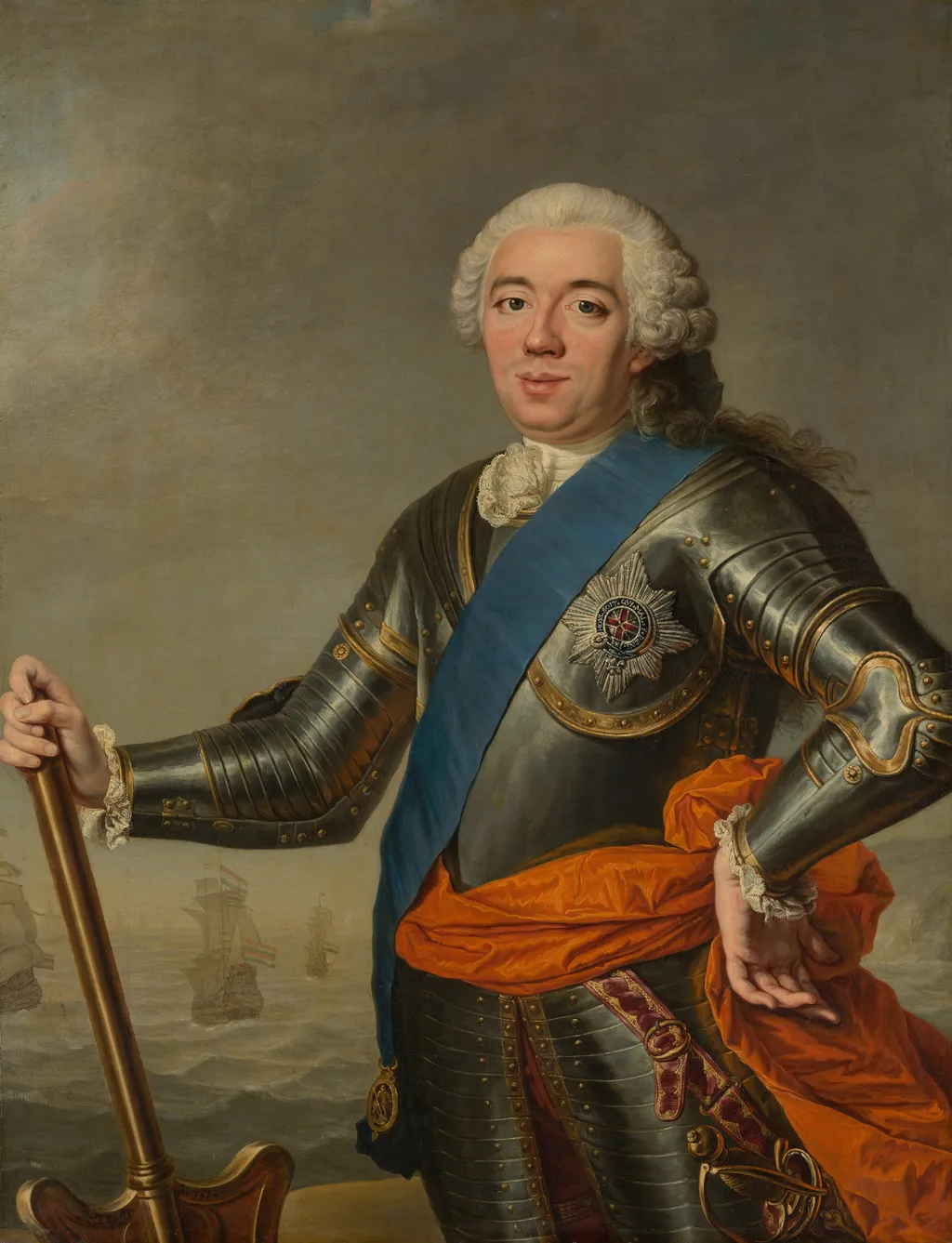
Posthumous Portrait of William IV (1711-1751) is an oil painting by the Rococo painting artist Joseph Aved. It dates from 1751 and is held in the collection of the Mauritshuis.
About this work
Overview
The work is part of the Mauritshuis collection in The Hague and exemplifies the Rococo aesthetic prevalent in mid‑eighteenth‑century portraiture.
The oil painting known as the Posthumous Portrait of William IV, Prince of Orange, was executed in 1751 by the French artist Joseph Aved. It depicts the deceased prince in a formal military dress, standing before a muted backdrop that hints at a maritime scene. The work is part of the Mauritshuis collection in The Hague and exemplifies the Rococo aesthetic prevalent in mid‑eighteenth‑century portraiture.
Subject & Meaning
The sitter is William IV (1711‑1751), shown in full regalia with a gold staff and a conspicuous blue sash across his chest. His white wig, solemn expression, and direct gaze convey authority and dignity, while the faint ships in the background allude to his naval connections and the maritime power of the Dutch Republic.
Technique & Style
Aved employed a refined oil technique characteristic of Rococo portraiture, balancing delicate brushwork with the glossy sheen of metallic armor. The rendering of the uniform’s reflective surfaces and the intricate gold staff demonstrates careful observation of light. The palette—muted browns, blues, and reds—creates a restrained yet elegant composition.
History & Provenance
Created shortly after William IV’s death, the portrait served as a commemorative image for his successors. It entered the Mauritshuis collection, where it remains on display. The painting’s provenance traces back to the Dutch court, reflecting the practice of commissioning posthumous portraits to preserve dynastic memory.
Context
Joseph Aved, active in Paris under Louis XV, was renowned for his courtly portraits and his ability to convey status through sartorial detail. Though French by birth, his work for a Dutch prince illustrates the cross‑national exchange of artistic styles during the Rococo period, when aristocratic portraiture emphasized elegance, refinement, and subtle symbolism.
Own this work as a print
Artist & collection
Artist
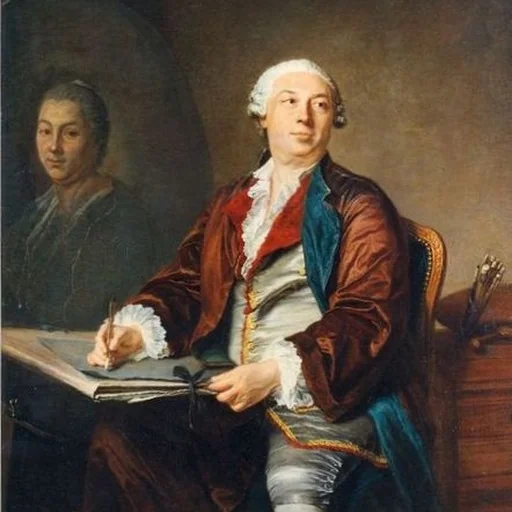
Jacques-André-Joseph Aved (12 January 1702 – 4 March 1766), also called le Camelot (The Hawker) and Avet le Batave (The Dutch Avet), was a French painter, renowned among the main Rococo portraitists in Paris during King Louis XV's reign.

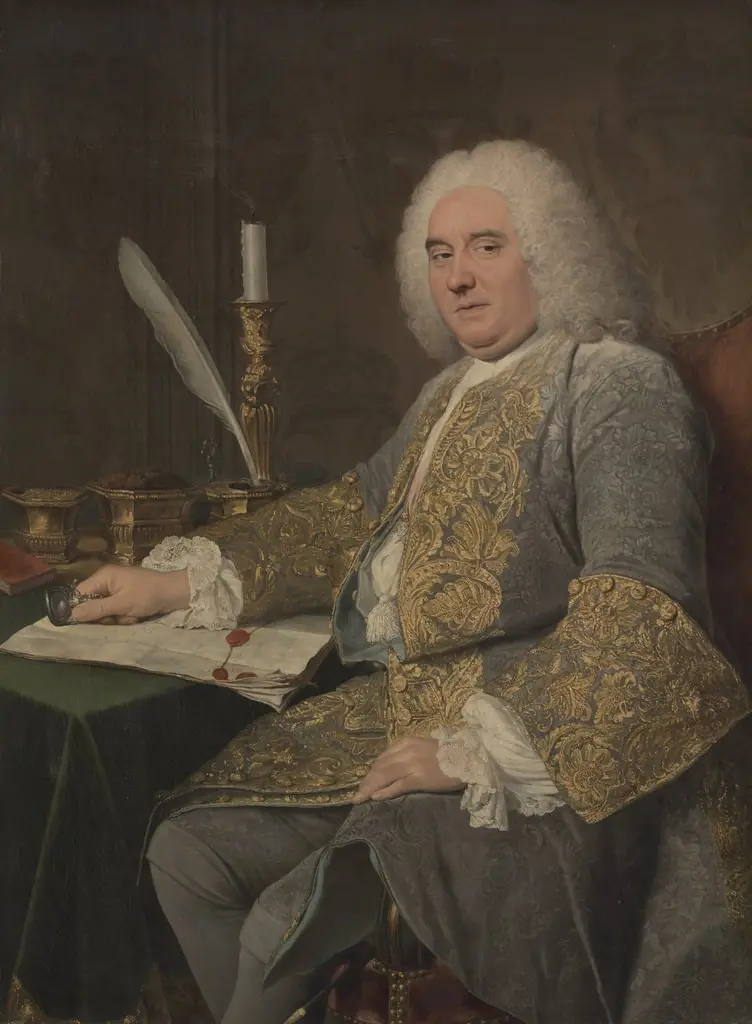 Portrait of Jean-Gabriel du Theil at the Signing of the Treaty of Vienna
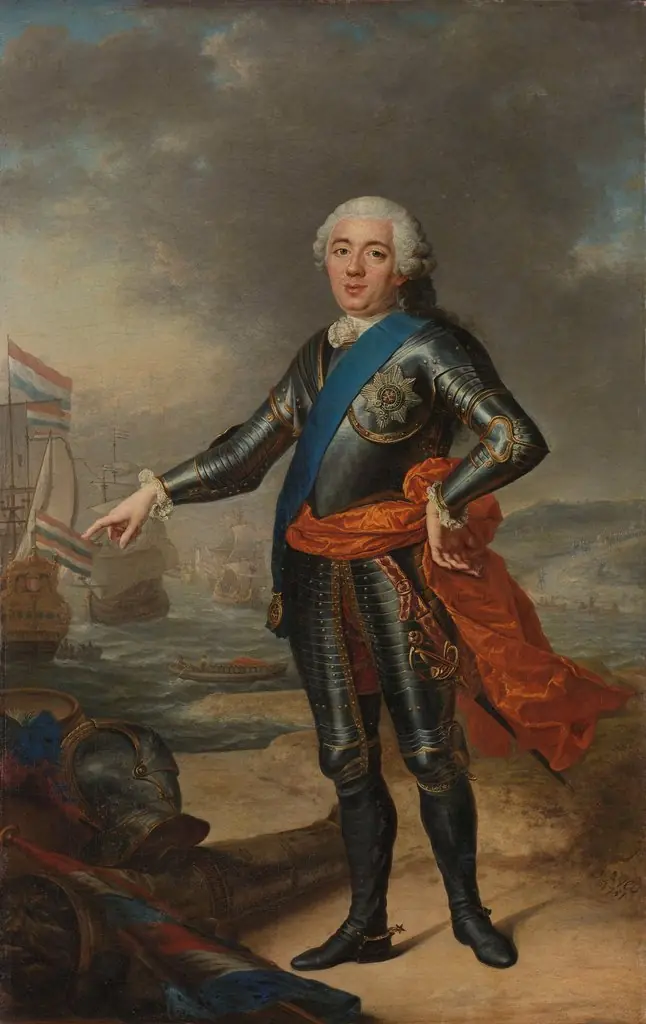 Portrait of William IV (1711–1751), Prince of Orange
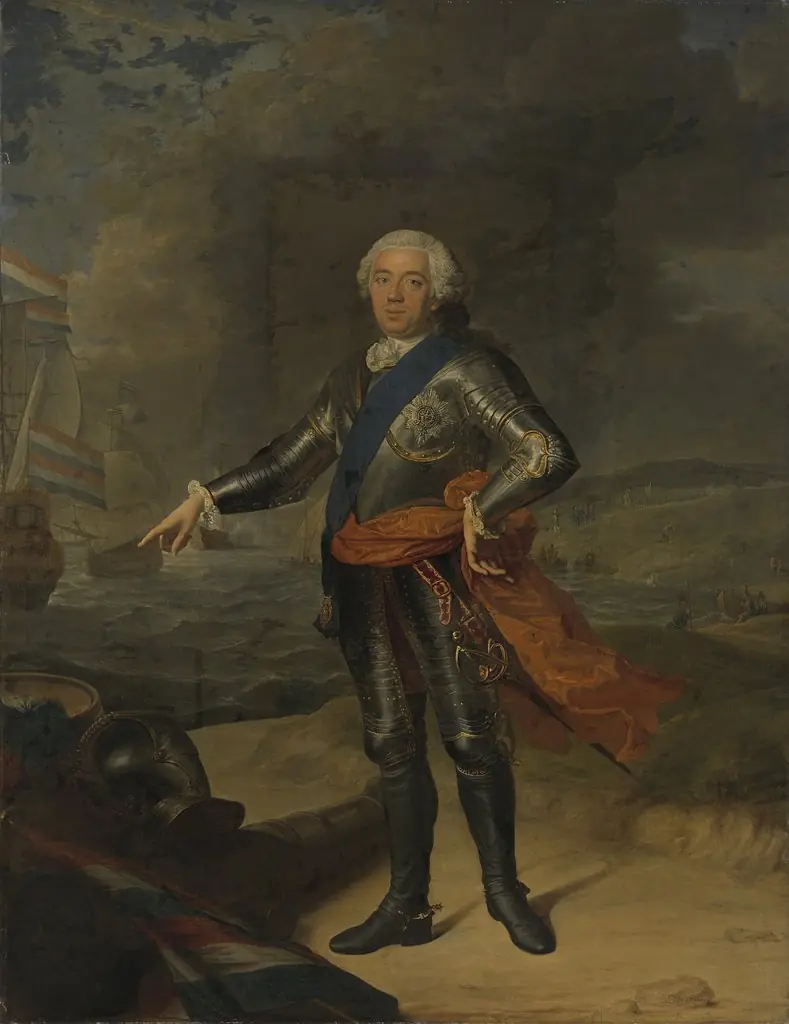 Willem IV (1711-1751), prince of Orange-Nassau
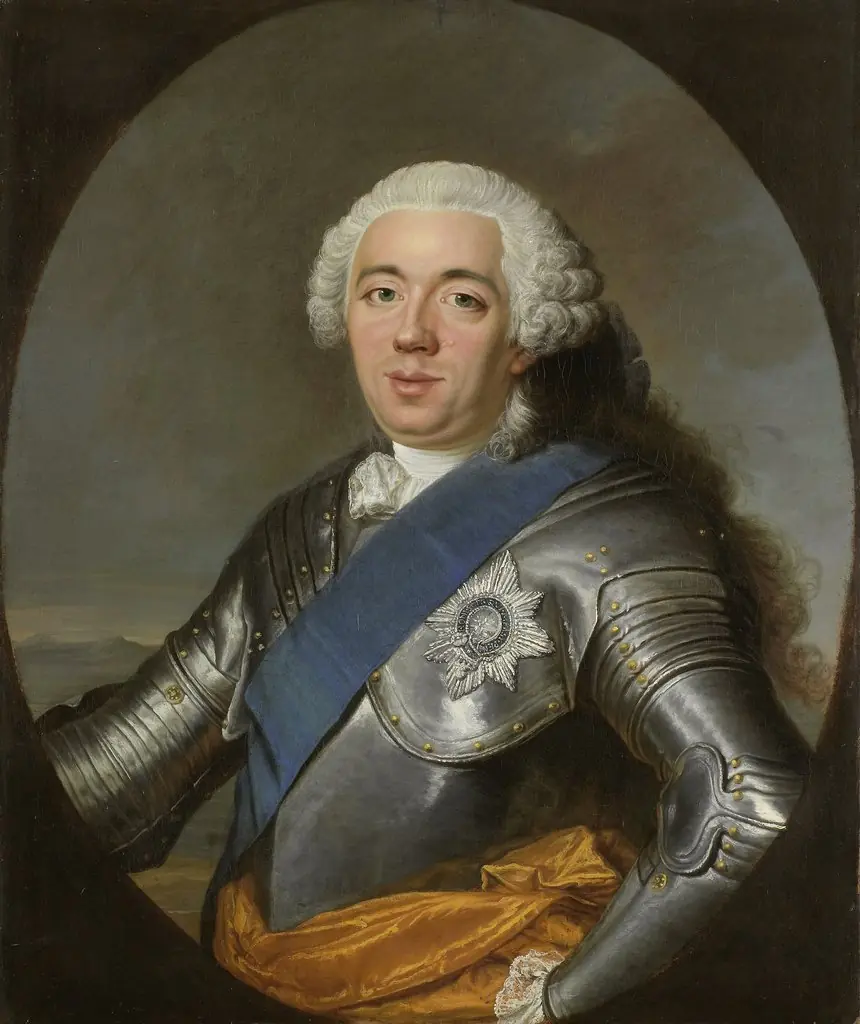 Willem IV, prince of Orange-Nassau
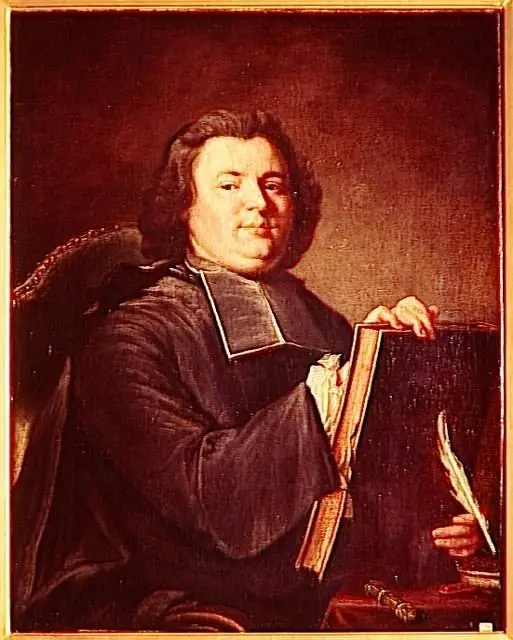 Portrait d'abbé Nicolas-Sylvestre Bergier
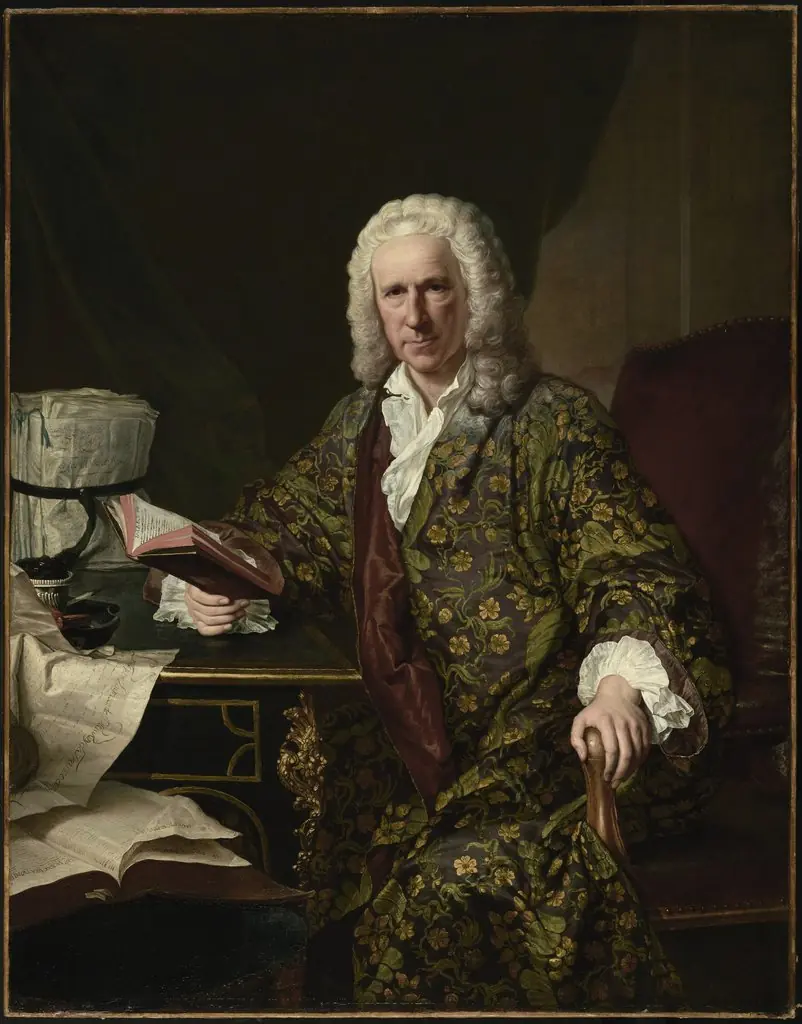 Portrait of Marc de Villiers
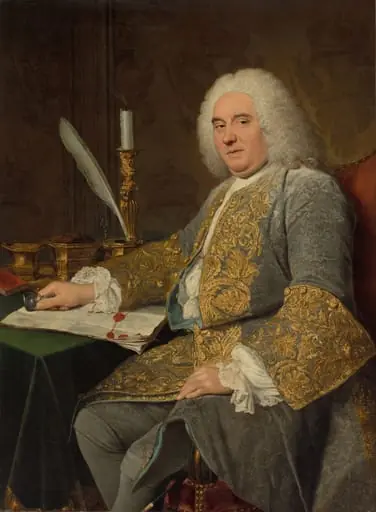 Portrait of Jean-Gabriel du Theil at the Signing of the Treaty of Vienna
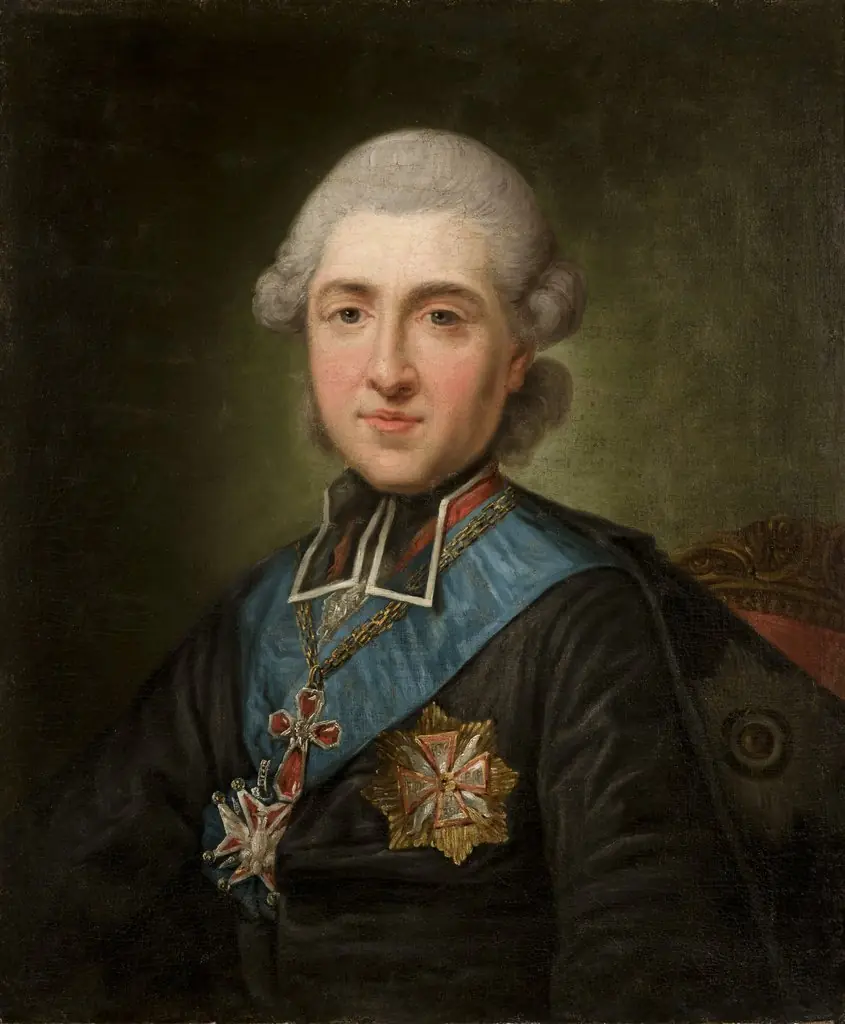 Portrait of Primate Michał Poniatowski
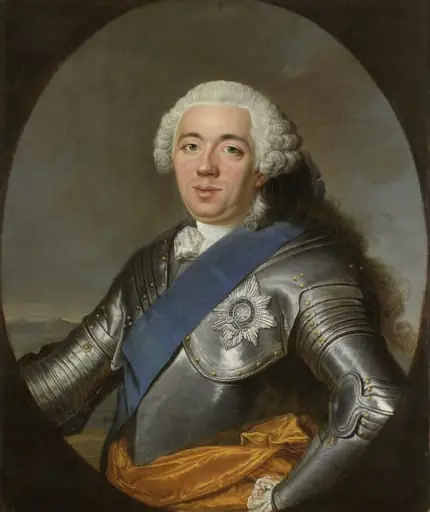 Willem IV (1711-1751), Prince of Orange-Nassau
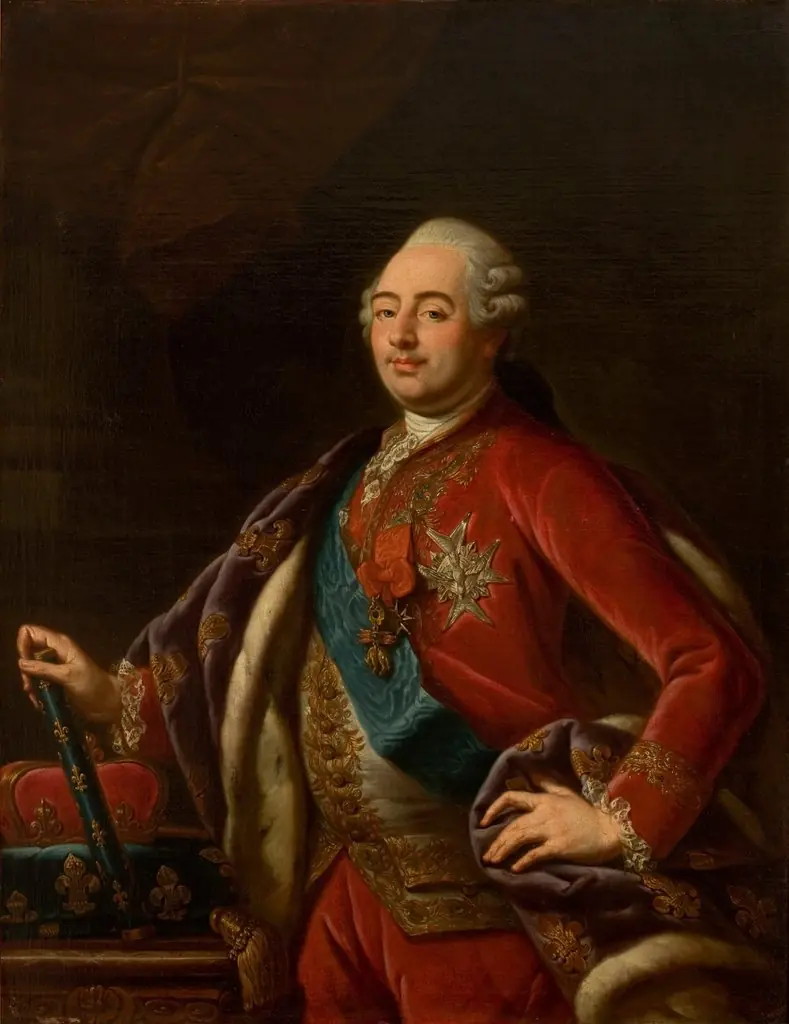 Retrato de Luís XVI
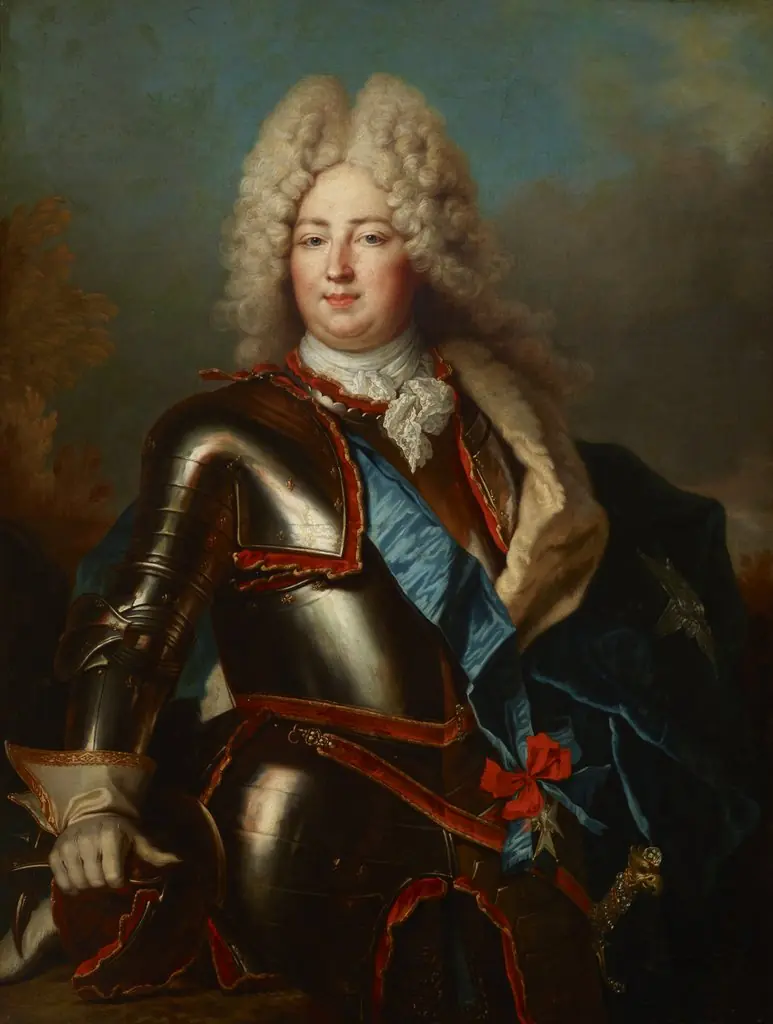 Portrait of Charles de France (1686–1714)
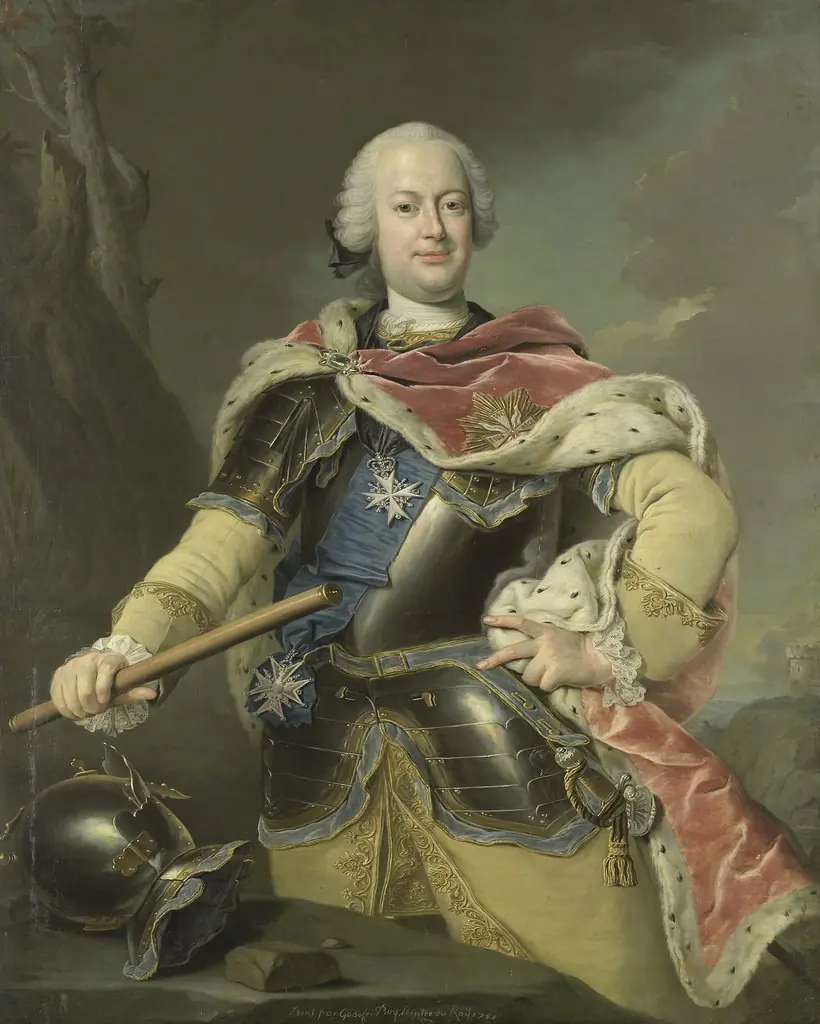 Friedrich Christian (1722-63), Elector of Saxony and King of Poland
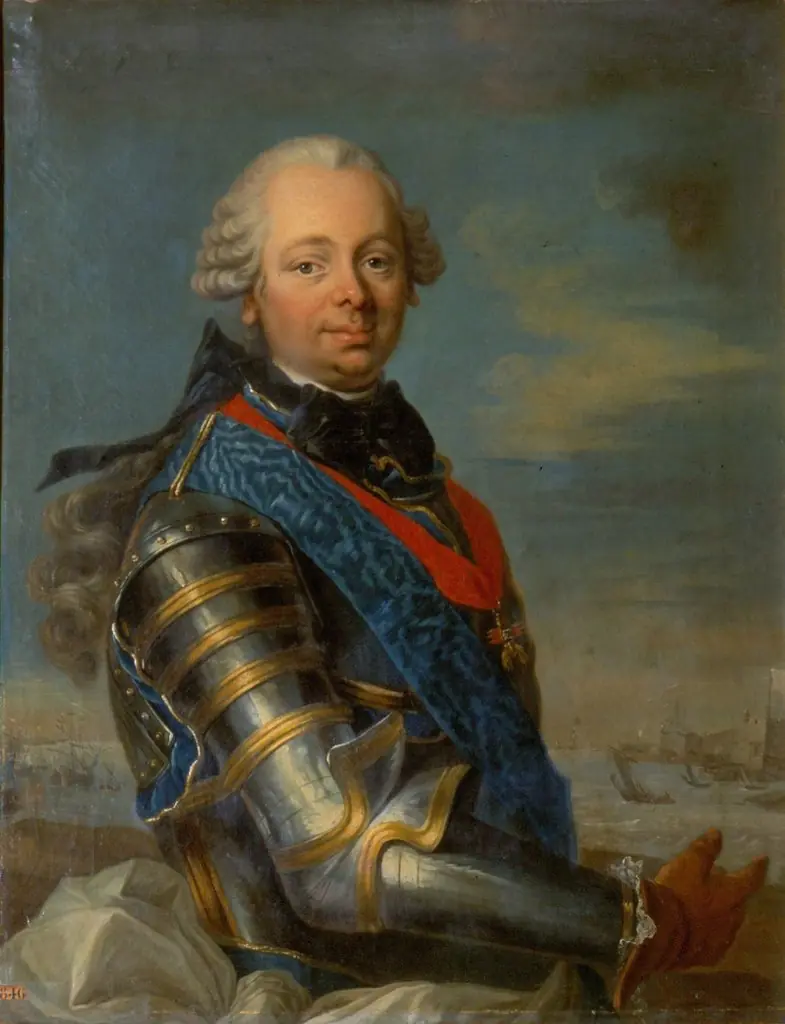 Portrait of Étienne-François de Choiseul (1719-1785)
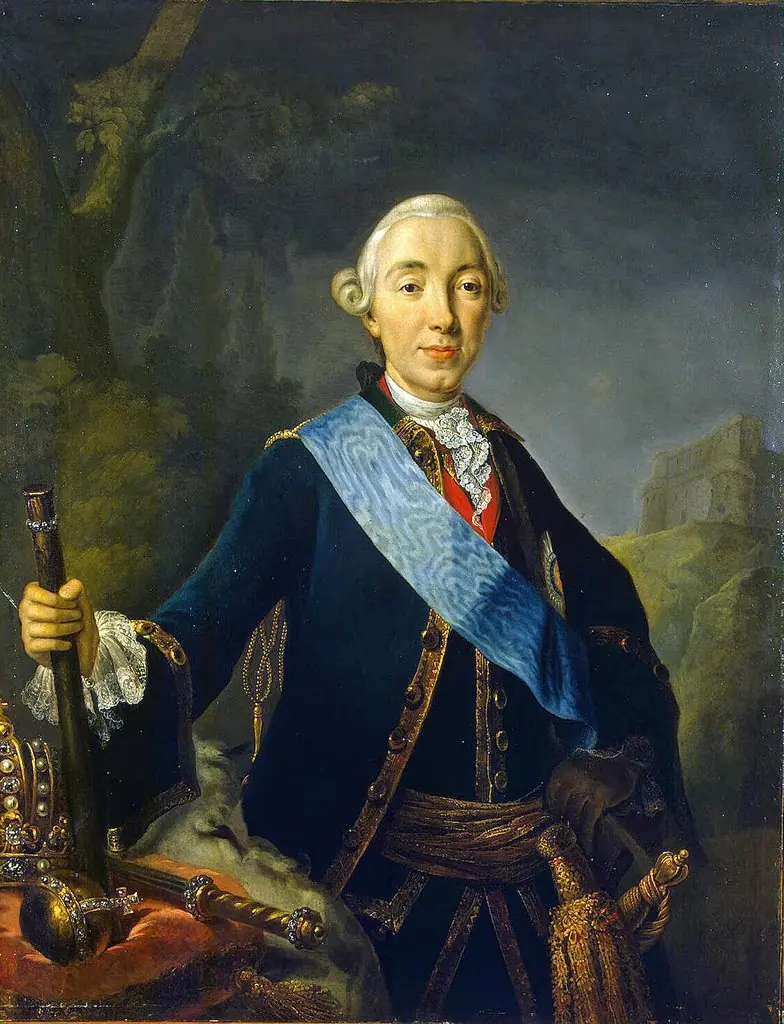 Coronation portrait of Emperor Peter III of Russia
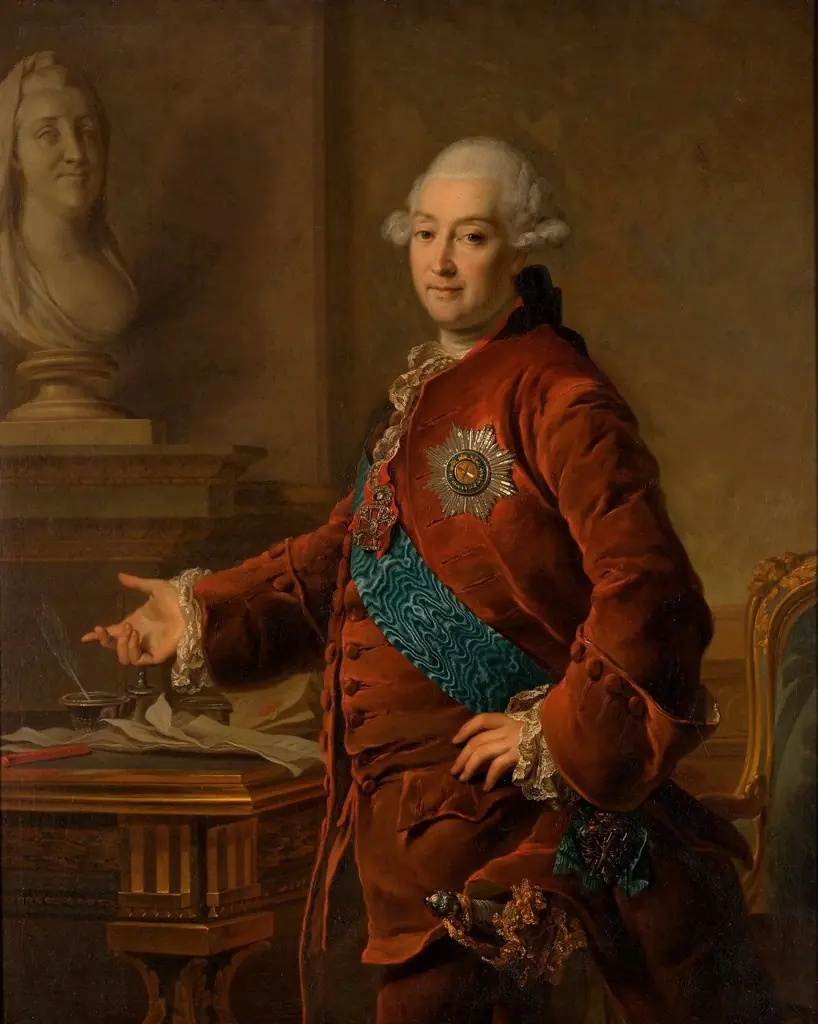 Portrait of Alexandr Mihailovich Golytsyn (1723-1807), vice-chancellor
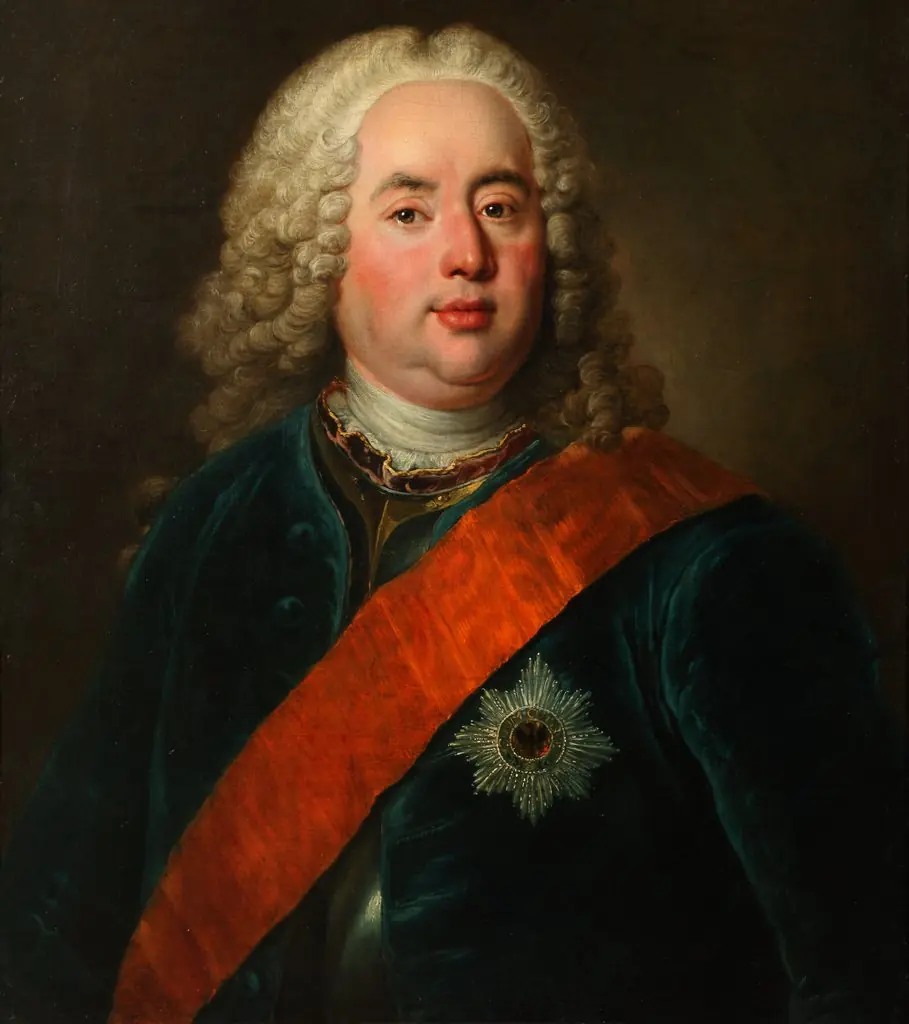 Count Gustav Adolph Gotter