Artwork
The Siege of La Rochelle: Plate 3
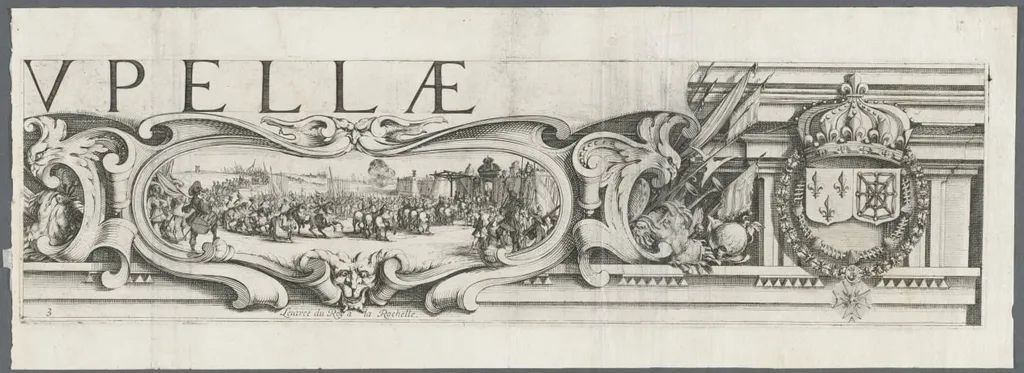
The Siege of La Rochelle: Plate 3 is a print by the Baroque artist Jacques Callot. It dates from 1629 and is held in the collection of the Cleveland Museum of Art.
About this work
Overview
The work is held in the collection of the Cleveland Museum of Art.
Plate 3 of The Siege of La Rochelle is an etching by Jacques Callot, completed in 1629 as part of a series documenting the French royal campaign against the Huguenot stronghold. The work is held in the collection of the Cleveland Museum of Art. Unlike a painted canvas, this piece is a printed impression, made possible through intricate engraving on metal plates, allowing for multiple copies to circulate widely during the early 17th century.
Subject & Meaning
The scene captures a moment during the prolonged military blockade of La Rochelle, showing French troops assembled before the city’s fortified gate. A commanding officer gestures toward the walls, directing attention to the impending assault. The composition conveys military organization amid chaos, emphasizing the scale of the operation and the tension between the besieging army and the defended city, reflecting the political gravity of the conflict.
Technique & Style
Callot employed fine-line etching to render dense detail with precision, capturing armor, weaponry, and architectural elements in sharp relief. His use of cross-hatching and varying line weight creates a strong sense of depth and texture. The composition is tightly packed, with figures layered in the foreground and background, characteristic of Baroque visual storytelling that favors dynamic movement and spatial complexity over idealized harmony.
History & Provenance
The series was commissioned to commemorate Louis XIII’s victory in 1628 after a 15-month siege, a pivotal moment in consolidating royal authority over Protestant resistance. Callot, then working in France, produced the plates shortly after the event. The Cleveland Museum of Art acquired its copy in the 20th century; earlier ownership traces to European collections of prints and military memorabilia from the 17th and 18th centuries.
Context
The siege was part of a broader campaign to suppress Huguenot political autonomy, a key objective of Cardinal Richelieu’s centralizing policies. Callot’s series served both as propaganda and documentation, aligning with the Crown’s effort to legitimize its actions. Similar visual records were rare at the time, making these prints valuable for their contemporaneous depiction of warfare and urban siege tactics.
Legacy
Callot’s etchings influenced later generations of war artists and printmakers through their unflinching realism and technical innovation. While not widely exhibited as standalone works, the series remains a critical reference for historians studying early modern military life and the role of print media in shaping public perception of state violence. Their survival in institutional collections underscores their enduring documentary significance.
Artist & collection
Artist
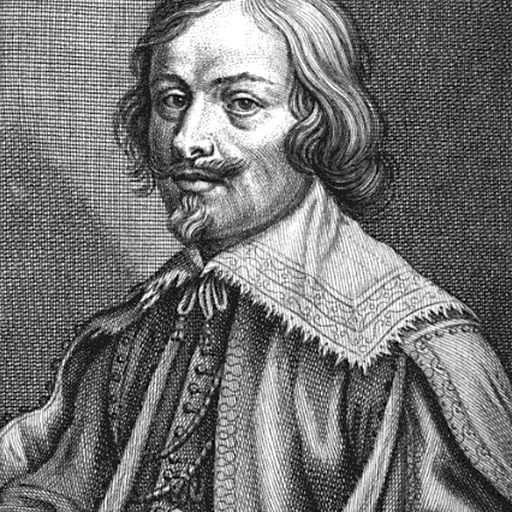
Jacques Callot was a baroque printmaker and draftsman from the Duchy of Lorraine.

 Holy Family at supper
 Restoration of the Aqueduct at Pisa
 Restoration of the Aqueduct at Pisa
 Square in Paris with Many Figures
 Square in Paris with Many Figures
 Horsemen Attacked by Robbers
 HOW WILL A COVERED PART BE CORRECTED?HOW WIKA A COVERED HEART DEED CORRECTED?
![Christ Walking on the Water [second plate], by Jacques Callot](https://artifactworldgallery.com/img/jacques-callot--christ-walking-on-the-water-second-plate--2069f3bfe4cb2126-w320.webp) Christ Walking on the Water [second plate]
Christ Walking on the Water [second plate]
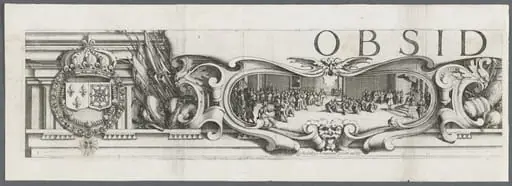 The Siege of La Rochelle: Plate 1
![The Siege of La Rochelle [plate 3 of 16; set comprises 1952.8.97-112], by Abraham Bosse](https://artifactworldgallery.com/img/abraham-bosse--the-siege-of-la-rochelle-plate-3-of-16-set-comprises-1952-8--3e429776a95a101a-w320.webp) The Siege of La Rochelle [plate 3 of 16; set comprises 1952.8.97-112]
The Siege of La Rochelle [plate 3 of 16; set comprises 1952.8.97-112]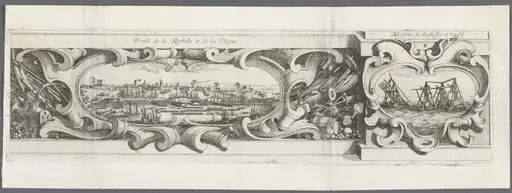 The Siege of La Rochelle: Plate 16
![The Siege of La Rochelle [plate 1 of 16; set comprises 1952.8.97-112], by Jacques Callot](https://artifactworldgallery.com/img/jacques-callot--the-siege-of-la-rochelle-plate-1-of-16-set-comprises-1952-8--4a7a47fc234f38f8-w320.webp) The Siege of La Rochelle [plate 1 of 16; set comprises 1952.8.97-112]
The Siege of La Rochelle [plate 1 of 16; set comprises 1952.8.97-112]![The Siege of La Rochelle [plate 16 of 16; set comprises 1952.8.97-112], by Israel Henriet](https://artifactworldgallery.com/img/israel-henriet--the-siege-of-la-rochelle-plate-16-of-16-set-comprises-1952-8--259b2c0fcc4c8988-w320.webp) The Siege of La Rochelle [plate 16 of 16; set comprises 1952.8.97-112]
The Siege of La Rochelle [plate 16 of 16; set comprises 1952.8.97-112]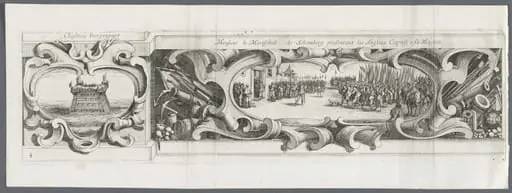 The Siege of La Rochelle: Plate 14