Artwork
The Siege of La Rochelle: Plate 14
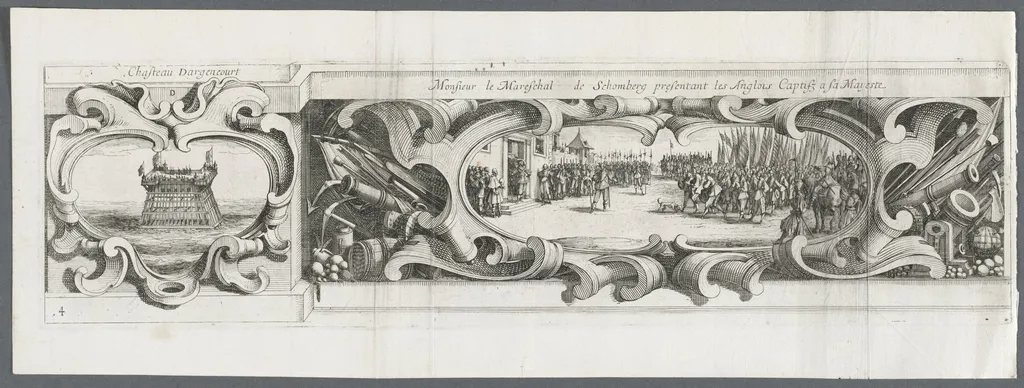
The Siege of La Rochelle: Plate 14 is a print by the Baroque artist Israel Henriet. It dates from 1629 and is held in the collection of the Cleveland Museum of Art. Plate 14 from The Siege of La Rochelle is a printed historical scene by Israël Henriet, completed in 1629.
About this work
Overview
Plate 14 from The Siege of La Rochelle is a printed historical scene by Israël Henriet, completed in 1629. It forms part of a series documenting the prolonged conflict between French royal forces and Huguenot defenders. The print is held in the collection of the Cleveland Museum of Art, where it serves as a visual record of early 17th-century military engagement and propaganda.
Subject & Meaning
The scene captures a moment during the 1627–1628 siege of La Rochelle, a Protestant stronghold under siege by Louis XIII’s army.
The scene captures a moment during the 1627–1628 siege of La Rochelle, a Protestant stronghold under siege by Louis XIII’s army. Crowds of civilians and soldiers fill the background, suggesting the scale of civilian involvement and unrest. Foreground figures, including mounted troops, convey military momentum. The composition implies the inevitability of royal victory, reinforcing state authority over religious dissent.
Technique & Style
Henriet employs chiaroscuro to model figures and architecture, enhancing spatial depth and emotional intensity. Lines are sharp and detailed, typical of engraved prints meant for wide dissemination. The crowded composition, dynamic poses, and layered perspective reflect Baroque conventions, prioritizing narrative urgency over idealized harmony. The medium allowed for reproduction, making the imagery accessible beyond elite audiences.
History & Provenance
Created shortly after the fall of La Rochelle in 1628, the print was likely commissioned to commemorate the crown’s triumph. It circulated as part of a multi-plate series, possibly intended for public display or educational use. The Cleveland Museum of Art acquired it as part of a broader collection of early modern European prints, preserving its role as a historical document.
Context
The siege marked a turning point in France’s religious wars, ending Huguenot political autonomy. Henriet’s image aligns with state-sponsored visual narratives promoting royal unity and Catholic dominance. Contemporary prints like this one functioned as both news and political tool, shaping public perception of conflict and authority in an era before photography.
Legacy
Though not widely known today, Henriet’s series contributed to the visual language of early modern warfare in print culture. Its preservation in institutional collections underscores its value as a primary source for understanding how state power was visually constructed during the reign of Louis XIII. The work remains a quiet but significant artifact of propaganda and print media in early Baroque Europe.
Artist & collection

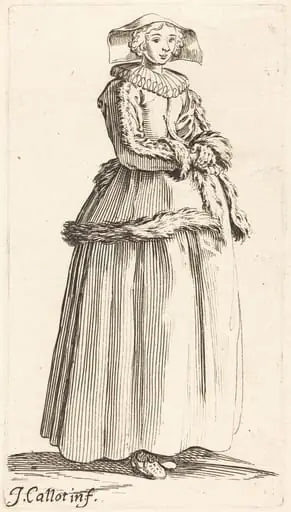 Young Woman with Hands Folded, Facing Right
![The Siege of La Rochelle [plate 16 of 16; set comprises 1952.8.97-112], by Israel Henriet](https://artifactworldgallery.com/img/israel-henriet--the-siege-of-la-rochelle-plate-16-of-16-set-comprises-1952-8--259b2c0fcc4c8988-w320.webp) The Siege of La Rochelle [plate 16 of 16; set comprises 1952.8.97-112]
The Siege of La Rochelle [plate 16 of 16; set comprises 1952.8.97-112]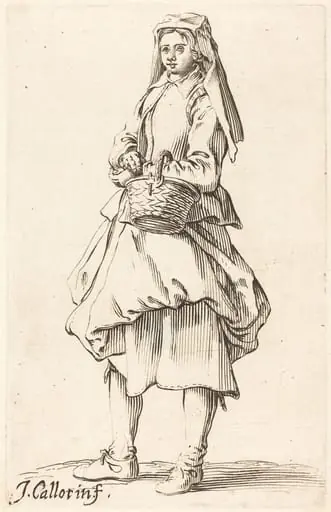 Peasant Woman with Basket, Facing Left
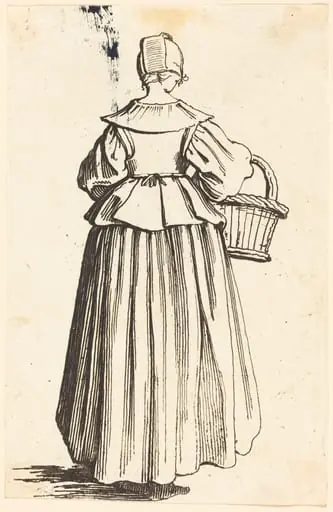 Peasant Woman with Basket, Seen from Behind
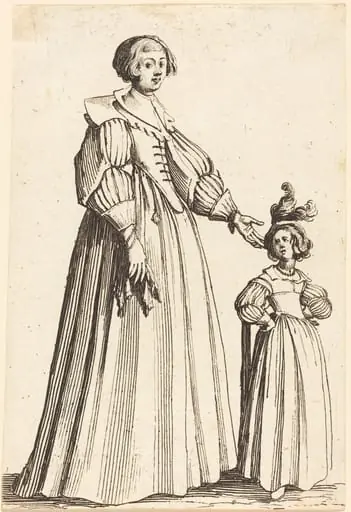 Catherine Kuttinger, Callot's Wife
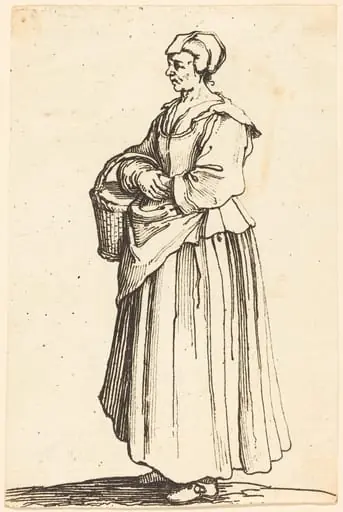 Peasant Woman with Basket, in Profile, Facing Left
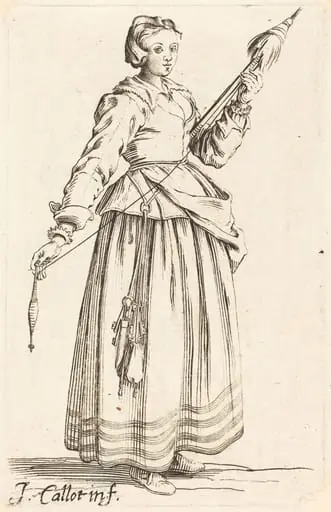 Young Woman with Distaff, Facing Right
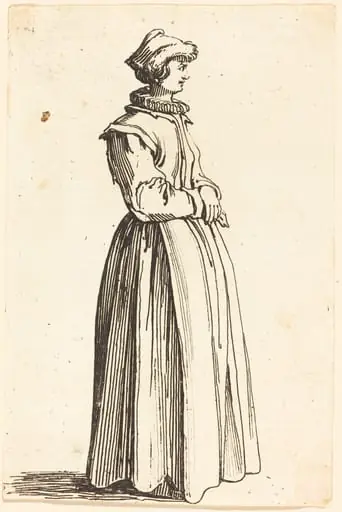 Young Woman, in Profile, Facing Right
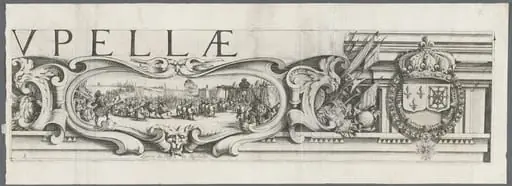 The Siege of La Rochelle: Plate 3
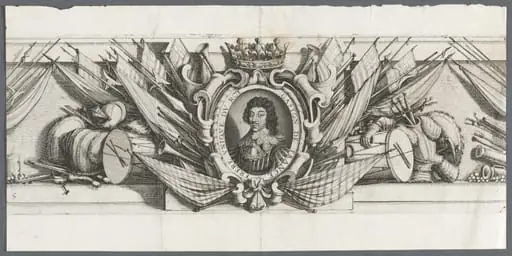 The Siege of La Rochelle: Plate 15
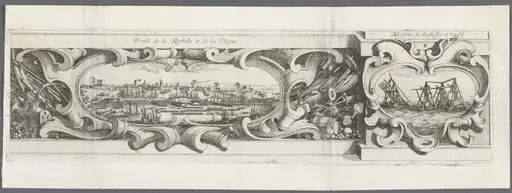 The Siege of La Rochelle: Plate 16
![The Siege of La Rochelle [plate 14 of 16; set comprises 1952.8.97-112], by Abraham Bosse](https://artifactworldgallery.com/img/abraham-bosse--the-siege-of-la-rochelle-plate-14-of-16-set-comprises-1952-8--ab2e920f7fcf3f5f-w320.webp) The Siege of La Rochelle [plate 14 of 16; set comprises 1952.8.97-112]
The Siege of La Rochelle [plate 14 of 16; set comprises 1952.8.97-112]![The Siege of La Rochelle [plate 3 of 16; set comprises 1952.8.97-112], by Abraham Bosse](https://artifactworldgallery.com/img/abraham-bosse--the-siege-of-la-rochelle-plate-3-of-16-set-comprises-1952-8--3e429776a95a101a-w320.webp) The Siege of La Rochelle [plate 3 of 16; set comprises 1952.8.97-112]
The Siege of La Rochelle [plate 3 of 16; set comprises 1952.8.97-112]![The Siege of La Rochelle [plate 1 of 16; set comprises 1952.8.97-112], by Jacques Callot](https://artifactworldgallery.com/img/jacques-callot--the-siege-of-la-rochelle-plate-1-of-16-set-comprises-1952-8--4a7a47fc234f38f8-w320.webp) The Siege of La Rochelle [plate 1 of 16; set comprises 1952.8.97-112]
The Siege of La Rochelle [plate 1 of 16; set comprises 1952.8.97-112]