Artwork
The Royal Hospital of Bicestre
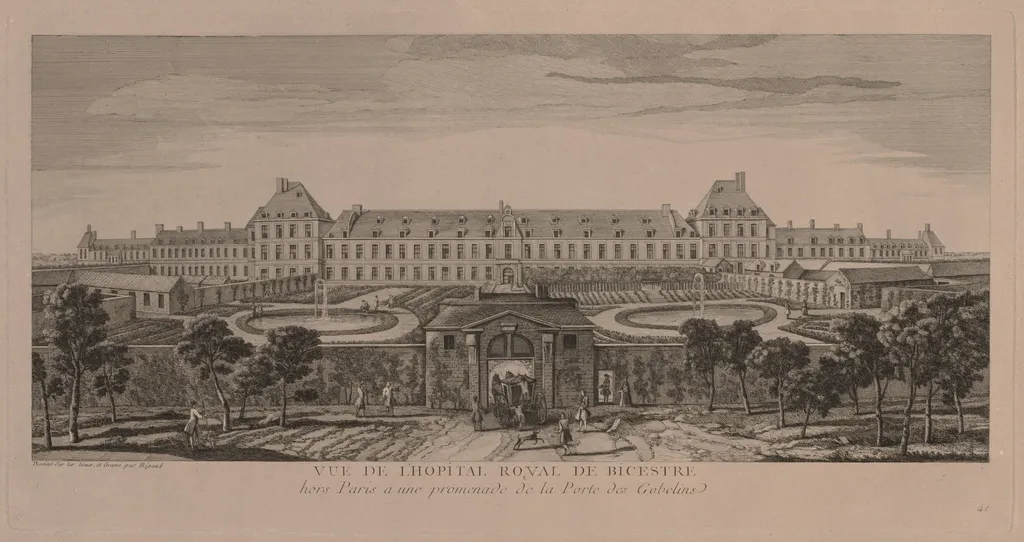
The Royal Hospital of Bicestre is a print by the Baroque artist Jacques Rigaud. It dates from 1727 and is held in the collection of the Cleveland Museum of Art.
About this work
Overview
Jacques Rigaud’s 1727 print depicts the Royal Hospital of Bicêtre, a substantial institutional complex. The work is part of the Cleveland Museum of Art’s collection and presents a meticulous representation of the building’s façade, roofline, and surrounding grounds.
Subject & Meaning
The image records the hospital’s expansive structure, characterized by a long, symmetrical façade punctuated by numerous windows and a steeply pitched roof. A formal courtyard lies before the entrance, with trimmed shrubbery, paved pathways, modest statuary, and figures moving through the space, suggesting the everyday activity of the institution.
Technique & Style
Executed in black and white, the print relies on precise line work and shading to convey architectural detail and depth. Rigaud’s approach aligns with the disciplined draughtsmanship of the early eighteenth‑century, emphasizing accuracy over decorative flourish.
History & Provenance
Created in 1727, the print entered the Cleveland Museum of Art’s holdings through acquisition (specific acquisition details are not provided). Its survival in the museum’s collection attests to its value as a documentary record of French architectural heritage.
Context
The Royal Hospital of Bicêtre served as a major medical and charitable institution in France. Rigaud’s depiction reflects the Baroque era’s interest in grand civic architecture and the period’s practice of producing detailed prints for archival or promotional purposes.
Artist & collection


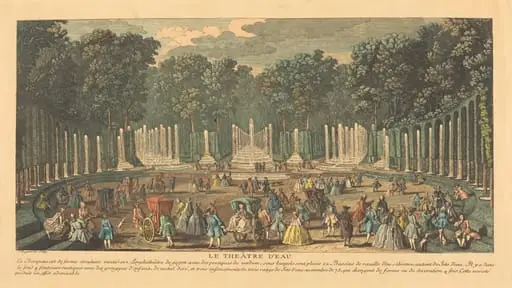 The Theatre of Water (Le Théâtre d'Eau)
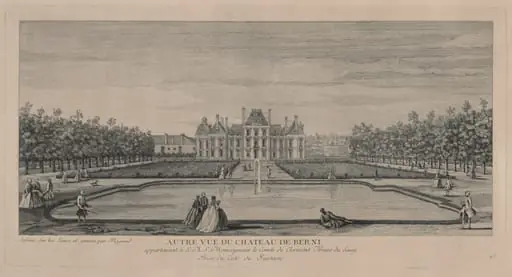 Chateau of Berny from the Gardens
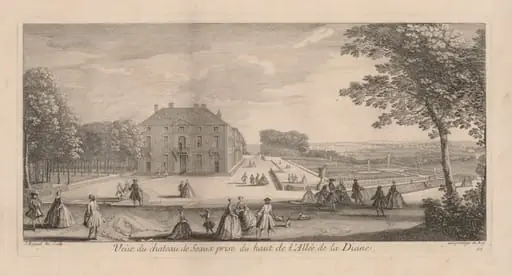 View of the Chateau de Seaux from Diana's Promenade
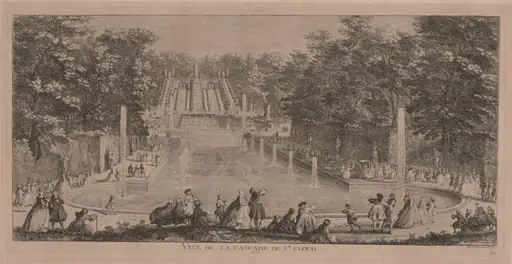 The Cascades of St. Cloud
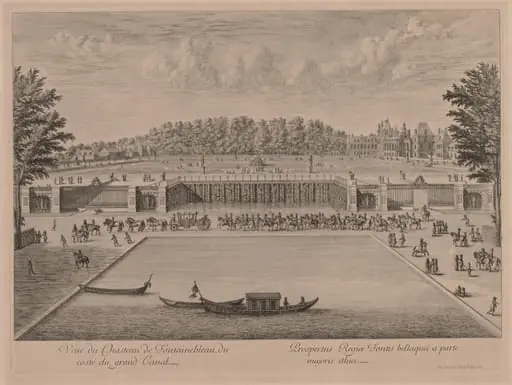 Chateau Fontainebleau from the Grand Canal
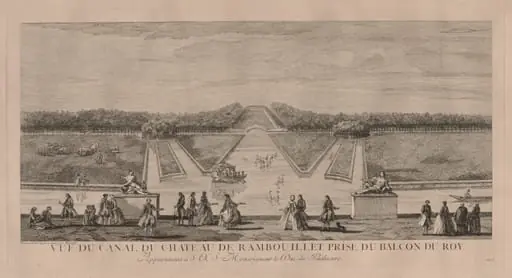 The Chateau from the Canal at Rambouillet
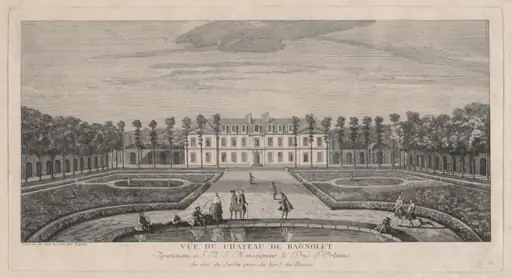 Chateau of Bagnolet
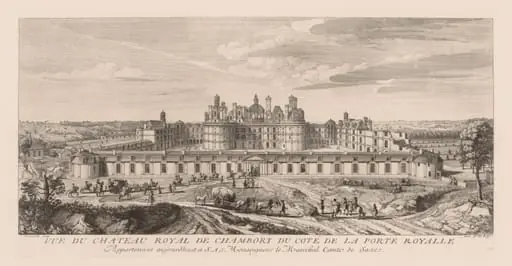 Vue du Château royal de Chambord, du côte de la Porte royale
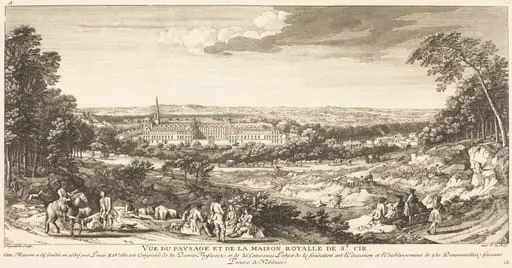 Vue du Paysage de la Maison Royalle de Saint Cir
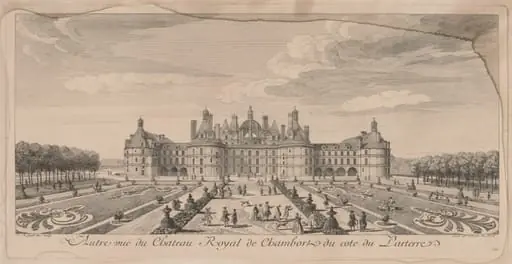 Chateau Chambord from the Gardens
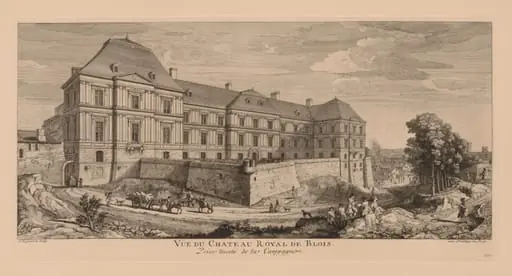 Vue du Château royal de Blois, prise du côté de la campagne
 Collège Henri IV, Paris, ou Lycée Napoléon (Henry IV College or Napoleon School, Paris)
 Promenades of the Palais des Tuileries
 Veue de Berny a deux lieues de Paris sur le chemin d'Orléans
 Chateau Bellevue