Artwork
Untitled
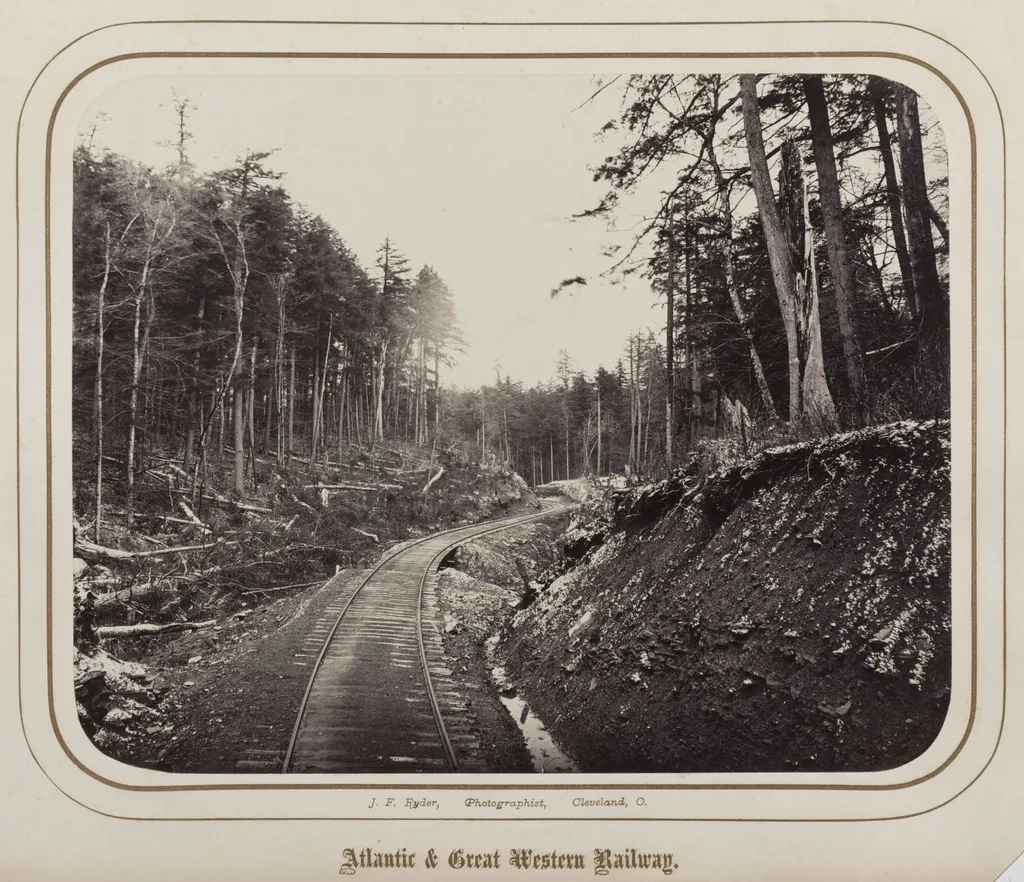
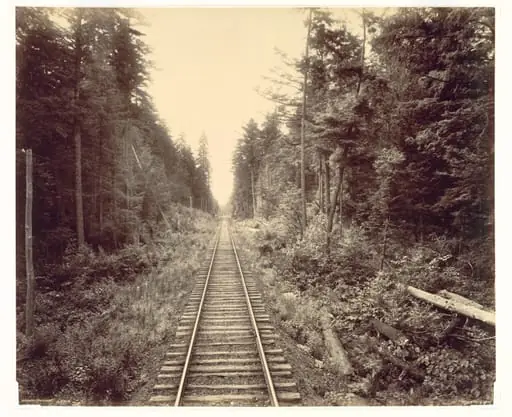
Untitled is a photography by the Impressionist artist James Fitzallen Ryder. It dates from 1862 and is held in the collection of the Cleveland Museum of Art.
About this work
This painting shows a train winding through a dark, dense forest.
This painting shows a train winding through a dark, dense forest. The trees loom tall on both sides. Smoke rises from the engine’s stack.
Ryder worked for railroads in the 1860s. He made pictures to sell the idea of safe travel. Investors liked these images. They showed progress cutting through wilderness.
The tracks go nowhere here. They hint at lands just out of sight. Check out James Fitzallen Ryder (American, 1826–1904).
Overview
James Fitzallen Ryder, a Cleveland‑based photographer active in the 1860s, produced this black‑and‑white image of a railway line threading through a thick, shadowy forest. The composition centers on a single track that curves away into the trees, while a locomotive’s plume of smoke rises from its stack, emphasizing the presence of industrial technology within a natural setting.
Subject & Meaning
The photograph captures a train navigating a dense woodland, its serpentine track suggesting both the reach of rail expansion and the mystery of the untamed landscape beyond. By juxtaposing the engineered line with towering trees, the image conveys a narrative of progress penetrating wilderness, inviting viewers to contemplate the possibilities of travel and settlement in remote regions.
Technique & Style
Ryder employed the wet‑plate collodion process typical of mid‑nineteenth‑century photography, yielding a high‑contrast image with fine detail in both the locomotive’s machinery and the surrounding foliage. The careful framing and use of natural light accentuate depth, while the smoke adds a dynamic element that guides the eye along the curving track.
History & Provenance
Commissioned by railroad companies during a period of rapid network growth, Ryder’s photographs served promotional purposes, reassuring investors and encouraging settlement on lands owned by the railroads. The image was likely distributed as part of marketing material aimed at highlighting the safety and convenience of rail travel in the American frontier.
Context
In the post‑Civil War era, railroads were central to economic development, and visual documentation played a key role in shaping public perception. Photographers like Ryder documented infrastructure projects to illustrate the transformative impact of rail lines on remote, forested regions, aligning with broader narratives of manifest destiny and industrial progress.
Artist & collection

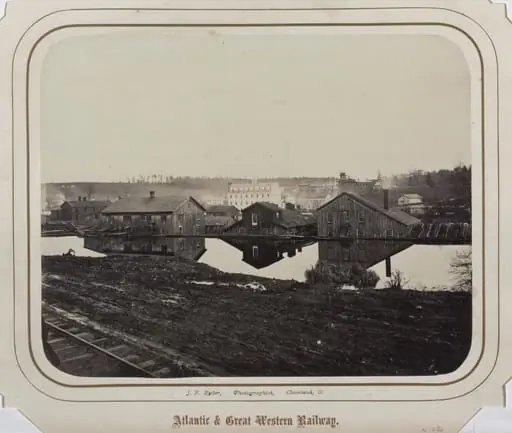 Industrial Buildings (Reflected in Erie Canal, Meadville?)
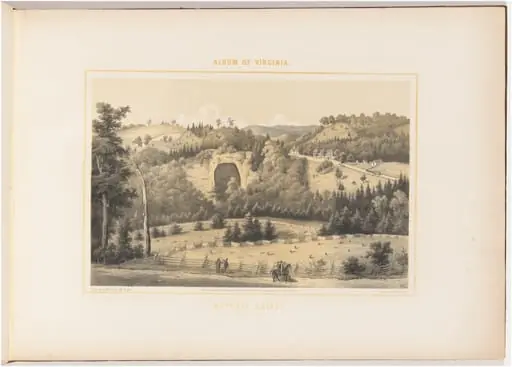 Natural Bridge
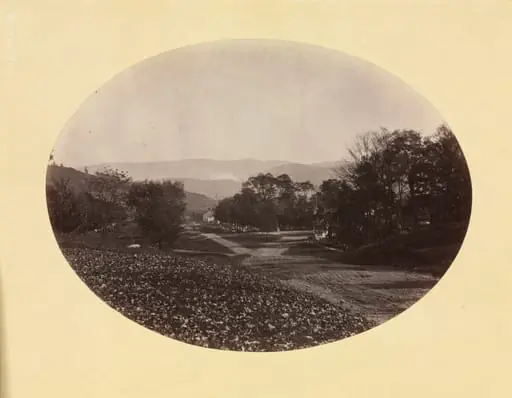 A Road in Williamstown
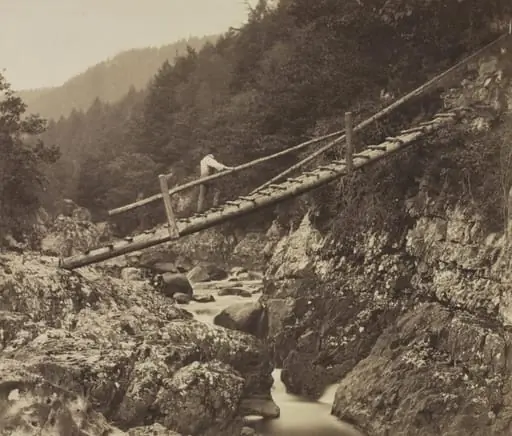 The Miners' Bridge, on the Llugwy, North Wales
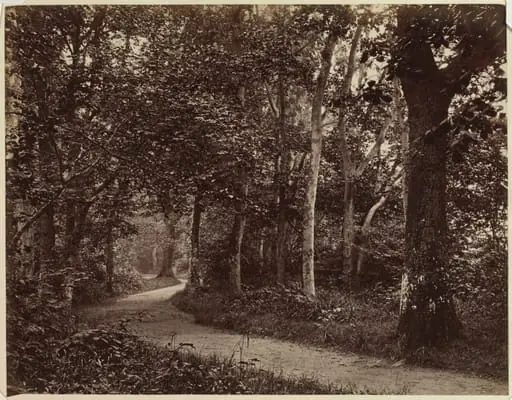 Untitled (Landscape)
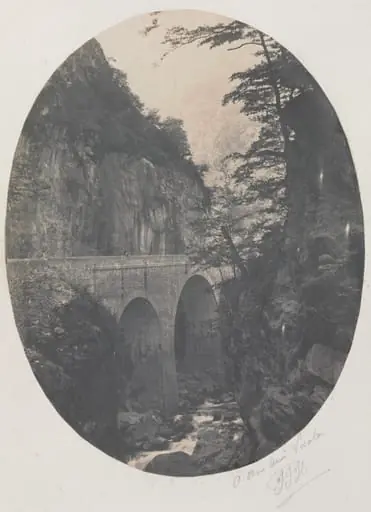 Gorge at Eaux Chaudes, Pyrenees
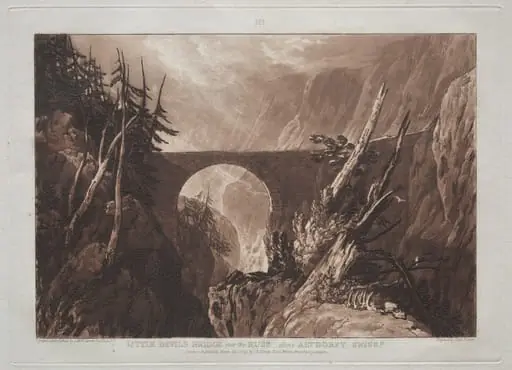 Liber Studiorum: Little Devil's Bridge over the Russ, above Altdorft, Swiss
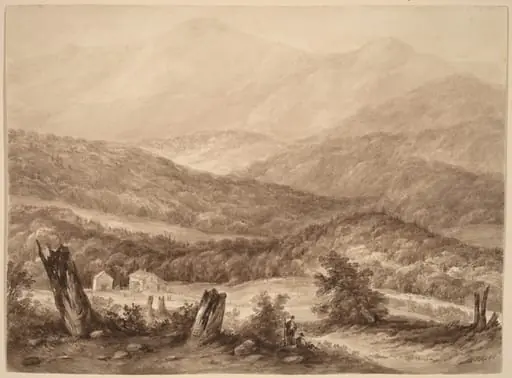 White Mountains (?)
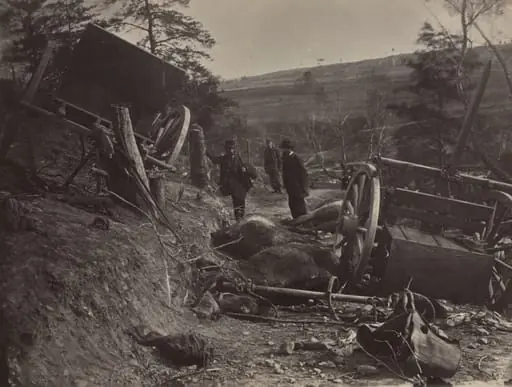 Effects of a Shell Explosion, Fredericksburg, VA.
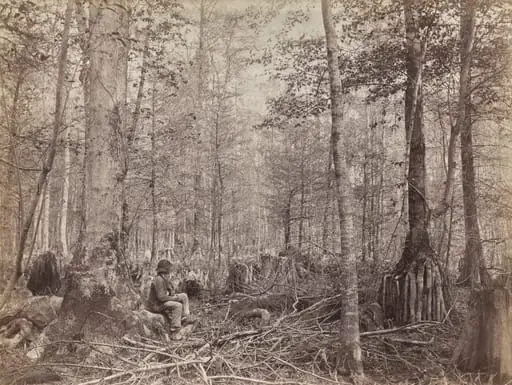 Great Dismal Swamp, Virginia
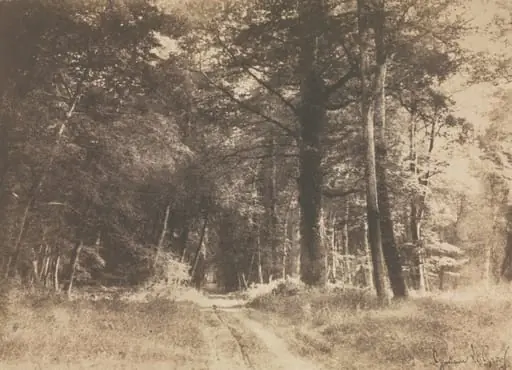 Pathway in the Forest of Fontainebleau
 Hemlock Forest, Lehigh Valley Railroad