Artwork
Death of Lord Nelson
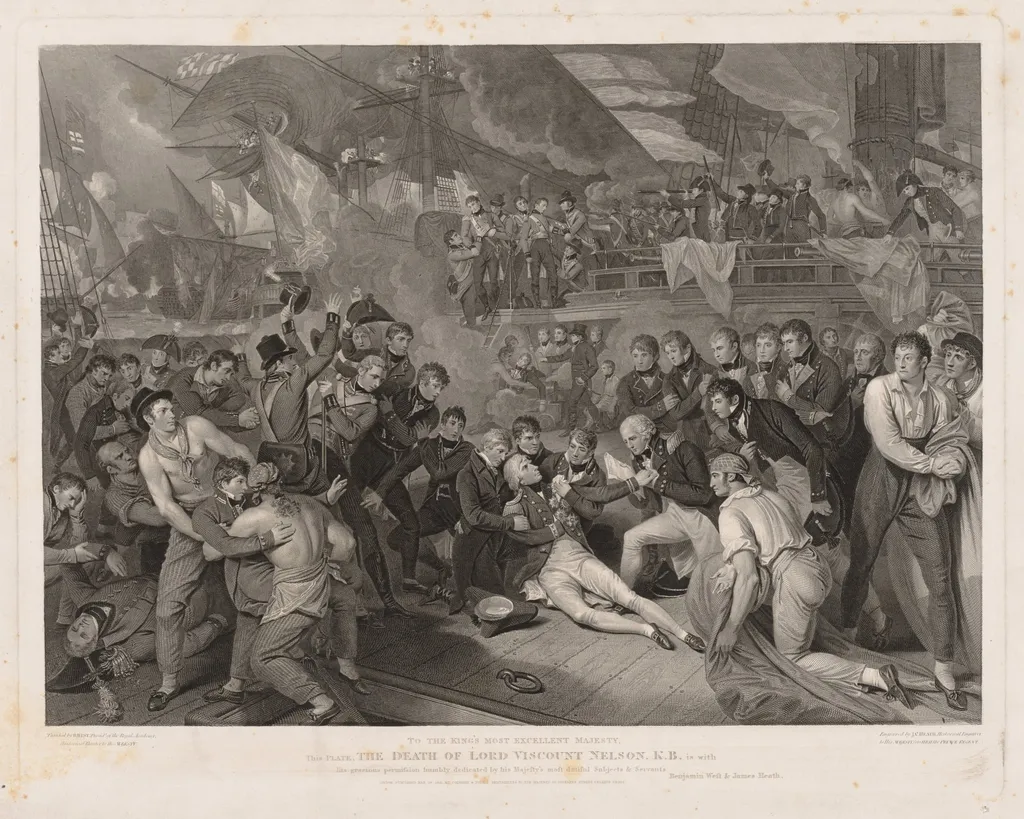
Death of Lord Nelson is a print by the Romanticist artist James Heath. It is held in the collection of the Cleveland Museum of Art.
About this work
Overview
James Heath’s 1841 engraving, *Death of Lord Nelson*, presents the moment Admiral Horatio Nelson was mortally wounded during the Battle of Trafalgar. The print, now in the Cleveland Museum of Art, captures a densely populated scene of sailors and onlookers gathered around Nelson’s prone figure, while distant ships burn and smoke fills the sky.
Subject & Meaning
The composition centers on Nelson’s lifeless body, surrounded by a mixture of shock, grief, and frantic activity. Figures kneel, stand, or lie nearby, some attending to the fallen officer, others gesturing toward the chaos. The work emphasizes the human cost of naval victory, inviting viewers to contemplate sacrifice and heroism amid wartime turmoil.
Technique & Style
Heath employed fine line engraving to render intricate details, from a hand clutching a hat to a woman’s delicate ministrations. The densely packed figures and dramatic chiaroscuro echo Romantic sensibilities, using heightened emotion and dynamic movement to intensify the narrative within the limited tonal range of the print medium.
History & Provenance
Commissioned under the patronage of George III and later monarchs, Heath produced the engraving as part of a broader 19th‑century interest in national heroes. The print entered the Cleveland Museum of Art’s collection through acquisition in the early 20th century, where it remains a documented example of British commemorative engraving.
Context
Created during the Romantic era, the image reflects contemporary fascination with dramatic historical episodes. The Battle of Trafalgar (1805) had become a symbol of British naval supremacy; Heath’s depiction aligns with the period’s emphasis on emotional intensity, heroic narrative, and the glorification of national figures.
Artist & collection
Artist
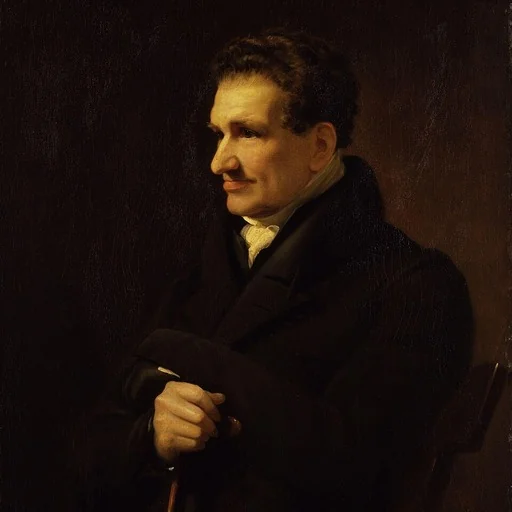
James Heath (19 April 1757 – 15 November 1834) was a British engraver. He enjoyed the patronage of George III and successive monarchs.

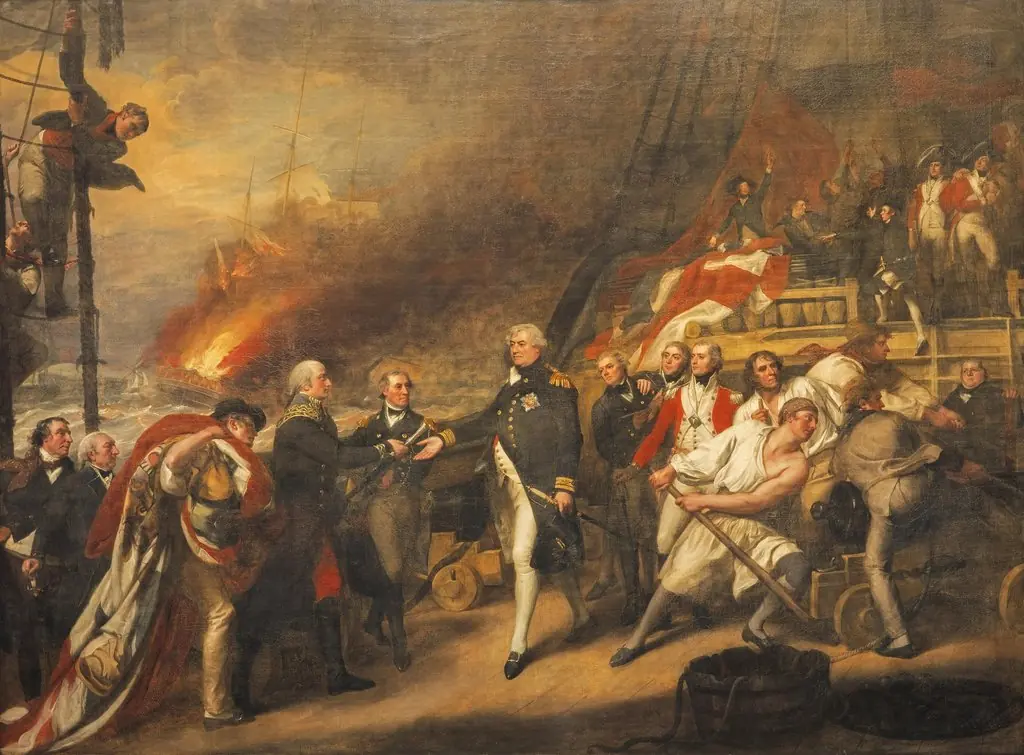 The Surrender of the Dutch Admiral de Winter to Admiral Duncan at the Battle of Camperdown (The Victory of Lord Duncan)
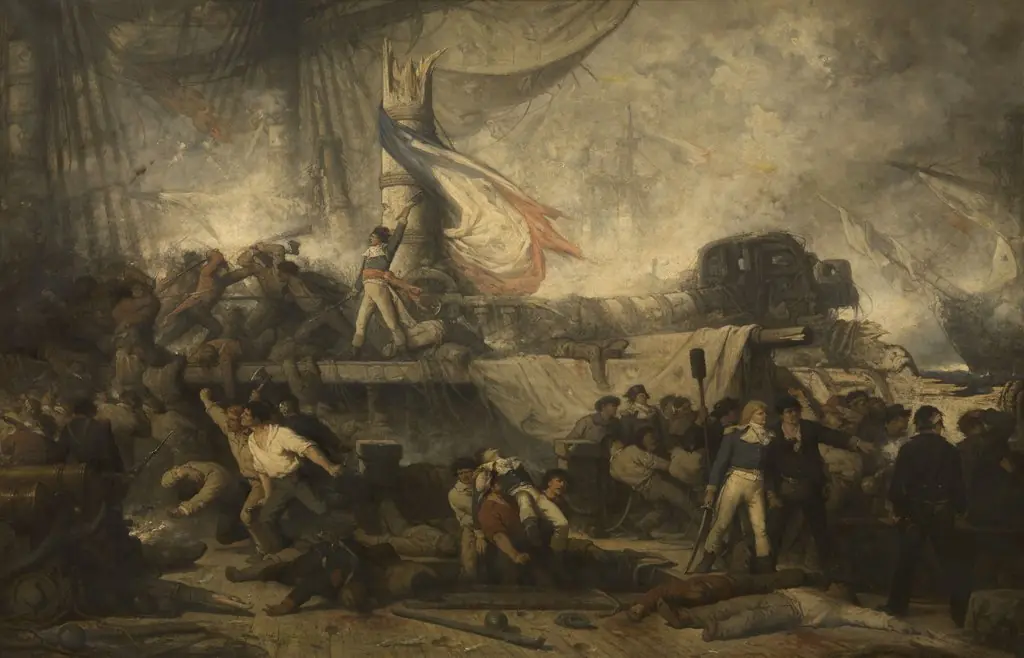 The Algeciras at the Battle of Trafalgar
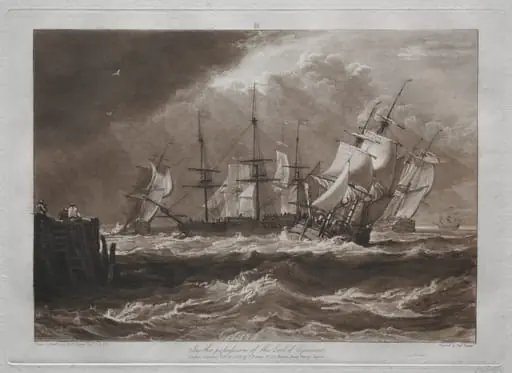 Liber Studiorum: Ships in a Breeze
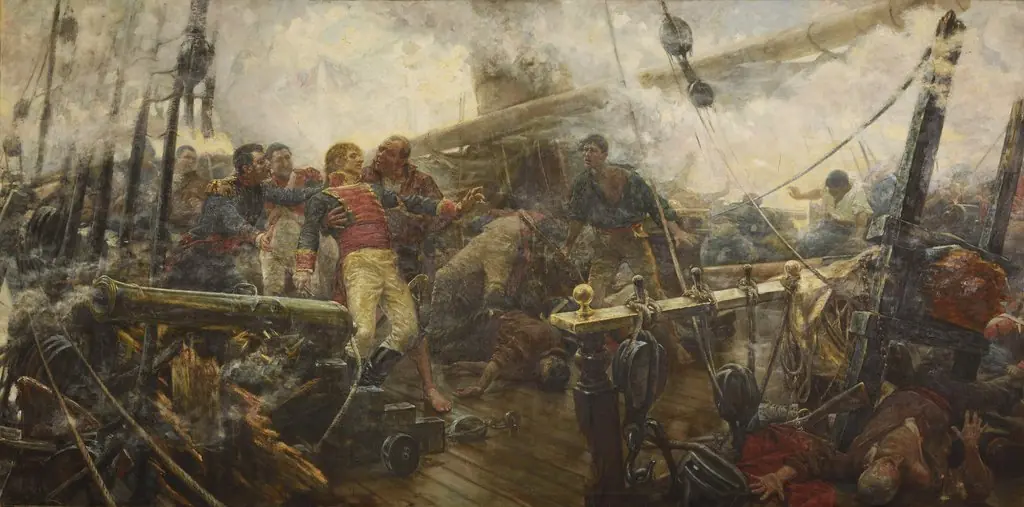 Churruca's Death
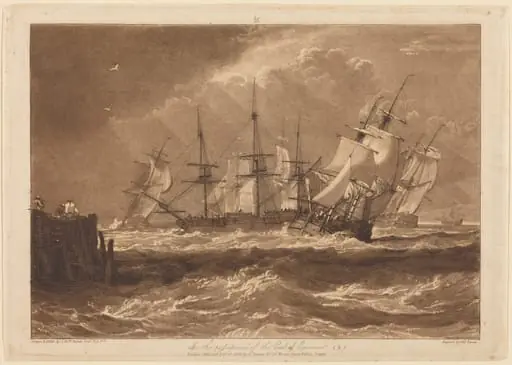 Ships in a Breeze
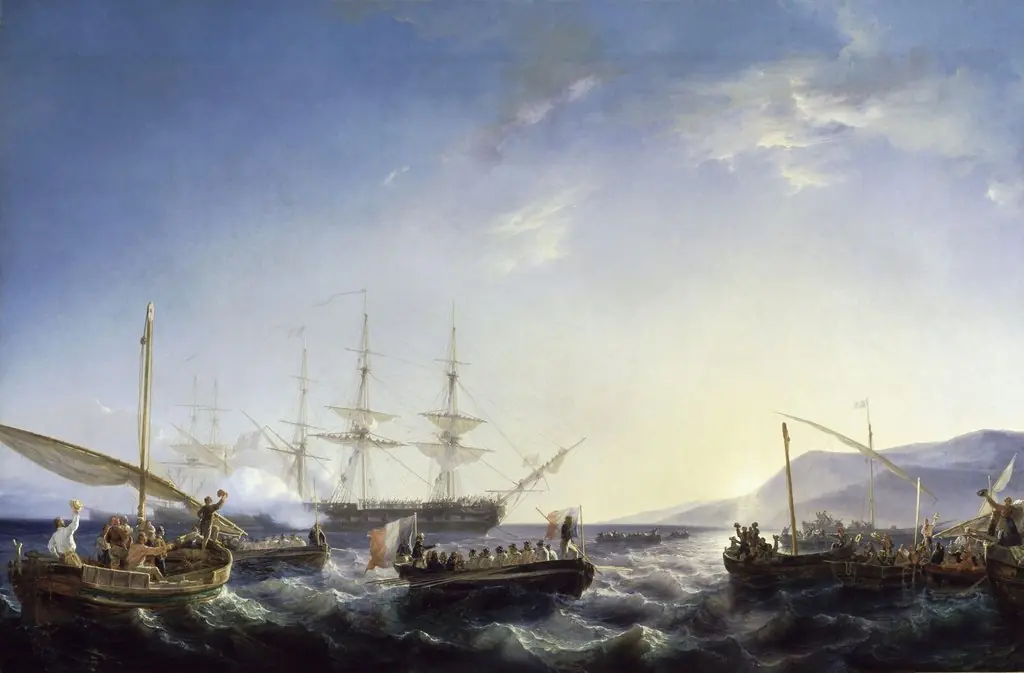 Bonaparte arriving in France back from Egypt on 9 October 1799
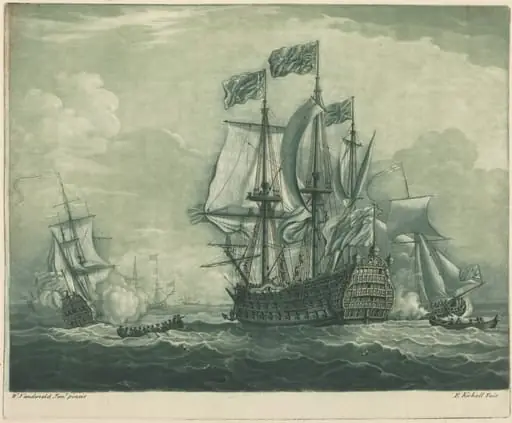 Shipping Scene with Man-of-War
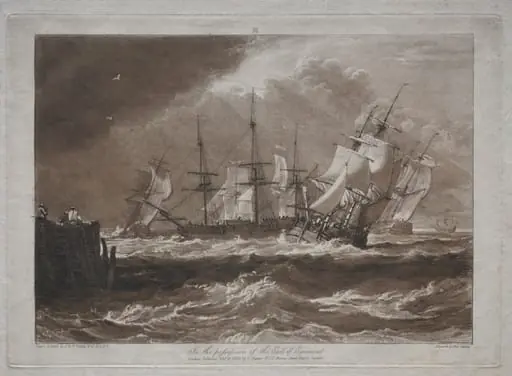 Liber Studiorum: Ships in a Breeze
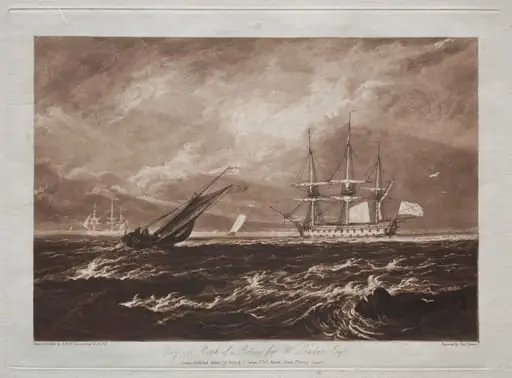 Liber Studiorum: The Leader Sea-piece
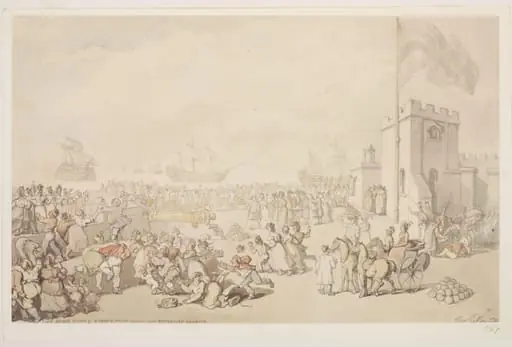 Portsmouth Harbour
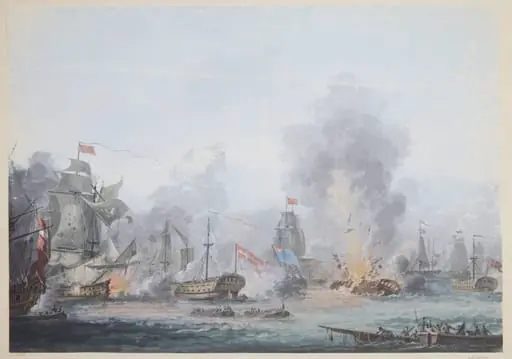 Slaget på Reden
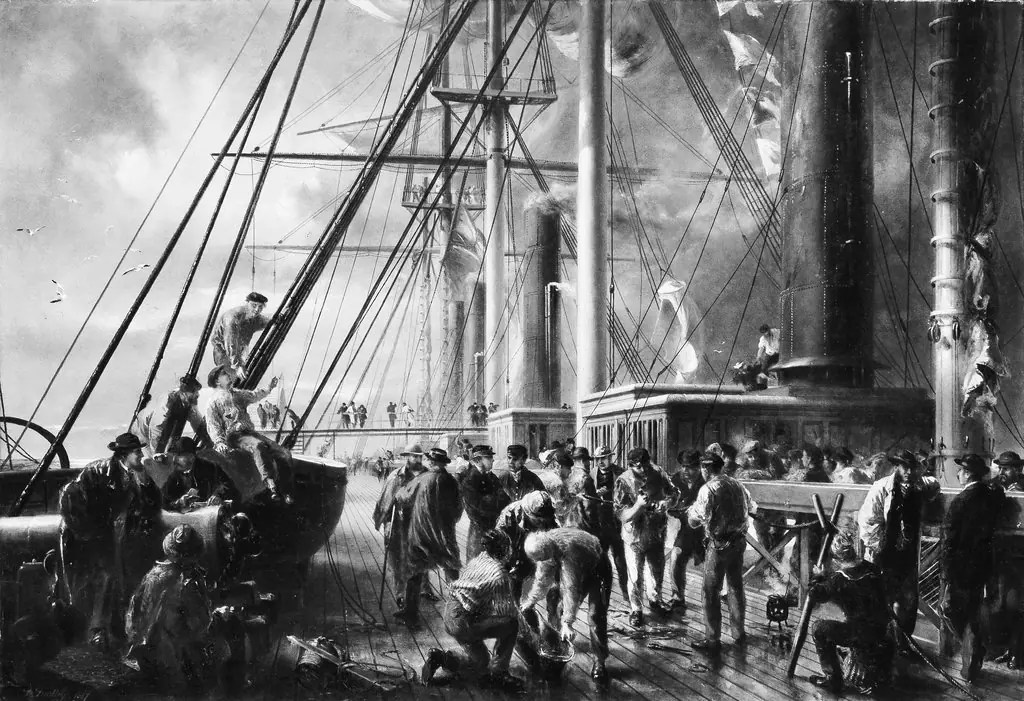 Making the Splice between the Shore End and the Ocean Cable