Artwork
Medicina - Theologia - Lex
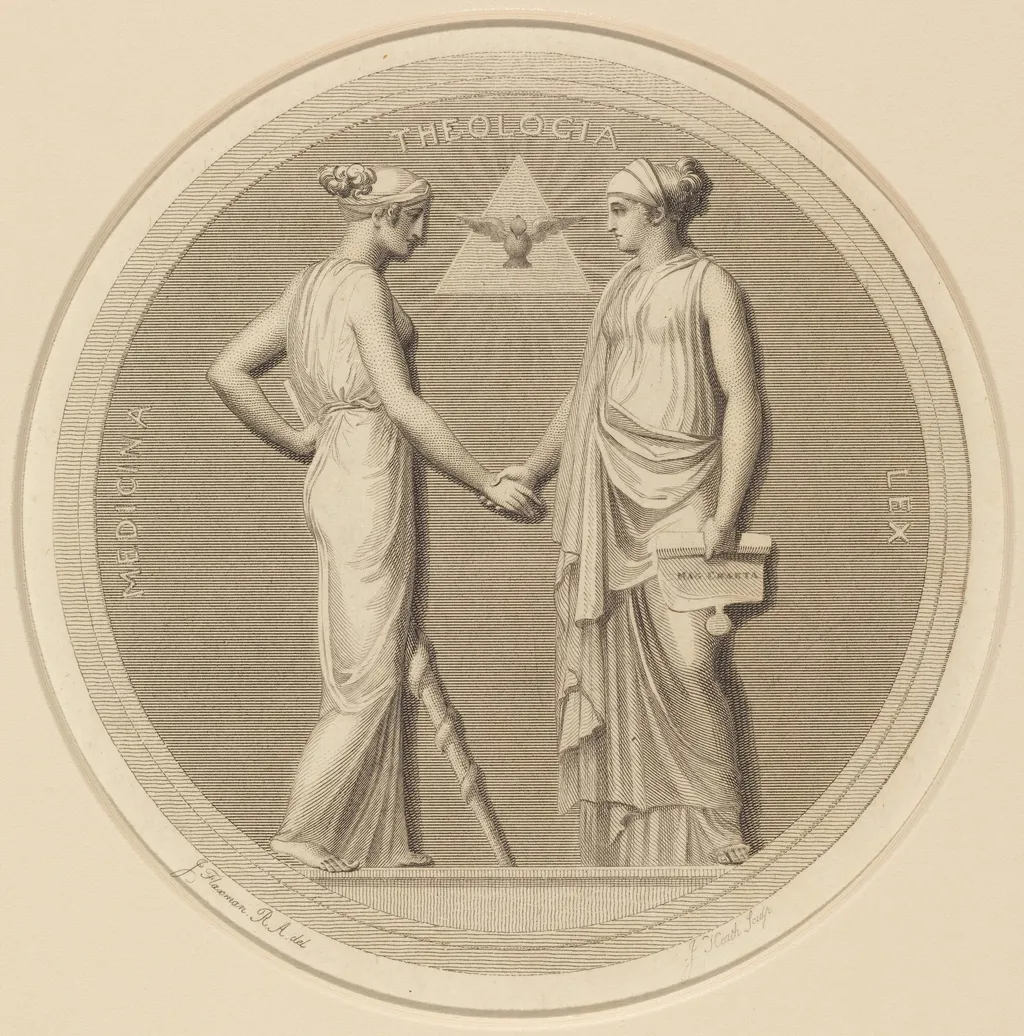
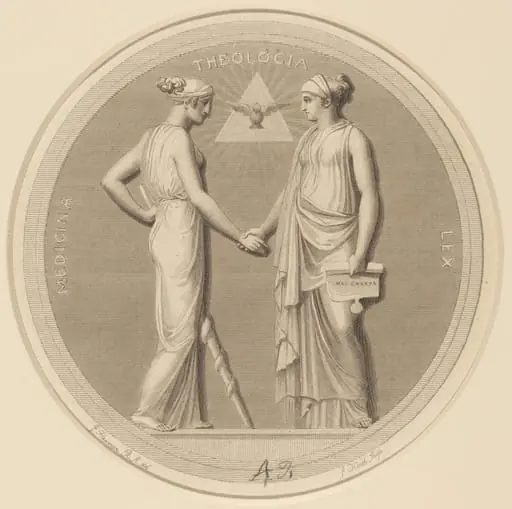
Medicina - Theologia - Lex is an ink print by the Romanticist artist James Heath. It dates from 1796 and is held in the collection of the National Gallery of Art.
About this work
Overview
James Heath’s 1796 etching *Medicina – Theologia – Lex* is a small, circular print executed in the fine-line technique characteristic of his career.
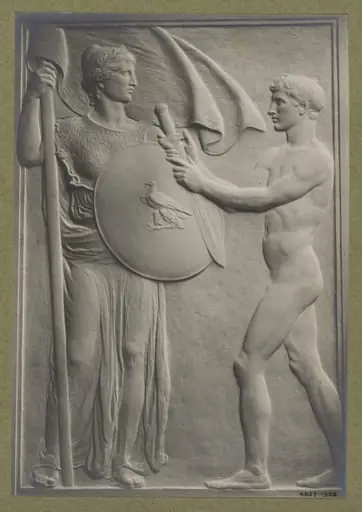
James Heath’s 1796 etching *Medicina – Theologia – Lex* is a small, circular print executed in the fine-line technique characteristic of his career. Commissioned during the reign of George III, it reflects the intellectual currents of late 18th-century Britain. The composition centers on two female figures engaged in a gesture of mutual recognition, framed within a minimalist design that emphasizes symbolic clarity over decorative detail.
Subject & Meaning
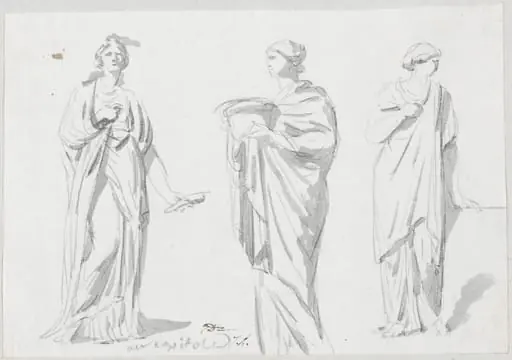
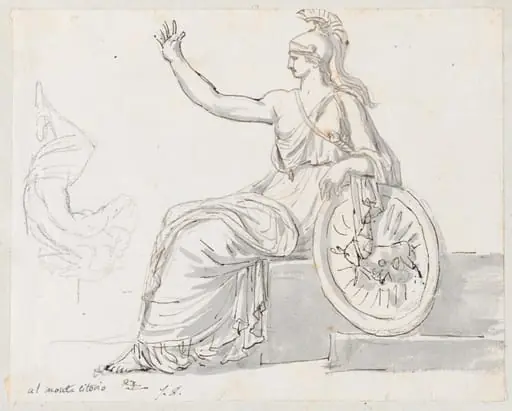
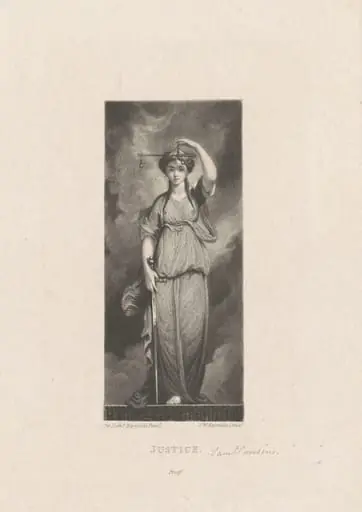
The two central figures personify Medicine and Law, their clasped hands suggesting harmony between healing and governance. Above them, Theology is represented by a bird in flight within a triangle, a traditional emblem of divine oversight. The inscription of all three terms around the circle implies a tripartite foundation of societal order: spiritual guidance, physical care, and legal structure. The imagery conveys an ideal of balanced civic life rather than doctrinal conflict.
Technique & Style
Heath employed etching with precision, using fine, controlled lines to define the figures and architectural elements. The background is uniformly blank, drawing focus to the central group and the symbolic triangle. Minimal ornamentation and a restrained palette enhance the print’s clarity. The circular format, bordered by a thin outline, creates a meditative frame, reinforcing the allegorical nature of the subject through formal simplicity.
History & Provenance
Created in 1796, the print emerged from Heath’s established practice as a reproductive engraver for British patrons, including the royal family. Though not widely exhibited, it circulated among educated circles interested in Enlightenment ideals. Its survival in institutional collections suggests it was valued for its intellectual content rather than commercial appeal, likely distributed as a standalone print or bound in thematic volumes.
Context
In the wake of the American and French Revolutions, British intellectuals sought to reaffirm social cohesion through rational ideals. Heath’s print aligns with contemporary efforts to visualize abstract virtues—medicine, law, theology—as complementary pillars of civil society. It reflects a broader trend in visual culture to depict moral and institutional harmony, countering fears of societal fragmentation with symbolic unity.
Legacy
Though not widely reproduced or studied today, *Medicina – Theologia – Lex* remains a quiet example of Enlightenment-era allegory in British printmaking. It exemplifies how visual symbolism was used to articulate civic values without overt rhetoric. Its preservation in museum collections underscores its role as a historical artifact of intellectual aesthetics, rather than a celebrated work of art.
Artist & collection
Artist
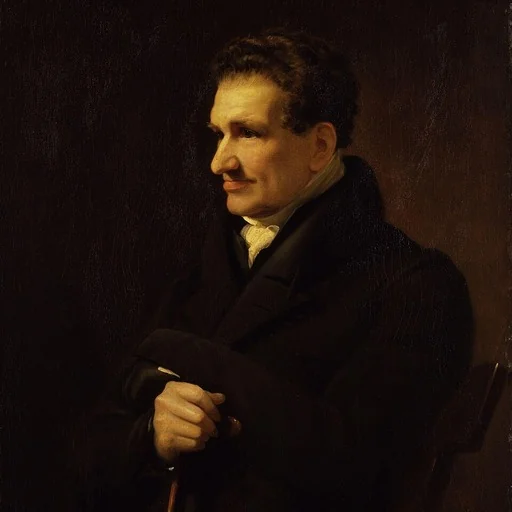
James Heath (19 April 1757 – 15 November 1834) was a British engraver. He enjoyed the patronage of George III and successive monarchs.