Artwork
Coast of Portugal : Women Bathing
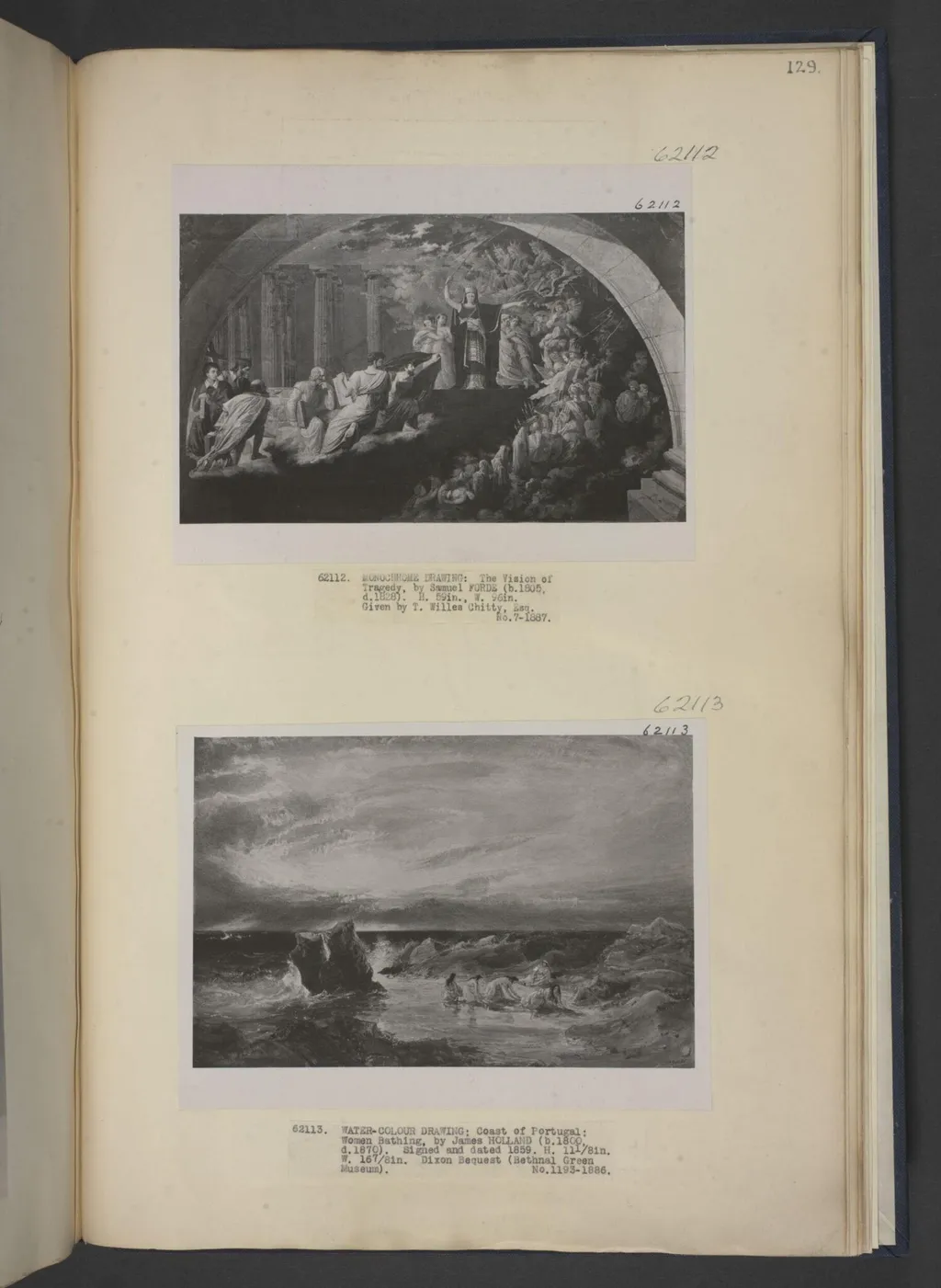
Coast of Portugal : Women Bathing is a watercolor work on paper by the British Romanticist artist James Holland. It dates from 1859 and is held in the collection of the Victoria and Albert Museum.
About this work
Overview
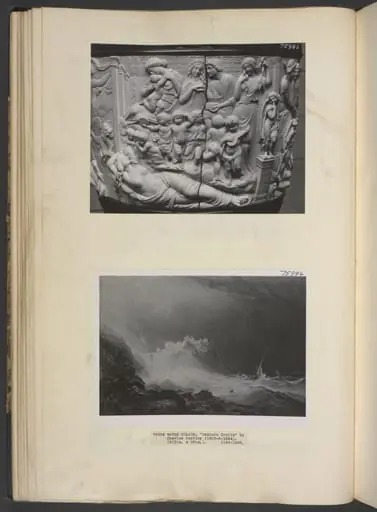
Painted in 1859, this watercolour by James Holland captures a quiet moment of women bathing along Portugal’s rugged shoreline. Executed in delicate washes, the work bears the artist’s signature and the date, affirming its origin. The composition focuses on figures near the water’s edge, framed by dramatic cliffs and a churning sea, rendered with restrained color and attentive detail.
Subject & Meaning
The scene depicts local women engaged in the everyday act of bathing, free from idealization or narrative embellishment. Their presence grounds the image in observed reality, reflecting a moment of private routine against the wildness of the natural environment. The absence of overt symbolism suggests an interest in authenticity rather than allegory.
Technique & Style
Holland employed loose, expressive brushwork to convey the motion of waves and the flutter of wet fabric, while maintaining precise rendering of rock textures and clothing folds. The palette is subdued—dominated by grays, blues, and muted earth tones—emphasizing atmosphere over chromatic vibrancy. The watercolour medium allows for translucent layers that enhance the sense of light and moisture.
History & Provenance
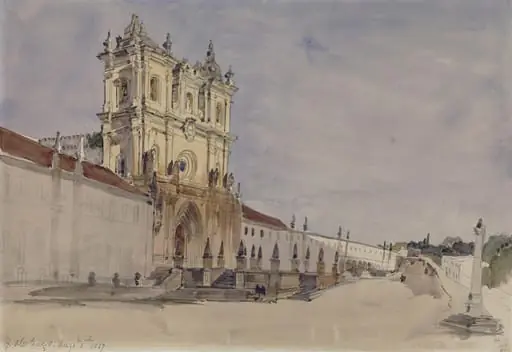
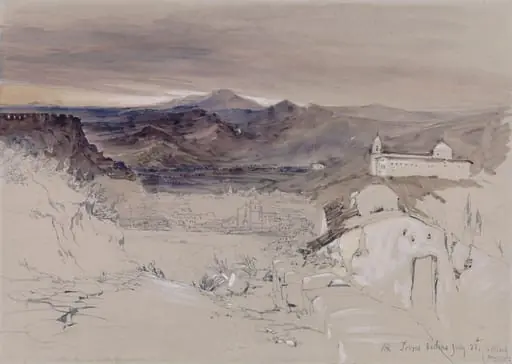
Created during Holland’s travels in Portugal, the work is part of a series of watercolours documenting coastal life in the mid-nineteenth century. It entered the Victoria and Albert Museum’s collection through established channels of British artistic patronage, where it remains as an example of topographical watercolour practice from the period.
Context
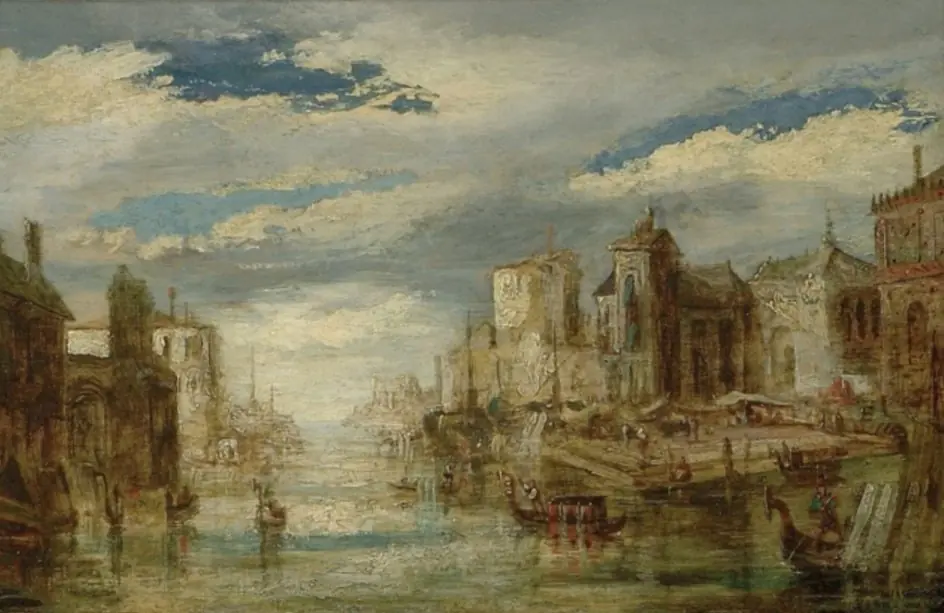
Holland’s work aligns with a broader British interest in European landscapes during the Victorian era, particularly scenes of rural and coastal life. While not formally part of the Impressionist movement, his attention to light and transient effects anticipates later developments in plein air painting, distinguishing his approach from more academic traditions.
Legacy
Though less widely known than his oil paintings, this watercolour exemplifies Holland’s skill in capturing natural environments with sensitivity and restraint. It contributes to the understanding of 19th-century British watercolourists who documented foreign scenes with observational rigor, influencing later generations interested in landscape and genre subjects.
Artist & collection
Artist
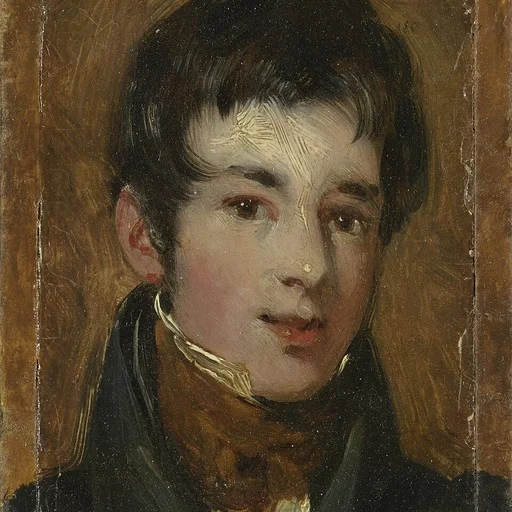
James Holland (18 October 1799 – 12 February 1870) was an English painter of flowers, landscapes, architecture, marine subjects, and a book illustrator.