Artwork
Sketches of corbel in Hall.
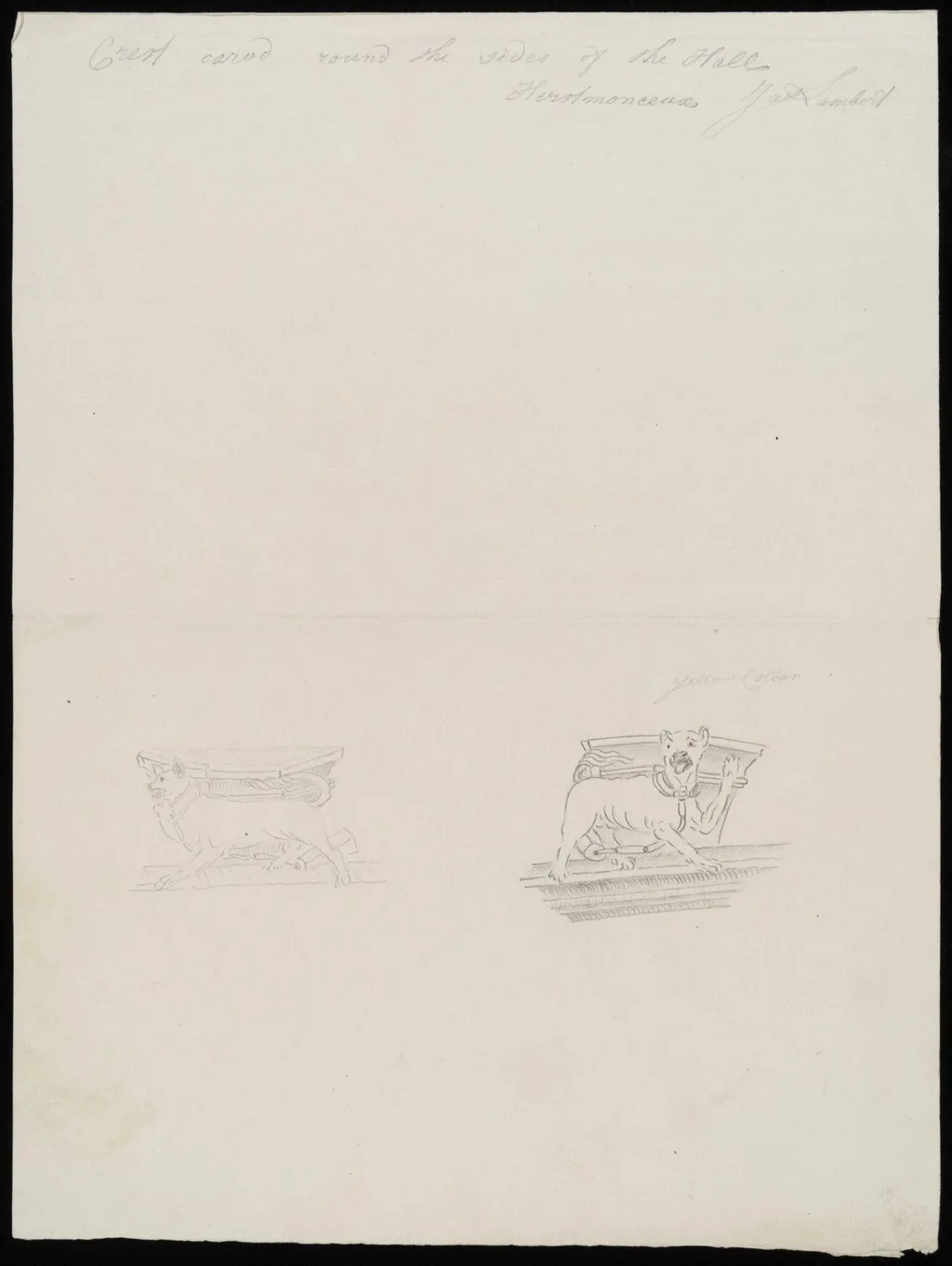
Sketches of corbel in Hall. is a drawing by the Romanticist artist James Lambert senior. It dates from 1776 and is held in the collection of the Victoria and Albert Museum.
About this work
Overview
Created in 1776 by James Lambert senior, this drawing records two stone corbel carvings of recumbent lions found in a historic hall.
Created in 1776 by James Lambert senior, this drawing records two stone corbel carvings of recumbent lions found in a historic hall. Executed in quick, unembellished pencil strokes, it functions as a working record rather than a polished composition. The artist’s signature and a brief annotation identifying the location confirm its purpose as an observational note. The drawing is held in the collection of the Victoria and Albert Museum.
Subject & Meaning
The subject consists of two weathered lion figures, curled beneath a horizontal stone ledge, their forms softened by time and erosion. Their posture suggests rest or guardianship, common in architectural ornamentation. The sketch captures not idealized forms but their actual, degraded state—emphasizing the passage of time and the material reality of the carvings rather than symbolic interpretation.
Technique & Style
Rendered with loose, economical lines, the drawing reflects a spontaneous, on-site method. Contours are lightly traced, details like cracks and surface wear are suggested rather than meticulously defined, and shading is minimal. The absence of color or finish underscores its role as a preliminary record, prioritizing accuracy of form over aesthetic refinement.
History & Provenance
The drawing entered the Victoria and Albert Museum’s collection as part of its broader effort to preserve architectural studies from the 18th century. Its origin lies in Lambert’s documentation of historic buildings, likely for scholarly or restoration purposes. No earlier ownership records are known, but its survival reflects institutional interest in ephemeral architectural records.
Context
In the late 18th century, antiquarians and artists frequently recorded deteriorating medieval and Tudor architecture before further decay or renovation erased it. Lambert’s sketch aligns with this trend, serving as a visual archive of craftsmanship now altered or lost. Such drawings were vital for understanding regional building traditions and the evolution of decorative arts.
Legacy
Though modest in scale and finish, the drawing contributes to a larger body of work documenting Britain’s architectural heritage. It exemplifies how practical, unadorned sketches preserved details that formal publications often omitted. Today, it remains a quiet testament to the observational practices of early architectural record-keepers.
Artist & collection
Artist
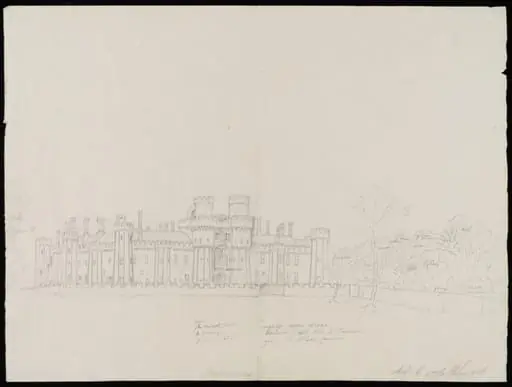
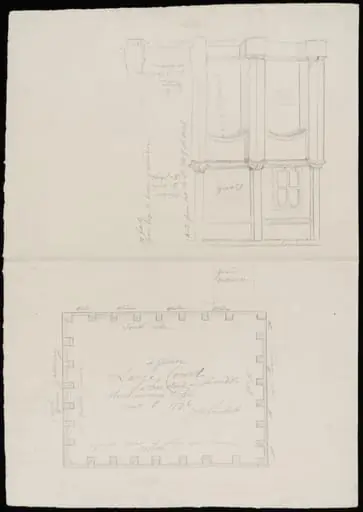
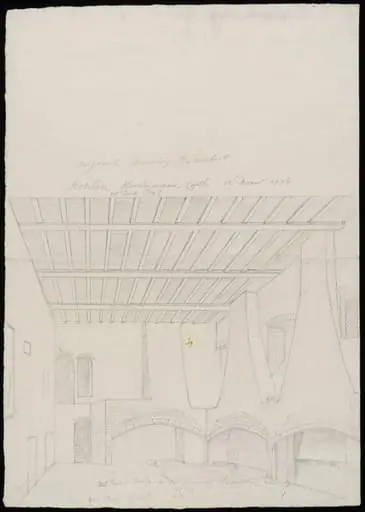
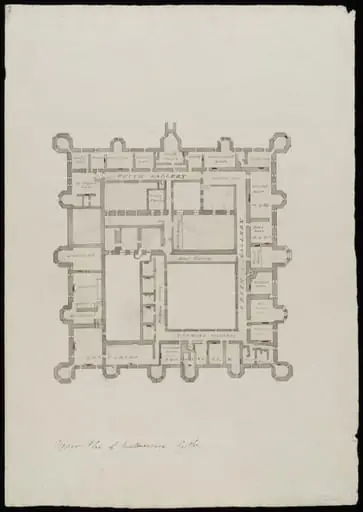
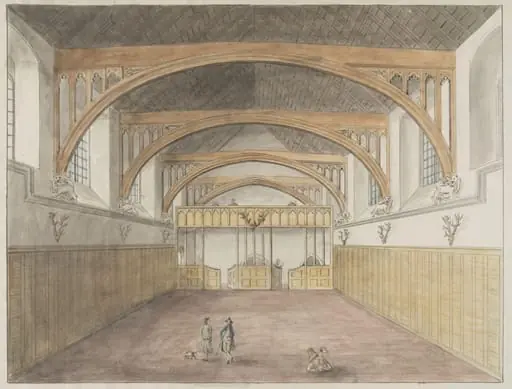
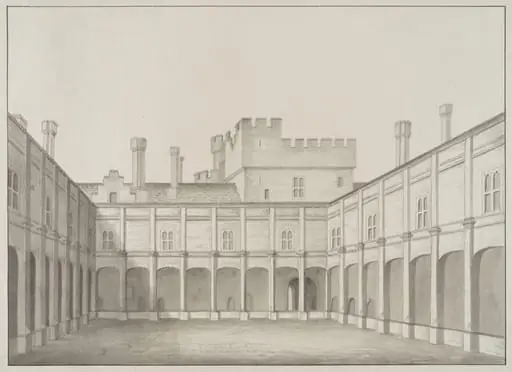
James Lambert senior drew precise sketches of buildings in 1776. His pencil lines map a grand house’s halls, kitchens, and floor plans with everyday dates—“Aug 6th,” “Nov 1st,” “Dec 12th”—as if recording a house under…

![Study of an Interior [verso], by Walter Shirlaw](https://artifactworldgallery.com/img/walter-shirlaw--study-of-an-interior-verso--ae90136ae4907dbf-w320.webp) Study of an Interior [verso]
Study of an Interior [verso]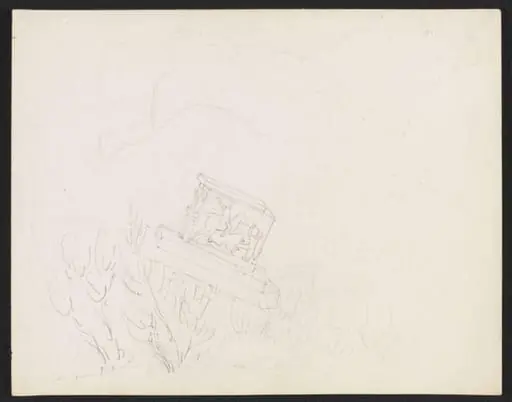 Cadyanda
 Sketch of a Man with Upraised Arm and Sketch of a Helmet (verso)
![Study of a Farmer [verso], by Perry, Enoch Wood, Jr.](https://artifactworldgallery.com/img/perry-enoch-wood-jr--study-of-a-farmer-verso--a0126474be455213-w320.webp) Study of a Farmer [verso]
Study of a Farmer [verso] Study of Moldings
 Portul Tulcea
 Structure with Figures in Asian Dress (Illustration for “The Casket”?)
 Design for the Chimney Piece in the Throne Room, Buckingham Palace
 Anul 1821
![Sheet of Studies [recto and verso], by John Flaxman](https://artifactworldgallery.com/img/john-flaxman--sheet-of-studies-recto-and-verso--624ac0ec758f08e5-w320.webp) Sheet of Studies [recto and verso]
Sheet of Studies [recto and verso]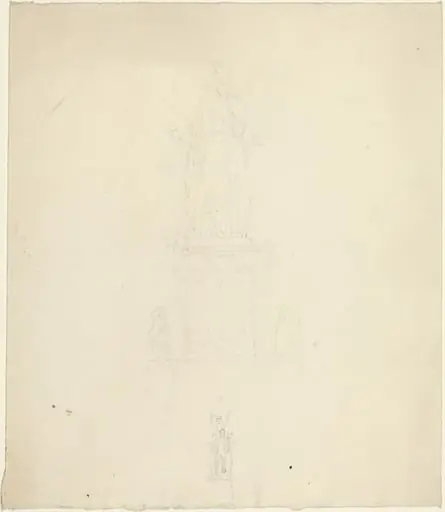 Design for Monument or Metalwork
 Untitled