Artwork
Cadyanda
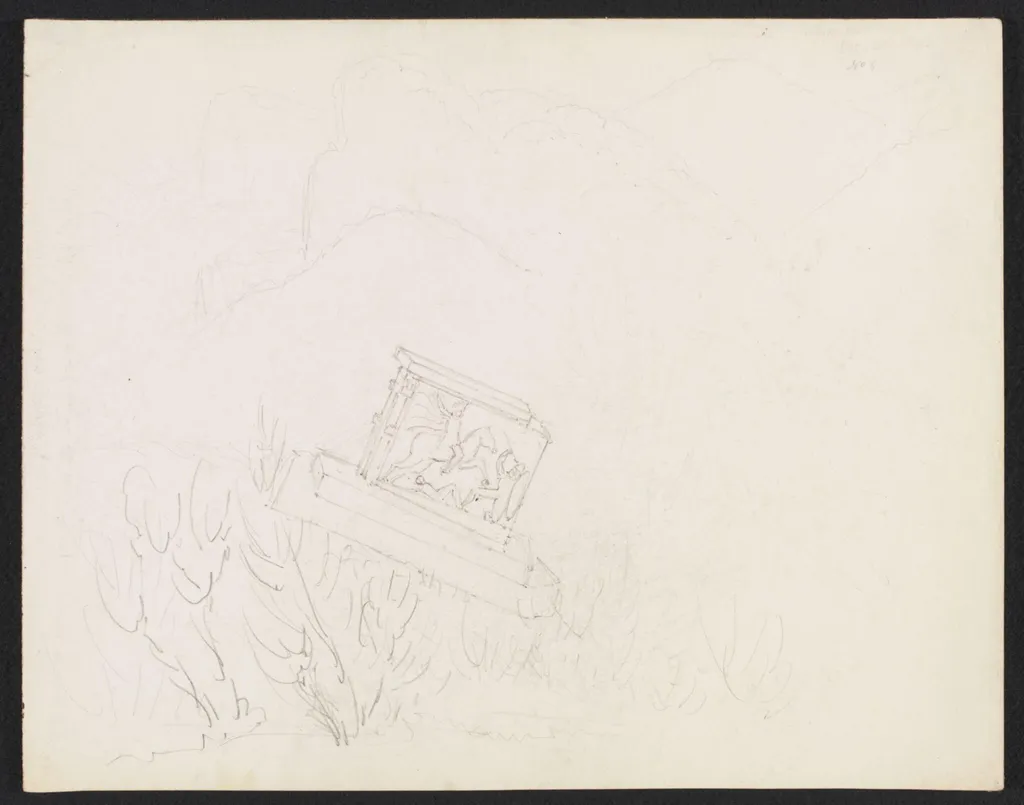
Cadyanda is a drawing by the Romanticist artist George Scharf. It dates from 1843 and is held in the collection of the Victoria and Albert Museum.
About this work
Overview
The work belongs to a broader effort to record ruins before further decay, reflecting the 19th-century rise in systematic antiquarian surveying.
George Scharf’s 1843 drawing titled *Cadyanda* is a preliminary study from a sketchbook, part of a group of works documenting ancient Lycian monuments during his travels. Executed in pencil with minimal white heightening, it captures a fragment of an archaeological site with immediacy rather than finish. The work belongs to a broader effort to record ruins before further decay, reflecting the 19th-century rise in systematic antiquarian surveying.
Subject & Meaning
The drawing depicts a portion of a carved tomb or sarcophagus, its figures rendered in loose outlines, suggesting figures in relief. Below, irregular clusters of vegetation imply the site’s overgrown, neglected state. The absence of fine detail and the sketchy treatment emphasize the ruin’s erosion and the passage of time, conveying a quiet sense of abandonment rather than grandeur.
Technique & Style
Scharf employed rapid, light pencil strokes with occasional white chalk highlights to suggest form and contrast. The lines are fluid and unrestrained, prioritizing movement and composition over precision. Areas remain deliberately unfinished, revealing the artist’s process. This approach aligns with field sketching practices of the time, where speed and observation outweighed polish.
History & Provenance
The drawing is one of several by Scharf made during his 1840s expeditions in Lycia, now held in institutional collections including the British Museum and the National Portrait Gallery. These works were likely compiled from personal sketchbooks and later used to support scholarly publications. Their survival underscores their role as documentary records rather than finished artworks.
Context
In the 1840s, British antiquarians and artists traveled extensively through Anatolia to document classical remains before modern development or looting altered them. Scharf’s work was part of this wave, often commissioned or supported by institutions seeking visual records. His sketches provided reference material for publications and museum collections, bridging exploration and scholarship.
Legacy
Though not widely exhibited, Scharf’s Lycian drawings remain valuable for their unembellished record of sites now altered or lost. Their informal quality offers insight into the methods of 19th-century field archaeology. These works continue to inform modern studies of Lycian funerary architecture and the history of archaeological documentation.
Artist & collection


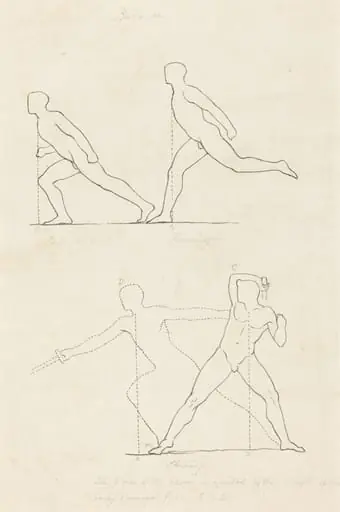 Preparing to Run; Running; Striking
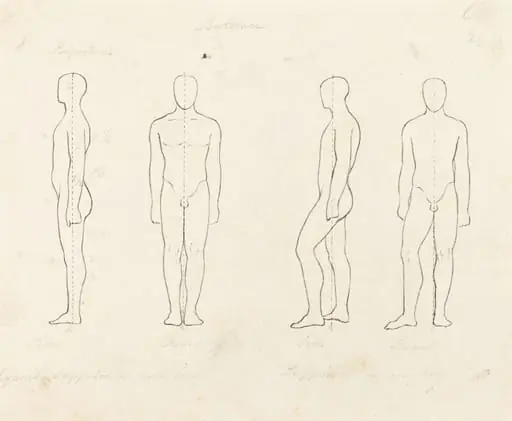 Extent of Motion, Front and Side View Equipoised, Supported on One Leg
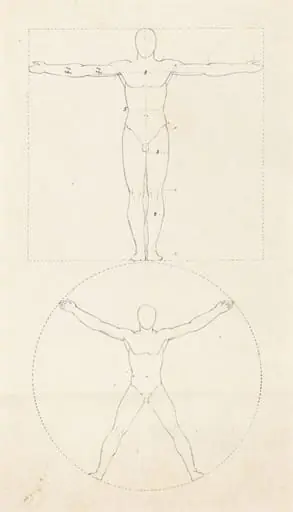 Circle and Square of the Human Figure
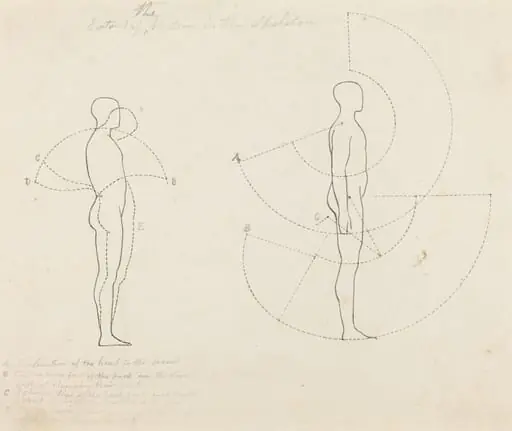 Extent of Motion Shown in Two Figures
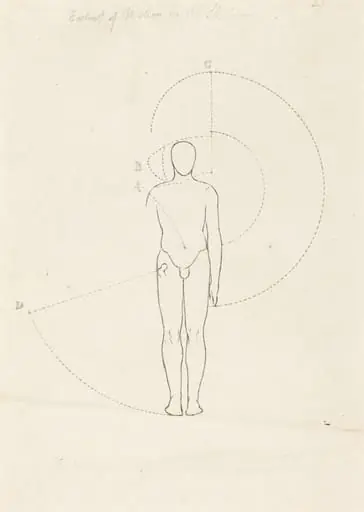 Extent of Motion, One Figure
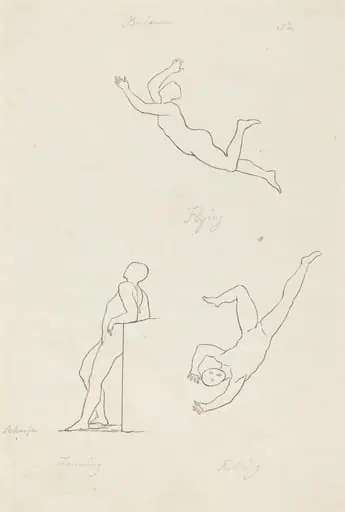 Leaning, Flying and Falling
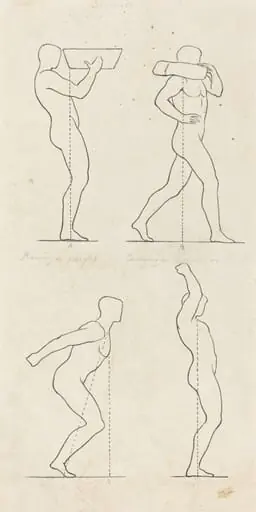 Bearing a Weight; Preparing to Jump, and Alighting
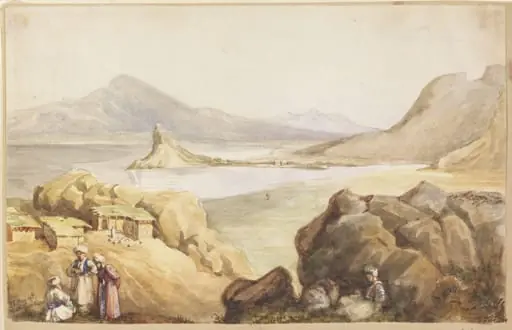 Gule-Hissa Ovassy in the Northern part of Lycia
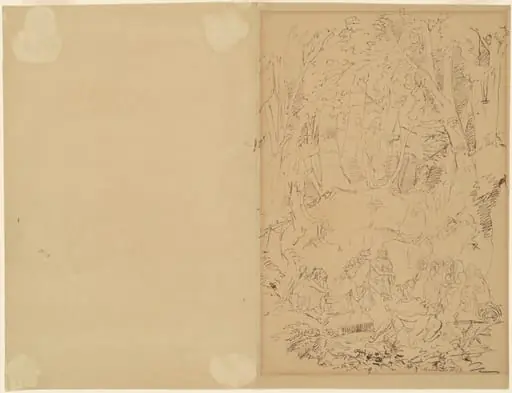 Eighteenth-Century Colonist Preaching to Indians
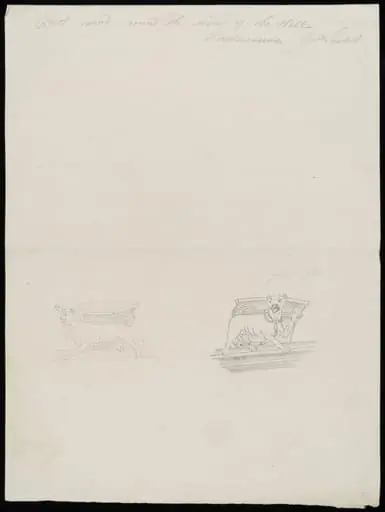 Sketches of corbel in Hall.
![View of a Mountain [verso], by Jasper Francis Cropsey](https://artifactworldgallery.com/img/jasper-francis-cropsey--view-of-a-mountain-verso--53dd196ec5bcb19f-w320.webp) View of a Mountain [verso]
View of a Mountain [verso]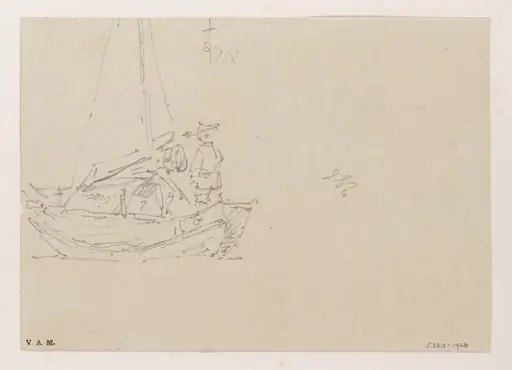 A sketch of a Chinese figure standing in a Tanka boat
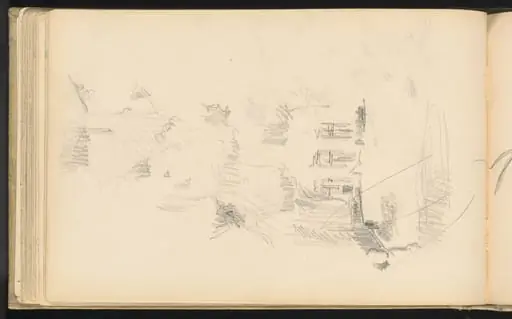 House Surrounded by Vegetation
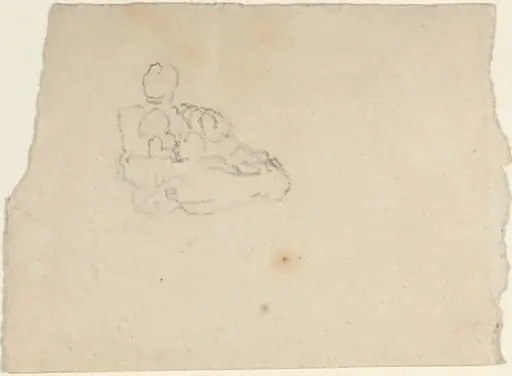 Group of Figures
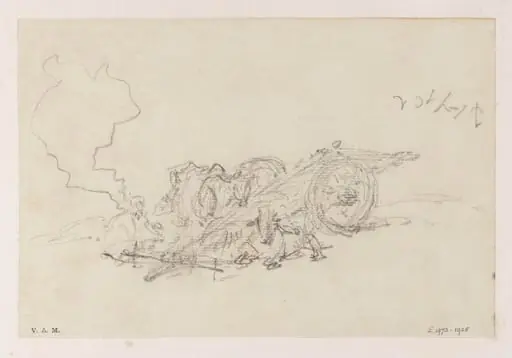 An Indian cart
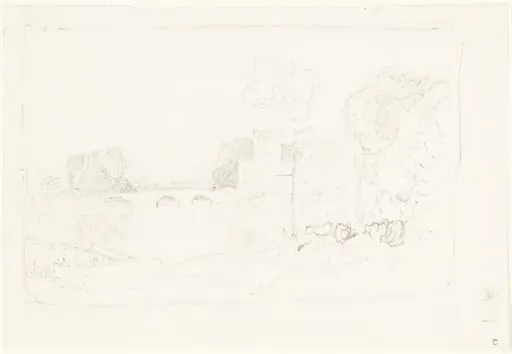 Landscape Sketch with Bridge and Castle
 Study for a Lunette
![Study of an Interior [verso], by Walter Shirlaw](https://artifactworldgallery.com/img/walter-shirlaw--study-of-an-interior-verso--ae90136ae4907dbf-w320.webp) Study of an Interior [verso]
Study of an Interior [verso] Coast Scenery
 A small building and trees on a hillside, Macau