Artwork
Joseph Pennell, No. 2
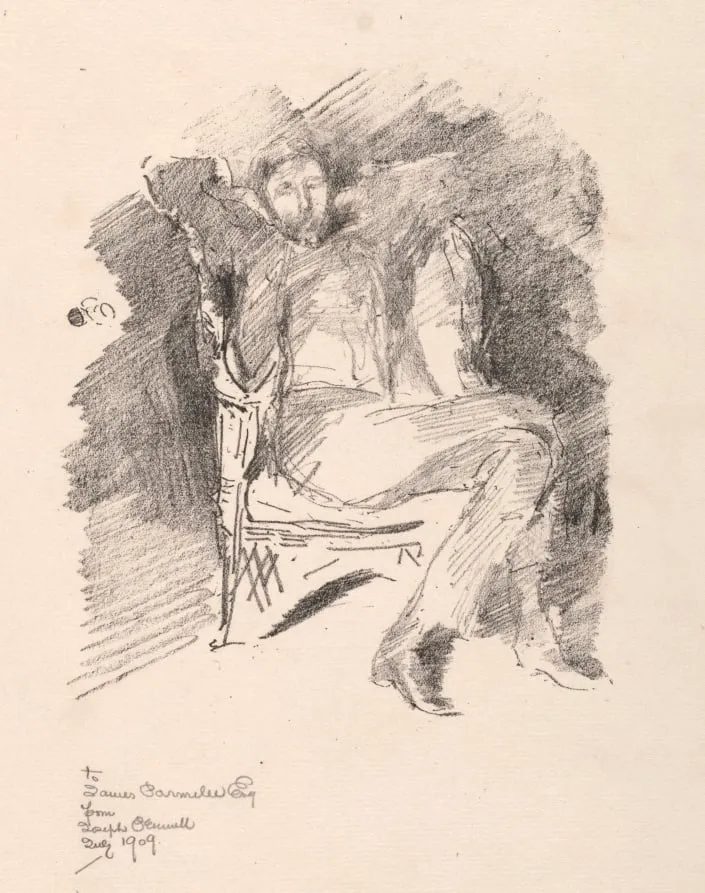
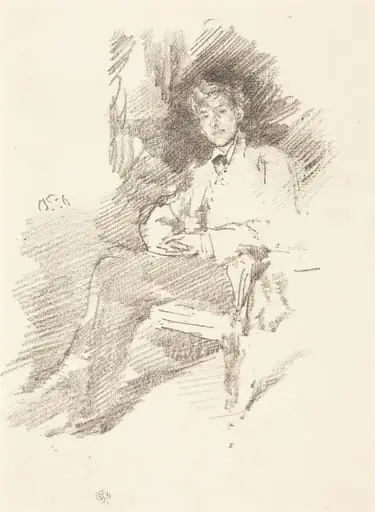
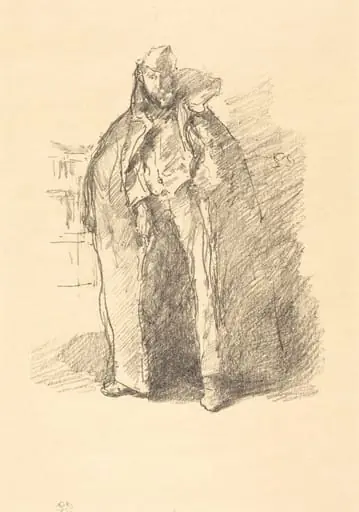
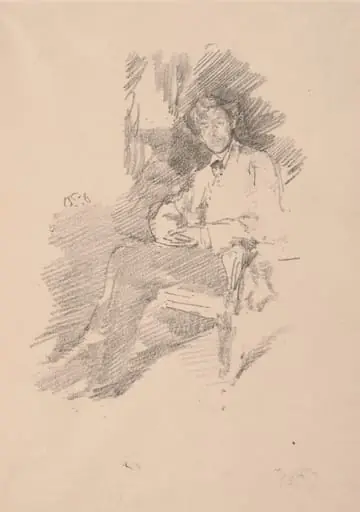
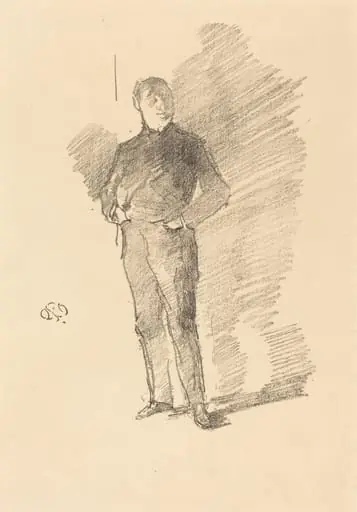
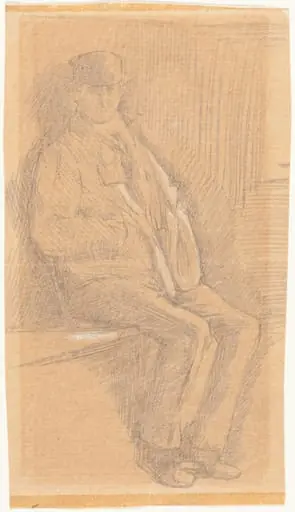
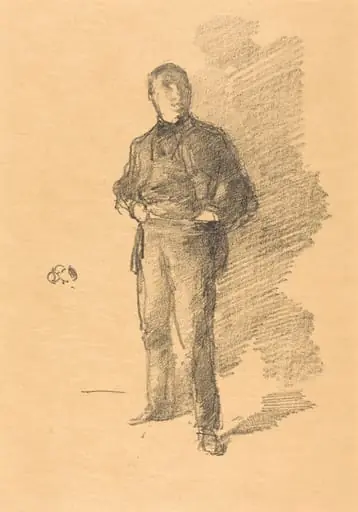
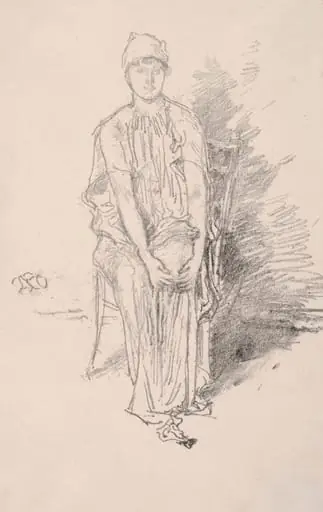
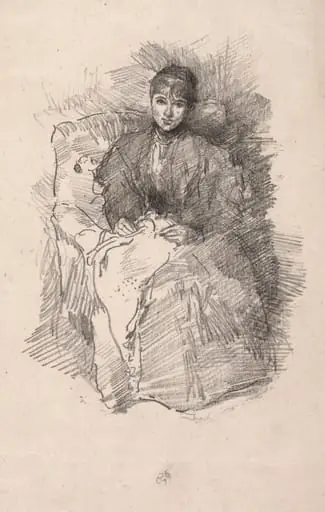
Joseph Pennell, No. 2 is a print by the Impressionist artist James McNeill Whistler. It dates from 1896 and is held in the collection of the Cleveland Museum of Art. This print, titled No.
About this work
Overview
This print, titled No. 2, was produced by Joseph Pennell in 1896. Though sometimes misattributed to James McNeill Whistler, it is a drypoint etching by Pennell, part of a series capturing figures in quiet contemplation. The work is held in the collection of The Cleveland Museum of Art, where it is recognized for its intimate scale and tonal precision.
Subject & Meaning
The figure is a man seated in a chair, dressed in formal attire, with a beard and a cane resting in his right hand. His posture suggests stillness, perhaps introspection or weariness. The absence of narrative detail invites interpretation, framing the subject not as a portrait of identity but as a study of presence and solitude within a confined space.
Technique & Style
Pennell employed drypoint etching to achieve rich, velvety blacks and subtle gradations of tone. The background is rendered in deep shadow, while the man’s face and hands are lightly incised to catch the light, creating a strong chiaroscuro effect. The lines are deliberate yet fluid, emphasizing texture in fabric and skin without excessive detail.
History & Provenance
Created in 1896, this print belongs to a small group of figure studies Pennell made during his time in London. It entered The Cleveland Museum of Art’s collection in the early 20th century, likely through a donation or acquisition focused on American printmakers. Its attribution has been clarified over time, distinguishing it from Whistler’s more famous portraits.
Context
Pennell was part of a generation of American artists revitalizing printmaking as a serious medium. In the 1890s, he and others turned to intimate, tonal etchings as a counterpoint to industrial imagery. This work reflects a broader interest in psychological depth and quiet realism, influenced by European traditions but grounded in American sensibilities.
Legacy
No. 2 exemplifies Pennell’s contribution to the American etching revival. Though less widely known than his architectural views, this figure study demonstrates his mastery of mood through minimal means. It remains a reference point for understanding how late 19th-century printmakers used restraint to convey emotional resonance.
Artist & collection
Artist
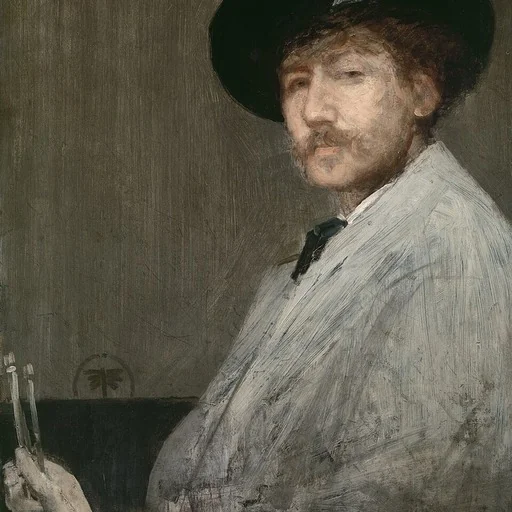
James Abbott McNeill Whistler was an American painter in oils and watercolor, and printmaker, active during the American Gilded Age and based primarily in the United Kingdom.

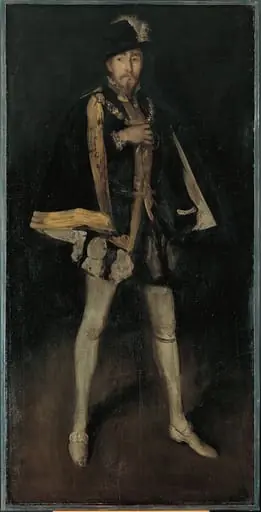 Arrangement in Black, No. 3: Sir Henry Irving as Philip II of Spain
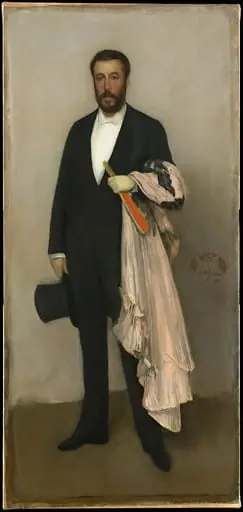 Arrangement in Flesh Colour and Black: Portrait of Theodore Duret
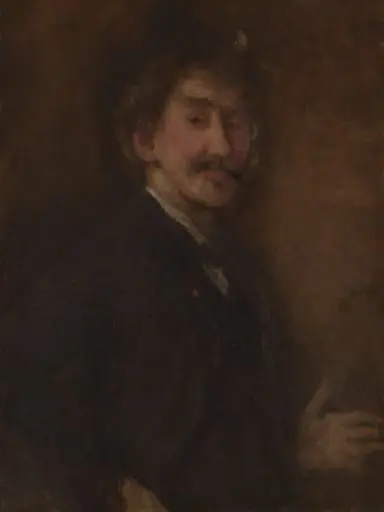 Gold and Brown: Self-Portrait
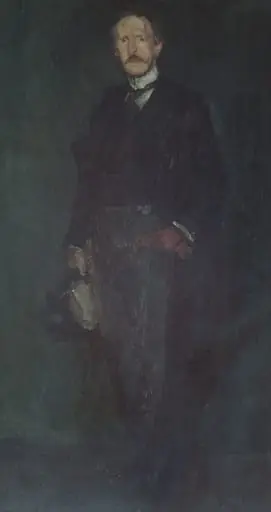 Edward Guthrie Kennedy
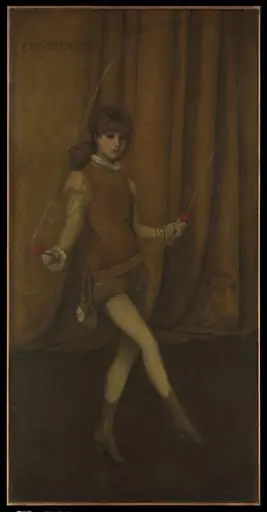 Harmony in Yellow and Gold: The Gold Girl—Connie Gilchrist
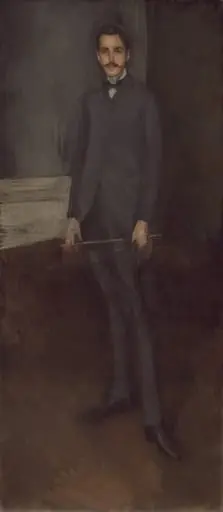 George W. Vanderbilt
 Symphony in White, No. 1: The White Girl
 Henry Irving as Philip II of Spain