Artwork
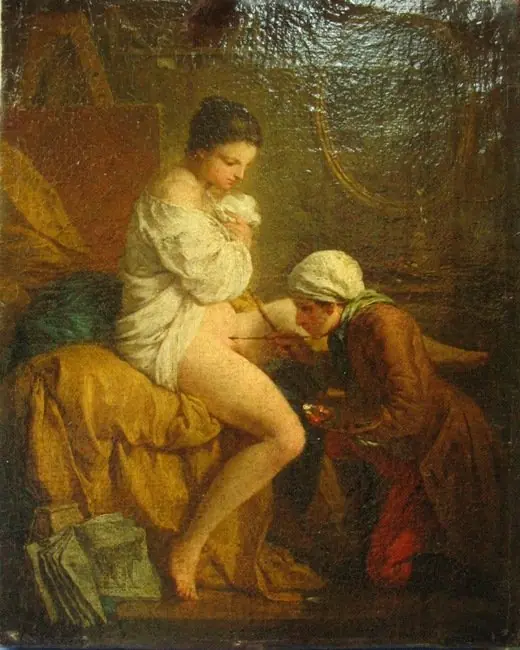
The enema
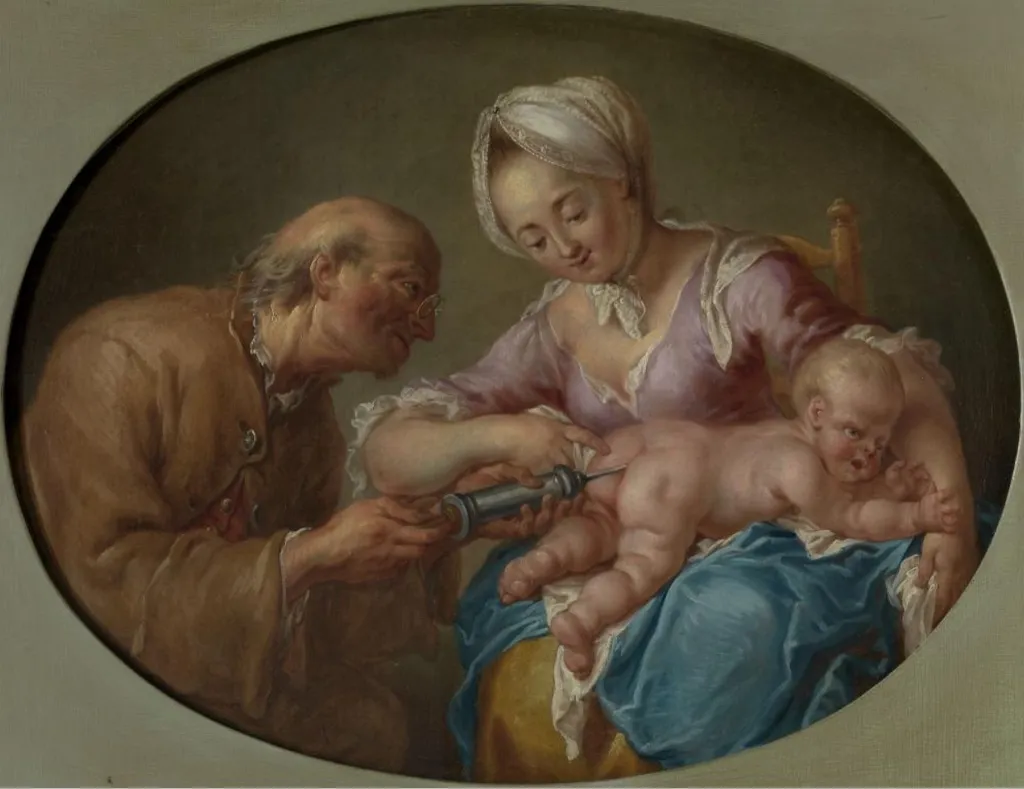
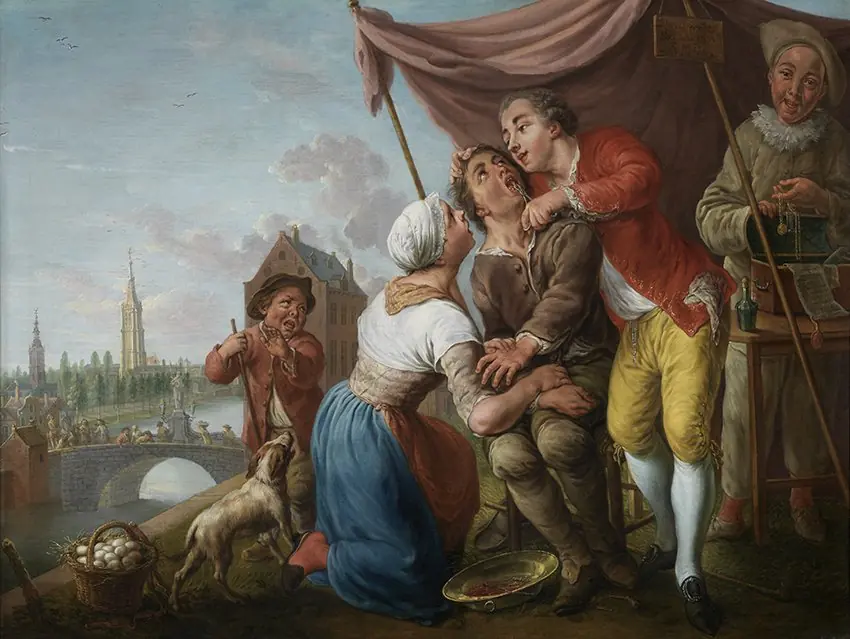
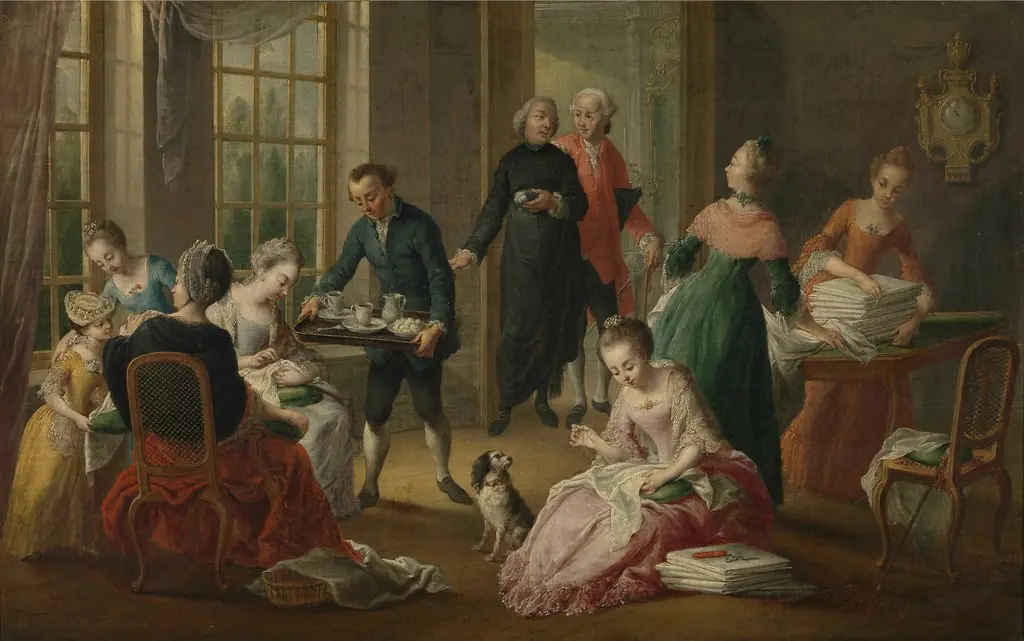
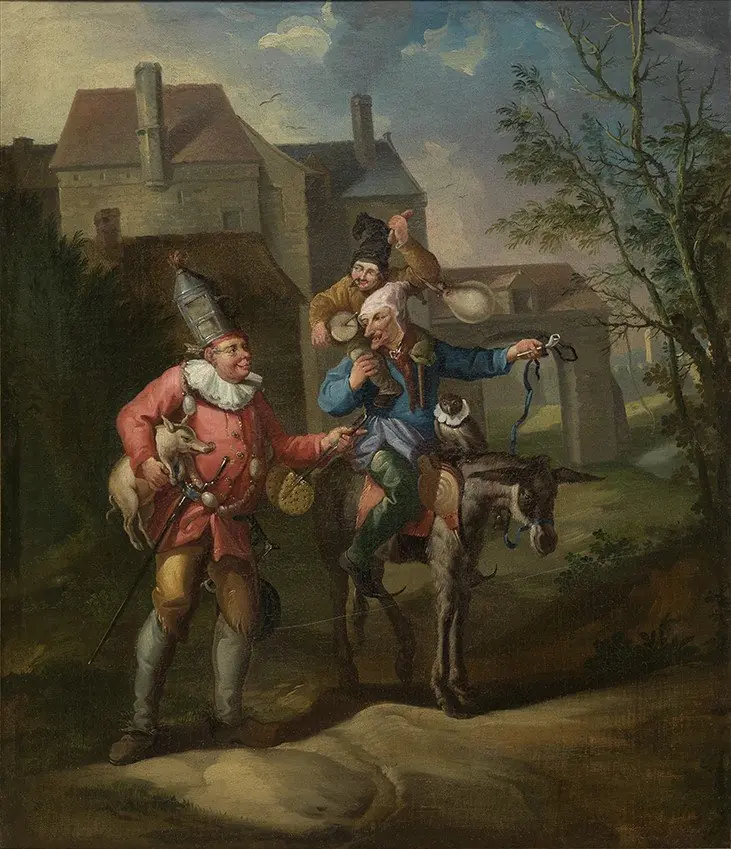
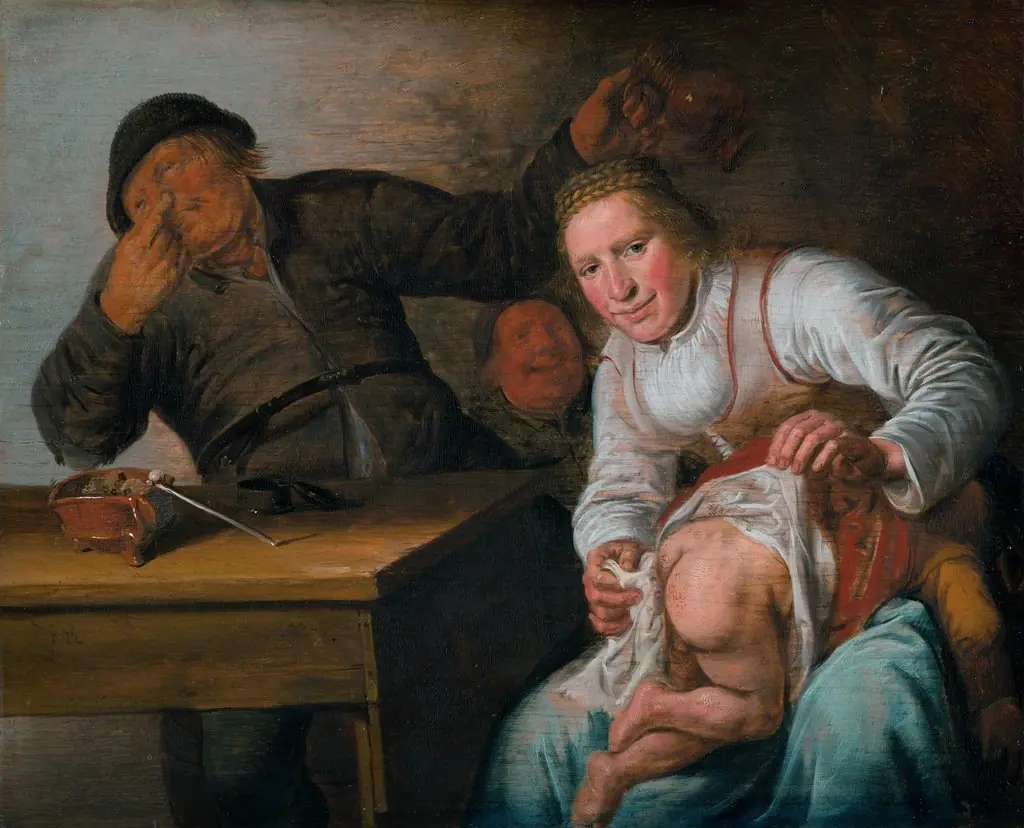
The enema is an oil painting by the Rococo painting artist Jan Anton Garemyn. It dates from 1790 and is held in the collection of the Groeningemuseum.
About this work
Overview
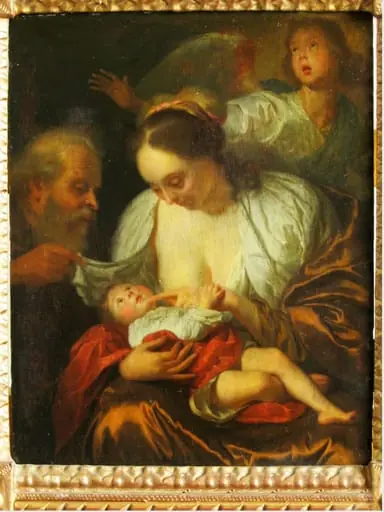
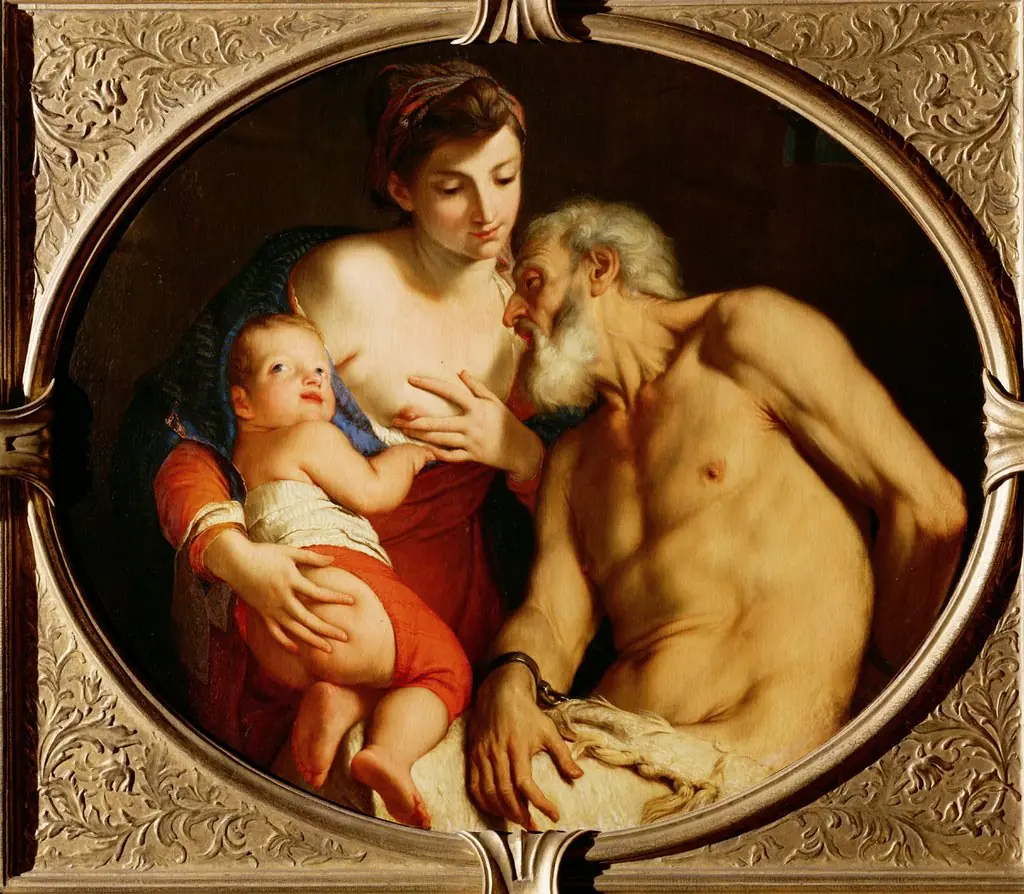
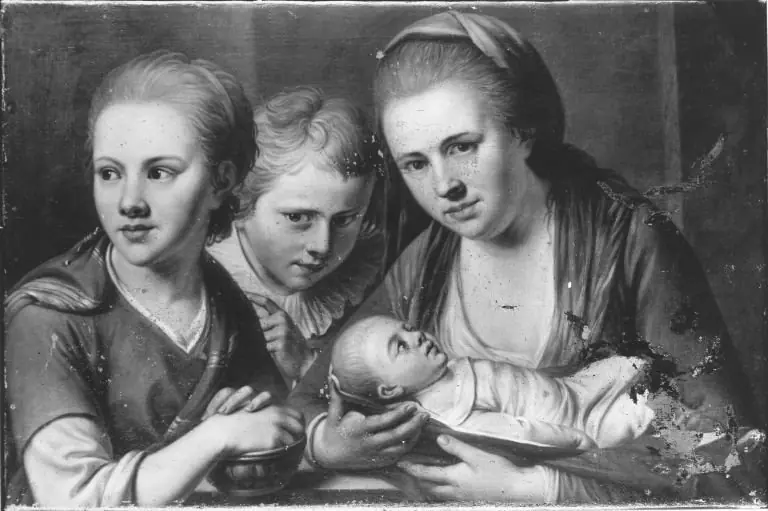
The enema is an oil painting created in 1790 by Jan Anton Garemyn, a Flemish artist and educator associated with the Rococo movement. The work depicts a domestic scene of an infant receiving an enema, characteristic of Garemyn's focus on everyday life.
Subject & Meaning
The painting shows a woman administering an enema to a naked infant on her lap, assisted by an older man holding the baby. The scene's mundane subject matter reflects Garemyn's inclination towards lighthearted, intimate portrayals of daily activities.
Technique & Style
Garemyn employed a restrained color palette and straightforward composition, setting the figures against a plain background to emphasize the central action. This approach is consistent with Rococo's emphasis on clarity and domesticity.
History & Provenance
Jan Anton Garemyn, also director of the Bruges art academy, played a role in the city's 18th-century artistic revival. The enema is now part of the Groeningemuseum's collection in Bruges.
Context
As a Rococo work, The enema aligns with the movement's themes of everyday life and subtle humor, though its specific subject is unusual. Garemyn's dual role as artist and educator influenced Bruges' cultural landscape.
Artist & collection
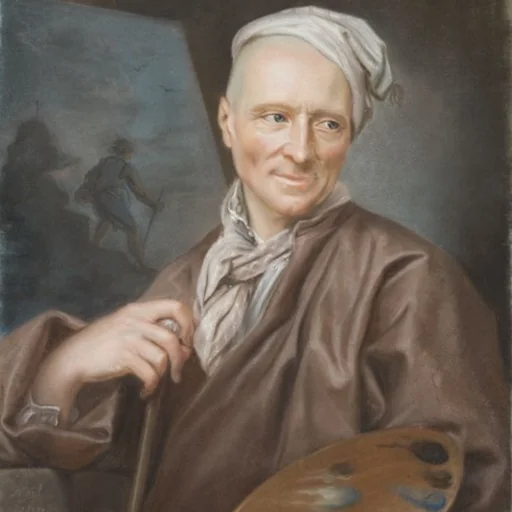
Artist
Jan Anton Garemijn or Jan Anton Garemyn (15 April 1712, Bruges – 23 June 1799, Bruges) was a Flemish painter and engraver and draftsman.