Artwork
The Edict[s] of Charles V
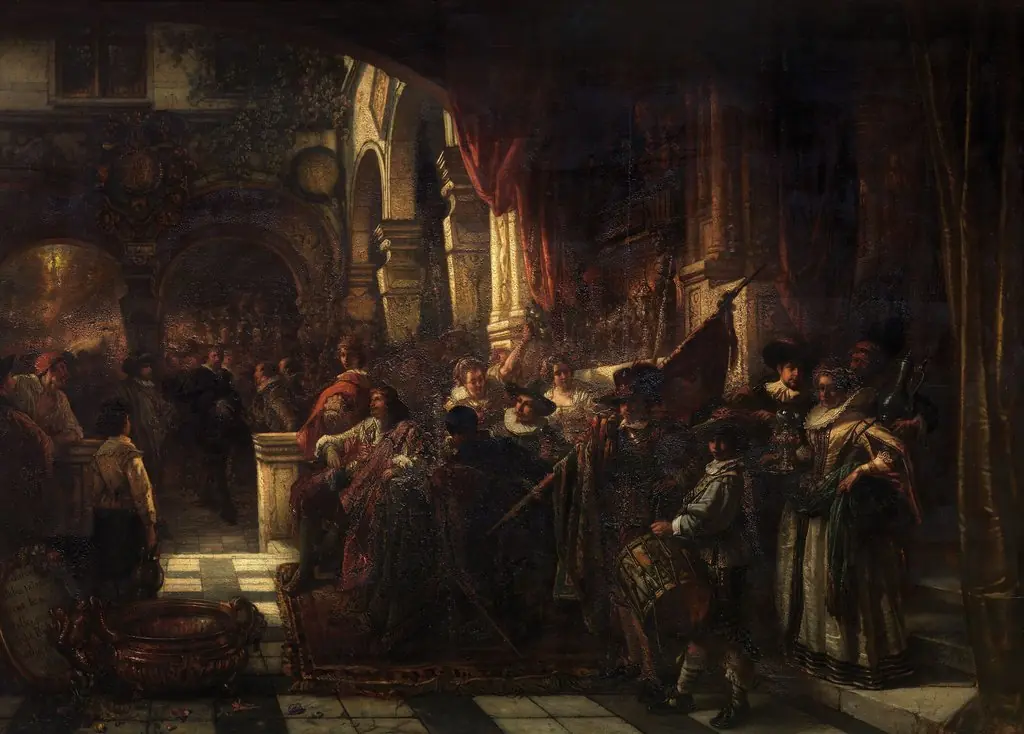
![The Edict[s] of Charles V, by Jan August Hendrik Leys, oil, 1861](https://artifactworldgallery.com/img/jan-august-hendrik-leys--the-edict-s-of-charles-v--2a8256d5de786a24-w1024.webp)
The Edict[s] of Charles V is an oil painting by Jan August Hendrik Leys. It dates from 1861 and is held in the collection of the Walters Art Museum.
About this work
Overview
Leys, initially associated with Romanticism, had by this time shifted toward a more precise, observational style.
Painted in 1861 by Belgian artist Henri Leys, *The Edict[s] of Charles V* is an oil-on-canvas work depicting a public reading of imperial decrees in a historic European town. Leys, initially associated with Romanticism, had by this time shifted toward a more precise, observational style. The painting is part of the Walters Art Museum’s collection and exemplifies his commitment to historical accuracy and atmospheric detail in scenes of civic life.
Subject & Meaning
The scene captures a moment when an official reads aloud an edict issued by Emperor Charles V, likely concerning governance or religious policy. A crowd of townspeople, dressed in 16th-century attire, gathers in a cobblestone square, their expressions and postures suggesting varied reactions—attention, deference, curiosity. The focus on a public proclamation underscores themes of authority, civic duty, and the transmission of power in early modern society.
Technique & Style
Leys employs a restrained palette of earth tones—browns, beiges, and muted reds—to evoke the texture of aged stone and woolen garments. His brushwork is meticulous, rendering individual folds of fabric, facial features, and architectural details with quiet precision. Light falls naturally across the scene, modeling forms without dramatic contrast, reflecting his move away from Romantic theatricality toward a more documentary approach.
History & Provenance
Completed in 1861, the painting emerged during a period when Belgian artists were redefining historical narrative through empirical research. Leys consulted archival sources to ensure accurate costumes and settings. The work entered the Walters Art Museum’s collection in the early 20th century, where it remains as part of a broader effort to preserve 19th-century European historical painting.
Context
In mid-19th-century Belgium, there was a growing interest in national identity and historical continuity. Leys’s focus on the Habsburg era aligned with contemporary efforts to connect modern Belgian society with its medieval and early modern past. His work stood in contrast to idealized Romantic histories, instead offering grounded, socially nuanced portrayals of public life.
Legacy
Leys’s attention to historical detail and everyday realism influenced a generation of Belgian painters who sought to depict the past without embellishment. While not widely known outside Belgium, *The Edict[s] of Charles V* remains a key example of how 19th-century artists used historical subject matter to explore social structure and public ritual with quiet authority.
Artist & collection
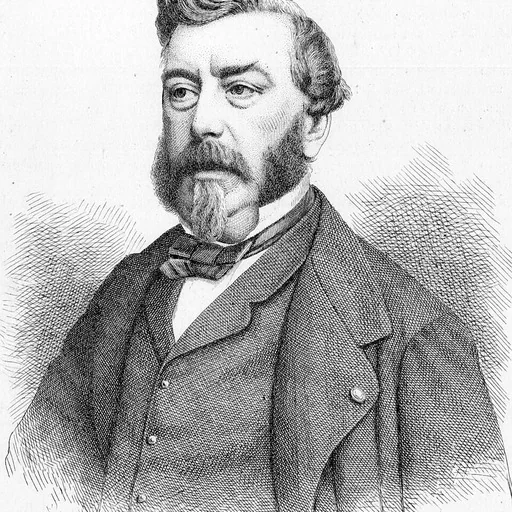
Artist
Henri Leys, Hendrik Leys or Jan August Hendrik, Baron Leys (18 February 1815 – 26 August 1869) was a Belgian painter and printmaker.

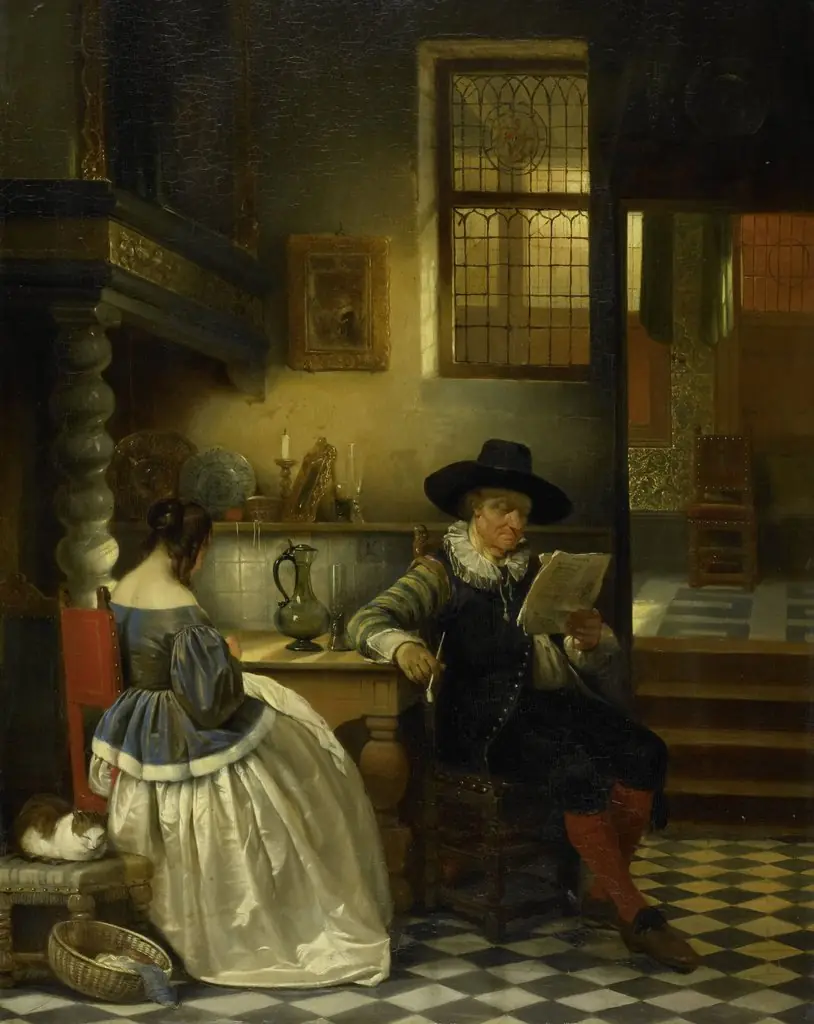
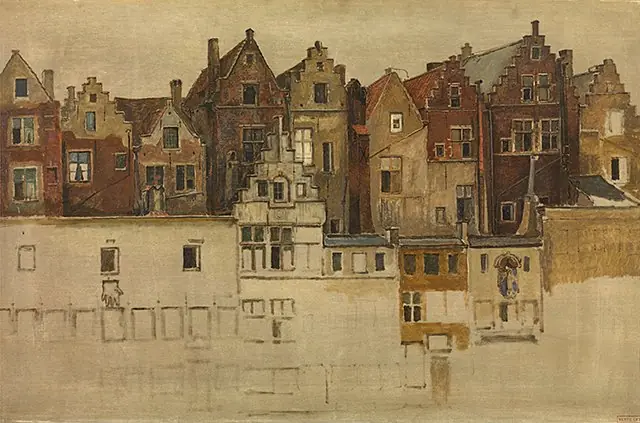
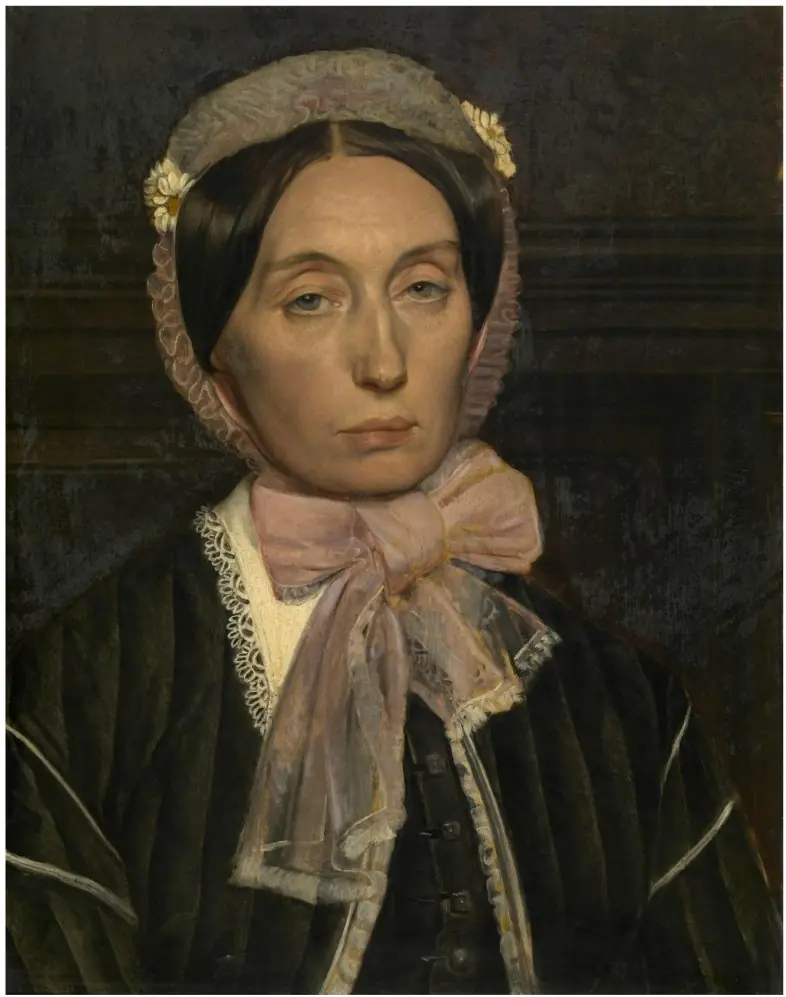
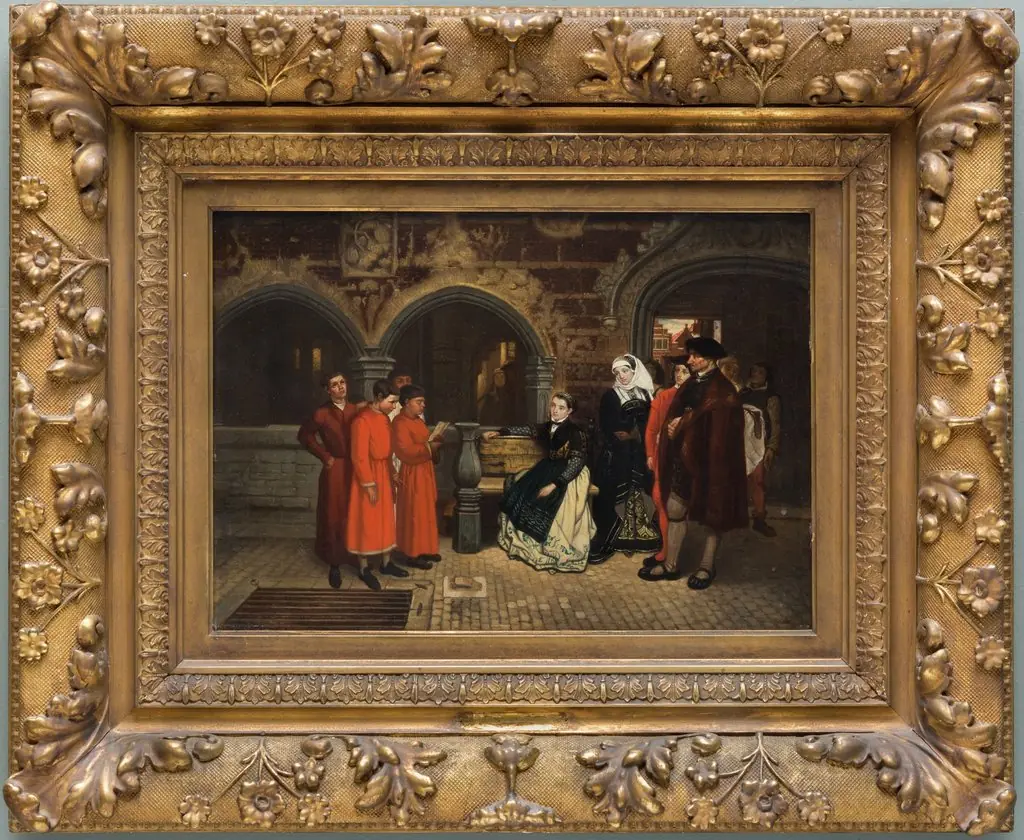
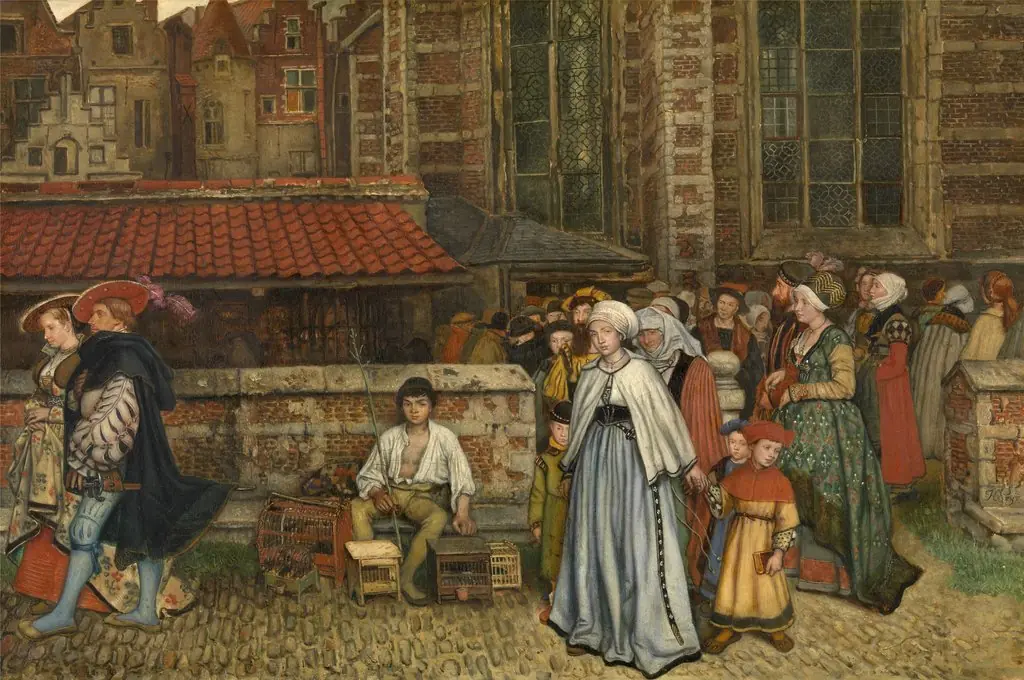 After Mass
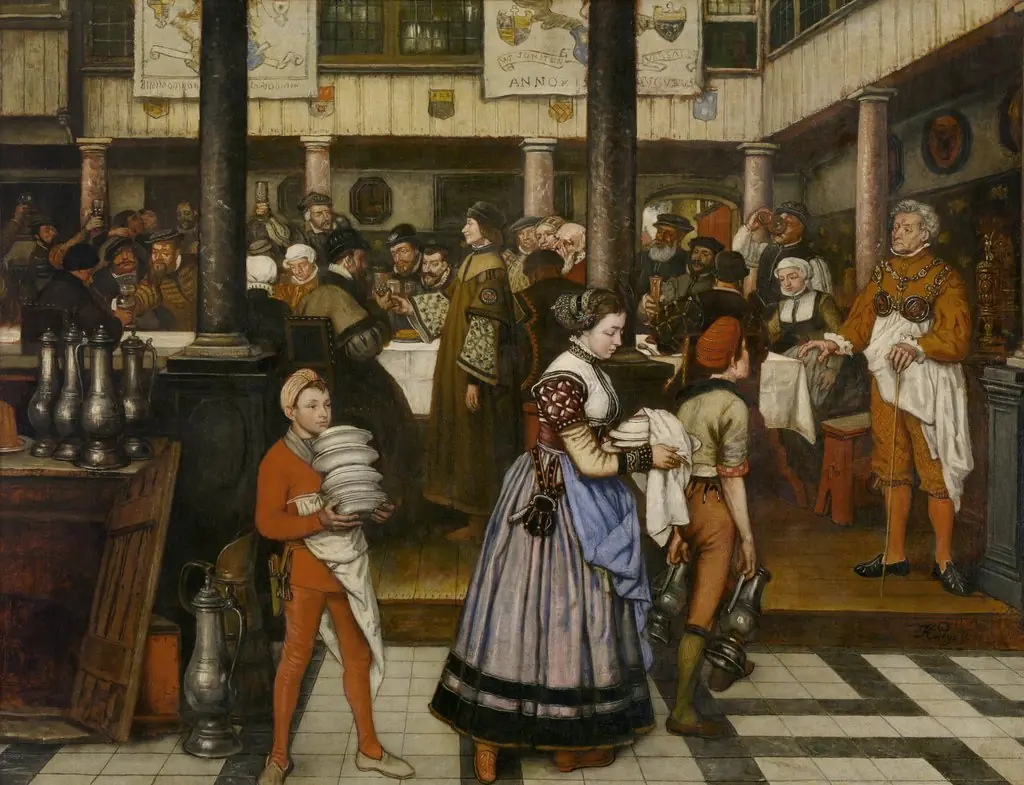 Frans Floris Attending a Banquet of the Guild of Saint Luke
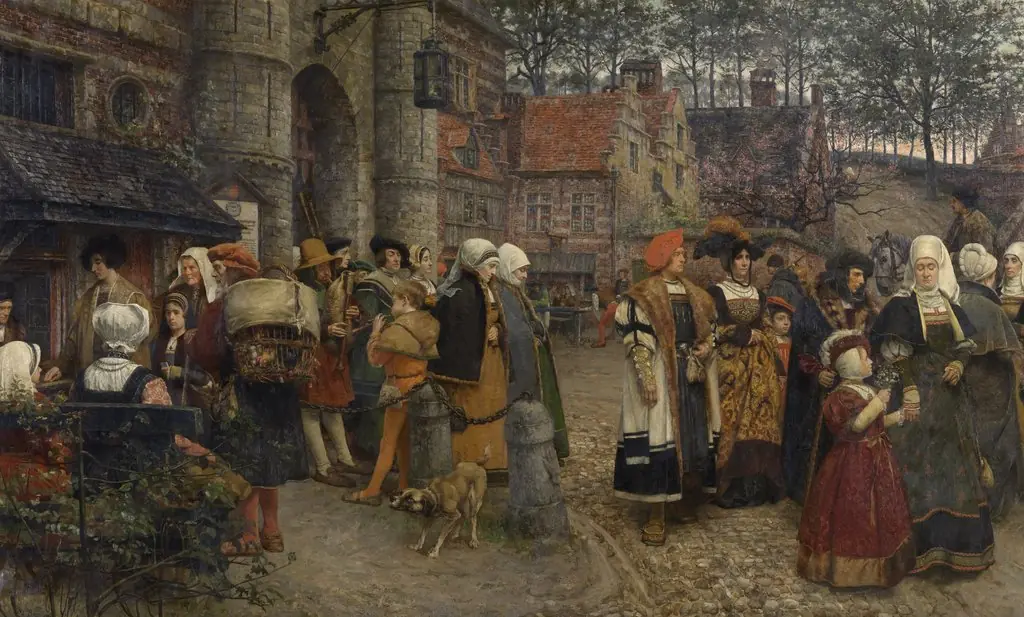 Within the Walls of Antwerp in 1550
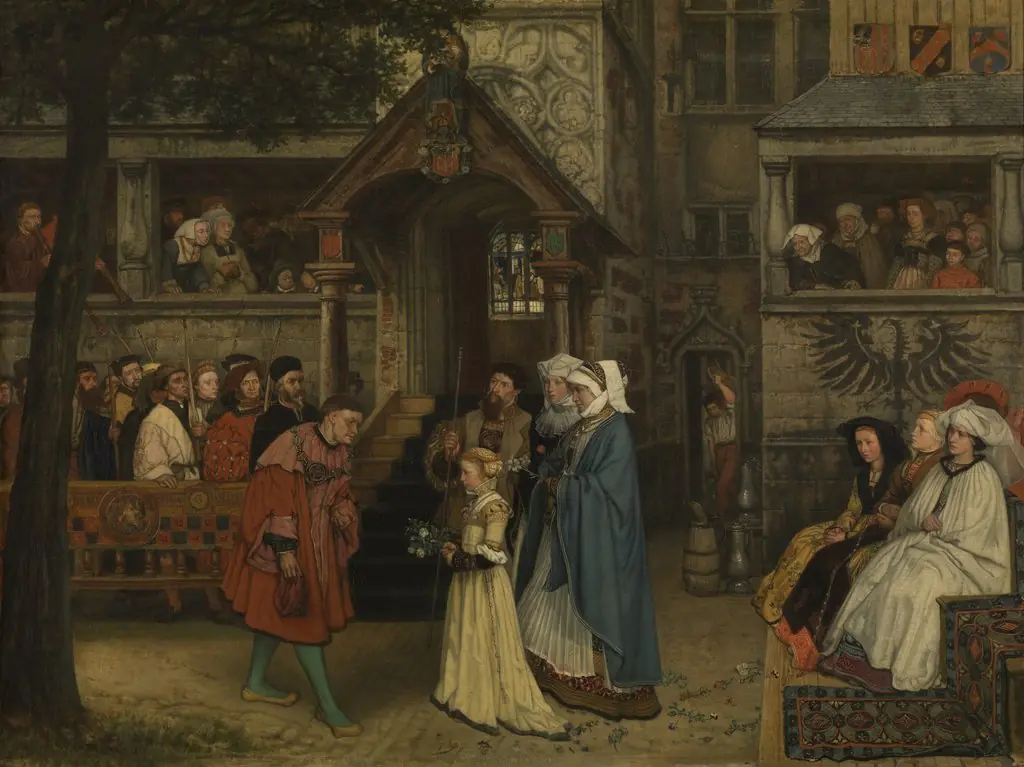 The Guild of the Archers Welcomes Margaret of Austria
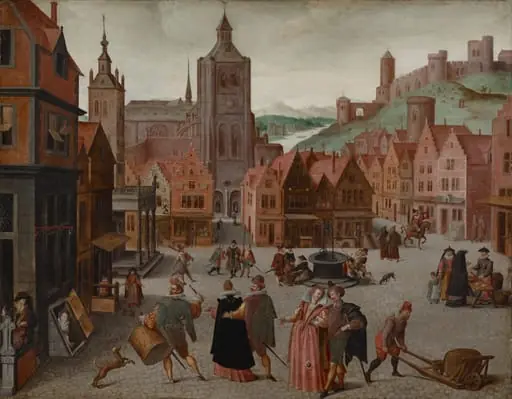 The Marketplace in Bergen op Zoom
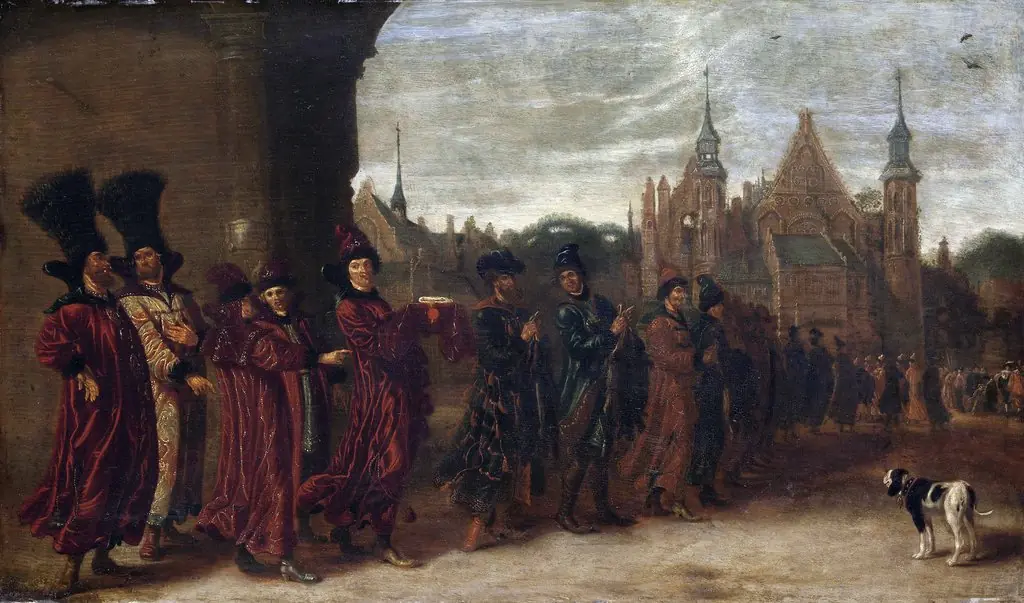 Russian ambassadors at the Binnenhof in The Hague
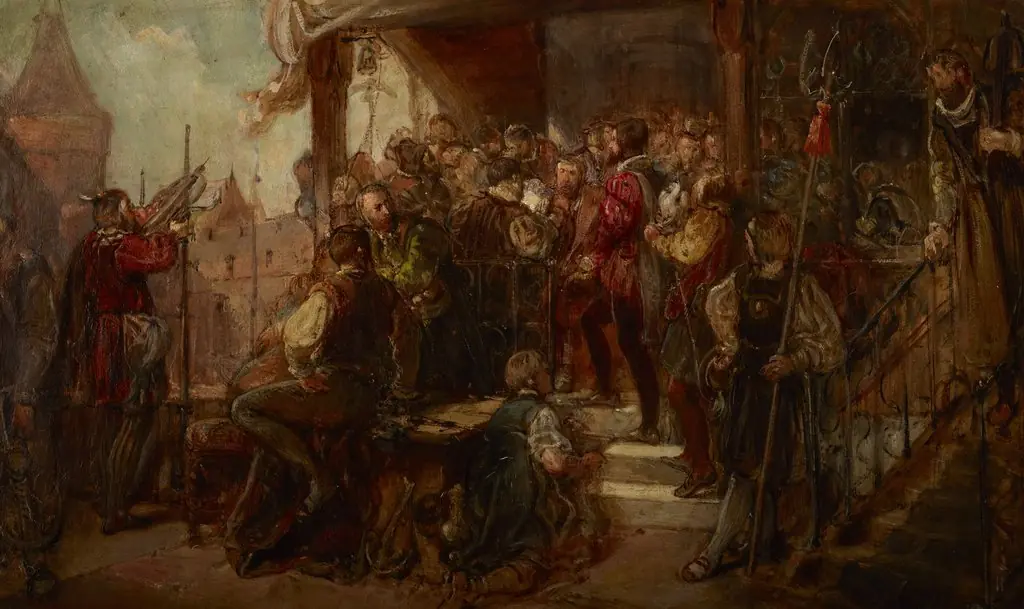 Presenting the Fowler to the Fowler Brotherhood (Sketch)
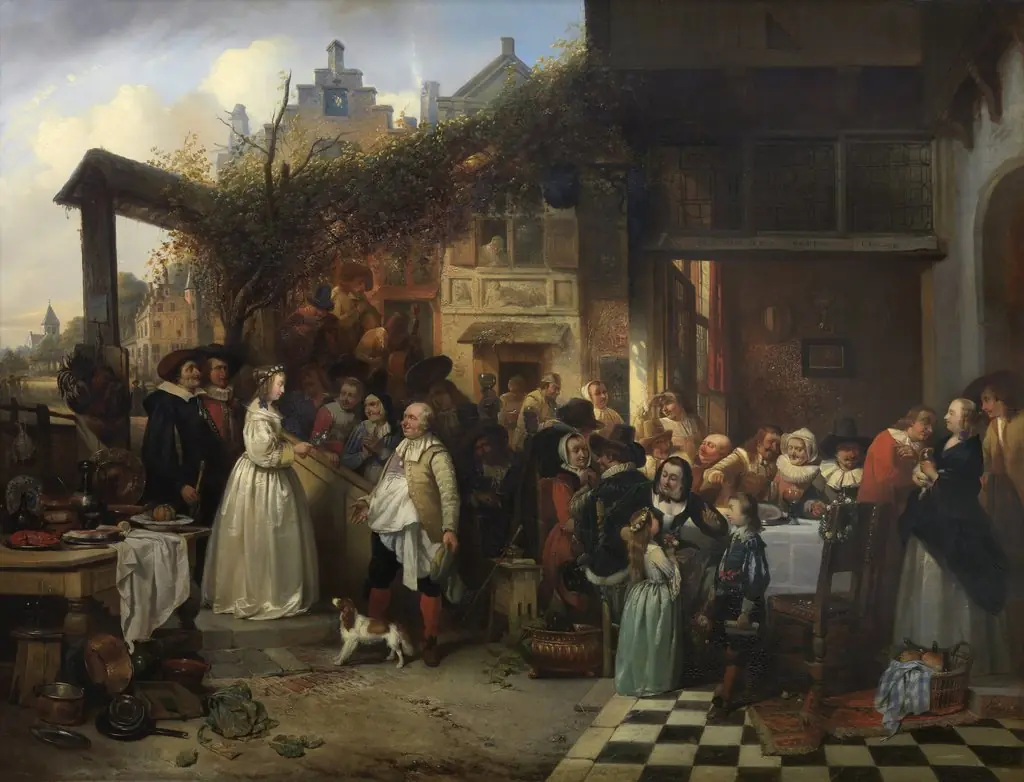 Wedding in Flanders in the Seventeenth Century
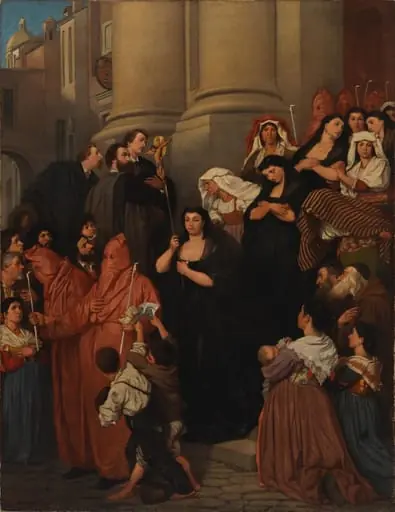 Juhlakulkue Roomassa
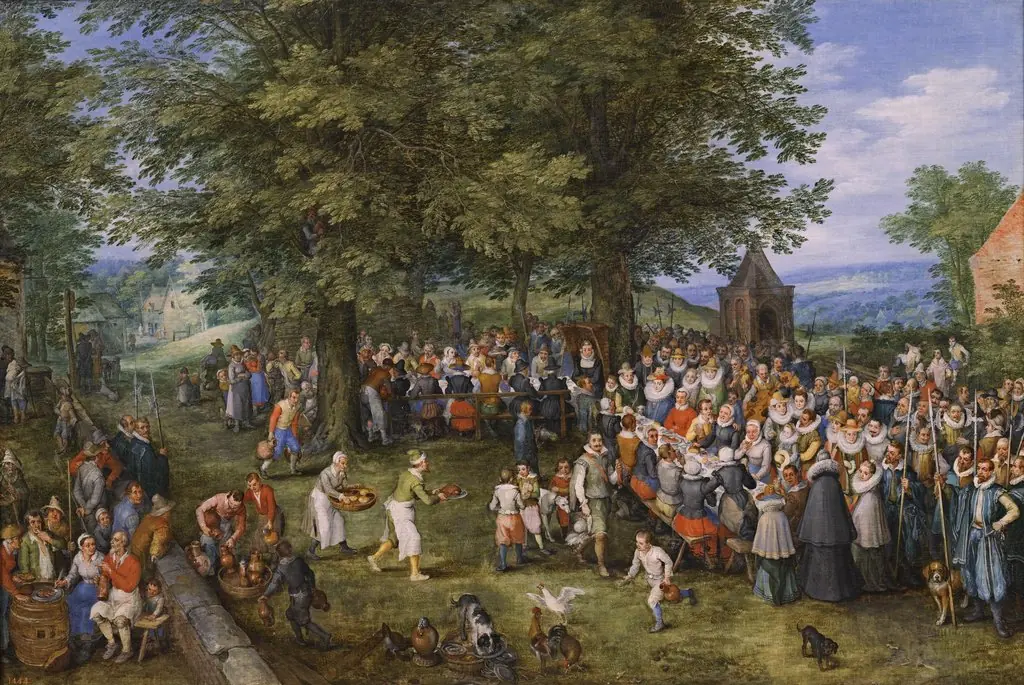 Wedding Banquet with the Archduke Albert and the Archduchess Isabel Clara Eugenia
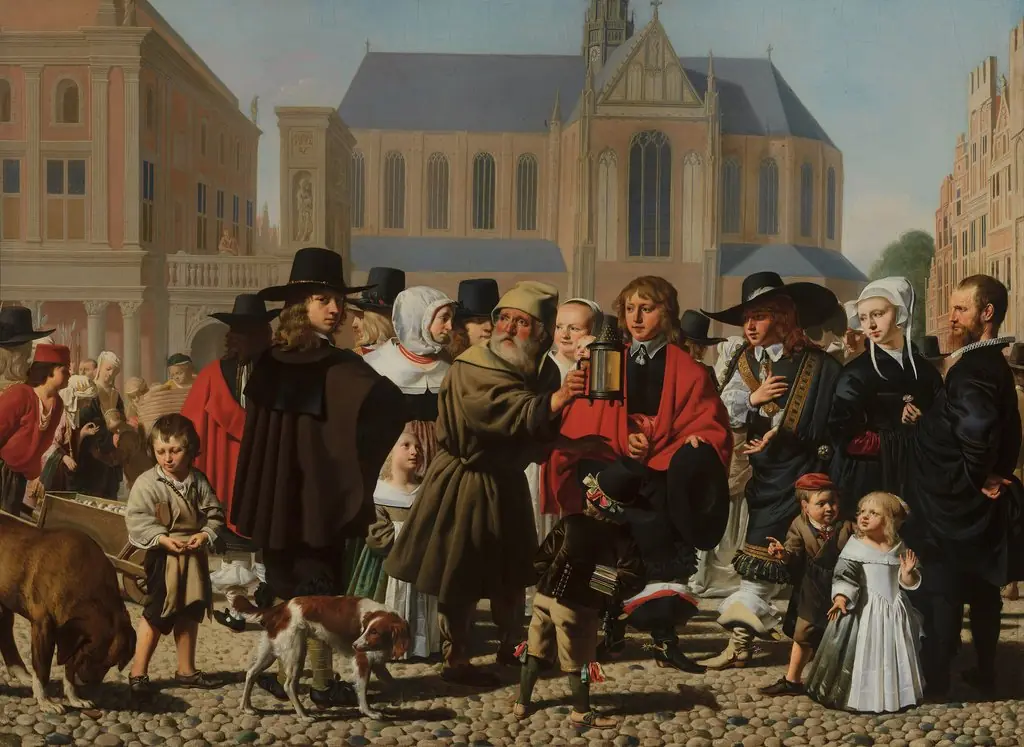 Allegorical portrait of the Steyn family as scene of Diogenes
 The Reception of Peter Paul Rubens by the Antwerp Arquebusiers