Artwork
Garden of the Academy of Fine Arts in Petersburg
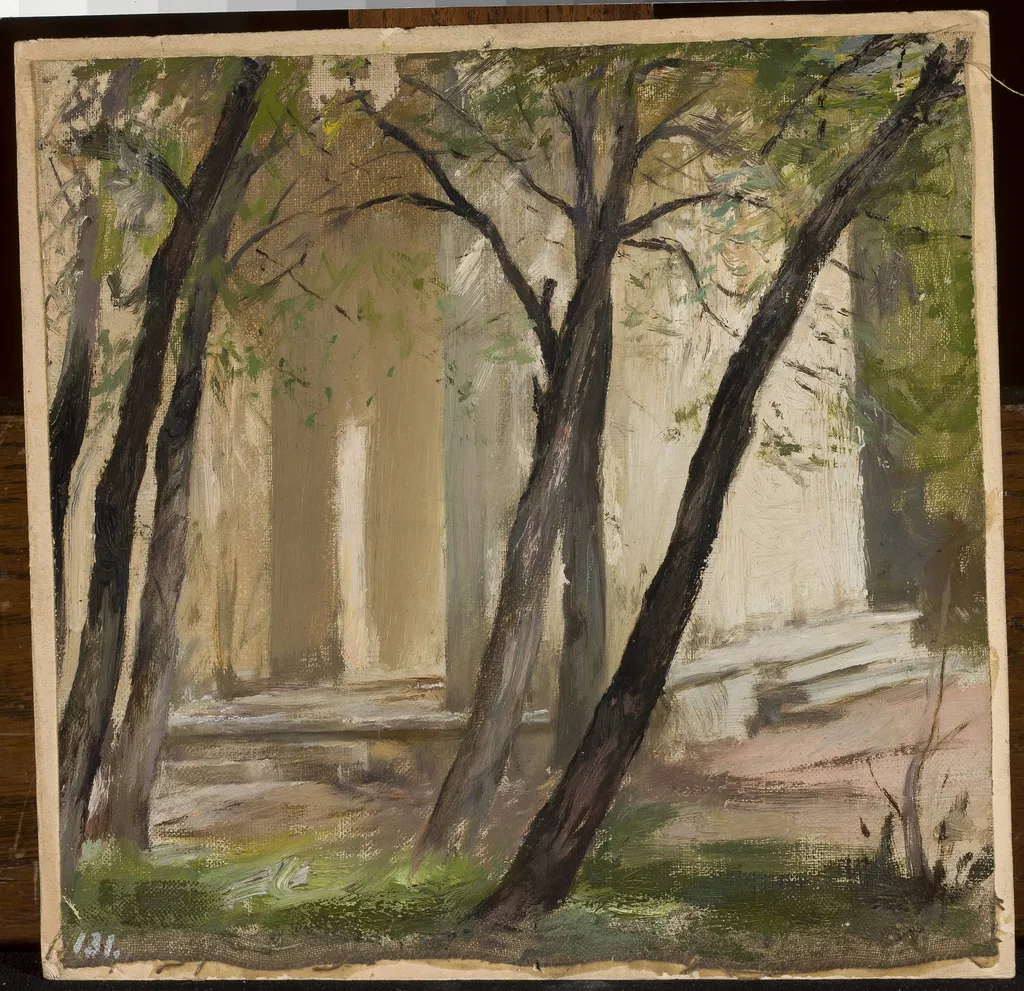
Garden of the Academy of Fine Arts in Petersburg is an unspecified painting by the Impressionist artist Jan Ciągliński. It dates from 1892 and is held in the collection of the National Museum in Warsaw.
About this work
Overview
The painting is now part of the National Museum in Warsaw’s collection, representing a rare early instance of Impressionist sensibility in Russian art circles.
Painted in 1892 by Polish artist Jan Ciągliński, this work captures a quiet corner of the Academy of Fine Arts garden in St. Petersburg. Executed during the late imperial period, it reflects Ciągliński’s engagement with contemporary European trends while rooted in the local environment. The painting is now part of the National Museum in Warsaw’s collection, representing a rare early instance of Impressionist sensibility in Russian art circles.
Subject & Meaning
The scene portrays a secluded garden pathway, framed by mature trees and soft earth tones. No figures are present, emphasizing solitude and stillness. The composition invites contemplation rather than narrative, suggesting a meditation on nature within an institutional setting. The absence of human activity underscores a quiet reverence for the cultivated landscape, aligning with broader 19th-century ideals of nature as refuge.
Technique & Style
Ciągliński employed loose, textured brushwork to render foliage and ground, avoiding sharp outlines in favor of atmospheric modulation. Colors are muted—olive greens, ochres, and browns—creating a harmonious, earthbound palette. Light is diffused, not dramatic, and shadows are rendered with subtle gradations. The technique avoids academic precision, instead favoring sensory immediacy, a hallmark of Impressionist practice adapted to a northern climate.
History & Provenance
Created during Ciągliński’s years in St. Petersburg under Tsar Alexander III, the painting reflects his position within the city’s artistic community. Though Polish by birth, he was active in Russian academic circles. The work remained in private hands until entering the National Museum in Warsaw’s collection, where it is now preserved as a significant example of cross-cultural artistic exchange in the late Russian Empire.
Context
In the 1890s, Russian artists began moving away from academic realism toward more spontaneous, light-sensitive approaches. Ciągliński’s garden scene aligns with this shift, though it lacks the vibrant chromaticism of French Impressionism. Its subdued tones and intimate scale reflect both regional aesthetics and the restrained cultural climate of late imperial Russia, where overt innovation was often tempered by institutional conservatism.
Legacy
While not widely known outside specialist circles, this painting is recognized as an early bridge between Russian academic traditions and emerging modernist tendencies. It contributes to the understanding of how Impressionist ideas were absorbed and localized beyond Western Europe. Ciągliński’s work remains a quiet but important reference in the development of national art identities within the Russian Empire’s multicultural framework.
Artist & collection
Artist
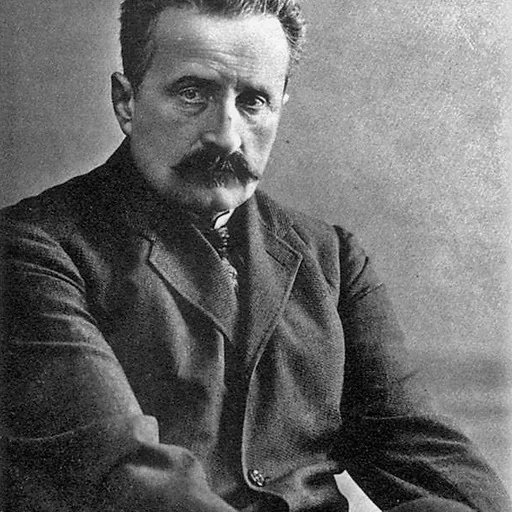
Jan Ciągliński (Polish: ; Russian: Ян/Иван Францевич Ционглинский, romanized: Yan/Ivan Frantsevich Tsionglinskiy; 20 February 1858 – 6 January 1913) was a Polish painter, active in St.

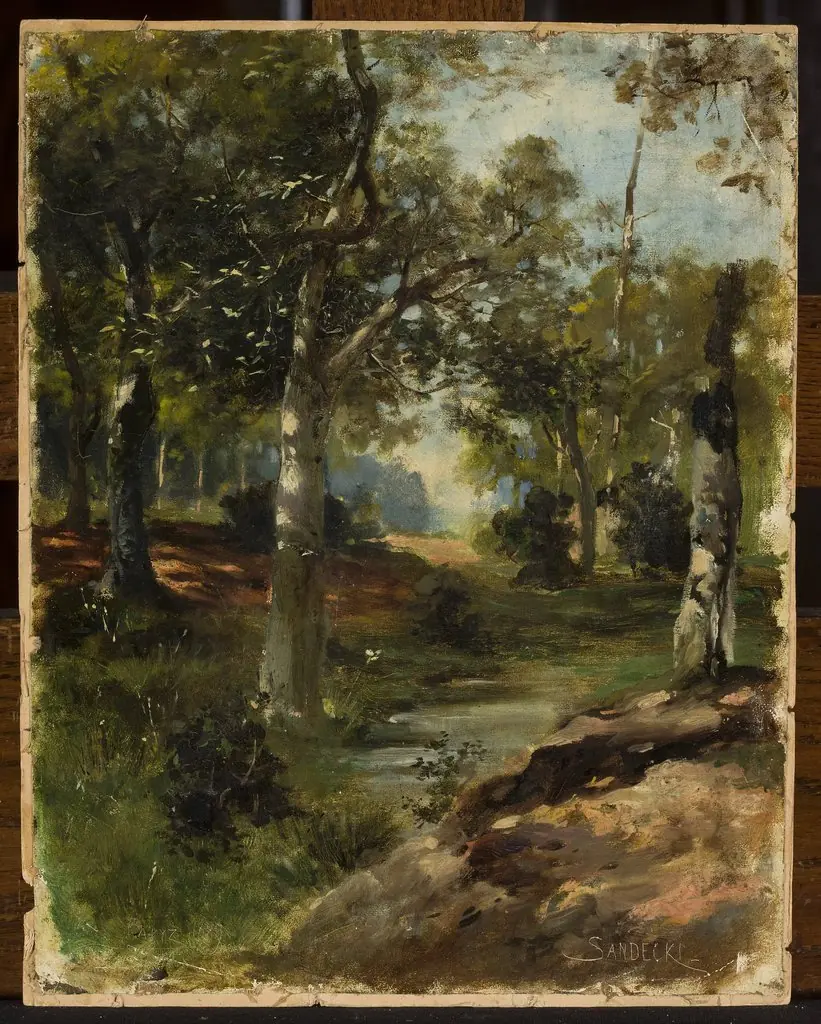 Landscape
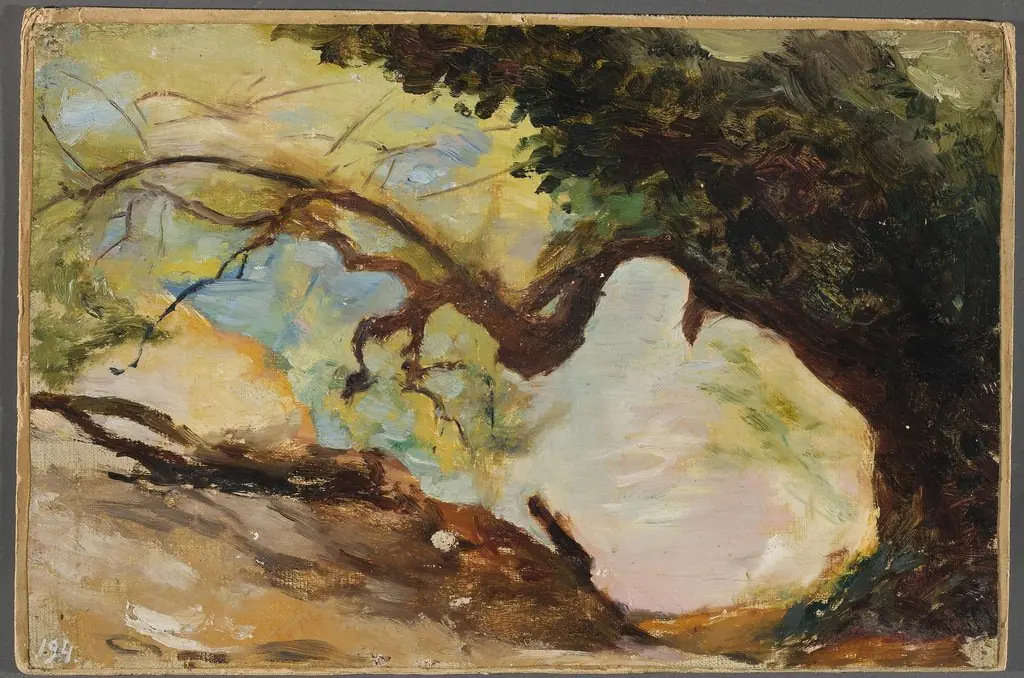 Trees in Alupka. From the journey to Crimea
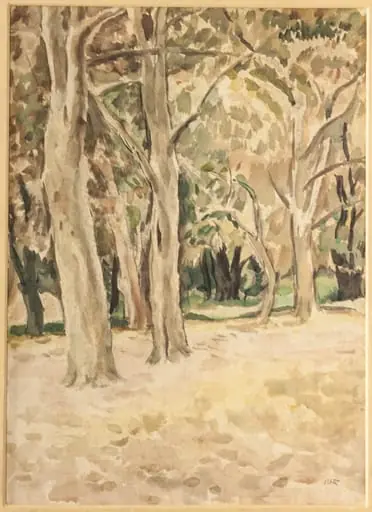 Pădure
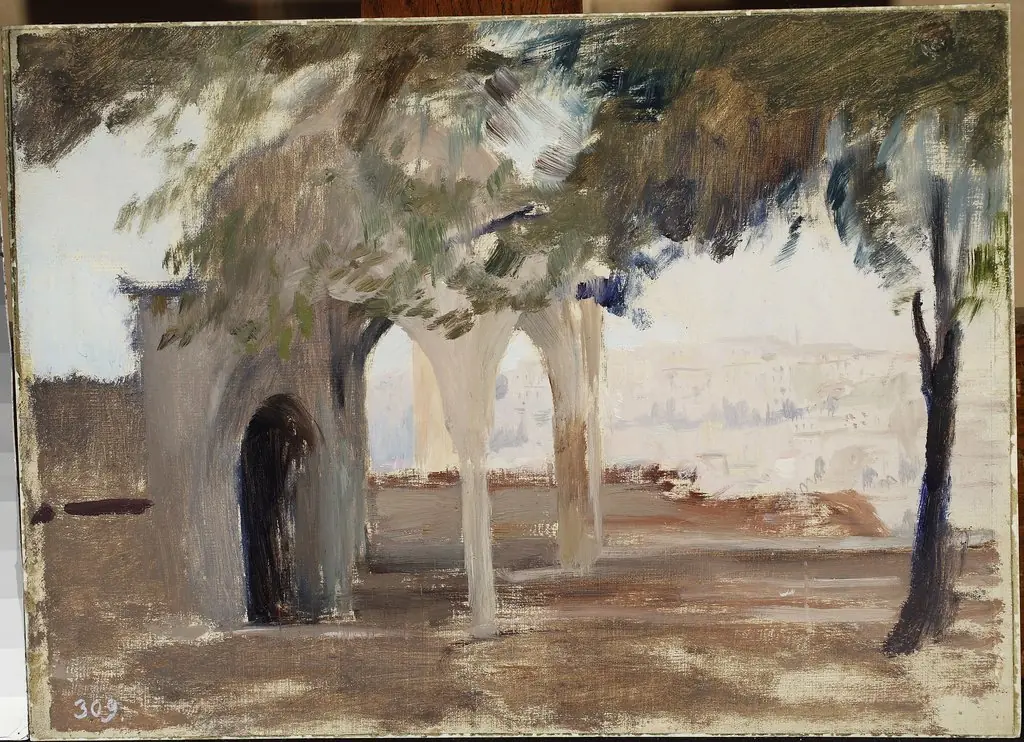 View of Pera from Istanbul. From the journey to Constantinople
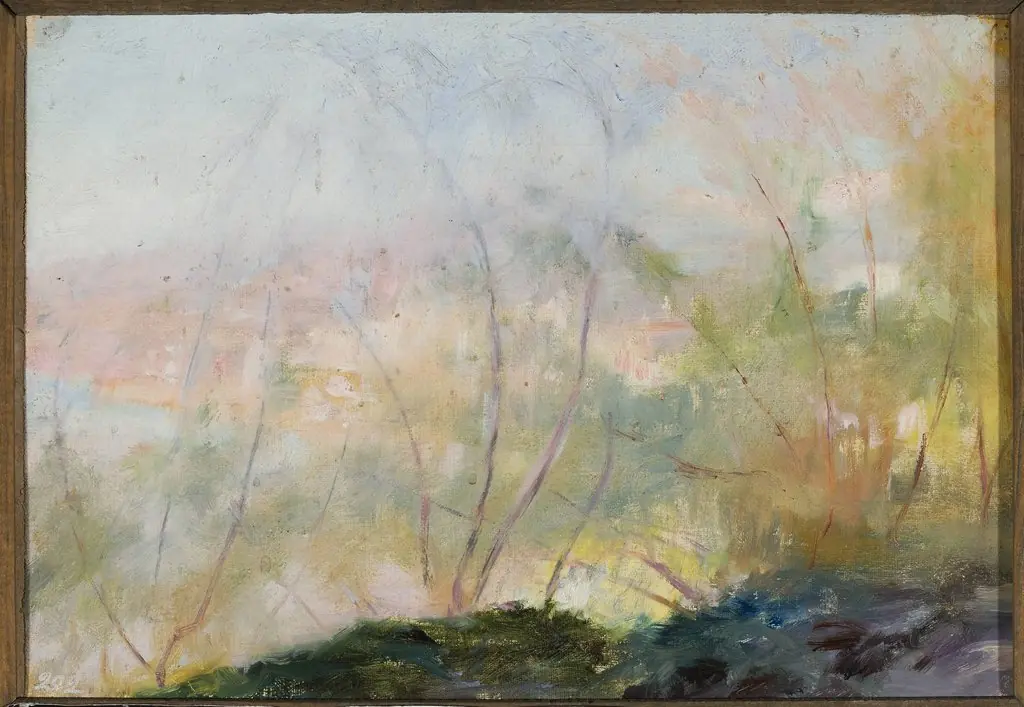 View of Yalta from Bakhchi-Dere. From the journey to Crimea
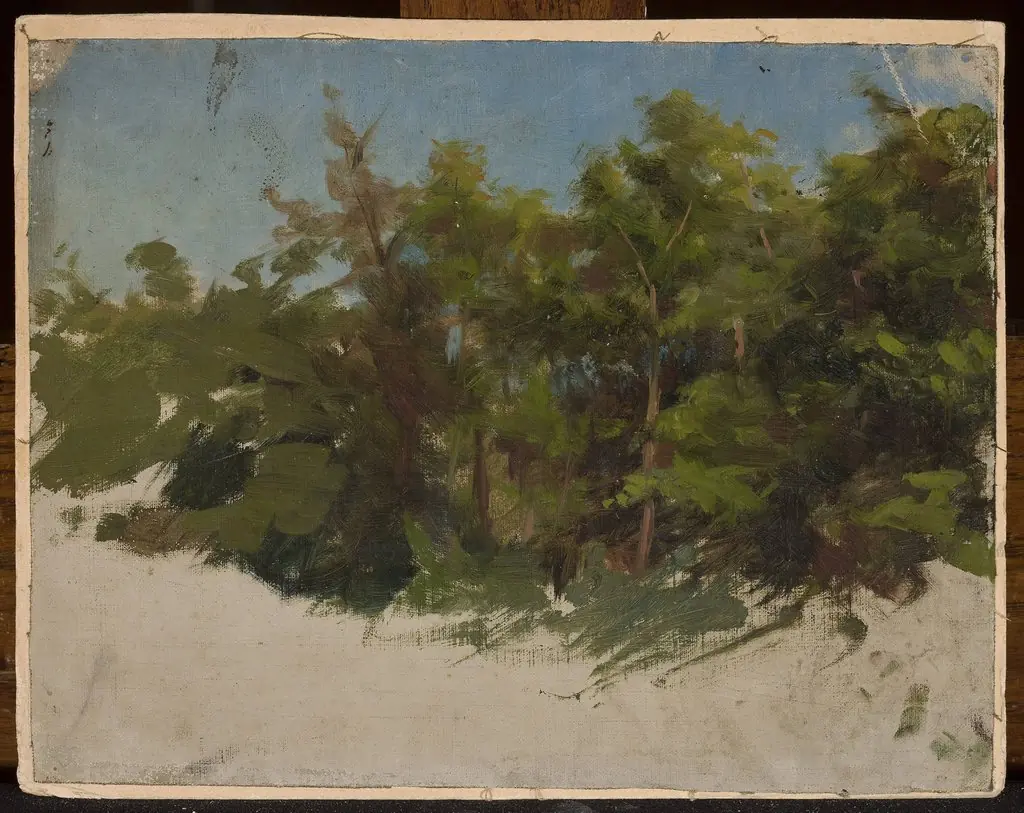 Study from Podolia
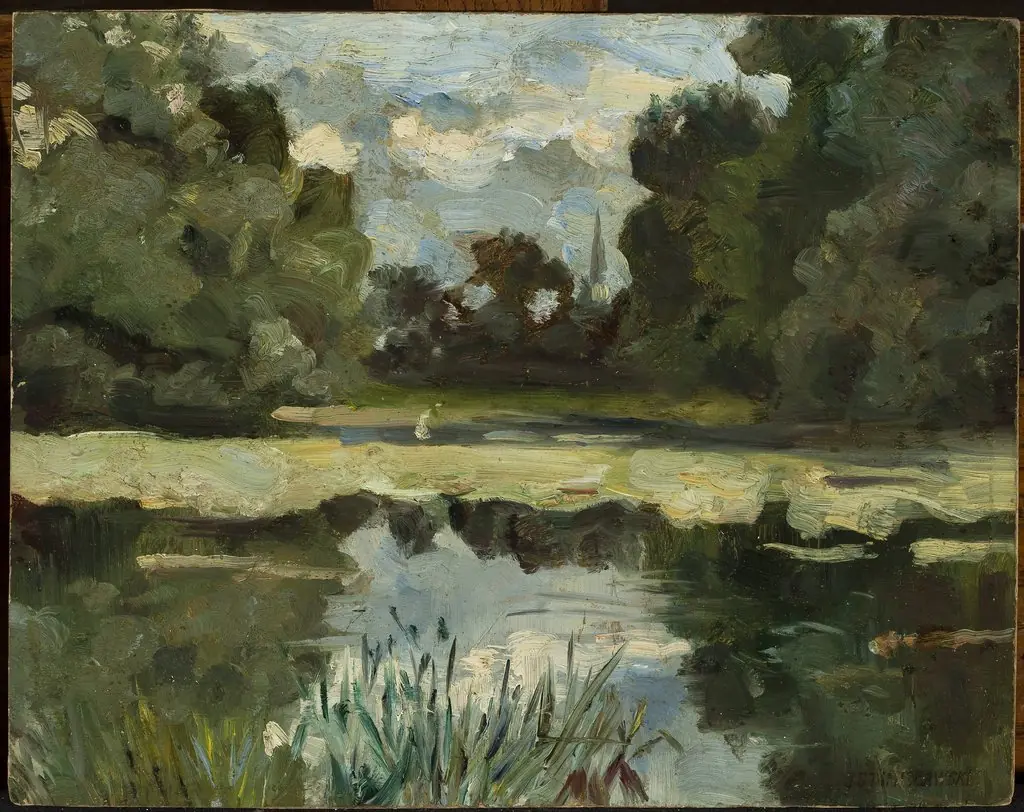 Park landscape with a pond
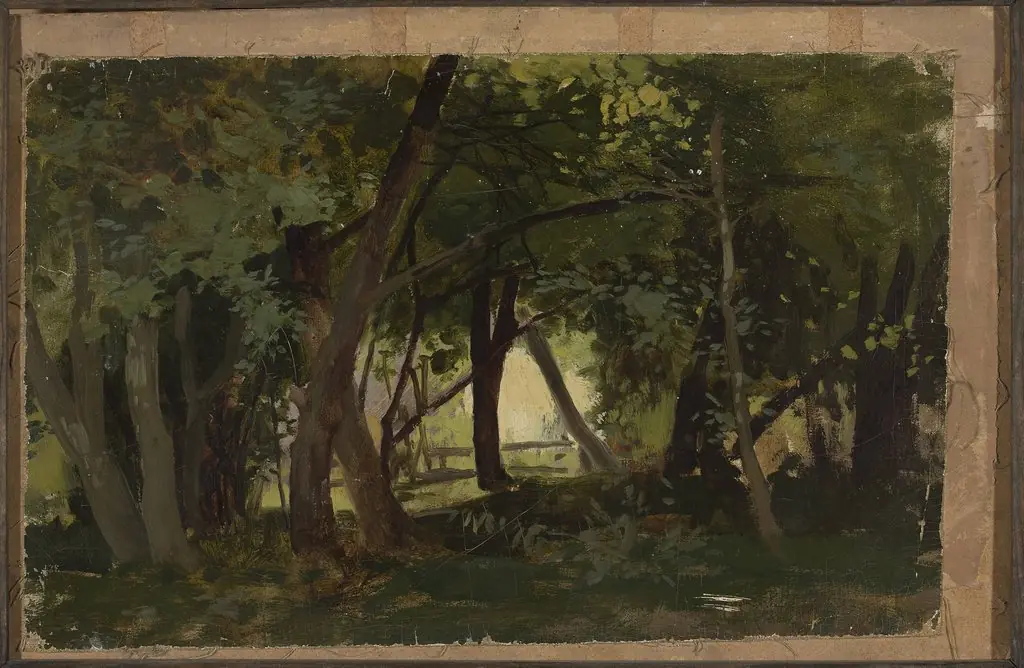 Landscape study
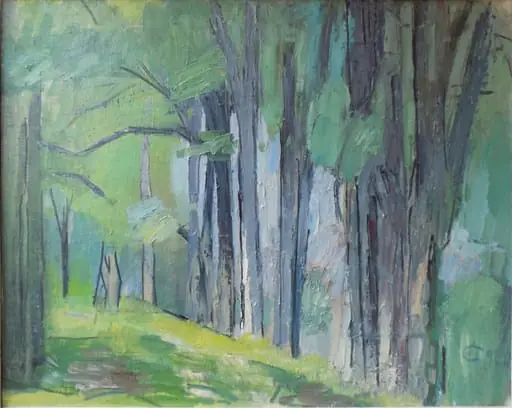 Pădurea Mogoșoaia (Peisaj)
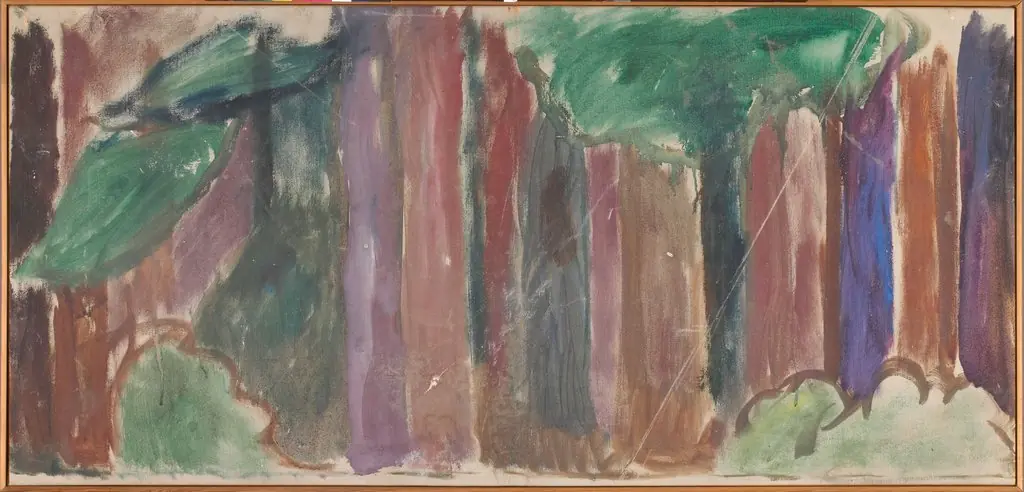 Tree Trunks
 Copaci în deltă
 Trees near Sorrento, Bay of Naples