Artwork
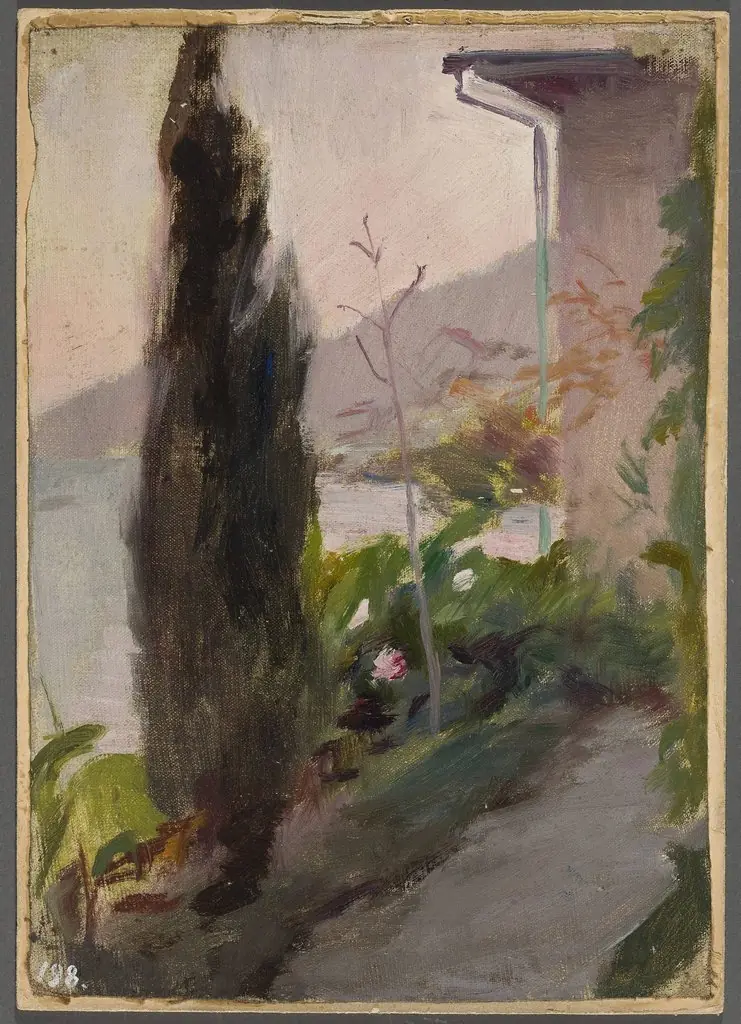
Garden of the Bakhchi-Dere villa in Yalta. From the journey to Crimea
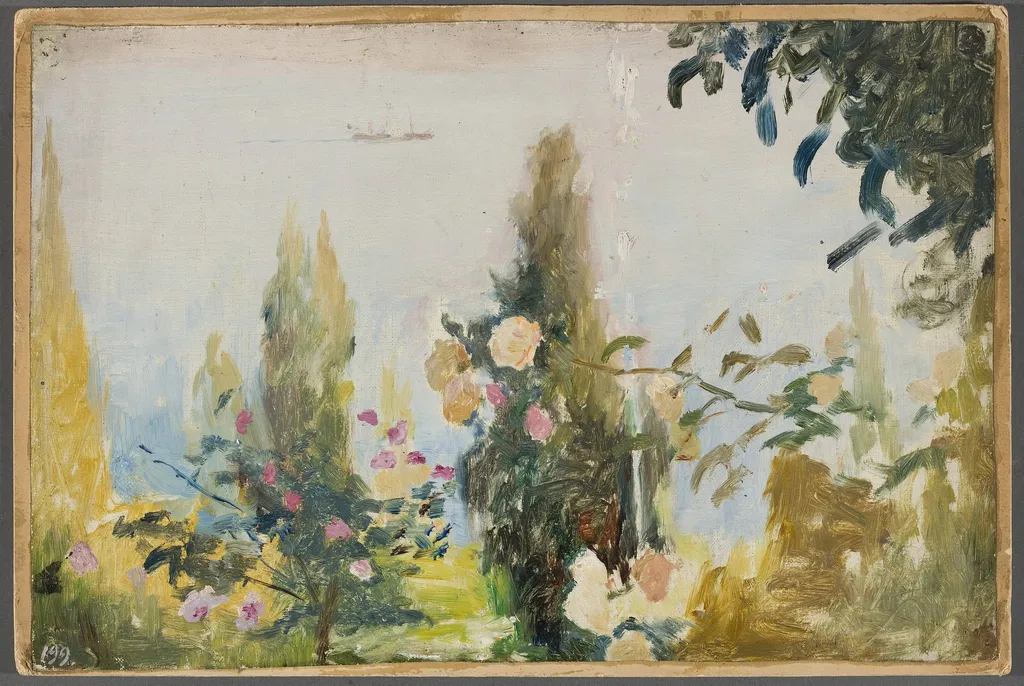
Garden of the Bakhchi-Dere villa in Yalta. From the journey to Crimea is an unspecified painting by the Post-Impressionist artist Jan Ciągliński. It dates from 1897 and is held in the collection of the National Museum in Warsaw.
About this work
If you like this painting, you might also like the work of other artists who use similar techniques, such as chiaroscuro.
This painting shows a garden with a few trees and bushes. There are some flowers, and you can see the sea in the background. The colors are mostly greens and browns, with some pinks and yellows.
The garden looks peaceful, with a few paths and some trees that block the view of the sea. The flowers are colorful, but they're not the main focus of the painting. The artist seems to be more interested in the overall atmosphere of the garden.
The painting is called "Garden of the Bakhchi-Dere villa in Yalta. From the journey to Crimea" and it was made by Jan Ciągliński in 1893. If you like this painting, you might also like the work of other artists who use similar techniques, such as chiaroscuro.
Overview
Painted in 1897, this work by Polish artist Jan Ciągliński captures a quiet garden at the Bakhchi-Dere villa in Yalta, Crimea. Created during his time in St. Petersburg under the Russian imperial court, the piece reflects his engagement with emerging trends in Russian art. Though rooted in landscape tradition, it diverges through its emphasis on ambient light and subdued color harmonies, marking it as an early instance of Russian Impressionism.
Subject & Meaning
The scene portrays a secluded garden at the villa, with winding paths, dense foliage, and distant views of the Black Sea. Rather than highlighting floral detail, Ciągliński focuses on the interplay of shade and openness, evoking a contemplative stillness. The sea, partially obscured by trees, suggests a quiet separation between cultivated space and the natural world beyond, reinforcing themes of retreat and observation.
Technique & Style
Ciągliński employed loose, textured brushwork to render foliage and light, favoring muted greens and browns with subtle accents of pink and yellow. The composition avoids sharp outlines, instead blending tones to suggest atmospheric depth. While influenced by French Impressionism, the work retains a restrained palette and compositional balance characteristic of its Russian context, distinguishing it from more vibrant Western counterparts.
History & Provenance
The painting was completed during Ciągliński’s active years in Russia, following a journey to Crimea in the mid-1890s. It entered the collection of the National Museum in Warsaw, where it remains today. Its preservation reflects its significance as a bridge between Polish artistic identity and the broader Russian art scene of the late imperial period.
Context
In the 1890s, Russian artists increasingly turned to plein air painting and naturalistic color, moving away from academic formalism. Ciągliński, as a Polish expatriate in St. Petersburg, contributed to this shift, aligning with contemporaries who sought to capture transient effects of light. His Crimean landscapes, including this one, reflect a growing interest in regional scenery as a subject worthy of serious artistic attention.
Legacy
Ciągliński’s work helped lay groundwork for Russian Impressionism, influencing later artists who prioritized mood over narrative. While not widely known outside Eastern Europe, his integration of Polish sensibility with Russian artistic developments remains a quiet but notable contribution to late 19th-century regional painting traditions.
Artist & collection
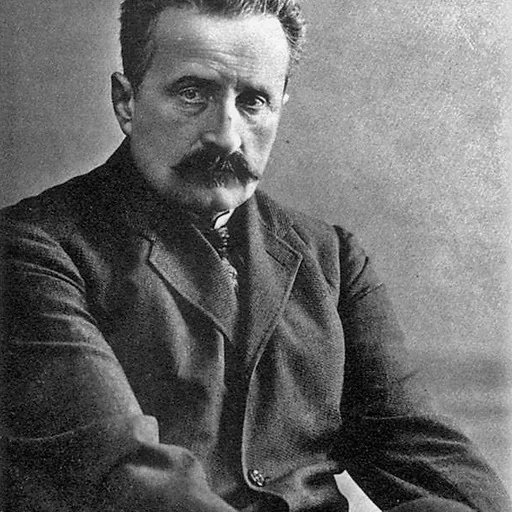
Artist
Jan Ciągliński (Polish: ; Russian: Ян/Иван Францевич Ционглинский, romanized: Yan/Ivan Frantsevich Tsionglinskiy; 20 February 1858 – 6 January 1913) was a Polish painter, active in St.

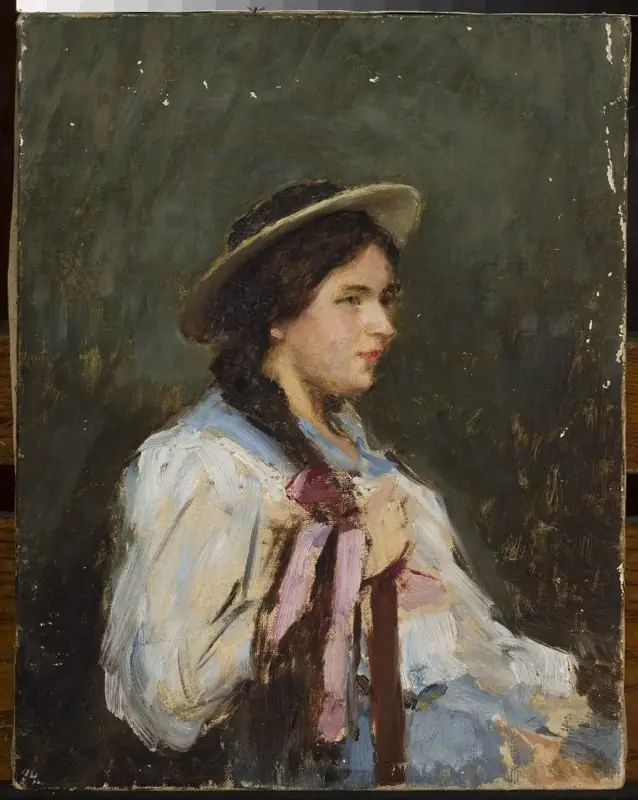
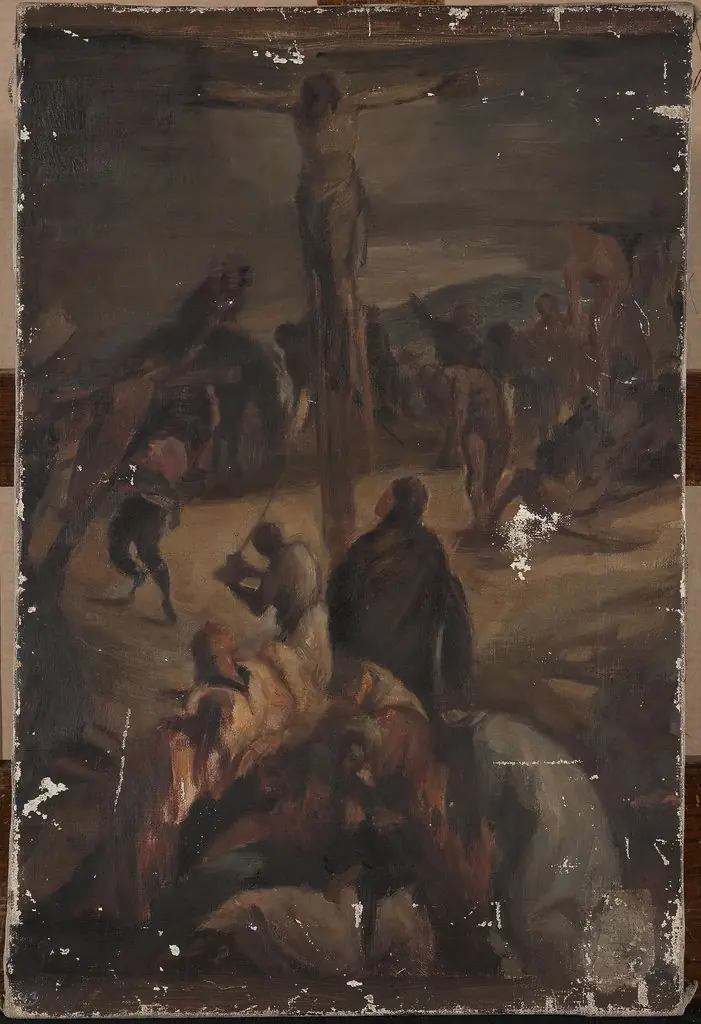
 Garden of the Bakhchi-Dere villa in Yalta. From the journey to Crimea
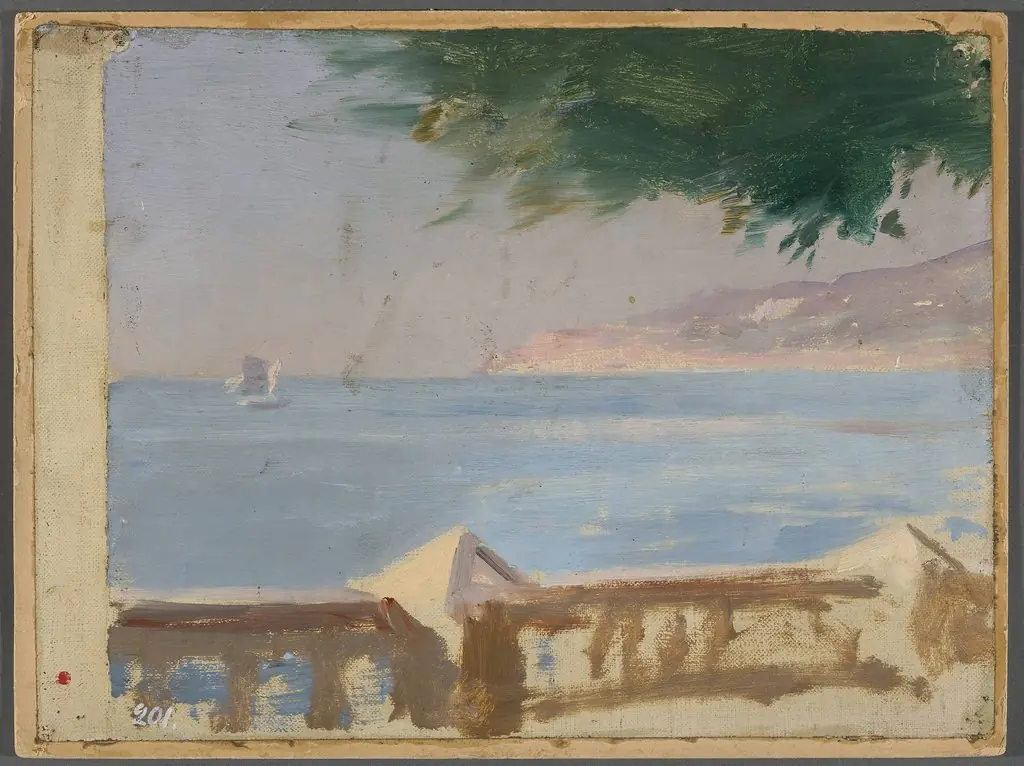 View of the sea from the Bakhchi-Dere villa in Yalta. From the journey to Crimea
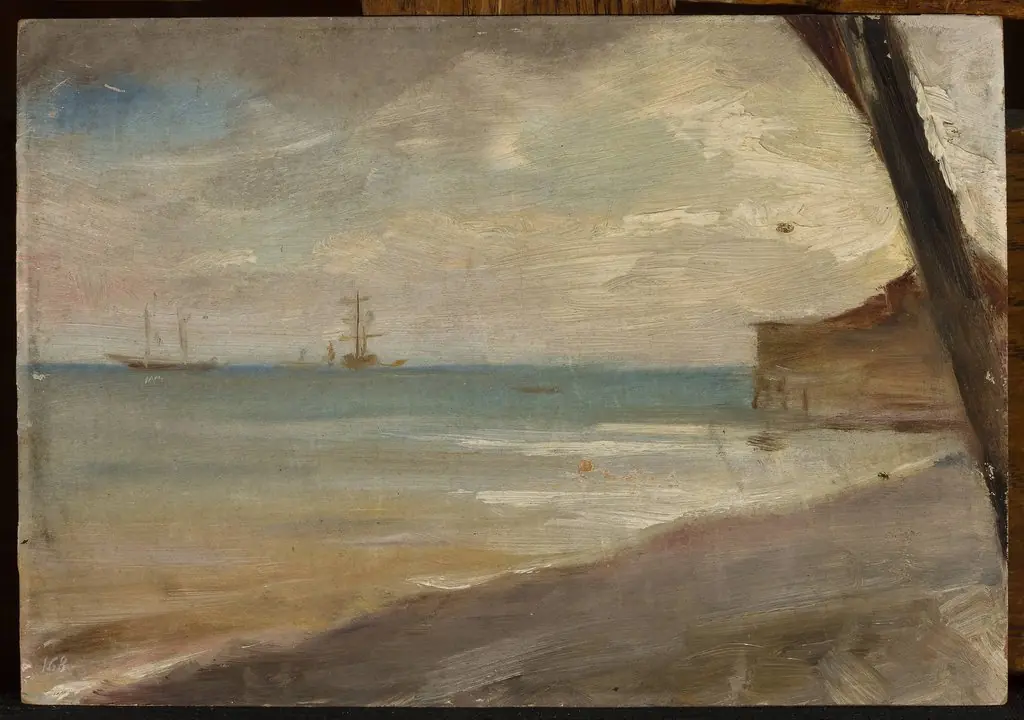 Sea in Yalta. From the journey to Crimea
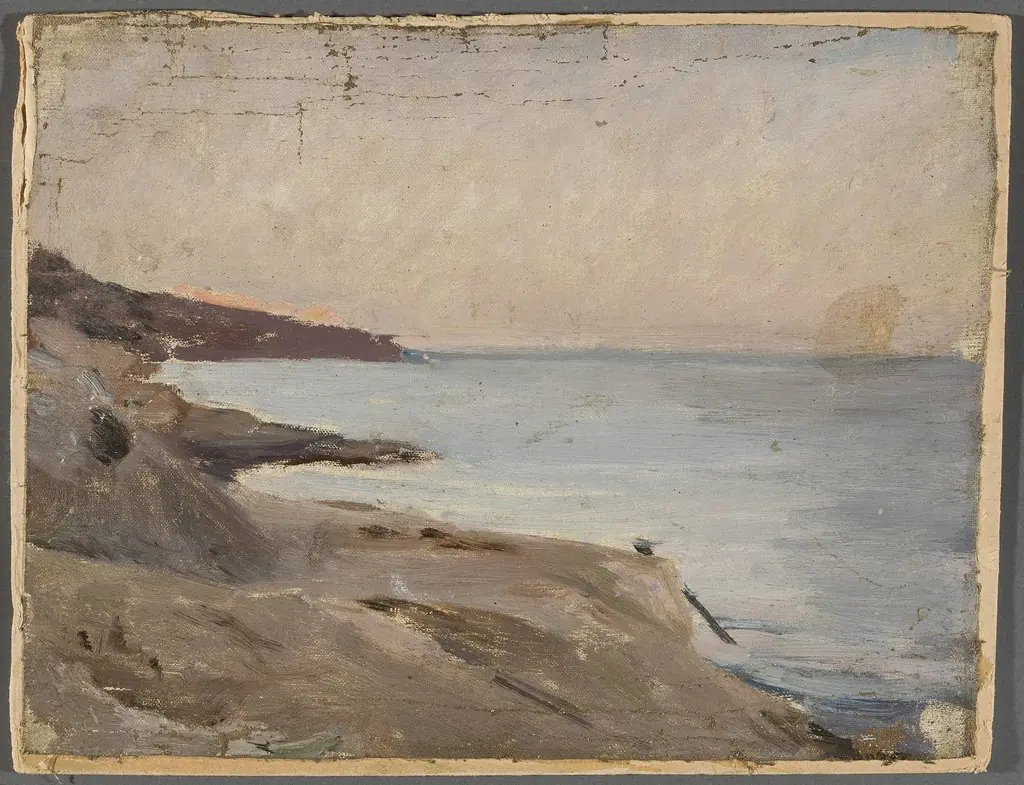 Marine landscape – Yalta. From the journey to Crimea
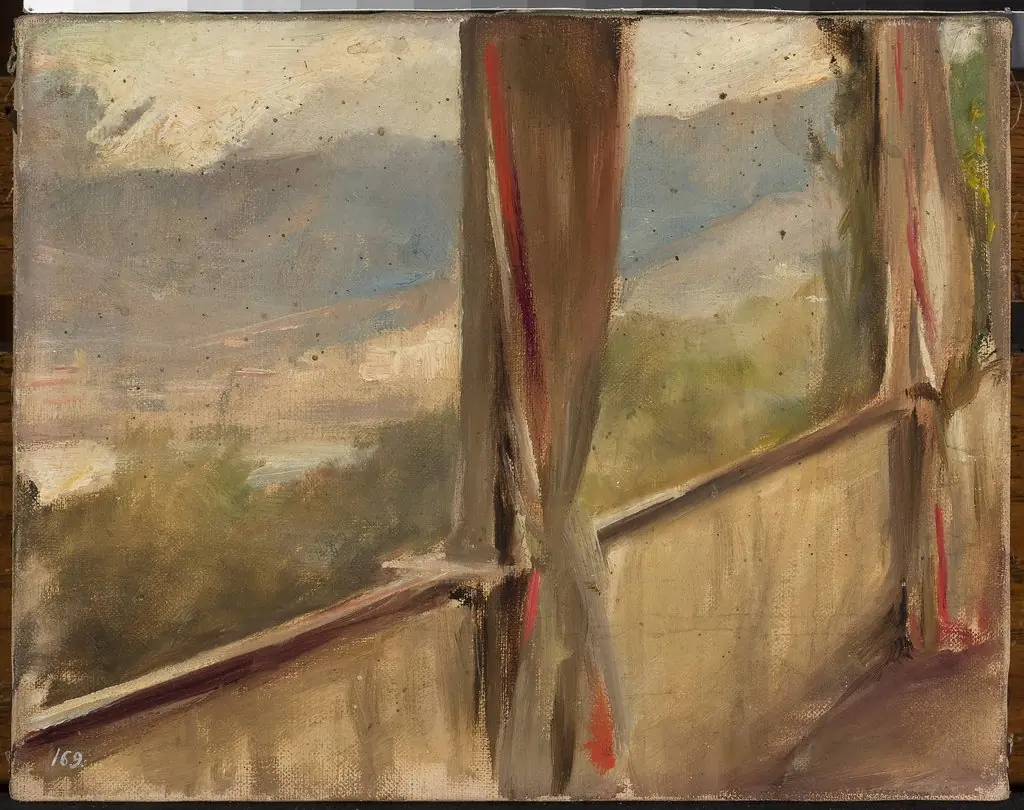 View from Yalta. From the journey to Crimea
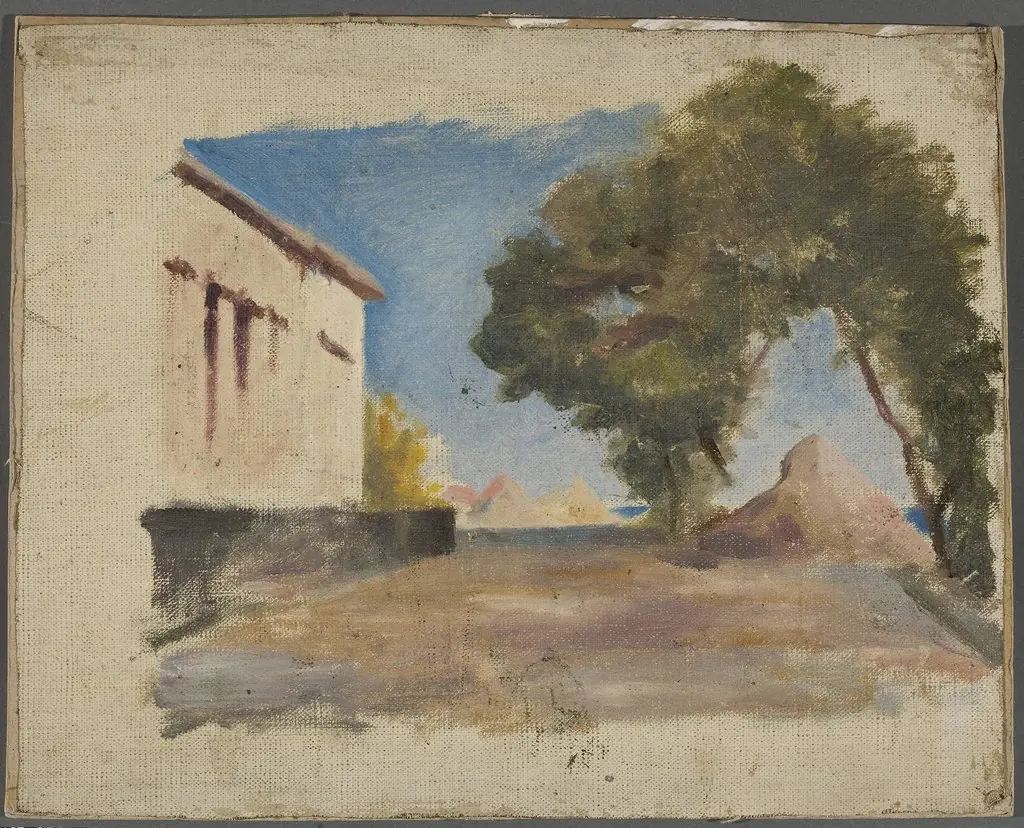 Crimea. From the journey to Crimea
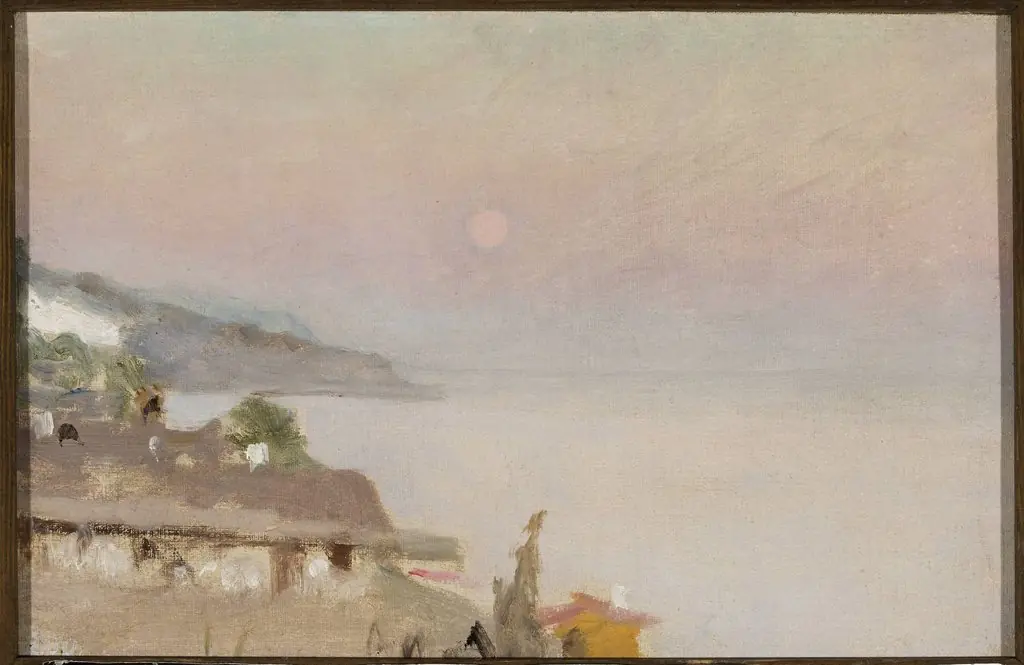 Moonlit evening in Yalta. From the journey to Crimea
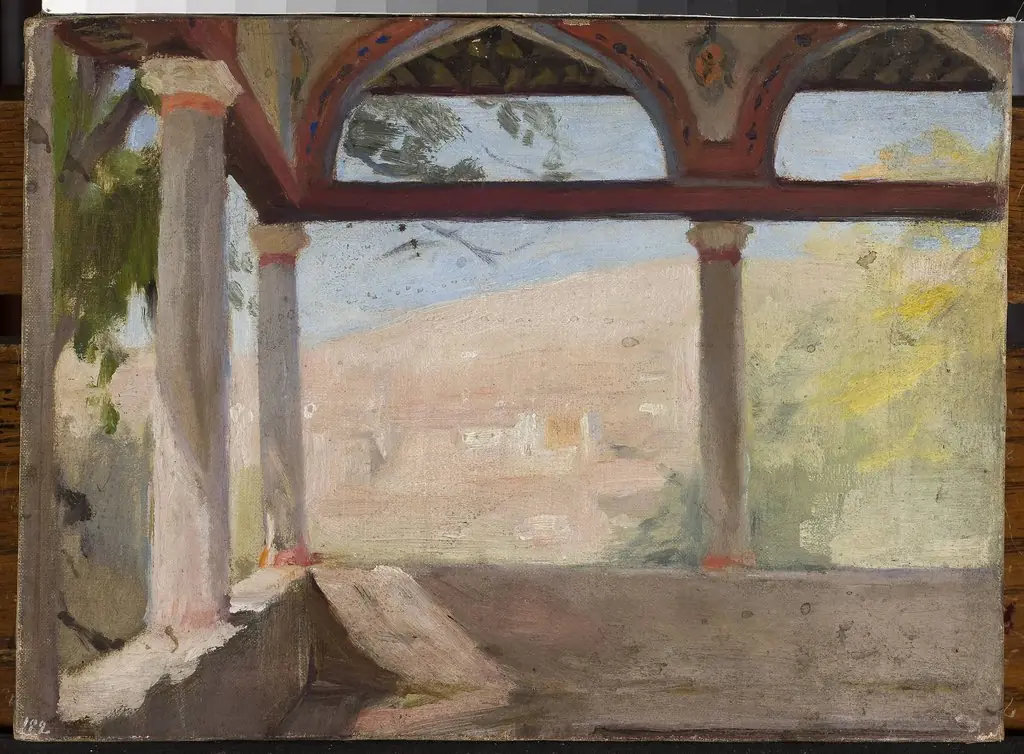 Summer house of Maria Potocka in Bakhchisaray. From the journey to Crimea
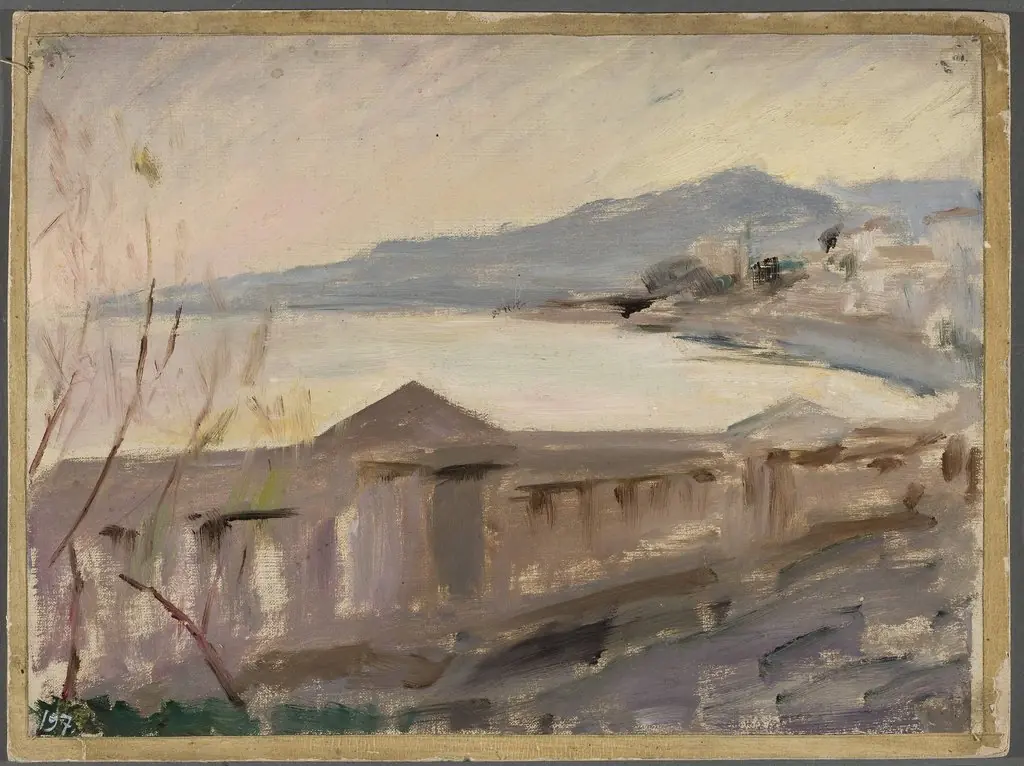 Lower terrace of the Bakhchi-Dere villa. From the journey to Crimea
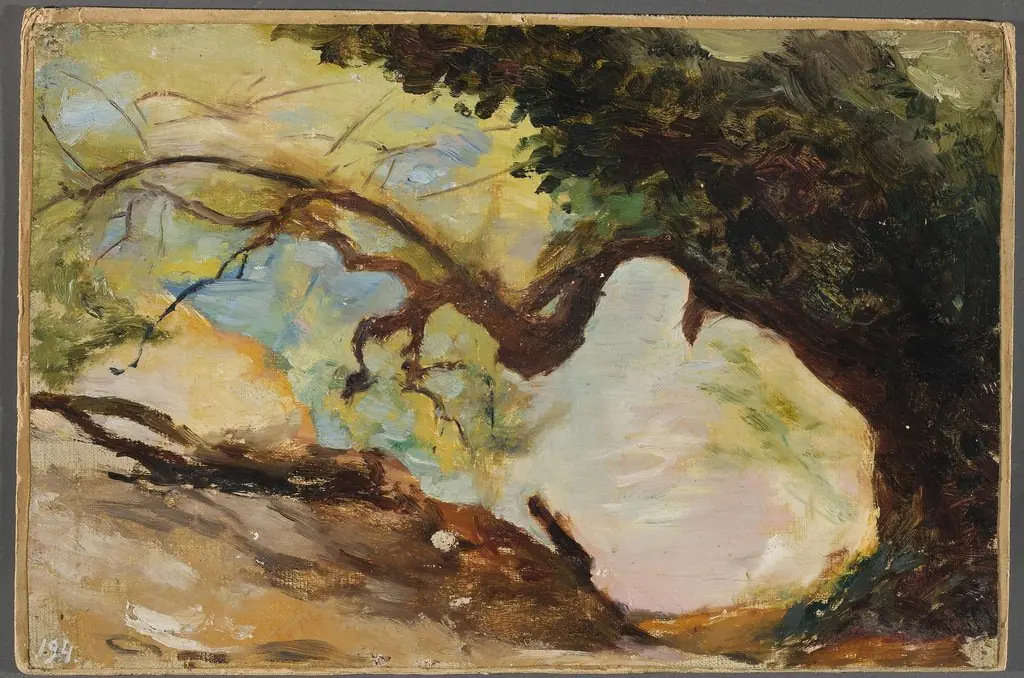 Trees in Alupka. From the journey to Crimea