Artwork
Jerusalem. From the journey to Palestine
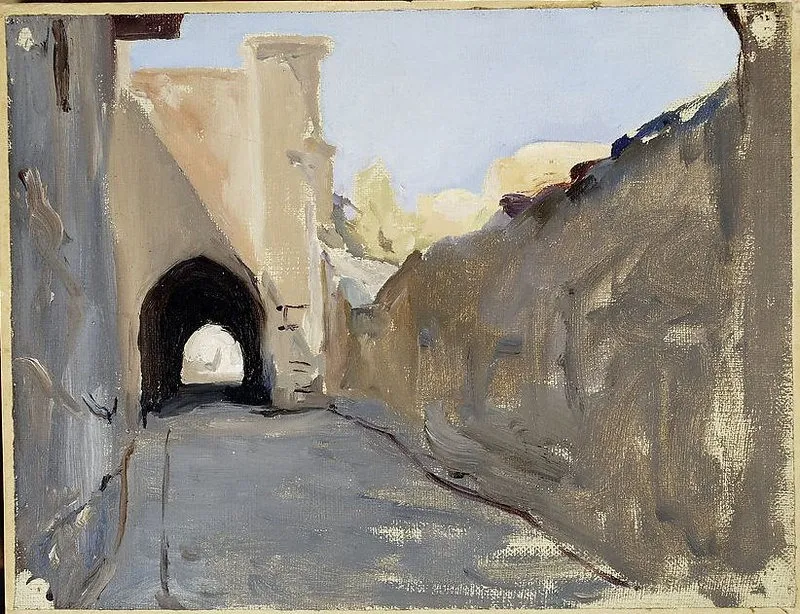
Jerusalem. From the journey to Palestine is an unspecified painting by the Post-Impressionist artist Jan Ciągliński. It dates from 1901 and is held in the collection of the National Museum in Warsaw.
About this work
Overview
The painting is part of the National Museum in Warsaw’s collection, representing Ciągliński’s engagement with Orientalist themes during his time in St.
Painted in 1901 by Polish artist Jan Ciągliński, this work captures a quiet street in Jerusalem during a journey through Palestine. Executed in a post-impressionist style, it reflects the artist’s interest in atmospheric light and spatial depth rather than narrative detail. The painting is part of the National Museum in Warsaw’s collection, representing Ciągliński’s engagement with Orientalist themes during his time in St. Petersburg under the Russian imperial court.
Subject & Meaning
The scene presents an empty, narrow alley in Jerusalem, framed by a tall stone archway on one side and a weathered wall on the other. Absent of human figures or activity, the composition evokes stillness and contemplation. Rather than depicting religious or historical events, the painting focuses on the quiet presence of architecture, suggesting a meditative observation of place rather than a doctrinal statement.
Technique & Style
Ciągliński employs muted earth tones and soft transitions of light to model the stone surfaces, creating subtle volume without sharp outlines. The sky is rendered in pale blue, contrasting gently with the warm hues of the walls. Brushwork is deliberate but not overly textured, emphasizing atmosphere over detail. Light falls diagonally across the street, enhancing depth and lending a quiet intimacy to the otherwise barren space.
History & Provenance
Created during Ciągliński’s period of activity in St. Petersburg, the painting emerged from his travels to the Levant, a region that attracted many European artists seeking exotic subjects. It entered the National Museum in Warsaw’s collection in the early 20th century, likely through the artist’s own donation or acquisition by Polish cultural institutions interested in diaspora artists.
Context
In the early 1900s, European artists increasingly turned to the Middle East as a site of aesthetic and spiritual inquiry, often detached from colonial agendas. Ciągliński’s approach aligns with this trend, favoring serene, observational depictions over romanticized or exoticized portrayals. His work reflects a broader interest among Polish artists in connecting with broader European artistic currents while maintaining a personal, introspective vision.
Legacy
Though not widely exhibited outside Poland, the painting remains a significant example of Ciągliński’s mature style and his contribution to Polish post-impressionism. It stands as a quiet testament to the artist’s ability to convey emotional resonance through understated composition and careful modulation of light, influencing later generations interested in landscape as a vehicle for stillness and reflection.
Artist & collection
Artist
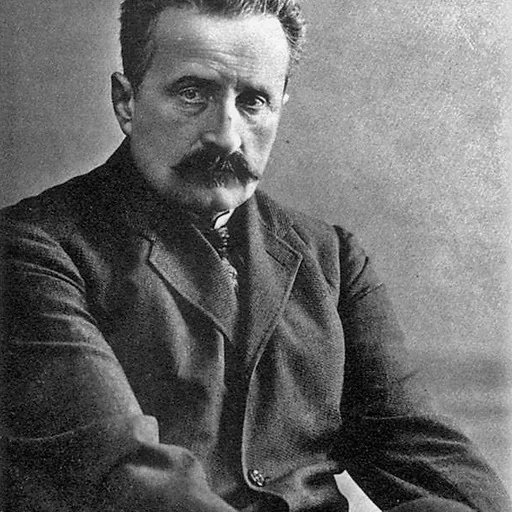
Jan Ciągliński (Polish: ; Russian: Ян/Иван Францевич Ционглинский, romanized: Yan/Ivan Frantsevich Tsionglinskiy; 20 February 1858 – 6 January 1913) was a Polish painter, active in St.

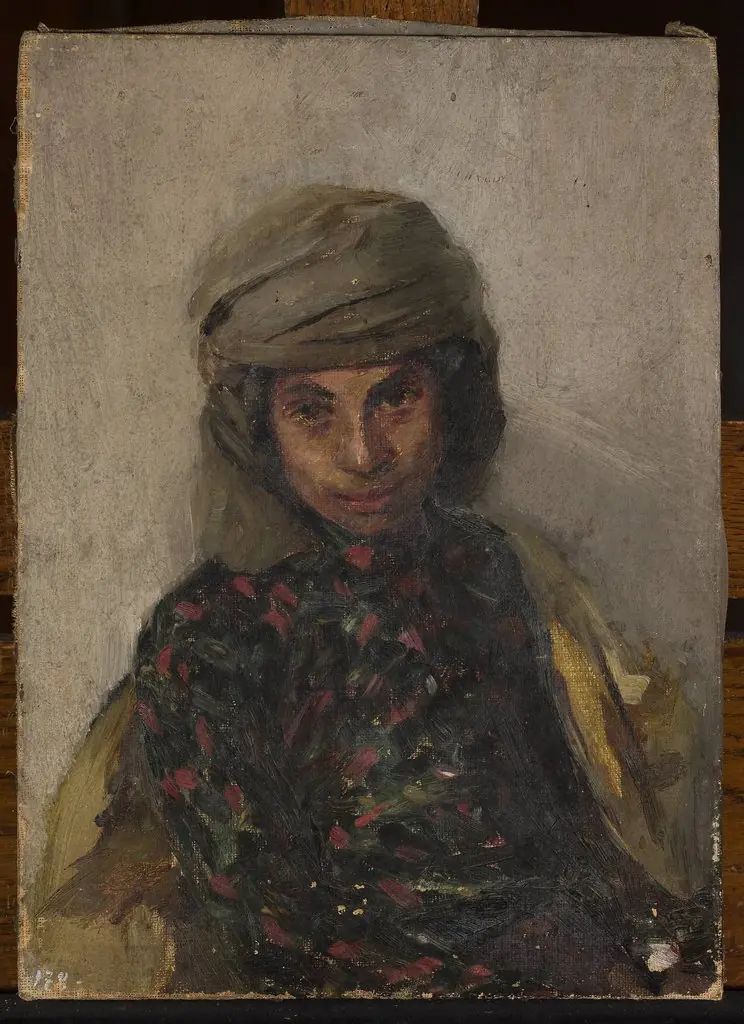
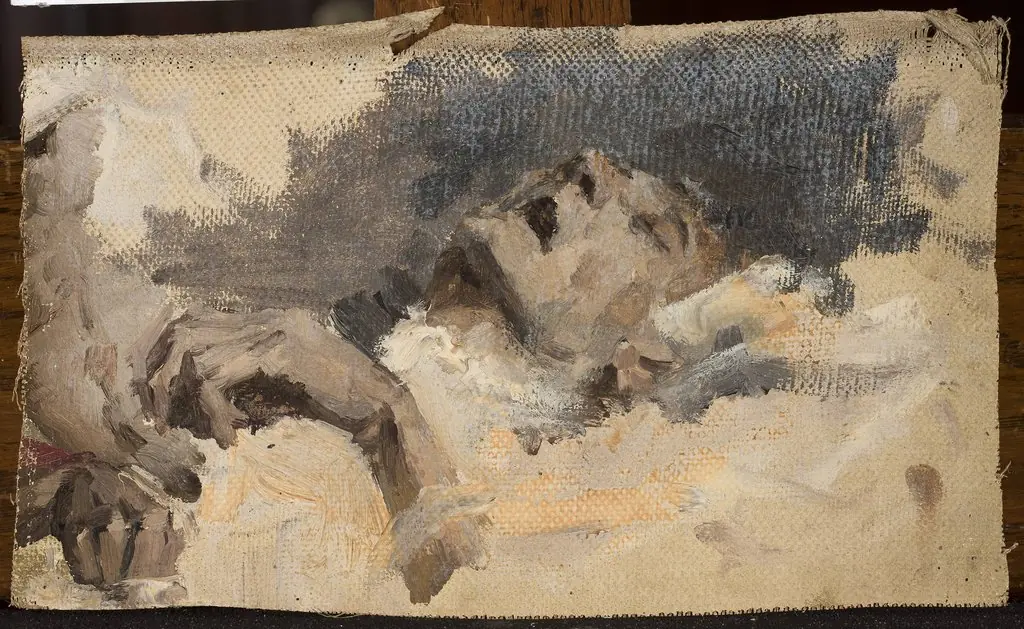
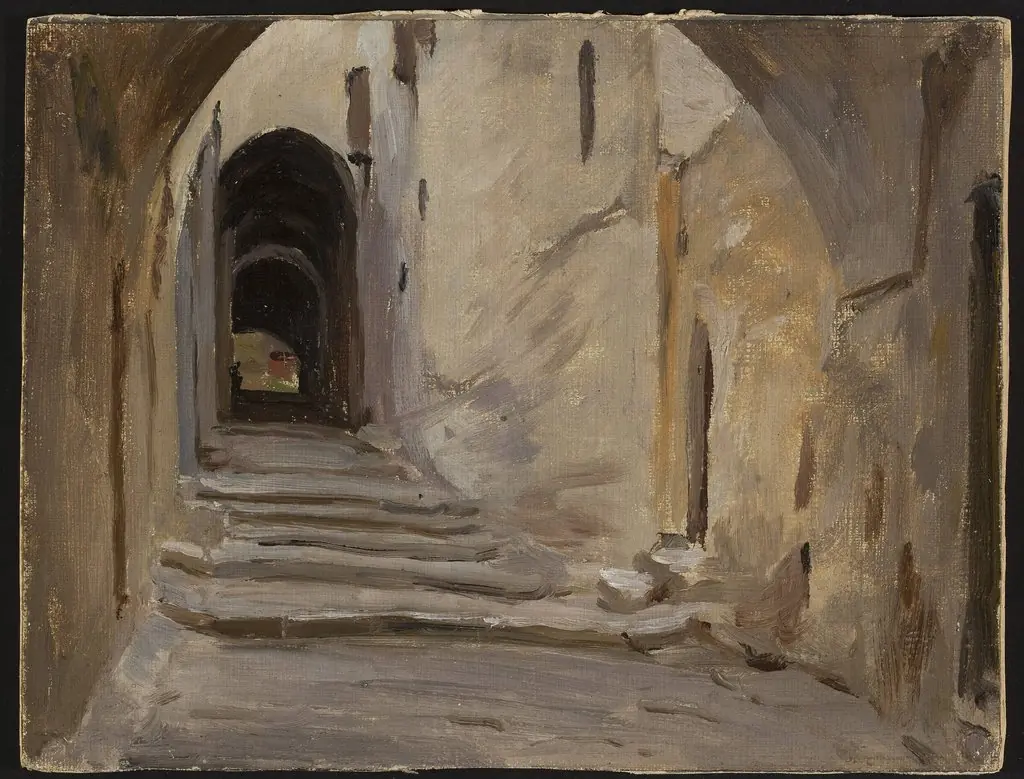 Jerusalem. From the journey to Palestine
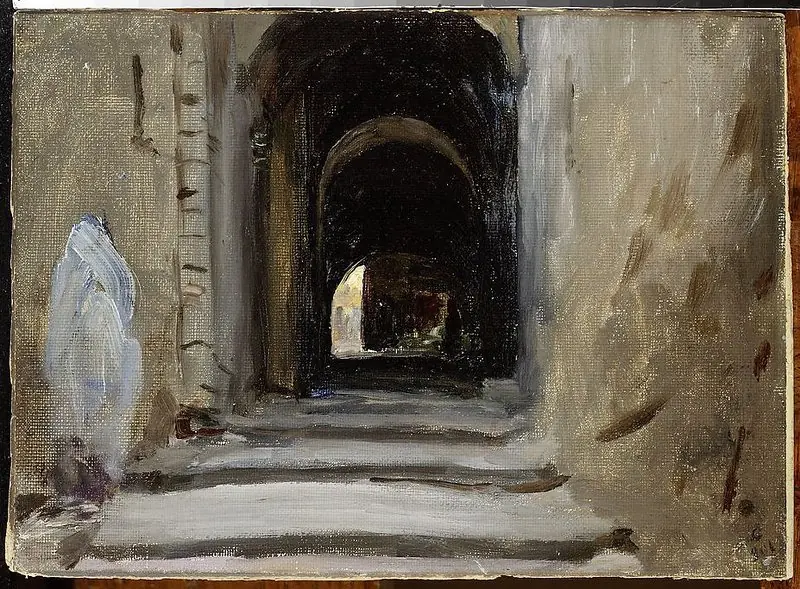 Via Dolorosa in Jerusalem. From the journey to Palestine
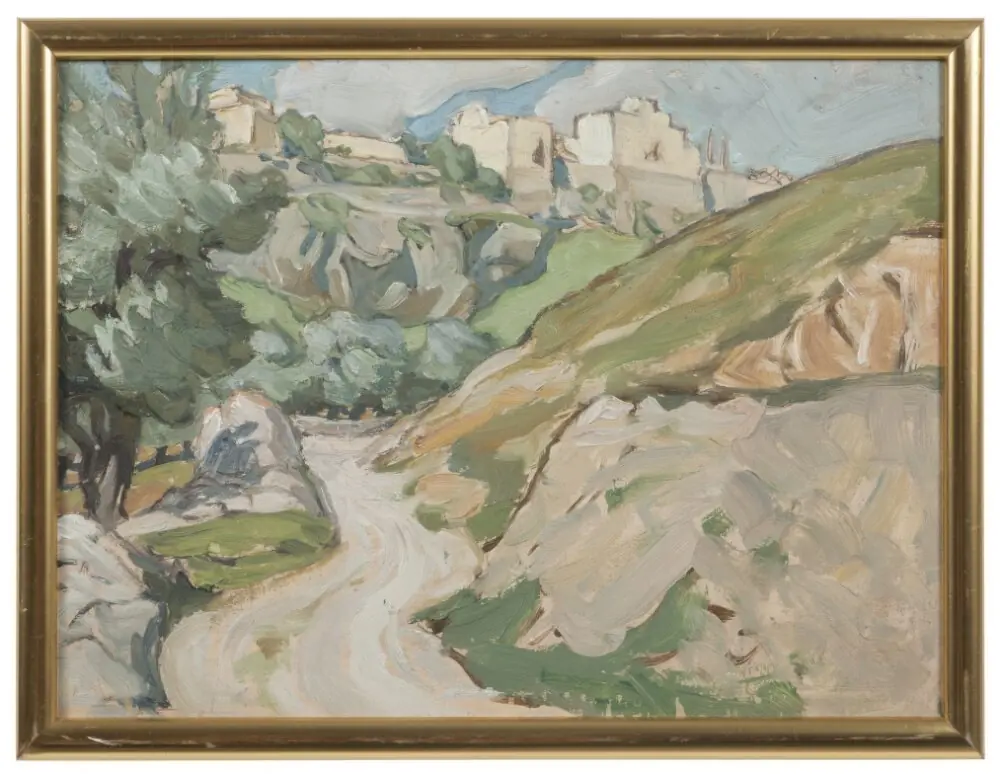 The Road to Jerusalem. Study
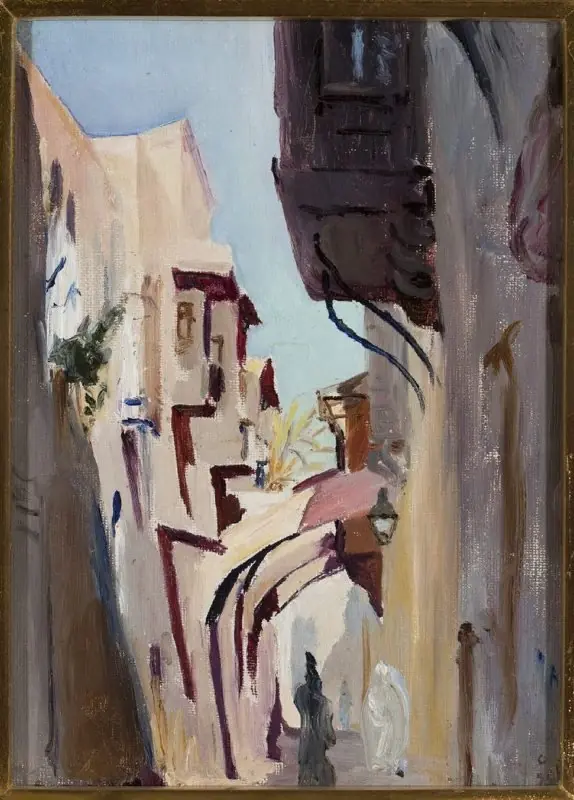 Via Dolorosa in Jerusalem. From the journey to Palestine
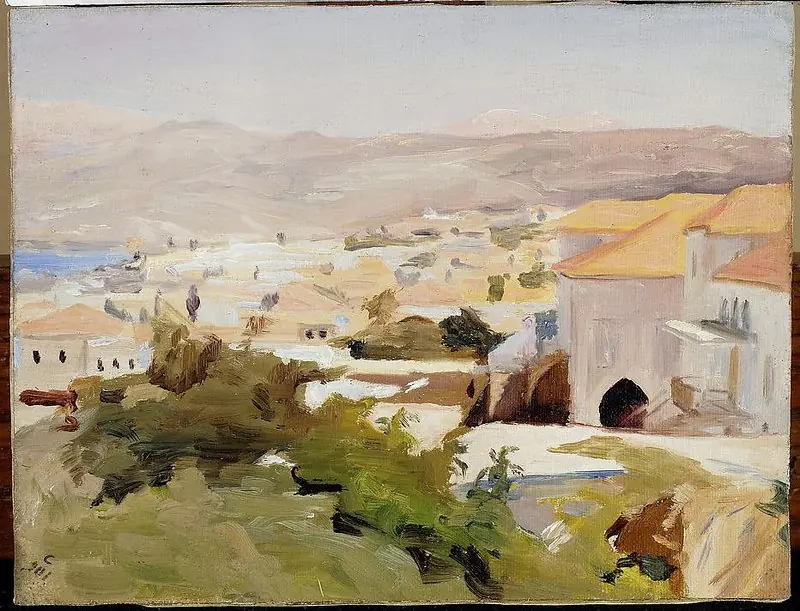 Beirut. From the journey to Palestine
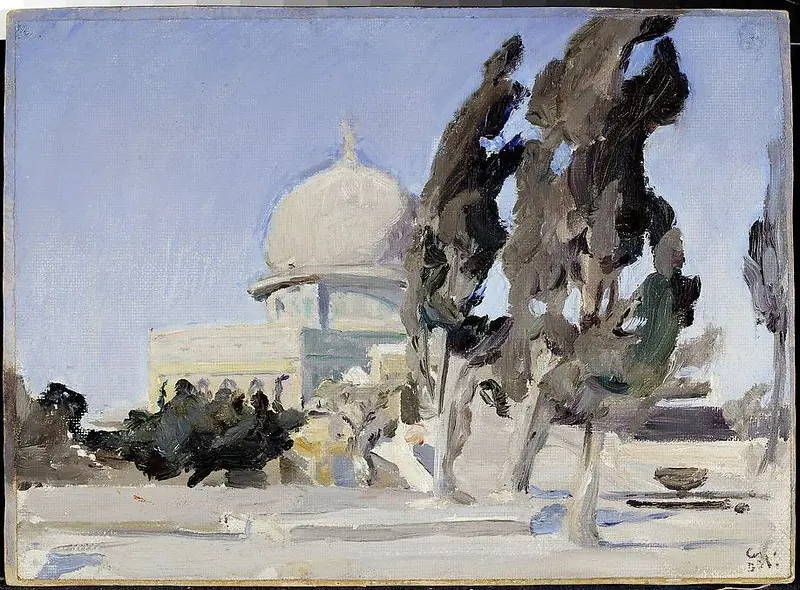 Mosque of Omar in Jerusalem. From the journey to Palestine
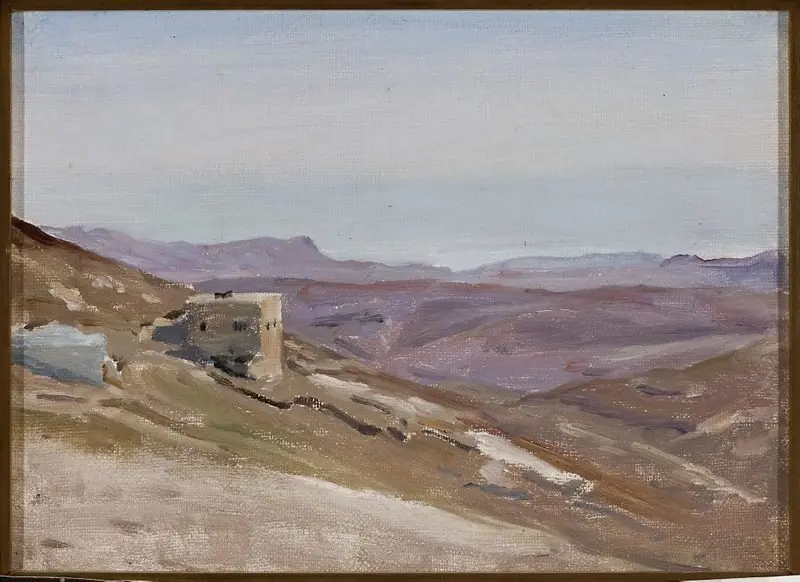 The Dead Sea – Jerusalem. From the journey to Palestine
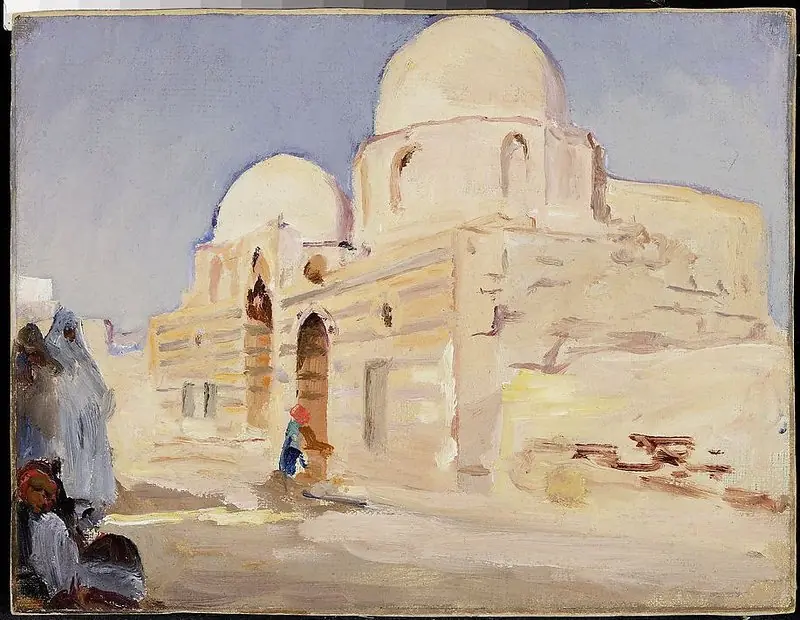 Damascus. From the journey to Palestine
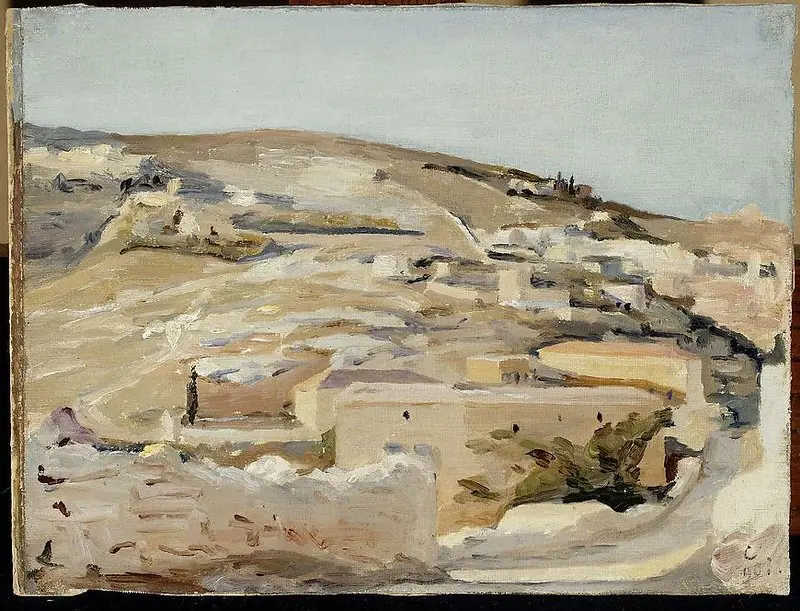 Nazareth. From the journey to Palestine
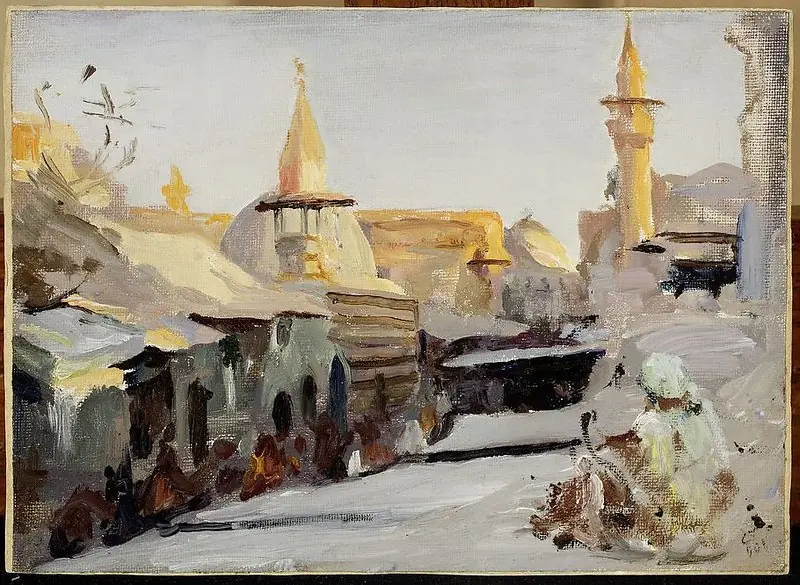 Street in Damascus. From the journey to Palestine
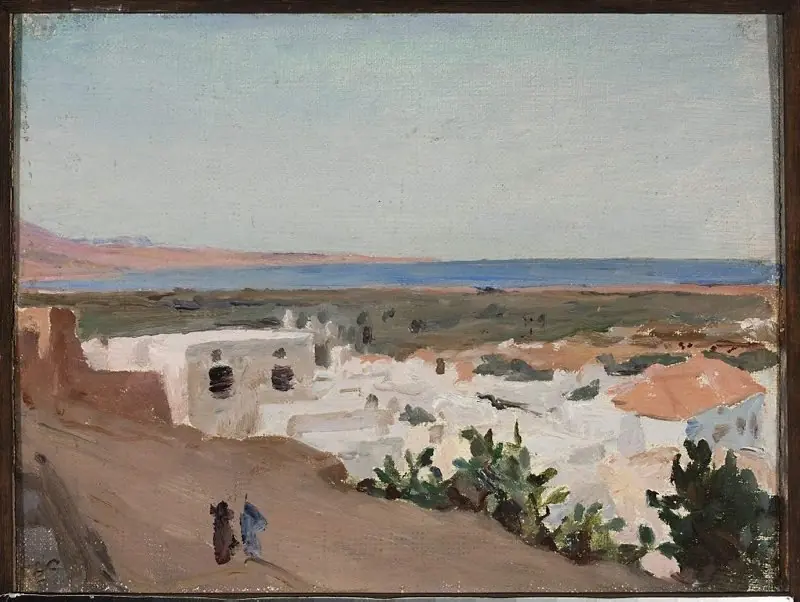 Tripoli in Syria. From the journey to Palestine
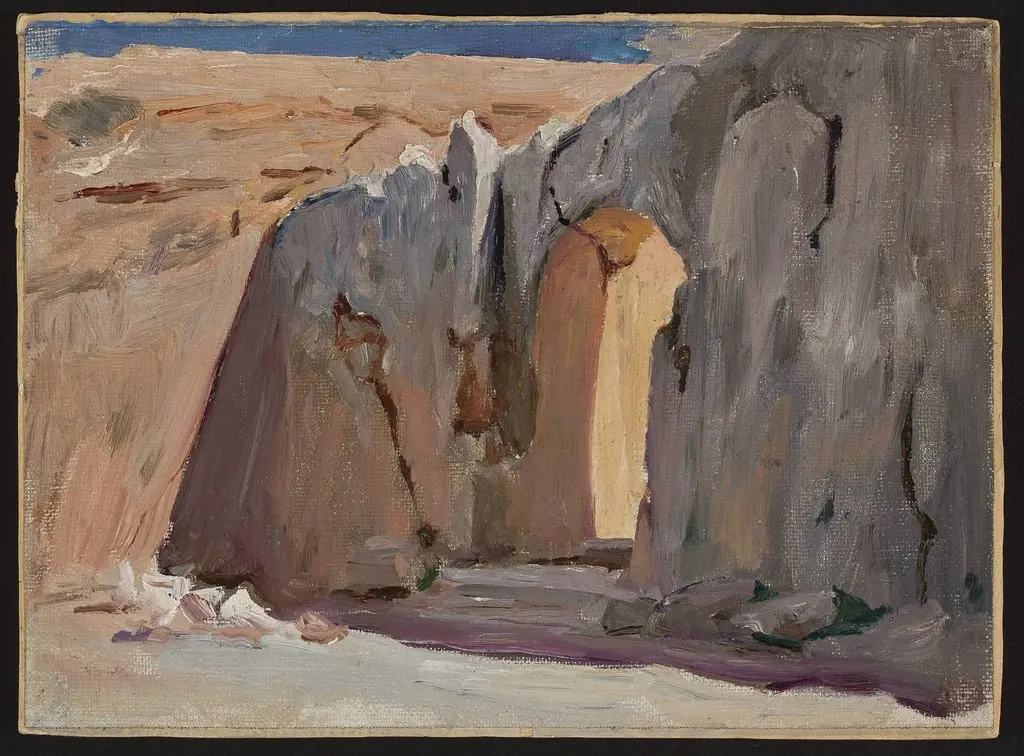 Tombs of the kings in Jerusalem. From the journey to Palestine