Artwork
Jerusalem. From the journey to Palestine
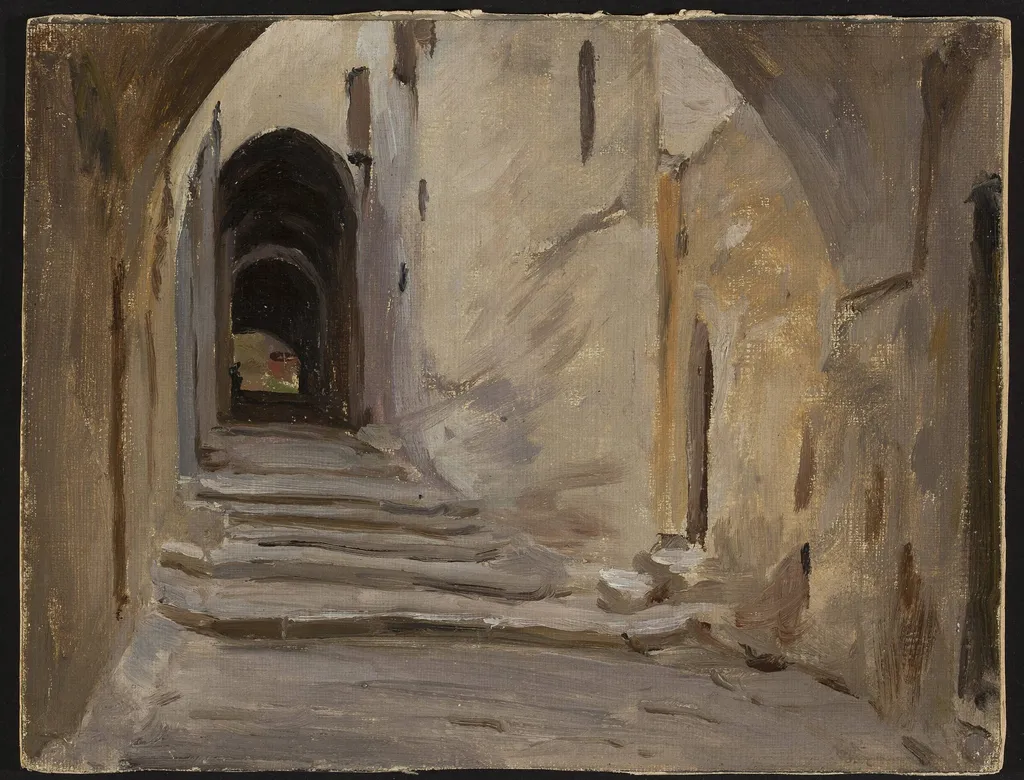
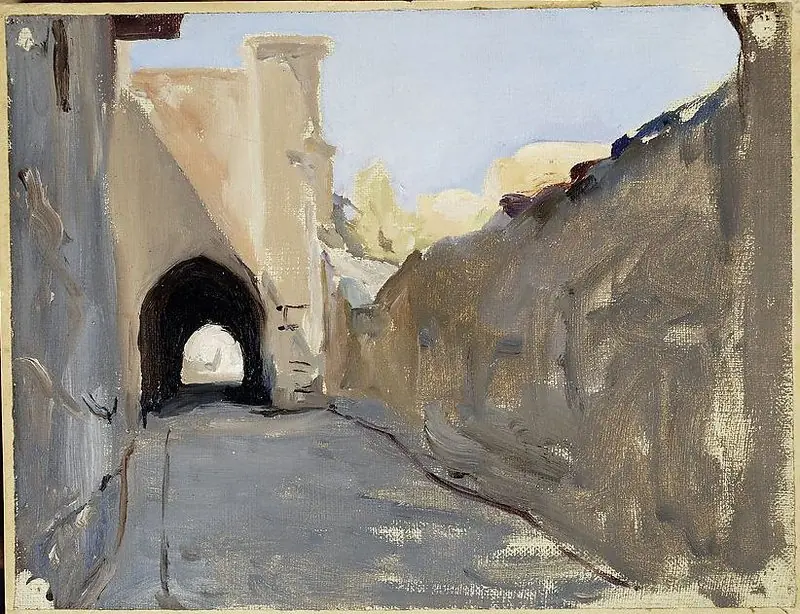
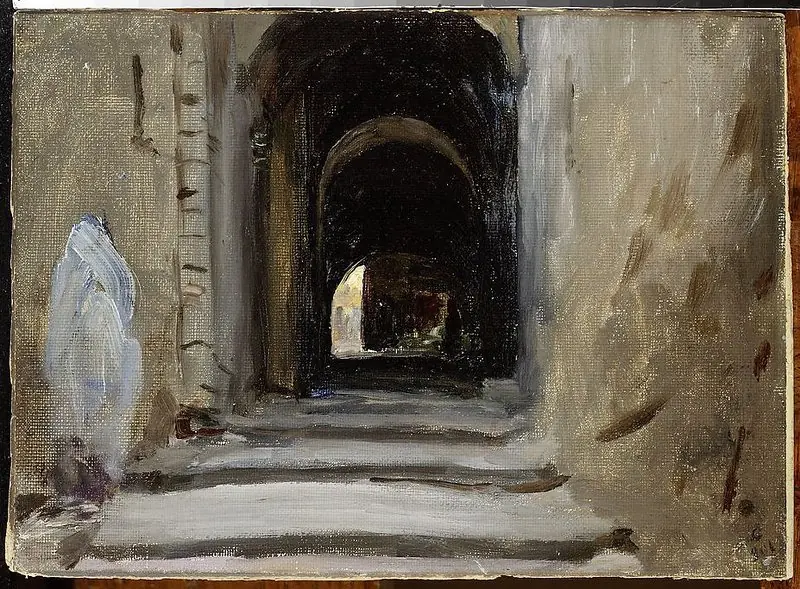
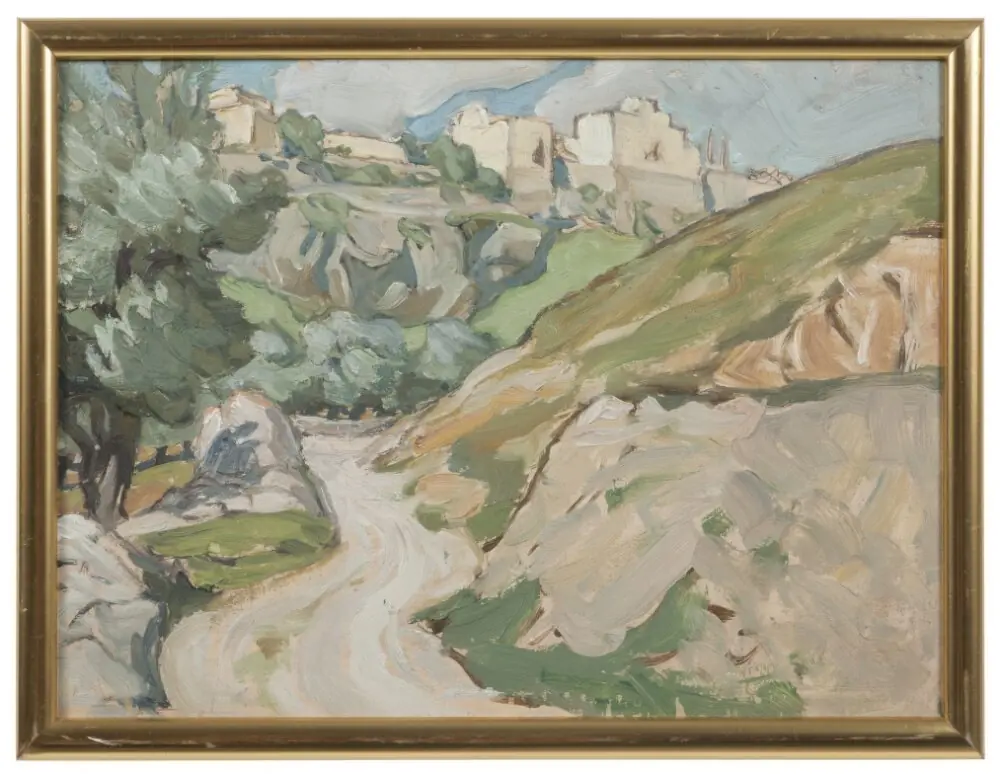
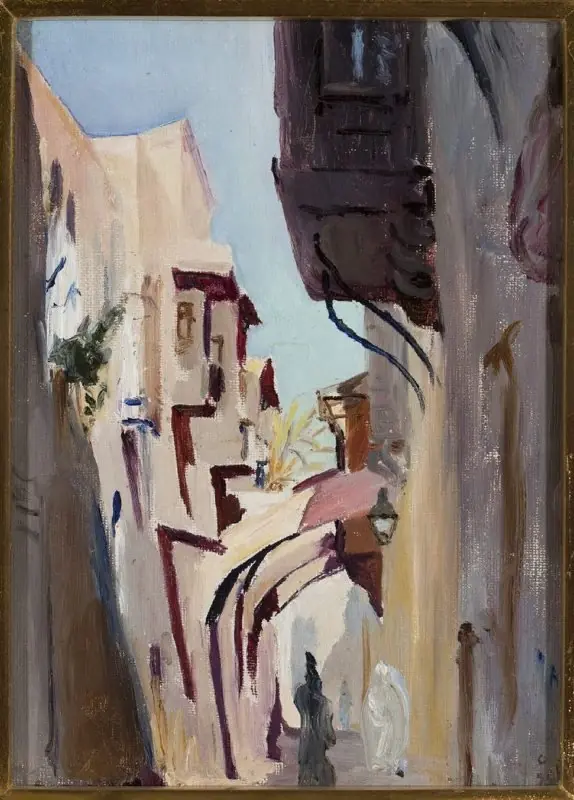
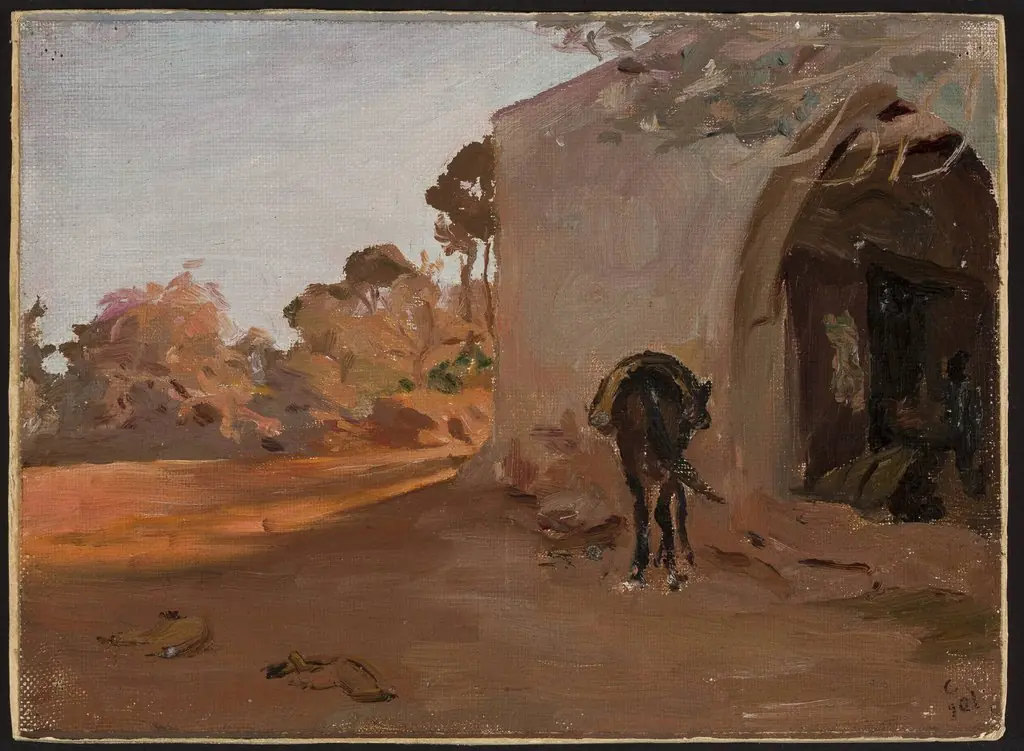
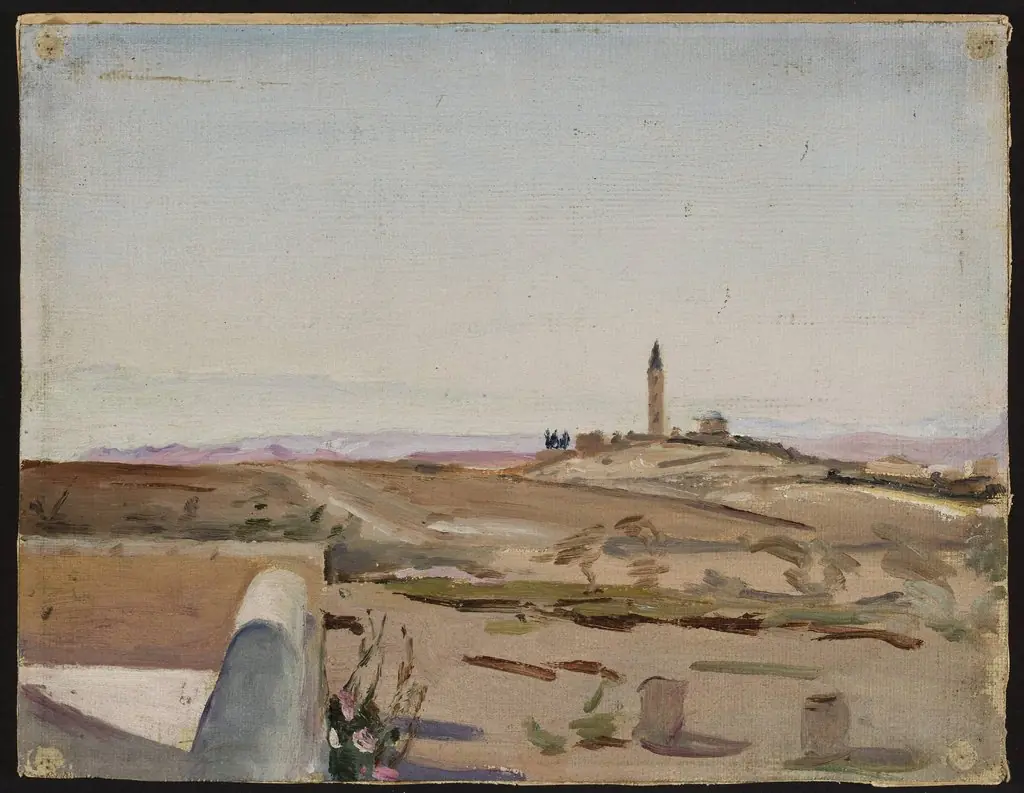
Jerusalem. From the journey to Palestine is an unspecified painting by the Post-Impressionist artist Jan Ciągliński. It dates from 1901 and is held in the collection of the National Museum in Warsaw.
About this work
Overview
The work emerged from his travels in the Levant and reflects his engagement with light and atmosphere rather than topographical accuracy.
Jan Ciągliński, a Polish artist working within the Russian imperial art scene, painted *Jerusalem. From the journey to Palestine* in 1901. The work emerged from his travels in the Levant and reflects his engagement with light and atmosphere rather than topographical accuracy. It is held in the National Museum in Warsaw and is often cited as part of the broader Russian Impressionist current, though its mood and structure align closely with post-impressionist tendencies.
Subject & Meaning
The painting captures an interior architectural space in Jerusalem, likely a corridor or passageway, with an arched opening leading to stairs ascending into shadow. The absence of figures and the quiet, enclosed setting suggest a meditative pause during travel. Rather than depicting religious symbolism or crowds, Ciągliński focuses on the stillness of sacred architecture, evoking a sense of solitude and reverence through place rather than narrative.
Technique & Style
Ciągliński employed muted earth tones—beige, brown, soft ochre—to render the stone walls and archway, using loose, blended brushwork that softens edges and diffuses light. The perspective is subtly constructed through the receding stairs and the arch’s framing, guiding the eye inward without sharp definition. The technique avoids dramatic contrast, favoring tonal gradations that enhance the painting’s introspective mood and tactile texture.
History & Provenance
Created after Ciągliński’s journey through Palestine in the late 1890s, the painting entered the collection of the National Museum in Warsaw in the early 20th century. It remained relatively obscure outside Poland until late 20th-century reassessments of Russian and Polish Impressionism brought renewed attention to his work. Its provenance reflects the cultural exchange between Polish artists and the imperial Russian art institutions where Ciągliński trained and exhibited.
Context
In the early 1900s, European artists increasingly turned to the Middle East as a site of spiritual and aesthetic exploration, often avoiding overt religious messaging in favor of atmospheric representation. Ciągliński’s work fits within this trend, aligning with contemporaries who sought emotional resonance through light and space. His position as a Pole in St. Petersburg placed him at the intersection of national identity and imperial artistic networks.
Legacy
Though not widely known outside Poland, Ciągliński’s *Jerusalem* is recognized as an early example of how Impressionist techniques were adapted to non-Western subjects within the Russian Empire. The painting contributes to a broader understanding of how peripheral artists engaged with global travel and modernist aesthetics, influencing later generations interested in quiet, introspective landscape and interior painting.
Artist & collection
Artist
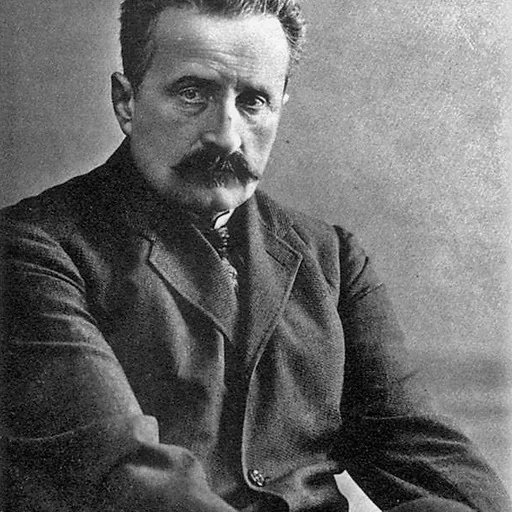
Jan Ciągliński (Polish: ; Russian: Ян/Иван Францевич Ционглинский, romanized: Yan/Ivan Frantsevich Tsionglinskiy; 20 February 1858 – 6 January 1913) was a Polish painter, active in St.