Artwork
Vita
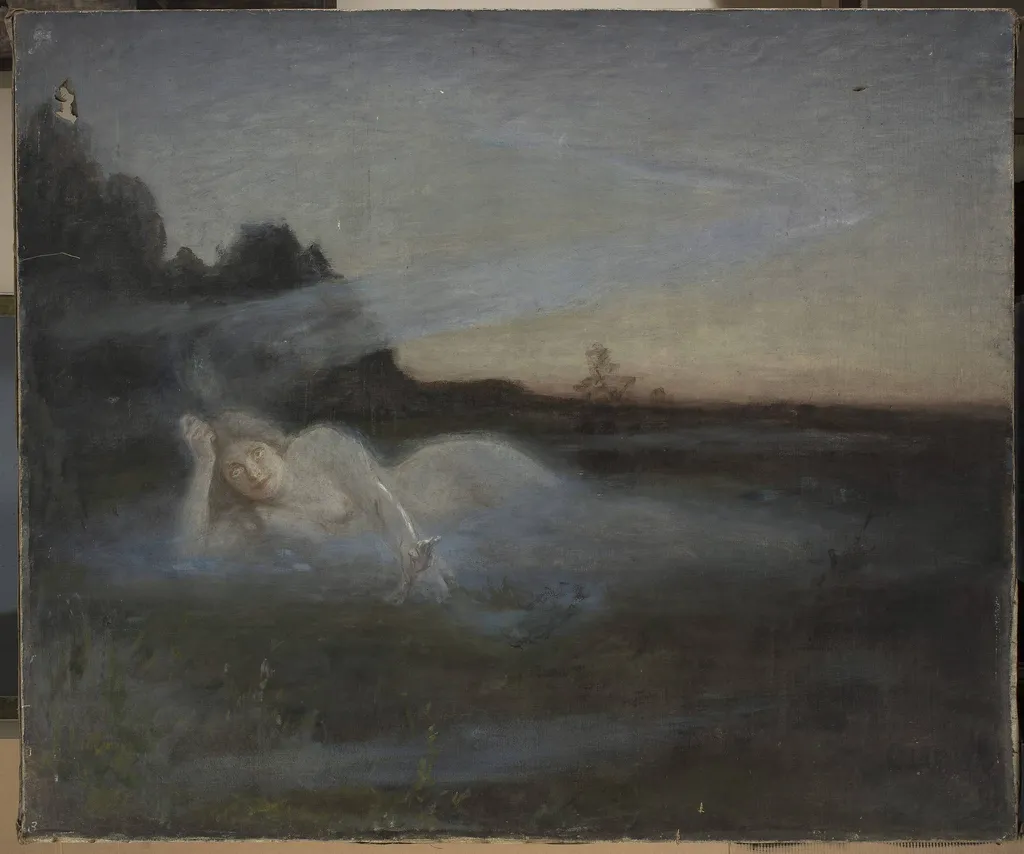
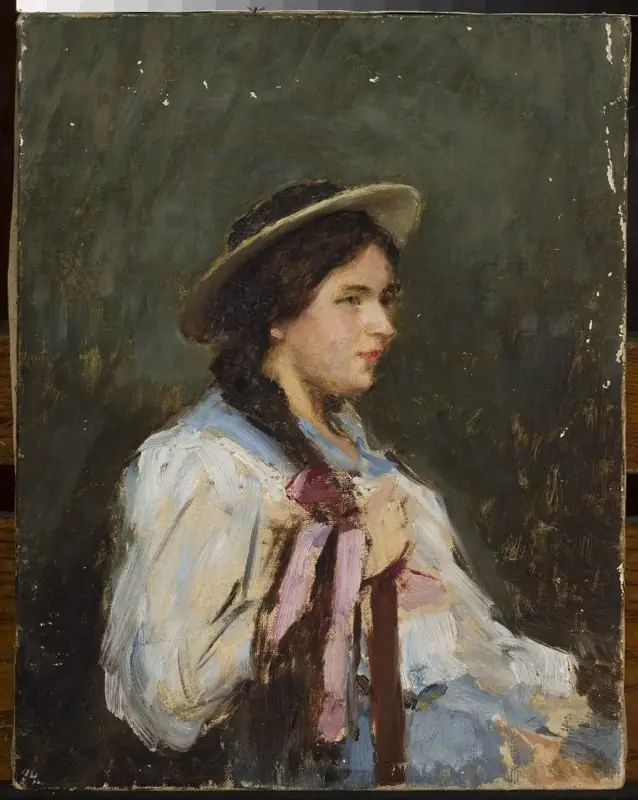
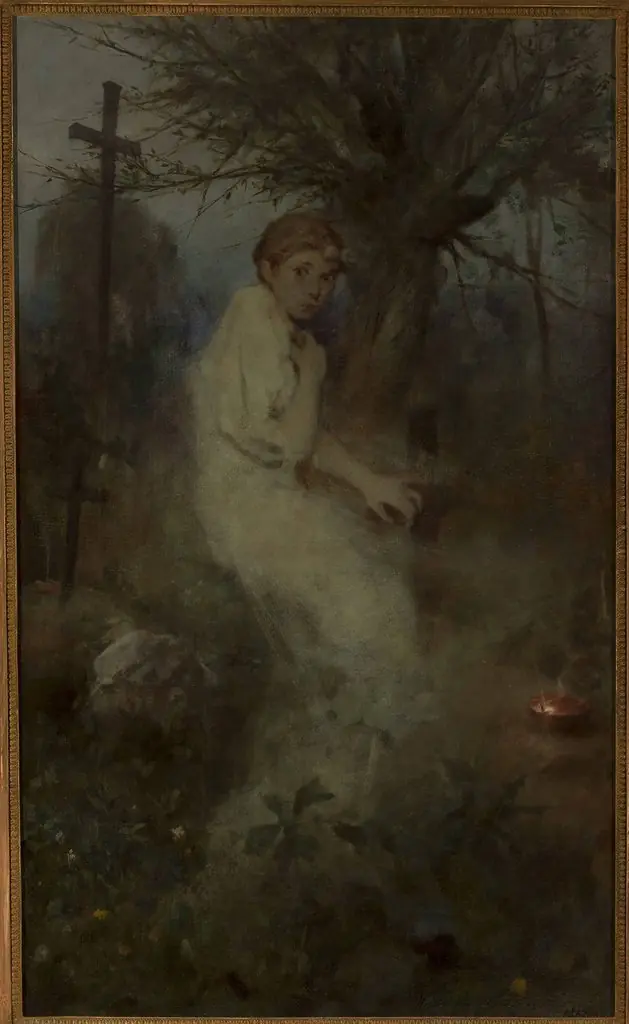
Vita is an oil painting by the Post-Impressionist artist Jan Ciągliński. It dates from 1906 and is held in the collection of the National Museum in Warsaw.
About this work
Overview
The painting is part of the National Museum in Warsaw’s collection and reflects his engagement with post-impressionist aesthetics.
Jan Ciągliński, a Polish artist working in St. Petersburg during the late Tsarist era, completed *Vita* in 1906 using oil on canvas. The painting is part of the National Museum in Warsaw’s collection and reflects his engagement with post-impressionist aesthetics. Though often associated with Russian Impressionism, Ciągliński’s style blends regional sensibilities with broader European trends, distinguishing his work within the imperial art scene.
Subject & Meaning
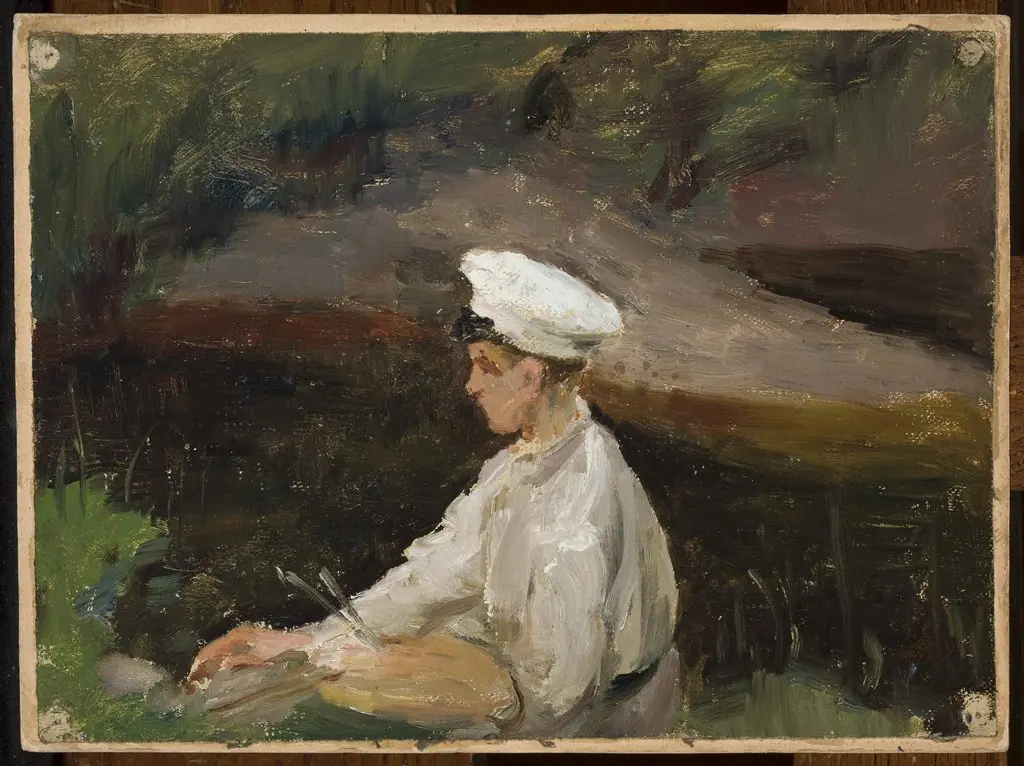
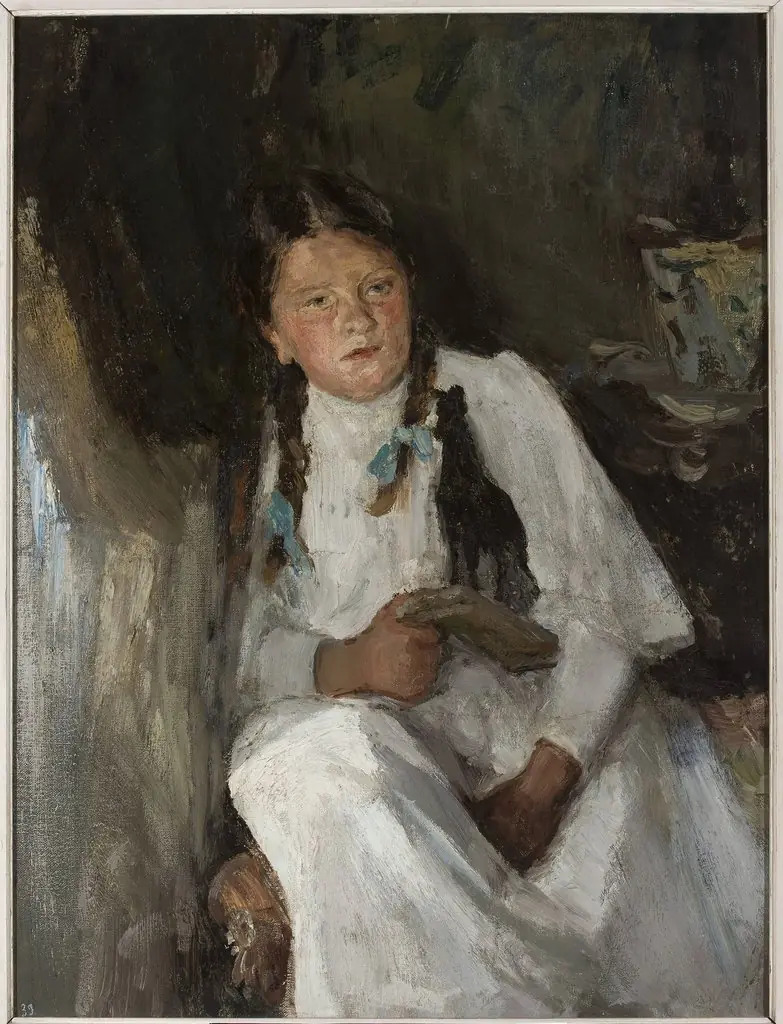
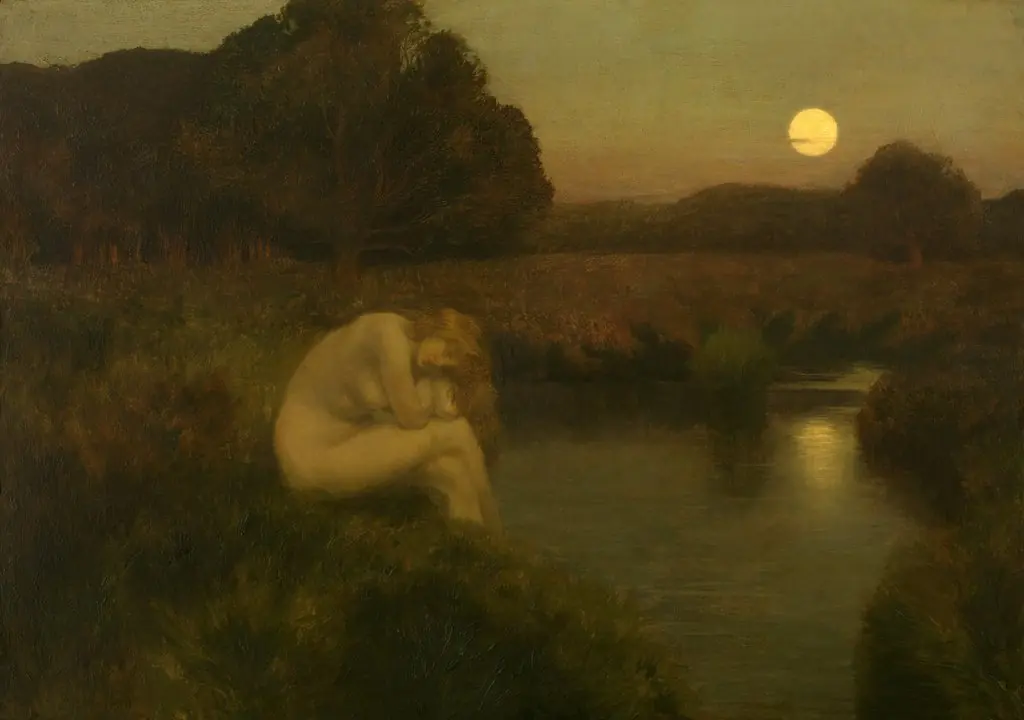
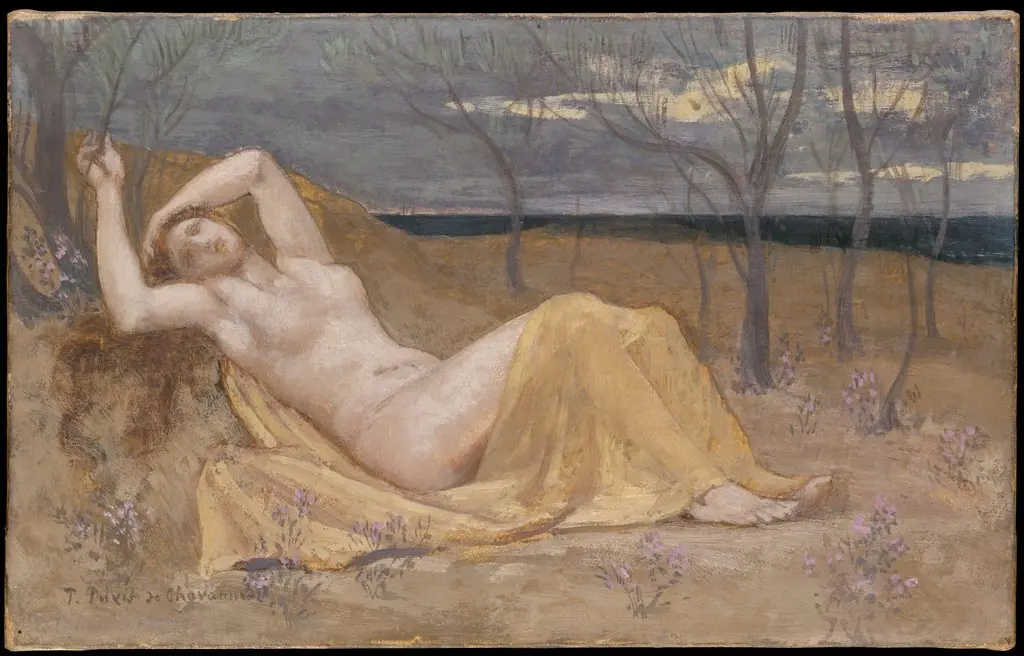
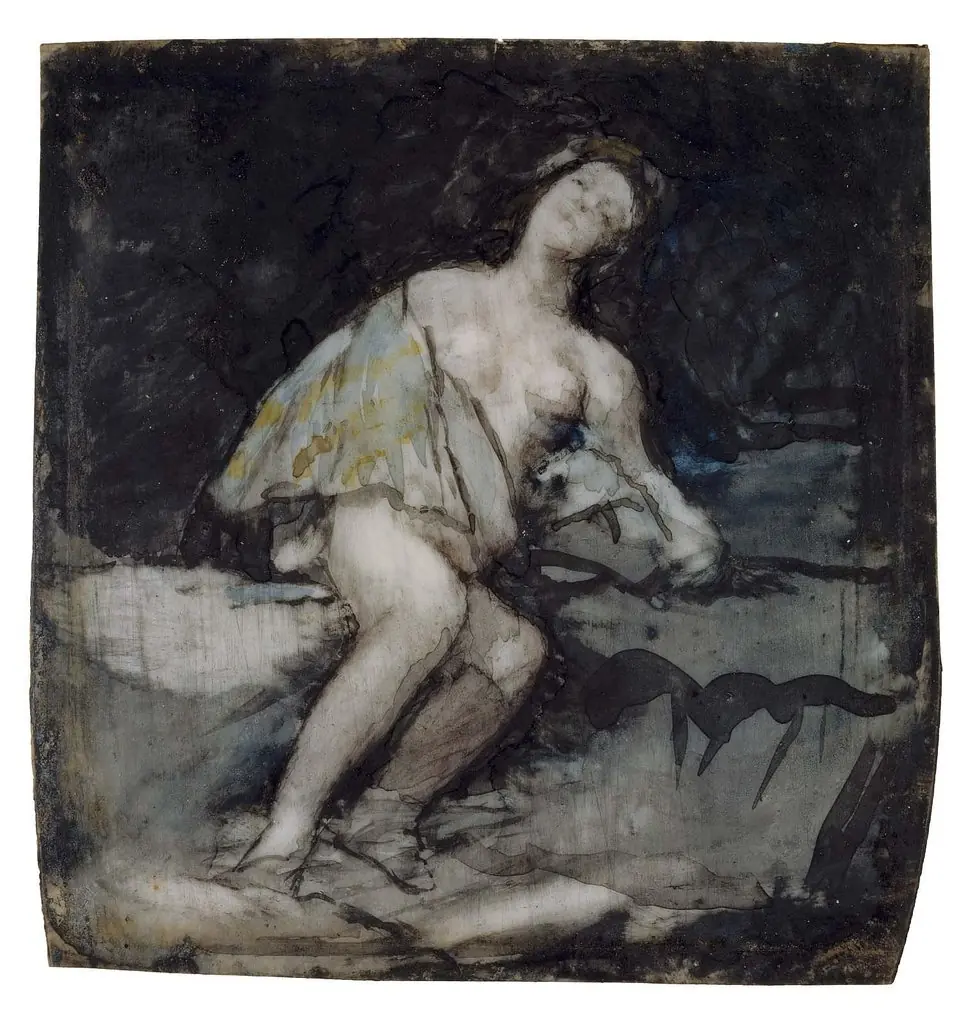
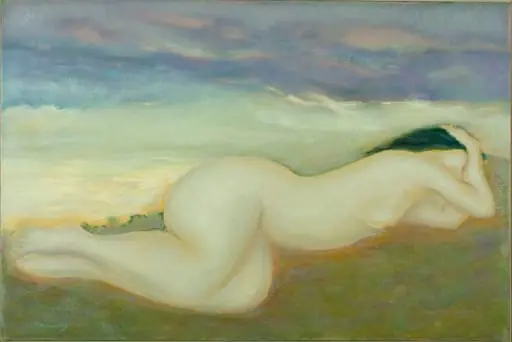
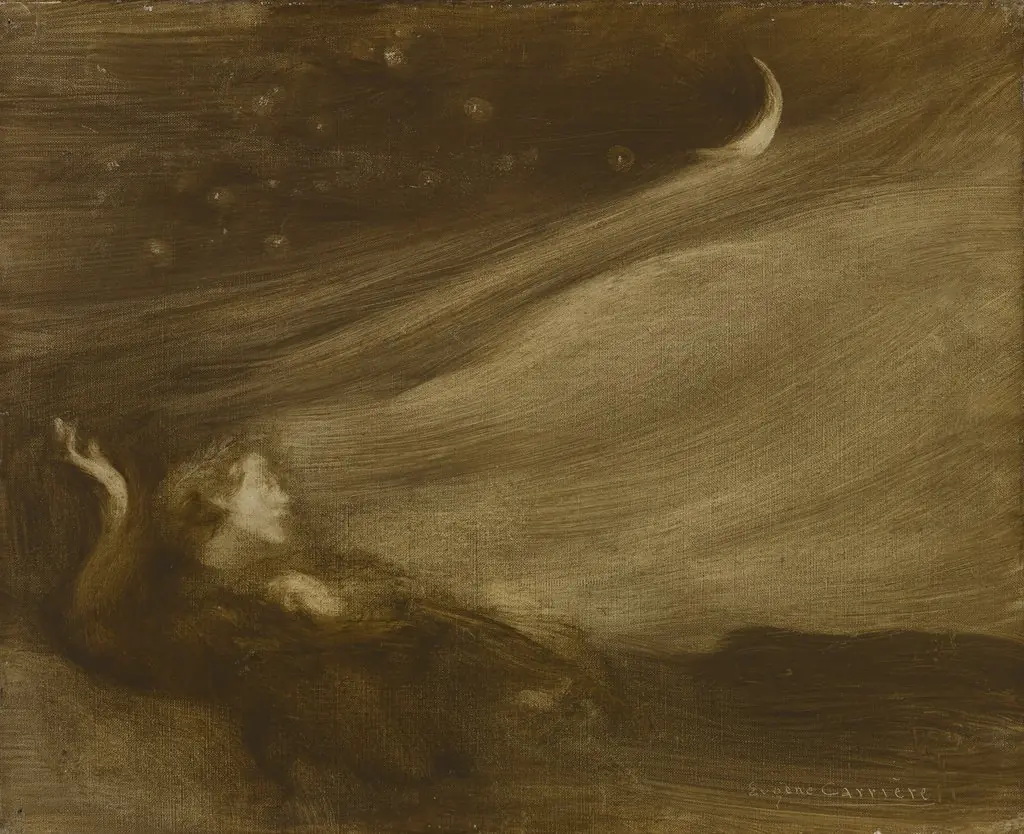
The painting depicts a reclining woman in a white, flowing garment, her form softly integrated into a hazy, atmospheric landscape. Her serene posture and direct gaze invite quiet contemplation. The absence of narrative detail and the ethereal setting suggest an introspective mood rather than a specific story, emphasizing inner stillness over external events. The figure appears less as a portrait and more as a symbol of tranquility.
Technique & Style
Ciągliński employed loose, blended brushwork and a restrained palette of pale tones to dissolve boundaries between figure and environment. The misty background and blurred edges of the water and shore create a sense of spatial ambiguity. Muted hues and minimal contrast enhance the painting’s meditative quality, aligning with post-impressionist interests in mood over detail and sensory impression over realism.
History & Provenance
Created during Ciągliński’s time in St. Petersburg, *Vita* was produced amid a period of artistic experimentation among Polish and Russian painters. The work entered the National Museum in Warsaw’s collection in the 20th century, where it remains today. Its preservation reflects its significance as an example of cross-cultural artistic exchange within the Russian Empire’s periphery.
Context
In early 20th-century St. Petersburg, artists like Ciągliński navigated the tension between imperial cultural expectations and emerging modernist tendencies. While official academies favored realism, a quieter avant-garde explored emotional tone and atmospheric effects. *Vita* exemplifies this shift, aligning with broader European movements while retaining a distinctly personal, lyrical voice.
Legacy
Ciągliński’s work, including *Vita*, is recognized as an early contribution to the development of Russian Impressionism, though his Polish identity complicates national categorizations. His focus on subtle emotion and atmospheric harmony influenced later artists in the region who sought alternatives to academic rigidity. Today, his paintings are studied for their quiet innovation within a complex imperial context.
Artist & collection
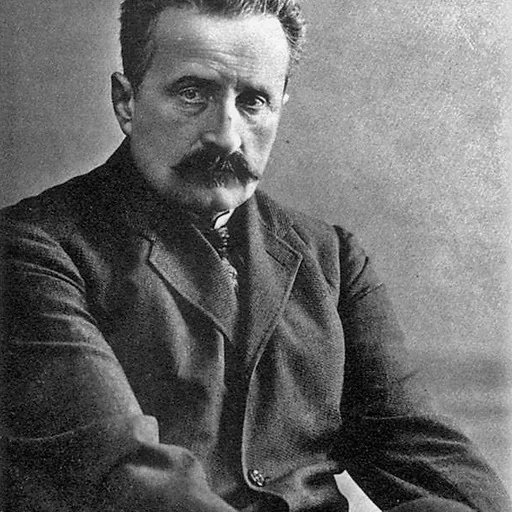
Artist
Jan Ciągliński (Polish: ; Russian: Ян/Иван Францевич Ционглинский, romanized: Yan/Ivan Frantsevich Tsionglinskiy; 20 February 1858 – 6 January 1913) was a Polish painter, active in St.