Artwork
Portrait of a Woman in a Leopard Cloak
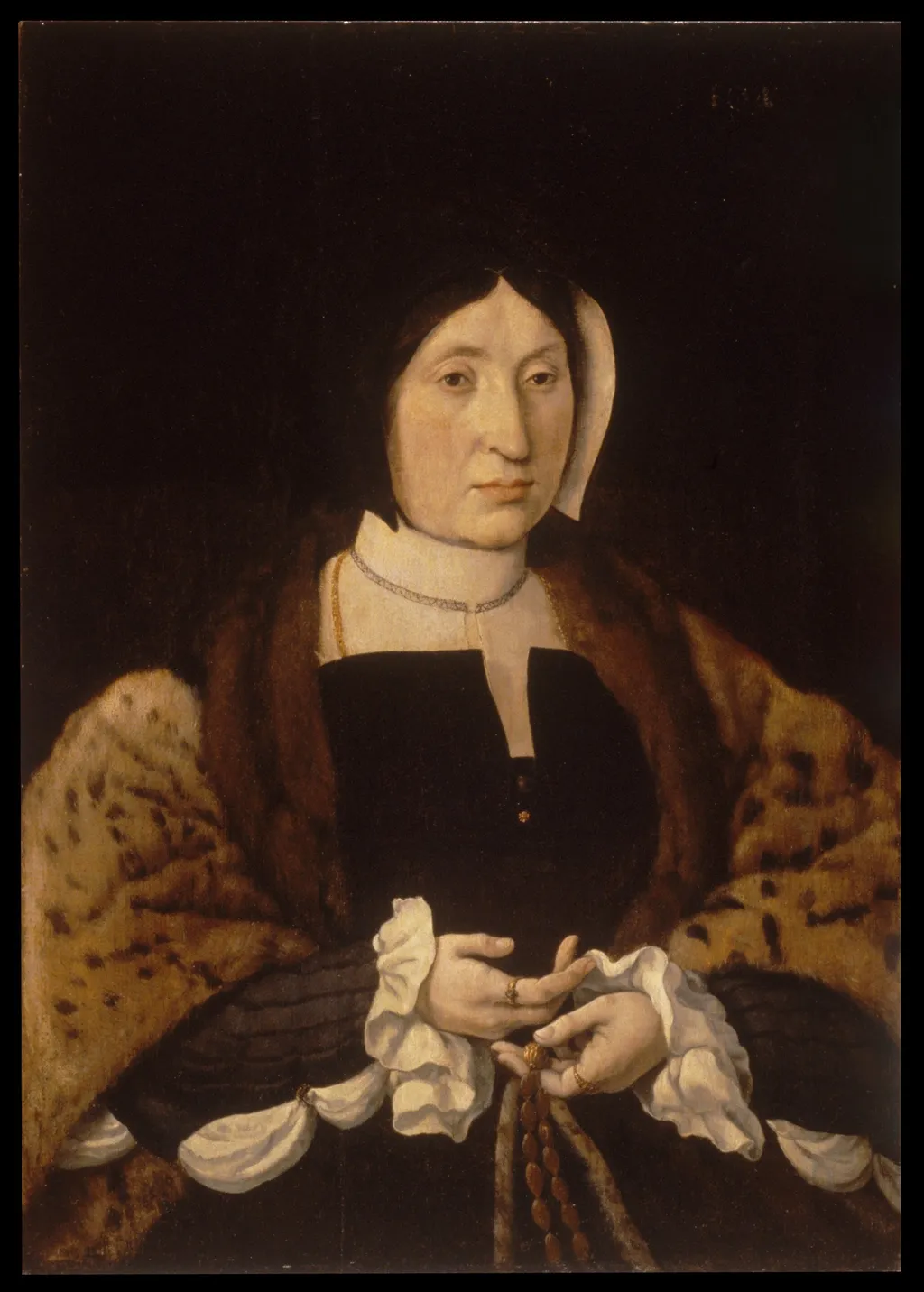
Portrait of a Woman in a Leopard Cloak is an oil painting by the Northern Renaissance artist Jan Cornelisz Vermeyen. It dates from 1545 and is held in the collection of the Walters Art Museum. Painted in 1545 by Jan Cornelisz.
About this work
Overview
Painted in 1545 by Jan Cornelisz. Vermeyen, this oil portrait captures a noblewoman draped in a leopard-skin cloak. Vermeyen, a Dutch artist linked to the Habsburg court, specialized in portraiture for elite patrons. The work is held in the Walters Art Museum and exemplifies Northern Renaissance conventions, blending realism with symbolic detail to convey status and piety.
Subject & Meaning
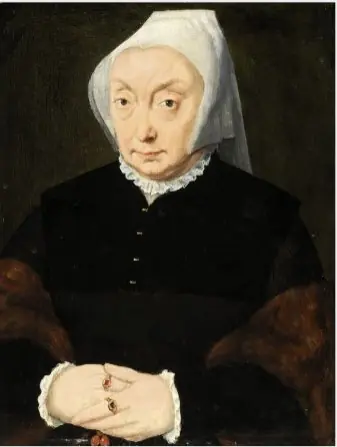
The sitter, likely a member of the Habsburg circle, wears a leopard cloak—a rare and costly garment signaling wealth and exotic taste. Her white head covering and dark dress suggest modesty, while the rosary in her hands implies devotion. Her direct gaze and composed expression convey dignity and inner resolve, merging secular prestige with spiritual gravity.
Technique & Style
Vermeyen employs oil paint with careful attention to texture, rendering the fur’s sheen and fabric folds with precision. Chiaroscuro models the figure’s form against a dark, undefined background, enhancing three-dimensionality. The restrained palette—dominated by black, white, and muted browns—focuses attention on the contrast between the leopard skin and the sitter’s austere attire.
History & Provenance
Created during Vermeyen’s service to Archduchess Margaret of Austria, the portrait likely originated in the Habsburg court milieu. Its survival into modern times, now in the Walters Art Museum, reflects its enduring value as a document of 16th-century elite portraiture. No definitive records of its early ownership exist, but its style aligns with other works commissioned by Habsburg patrons.
Context
In mid-16th-century Northern Europe, portraits of noblewomen often combined personal identity with social symbolism. Leopard pelts, imported from Africa or the Near East, were luxury items associated with power. The inclusion of religious objects like the rosary reflected the era’s fusion of worldly status and Catholic piety, especially among women in courtly roles.
Legacy
Vermeyen’s portrait contributes to the understanding of how Northern Renaissance artists translated aristocratic identity into visual language. While not widely known today, the work exemplifies the quiet authority of court portraiture outside Italy. Its preservation allows ongoing study of material culture, gender representation, and artistic patronage in Habsburg-adjacent circles.
Own this work as a print
Artist & collection
Artist
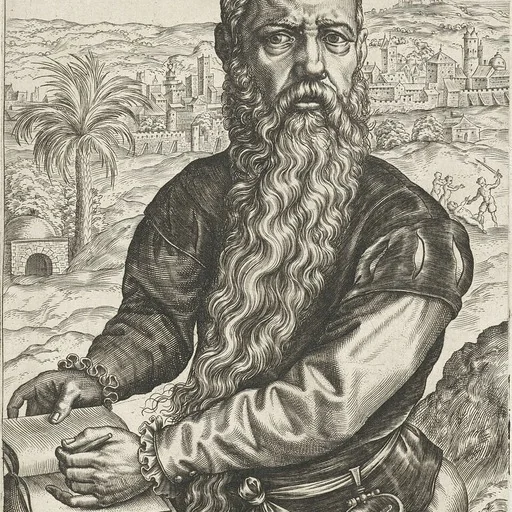
Jan Cornelisz. Vermeyen, also known as Juan del Mayo (c. 1503 – 1559) was a Dutch painter, printmaker and tapestry designer. He is known for his portraits, history scenes and genre subjects. He worked in Mechelen and…

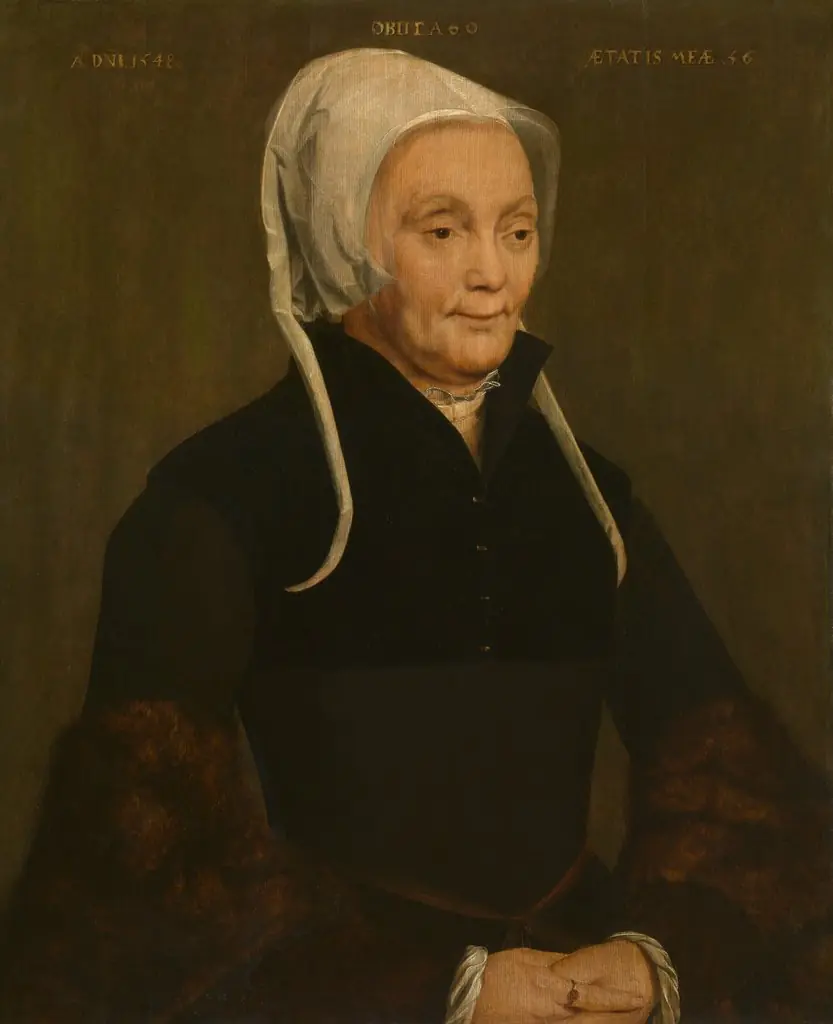 Portrait of a Woman
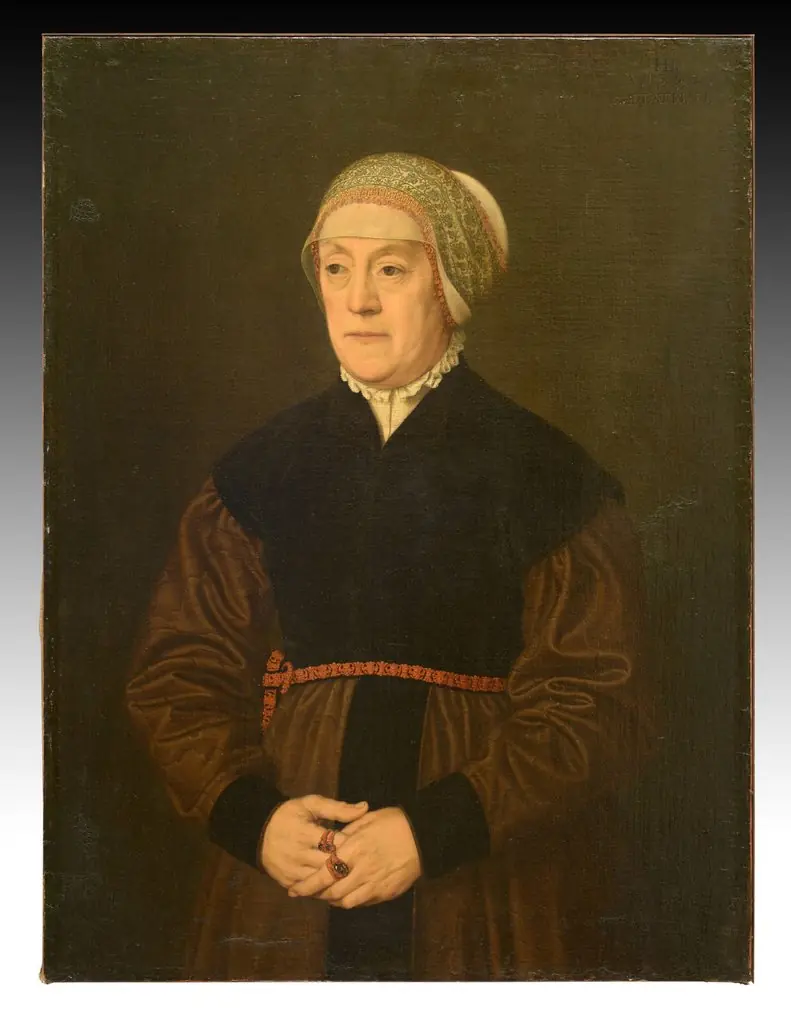 Portrait of an Elderly Woman
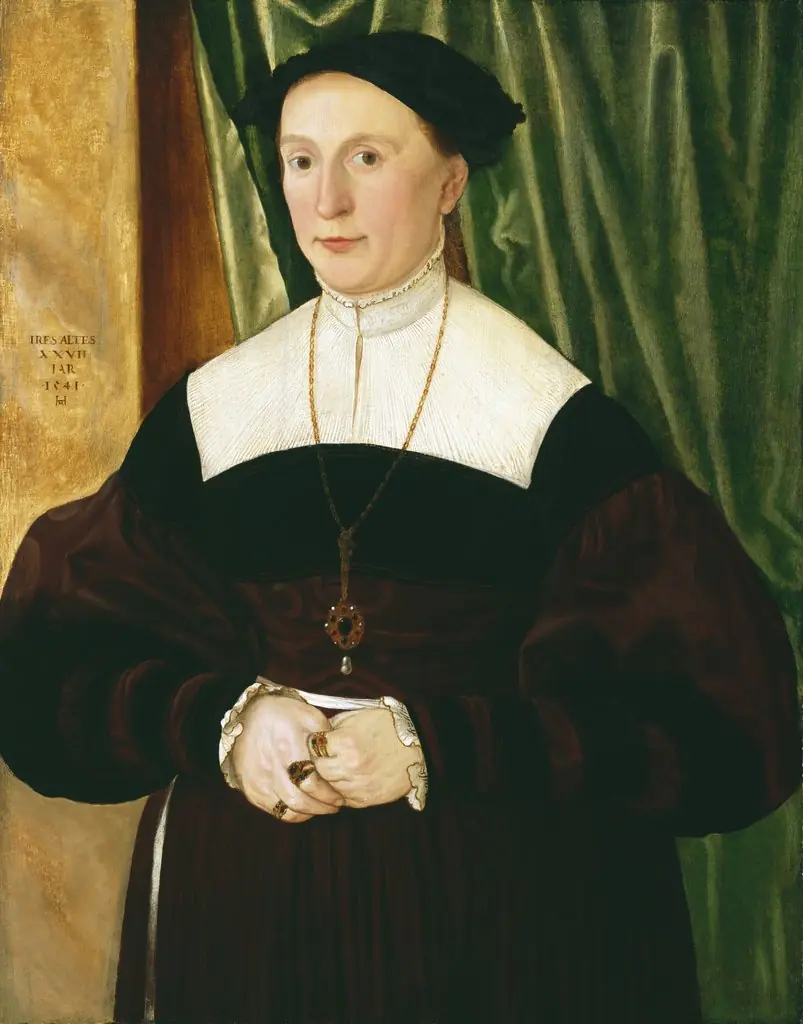 Portrait of a Woman
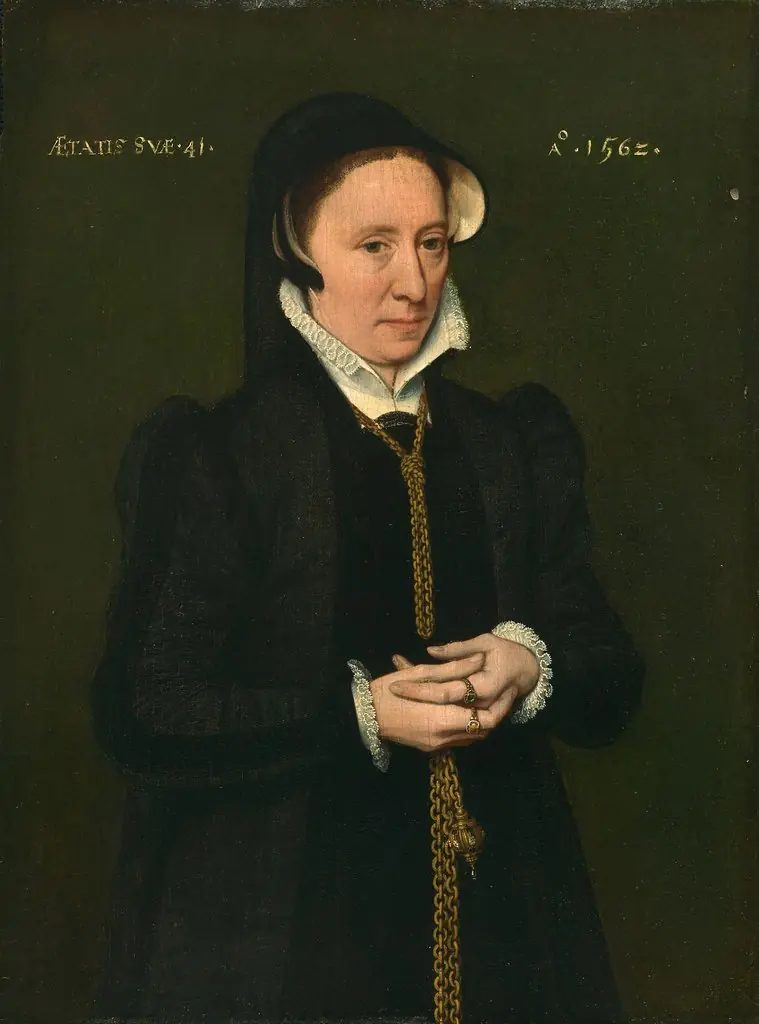 Portrait of a Woman
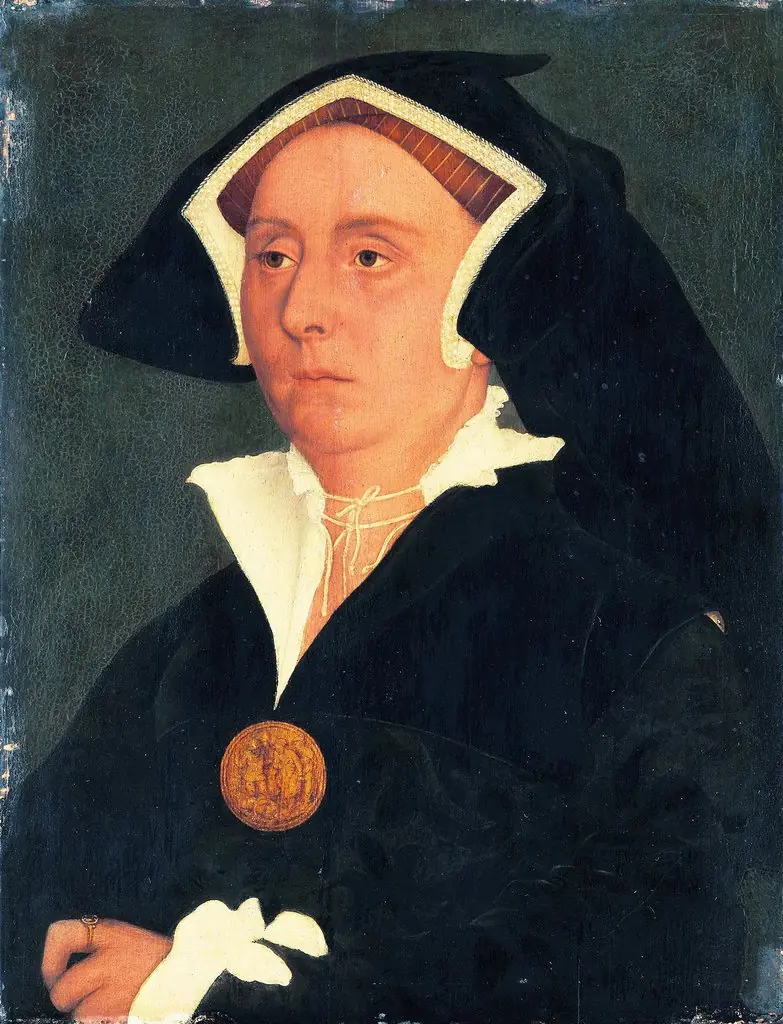 Lady Rich (Elizabeth Jenks, died 1558)
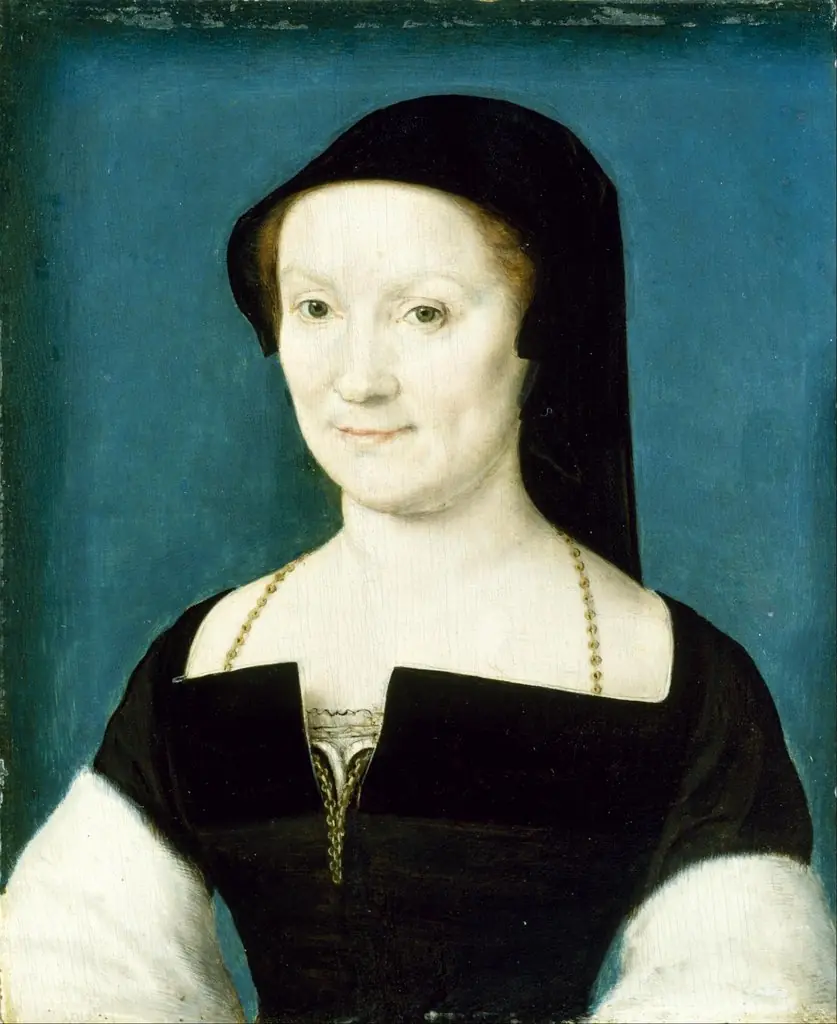 Isabeau de Savoie, Comtesse du Bouchage
 Portrait of a Woman
 Weibliches Bildnis
 Lady Lee (Margaret Wyatt, born about 1509)
 Marie de Batarnay
 Portrait of a Woman
 Portrait of Anne Fernely, pendant to Sir Thomas Gresham