Artwork
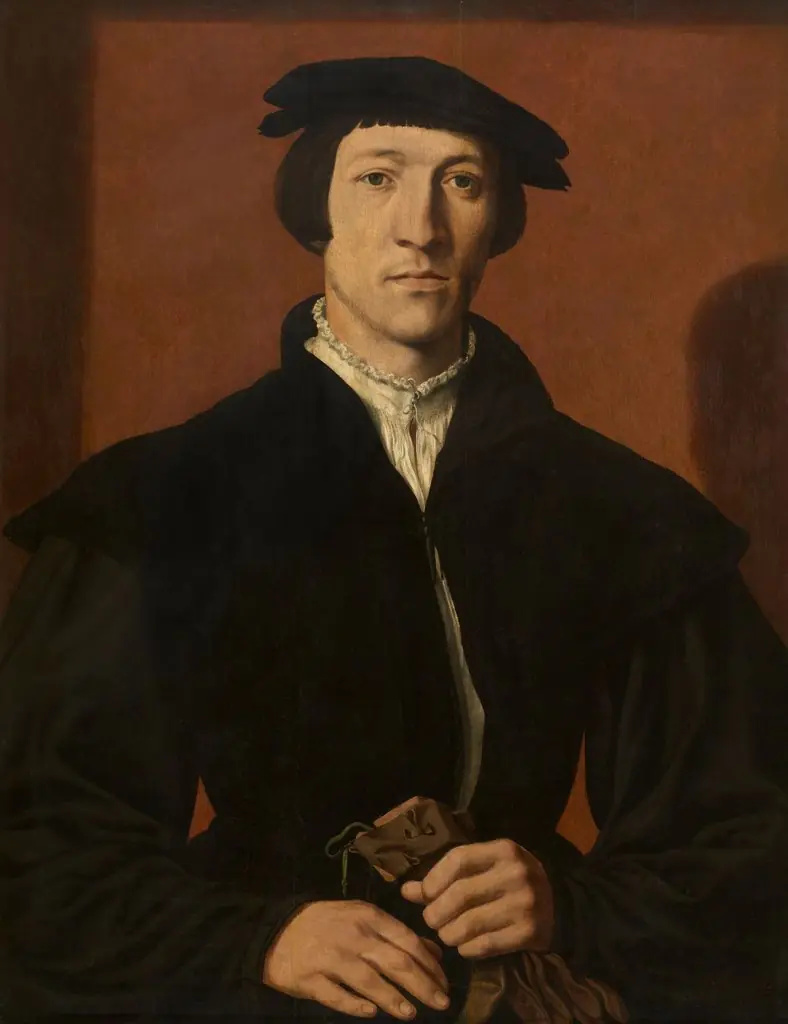
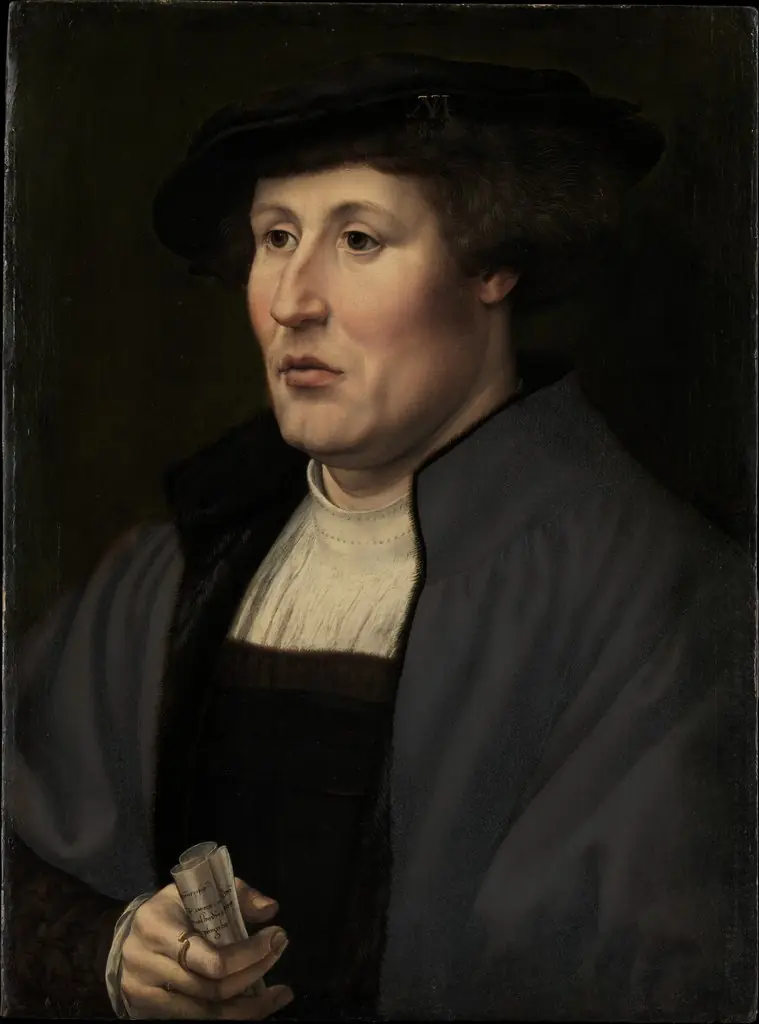
Portrait of the Antwerp merchant Hieronymus Tucher
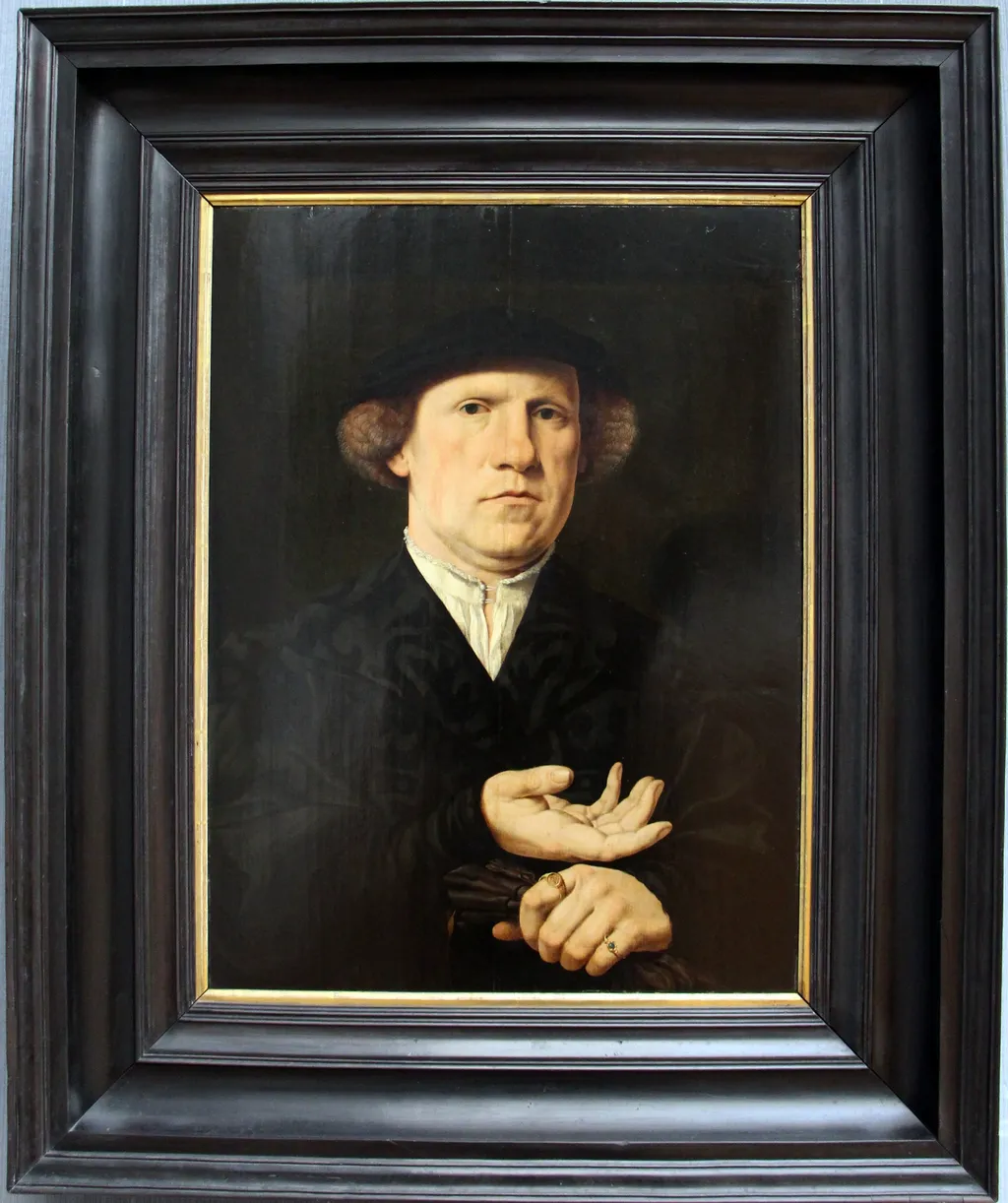
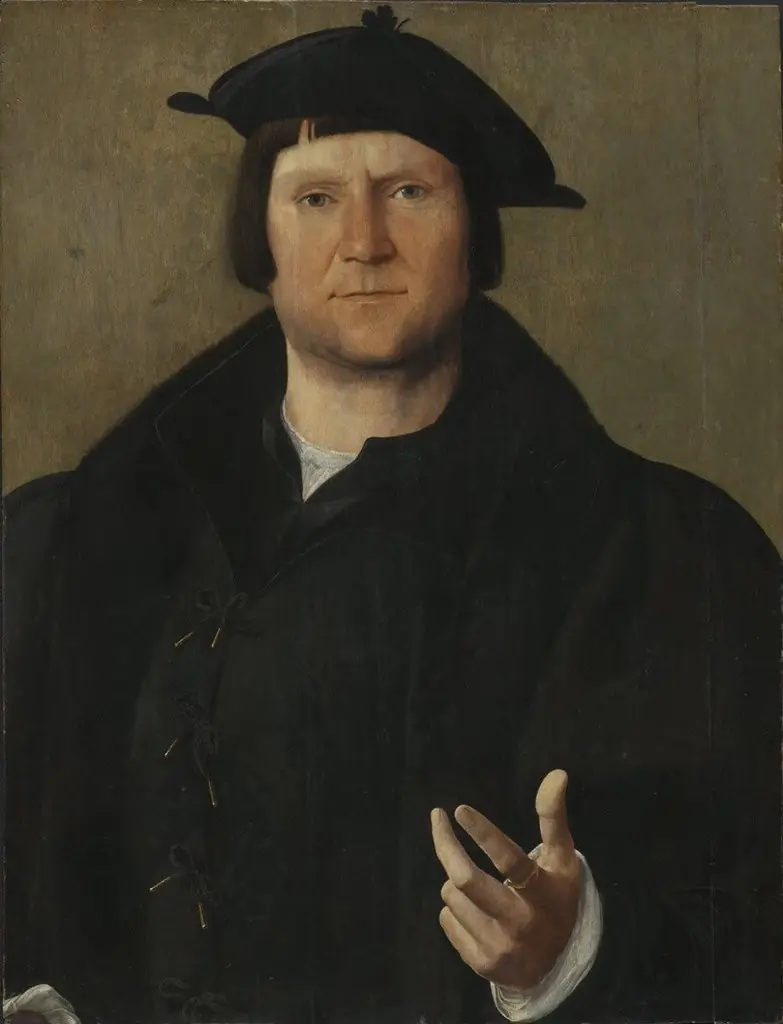
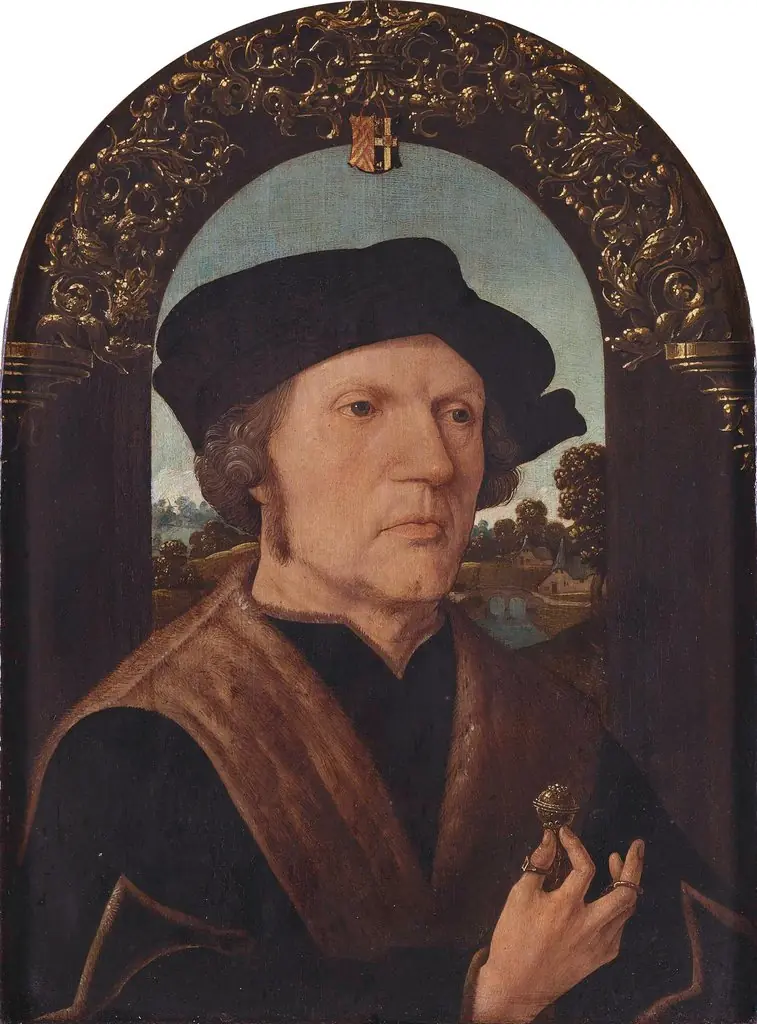
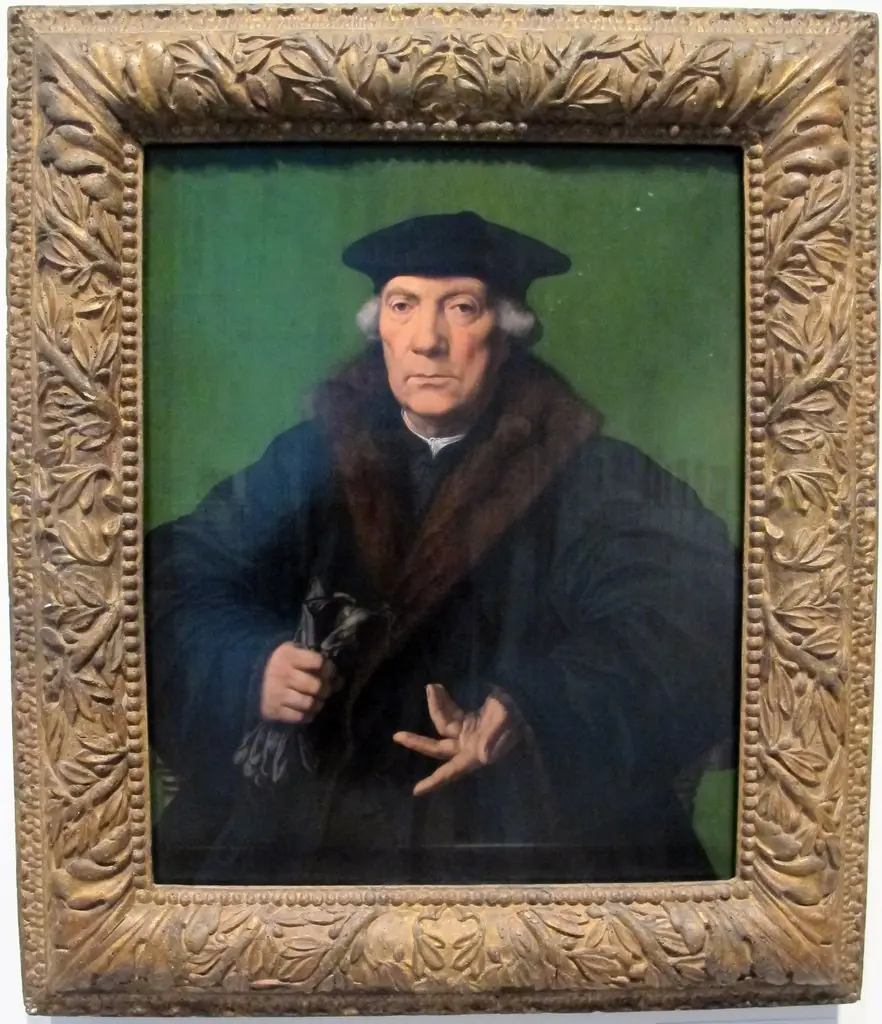
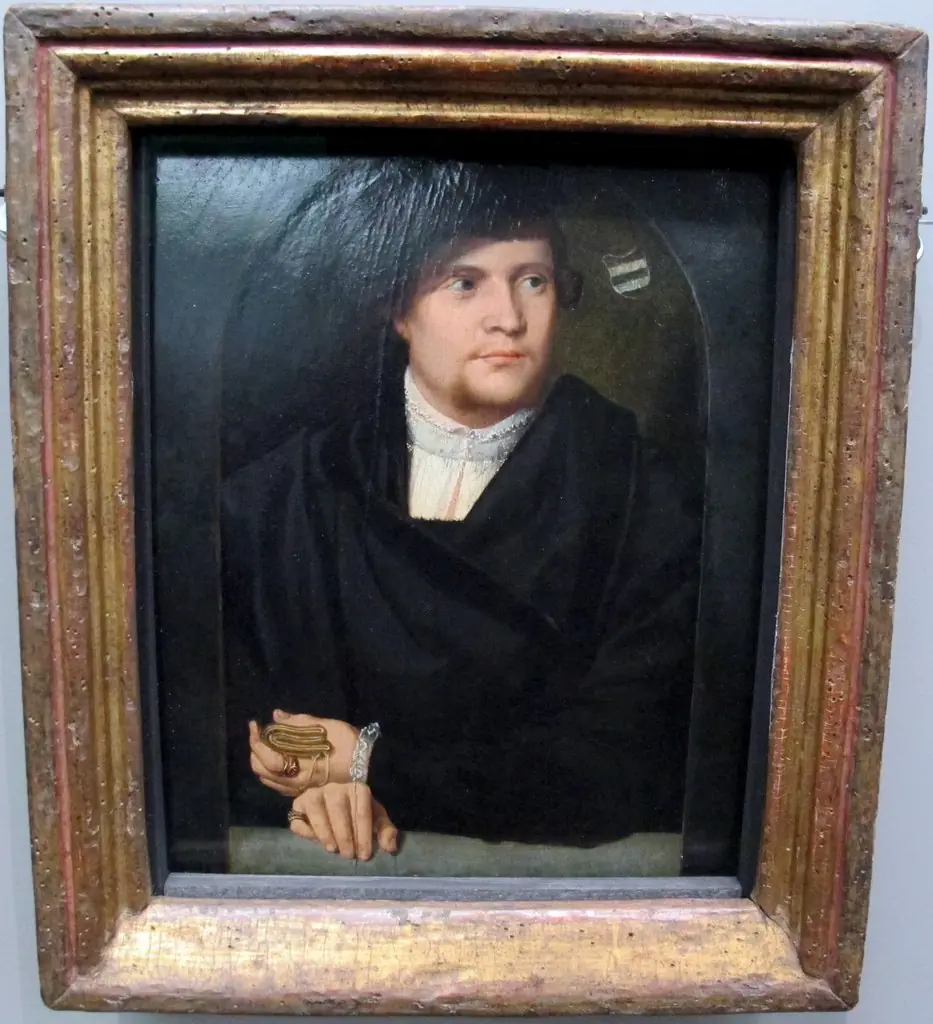
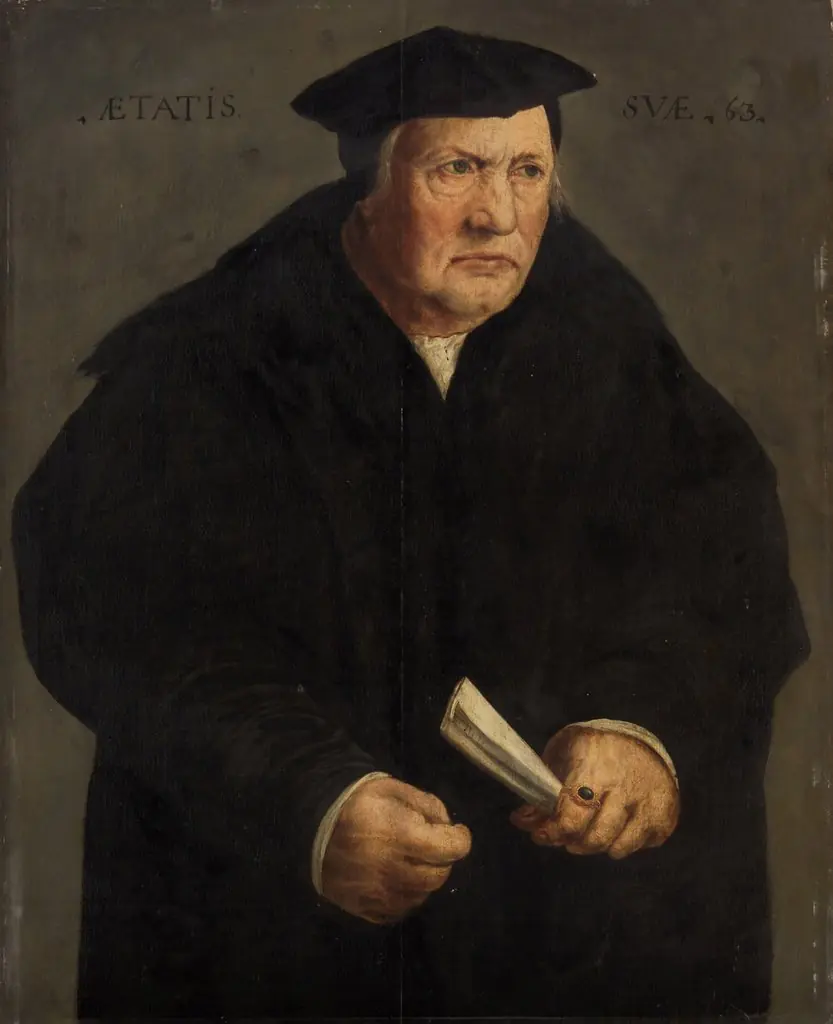
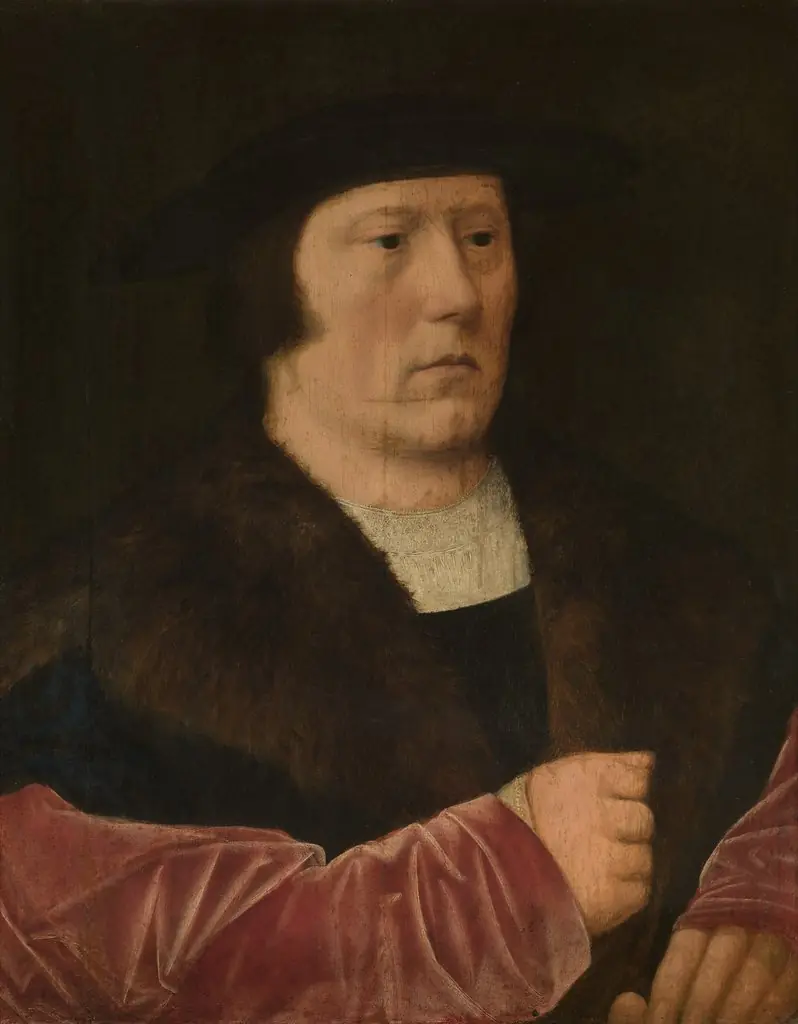
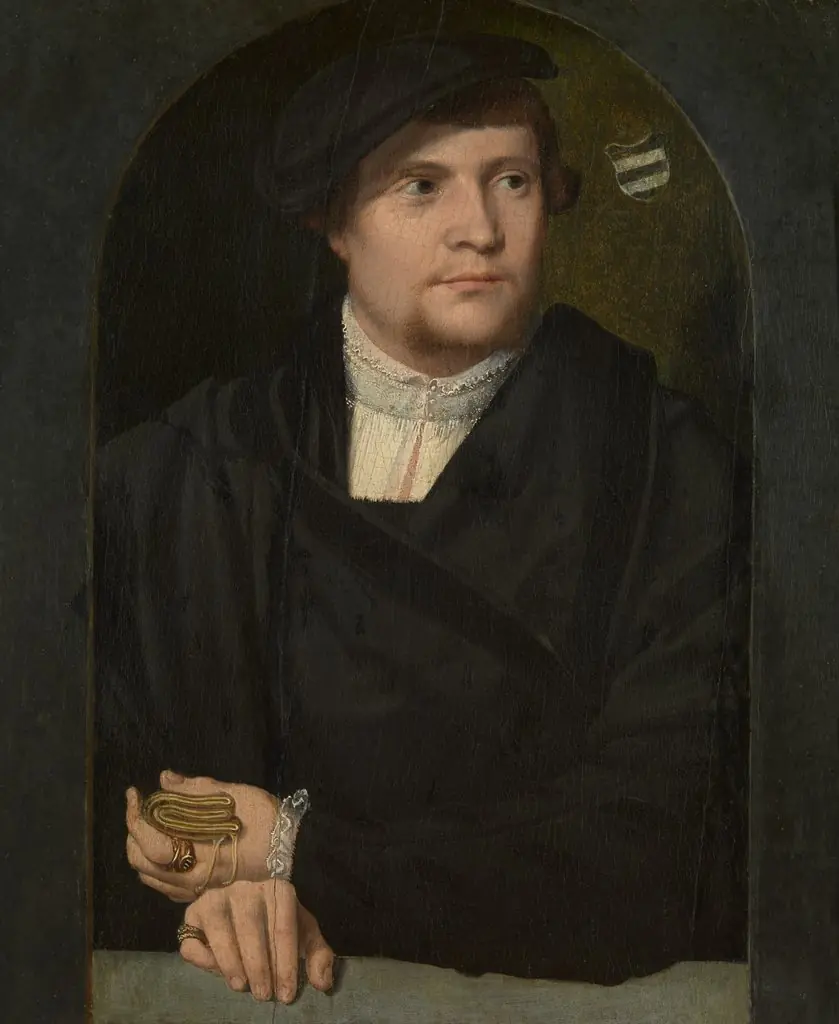
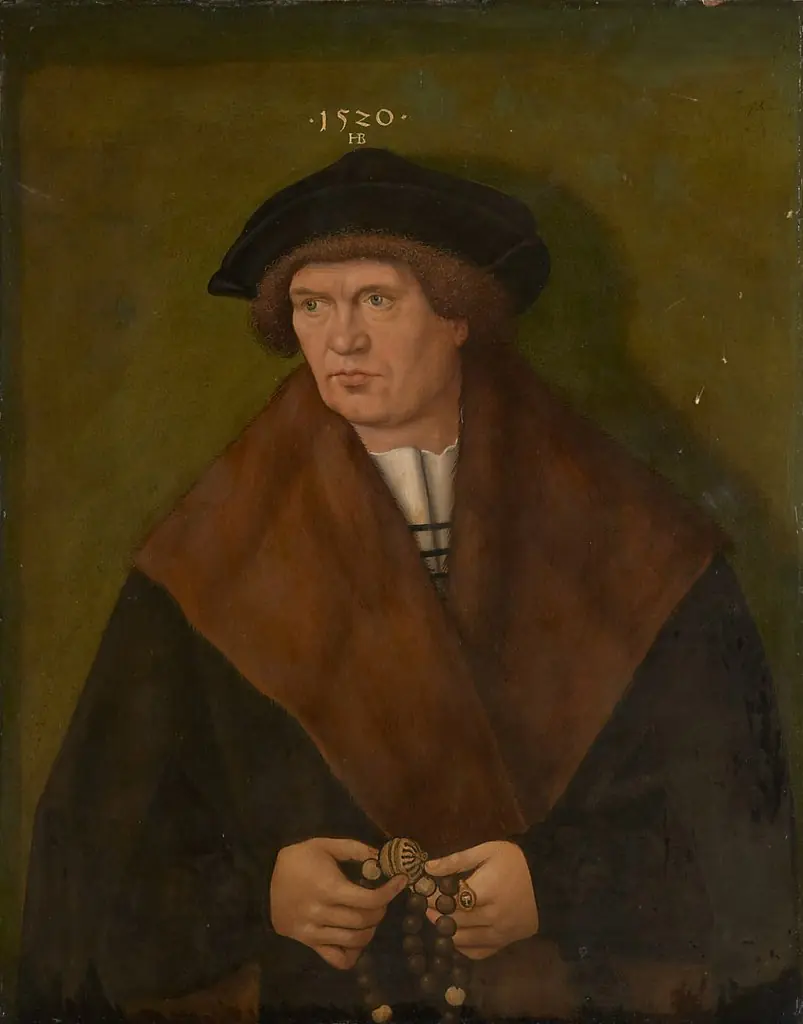
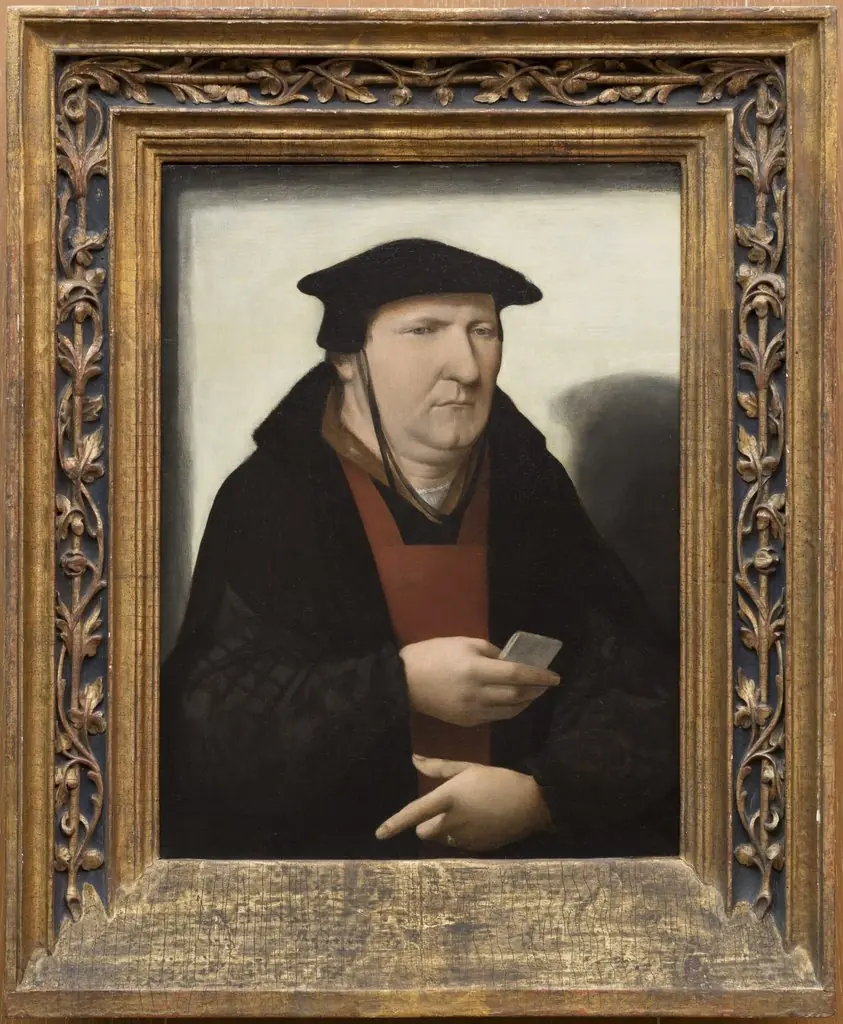
Portrait of the Antwerp merchant Hieronymus Tucher is a paint painting by the Northern Renaissance artist Jan Cornelisz Vermeyen. It dates from 1530 and is held in the collection of the Gemäldegalerie Berlin. Painted in 1530 by Jan Cornelisz.
About this work
Overview
Painted in 1530 by Jan Cornelisz. Vermeyen, this portrait captures Hieronymus Tucher, a merchant from Antwerp. Vermeyen, a Dutch artist active in the Habsburg court, combined portraiture with tapestry design and served Emperor Charles V. The work exemplifies Northern Renaissance ideals through its focus on individual identity and meticulous detail. It resides today in the Gemäldegalerie, Berlin.
Subject & Meaning
His black attire, white collar, and tailored hat signal his status as a prosperous urban merchant, not nobility.
Hieronymus Tucher is depicted with quiet composure, his clasped hands suggesting restraint and dignity. His black attire, white collar, and tailored hat signal his status as a prosperous urban merchant, not nobility. The absence of symbols or elaborate settings shifts focus to his presence alone, reflecting a growing Renaissance interest in personal identity and social role rather than inherited rank.
Technique & Style
Vermeyen employs chiaroscuro to model the merchant’s face and hands, using subtle gradations of light to define volume against a dark, neutral background. The texture of fabric, the sheen of skin, and the fine curls of hair are rendered with precision. The composition is tightly framed, eliminating distraction and reinforcing the psychological intensity of the sitter’s gaze.
History & Provenance
The painting was likely commissioned by Tucher or his family during Vermeyen’s time in the Low Countries. It entered the Berlin collection in the 19th century, following the consolidation of European private holdings. Its attribution has remained consistent, supported by stylistic parallels to Vermeyen’s documented works and his known clientele among merchant elites.
Context
In early 16th-century Antwerp, wealthy merchants like Tucher commissioned portraits to affirm their economic and social standing. Vermeyen’s style, influenced by both Netherlandish realism and emerging Italian techniques, catered to this demand. The portrait reflects a broader shift in Northern Europe toward secular, individualized representation outside religious or aristocratic frameworks.
Legacy
Though less widely known than contemporaries like Holbein, Vermeyen’s portraits contributed to the evolution of Northern Renaissance portraiture. This work stands as a quiet testament to the rising prominence of the merchant class and the artistic precision used to convey their authority without overt symbolism.
Artist & collection
Artist
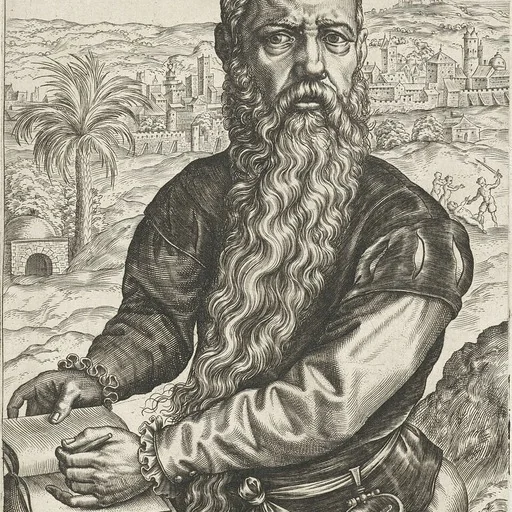
Jan Cornelisz. Vermeyen, also known as Juan del Mayo (c. 1503 – 1559) was a Dutch painter, printmaker and tapestry designer. He is known for his portraits, history scenes and genre subjects. He worked in Mechelen and…