Artwork
Still Life on a Wooden Table (Mesa)
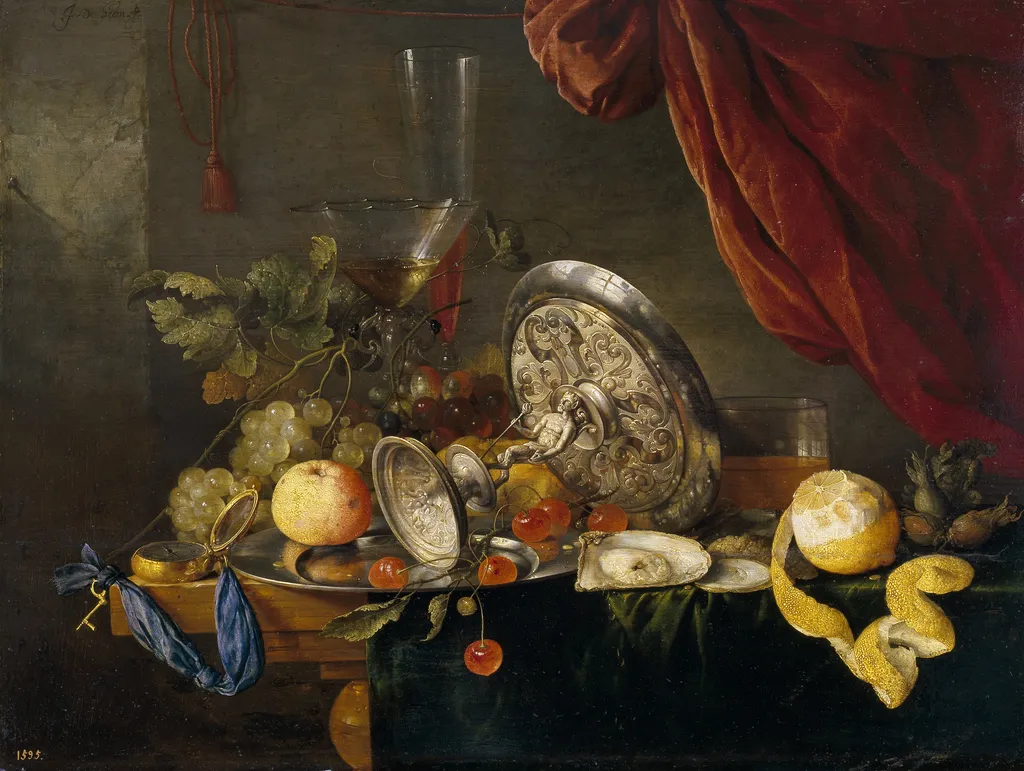
Still Life on a Wooden Table (Mesa) is an oil painting by the Dutch Golden Age artist Jan Davidsz. de Heem. It dates from 1601 and is held in the collection of the Museo del Prado. Jan Davidsz.
About this work
Overview
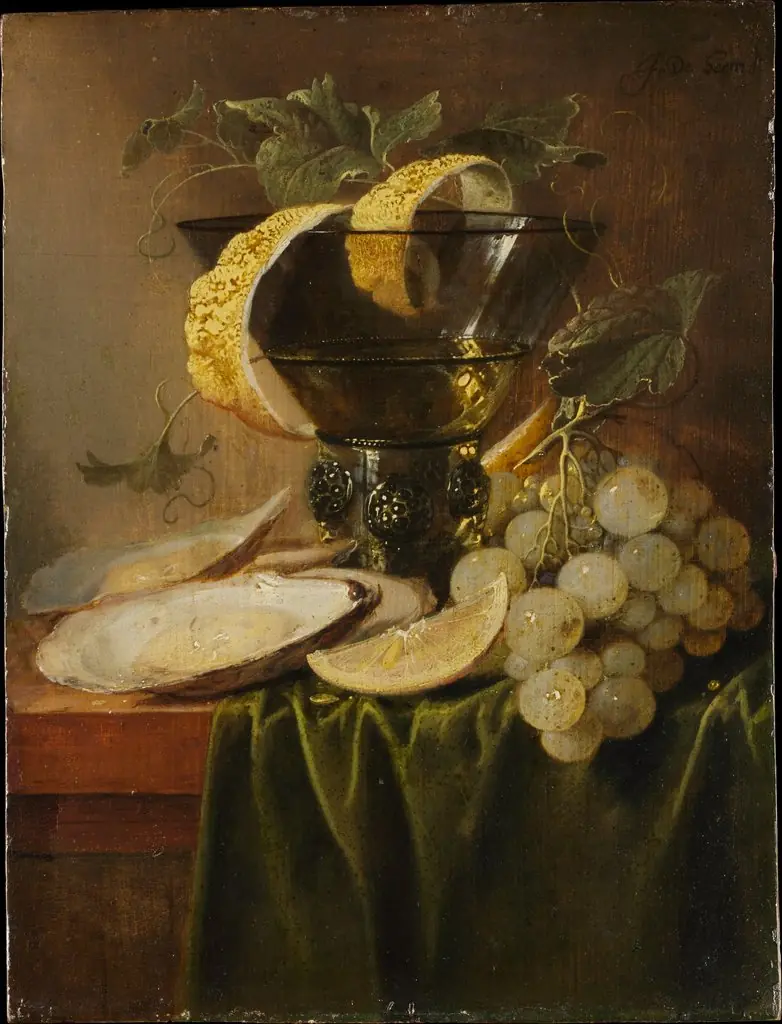
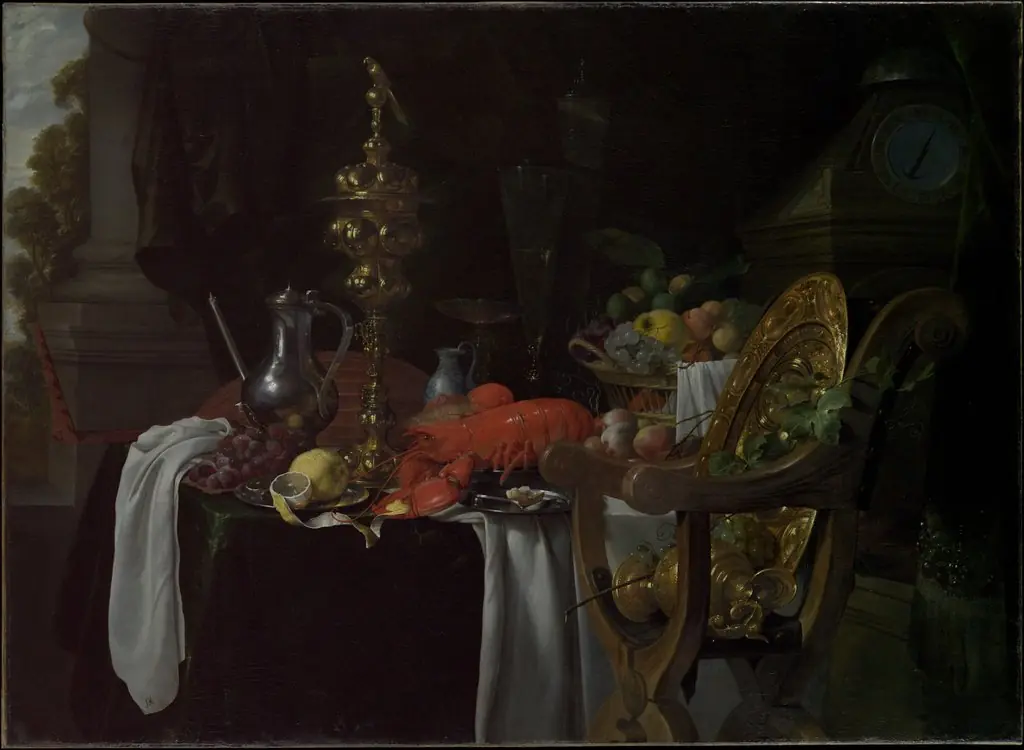
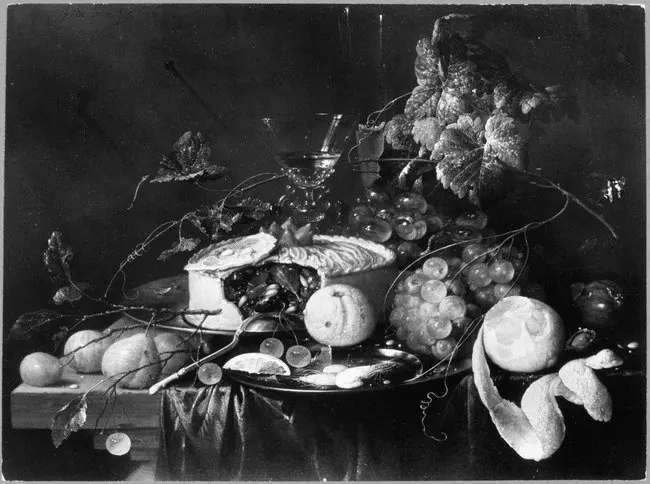
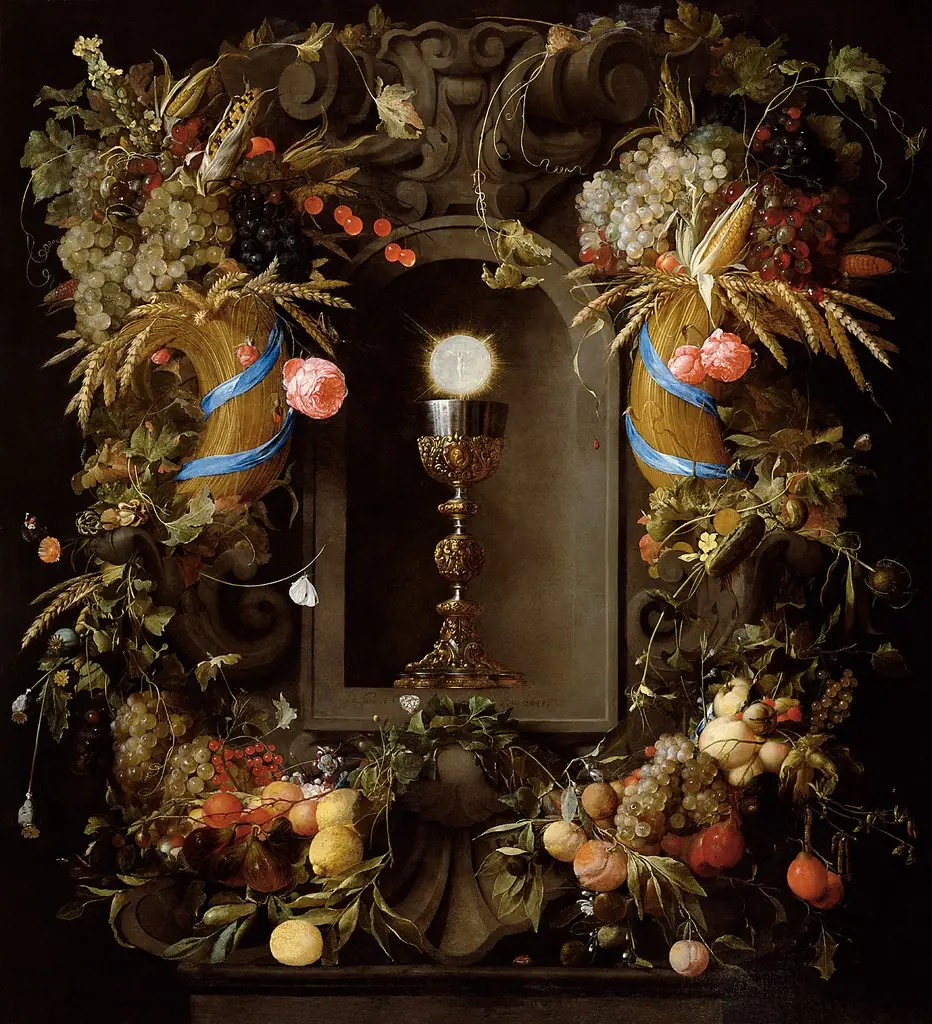
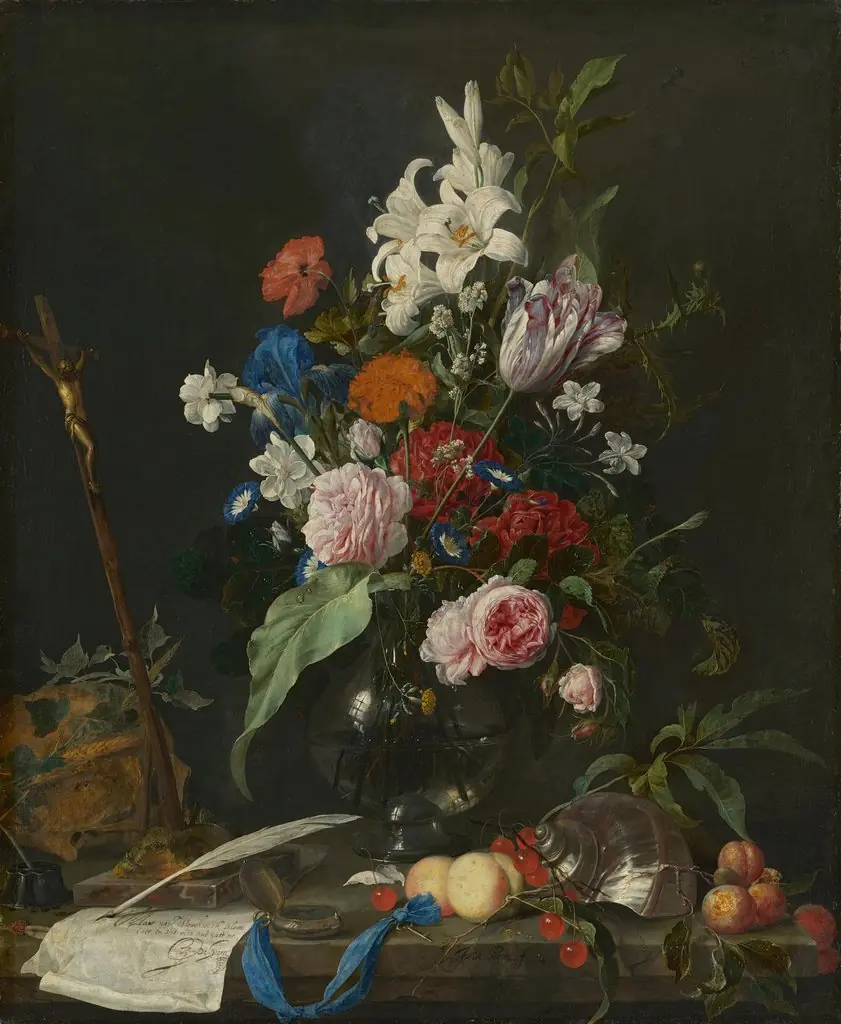
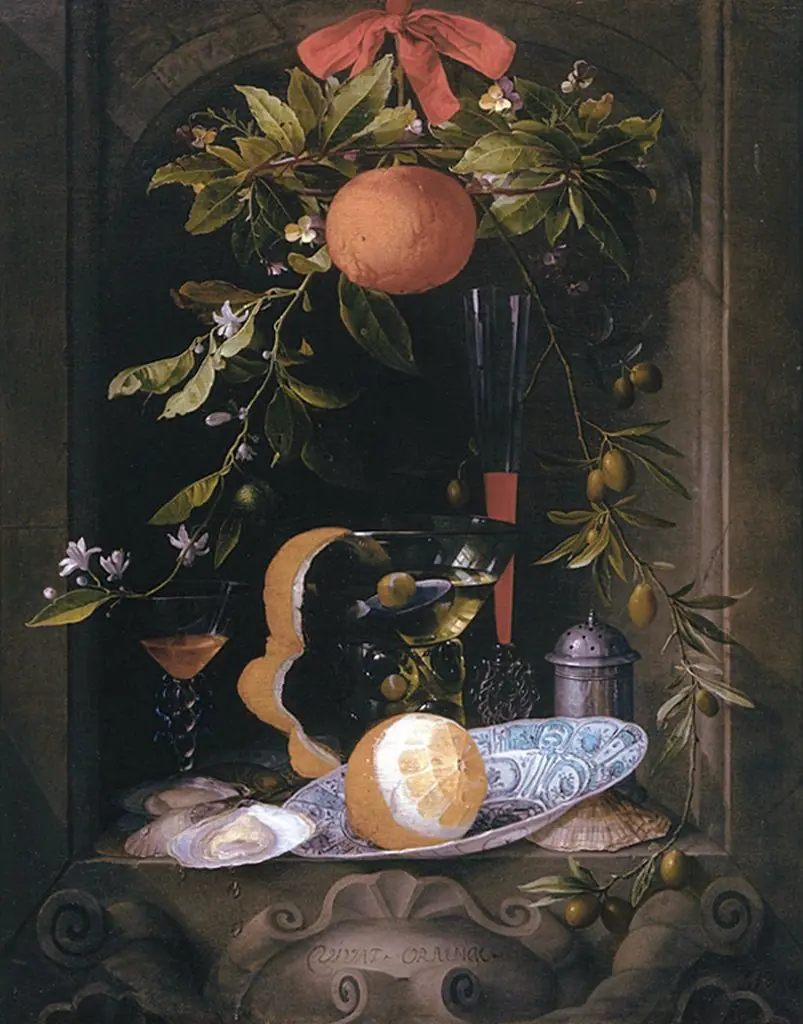
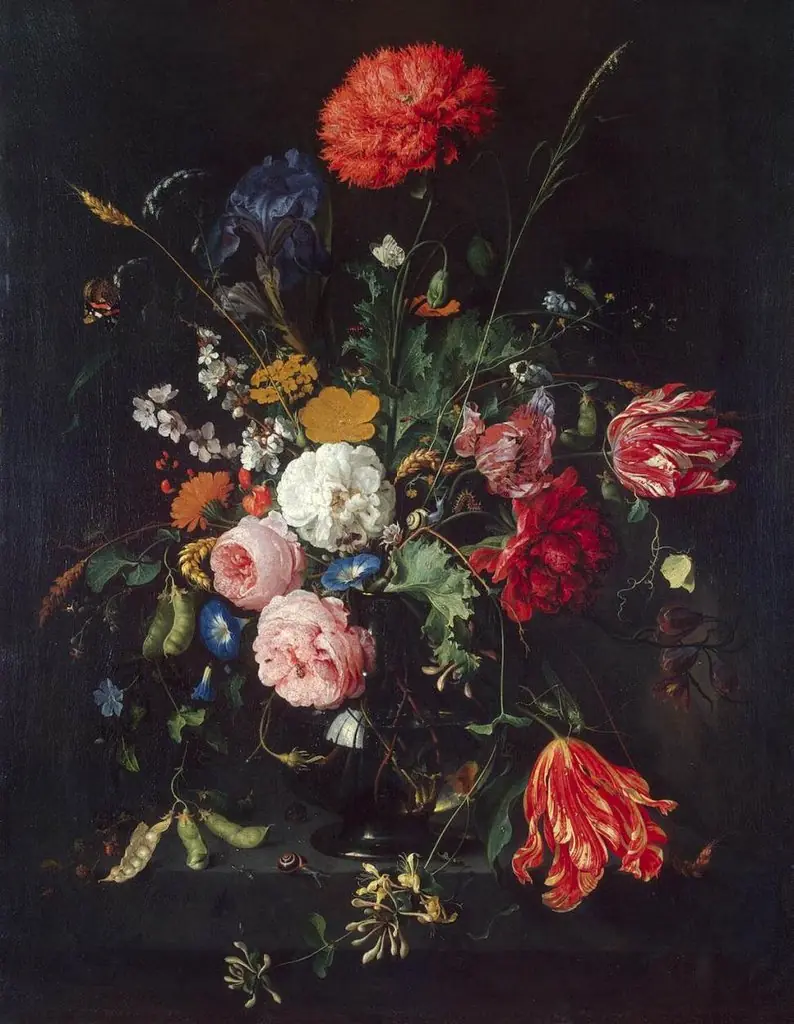
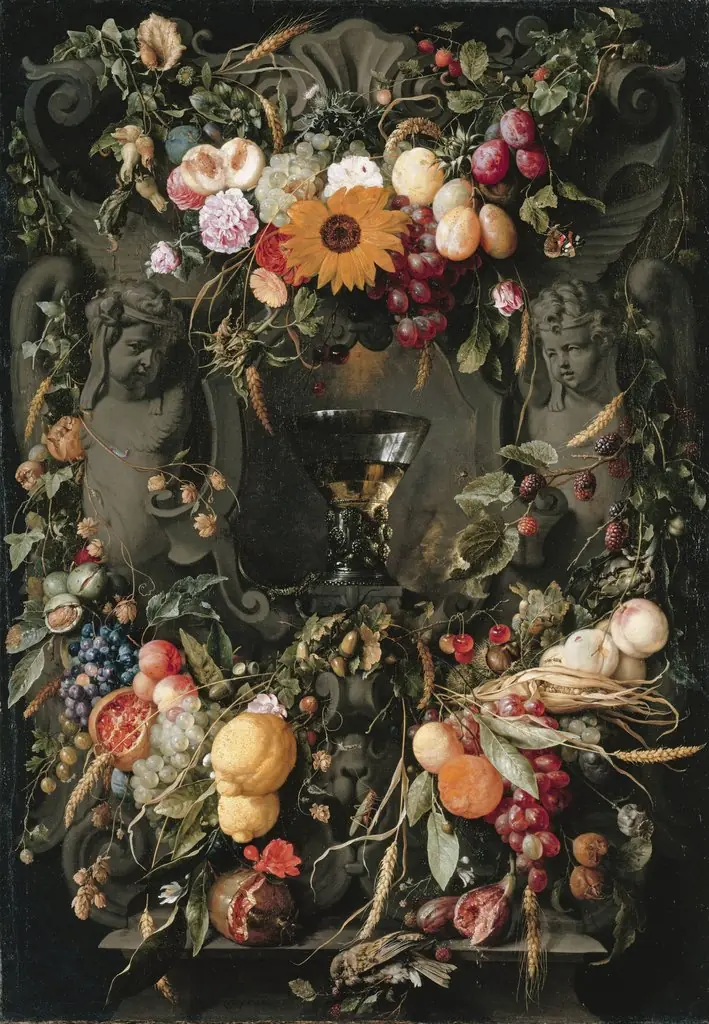
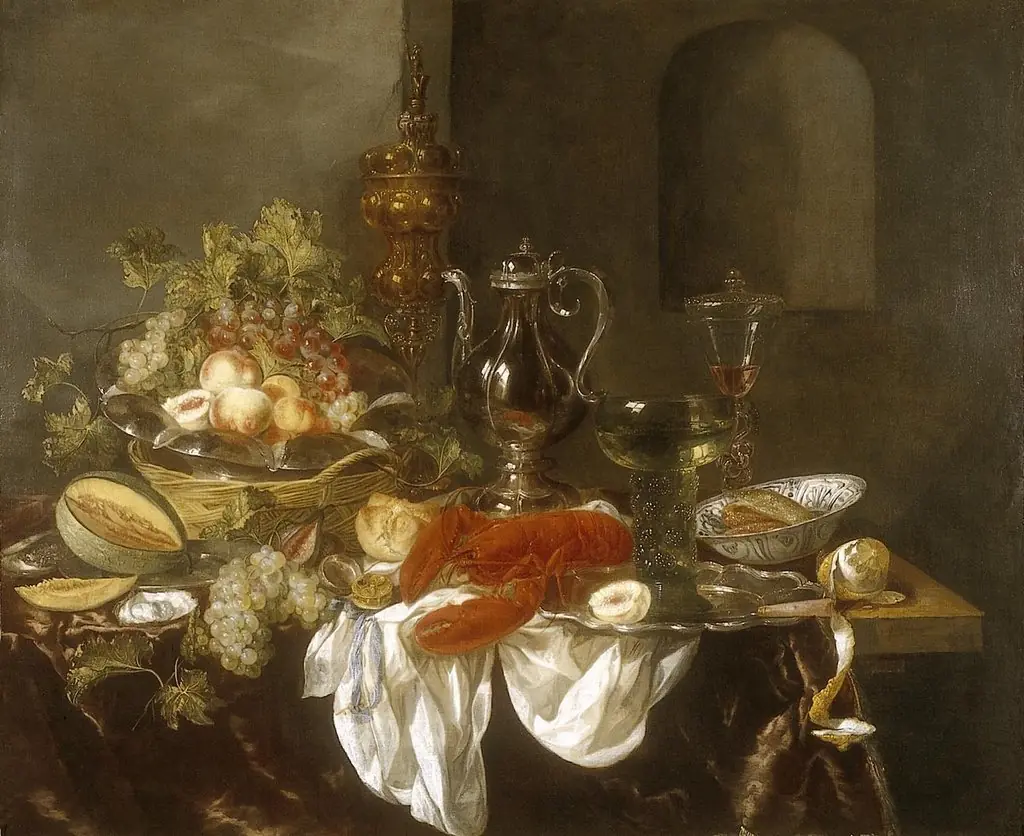
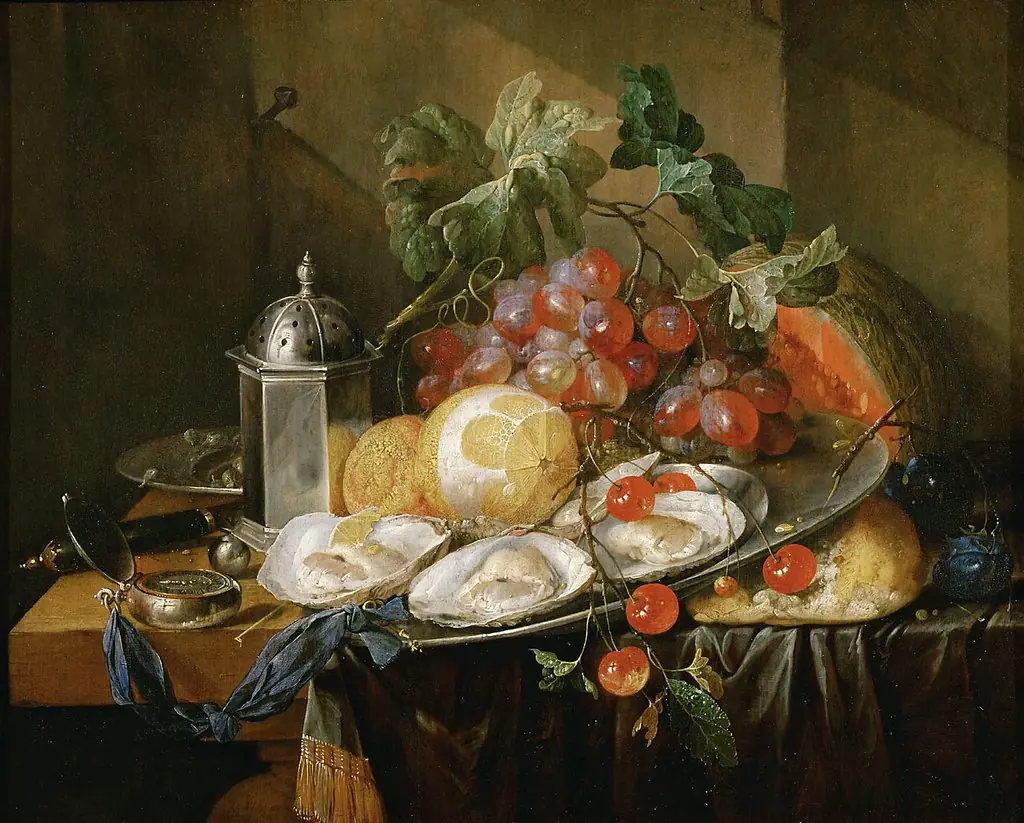
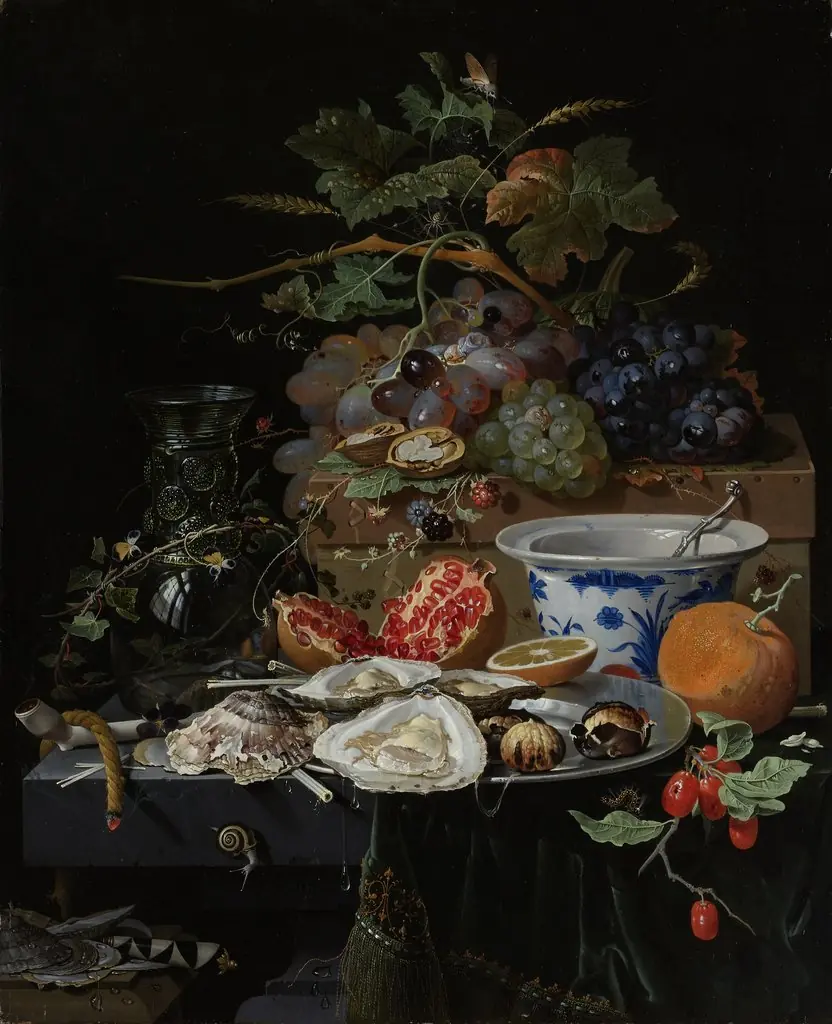
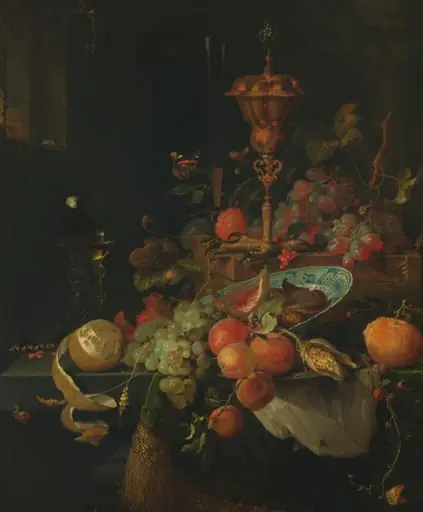
Jan Davidsz. de Heem’s *Still Life on a Wooden Table (Mesa)*, executed in oil in 1601, exemplifies the Dutch Golden Age’s fascination with meticulously rendered domestic arrangements. The composition centers on a wooden tabletop crowded with fruit, metal vessels, and a small pocket watch, all illuminated by a subtle, naturalistic light source.
Subject & Meaning
The painting assembles everyday objects—a cluster of grapes, a half‑peeled lemon, plums, a pear, silver bowls, and a watch—creating a study of material wealth and the transience of life. The inclusion of a timepiece alongside perishable fruit hints at the fleeting nature of earthly pleasures, a common moral undertone in seventeenth‑century still lifes.
Technique & Style
De Heem employs a refined glazing technique, layering translucent oil to achieve depth and a luminous sheen on the fruit skins and metal surfaces. Careful observation of light reflection renders the lemon’s wet appearance and the metallic bowls’ varied highlights, while the dark cloth adds contrast and compositional balance.
History & Provenance
The work entered the collection of Madrid’s Museo del Prado, where it remains on display. Its presence in a major European museum underscores de Heem’s role in elevating the still‑life genre during the Dutch Golden Age and reflects the continued scholarly interest in his meticulous approach to everyday subjects.
Own this work as a print
Artist & collection
Artist
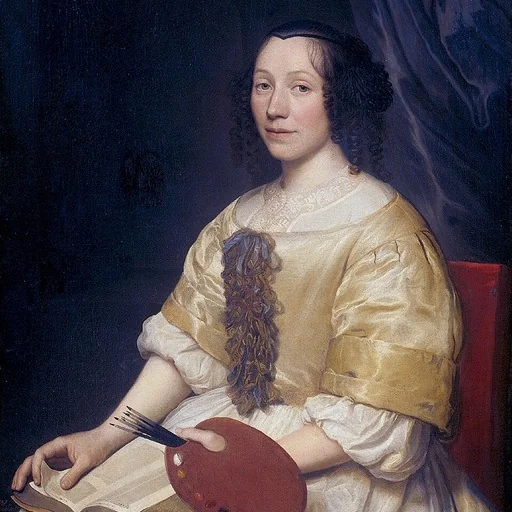
Maria van Oosterwijck (1630–1693), also spelled Oosterwyck, was a Dutch Golden Age painter, specialising in richly detailed flower paintings and other still lifes.