Artwork
Portrait of Johan Maurits (1604-1679), Count of Nassau-Siegen, Founder of the Mauritshuis
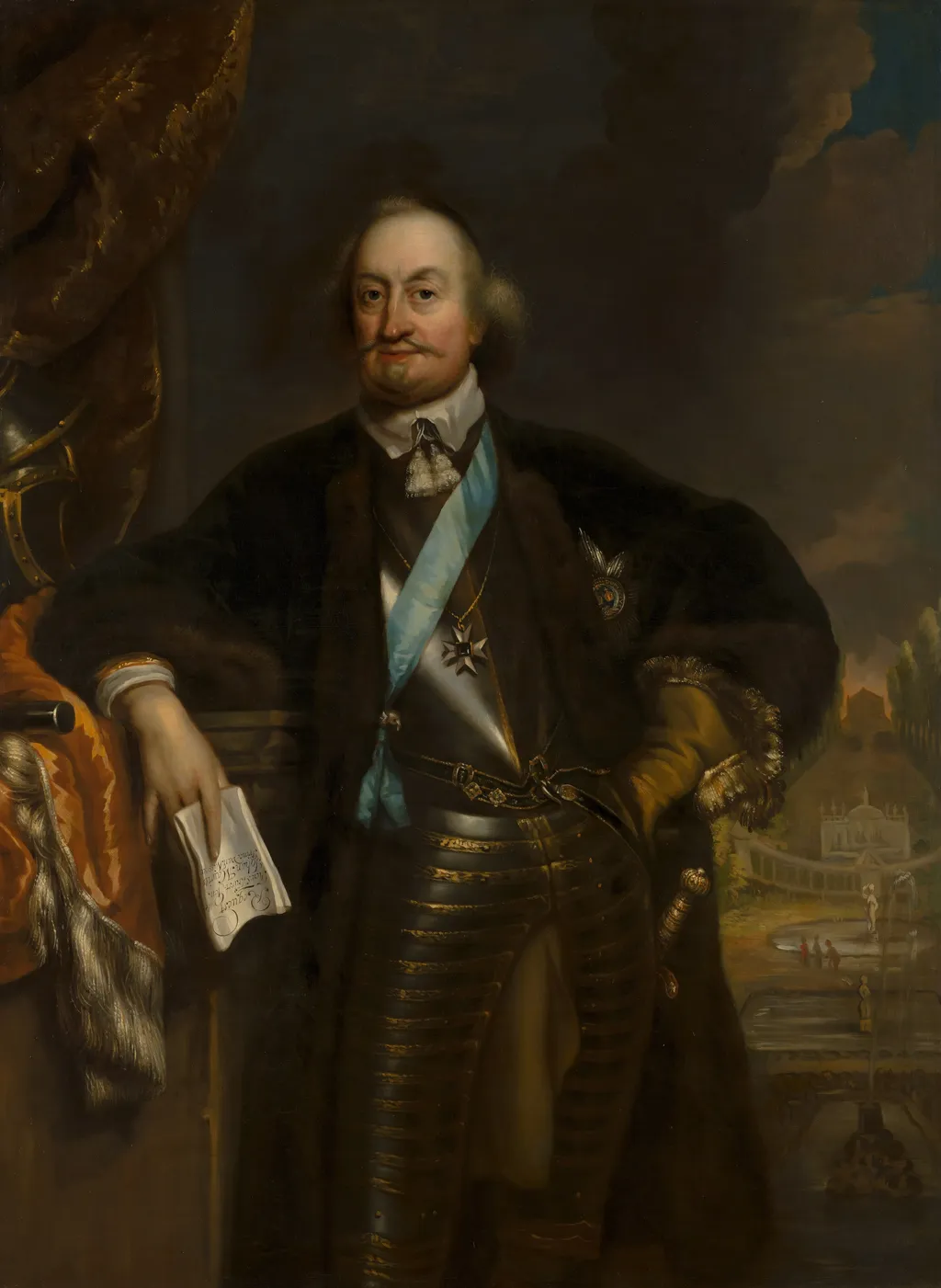
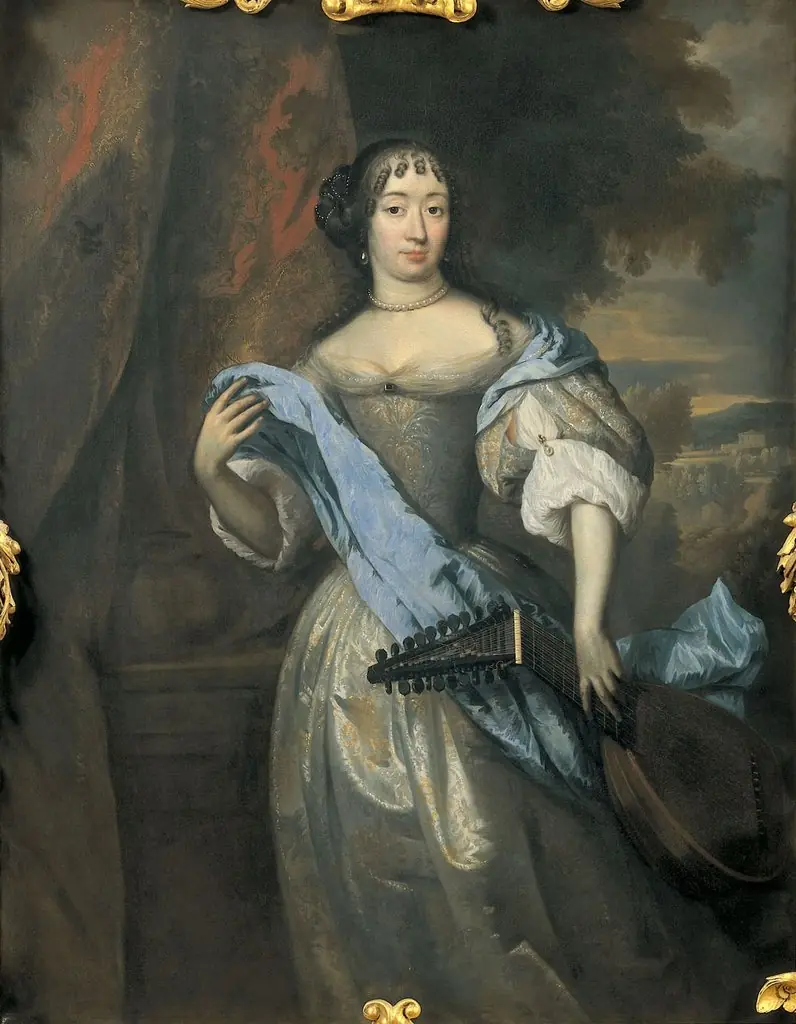
Portrait of Johan Maurits (1604-1679), Count of Nassau-Siegen, Founder of the Mauritshuis is an oil painting by the Dutch Golden Age artist Jan de Baen. It dates from 1669 and is held in the collection of the Mauritshuis.
About this work
Overview
Painted in 1669 by Jan de Baen, this oil portrait captures Johan Maurits, Count of Nassau-Siegen, a prominent Dutch noble and colonial administrator.
Painted in 1669 by Jan de Baen, this oil portrait captures Johan Maurits, Count of Nassau-Siegen, a prominent Dutch noble and colonial administrator. De Baen, trained in Amsterdam and later active in The Hague, was known for his restrained, precise depictions of elite figures. The work is part of the Mauritshuis collection, the museum Johan Maurits himself established, and reflects the formal portraiture conventions of the Dutch Golden Age.
Subject & Meaning
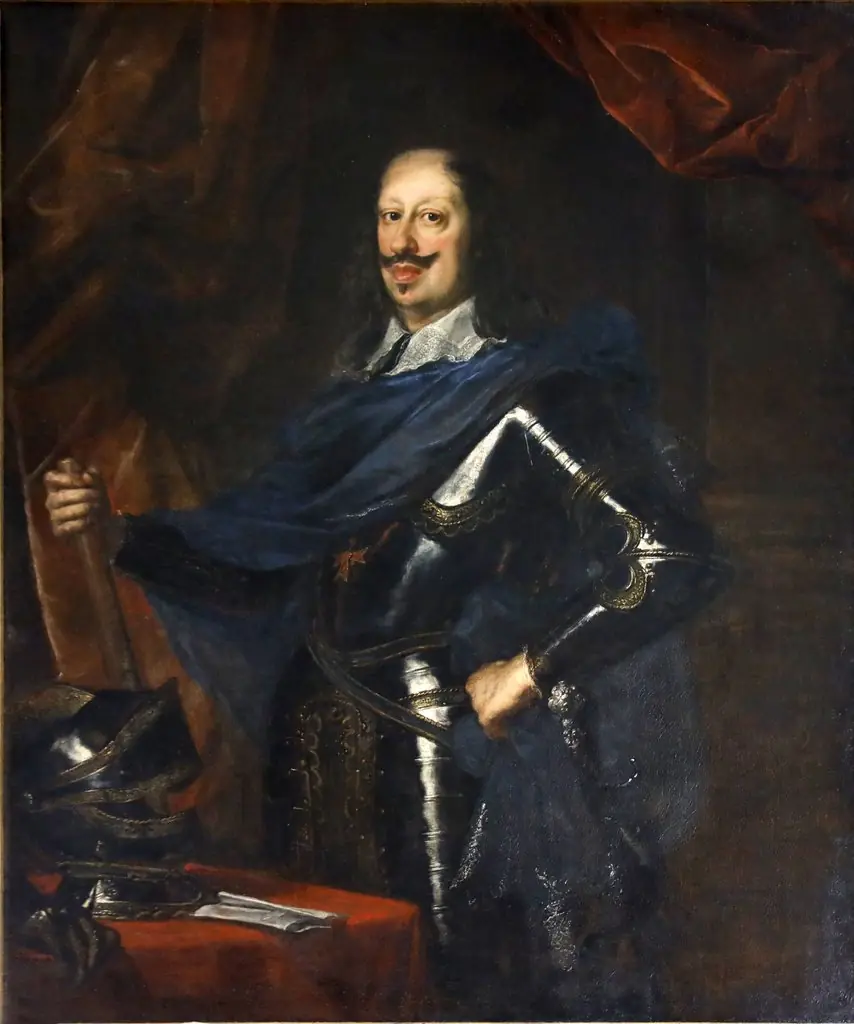
Johan Maurits is portrayed as a man of authority, dressed in a dark coat with gold trim and a blue sash, symbols of his noble rank and military service. He holds a sheet of paper, suggesting administrative or diplomatic engagement. His expression is calm and composed, conveying dignity rather than grandeur. The subtle inclusion of architectural forms behind him may allude to his role in shaping colonial and cultural institutions, particularly in Brazil and the Netherlands.
Technique & Style
De Baen employs a controlled, realistic approach with meticulous attention to texture—fabric folds, lace details, and the sheen of metal accents are rendered with quiet precision. The dark background isolates the figure, focusing attention on his posture and attire. Light falls evenly across the face and hands, enhancing three-dimensionality without theatricality. The composition avoids ornamentation, aligning with the Dutch preference for understated nobility over baroque flourish.
History & Provenance
Commissioned in 1669, the portrait was likely created during de Baen’s tenure in The Hague, where he served as court painter to the House of Orange. Johan Maurits, having returned from Brazil and later withdrawn from public life, was a respected elder statesman. The painting entered the Mauritshuis collection shortly after its founding, becoming part of the museum’s original core of portraits that documented the Republic’s leadership class.
Context
This portrait emerges from a period when Dutch elites sought to legitimize their status through visual representation, often emphasizing civic virtue over inherited privilege. Johan Maurits, known for his governance in Dutch Brazil and his patronage of science and art, embodied this ideal. De Baen’s style, influenced by earlier Amsterdam portraitists, reflects a broader shift toward sober, psychologically grounded depictions in mid-seventeenth-century Dutch art.
Legacy
The portrait remains a key document of Johan Maurits’s public identity and the institutional culture of the Mauritshuis. It exemplifies how Dutch portraiture of the era balanced individual presence with social role, avoiding overt symbolism in favor of quiet authority. De Baen’s work, though less celebrated than his contemporaries, contributed significantly to the visual record of the Republic’s ruling class.
Own this work as a print
Artist & collection
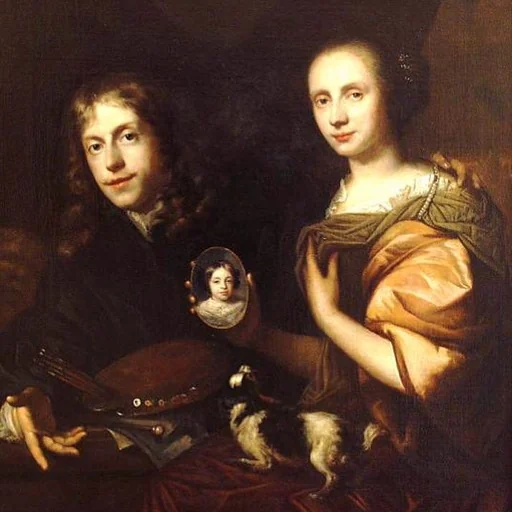
Artist
Jan de Baen (20 February 1633 – 1702) was a Dutch portrait painter who lived during the Dutch Golden Age.

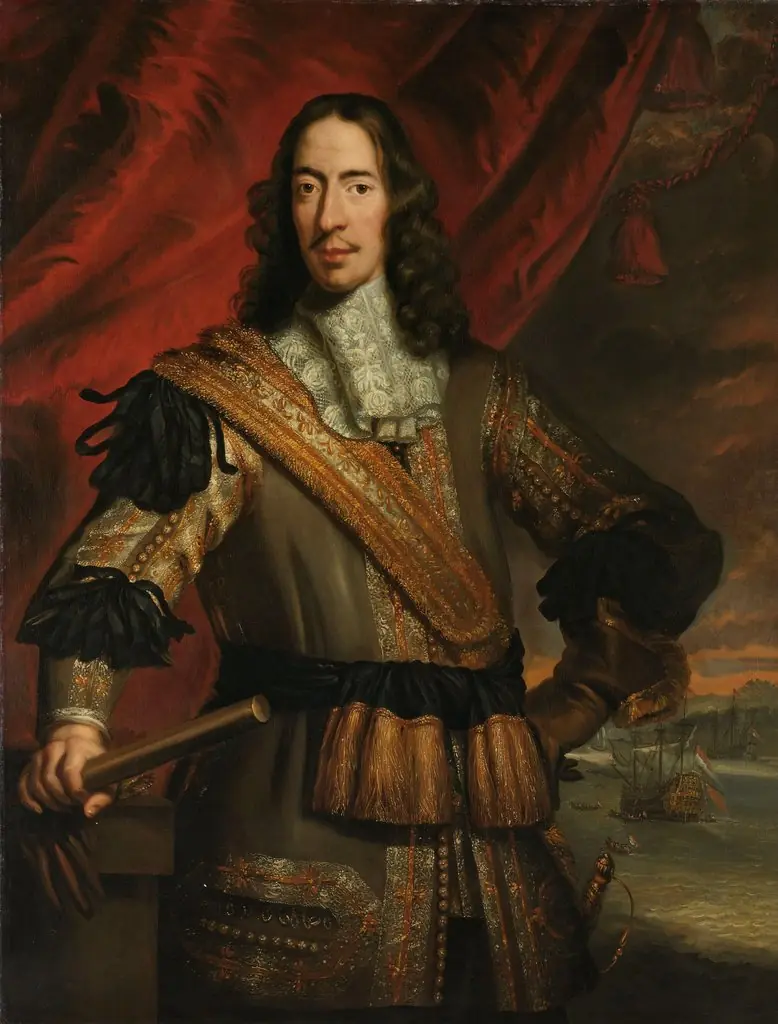 Portrait of Cornelis de Witt (1623-72), Burgomaster of Dordrecht and lord lieutenant of Putten
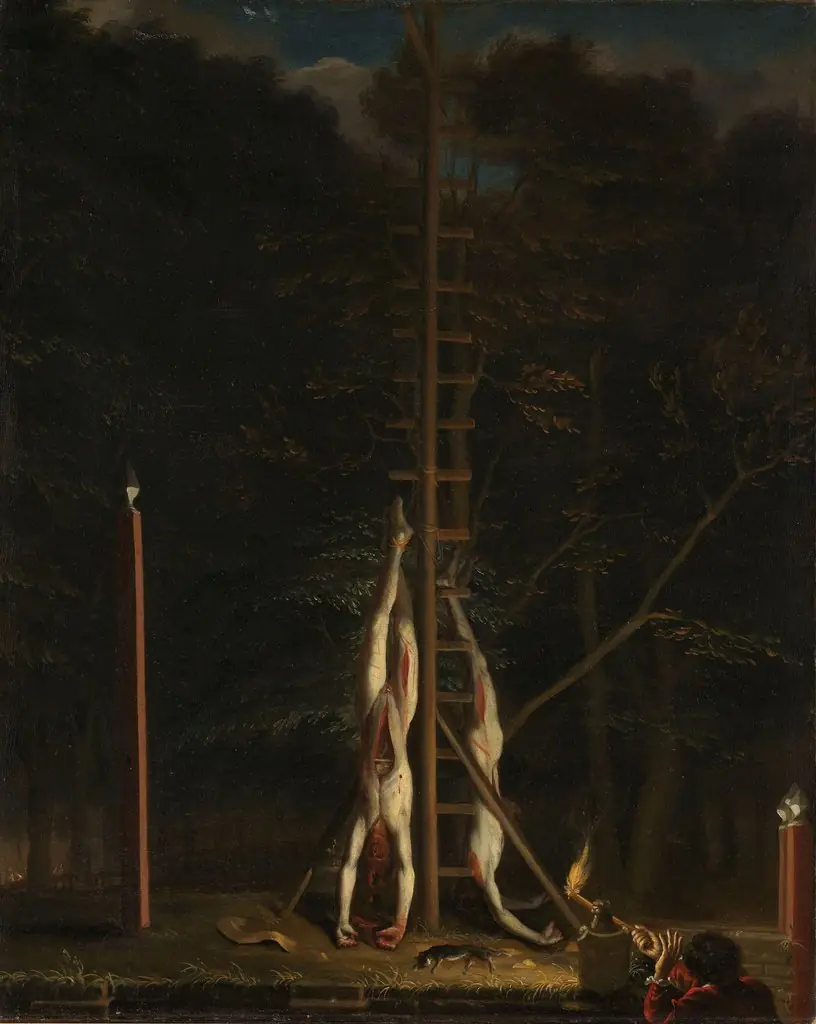 The Corpses of the De Witt Brothers
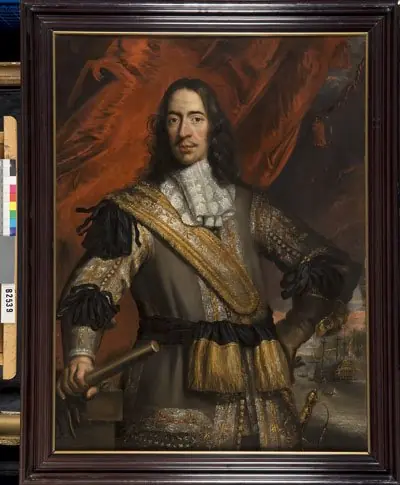 Portrait of Cornelis de Witt (1623-1672)
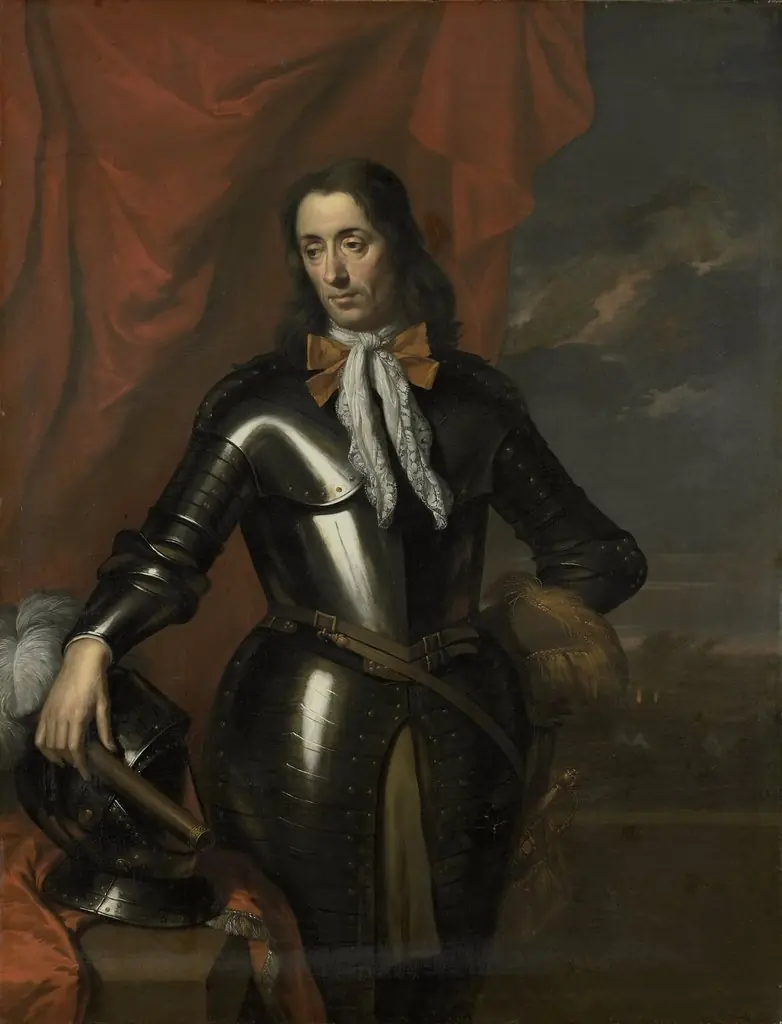 Portrait of Isaac de l'Ostal de Saint-Martin (ca 1629-96), governor of the Dutch East Indies and commander of the garrison at Batavia
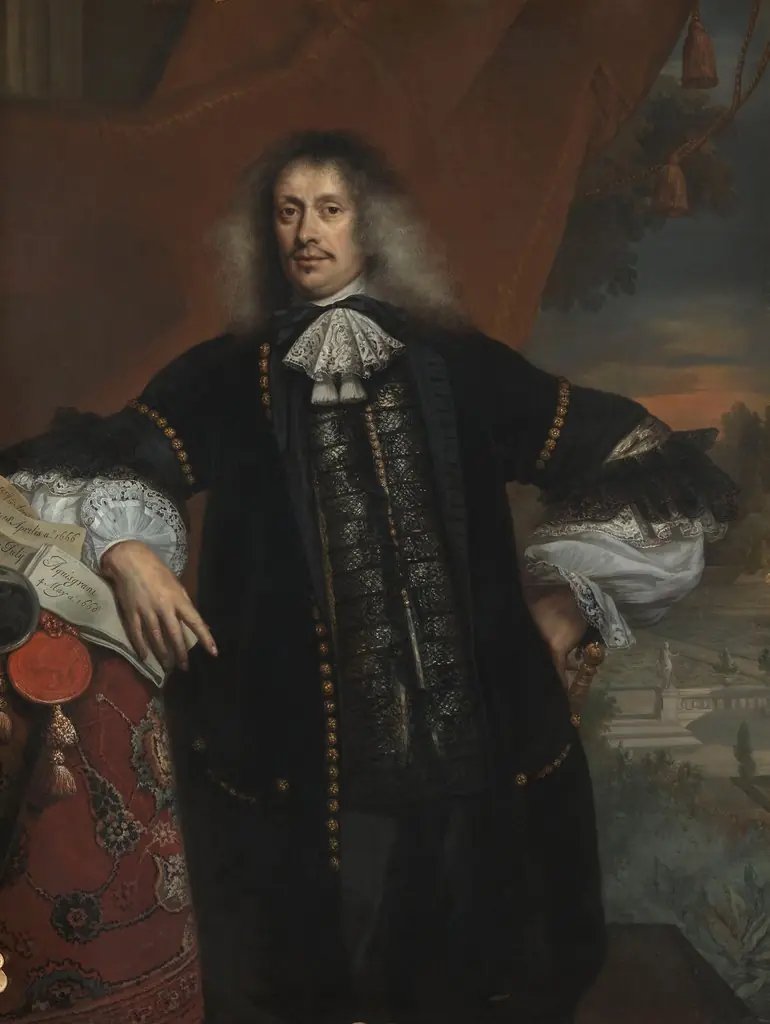 Hieronymus van Beverningk
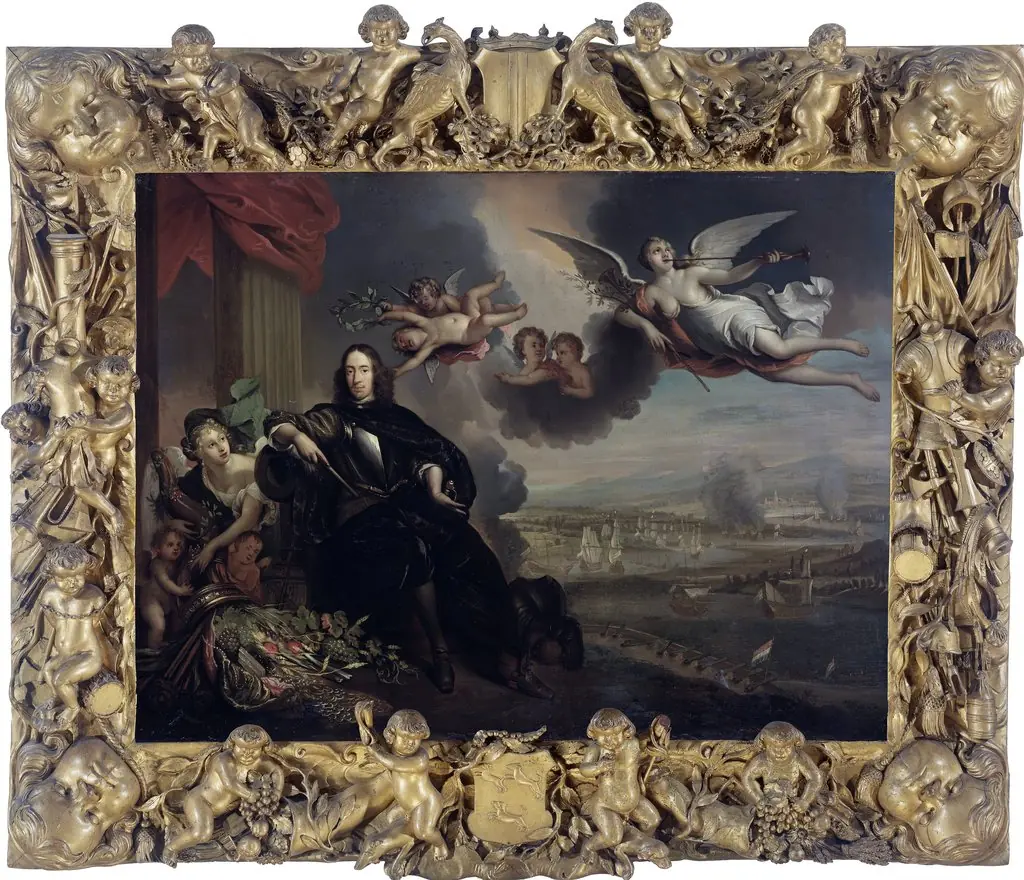 The apotheosis of Cornelis de Witt, with the raid on Chatham in the background
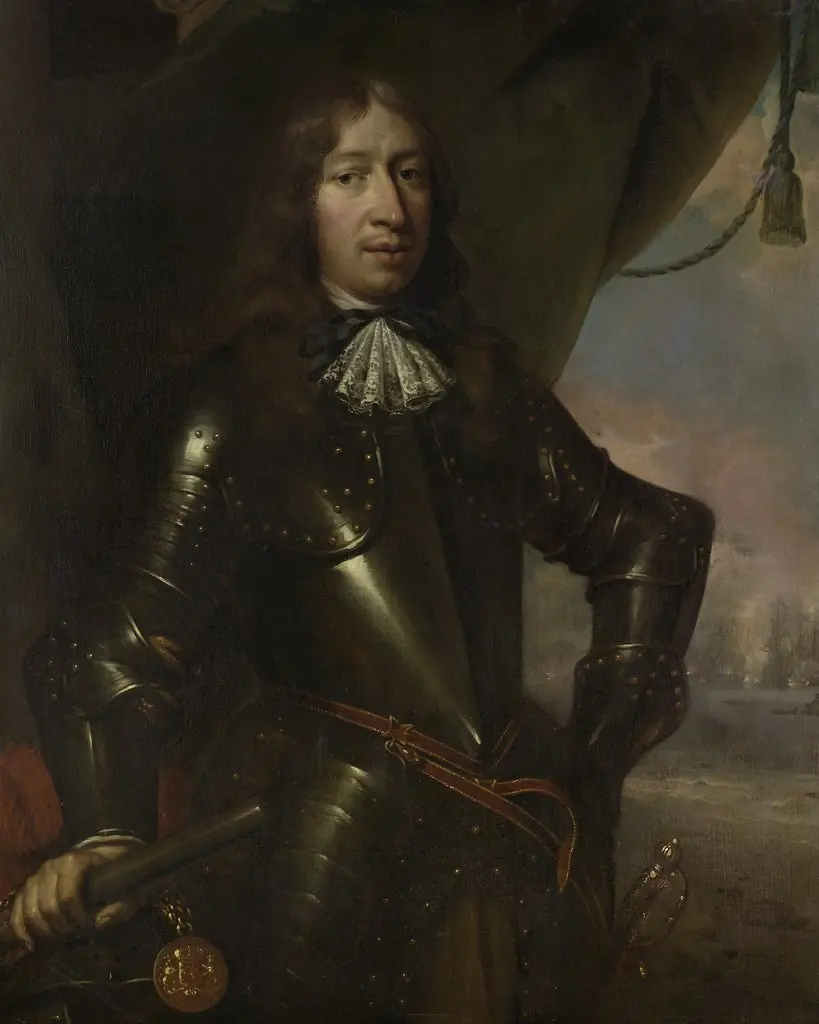 Portrait of Willem Joseph Baron van Ghent (1626-72), vice-admiral
 Johanna le Gillon, Wife of Hieronymus van Beverningk