Artwork
Extensive Landscape
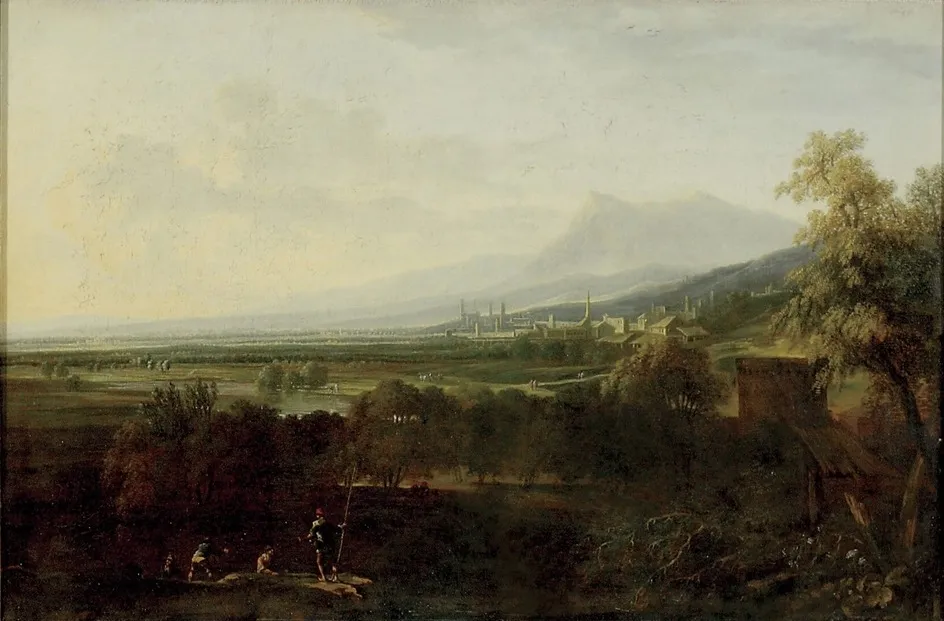
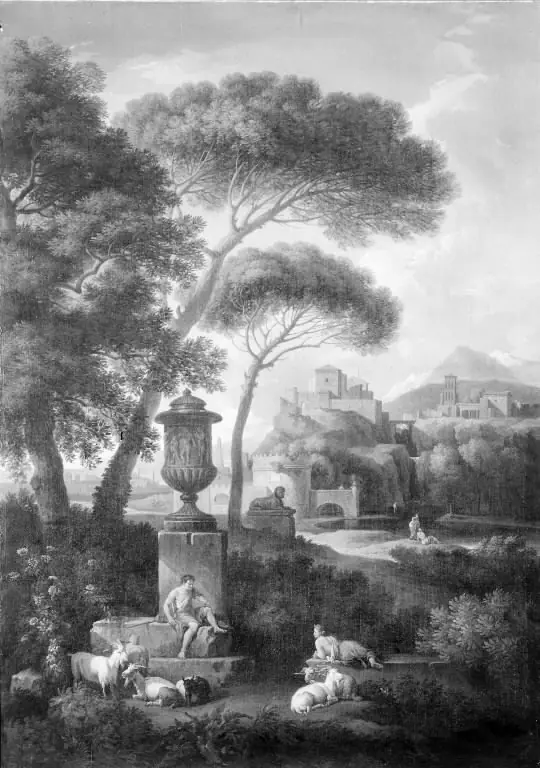
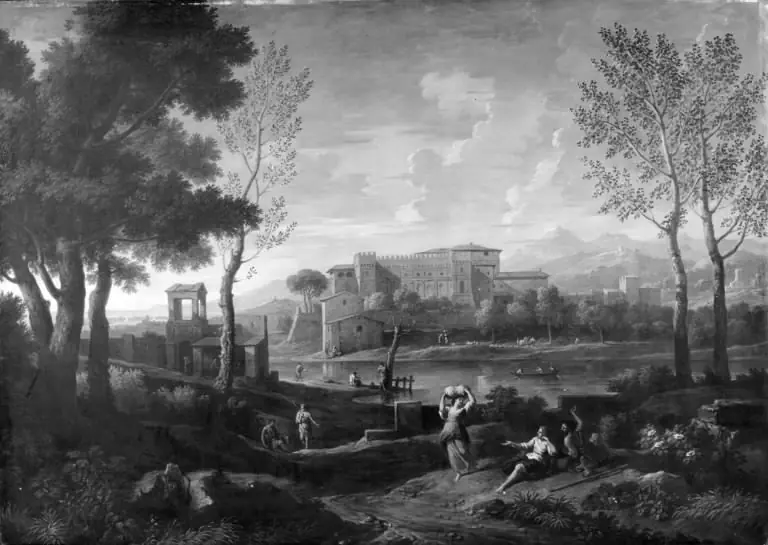
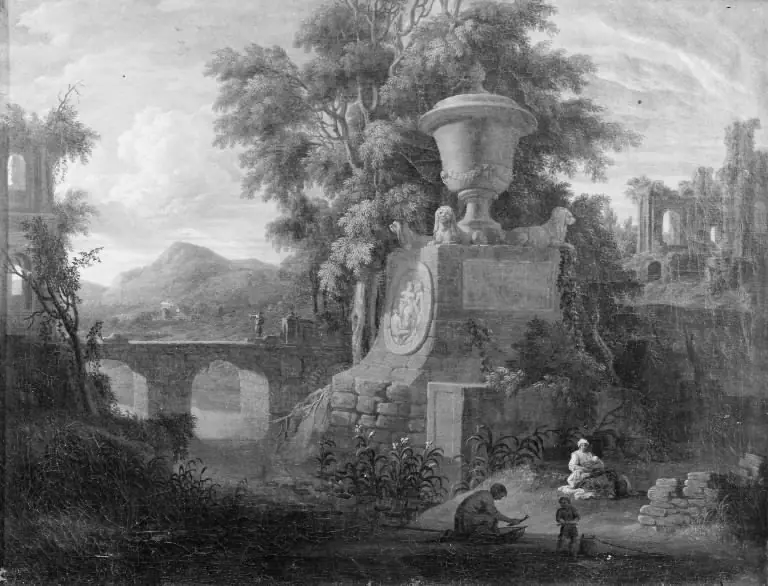
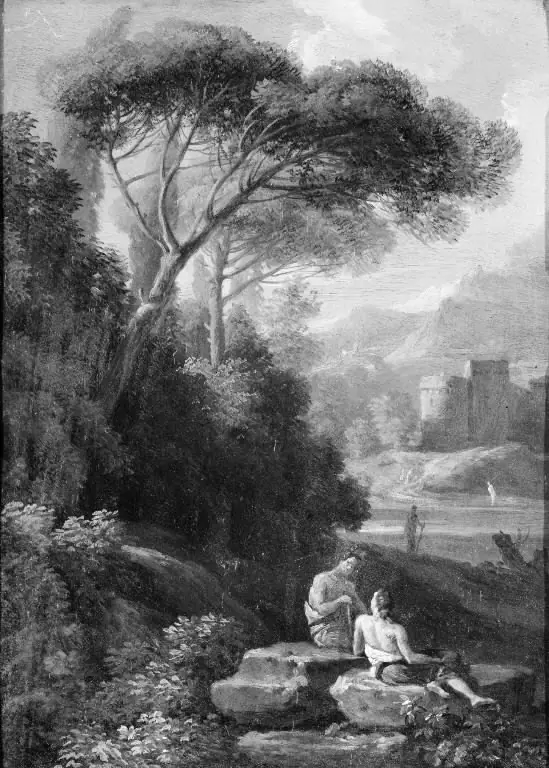
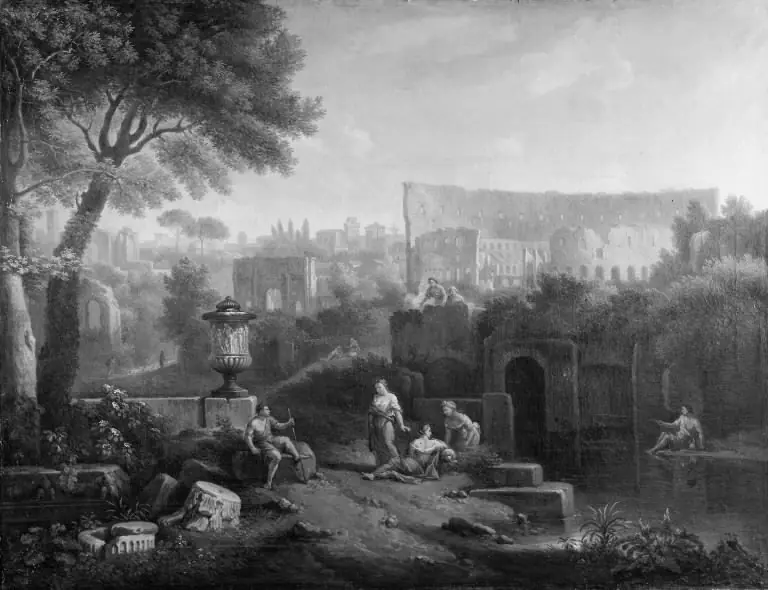
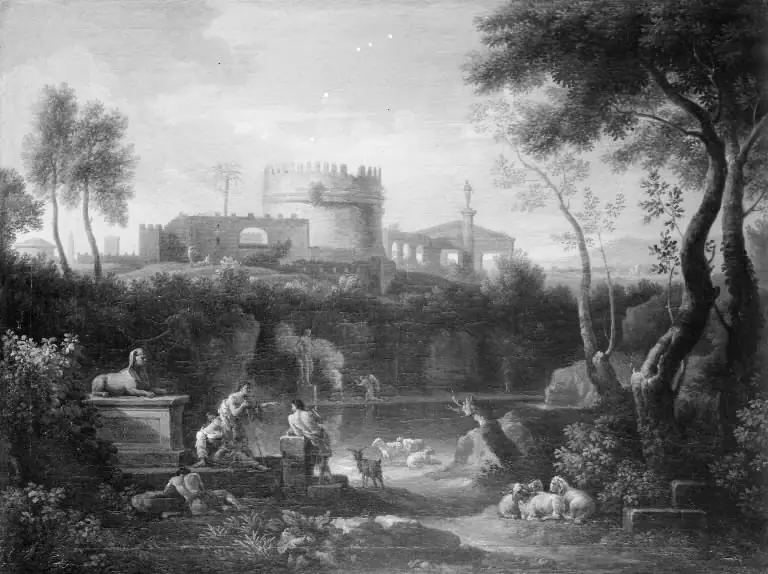
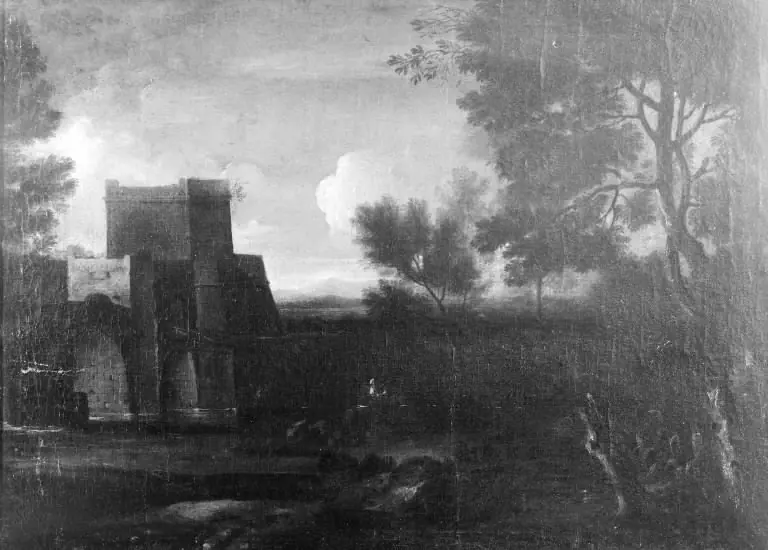
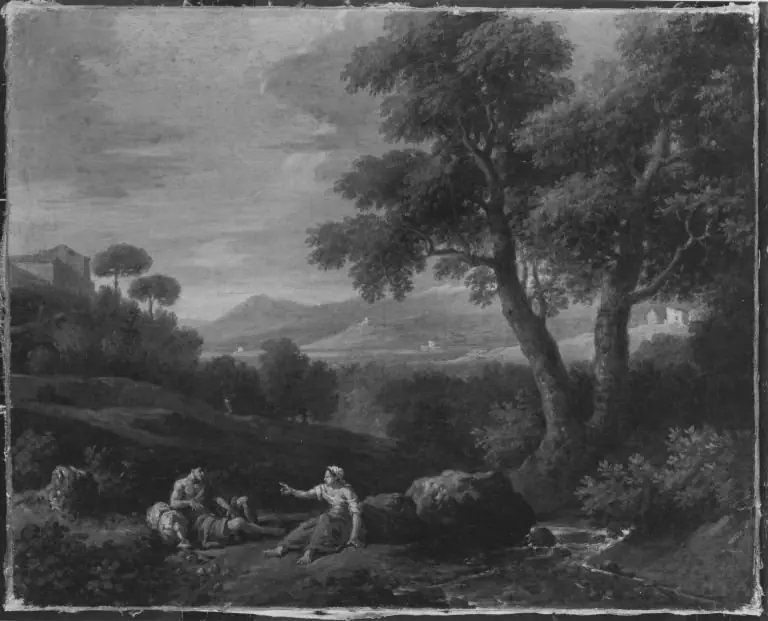
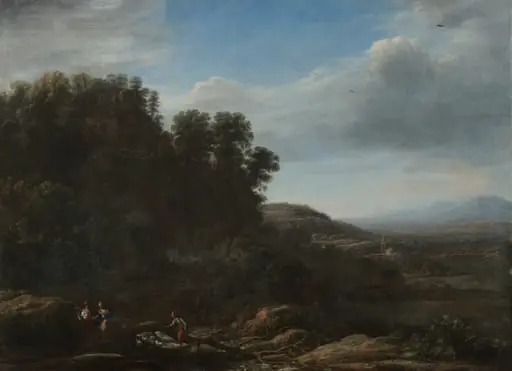
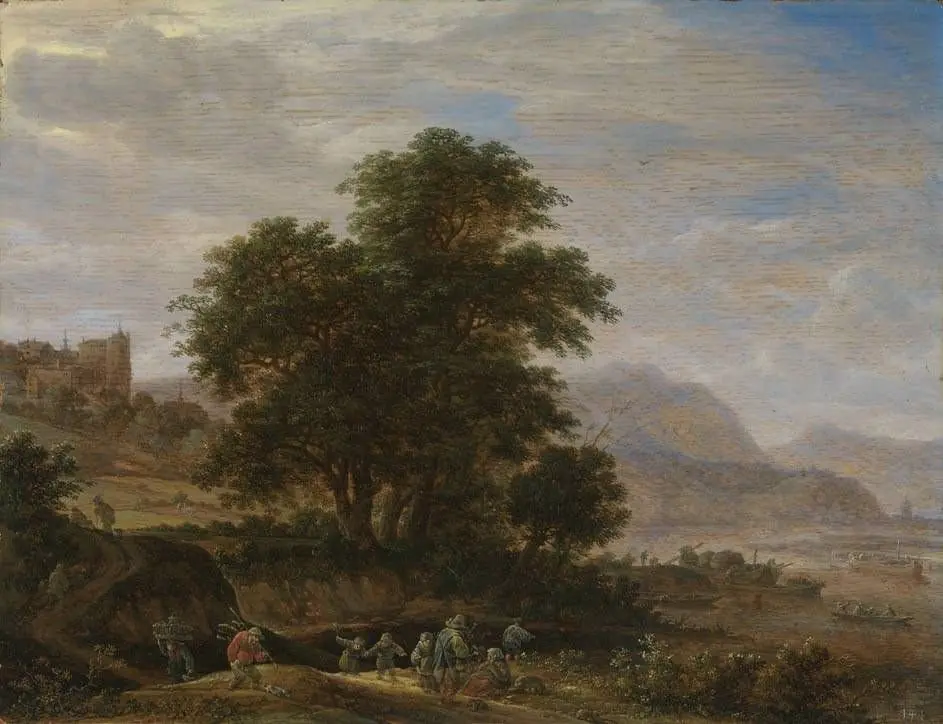
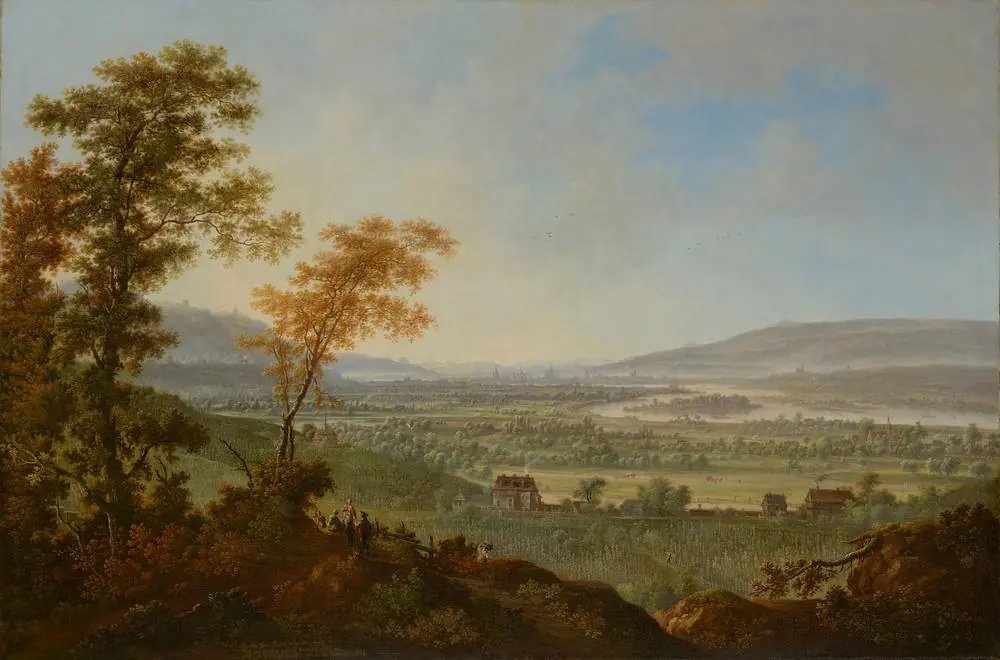
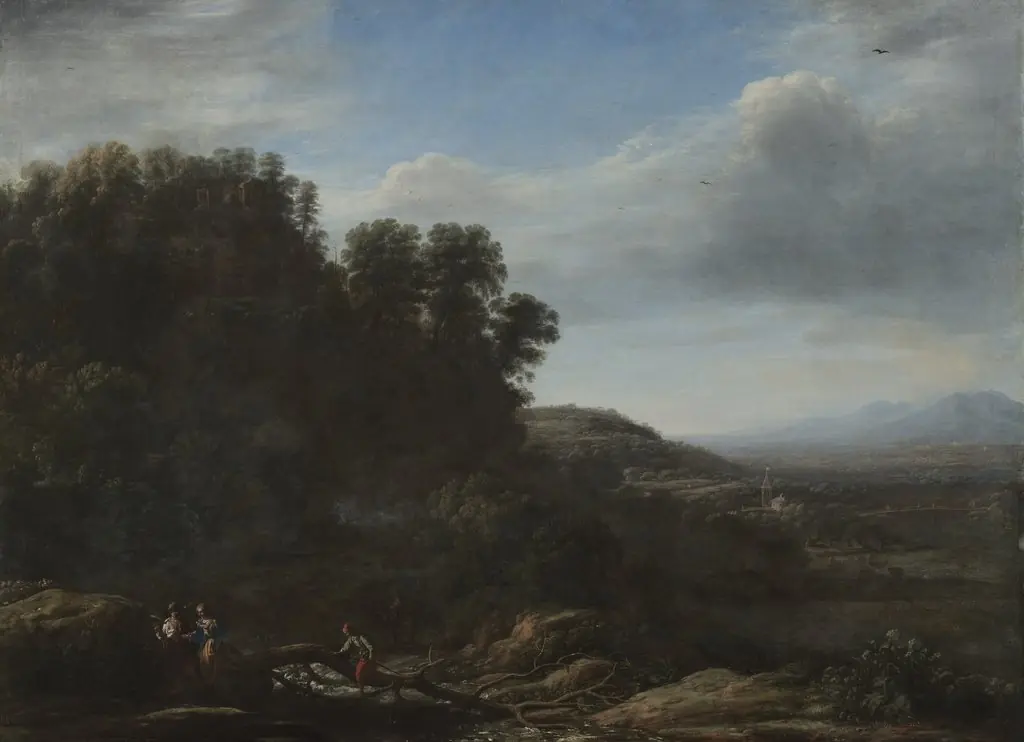
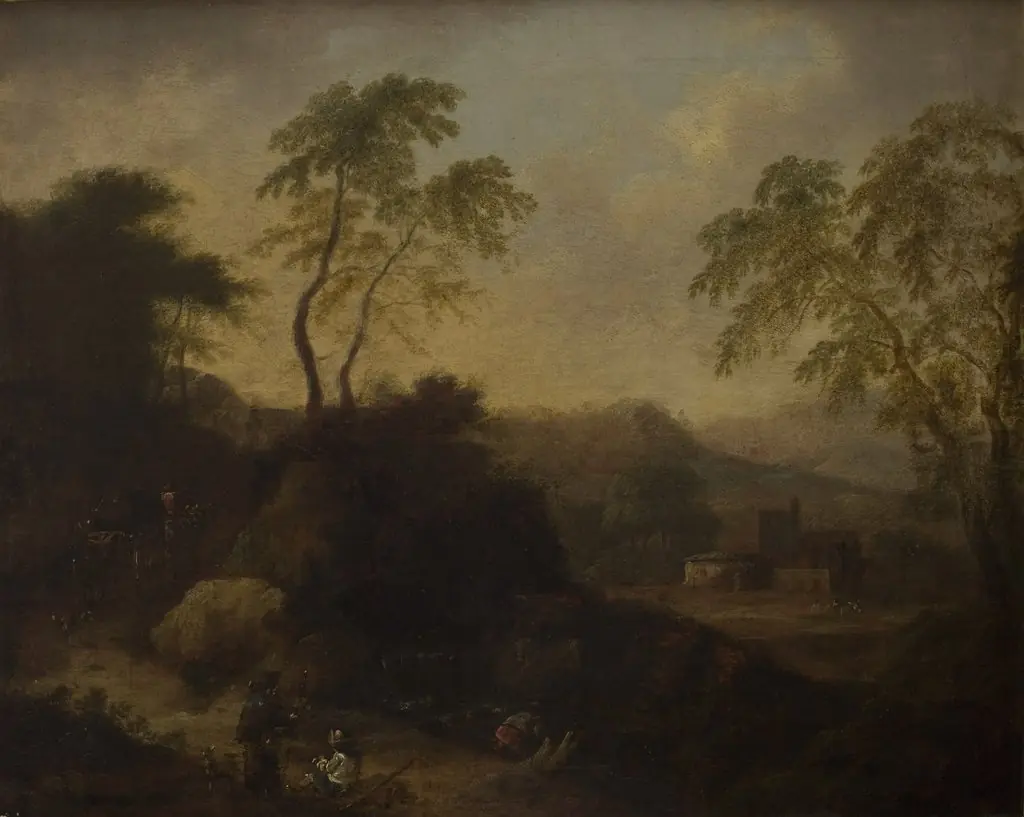
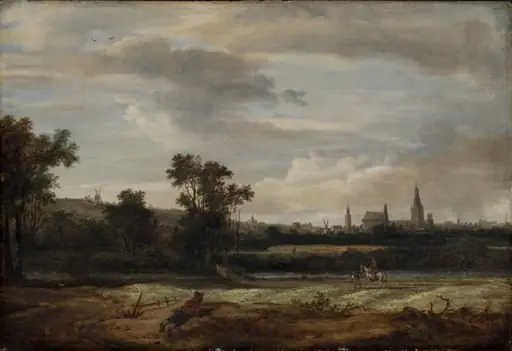
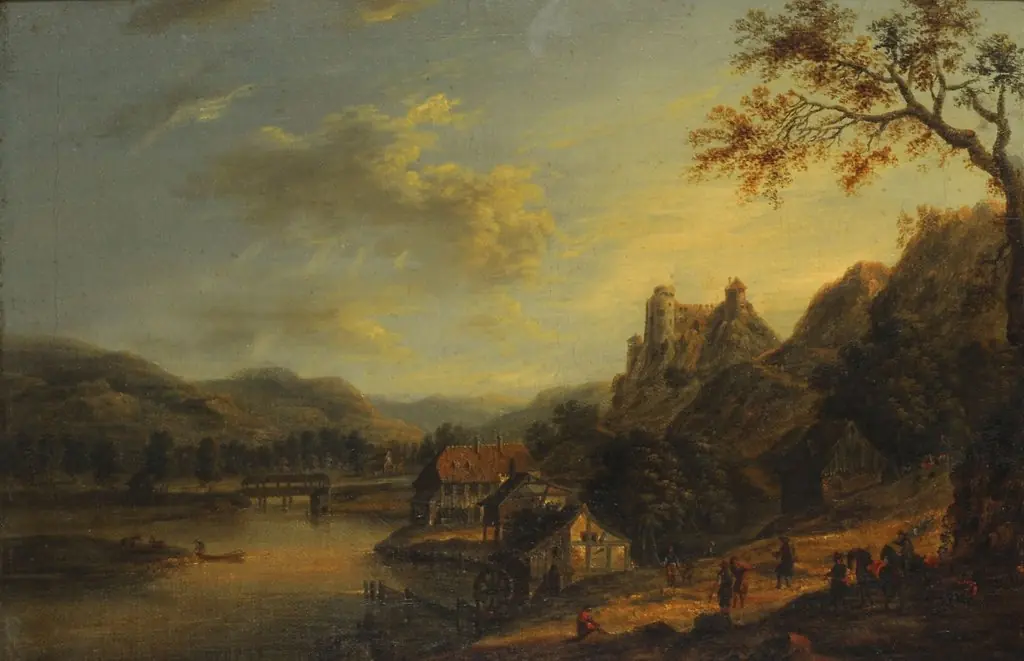
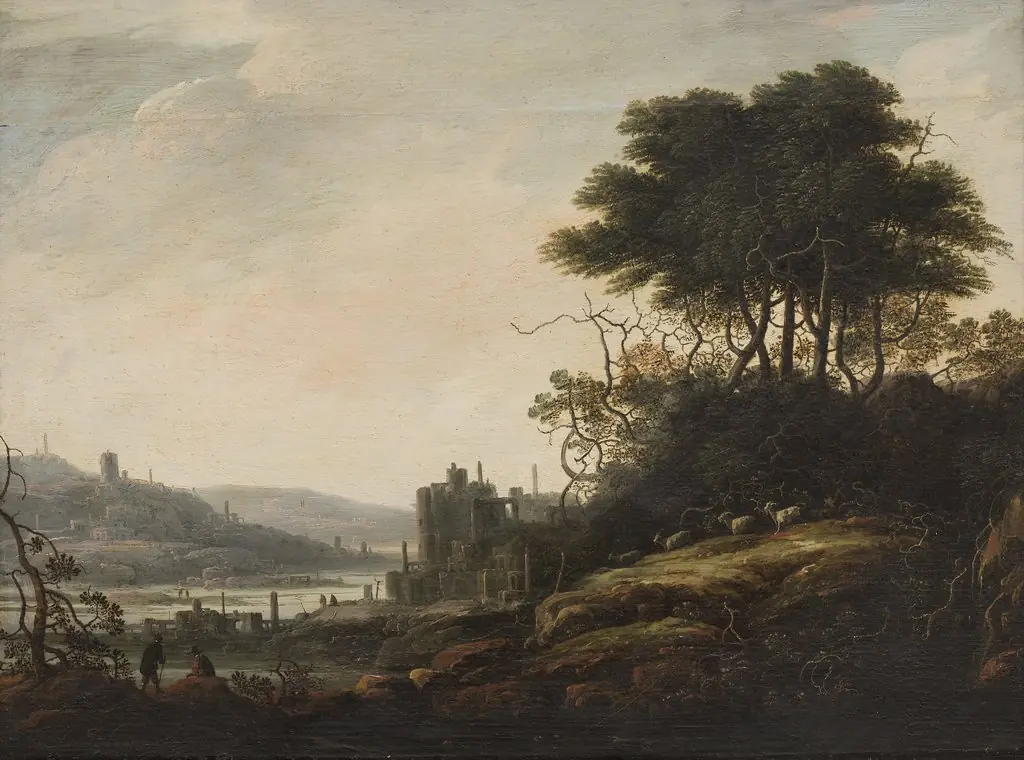
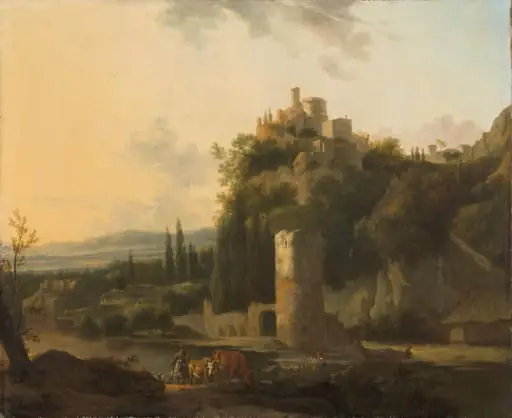
Extensive Landscape is an oil painting by the Barbizon school artist Jan Frans van Bloemen. It dates from 1712 and is held in the collection of the Ashmolean Museum.
About this work
Overview
Van Bloemen, a Flemish artist settled in Italy, specialized in idealized views of the Campagna, blending observed topography with classical harmony.
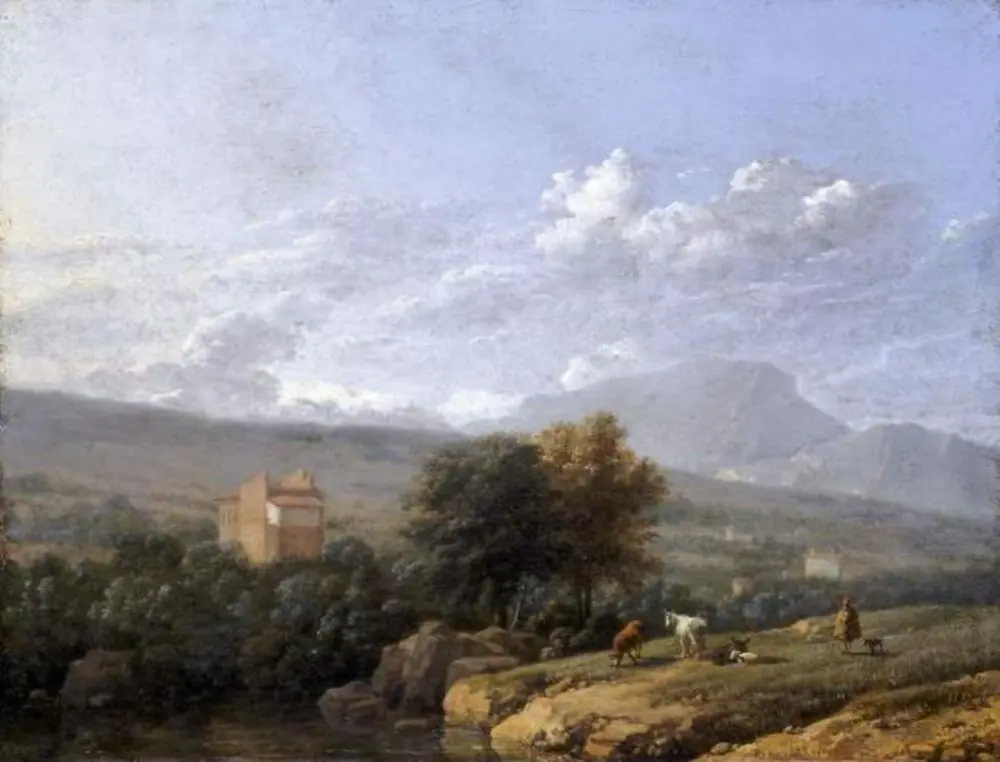
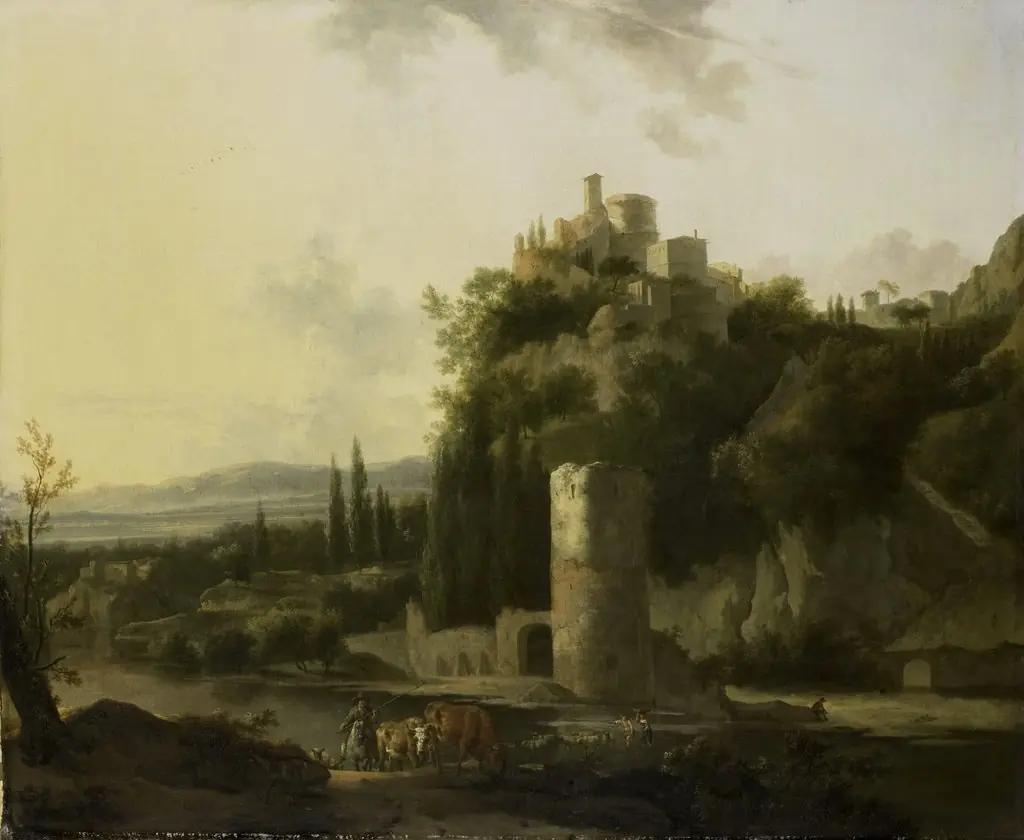
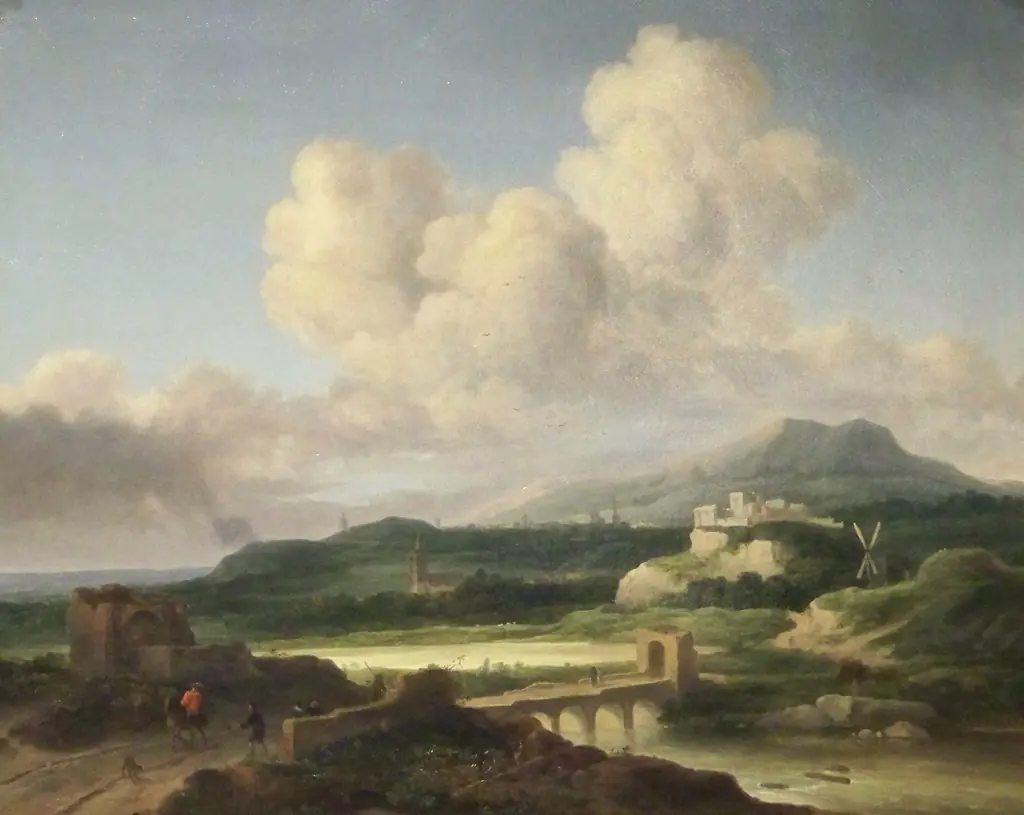
Painted around 1712 by Jan Frans van Bloemen, *Extensive Landscape* is an oil-on-canvas work depicting a serene rural expanse near Rome. Van Bloemen, a Flemish artist settled in Italy, specialized in idealized views of the Campagna, blending observed topography with classical harmony. The painting reflects his reputation for tranquil, expansive compositions that emphasize atmospheric depth and quiet human presence within nature.
Subject & Meaning
The scene portrays a quiet stretch of the Roman countryside, with a modest village nestled on a distant hill and a few figures engaged in leisurely movement near the foreground. There is no narrative drama—only the calm rhythm of rural life. The composition suggests an idealized harmony between humans and the land, rooted in the classical tradition of landscape as a place of contemplation rather than action.
Technique & Style
Van Bloemen employed oil paint to build subtle gradations of light and soft atmospheric perspective. Foreground vegetation is rendered with loose, textured brushwork, while distant elements fade into hazy blues and greys, enhancing spatial depth. His use of light follows classical conventions, avoiding dramatic contrasts in favor of even, diffused illumination that unifies the scene and reinforces its serene mood.
History & Provenance
The painting entered the Ashmolean Museum’s collection in the 19th century, likely through the acquisition of European works by British collectors drawn to Italianate landscapes. Van Bloemen’s reputation in Rome during the early 18th century ensured his works circulated among Grand Tour patrons. While its exact provenance before the museum remains unclear, its presence there reflects broader 19th-century interest in Dutch and Flemish landscape traditions.
Context
Though sometimes associated with later movements, *Extensive Landscape* predates the Barbizon school by over a century. Van Bloemen worked within the 17th- and early 18th-century Roman landscape tradition, influenced by Claude Lorrain and Nicolas Poussin. His work catered to collectors seeking idealized visions of antiquity and pastoral peace, distinct from the naturalism that would emerge in 19th-century French painting.
Legacy
Van Bloemen’s influence endured among his contemporaries and later collectors who prized his ability to evoke calm, timeless landscapes. While not part of the Barbizon movement, his approach to light and composition contributed to the broader European lineage of landscape painting that valued atmosphere over narrative. His works remain studied for their restrained elegance and technical finesse in rendering spatial depth.
Artist & collection
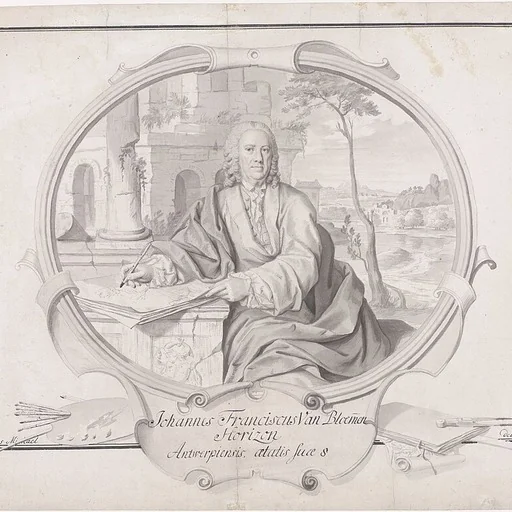
Artist
Jan Frans van Bloemen (baptized 12 May 1662 - buried 13 June 1749) was a Flemish landscape painter mainly active in Rome.