Artwork
Dead Game and Weasels
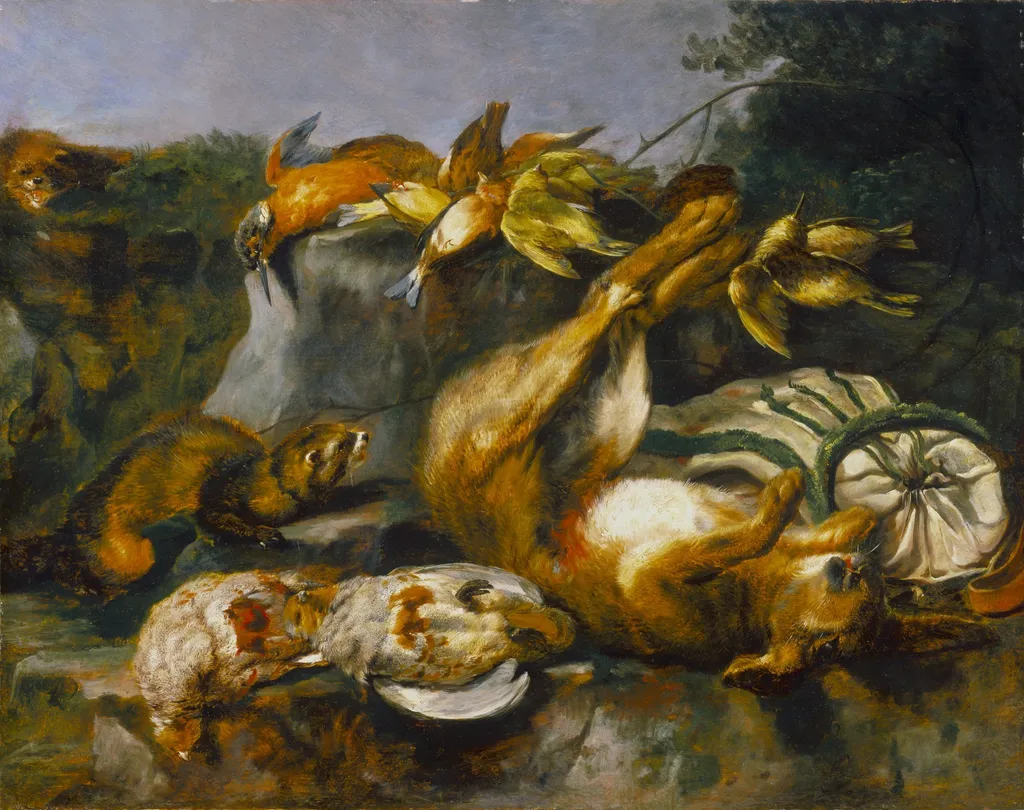
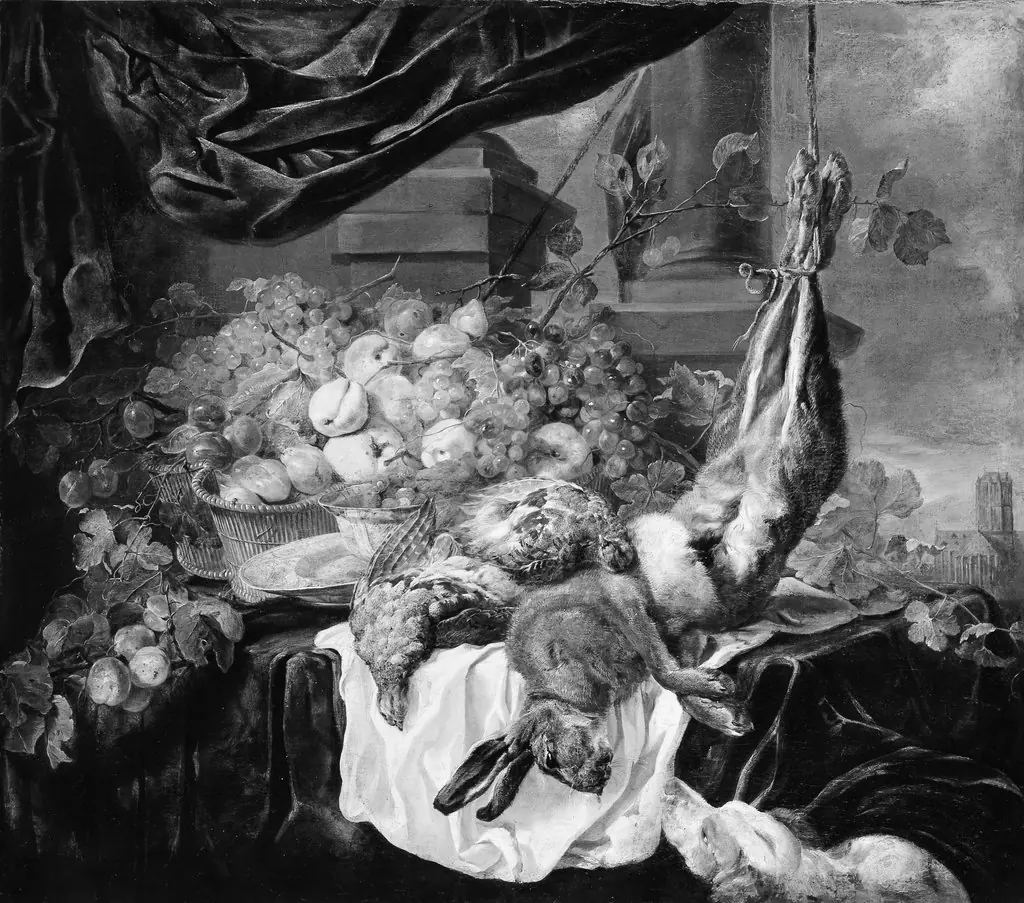
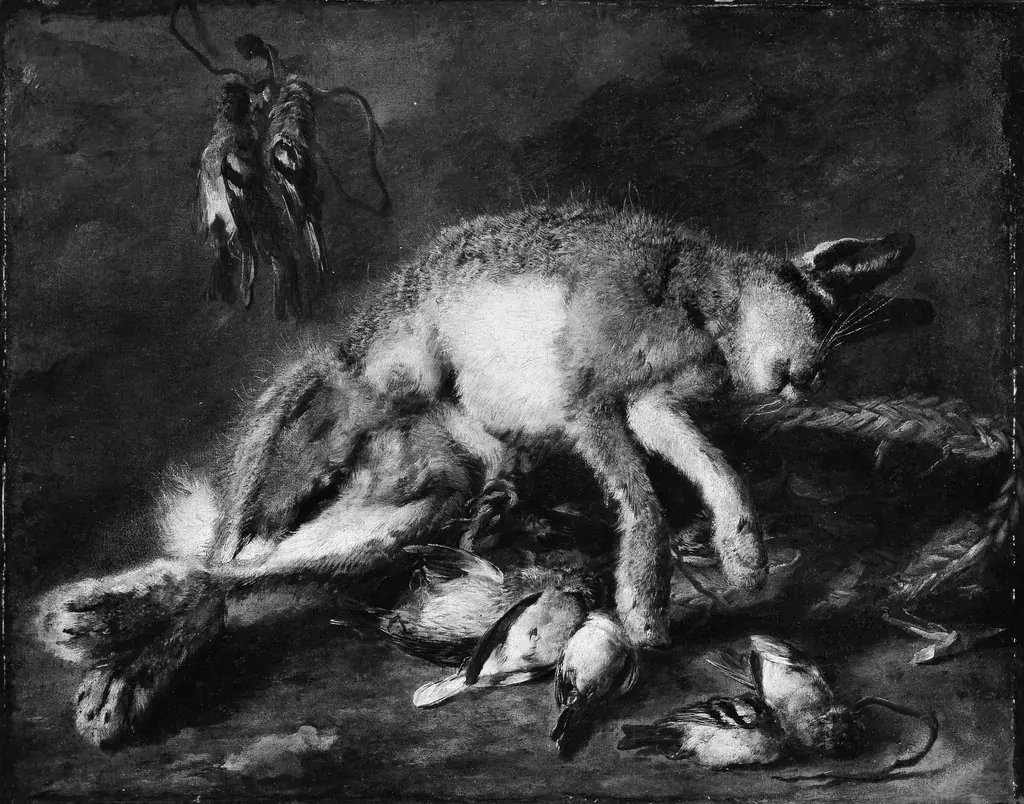
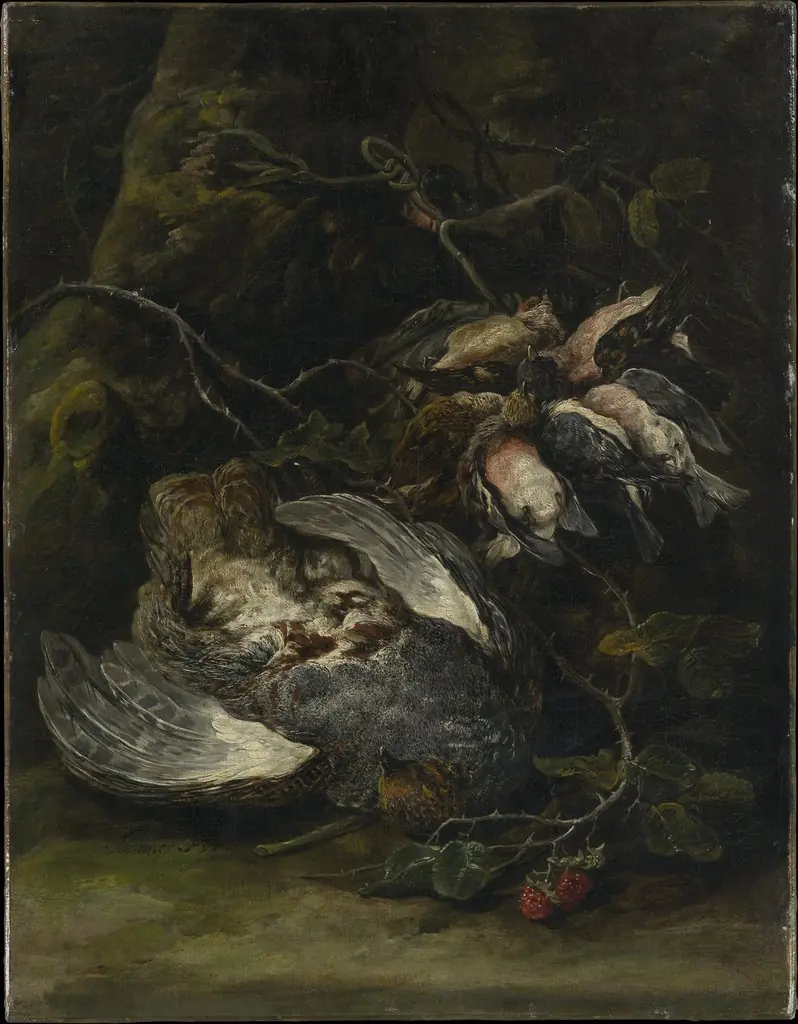
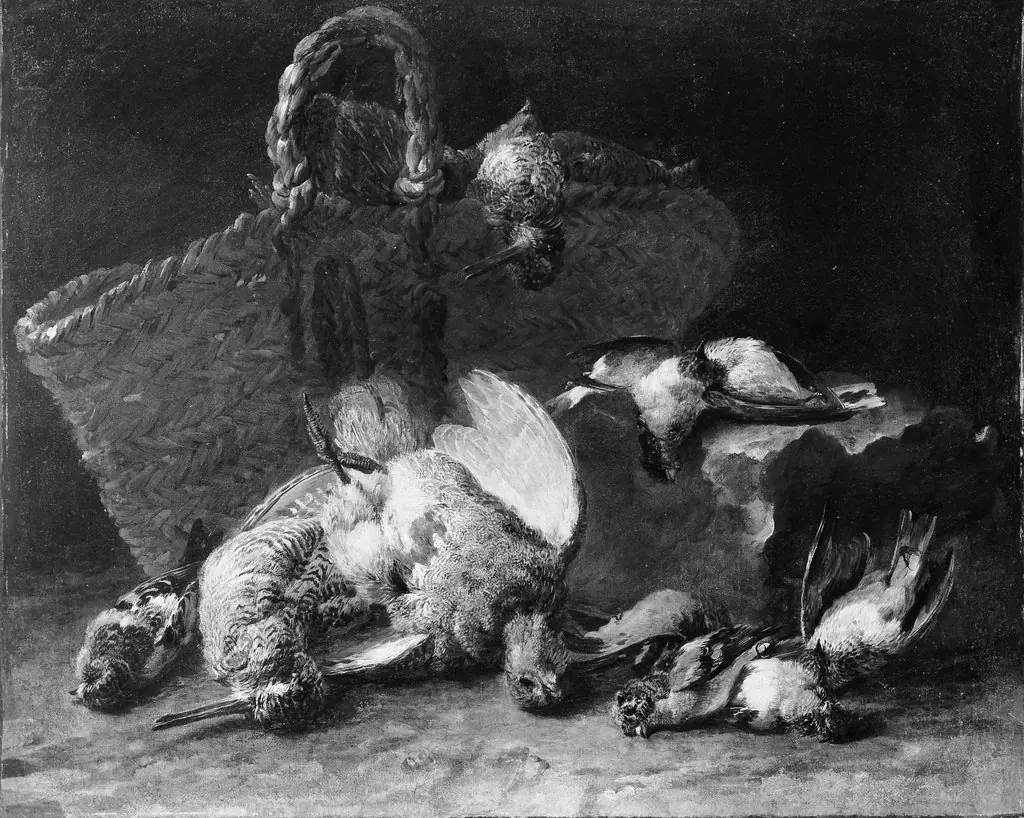
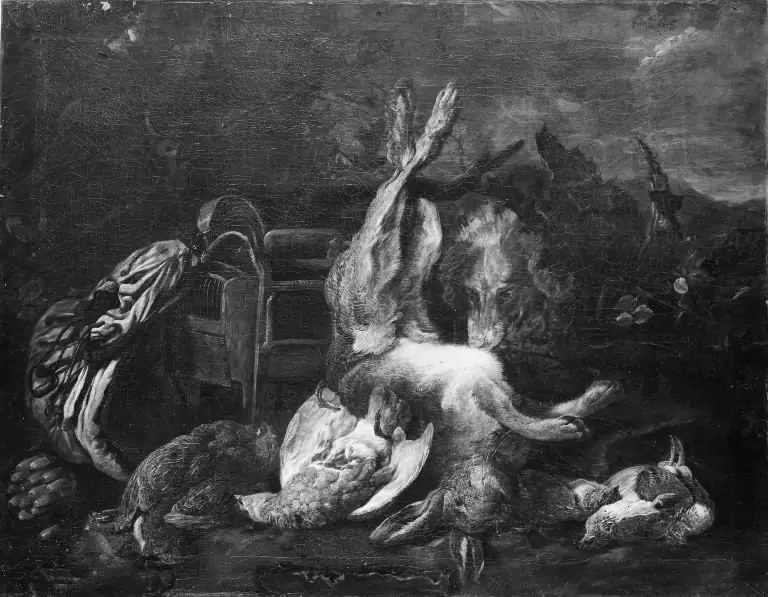
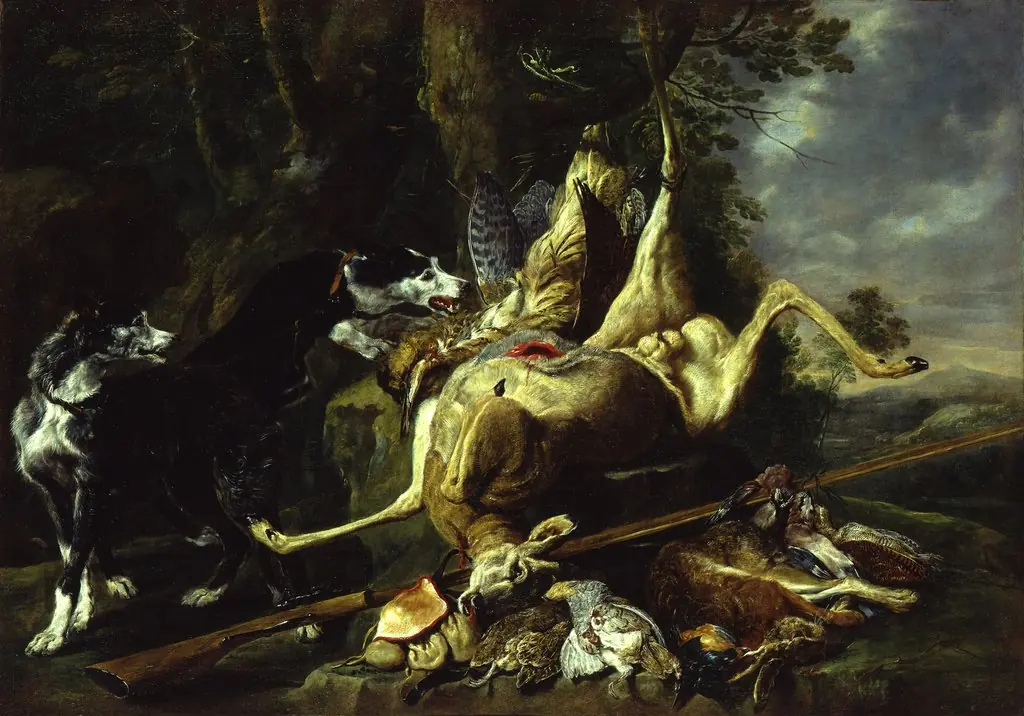
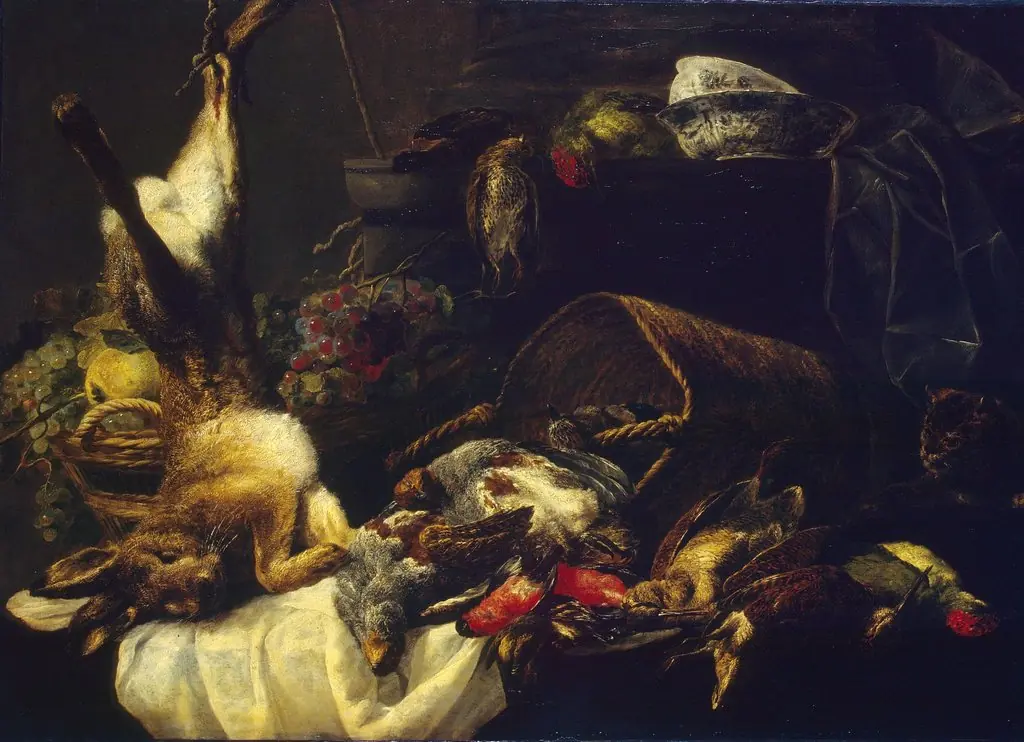
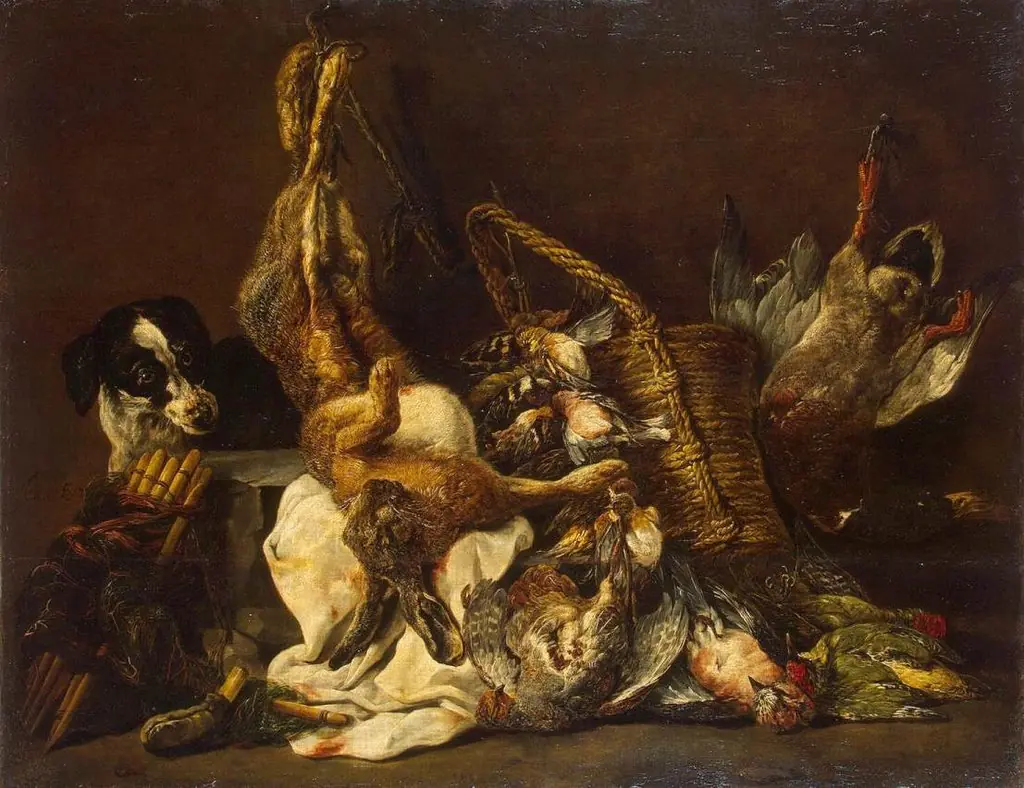
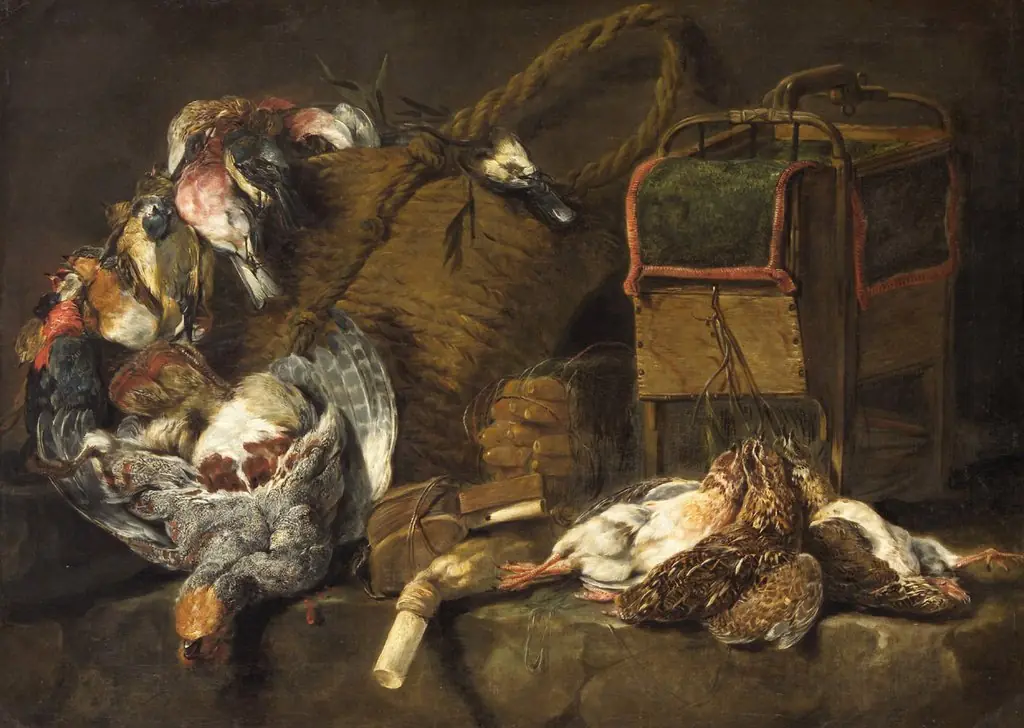
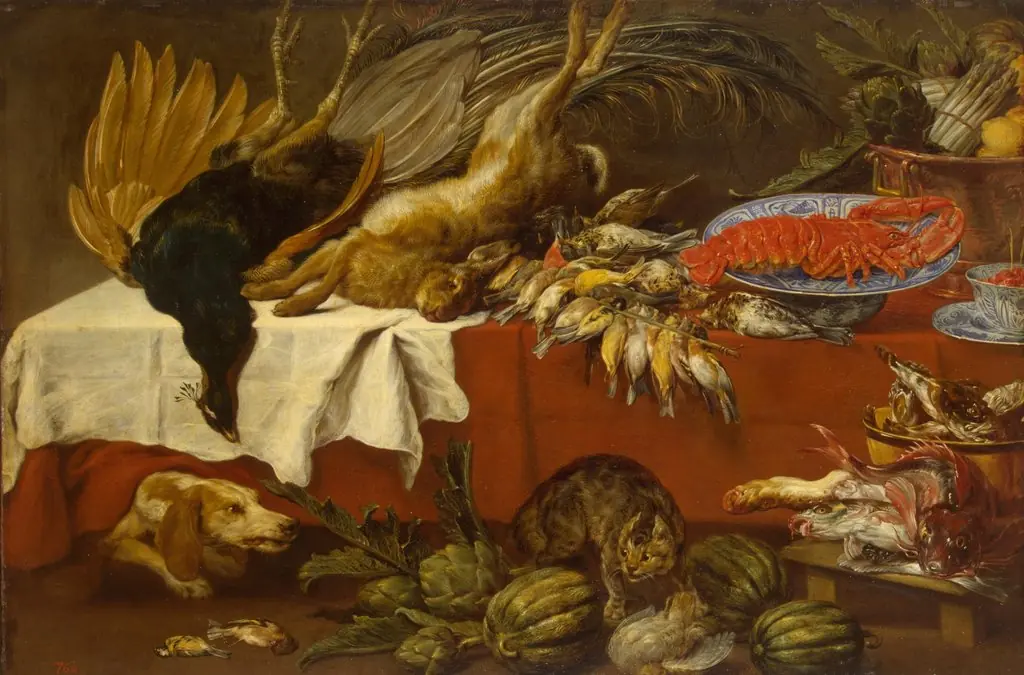
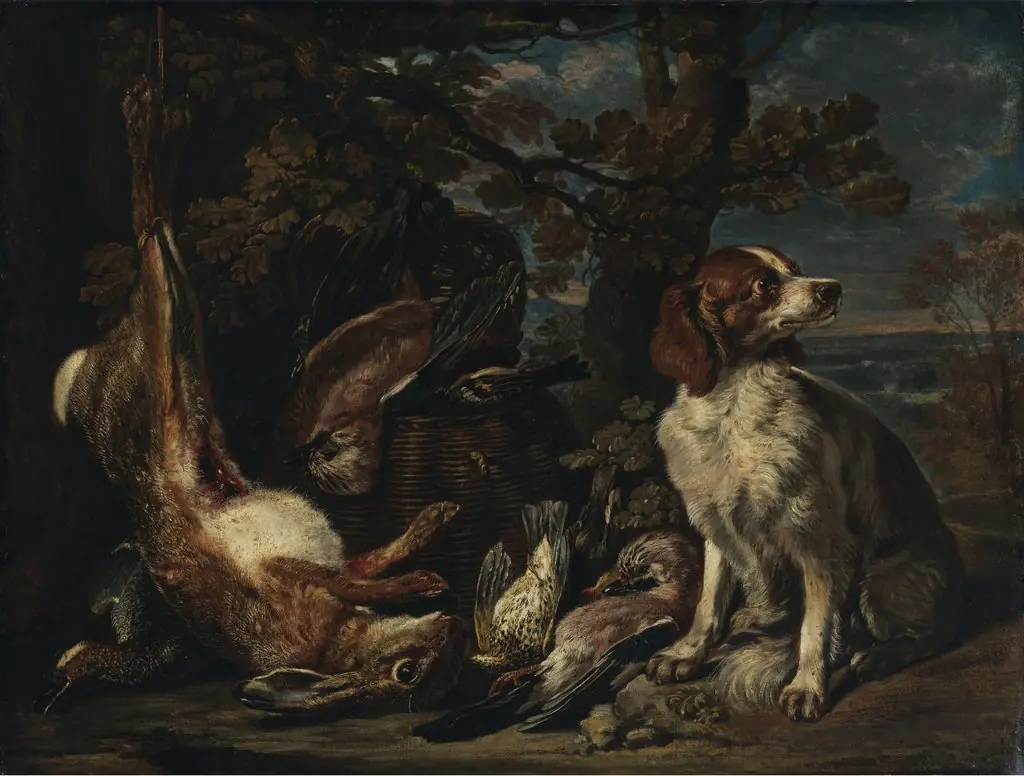
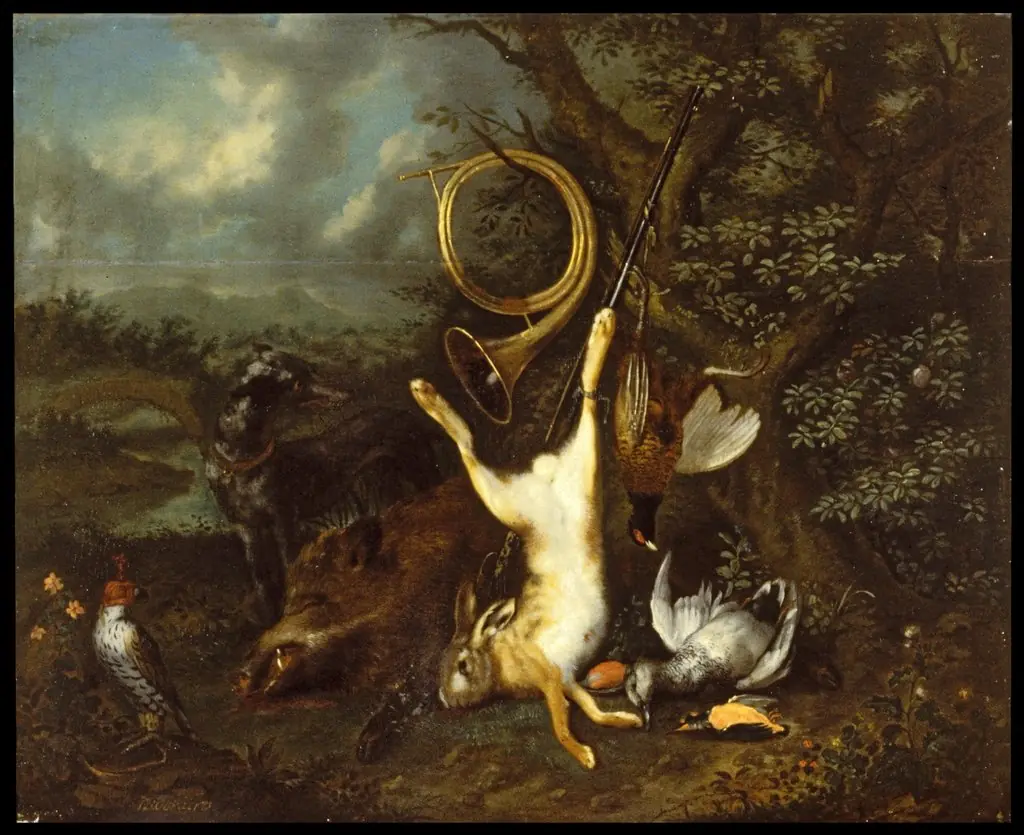
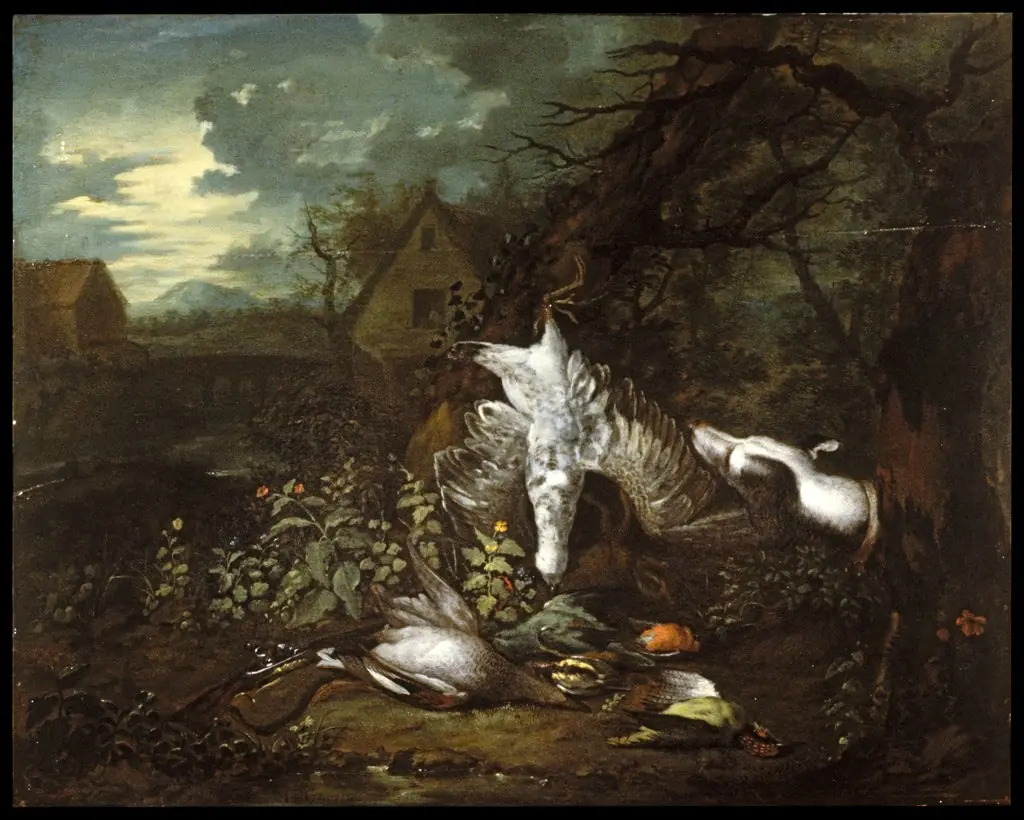
Dead Game and Weasels is an oil painting by the Flemish Baroque painting artist Jan Fyt. It dates from 1642 and is held in the collection of the Detroit Institute of Arts.
About this work
Overview
The work reflects the Flemish Baroque tradition of elaborate still lifes, where mortality and abundance coexist in quiet tension.
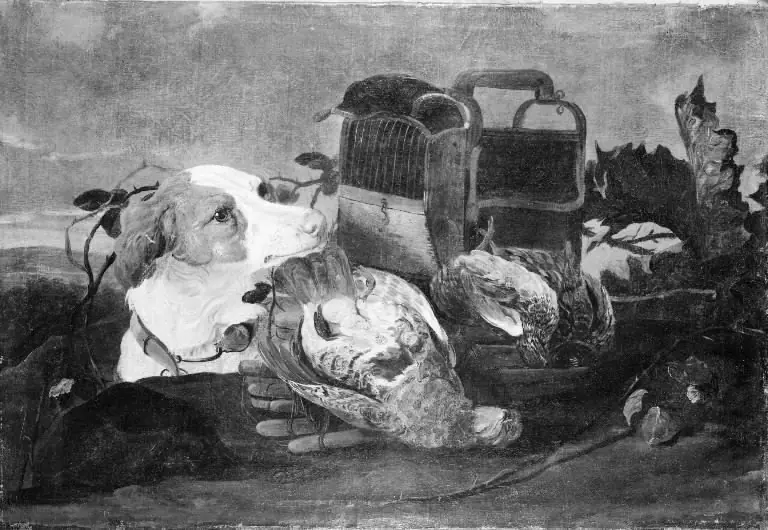
Painted in 1642 by Jan Fyt, *Dead Game and Weasels* is an oil-on-canvas still life that captures the aftermath of a hunt. Fyt, a Flemish artist known for his detailed depictions of animals and game, arranged a composition of deceased prey alongside weasels, creating a scene that balances naturalism with symbolic weight. The work reflects the Flemish Baroque tradition of elaborate still lifes, where mortality and abundance coexist in quiet tension.
Subject & Meaning
The painting presents a pile of hunted animals—a rabbit, a bird, and small mammals—laid across a stone ledge, with weasels poised nearby. These predators, often associated with stealth and survival, add a layer of ecological realism. The stillness of the dead game contrasts with the alert posture of the weasels, suggesting the cycle of life and death. The scene invites reflection on transience without overt moralizing, grounding its meaning in observed nature rather than allegory.
Technique & Style
Fyt employed fine brushwork to render fur, feathers, and stone with precise texture. Light falls diagonally across the composition, enhancing the three-dimensionality of the forms and casting subtle shadows that anchor the objects to the surface. The background, softly rendered with muted greens and gray skies, recedes gently, focusing attention on the foreground. His palette is restrained yet rich, using earth tones and muted whites to convey materiality without theatricality.
History & Provenance
Created during Fyt’s mature period in Antwerp, the painting entered the Detroit Institute of Arts’ collection in the 20th century. It is one of several works by Fyt that survive from the mid-17th century, a time when Flemish patrons favored detailed still lifes as expressions of wealth and natural curiosity. The painting’s condition remains strong, with minimal restoration, preserving the artist’s original handling of paint and detail.
Context
In 17th-century Flanders, still lifes of game were popular among urban elites who admired the skill required to depict hunting trophies. These works often reflected both the pleasures of the hunt and the aristocratic control over nature. Fyt’s paintings aligned with this trend but distinguished themselves through their observational accuracy and restrained composition, avoiding the excesses of some contemporaries while maintaining a sense of quiet dignity.
Legacy
Fyt’s influence extended to later still life painters in the Netherlands and beyond, particularly in the treatment of animal textures and natural lighting. *Dead Game and Weasels* exemplifies his ability to merge scientific observation with aesthetic restraint. Though not widely exhibited, the painting remains a key example of Flemish Baroque still life, valued for its quiet intensity and technical precision rather than dramatic flair.
Own this work as a print
Artist & collection
Artist
Jan Fijt, Jan Fijt or Johannes Fijt (or Fyt) (19 August 1609 – 11 September 1661) was a Flemish Baroque painter, draughtsman and etcher.