Artwork
Virgin and Child in a Landscape
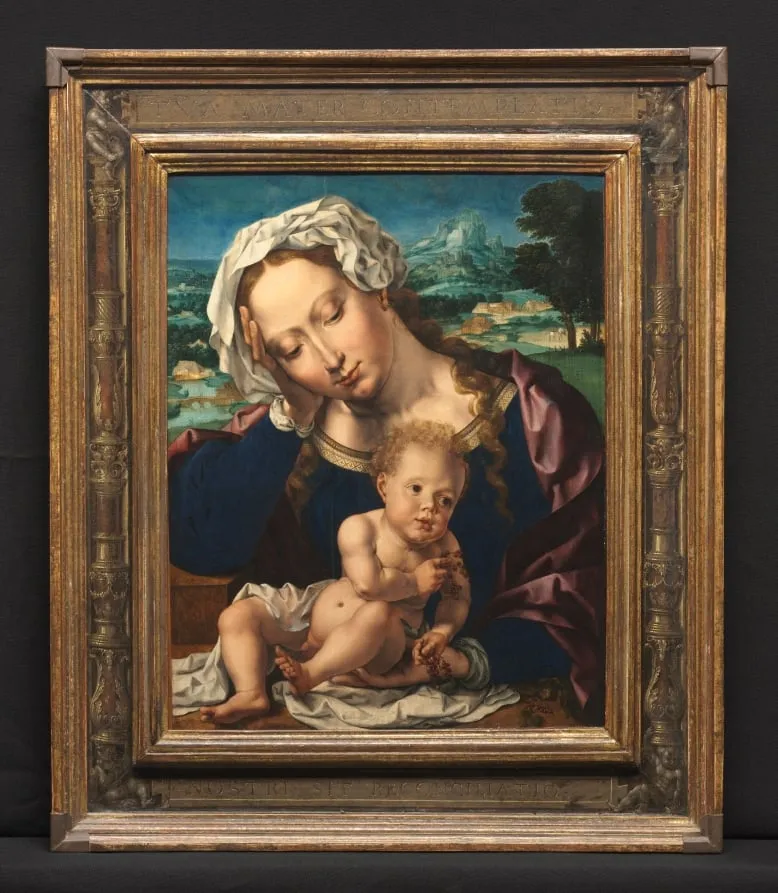
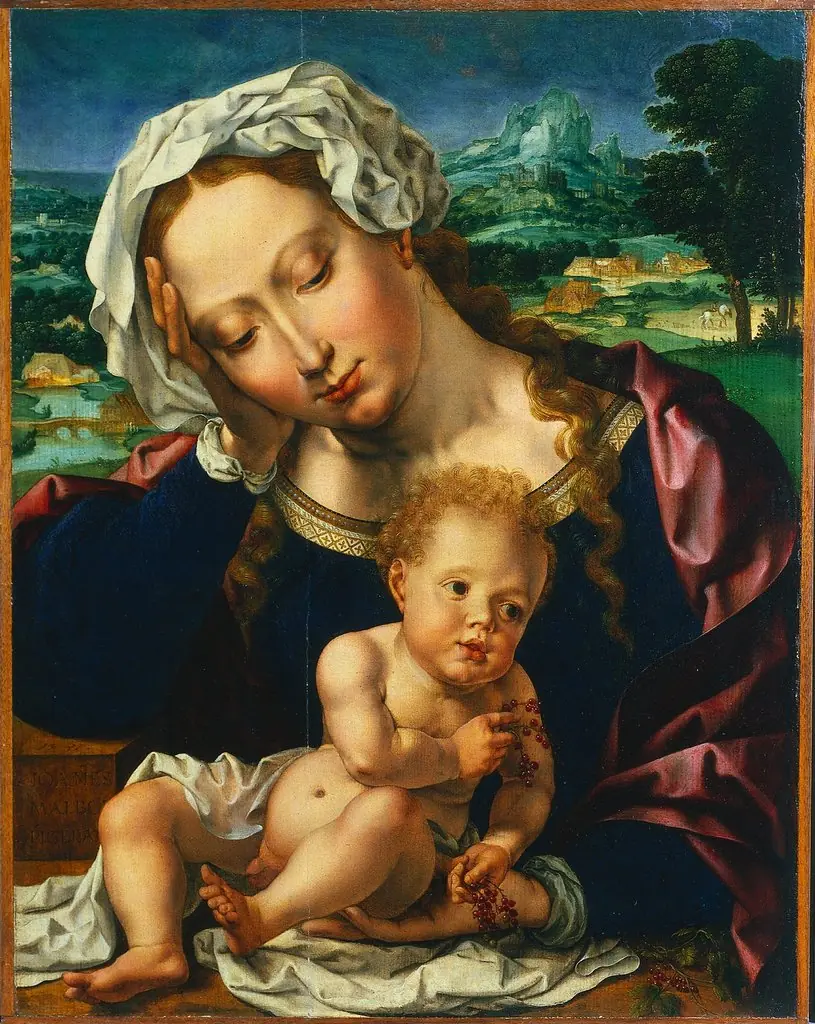
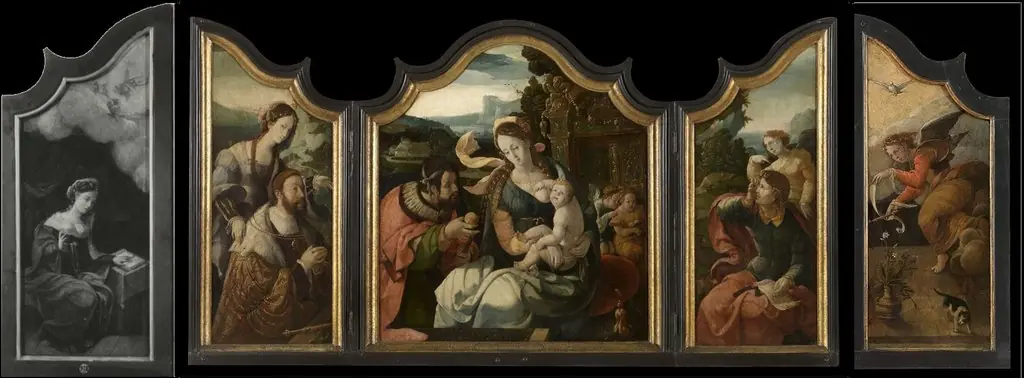
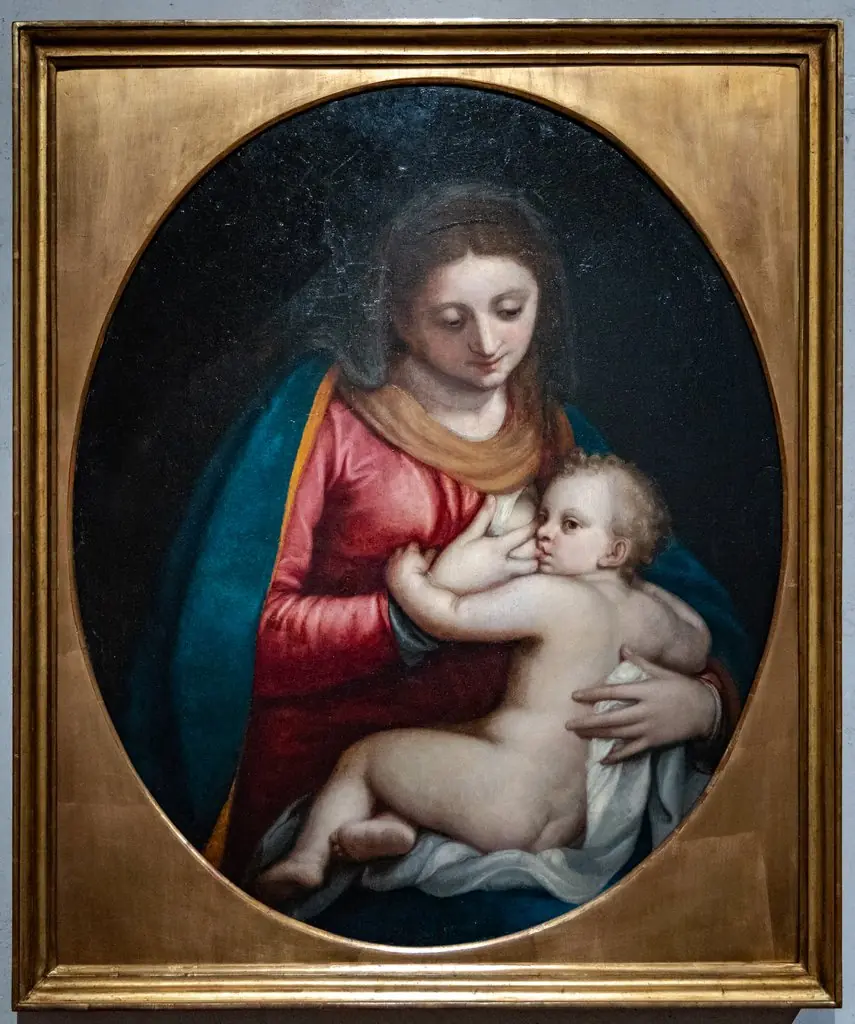
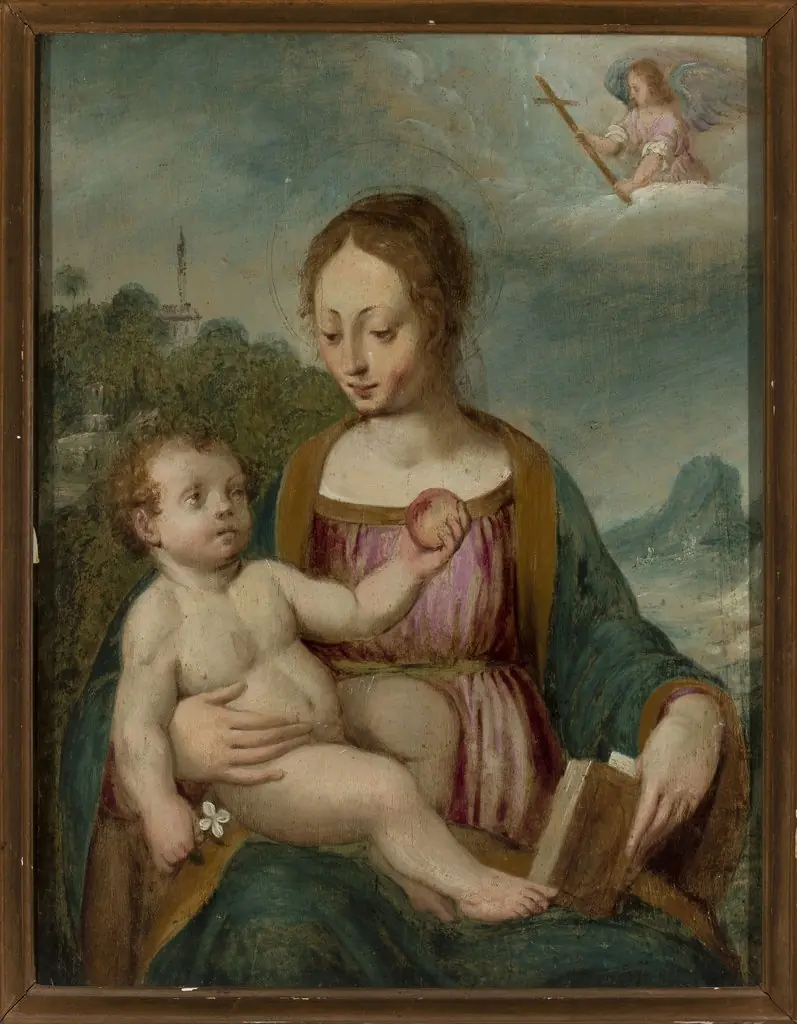
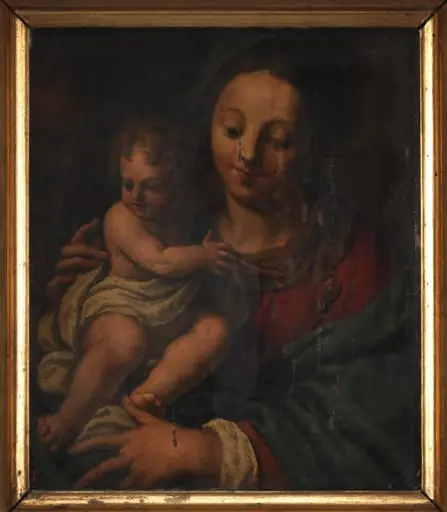
Virgin and Child in a Landscape is an unspecified painting by the Northern Renaissance artist Jan Gossaert. It dates from 1531 and is held in the collection of the Cleveland Museum of Art. The work depicts the Virgin Mary seated on a gentle rise, cradling the infant Christ.
About this work
Overview
The work depicts the Virgin Mary seated on a gentle rise, cradling the infant Christ. Around them float cherubic figures, while the sky glows in muted pink and gold tones. The composition combines a devotional subject with a serene, landscape setting, characteristic of early sixteenth‑century Northern painting.
Subject & Meaning
Mary is presented in a traditional blue mantle, emphasizing her role as the mother of Christ, while the infant is shown in a tender, protective pose. The surrounding putti, rendered as playful cherubs, reinforce the theme of divine love and heavenly intercession.
Technique & Style
The artist blends the precise, tactile treatment of drapery and foliage typical of Northern art with compositional elements drawn from Italian Renaissance models. Fine attention to the folds of fabric gives the garments a near‑tactile quality, and the soft, atmospheric sky reflects an Italianate sense of space.
History & Provenance
Created by Jan Gossaert, one of the first Northern painters to study in Rome, the piece likely entered the collection of Mencía de Mendoza, a prominent Spanish noblewoman and early‑sixteenth‑century patron of the arts. The painting now resides in the Cleveland Museum of Art.
Context
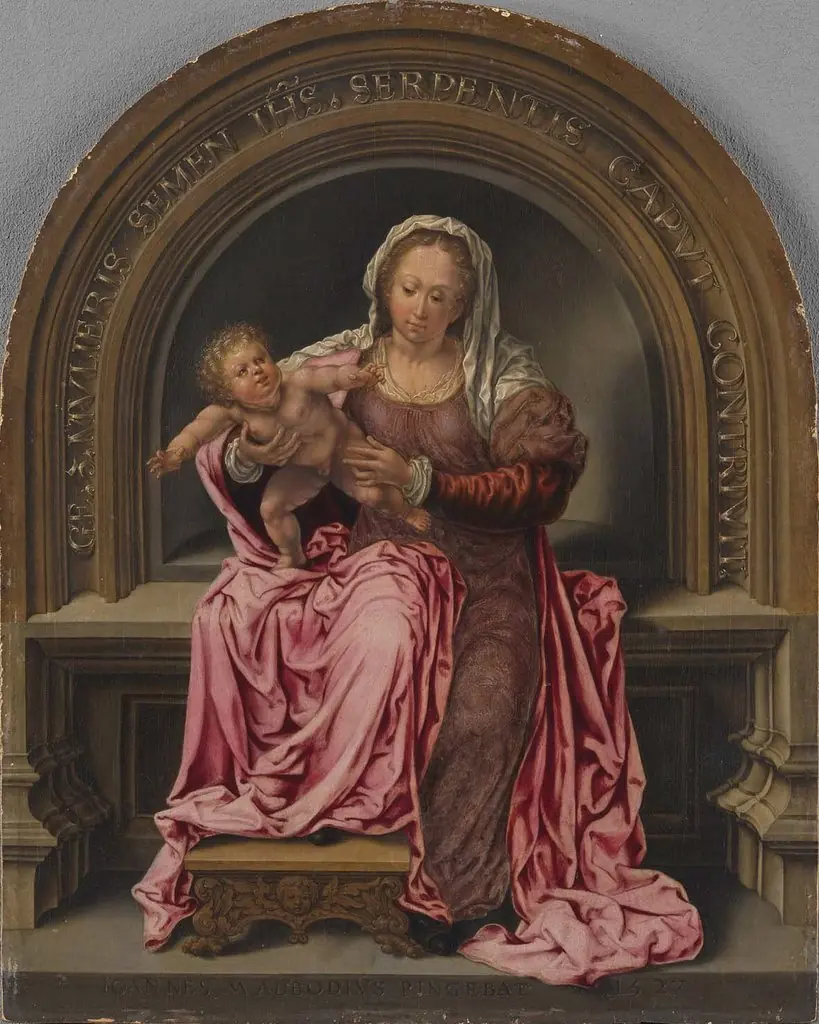
Gossaert’s career bridged the artistic cultures of the Low Countries and Italy, and this work exemplifies his synthesis of Italian compositional ideals with the detailed realism prized in Northern Europe. The Latin inscription on the frame, "Mother, may your contemplation be our reconciliation," underscores the devotional intent of the piece.
Artist & collection
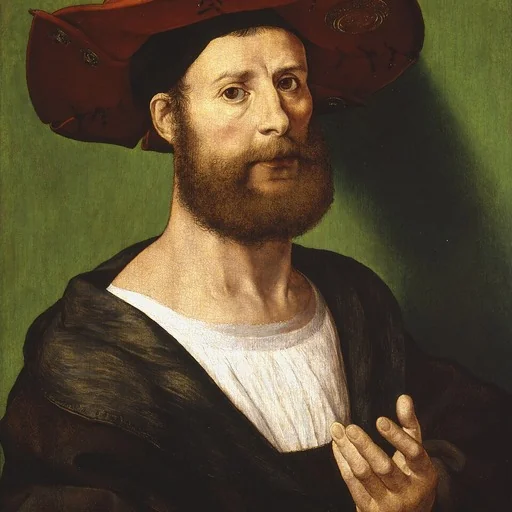
Artist
Jan Gossaert (c. 1478 – 1 October 1532) was a French-speaking painter from the Low Countries also known as Jan Mabuse (the name he adopted from his birthplace, Maubeuge) or Jennyn van Hennegouwe (Hainaut), as he called…