Artwork
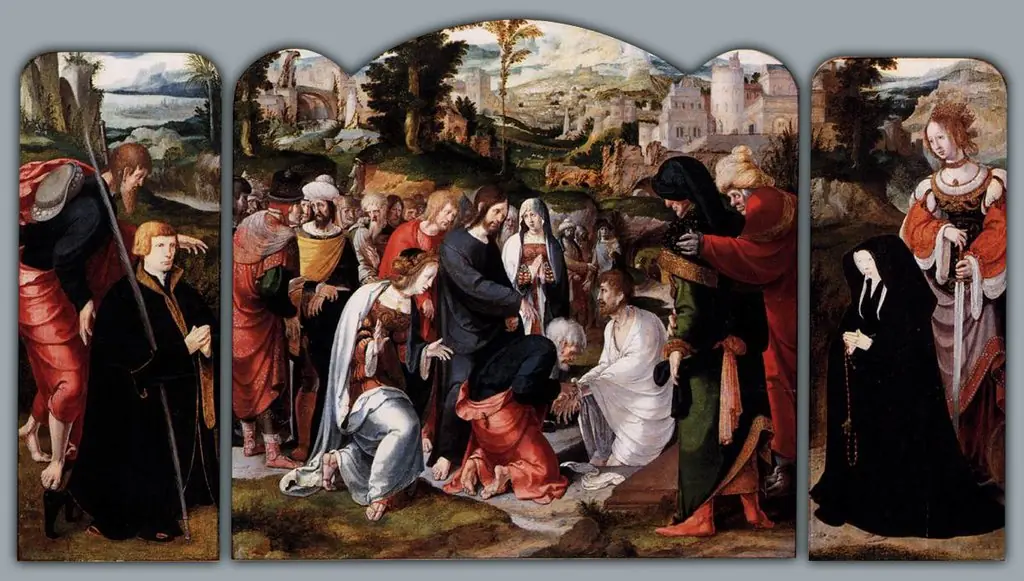
Triptych of Count Henry III of Nassau
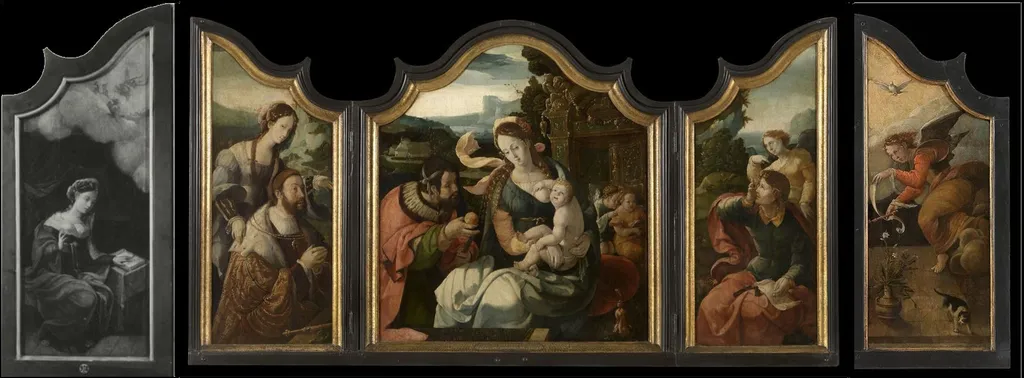
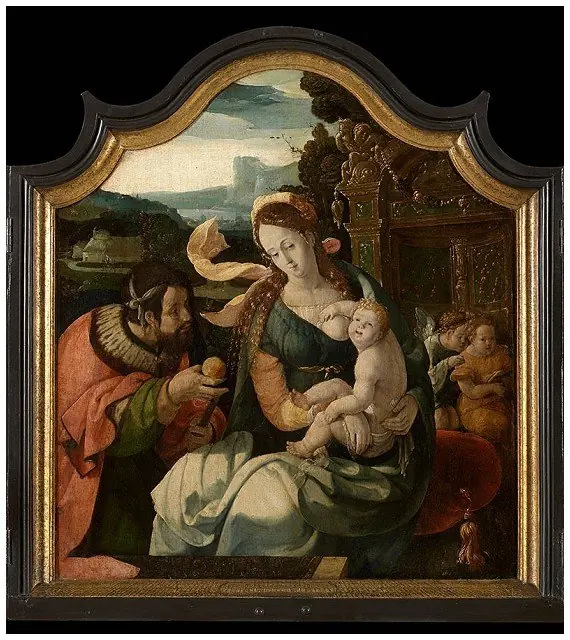
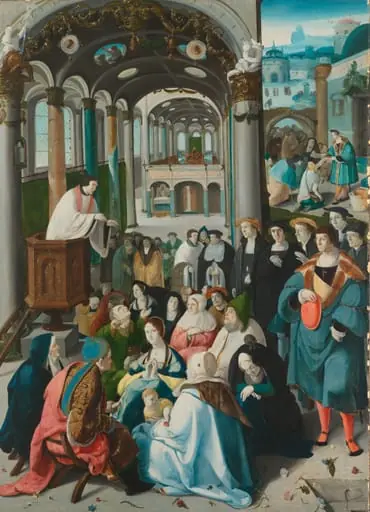
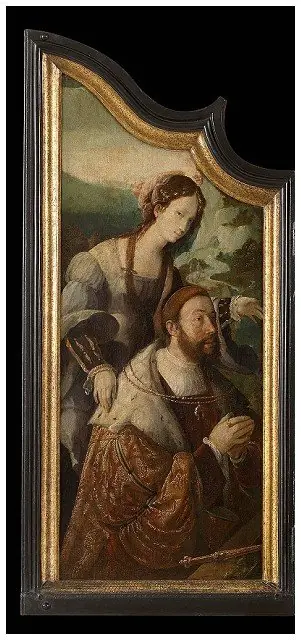
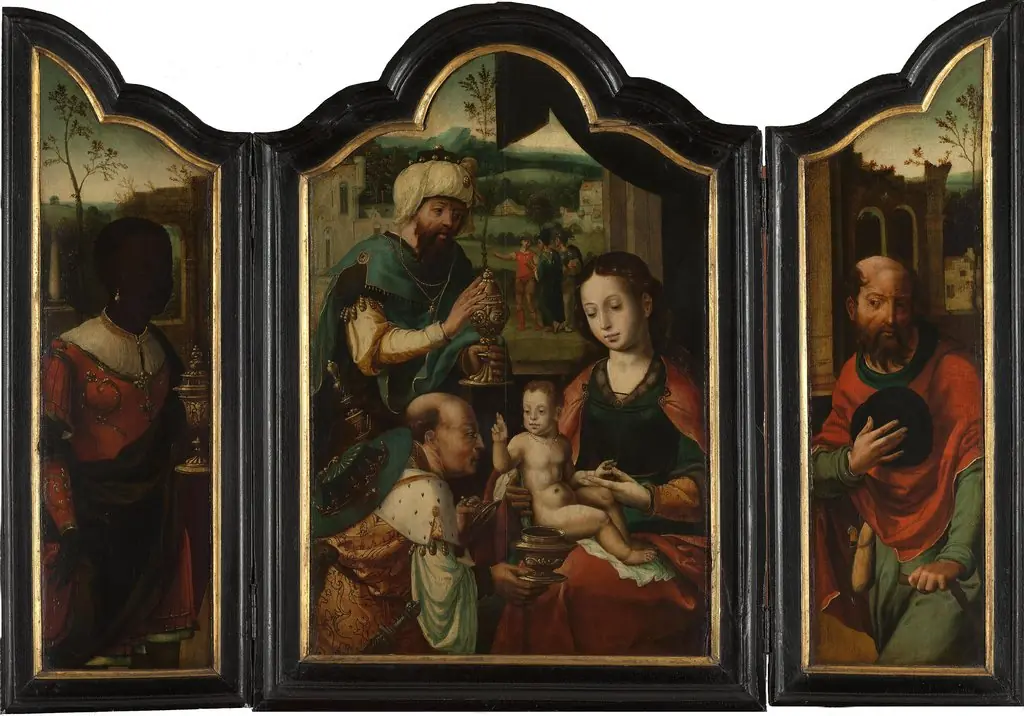
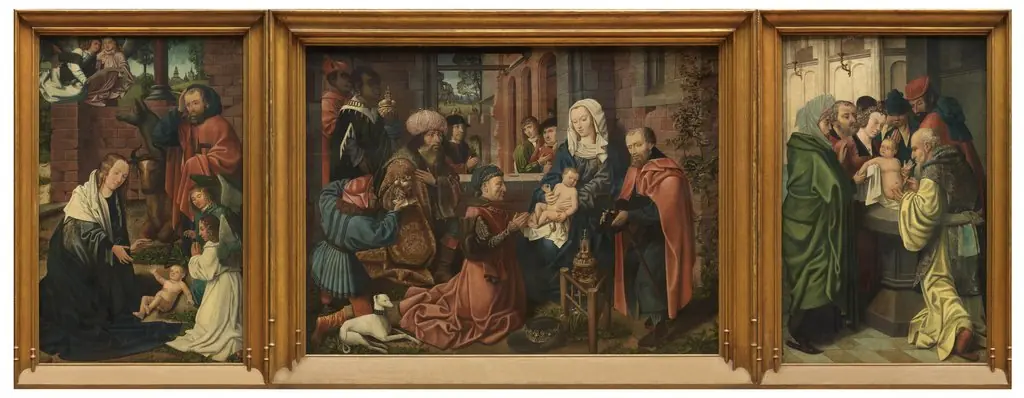
Triptych of Count Henry III of Nassau is a wood painting by the Northern Renaissance artist Aertgen van Leyden. It dates from 1549 and is held in the collection of the Royal Museum of Fine Arts Antwerp.
About this work
Overview
Created in 1549 by the Dutch painter Aertgen van Leyden, this three‑panel work is executed on wood and follows the conventions of a religious triptych.
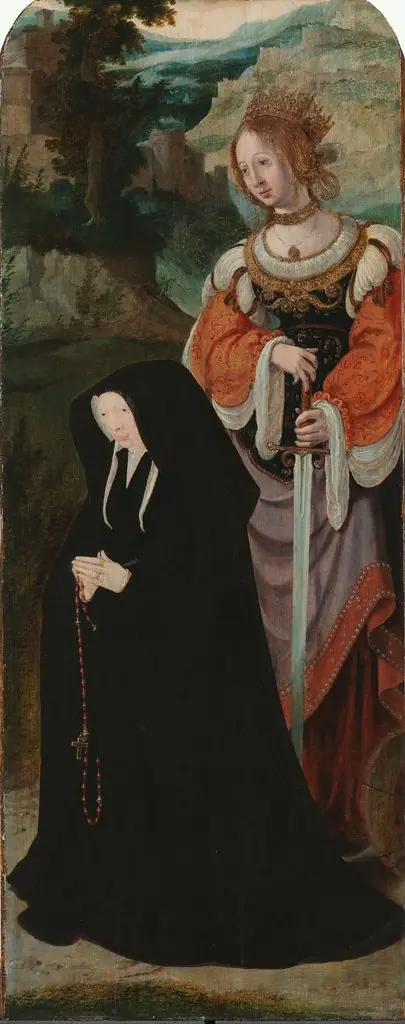
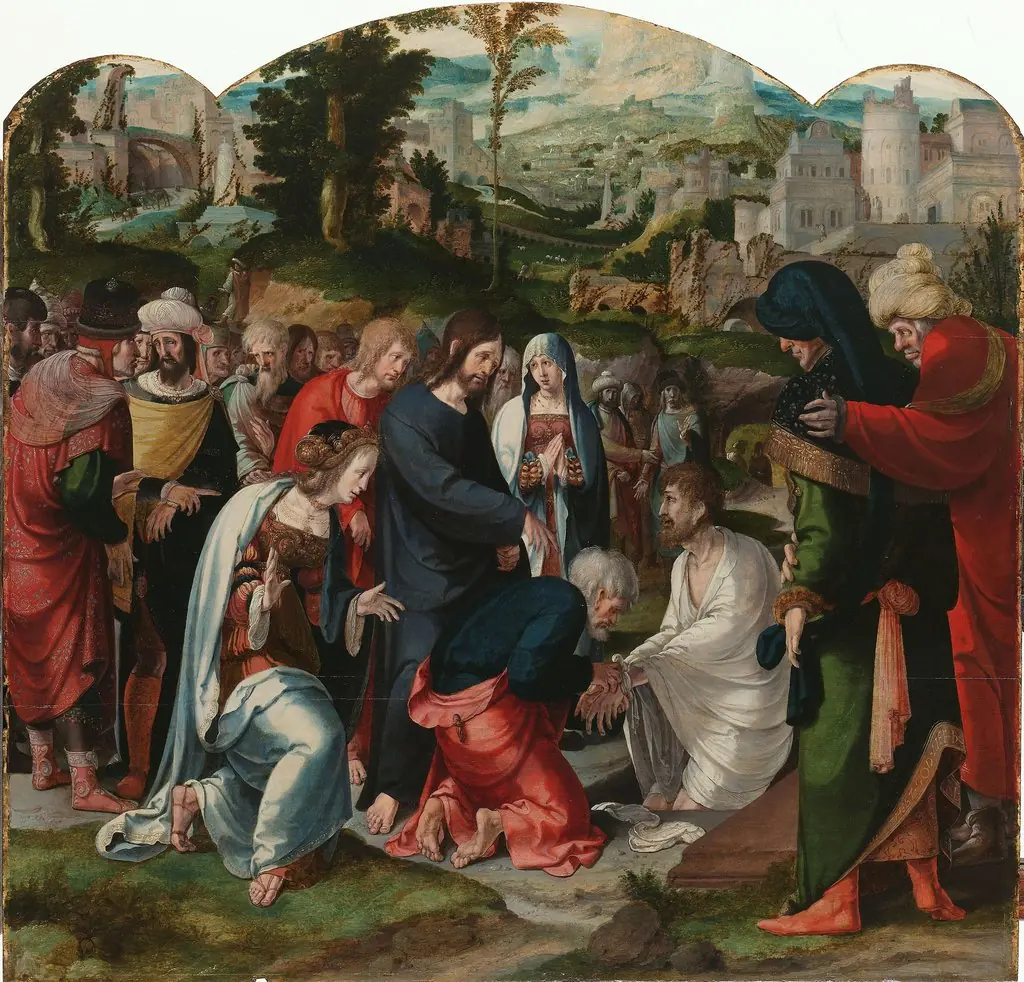
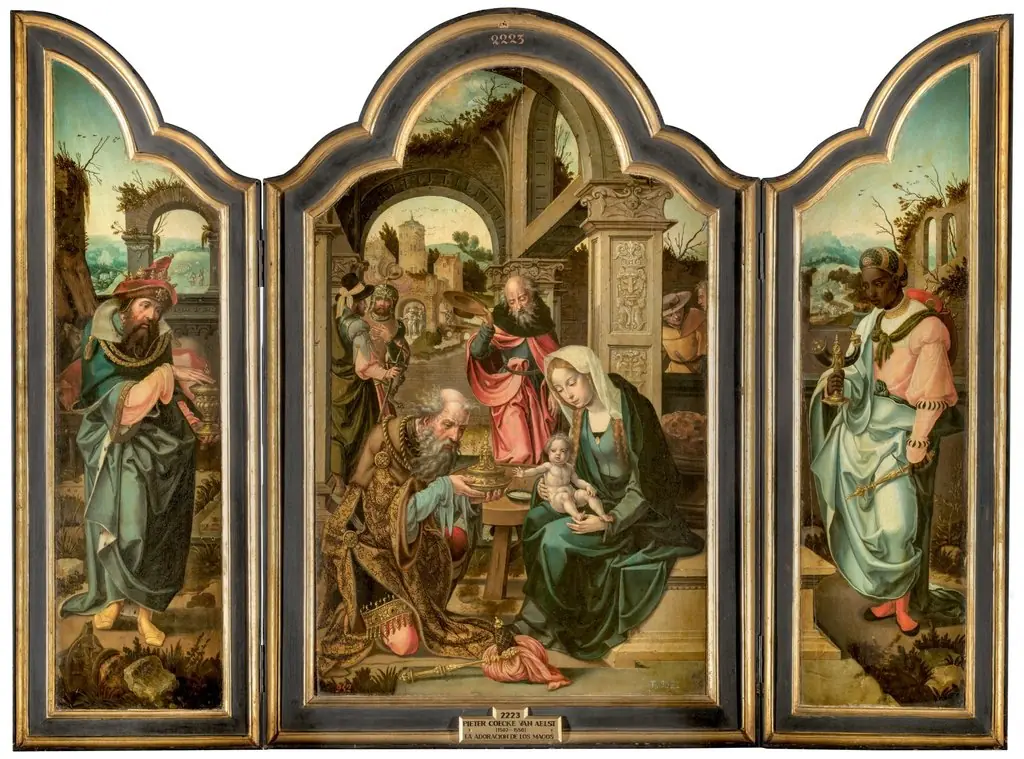
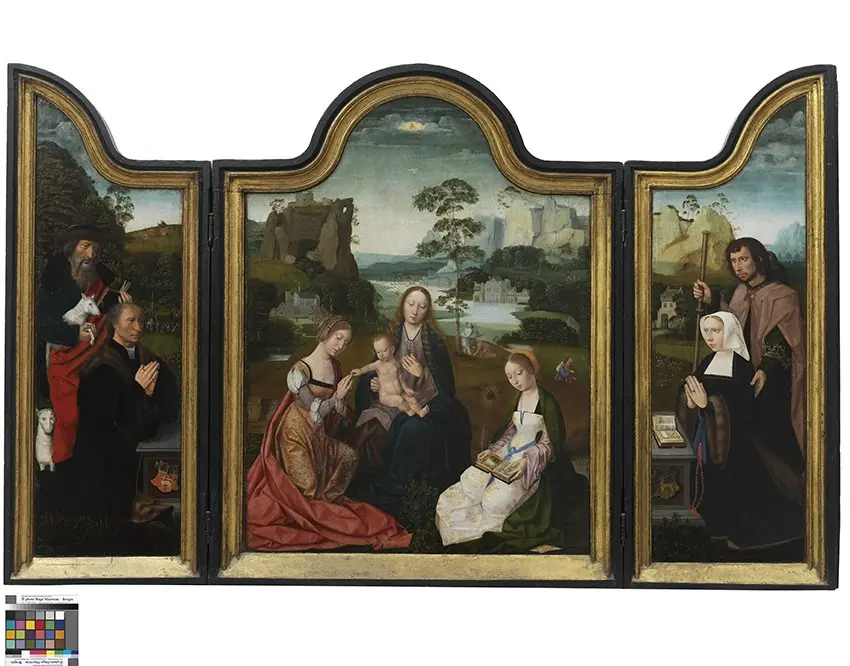
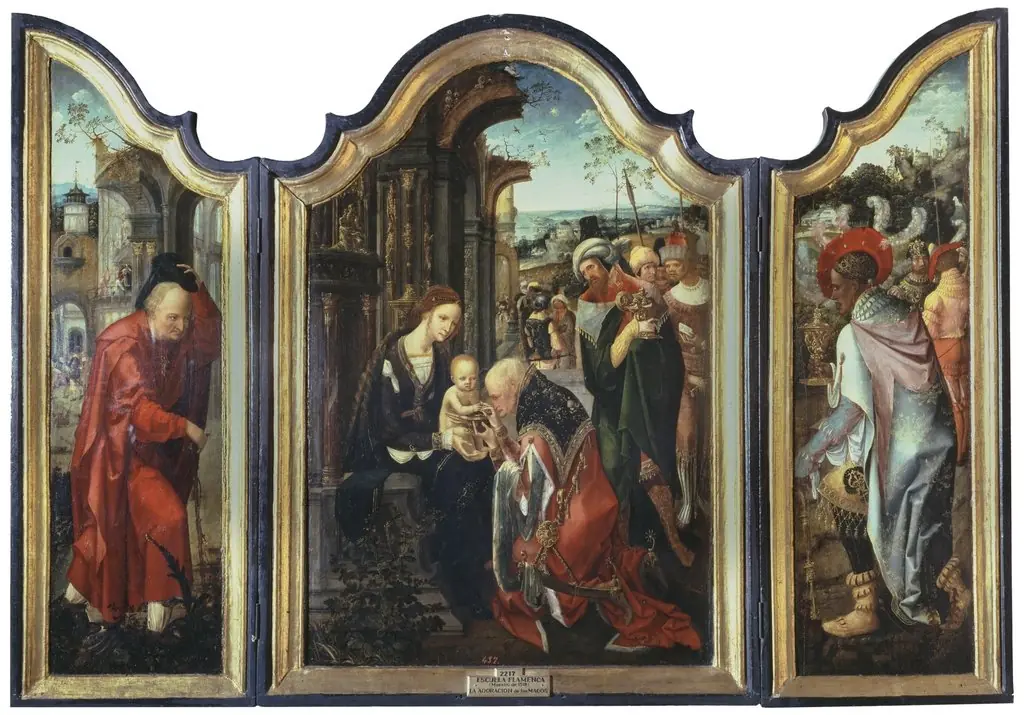
Created in 1549 by the Dutch painter Aertgen van Leyden, this three‑panel work is executed on wood and follows the conventions of a religious triptych. The central scene depicts a group gathered around a woman holding an infant, while the flanking panels present a contemplative woman with a book and an angelic figure. The composition is rendered in muted earth tones, characteristic of the Northern Renaissance palette.
Subject & Meaning
The central panel likely illustrates a biblical narrative of the Virgin and Child, surrounded by witnesses whose attire suggests contemporary 16th‑century dress, linking the sacred event to the viewer’s world. The left panel’s reading woman may symbolize piety or the Church’s teaching authority, whereas the right‑hand angel serves as a celestial messenger, reinforcing the devotional purpose of the piece.
Technique & Style
Aertgen van Leyden employed a meticulous, realistic approach, emphasizing texture and fine detail in both figures and landscape. The muted browns and greens create a subdued atmosphere, while the careful modeling of drapery and foliage reflects the Northern Renaissance’s interest in naturalism and precise observation. The wood support allows for a smooth surface that enhances the subtle tonal gradations.
History & Provenance
The triptych was commissioned for Count Henry III of Nassau, a member of the prominent Nassau family, and remained in private hands before entering the collection of the Royal Museum of Fine Arts in Antwerp. Its presence in the museum today provides scholars with insight into the artist’s oeuvre and the patronage practices of mid‑16th‑century Dutch nobility.
Context
Aertgen van Leyden trained under Cornelis Engebrechtsz. in Leiden and was also active as a designer of stained‑glass windows, a skill that informs the luminous quality of his painted panels. The work exemplifies the Northern Renaissance’s synthesis of local artistic traditions with the broader European devotional trends that shaped religious art in the Low Countries during the mid‑1500s.
Artist & collection
Artist
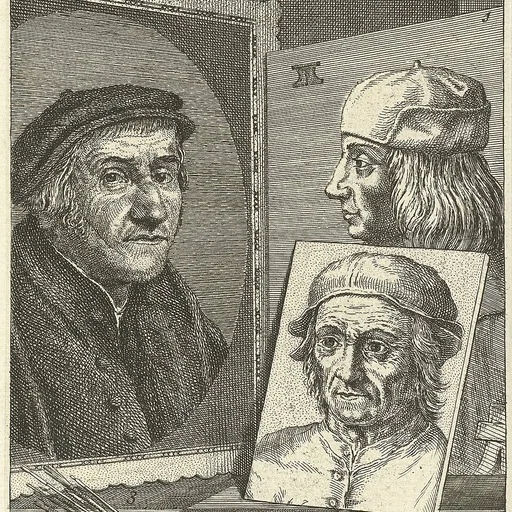
Aertgen Claesz. van Leyden (c. 1498 – c. 1564), also known as Allaert or Aert van Leyden or Aert Claesz. van Leyden, was a 16th-Century Dutch painter, draughtsman and designer of stained glass. Works by this artist can…