Artwork
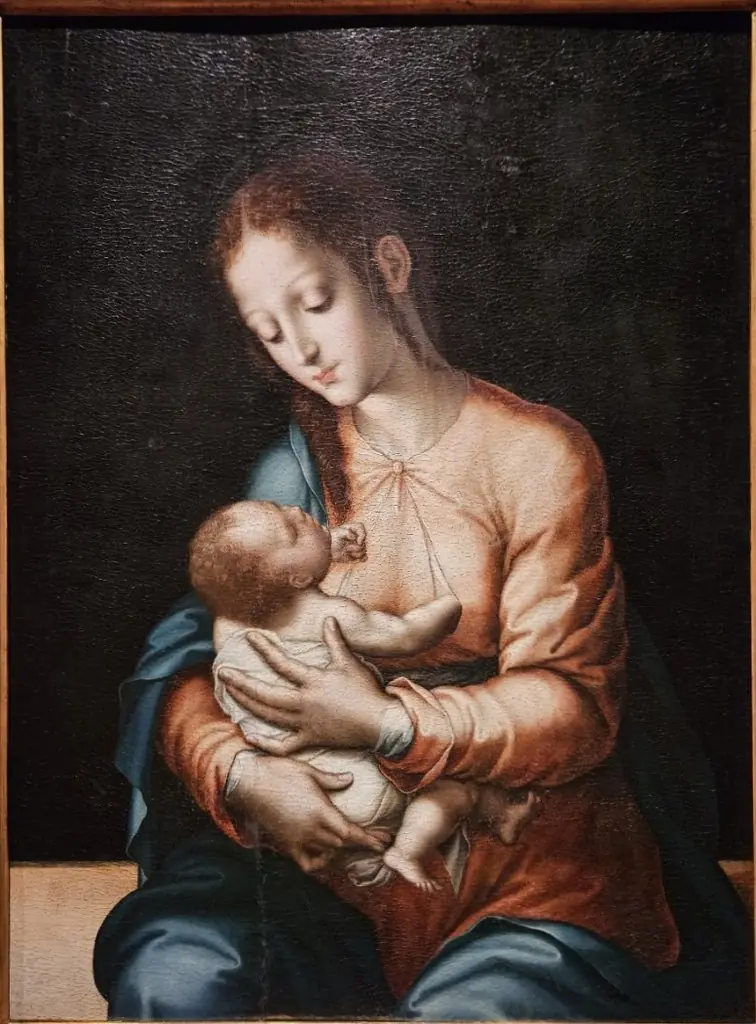
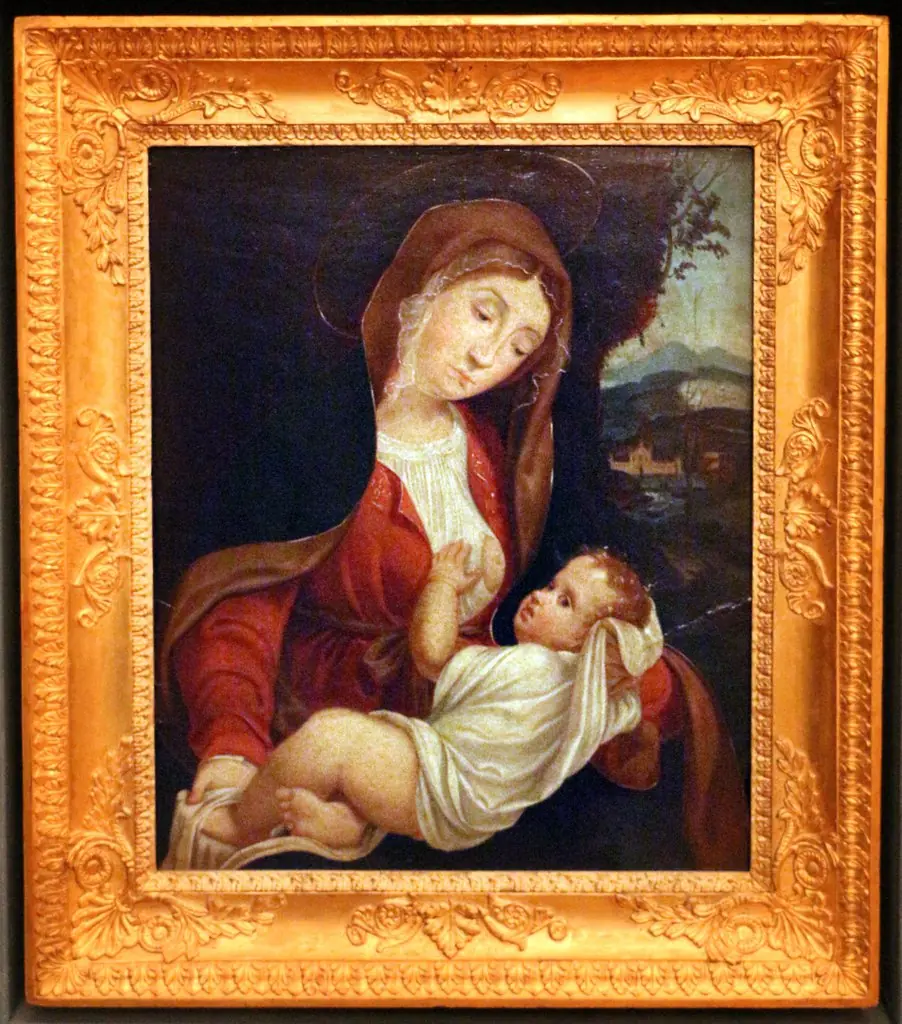
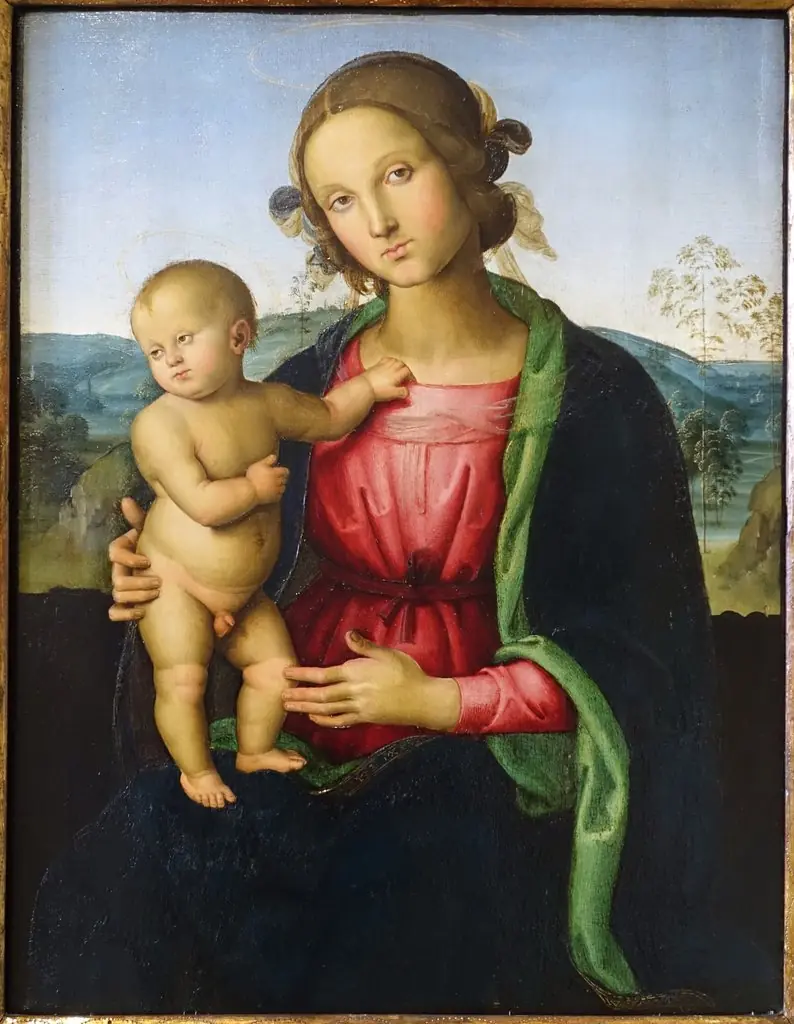
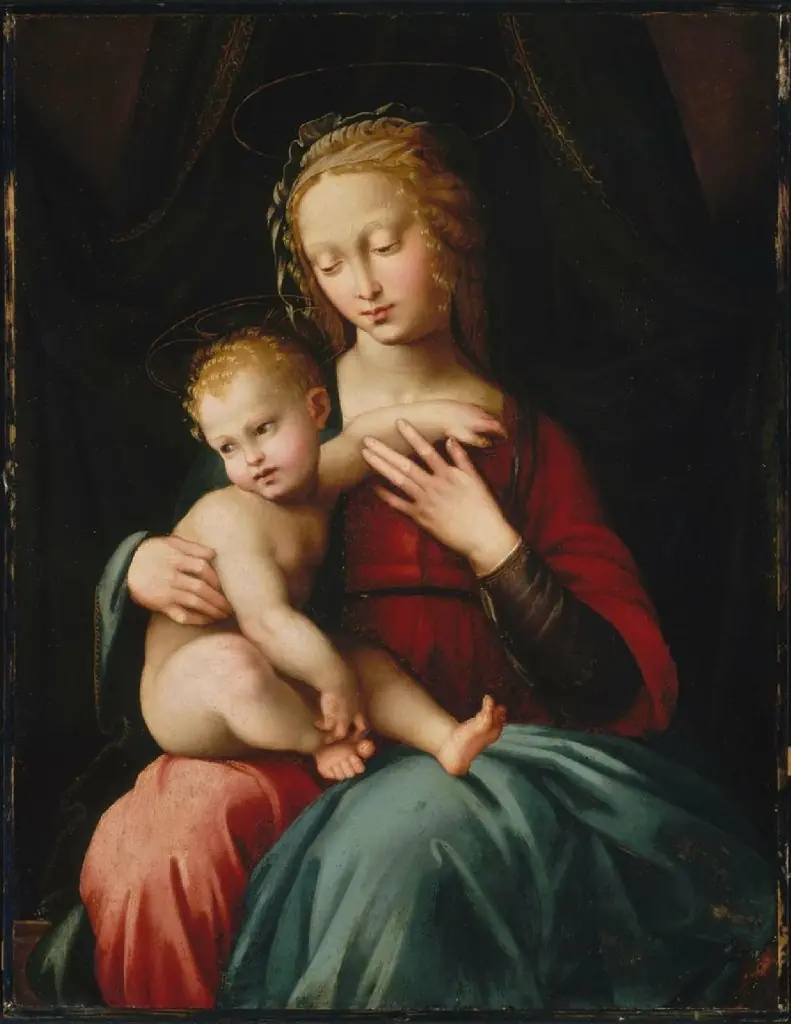
Madonna Suckling the Infant Christ
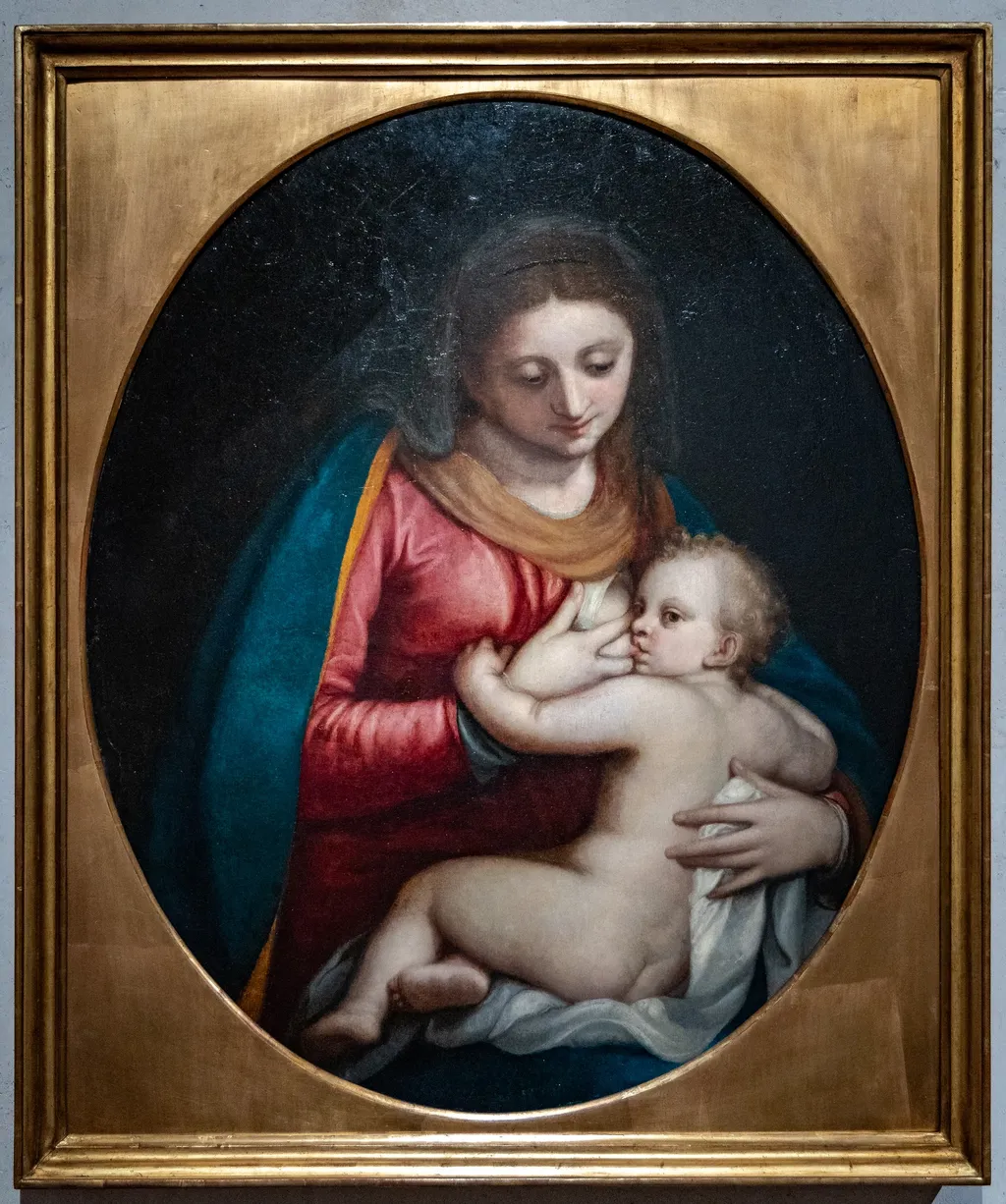
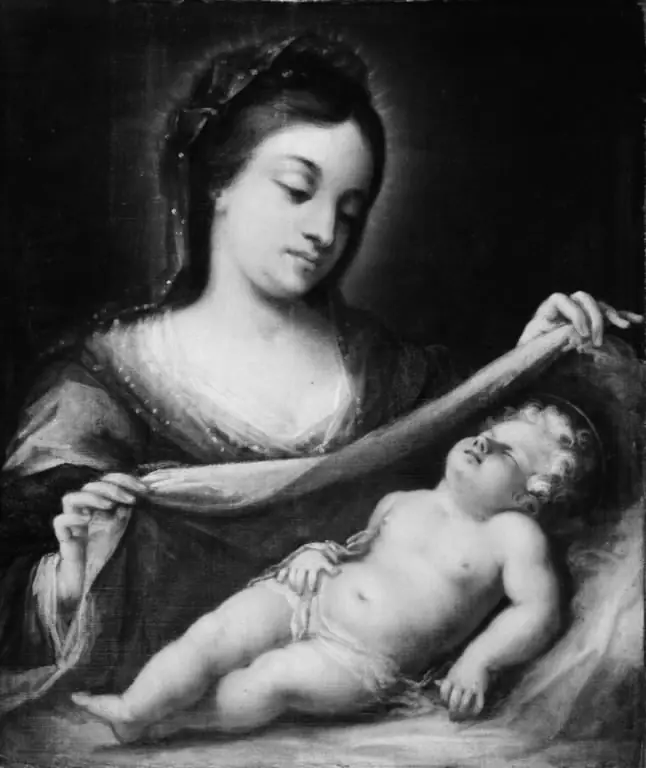
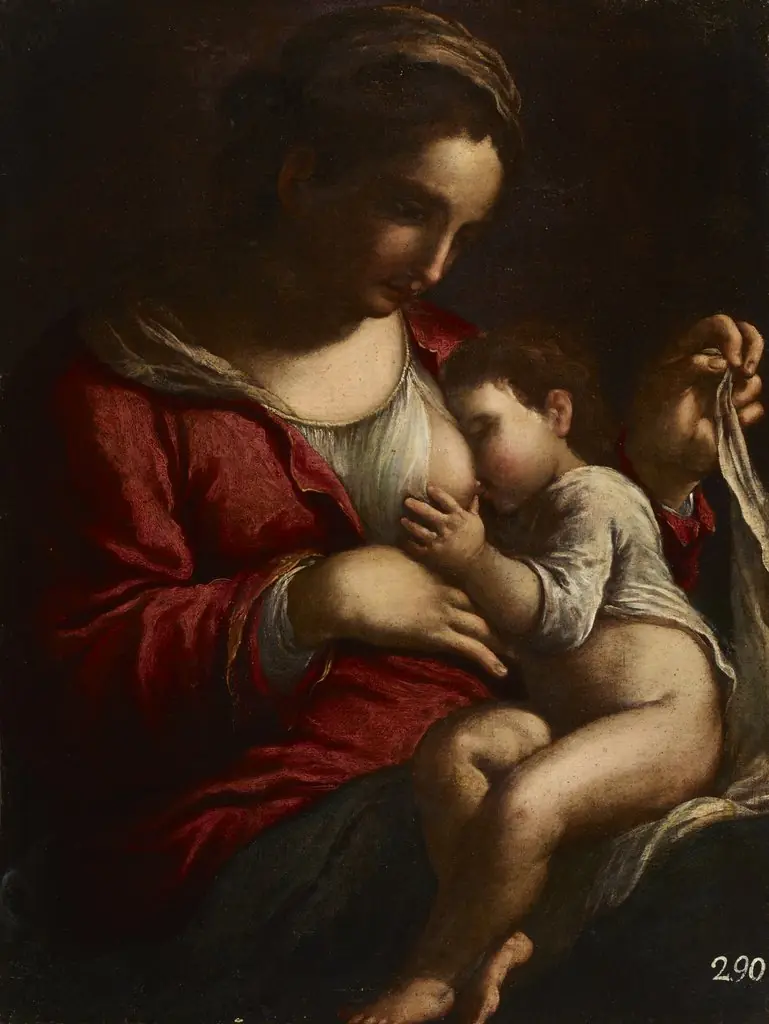
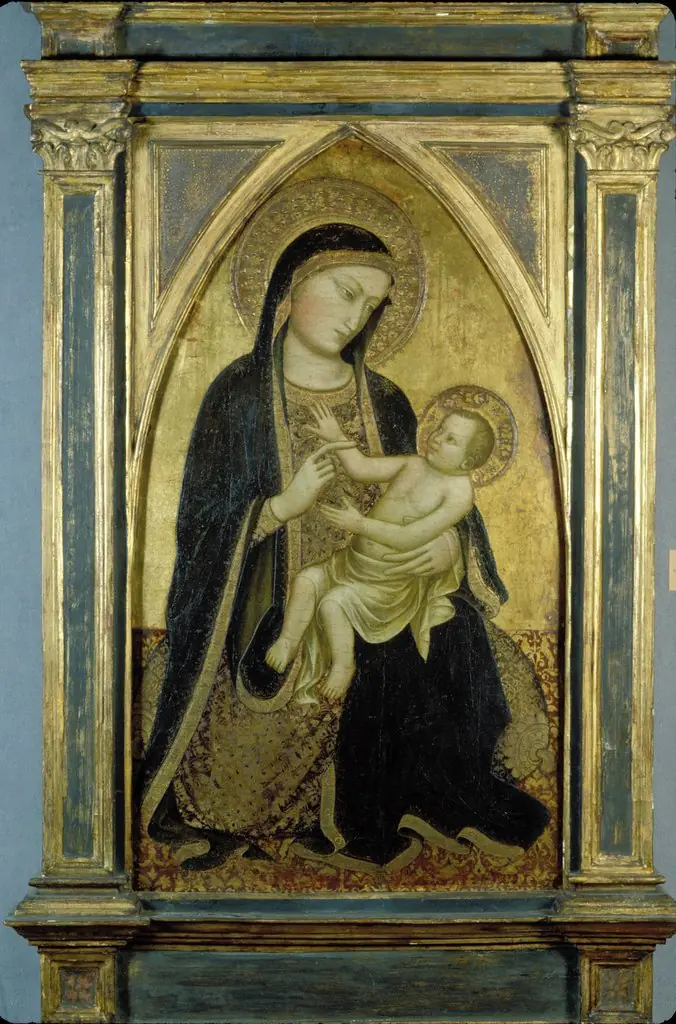
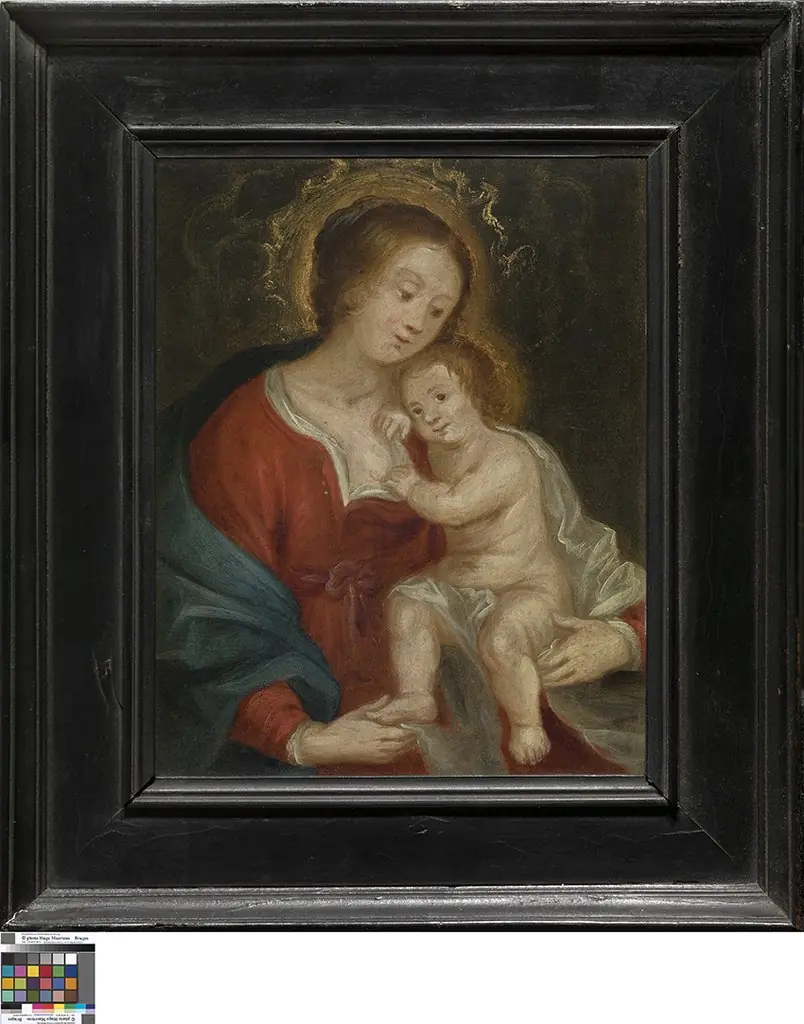
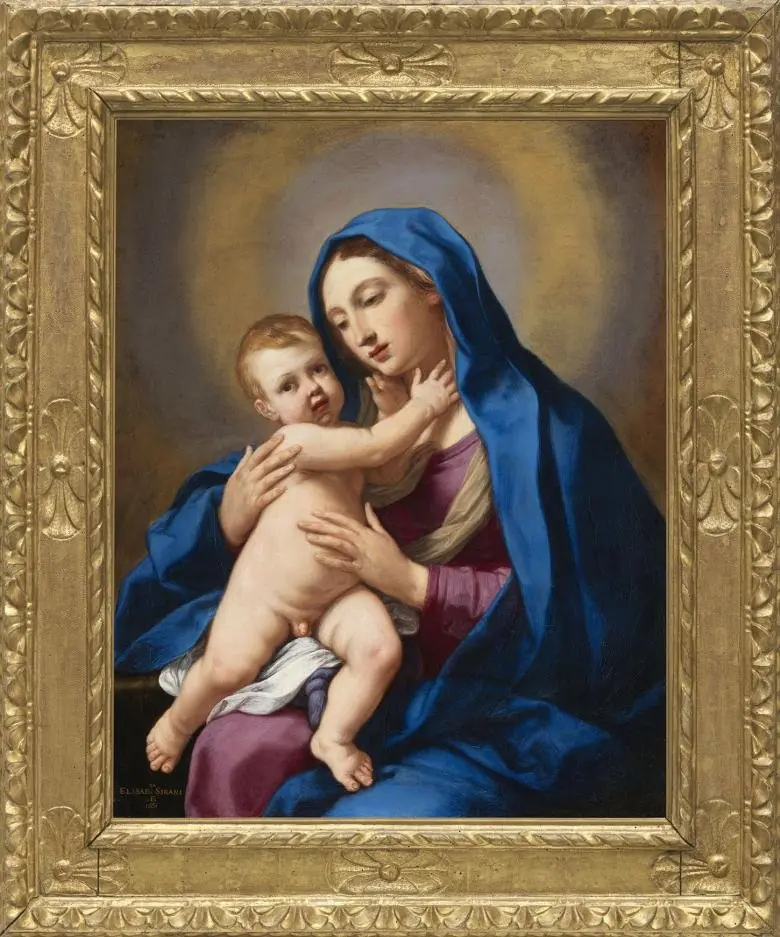
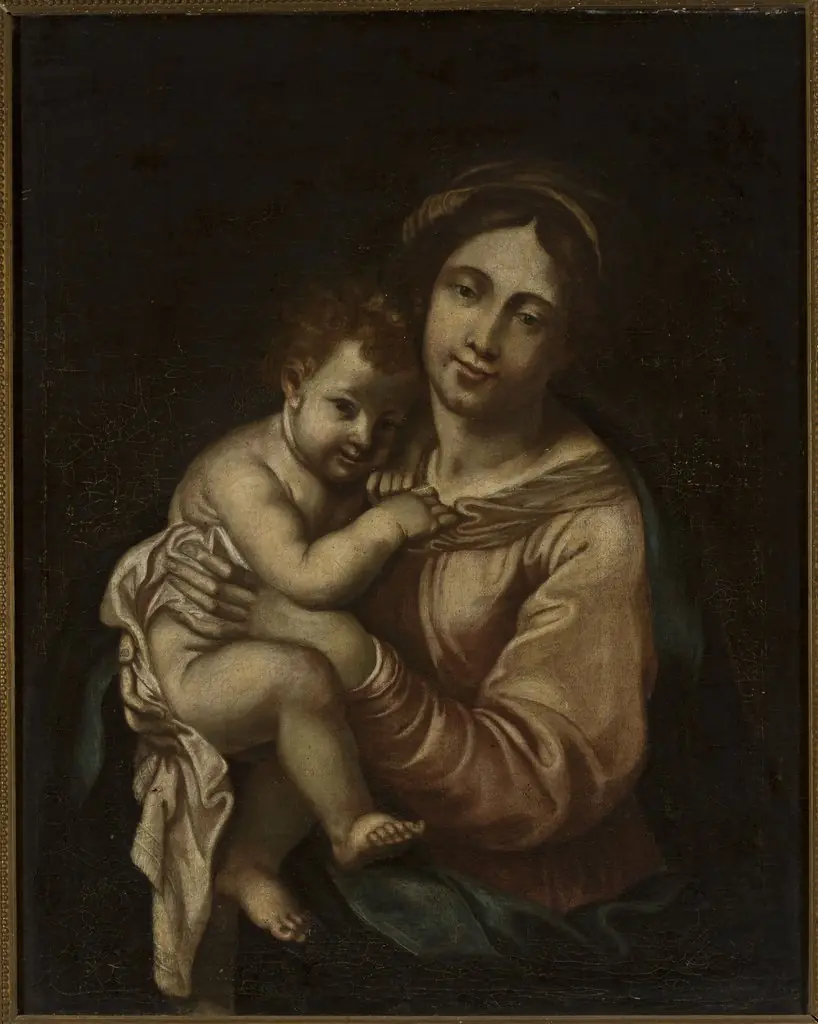
Madonna Suckling the Infant Christ is an oil painting by the Early Baroque Italian artist Sofonisba Anguissola. It dates from 1600 and is held in the collection of the Museum of Fine Arts, Budapest.
About this work
Overview
Painted in 1600 by Sofonisba Anguissola, this oil-on-canvas work presents a quiet devotional image of the Virgin Mary nursing the infant Jesus.
Painted in 1600 by Sofonisba Anguissola, this oil-on-canvas work presents a quiet devotional image of the Virgin Mary nursing the infant Jesus. Created during the early Baroque era in Italy, the piece reflects Anguissola’s sustained engagement with religious subjects and her distinctive approach to intimate portraiture. It resides today in the Museum of Fine Arts, Budapest, as part of a collection that preserves her contributions to early modern painting.
Subject & Meaning
The scene portrays the Virgin Mary in a moment of maternal tenderness, emphasizing her humanity alongside her sacred role. By depicting her breastfeeding the Christ child, the painting underscores themes of divine love and earthly care, common in Counter-Reformation devotional art. The quiet intimacy avoids grandeur, inviting contemplation rather than awe, aligning with a growing emphasis on personal piety in early 17th-century religious imagery.
Technique & Style
Anguissola employs chiaroscuro to model the figures with soft, naturalistic light, drawing focus to the physical closeness between mother and child. The dark background isolates the pair, heightening emotional immediacy. Her brushwork is restrained yet precise, capturing texture in fabric and skin without theatrical flourish. The composition’s simplicity and psychological nuance reflect her training in the late Renaissance and her sensitivity to domestic realism.
History & Provenance
Anguissola, trained in Cremona and active in the courts of Spain and Italy, produced this work late in her career, after decades of patronage by European nobility. The painting’s survival and eventual acquisition by the Museum of Fine Arts, Budapest, reflect its endurance as a testament to her artistic legacy. Its provenance prior to the 20th century remains partially undocumented, though its style and date align with her known late-period output.
Context
In early 17th-century Italy, religious imagery remained central to artistic production, even as stylistic trends shifted toward greater emotional intensity. Anguissola’s depiction of the Madonna diverges from the idealized forms of High Renaissance art, favoring a grounded, humanized portrayal. Her status as a woman artist navigating male-dominated institutions lent added significance to such private, emotionally resonant works.
Legacy
Anguissola’s career helped redefine the possibilities for women in professional art, and this painting exemplifies her quiet influence on devotional portraiture. Rather than asserting grandeur, she elevated everyday tenderness as a vehicle for spiritual meaning. Her approach influenced later female artists and contributed to a broader acceptance of domestic intimacy in religious art during the Baroque period.
Artist & collection
Artist
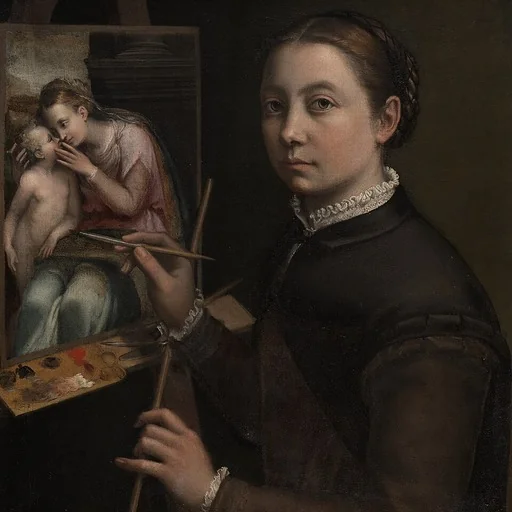
Sofonisba Anguissola (also Sophonisba Angussola or Anguisciola; c. 1532 – 16 November 1629) was an Italian Renaissance painter born in Cremona to a relatively poor noble family. She received a well-rounded education…