Artwork
Jan Gossaert (kopie). De heilige Maagd met de sluier
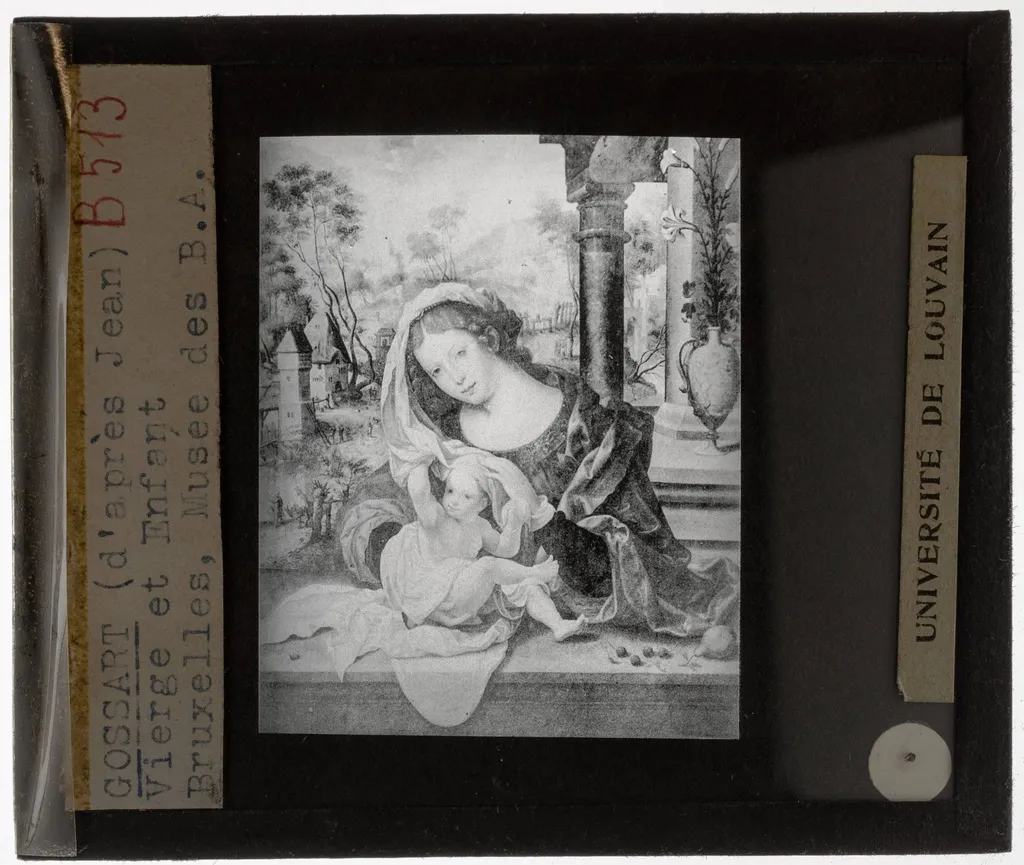
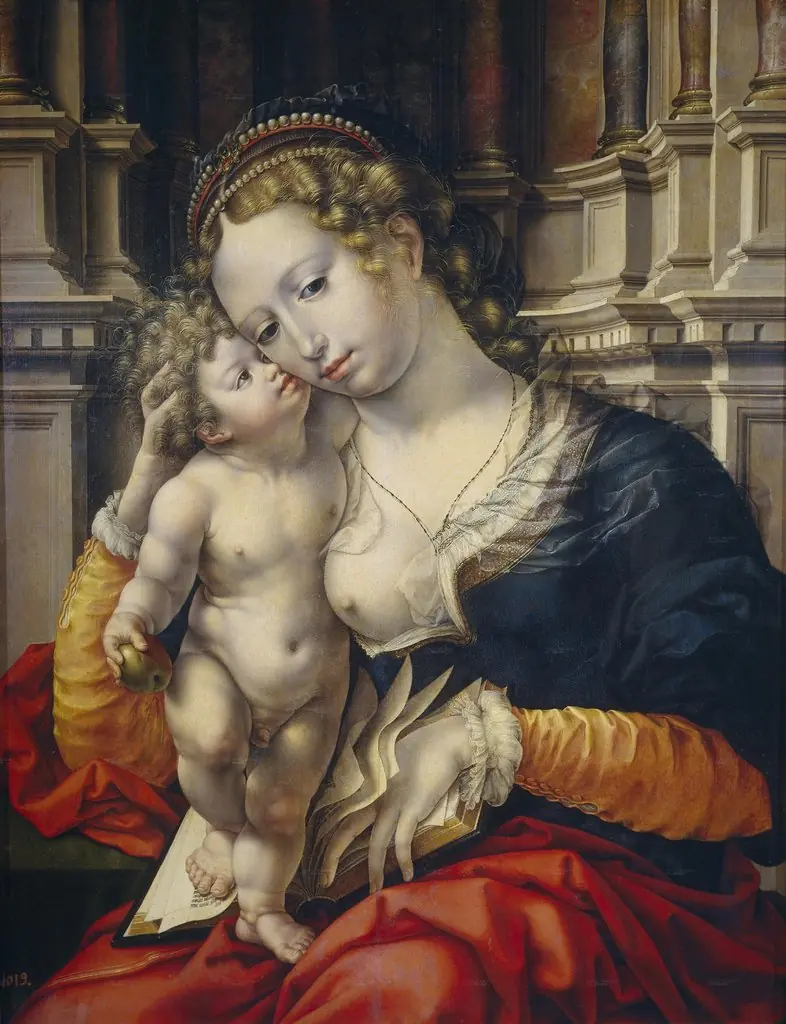
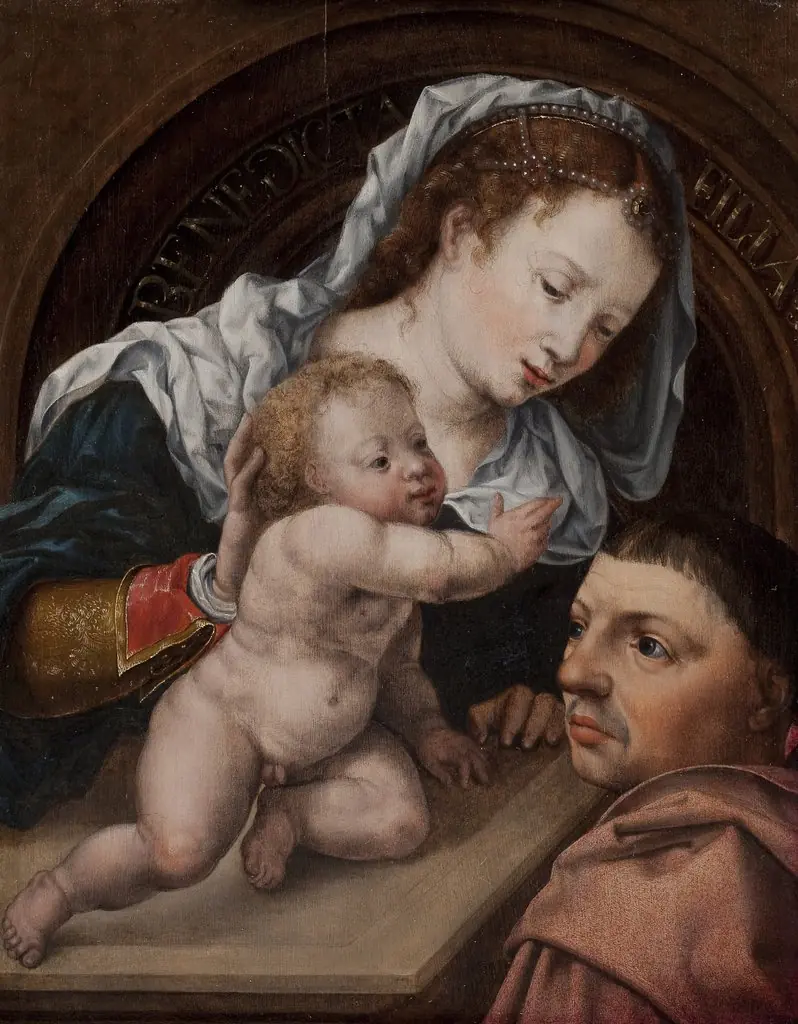
Jan Gossaert (kopie). De heilige Maagd met de sluier is an unspecified painting by the Northern Renaissance artist Jan Gossaert. It is held in the collection of the Catholic University of Leuven. This oil-on-panel painting depicts the Virgin Mary holding the infant Jesus, created in the mid-16th century.
About this work
Overview
Though attributed to a follower of Jan Gossaert, it reflects the stylistic conventions of Northern Renaissance devotional art.
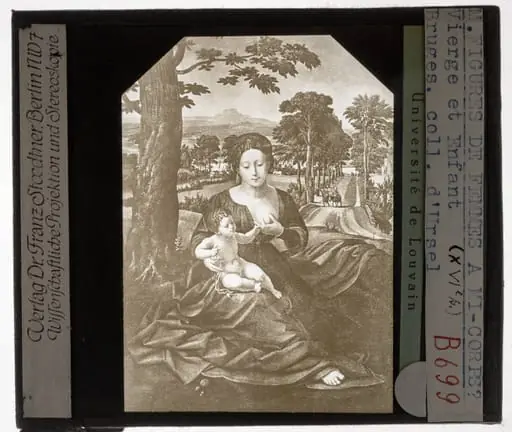
This oil-on-panel painting depicts the Virgin Mary holding the infant Jesus, created in the mid-16th century. Though attributed to a follower of Jan Gossaert, it reflects the stylistic conventions of Northern Renaissance devotional art. The work is held in the Royal Museums of Fine Arts of Belgium in Brussels, catalogued as inv. nr. 587. Its origin traces to a glass slide used in art history instruction at the University of Louvain between 1839 and 1939, though the original photographer remains unidentified.
Subject & Meaning
The Virgin Mary, draped in a deep blue mantle, cradles the Christ Child, who wears a miniature golden crown—a symbol of his divine kingship. Her solemn gaze and the child’s mature expression convey theological gravity rather than sentimentality. The veil she holds may allude to her purity or the veil of the Temple, reinforcing themes of sacred presence and hidden divinity. The imagery aligns with late medieval and early Renaissance Marian devotion, emphasizing reverence over narrative.
Technique & Style
The artist employed layered oil glazes to achieve luminous color and tactile texture, particularly in the folds of Mary’s cloak and the sheen of the infant’s crown. Rich blues and reds are rendered with a jewel-like intensity, evoking the glow of stained glass without literal reference to architecture. The modeling of light suggests a mastery of chiaroscuro, characteristic of Northern Renaissance painters who prioritized material realism and spiritual atmosphere over idealized form.
History & Provenance
The painting entered the collection of the Royal Museums of Fine Arts of Belgium in Brussels, where it remains today. Its earlier history is undocumented, but its stylistic features place it within the circle of Jan Gossaert’s workshop or immediate followers. The image was later reproduced as a glass slide for academic use at the University of Louvain, indicating its recognized pedagogical value in 19th- and early 20th-century art history curricula.
Context
Produced between 1541 and 1560, the work emerged during a period of religious upheaval in the Low Countries. Despite the rise of Protestant iconoclasm, Catholic patrons continued to commission devotional images, often emphasizing Mary’s role as intercessor. This painting’s quiet intensity and refined technique reflect the persistence of traditional religious art in regions still loyal to the Church, even as artistic trends shifted toward Mannerism.
Legacy
Though not the work of Jan Gossaert himself, the painting preserves key elements of his style—precise detail, rich color, and spiritual gravity—making it a valuable example of his influence. Its use in university slide collections ensured its visibility among students and scholars, contributing to the enduring study of Northern Renaissance devotional painting. It remains a quiet testament to the persistence of sacred imagery in a changing religious landscape.
Artist & collection
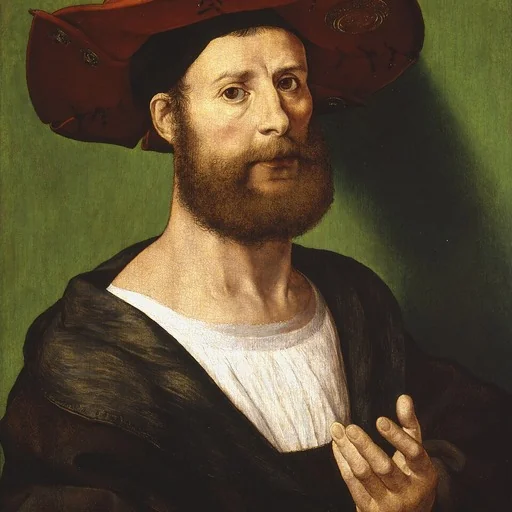
Artist
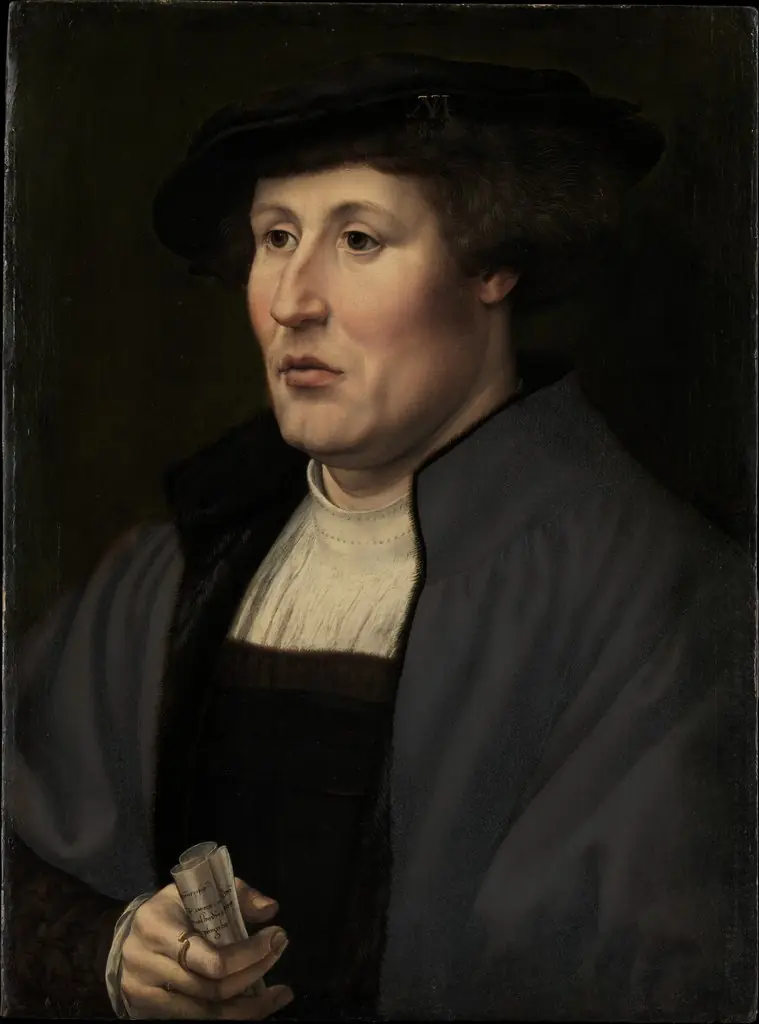
Jan Gossaert (c. 1478 – 1 October 1532) was a French-speaking painter from the Low Countries also known as Jan Mabuse (the name he adopted from his birthplace, Maubeuge) or Jennyn van Hennegouwe (Hainaut), as he called…
 Anoniem. Madonna met kind
 Jan Gossaert. Venus
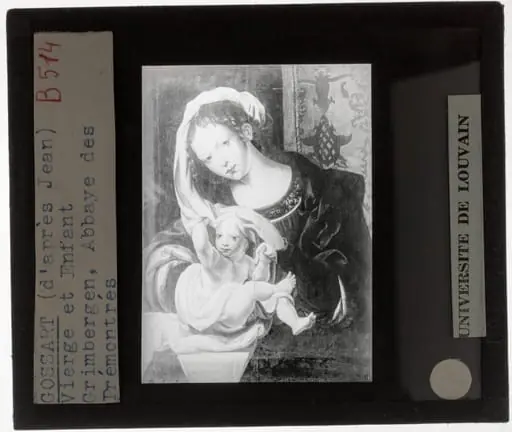 Jan Gossaert (copy). The Virgin with the veil
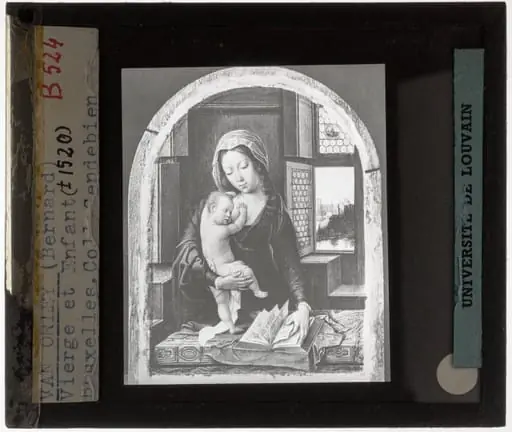 Bernard van Orley (navolger). O.L.Vrouw met Kind voor een open venster
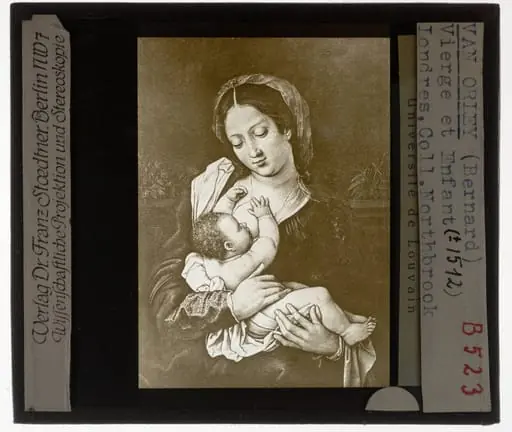 Bernard van Orley. Madonna en Kind
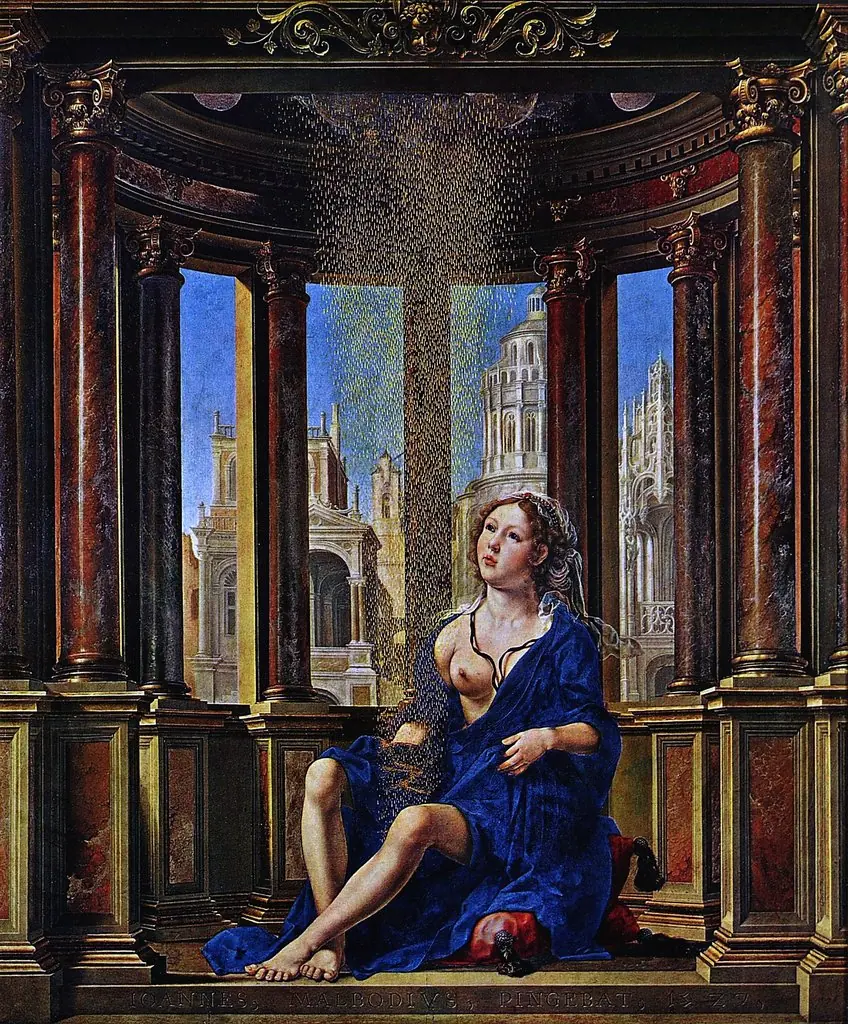
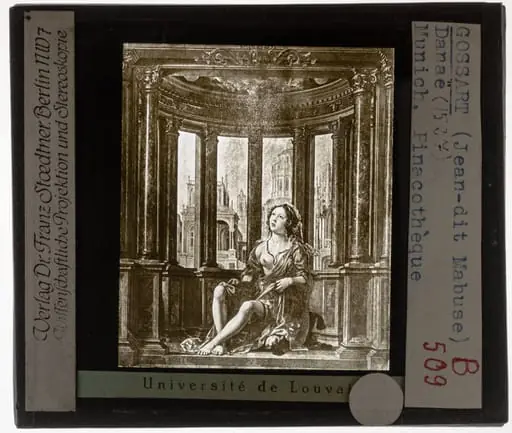 Jan Gossaert. Danaë
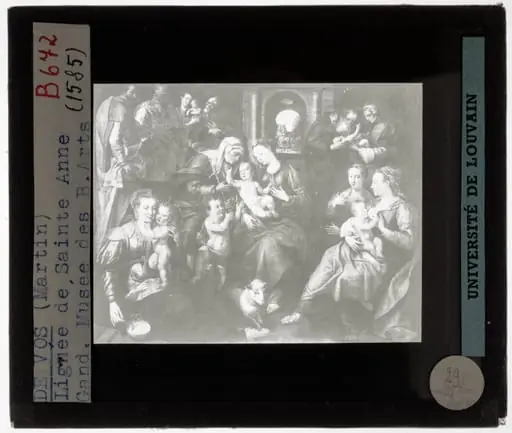 Maarten de Vos. De familie van de Heilige Anna
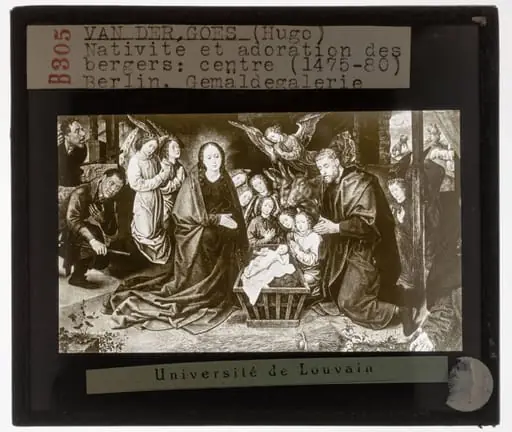 Hugo van der Goes. Kerstverhaal. Aanbidding der Herders Detail, centraal
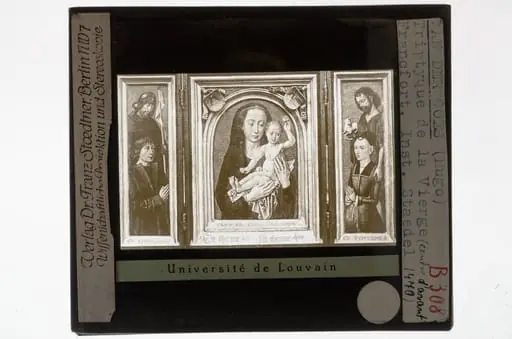 Hugo van der Goes. Triptych
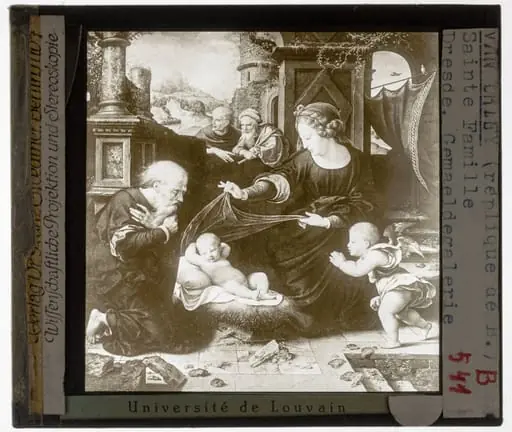 Bernard van Orley (kopie). Heilige Familie
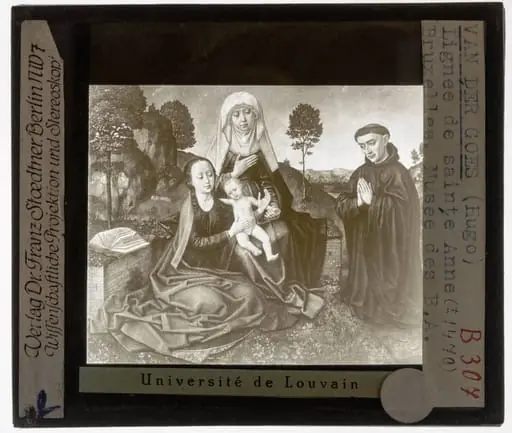 Hugo van der Goes. St Anne's with a Franciscan donor
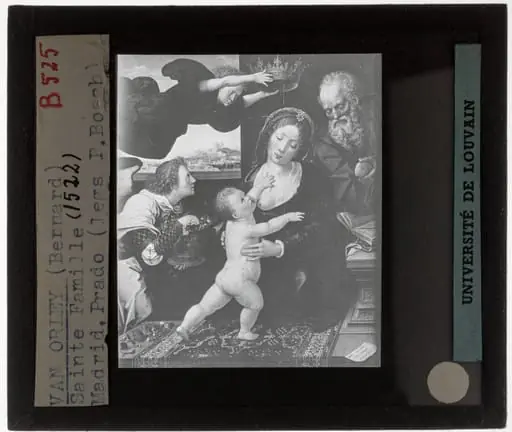 Bernard of Orley. Holy Family