Artwork
Jan Gossaert. Venus
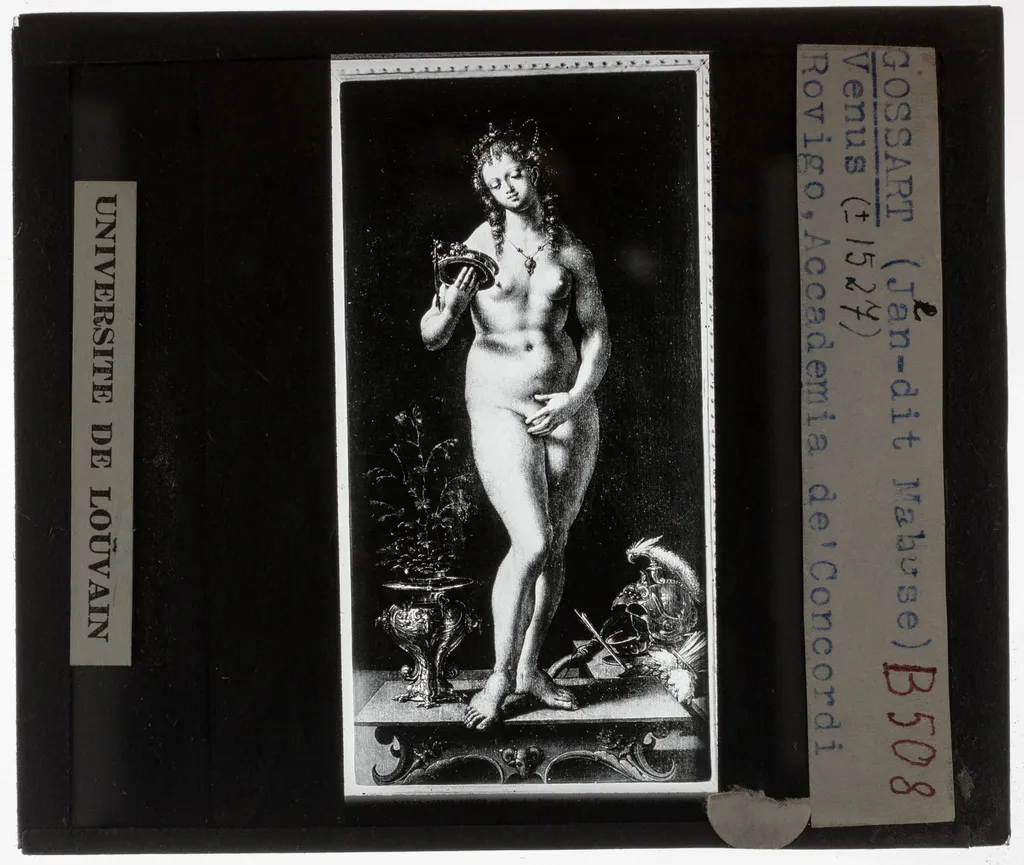
Jan Gossaert. Venus is an unspecified painting by the Northern Renaissance artist Jan Gossaert. It is held in the collection of the Catholic University of Leuven.
About this work
Overview
It belongs to the Northern Renaissance tradition, characterized by meticulous detail and a blend of classical themes with Northern European realism.
Painted around 1521, this oil-on-panel work by Jan Gossaert depicts Venus, the Roman goddess of love. It belongs to the Northern Renaissance tradition, characterized by meticulous detail and a blend of classical themes with Northern European realism. The painting is currently held by the Accademia dei Concordi in Rovigo, Italy, and was originally documented as part of a slide collection from the University of Louvain, likely used for academic study in the 19th or early 20th century.
Subject & Meaning
Venus is portrayed in a classical pose, evoking ideals of beauty and divine grace. Her presence reflects the Renaissance revival of mythological subjects, often used to explore humanist themes such as love, desire, and the harmony of form. Gossaert’s interpretation aligns with contemporary intellectual currents that linked antiquity to moral and aesthetic refinement, though the painting avoids overt narrative, focusing instead on serene presence.
Technique & Style
Gossaert employed oil on oak panel, a standard medium in Northern Europe that allowed for fine detail and luminous color. His brushwork reveals a sensitivity to texture—skin, fabric, and hair are rendered with precision. Subtle modeling through light and shadow, though not extreme chiaroscuro, contributes to a sense of volume and quiet realism, distinguishing his style from the more dramatic contrasts seen in Italian contemporaries.
History & Provenance
The painting’s early ownership is undocumented, but it entered the collection of the Accademia dei Concordi in Rovigo by the 19th century. It was later reproduced as a glass slide by the Université de Louvain between 1839 and 1939, indicating its use in art-historical instruction. The slide’s annotations suggest it was part of a broader effort to systematize visual education during a period of expanding academic interest in Renaissance art.
Context
Created during the height of Northern Renaissance humanism, the work reflects the influence of Italian art on Northern artists who traveled to Rome. Gossaert, having visited Italy around 1508–1509, incorporated classical motifs into his compositions while retaining the detailed naturalism of his Flemish roots. Venus’s idealized form resonates with the era’s fascination with antiquity, yet her quiet demeanor remains distinctly Northern in tone.
Legacy
Though not widely exhibited today, the painting remains a representative example of Gossaert’s mythological output and the broader Northern Renaissance engagement with classical themes. Its inclusion in educational slide collections underscores its role in shaping 19th- and early 20th-century understandings of Renaissance art, preserving its visual language for generations of students and scholars.
Artist & collection

Artist
Jan Gossaert (c. 1478 – 1 October 1532) was a French-speaking painter from the Low Countries also known as Jan Mabuse (the name he adopted from his birthplace, Maubeuge) or Jennyn van Hennegouwe (Hainaut), as he called…
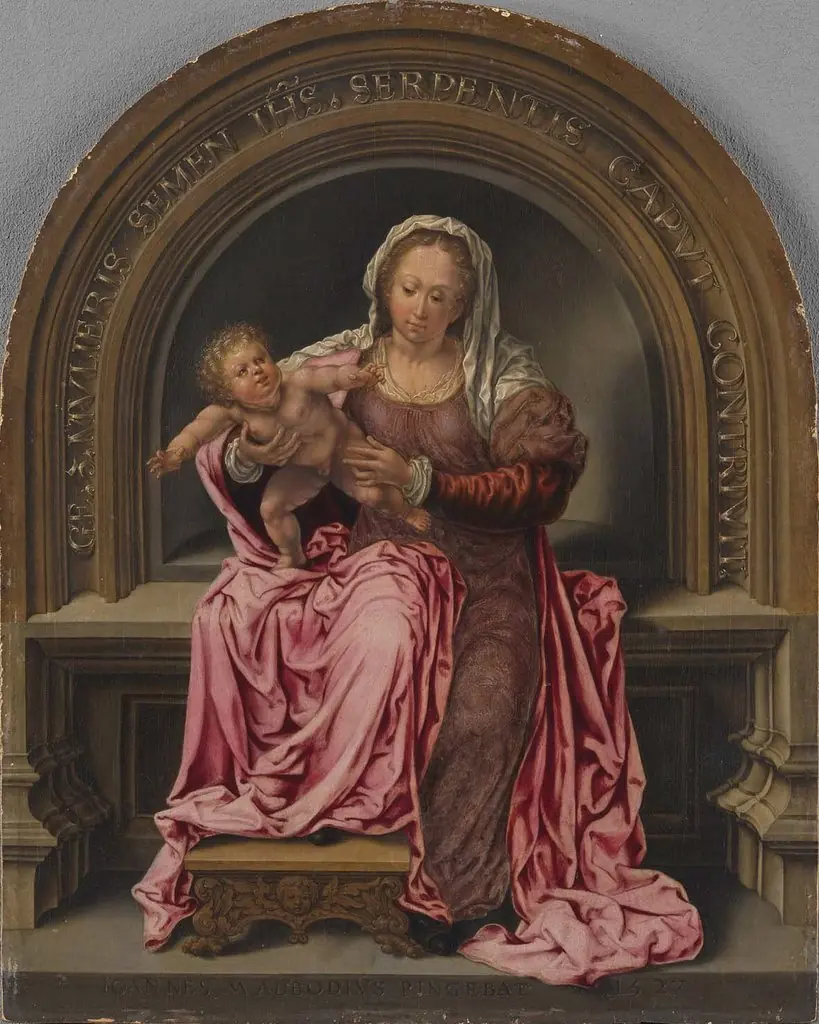
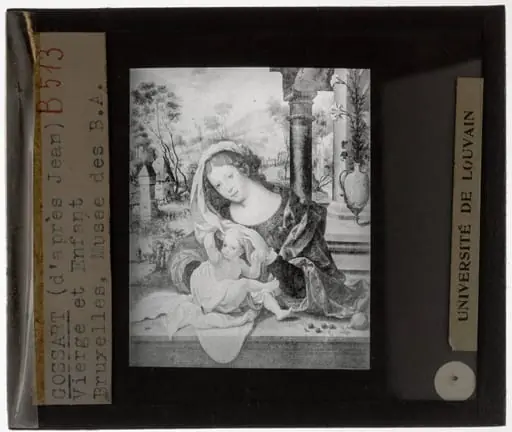 Jan Gossaert (kopie). De heilige Maagd met de sluier
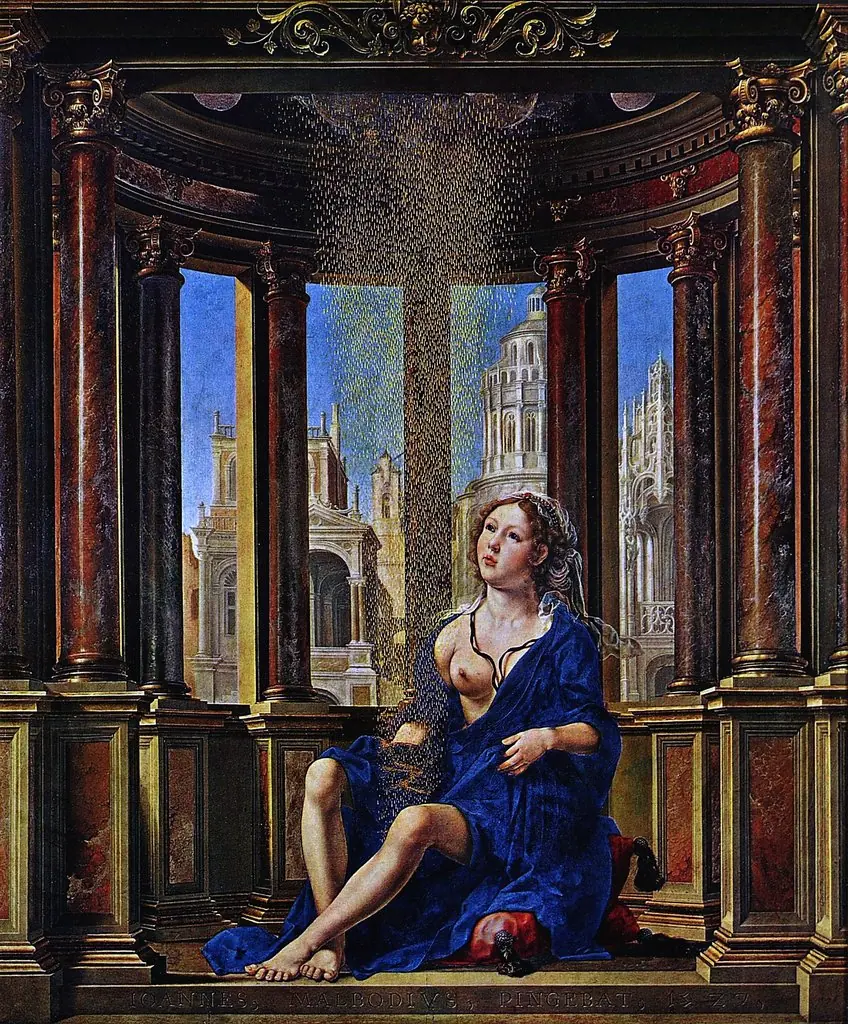
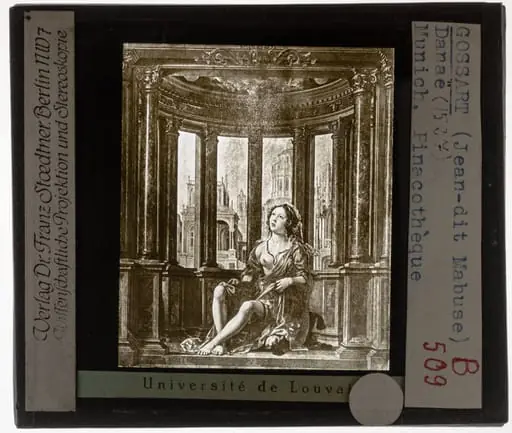 Jan Gossaert. Danaë
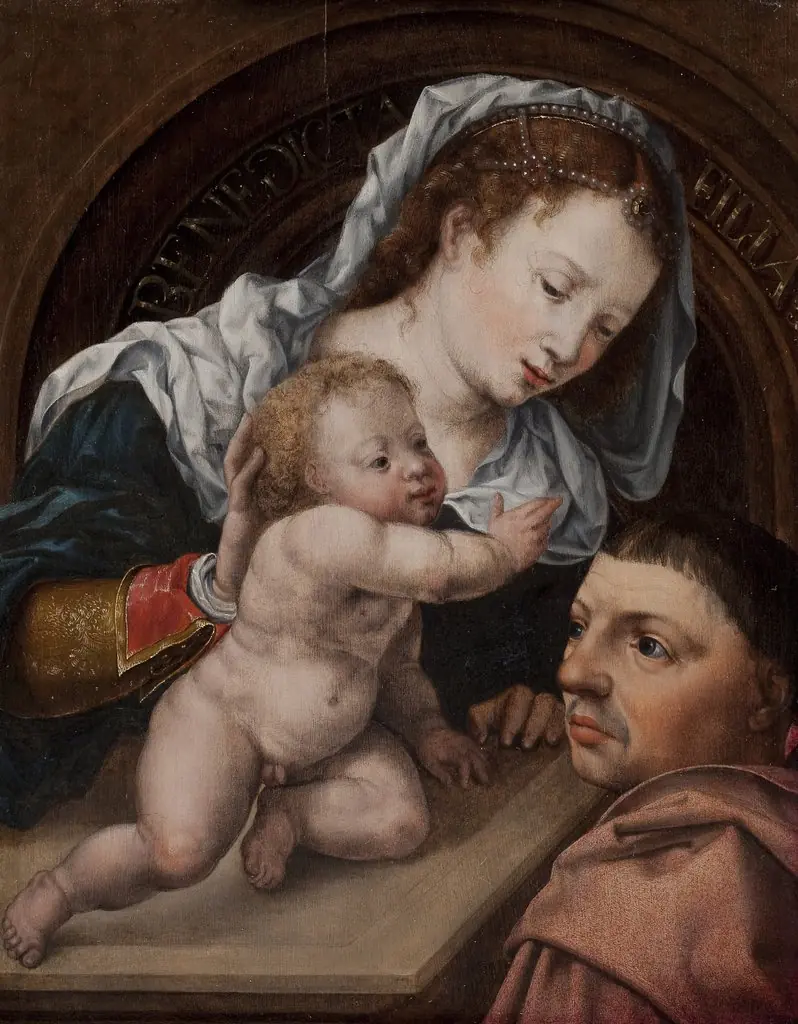
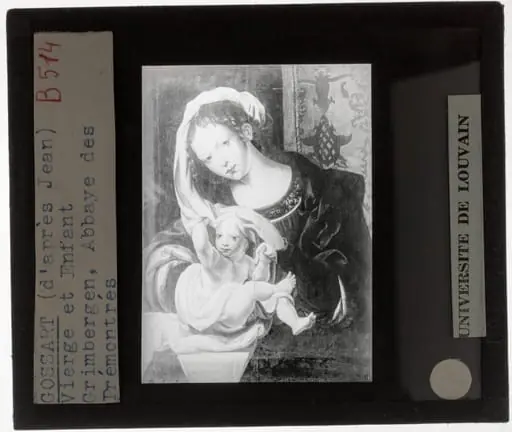 Jan Gossaert (copy). The Virgin with the veil
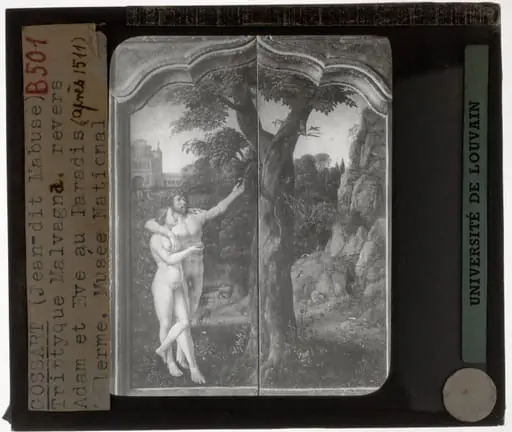 Jan Gossaert. Triptiek van Malvagna Zijpanelen, achterzijde: Adam en Eva verdreven uit het Aardsparadijs
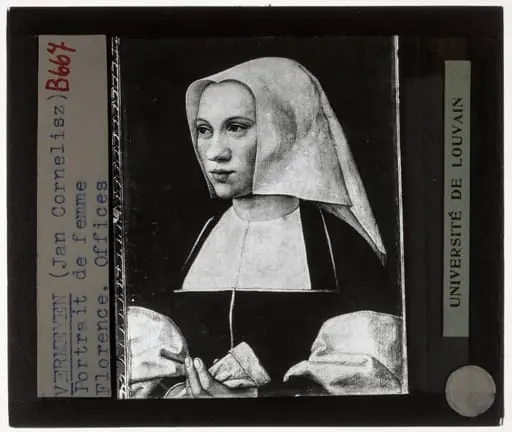 Jan Cornelis Vermeyen. Portrait of a woman
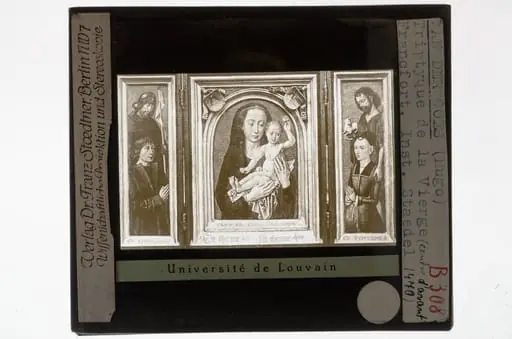 Hugo van der Goes. Triptych
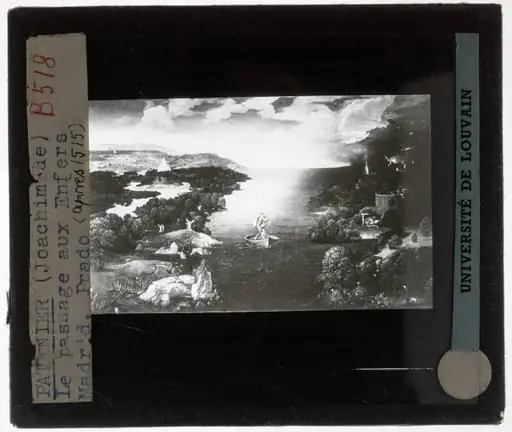 Joachim Patinir. De oversteek naar de onderwereld
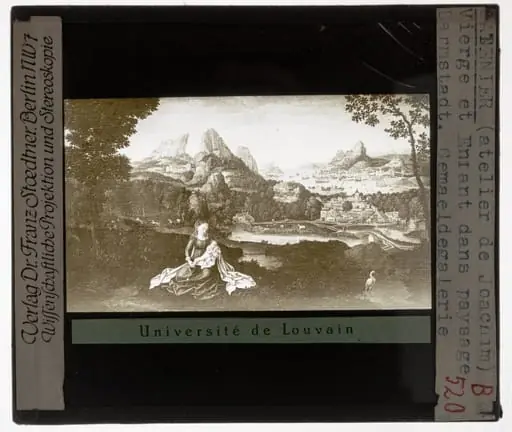 Joachim Patinir (studio). Rest on the flight into Egypt
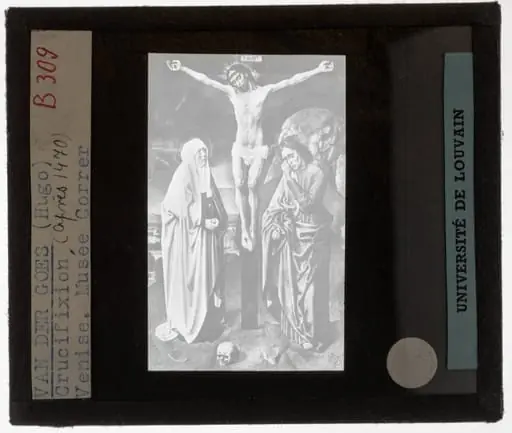 Hugo van der Goes. Kruisiging
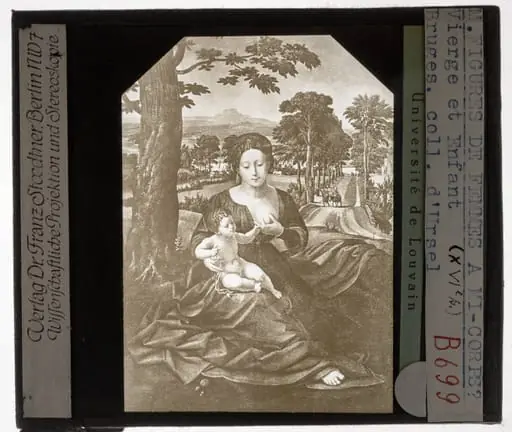 Anoniem. Madonna met kind
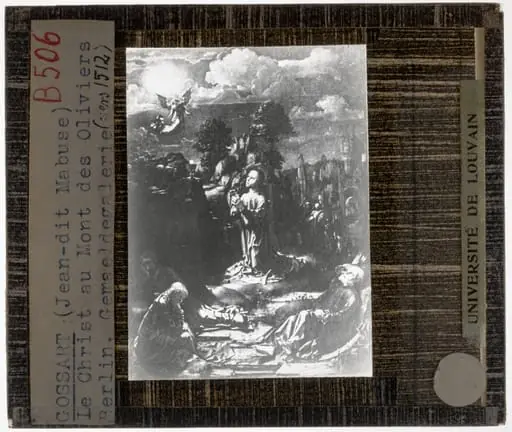 Jan Gossaert. Christus op de olijfberg