Artwork
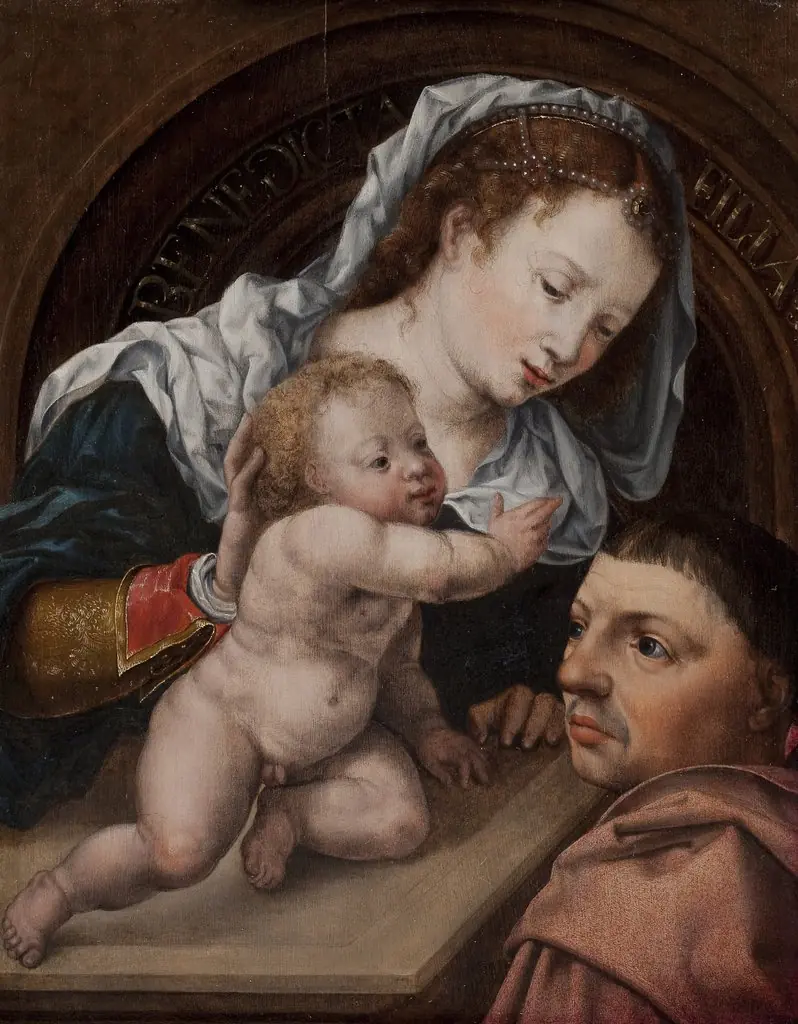
Jan Gossaert (naar Jan van Eyck). De Maagd in de kerk Portret van Antonio Siciliano met zijn patroonheilige
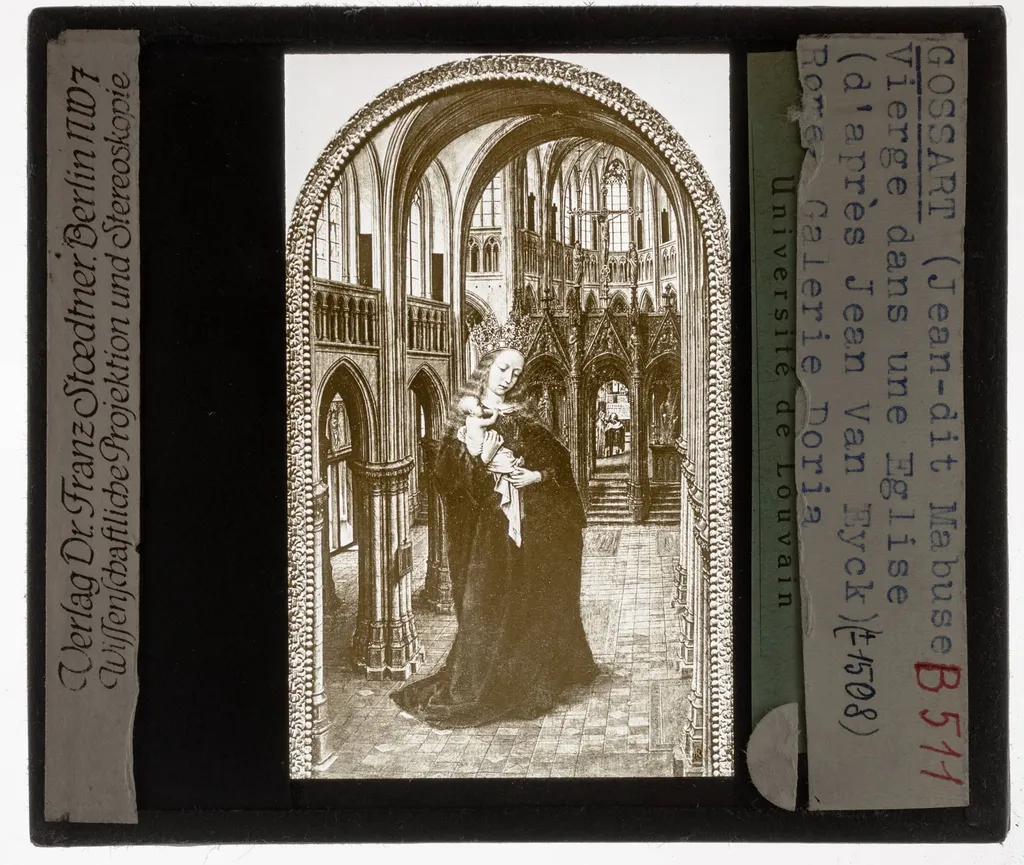
Jan Gossaert (naar Jan van Eyck). De Maagd in de kerk Portret van Antonio Siciliano met zijn patroonheilige is an unspecified painting by the Northern Renaissance artist Jan Gossaert. It dates from 1512 and is held in the collection of the Catholic University of Leuven. This oil-on-panel painting, dated around 1510–1515, depicts a secular man accompanied by his patron saint within a church interior.
About this work
Overview
Though once attributed to Jan van Eyck, it is now recognized as the work of Jan Gossaert, a Flemish painter active in the early 16th century.
This oil-on-panel painting, dated around 1510–1515, depicts a secular man accompanied by his patron saint within a church interior. Though once attributed to Jan van Eyck, it is now recognized as the work of Jan Gossaert, a Flemish painter active in the early 16th century. The piece exemplifies Northern Renaissance attention to detail and spatial coherence, blending devotional imagery with portraiture.
Subject & Meaning
The figure of Antonio Siciliano, a nobleman, stands beside his patron saint, likely chosen for personal or familial devotion. Their placement within a sacred architecture suggests a spiritual connection between earthly identity and divine intercession. The quiet, intimate setting reflects a private mode of worship, common among patrons who commissioned such works to affirm both piety and social status.
Technique & Style
Gossaert employed oil paint on wood panel to achieve fine textures in fabric, stone, and skin. The lighting is carefully modulated to model forms and suggest depth, with subtle contrasts between shadow and illumination. Architectural details are rendered with precision, and the figures are integrated into the space with naturalistic posture and gaze, reflecting Northern Renaissance ideals of observation and realism.
History & Provenance
The painting entered the Doria Pamphilij collection in Rome, where it remains today. Its journey from the Low Countries to Italy reflects the movement of Northern art across Europe during the Renaissance. Earlier attributions to Jan van Eyck were corrected in the 20th century based on stylistic analysis and documentary evidence linking it to Gossaert’s documented commissions.
Context
Created during a period when Northern artists increasingly traveled to Italy, Gossaert absorbed classical motifs and spatial conventions while retaining his Flemish precision. This work reflects the fusion of Italianate architecture with Northern devotional portraiture, illustrating how religious imagery adapted to the tastes of wealthy patrons seeking both spiritual and social affirmation.
Legacy
The painting stands as an example of how Northern Renaissance artists merged personal identity with sacred narrative. Its preservation in a major Roman collection underscores its recognition beyond its region of origin. Gossaert’s synthesis of detail, light, and spatial depth influenced later generations in both Northern and Italian traditions, though his name often remained less prominent than his contemporaries.
Artist & collection
Artist
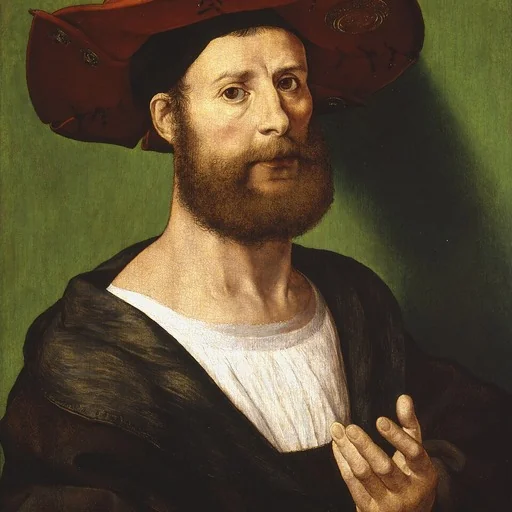
Jan Gossaert (c. 1478 – 1 October 1532) was a French-speaking painter from the Low Countries also known as Jan Mabuse (the name he adopted from his birthplace, Maubeuge) or Jennyn van Hennegouwe (Hainaut), as he called…
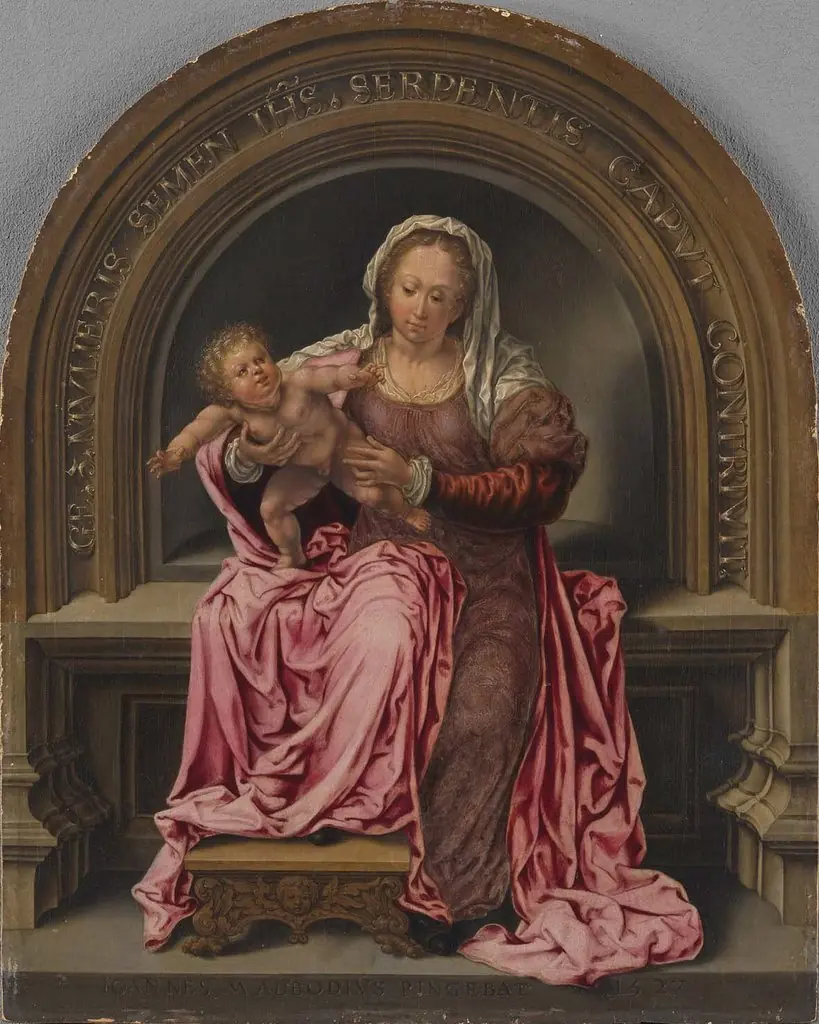
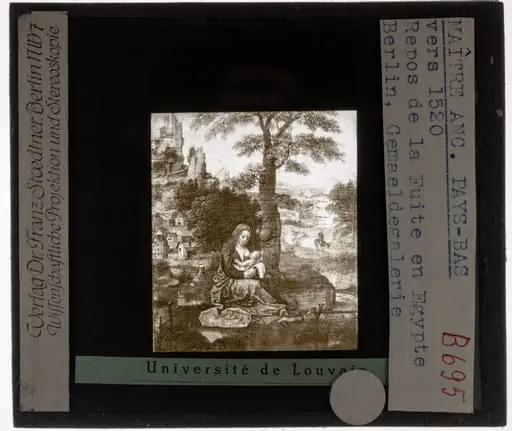 Anoniem (naar Joachim Patinir). Rust op de vlucht naar Egypte
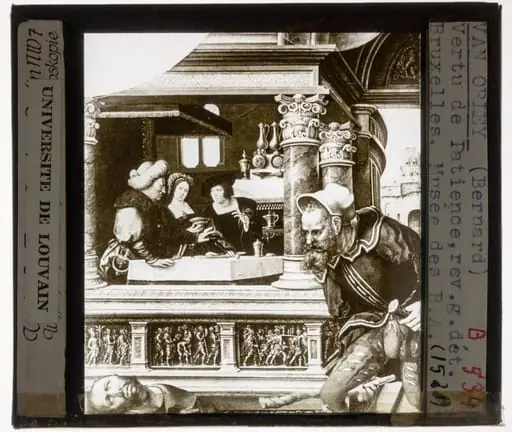 Bernard van Orley. Triptiek met de deugd van het Geduld Paneel links, achterzijde: De arme Lazarus aan de deur van de slechte rijke, detail bovenaan
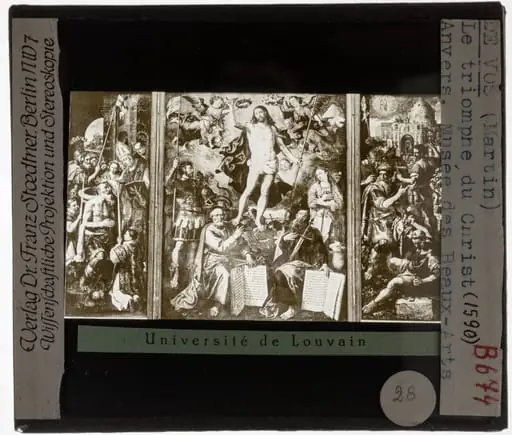 Maarten de Vos. Altaarstuk van de gilde van de oude voetboog
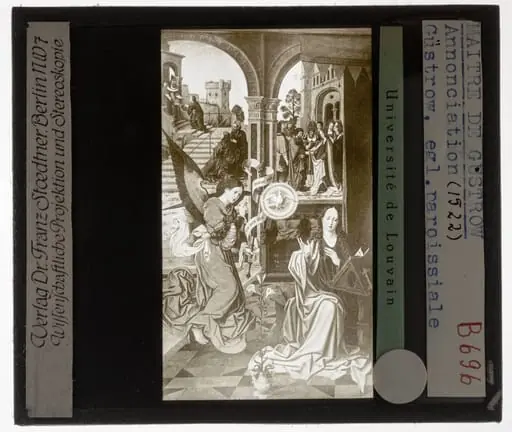 Bernard van Orley. Passieretabel Annunciatie
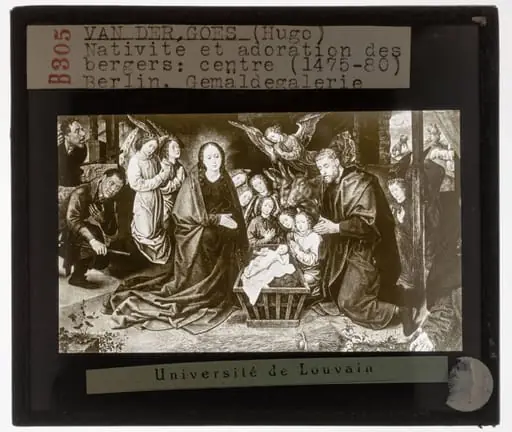 Hugo van der Goes. Kerstverhaal. Aanbidding der Herders Detail, centraal
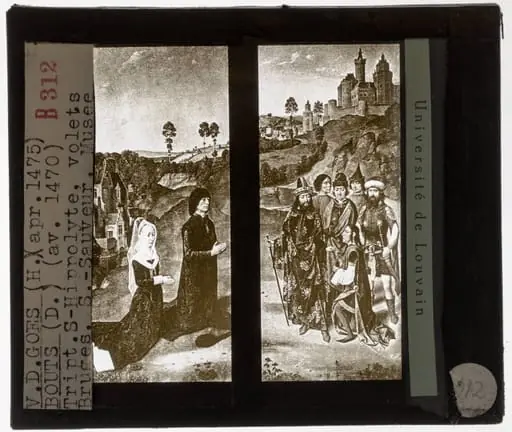 Dirk Bouts (en atelier). Hugo van der Goes. Anoniem. Triptiek met de Marteldood van de Heilige Hippolytus Zijpanelen, voorzijde
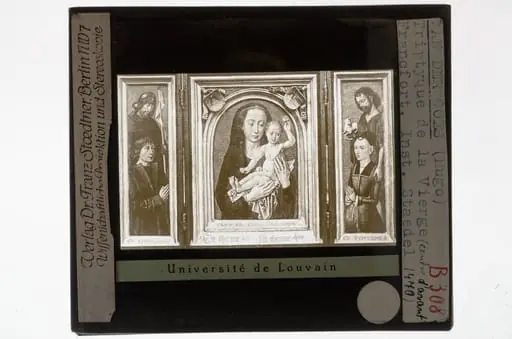 Hugo van der Goes. Triptych
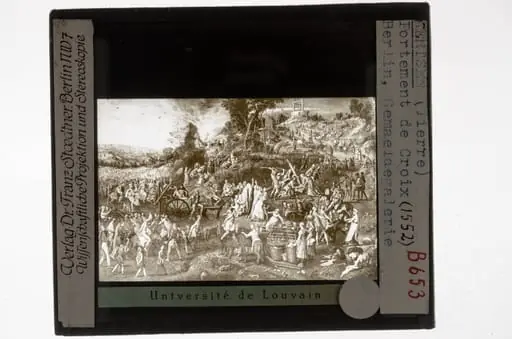 Pieter Aertsen. Crucifixion