Artwork
Portrait of Francisco de los Cobos y Molina
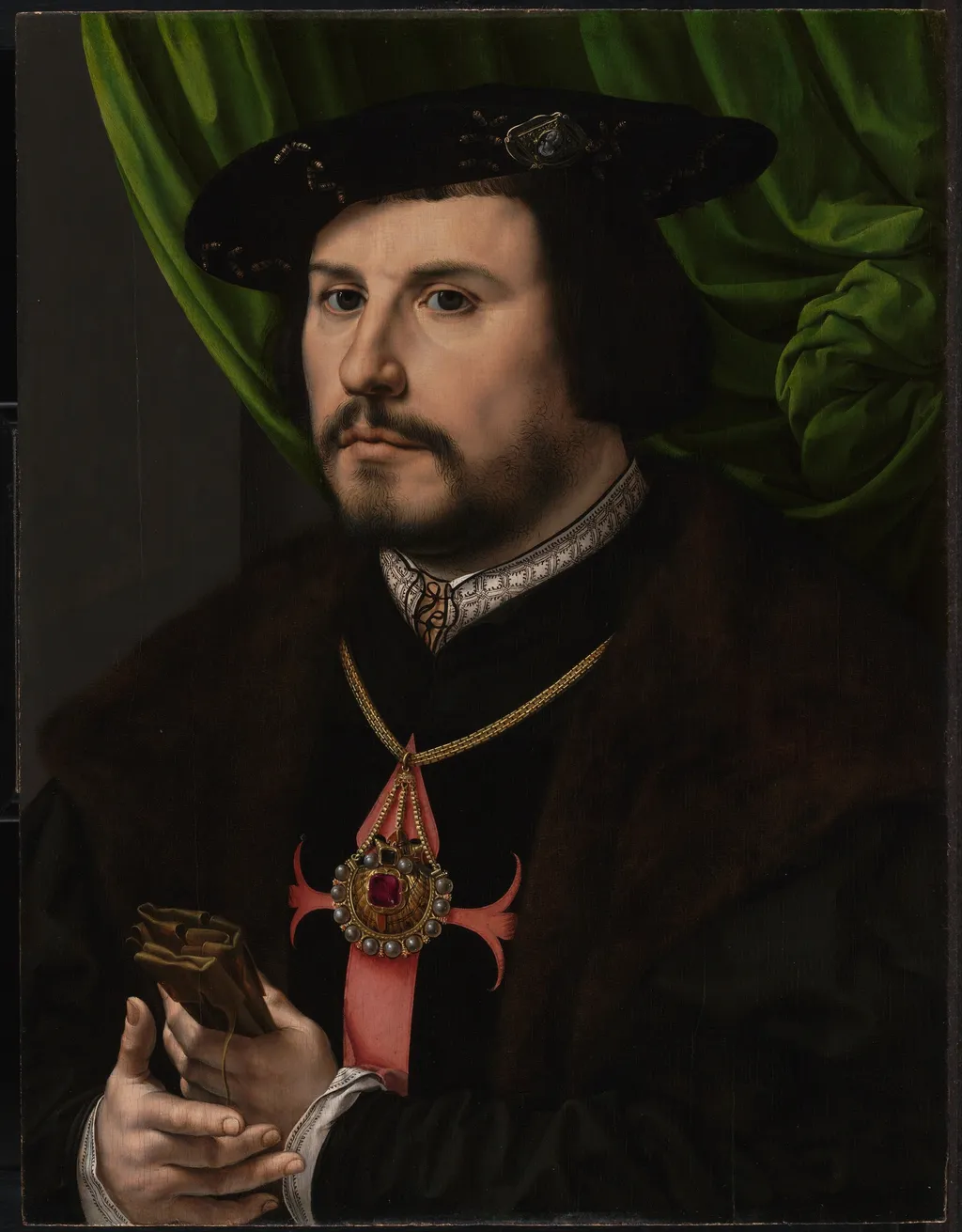
Portrait of Francisco de los Cobos y Molina is an oil painting by the Mannerist artist Jan Gossaert. It dates from 1530 and is held in the collection of the J. Paul Getty Museum.
About this work
Overview
The work reflects a synthesis of Northern precision and Italianate composition, characteristic of early Mannerist portraiture.
Painted in 1530 by Jan Gossaert, also known as Jan Mabuse, this oil portrait captures Francisco de los Cobos y Molina, a prominent Spanish administrator in the service of Emperor Charles V. Gossaert, trained in the Flemish tradition, incorporated Italian Renaissance influences after his travels to Rome. The work reflects a synthesis of Northern precision and Italianate composition, characteristic of early Mannerist portraiture.
Subject & Meaning
Francisco de los Cobos y Molina served as secretary to Emperor Charles V and wielded considerable political influence. The portrait emphasizes his status through regalia: a gold chain, a large red-and-gold pendant, and a dark, finely detailed garment. The small object in his hand may signify a document or seal, reinforcing his role as an official. The somber palette and direct gaze convey authority and restraint, typical of courtly representation.
Technique & Style
Gossaert employed oil paint with meticulous detail, rendering textures of fabric, metal, and skin with Northern European precision. The dark background isolates the figure, enhancing three-dimensionality. Subtle modeling of the face and hands shows Italian influence, while the crisp lines and rich surface quality reflect his Flemish training. The composition avoids overt drama, favoring quiet dignity over theatricality, aligning with early Mannerist tendencies.
History & Provenance
The portrait remained in Spanish collections for centuries before entering the J. Paul Getty Museum’s holdings. Its documented history traces through aristocratic and royal circles, consistent with Cobos’s high status. The painting’s survival in good condition reflects its continued value as a symbol of imperial administration. It was likely commissioned during Cobos’s tenure as secretary, around the time of his peak influence.
Context
In the early 1530s, the Habsburg court relied on skilled bureaucrats like Cobos to manage its vast empire. Portraiture served not only as likeness but as political statement, affirming loyalty and power. Gossaert’s fusion of Northern and Italian styles mirrored the cultural exchange between the Low Countries and Italy, where artists increasingly absorbed classical ideals while retaining regional techniques.
Legacy
This portrait exemplifies how Northern painters adapted Italian Renaissance principles to serve the needs of European courts. Gossaert’s ability to merge detailed realism with dignified composition influenced later portraitists in both Spain and the Low Countries. The work remains a key example of how art functioned as an instrument of political identity during the height of the Habsburg dynasty.
Own this work as a print
Artist & collection
Artist
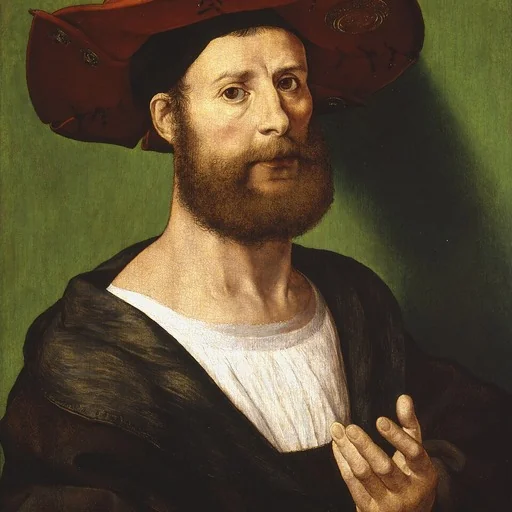
Jan Gossaert (c. 1478 – 1 October 1532) was a French-speaking painter from the Low Countries also known as Jan Mabuse (the name he adopted from his birthplace, Maubeuge) or Jennyn van Hennegouwe (Hainaut), as he called…

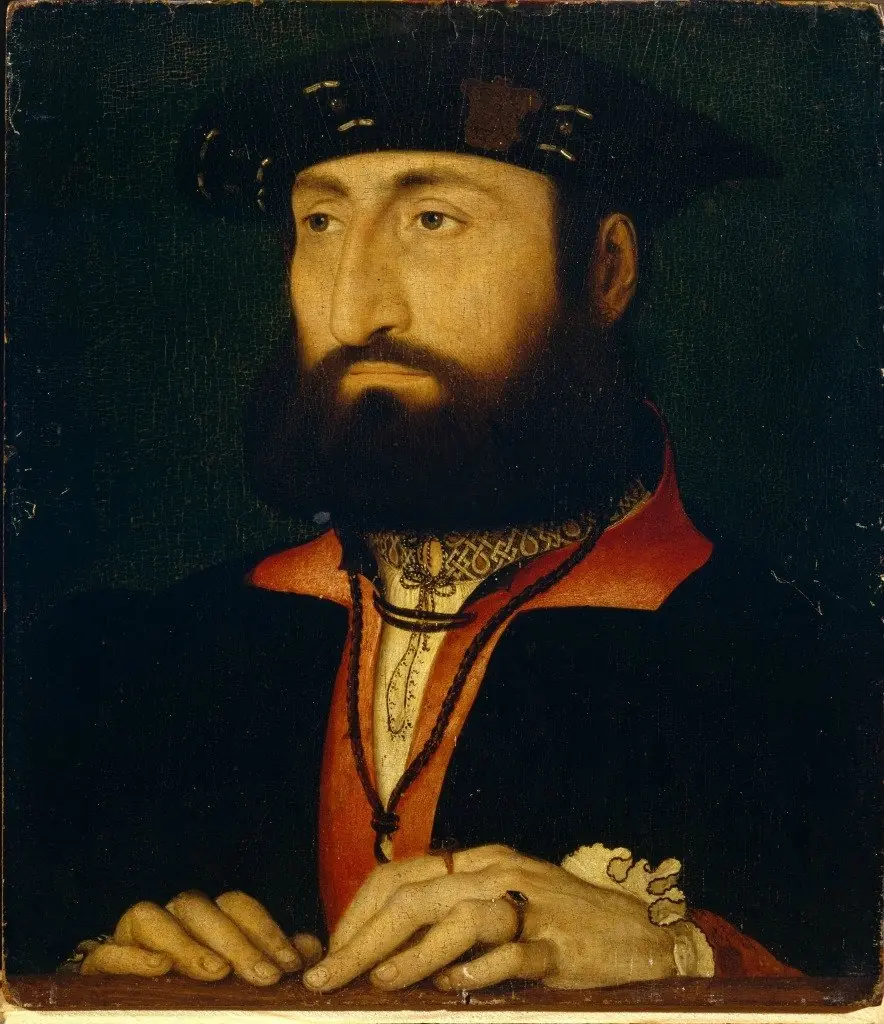 Portrait of Louis de Cleves
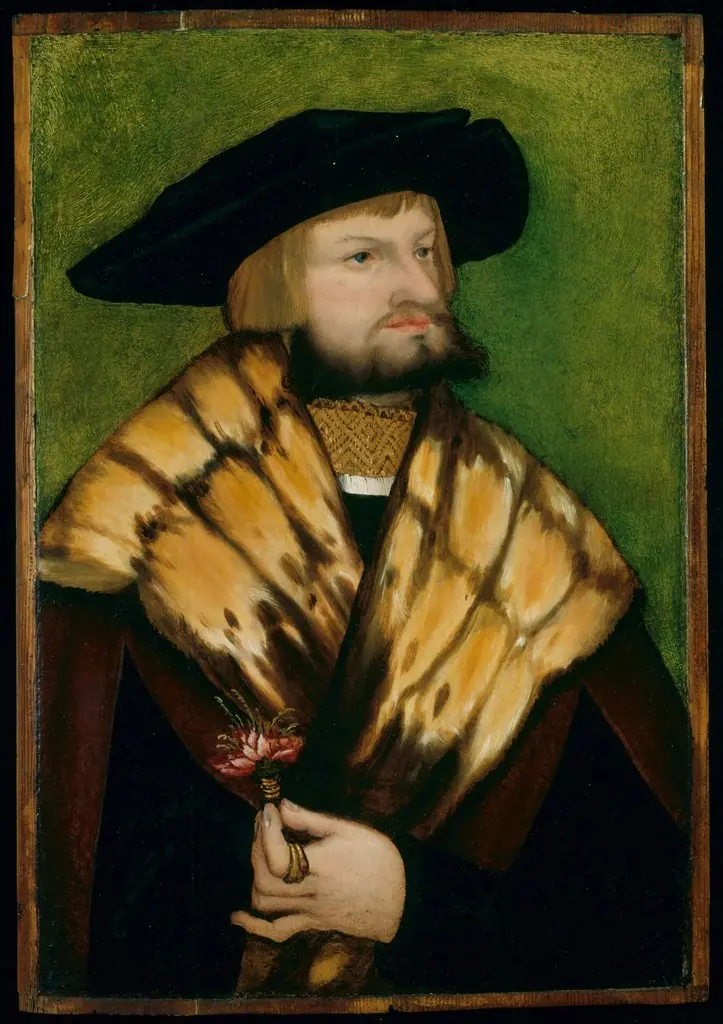 Portrait of Leonhard Fuchs
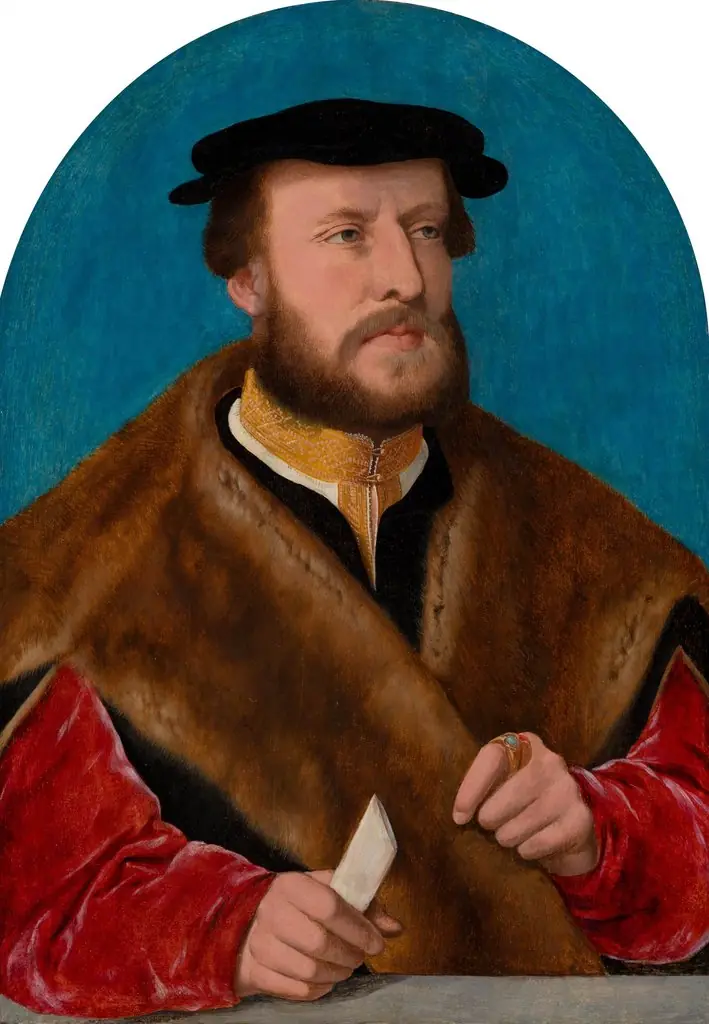 Portrait of Jakob Omphalius
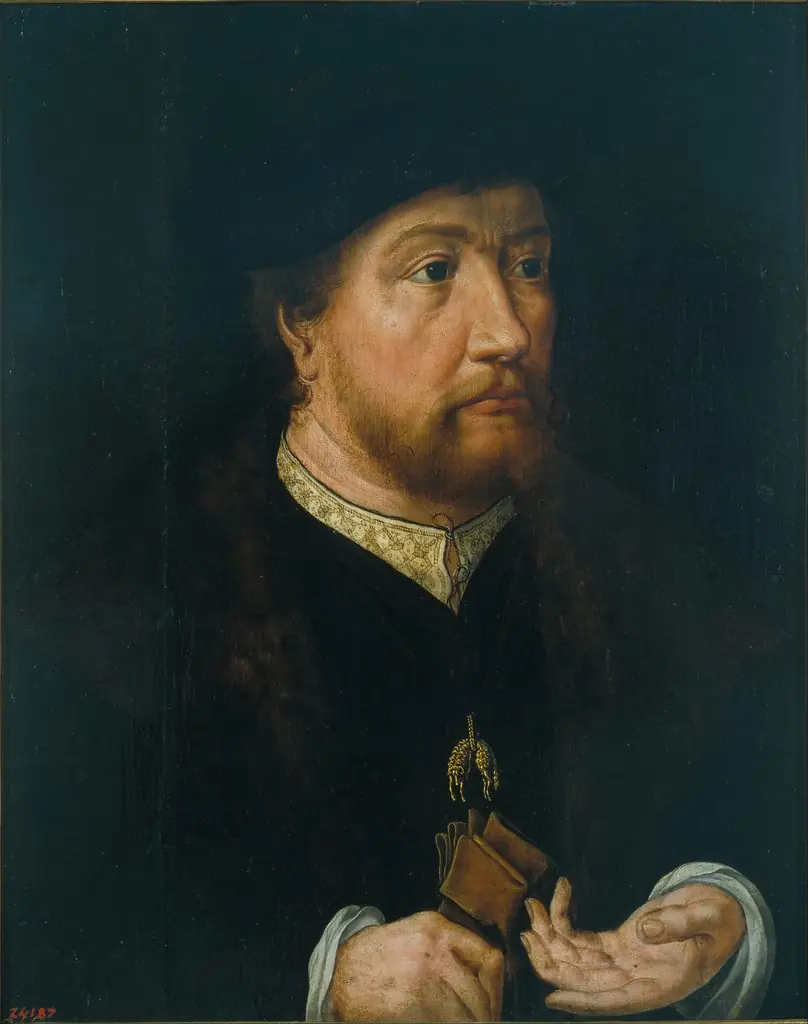 Portrait of Henry III, Count of Nassau
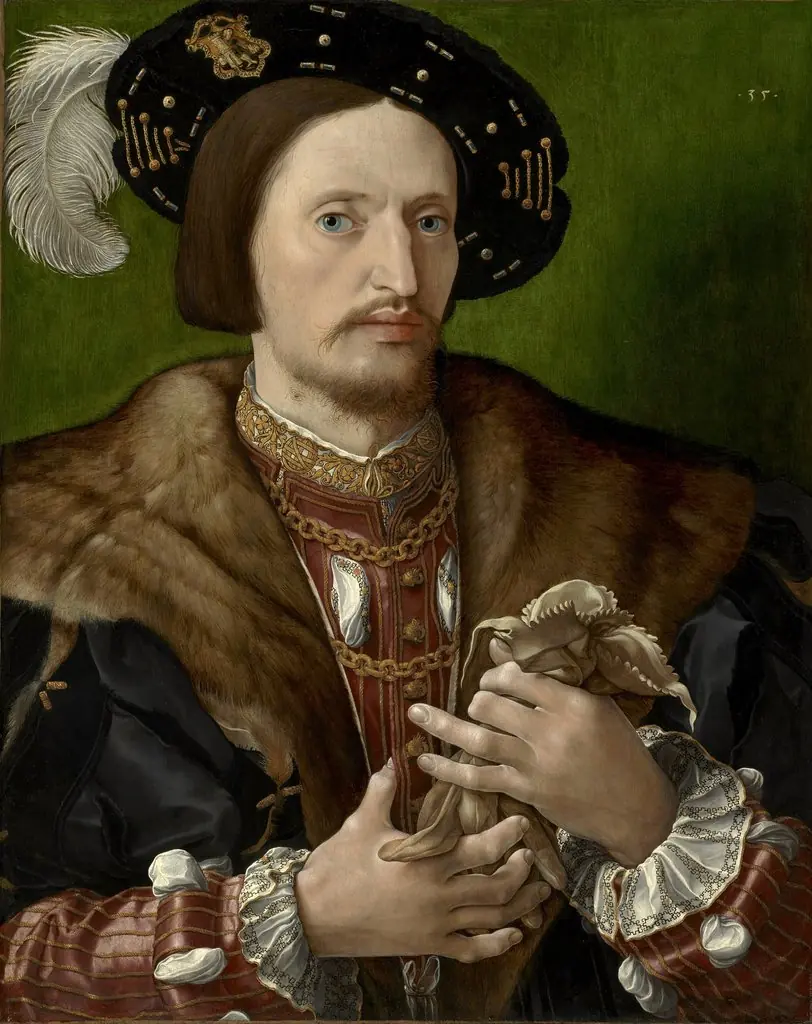 Portrait of a Gentleman holding Gloves
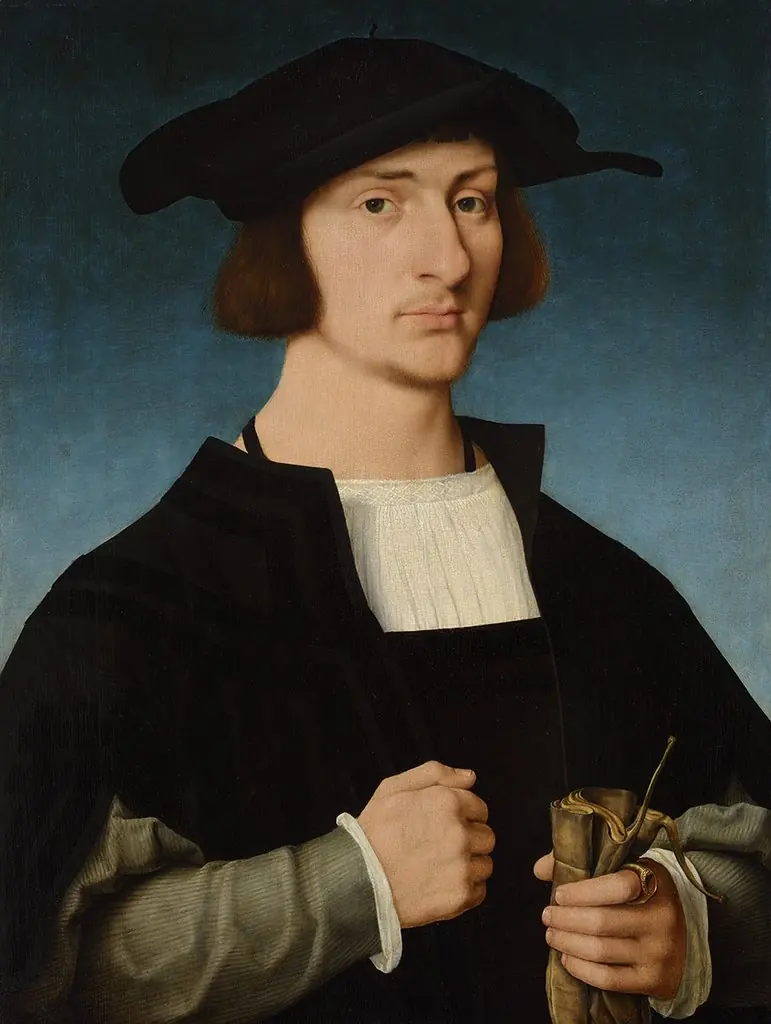 Portrait of a Young Man (Lyons)
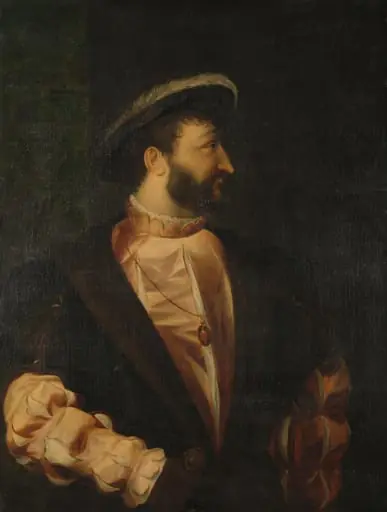 Francis I (1494-1547), King of France
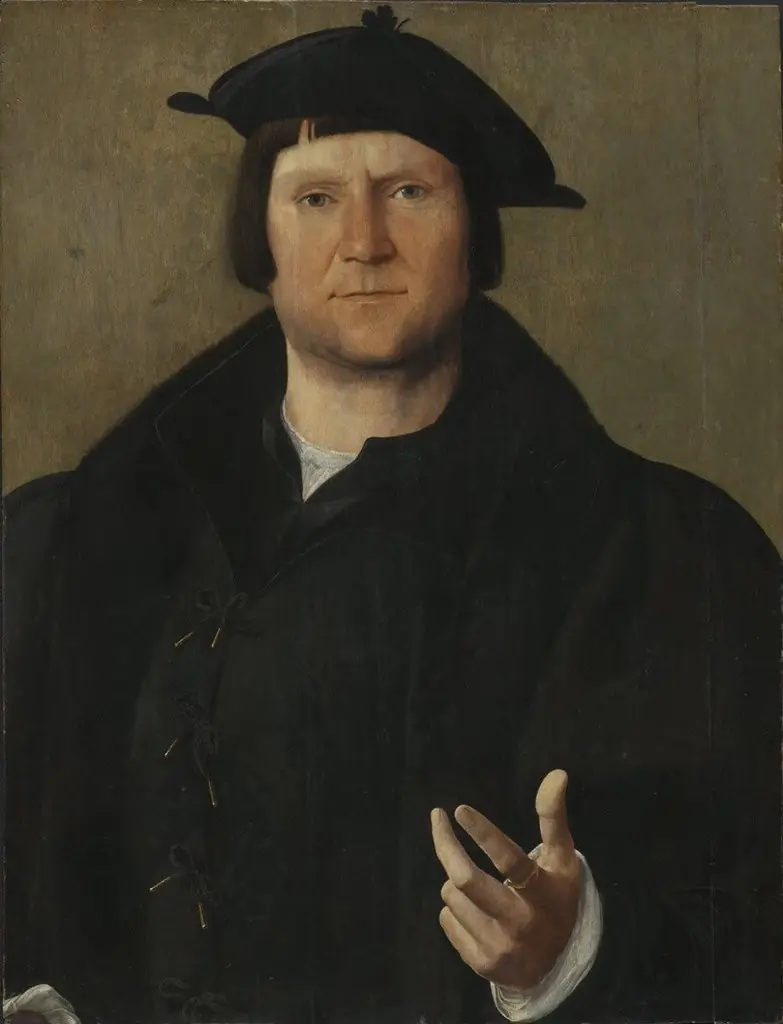 Bildnis eines Mannes (zugeschrieben)
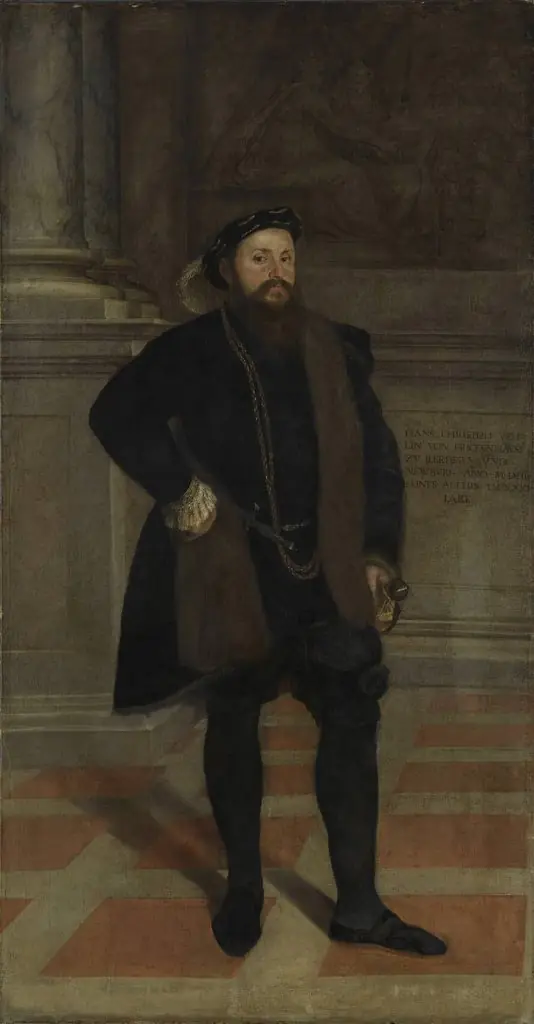 Hans Christoph I. Vöhlin von Frickenhausen (1522-1576)
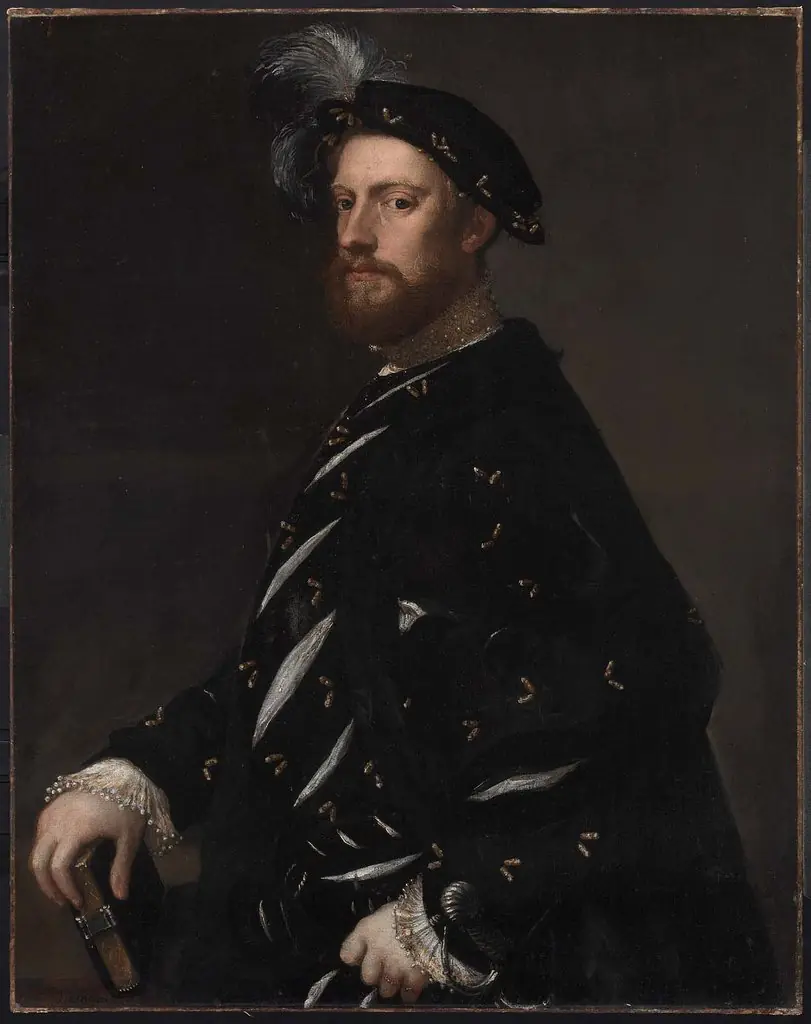 Portrait of a Man Holding a Book