Artwork
Venus and Cupid
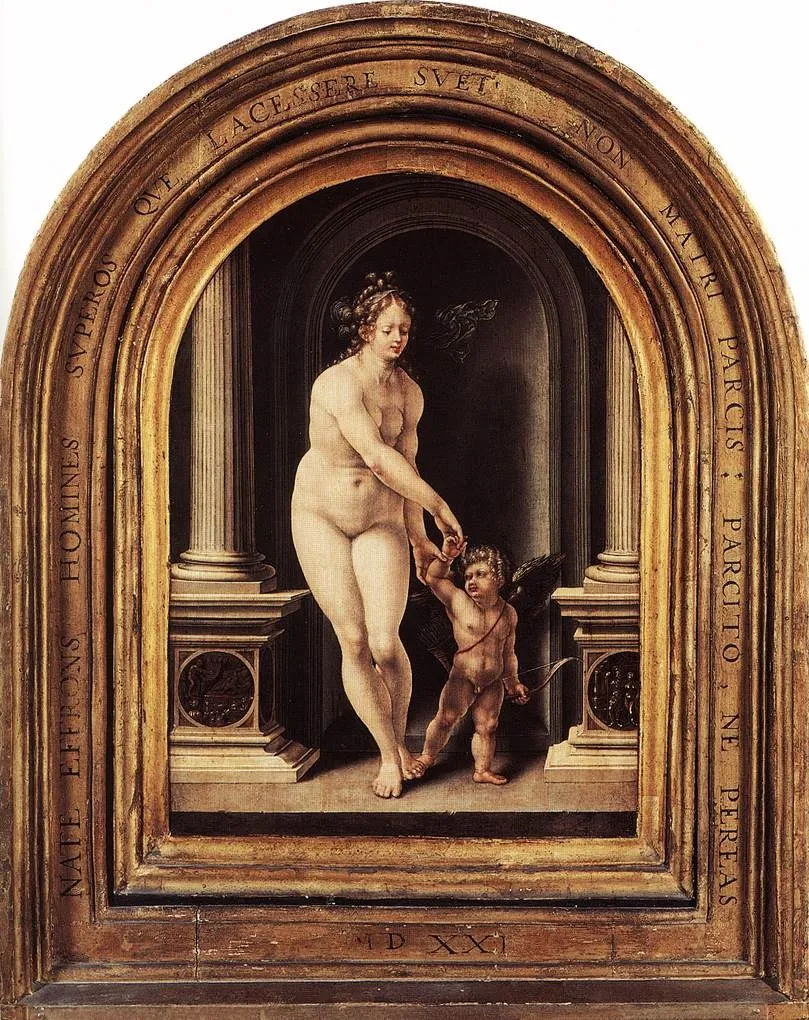
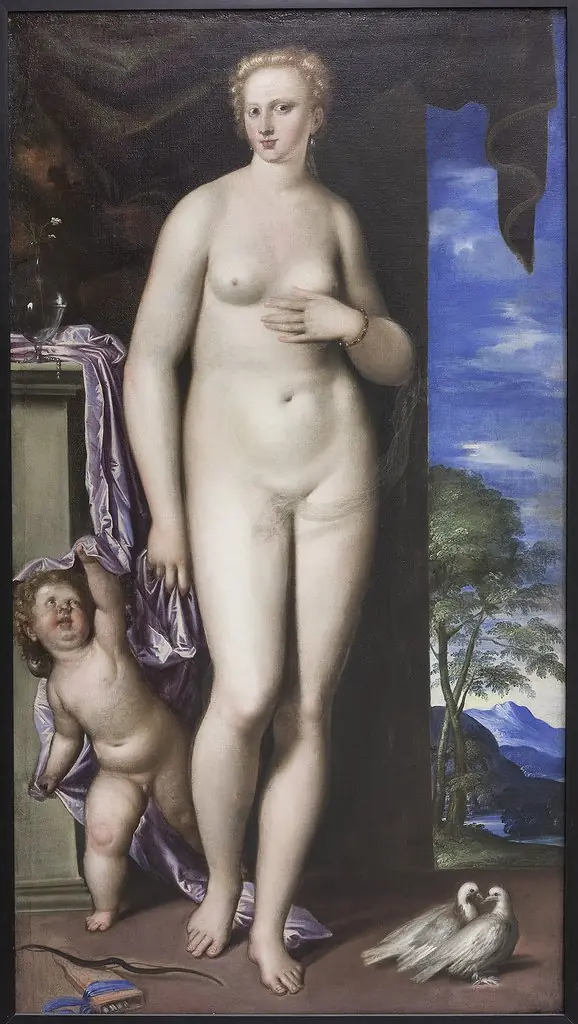
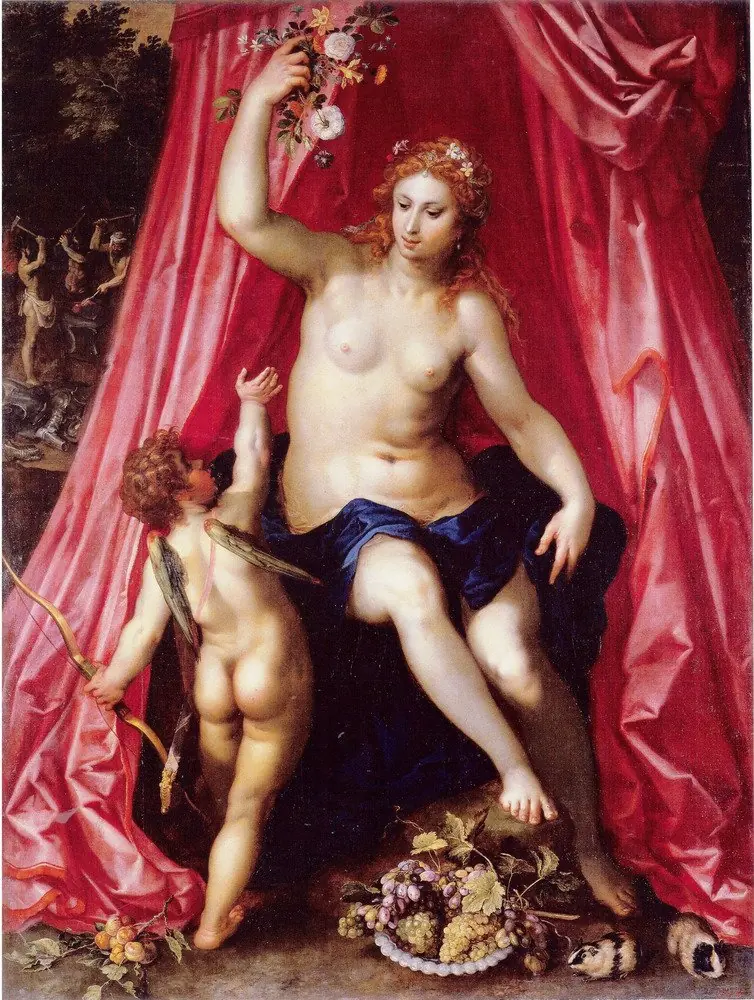
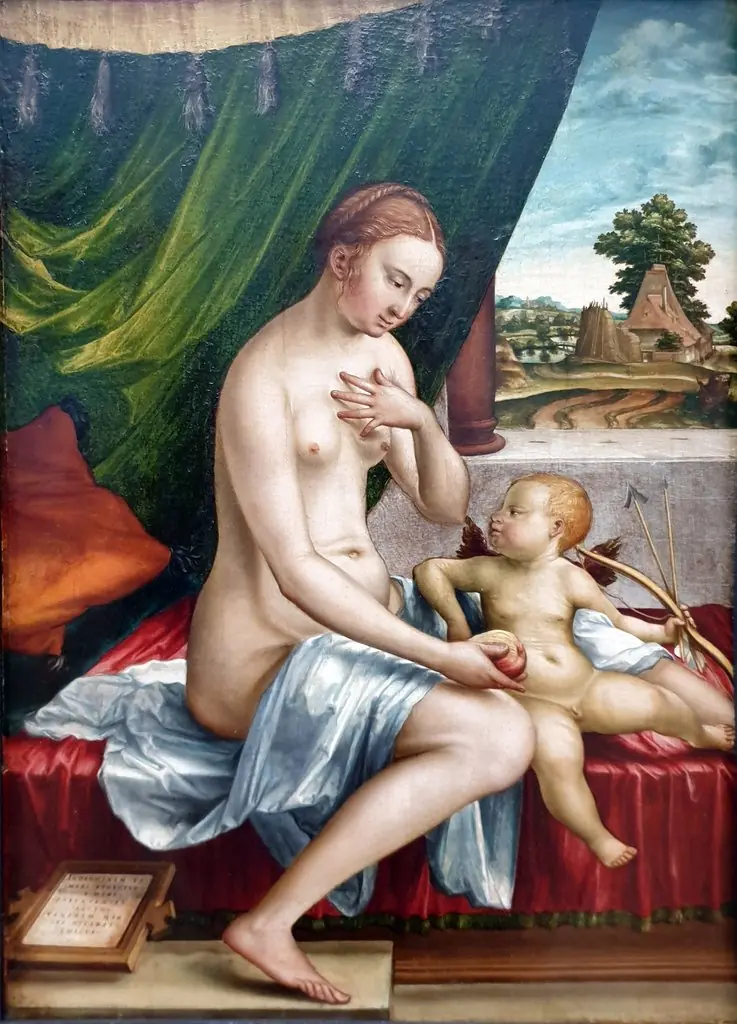
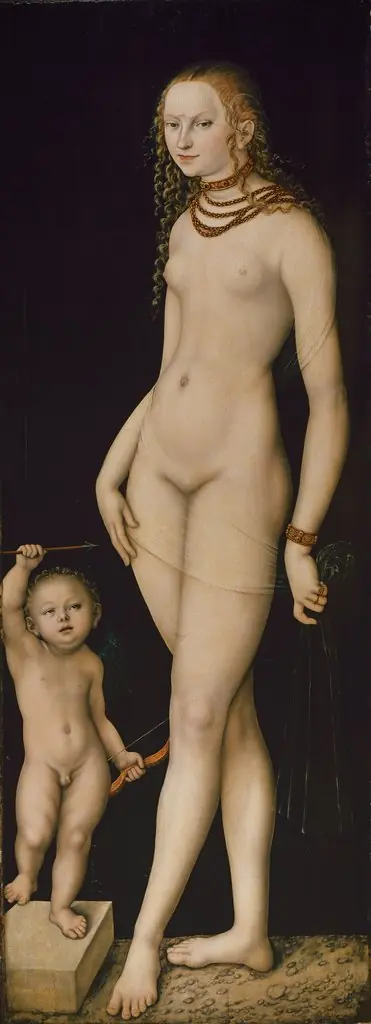
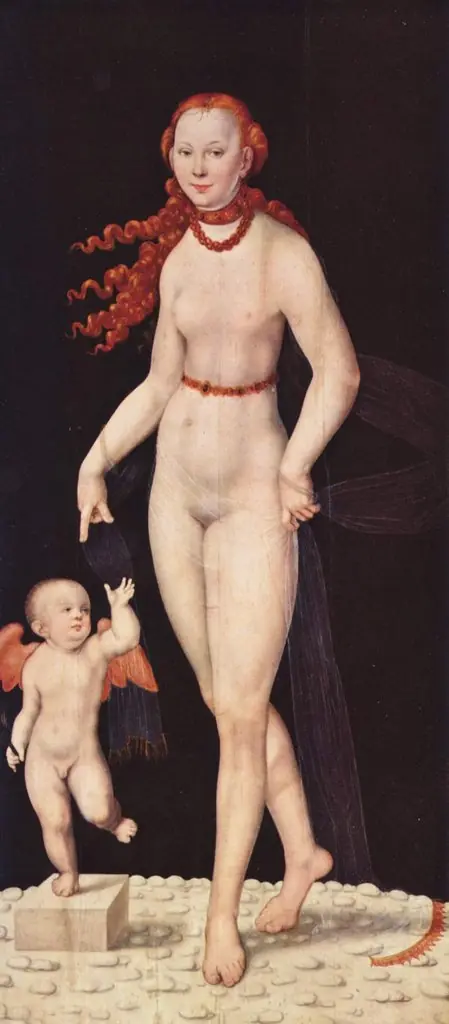
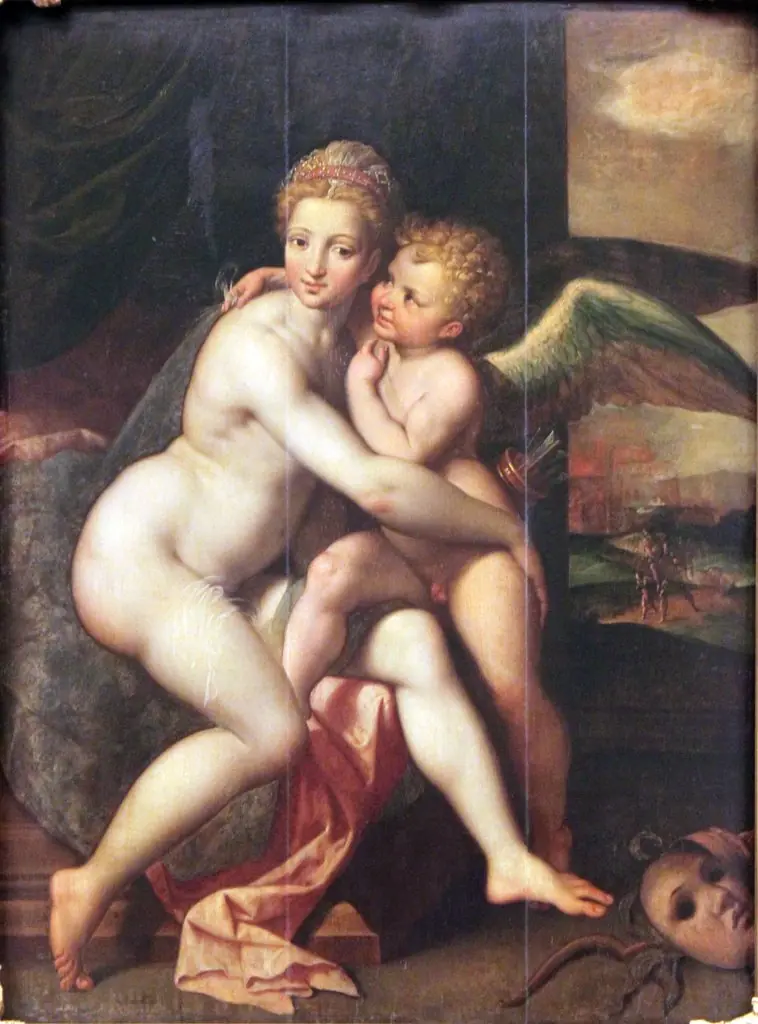
Venus and Cupid is an unspecified painting by the Mannerist artist Jan Gossaert. It dates from 1550 and is held in the collection of the Royal Museums of Fine Arts of Belgium. Created circa 1550, this panel painting portrays a nude female figure and a winged child within an arched doorway framed by columns.
About this work
Overview
The woman, hair gathered yet loosely falling around her face, holds the child's hand; the child, identified as Cupid, looks upward with a curious expression.
Created circa 1550, this panel painting portrays a nude female figure and a winged child within an arched doorway framed by columns. The woman, hair gathered yet loosely falling around her face, holds the child's hand; the child, identified as Cupid, looks upward with a curious expression. A dark background and strong contrasts of light give the scene a three‑dimensional presence, emphasizing the intimate interaction between the two figures.
Subject & Meaning
The work presents a classical mythological pairing: Venus, the goddess of love, and her son Cupid. Their nudity and gentle gestures convey themes of affection and the generative power of love. The child's inquisitive gaze toward his mother reinforces a tender, protective dynamic, inviting viewers to contemplate the bond between divine love and its earthly expression.
Technique & Style
Executed in the mannerist idiom, the painting combines Northern European detail with Italianate compositional elements. Gossaert employs chiaroscuro to model the bodies, creating volume against the deep shadows of the backdrop. The precise rendering of flesh and the elegant drapery of the architectural setting reflect his Flemish training, while the pose and spatial arrangement echo the influence of his Italian travels.
History & Provenance
The artist, Jan Gossaert—also known as Jan Mabuse—was among the first Netherlandish painters to study in Italy, an experience that shaped his later output. After its creation, the panel entered various private collections before being acquired by the Royal Museums of Fine Arts of Belgium, where it remains part of the permanent holdings.
Context
Gossaert’s career bridges the late Gothic traditions of the Low Countries and the burgeoning Renaissance ideals of Italy. By the mid‑16th century, Northern artists were increasingly integrating classical subjects and Italian compositional strategies, and this work exemplifies that cultural exchange, illustrating how mythological themes were adapted for a Northern audience.
Artist & collection
Artist
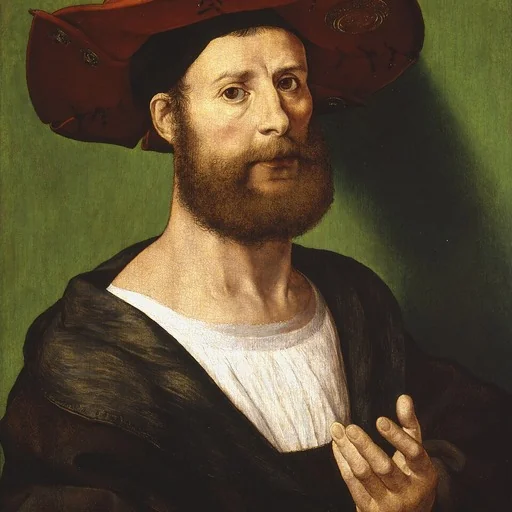
Jan Gossaert (c. 1478 – 1 October 1532) was a French-speaking painter from the Low Countries also known as Jan Mabuse (the name he adopted from his birthplace, Maubeuge) or Jennyn van Hennegouwe (Hainaut), as he called…

Museum
Royal Museums of Fine Arts of Belgium
Continue through works from the same source collection.