Artwork
Still Life with Orange and Venetian Glass
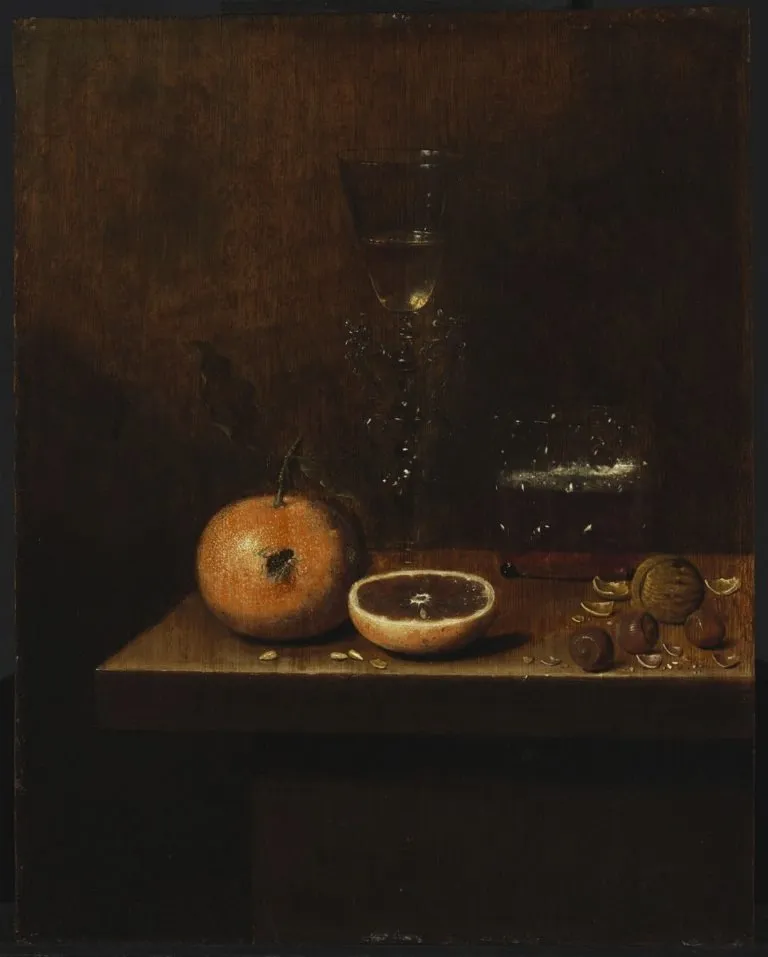
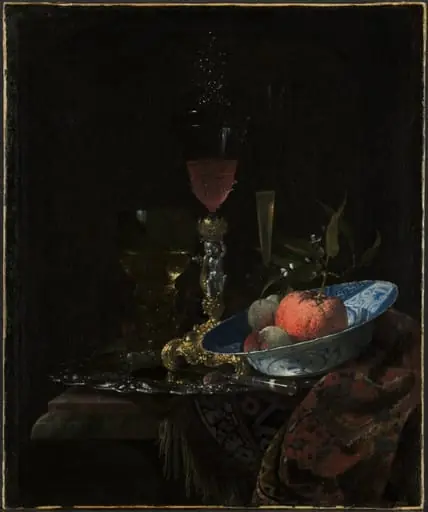
Still Life with Orange and Venetian Glass is an oil painting by the Dutch Golden Age artist Jan Jansz van de Velde. It dates from 1656 and is held in the collection of the Museum of Fine Arts, Budapest.
About this work
Overview
Painted in 1656 by Jan Jansz van de Velde, this oil-on-canvas still life presents a modest arrangement of everyday objects: a whole orange, partially sliced, a tall Venetian glass, and scattered nuts and seeds. The composition is quiet and deliberate, emphasizing texture and light rather than narrative. It resides in the Museum of Fine Arts, Budapest, as part of its Dutch and Flemish collection.
Subject & Meaning
The objects—orange, glass, and seeds—suggest themes of transience and domestic quietude. The sliced orange, with its exposed segments, hints at decay and the passage of time, while the delicate glass evokes fragility. The scattered seeds imply consumption and the remnants of a momentary act. Together, they form a contemplative meditation on impermanence, common in Dutch still lifes of the period.
Technique & Style
The oil medium allows for rich, luminous surfaces, particularly in the glass’s reflective curves and the fruit’s matte skin.
Van de Velde employs chiaroscuro to model form with subtle gradations of light and shadow, giving the orange’s rind and the glass’s curvature a tangible presence. The oil medium allows for rich, luminous surfaces, particularly in the glass’s reflective curves and the fruit’s matte skin. Brushwork is precise yet unobtrusive, favoring naturalism over ornamentation, enhancing the scene’s quiet realism.
History & Provenance
The painting was completed in 1656 during van de Velde’s mature period in the Netherlands. It entered the collection of the Museum of Fine Arts, Budapest, in the early 20th century, likely through acquisitions of Dutch Golden Age works. Its documented history is limited, but its stylistic consistency with the artist’s known oeuvre supports its attribution and dating.
Context
This work aligns with the Dutch Golden Age tradition of still life painting, where humble objects carried moral or philosophical undertones. Van de Velde, influenced by Haarlem school conventions, favored intimate arrangements over lavish displays. The inclusion of Venetian glass reflects contemporary trade networks and the cultural value placed on imported luxury items in Dutch households.
Legacy
Though not widely exhibited outside Hungary, the painting exemplifies van de Velde’s restrained approach to still life, distinguishing him from more flamboyant contemporaries. Its quiet precision and attention to materiality contribute to scholarly understanding of 17th-century Dutch visual culture, particularly in the nuanced depiction of everyday objects as carriers of meaning.
Artist & collection
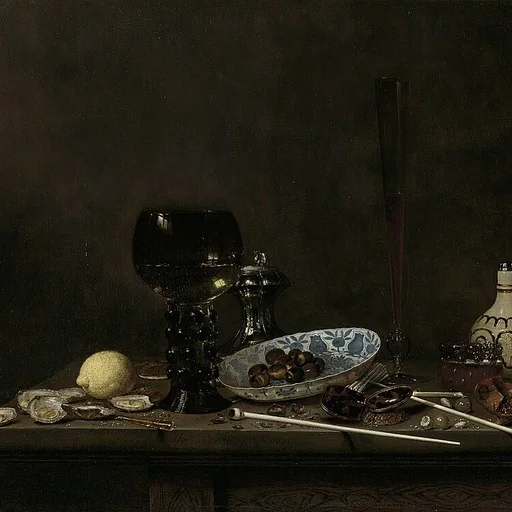
Artist
Jan Jansz van de Velde (1620–1662) was a Dutch artist, born in Haarlem.

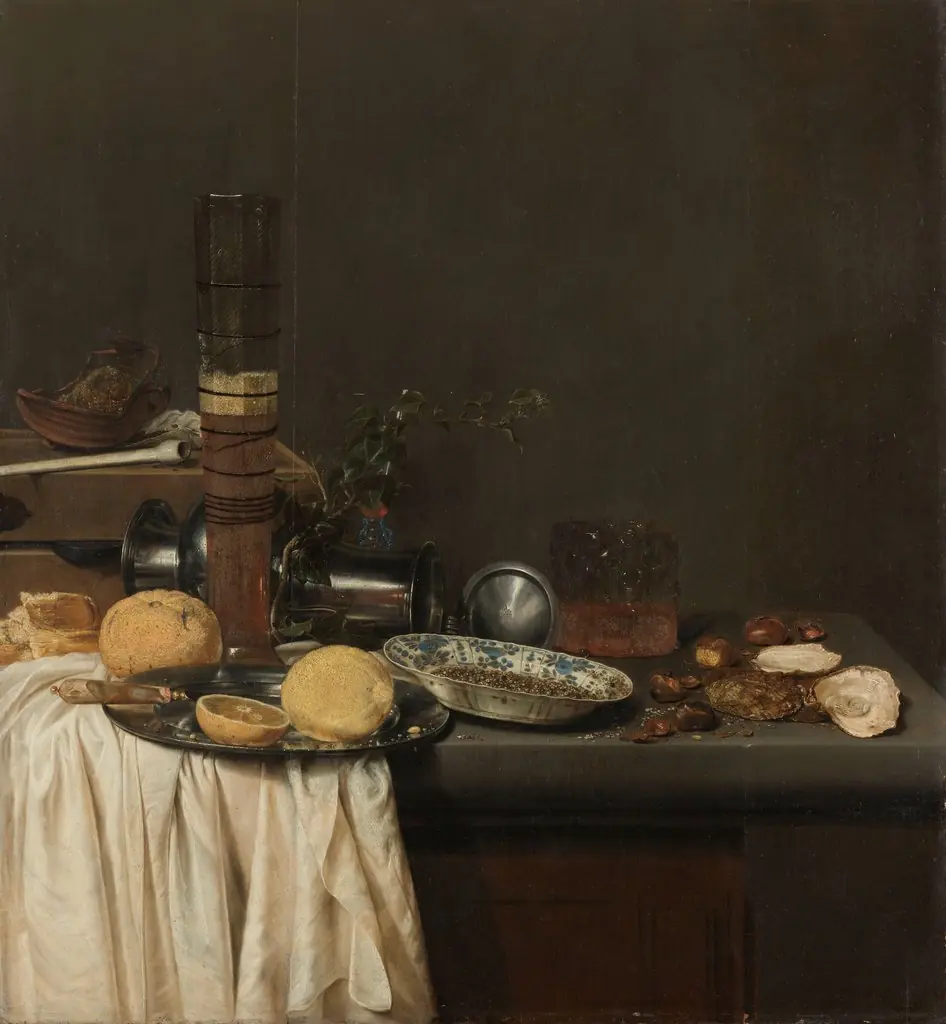 Still-life with a Tall Beer Glass
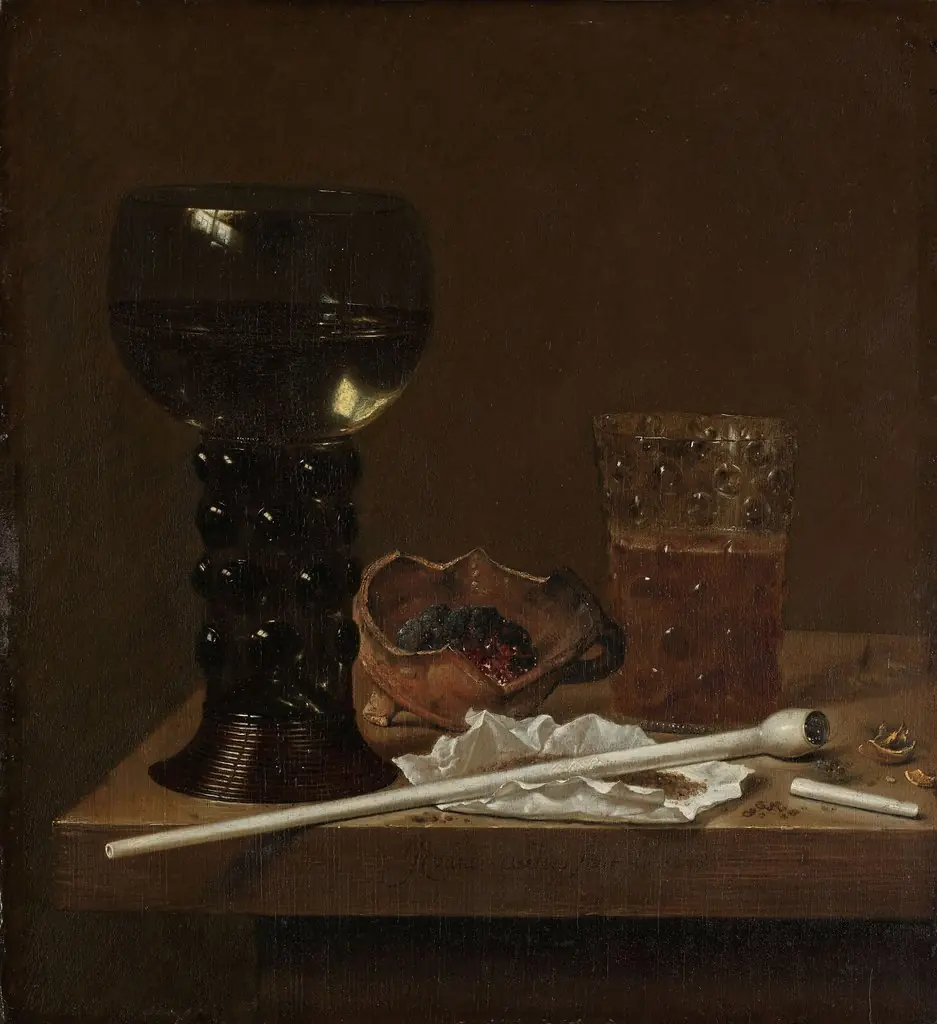 Still life with wineglass, beer glass and pipe
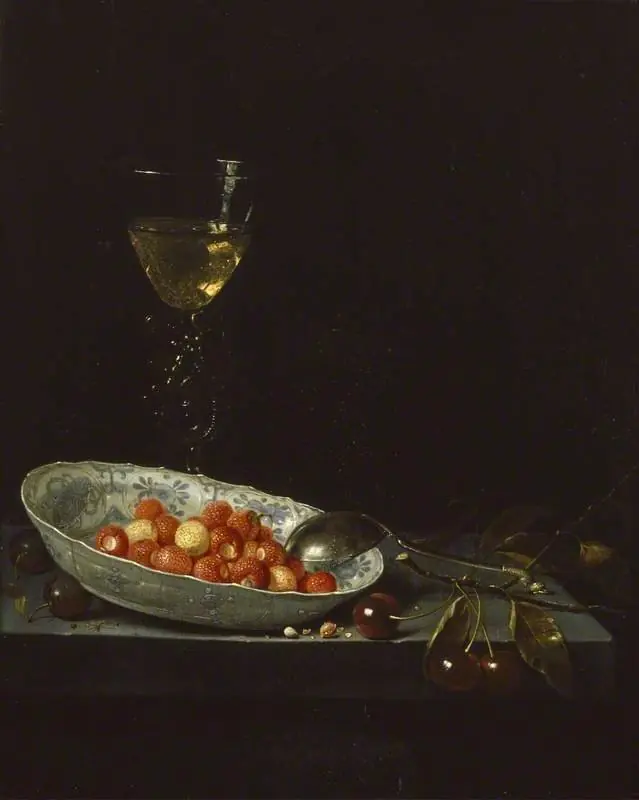 Still Life with Strawberries and Cherries
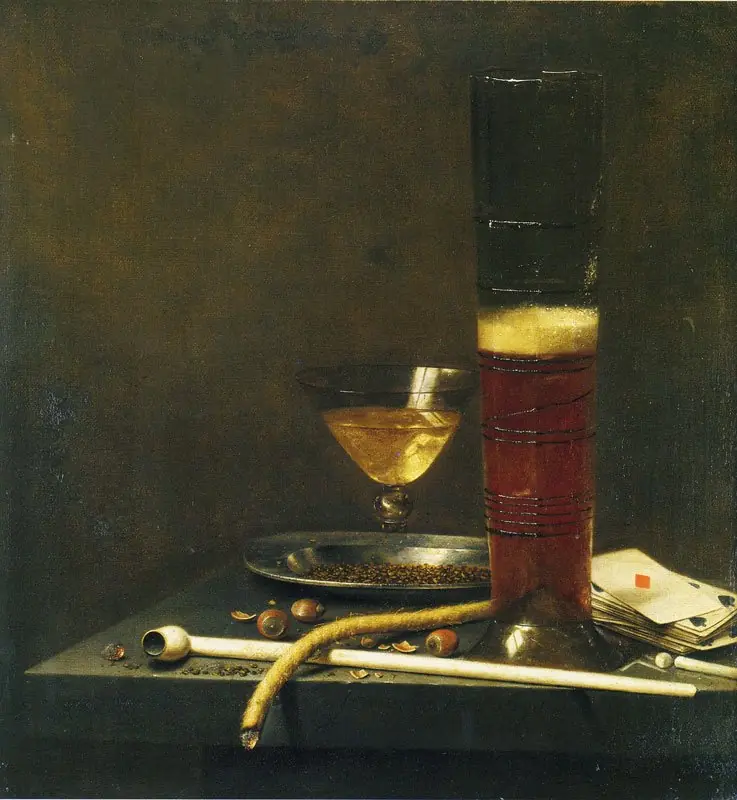 Glasses, Smoking Implements, and Cards
 Still Life with Roemer, Salt Cellar, Tobacco, Lemon, and Olives
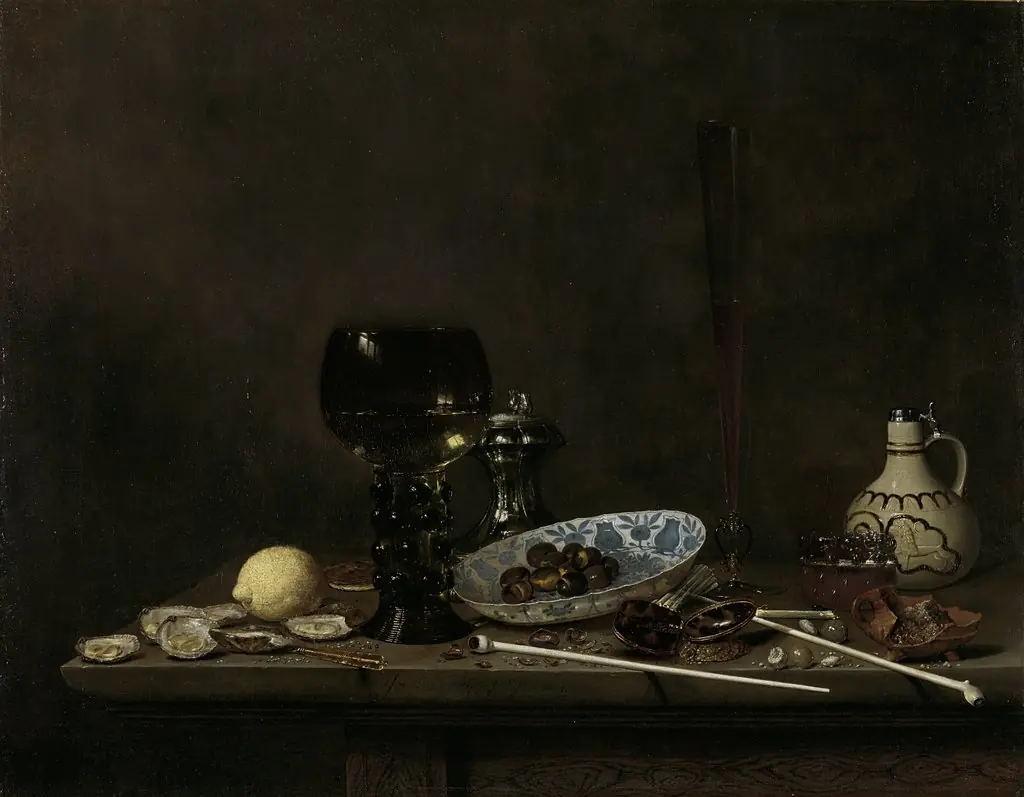 Still life with wineglass, flute, glass, earthenware jug and pipes
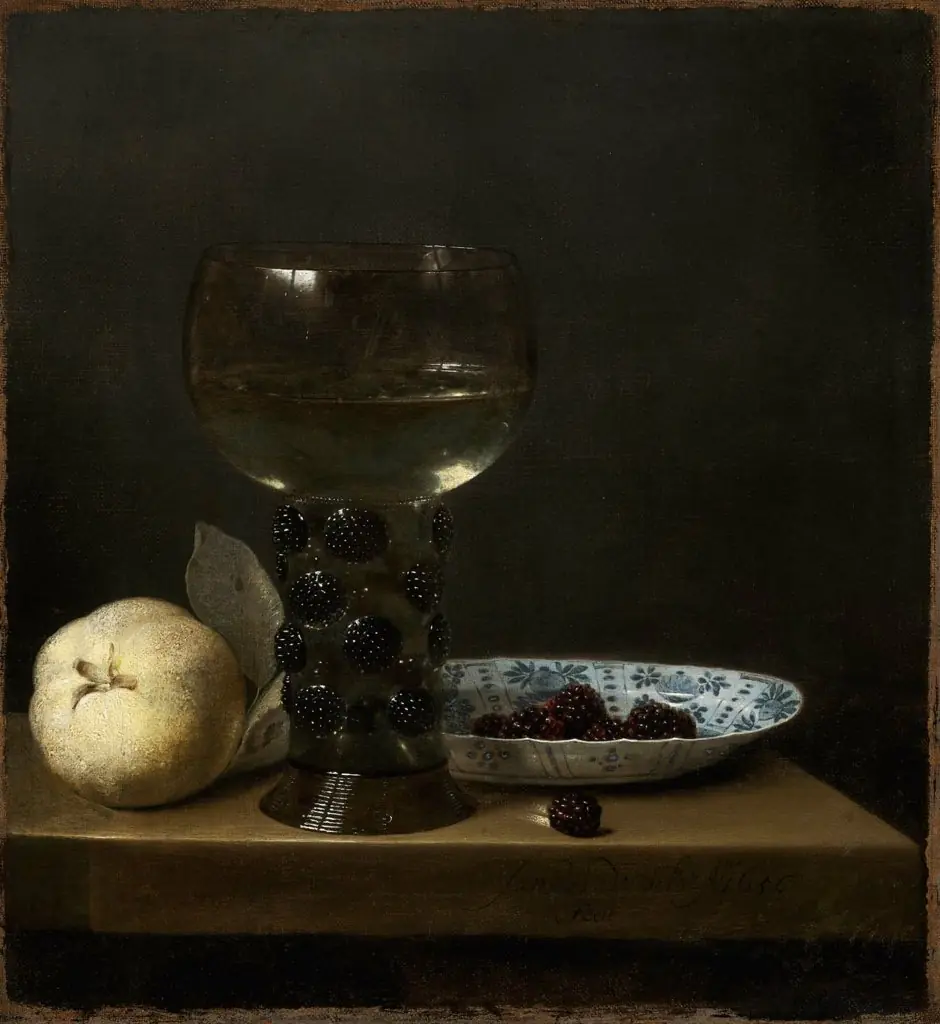 Still Life with Goblet and Fruit
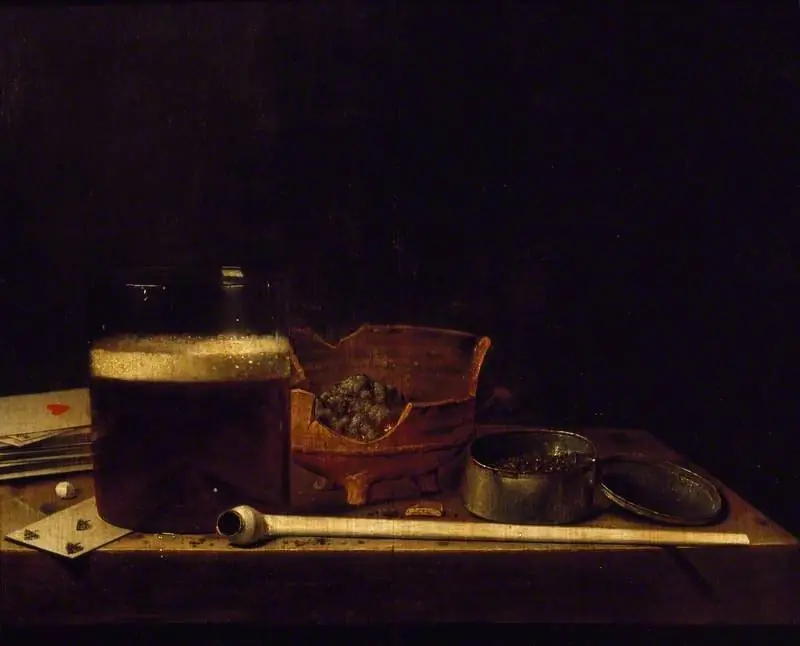 Still Life with a clay Pipe