Artwork
Self-Portrait
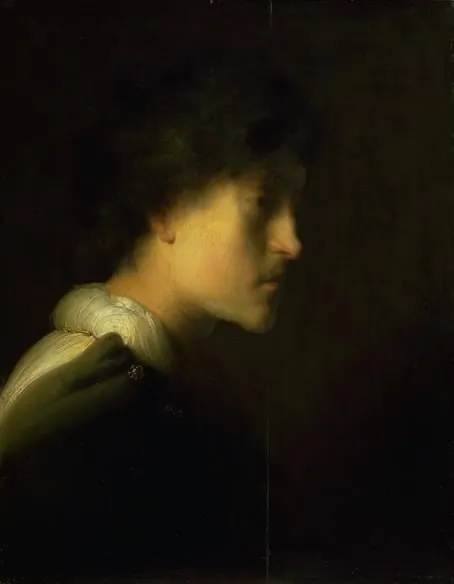
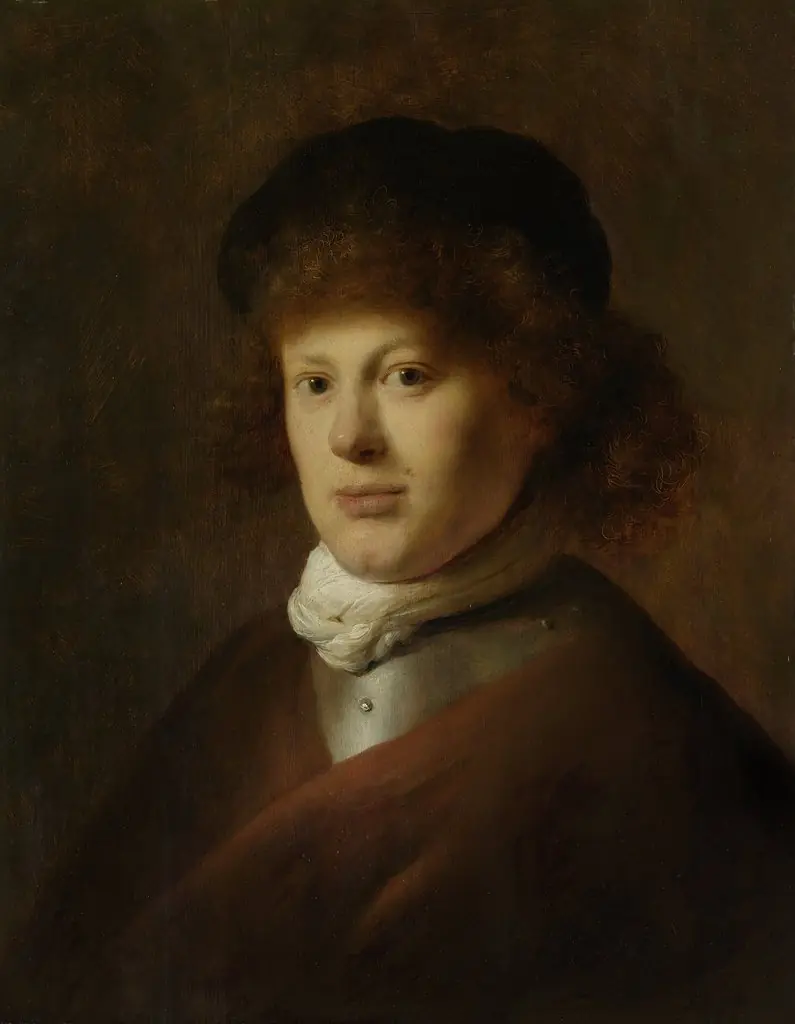
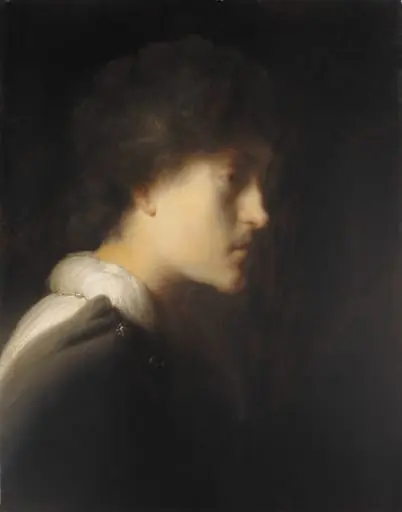
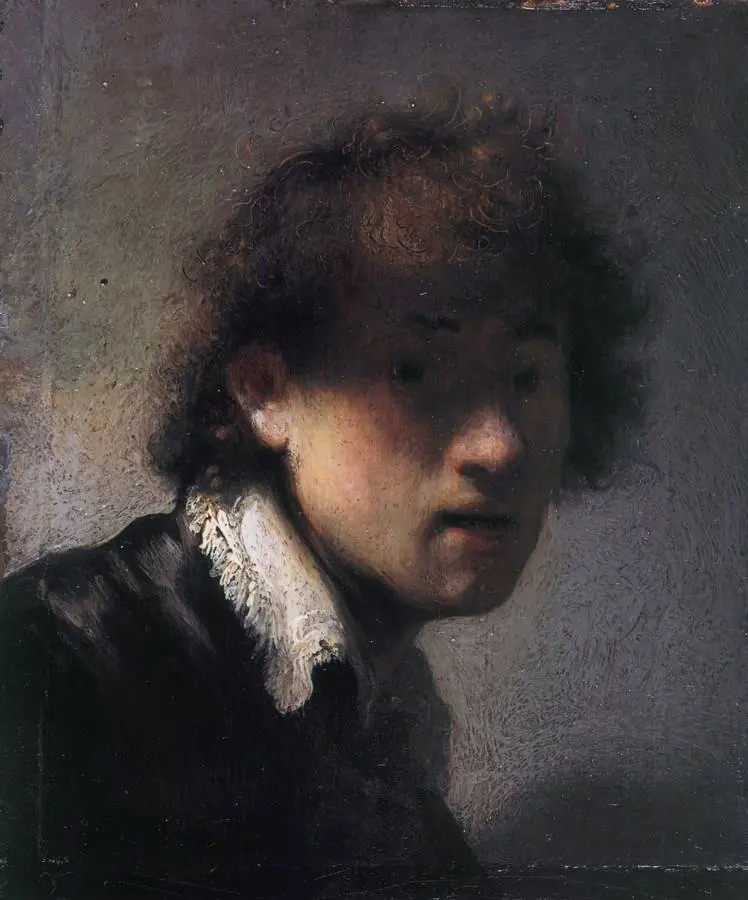
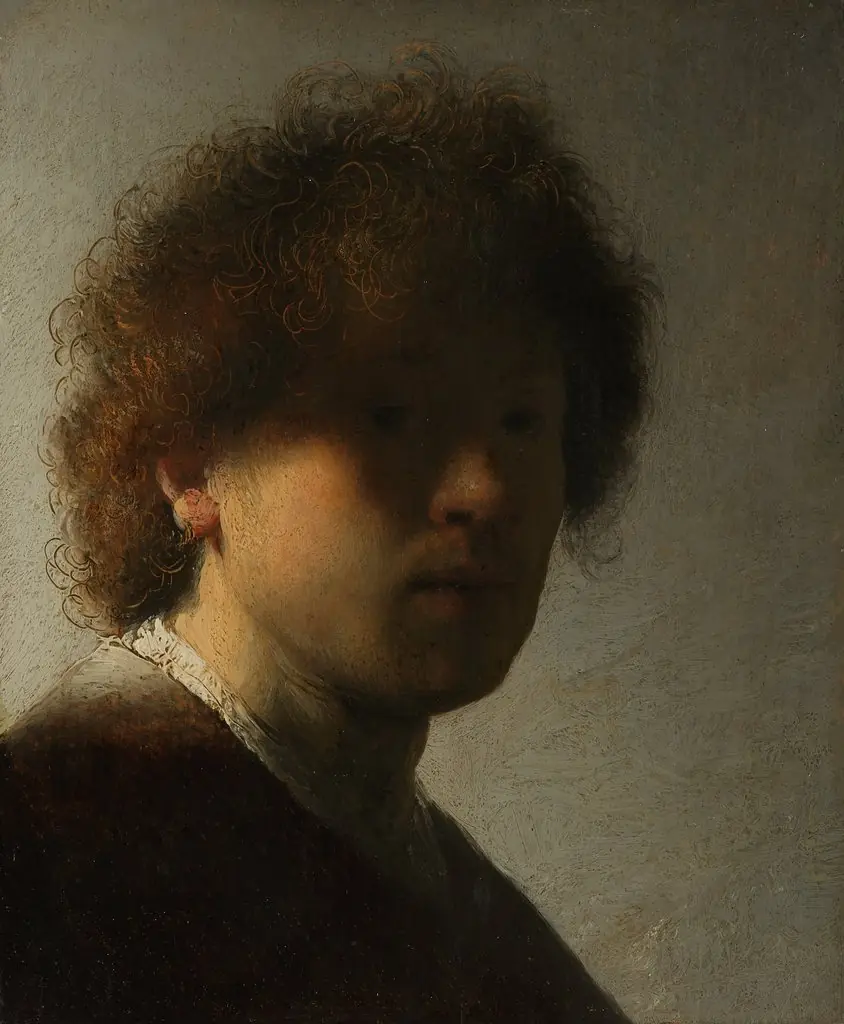
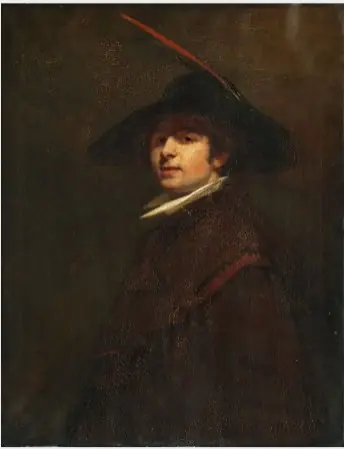
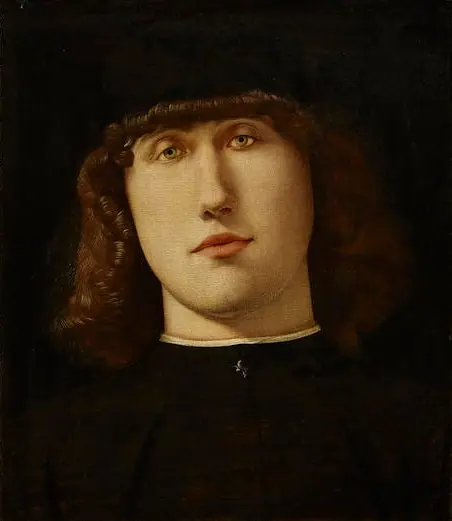
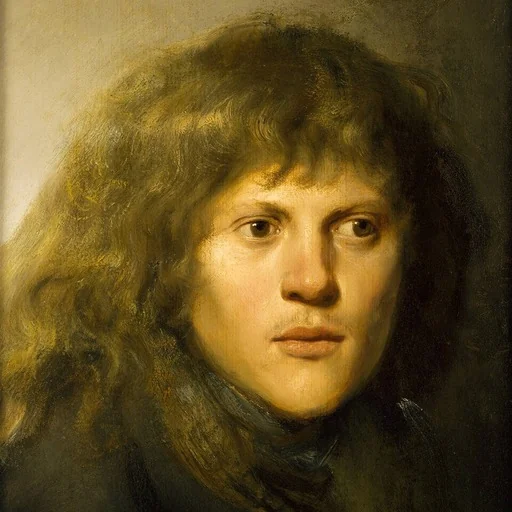
Self-Portrait is an oil painting by the Dutch Golden Age artist Jan Lievens. It dates from 1635 and is held in the collection of the Statens Museum for Kunst.
About this work
Overview
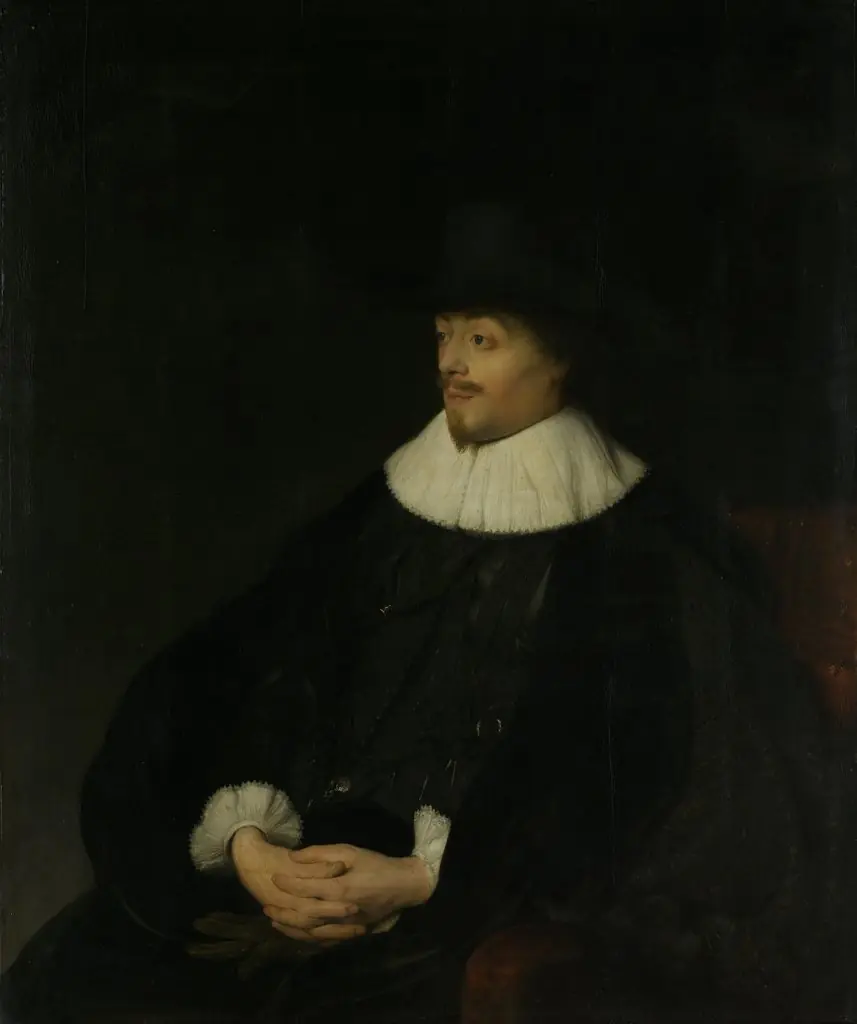
Jan Lievens, a Dutch painter born in Leiden in 1607, executed this oil‑on‑canvas self‑portrait in 1635. The work belongs to the Dutch Golden Age and is presently part of the collection of Statens Museum for Kunst in Copenhagen. It presents the artist in a half‑profile, illuminated from one side against a nearly black background.
Subject & Meaning
The portrait shows Lievens himself, his face split between light and shadow, suggesting a contemplation of identity and artistic introspection. The subdued attire—a dark collar with a slight hint of fabric at the shoulder—keeps the focus on the facial expression, emphasizing the painter’s personal presence rather than external status.
Technique & Style
Lievens employs a stark chiaroscuro, allowing a warm tone to bathe one cheek while the opposite side recedes into darkness. This contrast creates a three‑dimensional effect, giving the visage a palpable volume. The limited palette and near‑black background heighten the drama typical of early‑17th‑century Dutch portraiture.
History & Provenance
Created during Lievens’s early mature period, the painting reflects his close association with Rembrandt, with whom he trained in Amsterdam. After changing hands several times, it entered the Statens Museum for Kunst’s holdings, where it has been displayed as part of the museum’s representation of Dutch Golden Age art.
Context
In the 1630s, Dutch artists increasingly explored self‑portraiture as a means of asserting professional identity. Lievens’s work aligns with this trend, echoing the dramatic lighting favored by his contemporary Rembrandt while maintaining a personal, restrained compositional approach.
Artist & collection
Artist
Jan Lievens (24 October 1607 – 4 June 1674) was a Dutch Golden Age painter who was associated with his close contemporary Rembrandt, a year older, in the early parts of their careers.