Artwork
Self-portrait
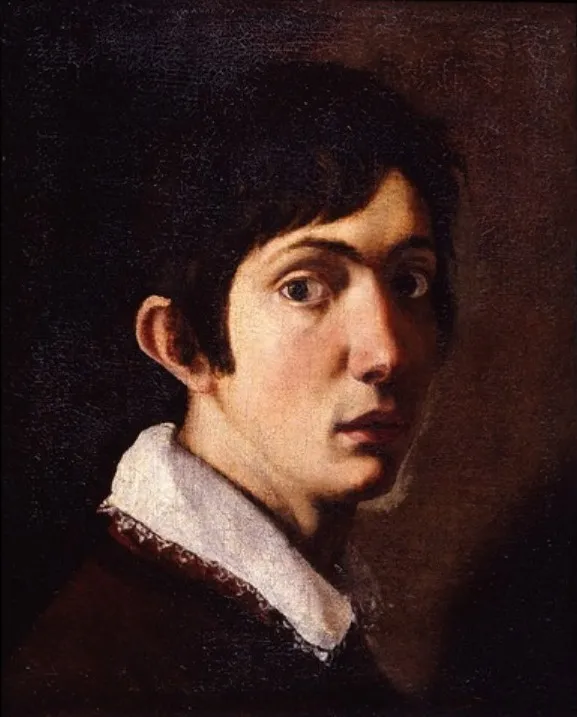
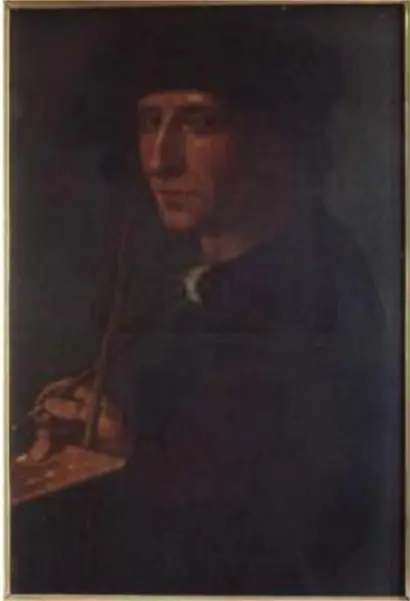
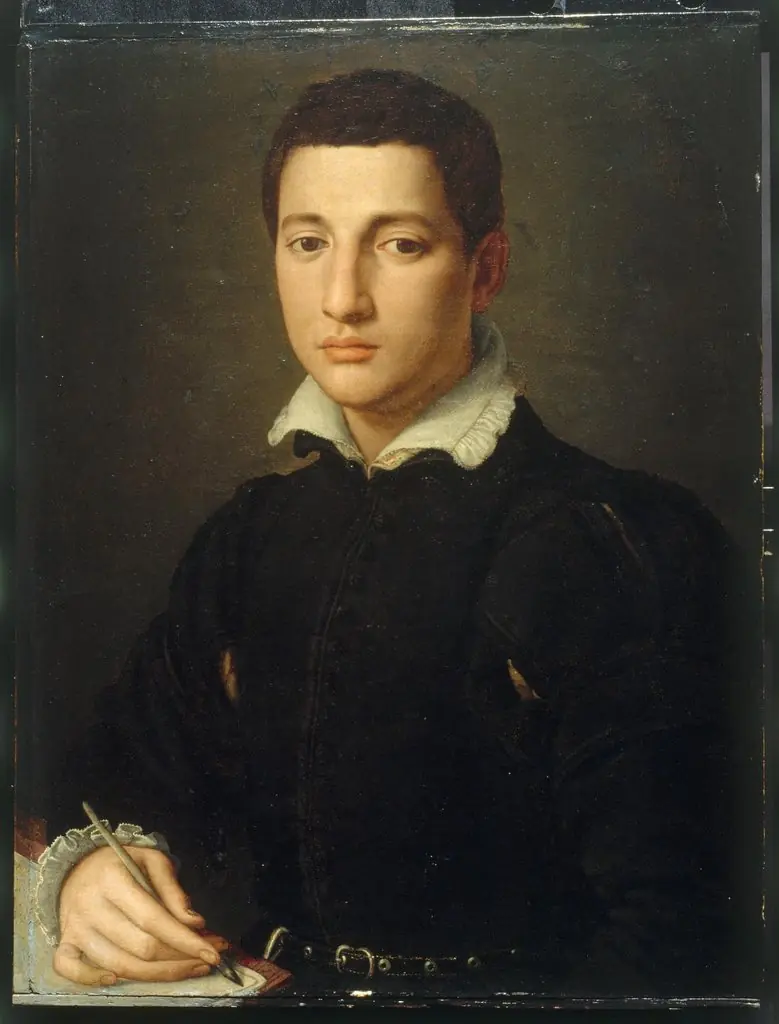
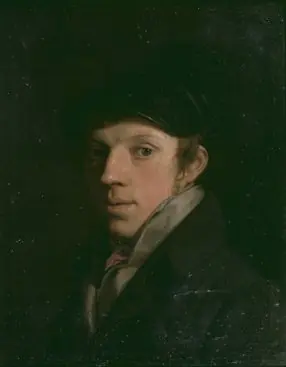
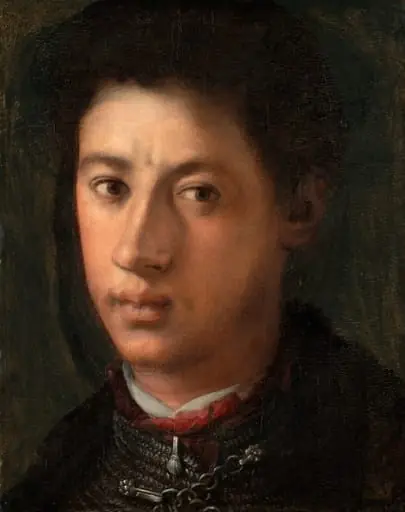
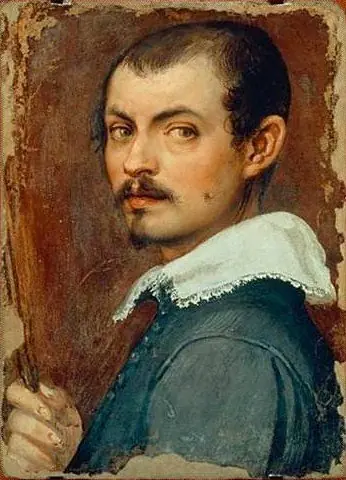
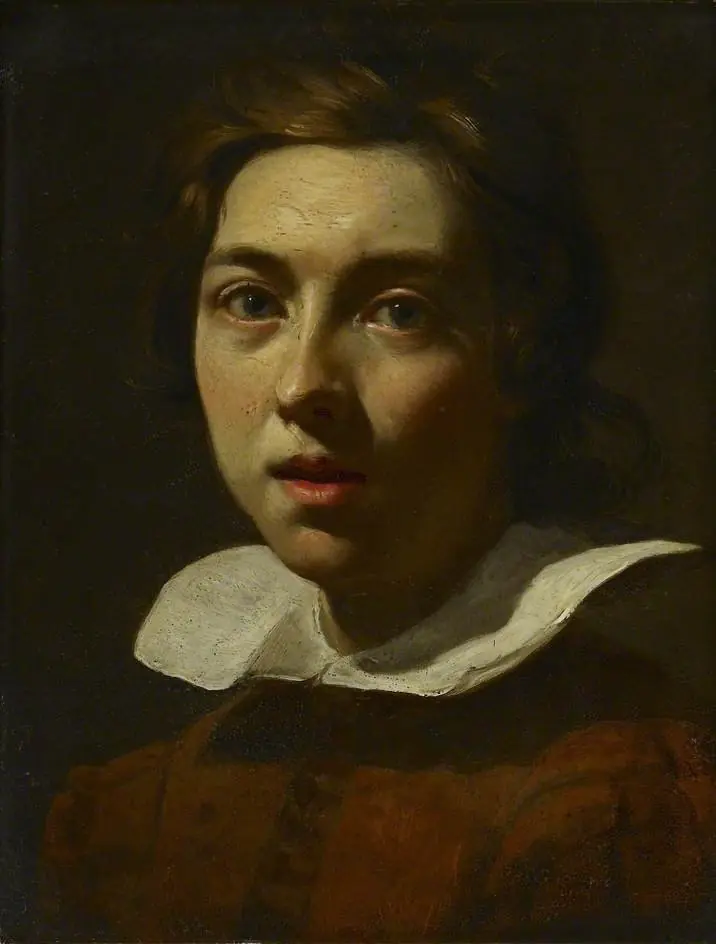
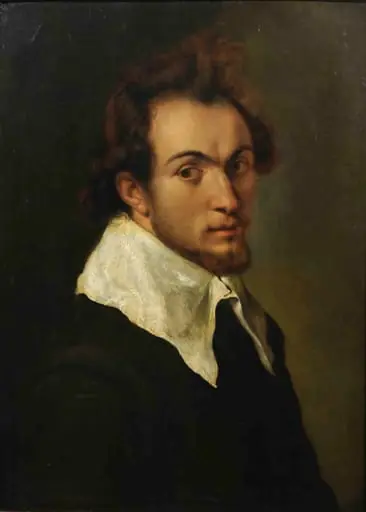
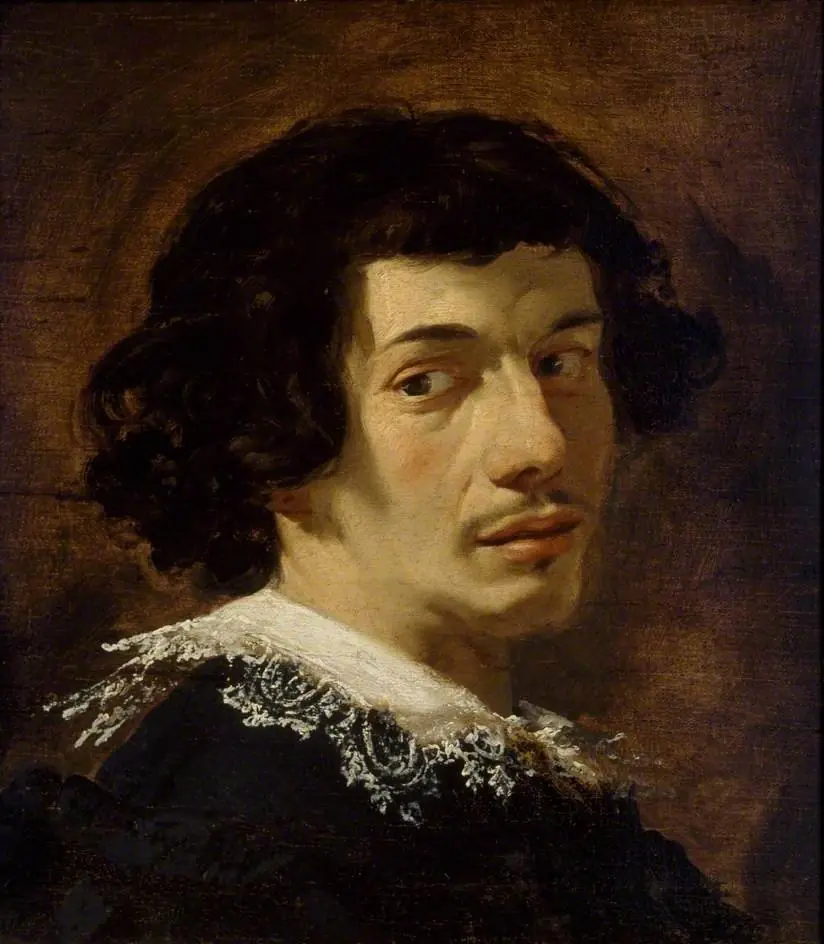
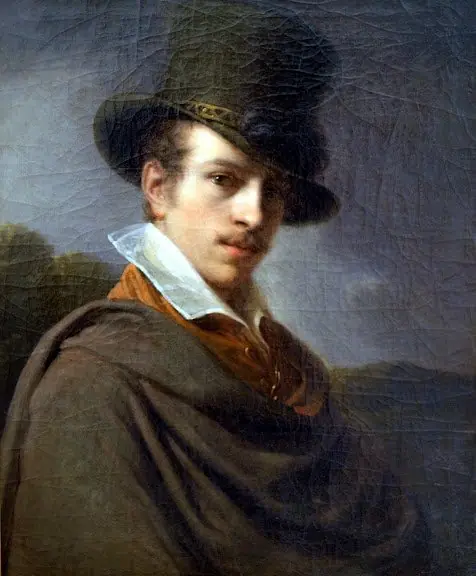
Self-portrait is an oil painting by the Early Baroque Italian artist Francesco Furini. It dates from 1610 and is held in the collection of the Uffizi Gallery.
About this work
Overview
Painted around 1610, this oil on panel self-portrait is attributed to Francesco Furini, an Italian artist active in Florence and Rome.
Painted around 1610, this oil on panel self-portrait is attributed to Francesco Furini, an Italian artist active in Florence and Rome. It captures the artist in early adulthood, presenting a quiet, introspective gaze. The work belongs to the Uffizi Gallery’s collection, where it stands as one of the few surviving personal images from his oeuvre, reflecting his dual identity as a painter and a cleric.
Subject & Meaning
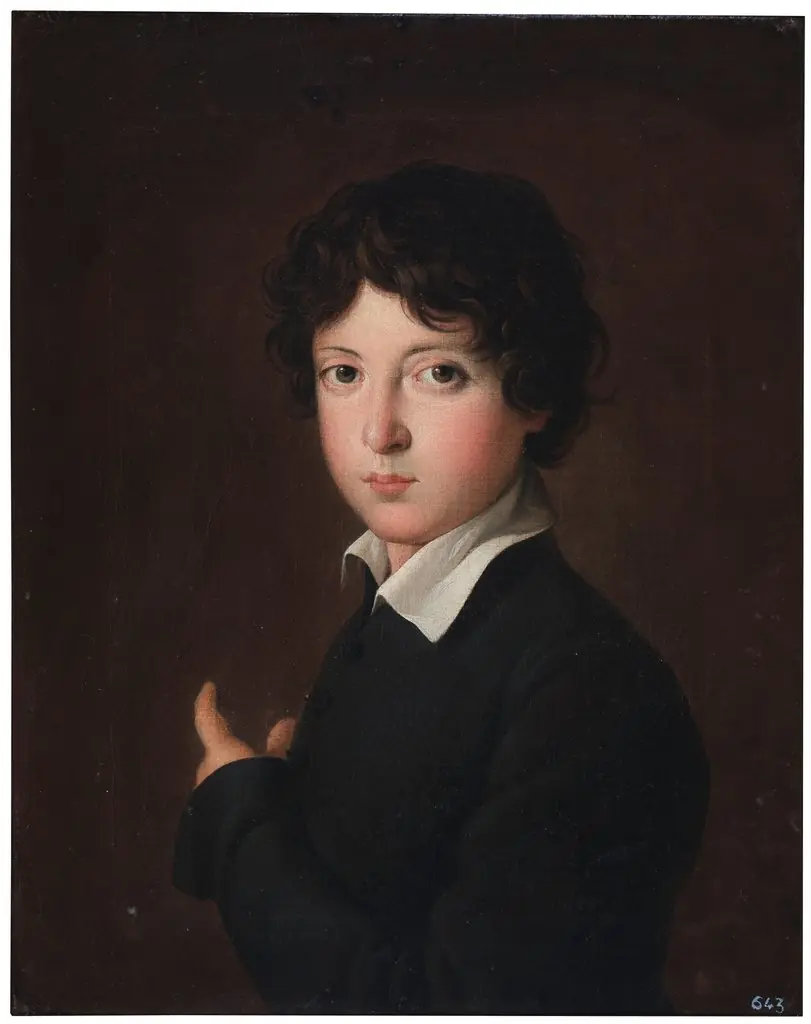
Furini depicts himself as a young man with dark hair and a high white collar, dressed in a dark jacket. His gaze, directed slightly to the right, avoids direct engagement with the viewer, suggesting contemplation rather than assertion. The absence of symbolic objects or narrative context shifts focus to the psychological presence of the sitter, possibly conveying the inner life of an artist navigating spiritual and creative duties.
Technique & Style
The painting employs chiaroscuro to model the face with subtle gradations of light and shadow, enhancing three-dimensionality without overt drama. Furini’s sfumato-like transitions soften edges around the cheeks and neck, creating a tactile, almost velvety surface. The dark, indistinct background isolates the figure, reinforcing the intimacy of the portrait and emphasizing the precision of facial rendering over environmental detail.
History & Provenance
The portrait entered the Uffizi collection in the 17th century, likely acquired during Furini’s time in Florence. Its early inclusion suggests it was valued by contemporaries as a personal record rather than a public statement. No significant alterations or later additions are documented, preserving its original condition and reinforcing its authenticity as a direct self-representation from the artist’s youth.
Context
Furini worked during a period when Florentine painting was transitioning from Mannerist conventions toward naturalism influenced by Caravaggio. Though not a direct follower, he absorbed elements of chiaroscuro and emotional restraint. His role as a priest may have shaped the portrait’s subdued tone, distinguishing it from the more theatrical self-images of secular artists of the era.
Legacy
Few of Furini’s self-portraits survive, making this work a rare window into his personal presence. While not widely reproduced, it remains a key reference for understanding how religious artists in early 17th-century Italy represented themselves with restraint and psychological nuance, bridging devotional modesty and artistic self-awareness.
Artist & collection
Artist
Francesco Furini ( 10 apr. 1603 – 19 August 1646) was an Italian Baroque painter, poet and priest. He was a leading painter in Florence in the second quarter of the 17th century and also worked in Rome. He was noted for…